Last Updated on: 01 Jul 2026

Tata Punch price in Davanagere
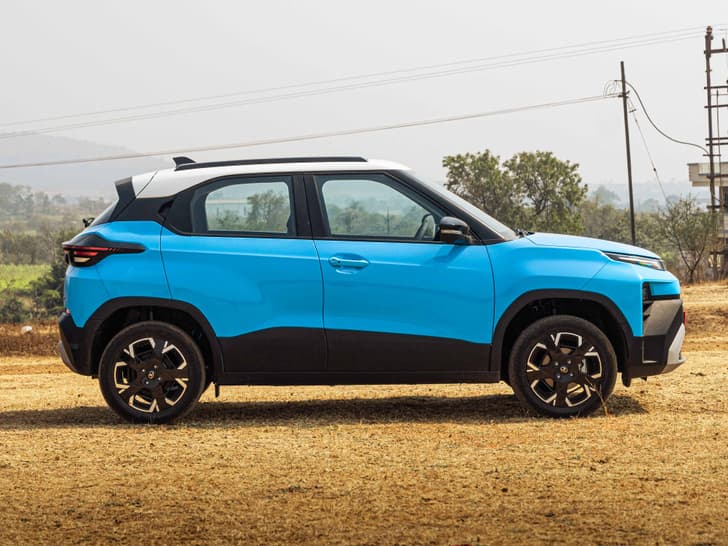
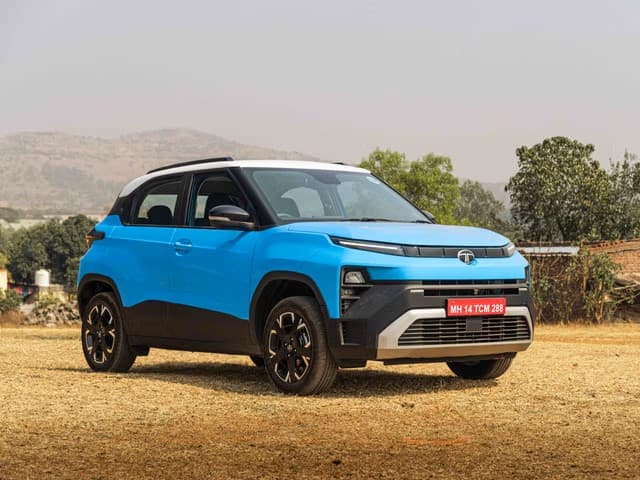
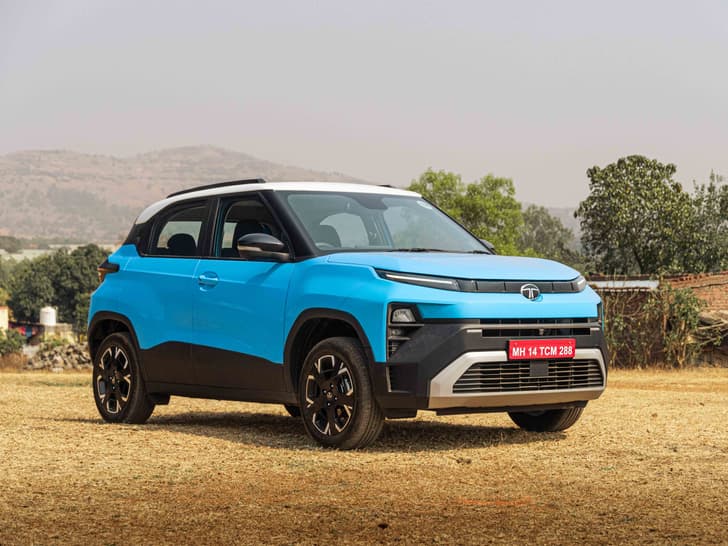
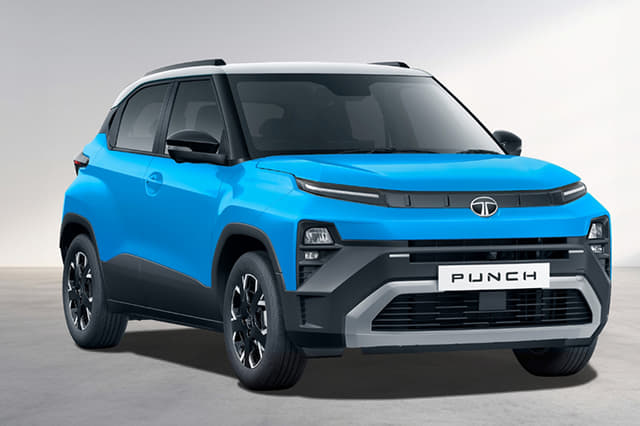
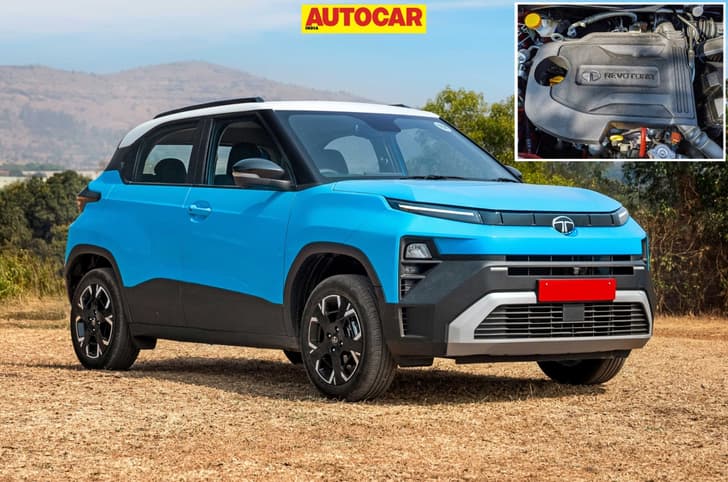
The Tata Punch price in Davanagere starts at ₹5.65 lakh to ₹10.60 lakh (ex-showroom). Whereas, Tata Punch on road price in Davanagere starts from ₹6.70 lakh. In comparison, the Tata Punch top model on road price is ₹12.32 lakh (on-road price including all taxes, RTO fees, and insurance).
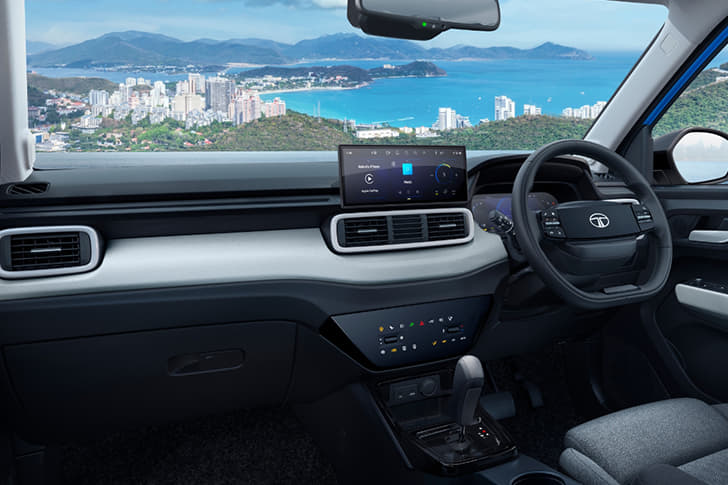
Punch Price List in Davanagere 2026 (Ex-Showroom):
- Tata Punch price range - ₹5.65 lakh - ₹10.60 lakh
- Tata Punch Smart Petrol MT starting price - ₹5.65 lakh
- Tata Punch Accomplished Petrol MT starting price - ₹8.35 lakh
- Tata Punch Accomplished + S CNG AMT starting price - ₹ 10.60 lakh
Tata Punch price in Davanagere
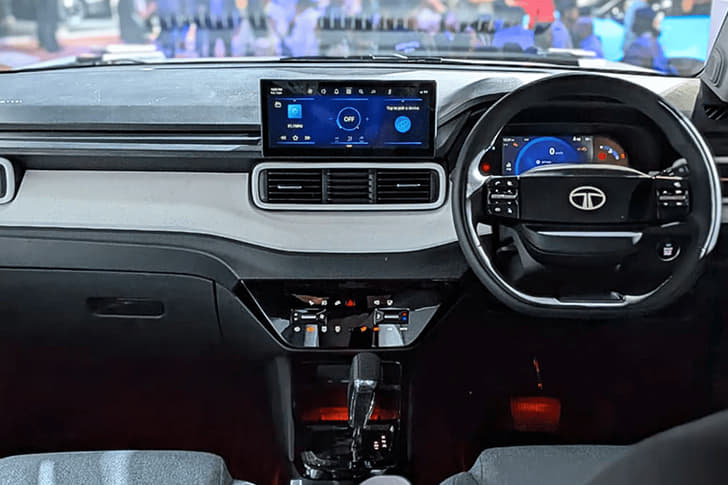
The Tata Punch price in Davanagere starts at ₹5.65 lakh to ₹10.60 lakh (ex-showroom). Whereas, Tata Punch on road price in Davanagere starts from ₹6.70 lakh. In comparison, the Tata Punch top model on road price is ₹12.32 lakh (on-road price including all taxes, RTO fees, and insurance).
Punch Price List in Davanagere 2026 (Ex-Showroom):
- Tata Punch price range - ₹5.65 lakh - ₹10.60 lakh
- Tata Punch Smart Petrol MT starting price - ₹5.65 lakh
- Tata Punch Accomplished Petrol MT starting price - ₹8.35 lakh
- Tata Punch Accomplished + S CNG AMT starting price - ₹ 10.60 lakh
Tata Punch Pricing by Variants
* Estimated on-road price. Final amount may vary.
Tata Punch Booking & Test Drive - User Reviews
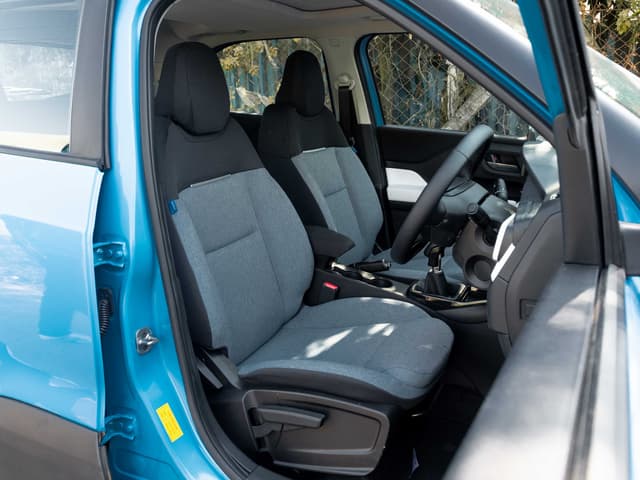
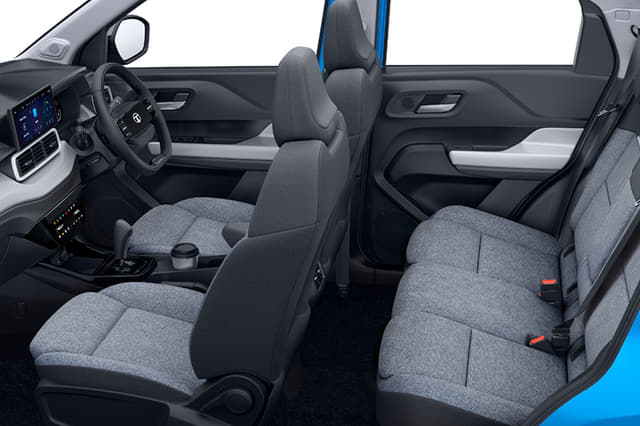
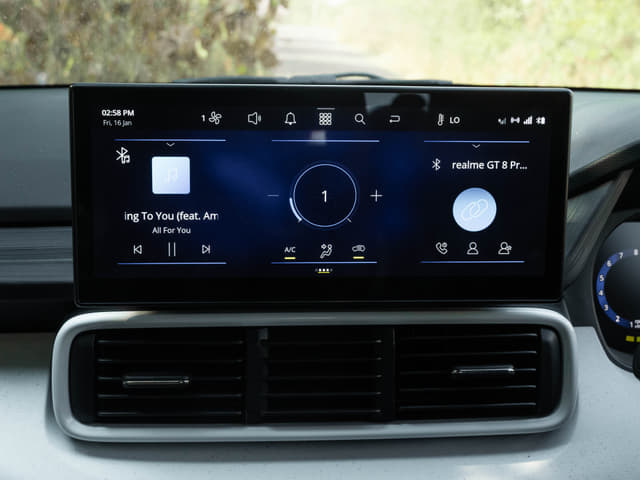
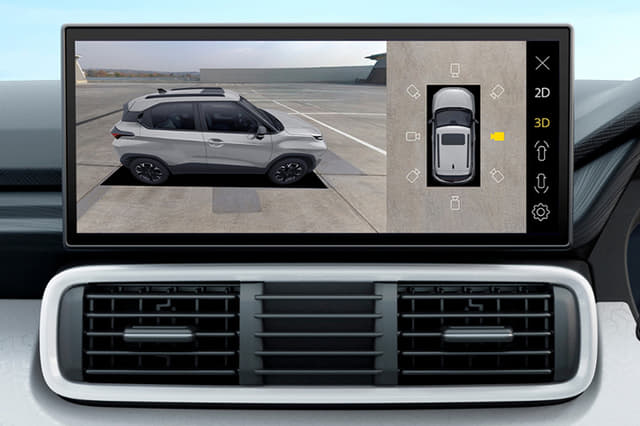
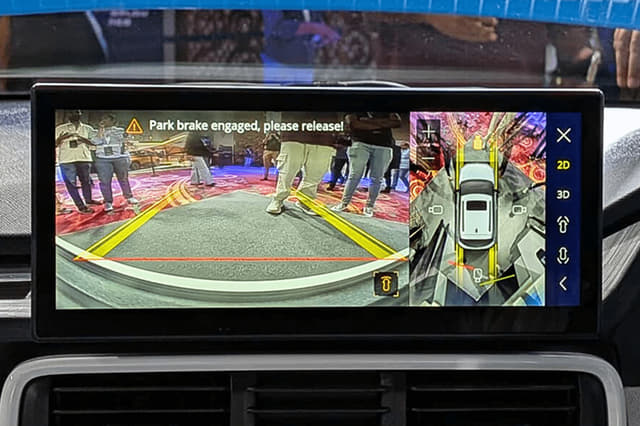
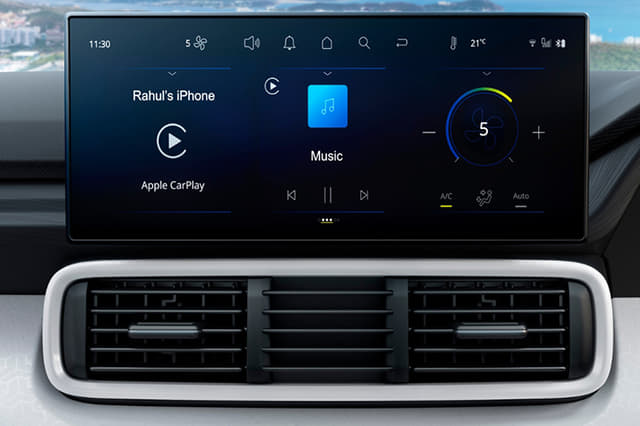
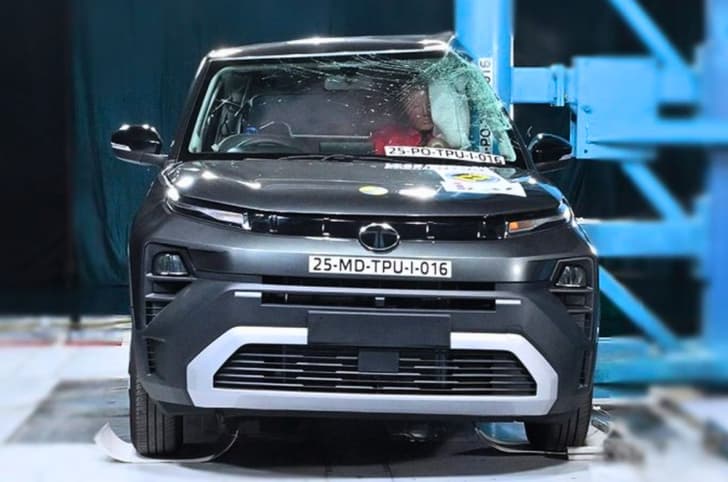
The first thing you notice is how “solid” it feels. The doors shut with a reassuring thud, and unlike many cars in this price range, it doesn’t feel flimsy. Driving it daily in city traffic, especially in places with rough patches or speed breakers everywhere, the high ground clearance becomes a blessing. You don’t have to slow down too much or worry about scraping the bottom, which is something hatchback owners often struggle with. From a user perspective, the seating position is a big win. You sit higher than usual, which gives you confidence, especially in traffic. Visibility is good, and maneuvering through tight streets is easy because the car isn’t too wide. Parking is also stress-free, even without advanced sensors or cameras in lower variants. Now, coming to the engine—this is where expectations need to be realistic. The 1.2L petrol engine is smooth and refined for city use, but it’s not exciting. If you’re someone who enjoys quick acceleration or highway overtakes, you might find it a bit underpowered. However, for daily commuting, office runs, and occasional weekend drives, it does the job without complaints. The AMT version, while convenient in traffic, can feel slightly laggy during gear shifts, something most users notice in stop-and-go conditions. Comfort-wise, the suspension is honestly one of the highlights. It absorbs potholes really well, and even on bad roads, the cabin remains composed. This makes a huge difference in Indian driving conditions. Long drives are comfortable for front passengers, though rear seat space is best suited for two adults rather than three. One thing users often appreciate is the sense of safety. Knowing that the Punch has a strong build quality (and a good safety rating) gives peace of mind, especially for family buyers. It feels like a car built to protect, not just to look good. On the downside, there are a few small annoyances. The infotainment system can feel a bit slow at times, and the engine noise becomes noticeable when you push it hard. Also, if you’re used to feature-loaded cars, you might find some modern features missing in lower variants. Overall, the Tata Punch isn’t about performance or luxury—it’s about practicality, toughness, and peace of mind. It’s perfect for someone buying their first car or upgrading from a hatchback who wants a bit more road presence and confidence without spending too much.
Read moreTell us about your experience
Tata Punch Official Brochure
Download the complete brochure with specs, features, and variants.
On Road Price of Tata Punch Alternatives in Davanagere
Tata Punch Images
Tata Punch Colours
Tata Punch news
Tata Punch videos


Tata Punch FAQs
Is the Tata Punch CNG worth buying?
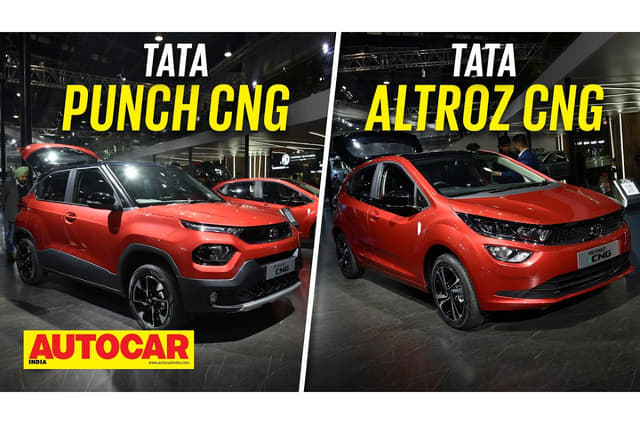
Yes, especially if your running is high. The CNG version offers significantly lower running costs than the petrol model while retaining much of the Punch's practicality. The availability of an AMT gearbox also makes it more convenient for city driving.
Does the Tata Punch justify its price?
The lower and mid-spec variants offer strong value, thanks to the Punch's safety, ride quality and practicality. However, the fully loaded versions are priced close to larger compact SUVs, so buyers should compare them carefully before deciding.
Questions you may find useful
user_858uyo0d
My monthly running is around 2,500 km. My budget is Rs. 10 lakh. Around 70% of my driving is in the city, and 30% is on highways. Kindly suggest a car with a good safety profile.
autocar.india
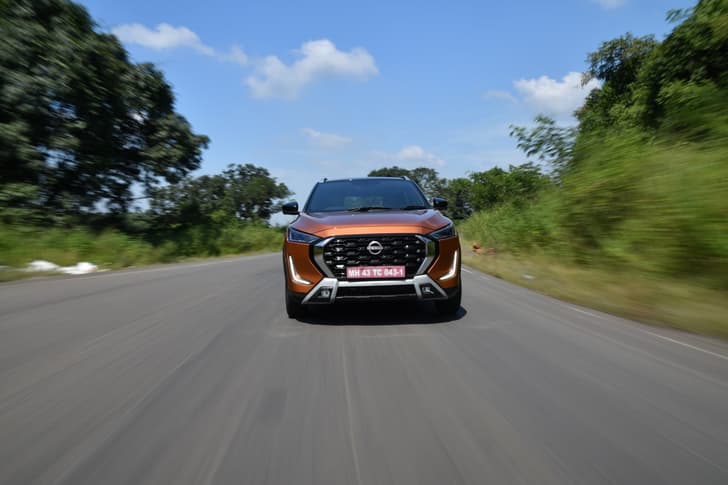
Go for the Tata Altroz. With 2,500km a month, you will want to keep fuel costs in check, and with this car you get a choice of petrol, CNG and diesel with this car. It is one of the few cars in the Rs. 10 lakh range that has a 5-star crash rating, and it feels solid and surefooted on long runs.The diesel engine has a strong mid‑range pull for overtakes, you can expect around 20-22kpl on highways if you aren't too heavy with your right foot, but you will only get an entry variant in your budget and it requires additional maintenance. Thus, a more economical choice might be petrol or CNG; try all three and decide which works best. The Altroz rides comfortably over rough patches so long trips are less tiring. Space is good for a small family and the boot is usable for weekend bags.If you want more bang for your buck, there is the Tata Punch. You won't get a diesel, and it is smaller in the cabin and boot, but you will get more features in your budget. Alternatively, there is also the Nissan Magnite, which has also got a 5-star NCAP rating, and comes with an efficient 1.0-litre petrol engine.
krishav
Is the Tata Punch Automatic CNG a good option to buy, or should I consider the Tata Punch Automatic Petrol instead? My usage will be mostly limited to city driving, with only occasional long-distance trips. My budget is Rs. 10 lakh.

autocar.india
Pick the Tata Punch automatic petrol. It matches light, mostly city use and the odd highway run much better. The price difference between the petrol AMT and CNG AMT is around Rs. 90,000 to Rs. 1 lakh, depending on the variant. With your limited running, it will take a while to recover the extra upfront cost, which is why the petrol AMT is the smarter choice. The CNG version also brings fuel station queues, a smaller boot and lower performance. If you drive a lot or plan to keep the car for a very long time, then the CNG makes more sense.For city driving, the petrol automatic is simply easier to live with. It creeps smoothly in stop-go traffic and responds more quickly when you need to take a gap. On occasional long drives, the petrol’s mid-range performance is stronger, and CNG stations can still be patchy outside larger cities.One honest catch: the AMT can feel a bit hesitant if you floor the accelerator.
andy10
Being 6 feet tall person with a budget within Rs. 10 lakh, I mostly commute in the city but also ride around 200 km on the highway every week. My priorities are reliability, after-sales service, fuel efficiency, and riding comfort. Which one should I choose between the Maruti Suzuki Fronx NA Petrol and the Tata Punch NA Petrol?

autocar.india
Go for the Fronx NA petrol, mainly for its smoother 4-cylinder engine and better efficiency, which will save you money in city traffic and feel calmer on your 200 km weekly highway run. Maruti’s reliability and service reach are still the easiest to live with, especially if you plan to keep the car long. For a 6ft driver the seat travel is good, cabin is wider than the Punch, and the Fronx feels more relaxed at 90-100 km/h with less engine noise.The Punch fights back with a higher driving position and a tougher, more absorbent ride on bad roads. But its 3-cylinder motor is noisier, needs more effort for highway overtakes, and real-world fuel use is usually higher. Tata’s service is improving but still inconsistent in many cities.If reliability, low running costs and everyday comfort matter most, the Fronx fits your brief better.
basag
Please suggest a CNG car under Rs. 11 lakh for city driving.

autocar.india
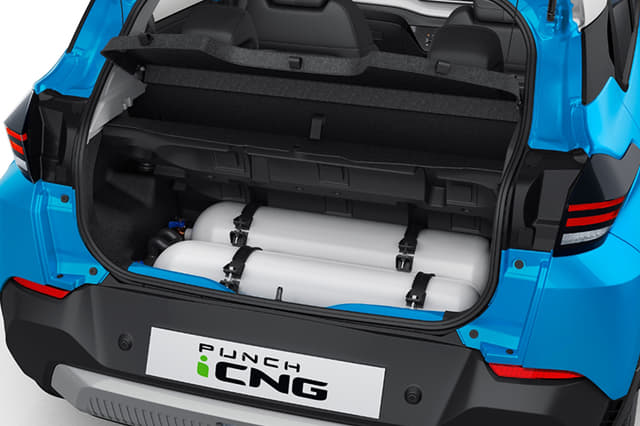
Go for the Tata Punch Adventure S CNG AMT. It falls within your budget and comes with a CNG-AMT automatic powertrain, which will be very convenient on your city runs. The Punch also has a spacious cabin for four people; It's relatively compact, you get an elevated driving position, and it deals with broken city roads with ease. It also benefits from Tata's twin-cylinder tech, so the CNG tanks are placed under the boot floor, and you don't miss out on boot space. And despite that, you continue to get a spare tyre also. If you want something smaller and don't want an automatic, consider the Maruti Suzuki Fronx CNG.
ankitsagwekar.1
Does high body roll in a car influence motion sickness? I am planning to buy a new car and have shortlisted Punch, Altroz and i20. As Punch has higher body roll, should I cancel it? Two of my family members have motion sickness. We have around 5-6 trips annually through winding Konkan roads. I would want my car to be comfortable for all throughout the journey.

autocar.india
Pick the Tata Altroz for your trips. It stays flatter through ghats than the Punch and feels steadier than the i20, which helps people who get sick. On winding Konkan roads, side-to-side roll and float at the back are what trigger nausea; the Altroz sits lower and has a firmer, more tied-down tune, so there’s less sway in bends and less bobbing over crests. It is calm at highway speeds, too, so your family won’t be tossed about.A few tips for travel sickness: seat the most sensitive person in front and tell them to keep looking out and at the road and horizon. Motion sickness is caused mainly due to your body receiving differing signals, so if your are reading you eyes and looking down and at something steady, but your body is sensing motion. Thus, for people who feel sick its best to look out of the windows and not at a phone, for example. Also, if required, keep the windows cracked a bit for fresh air, which helps, and take short breaks more often rather than one break after a long drive. Eat a light meal and lime and ginger if you can, as it helps reduce nausea.
dvkalra
I want to buy my first car and am looking for a CNG option, as my daily travel is around 50 km. My budget is between Rs. 10 lakh and 11 lakh. I am quite confused between the Tata Punch CNG, Hyundai Exter CNG, and Tata Nexon CNG (if I stretch my budget a bit), as I do not want to compromise on boot space. Kindly suggest the best car in this segment. I have also heard that the Maruti Suzuki Brezza may come with a dual-cylinder setup similar to the Maruti Suzuki Victoris. Should I wait for it as I am planning to purchase the car by August 2026.

autocar.india
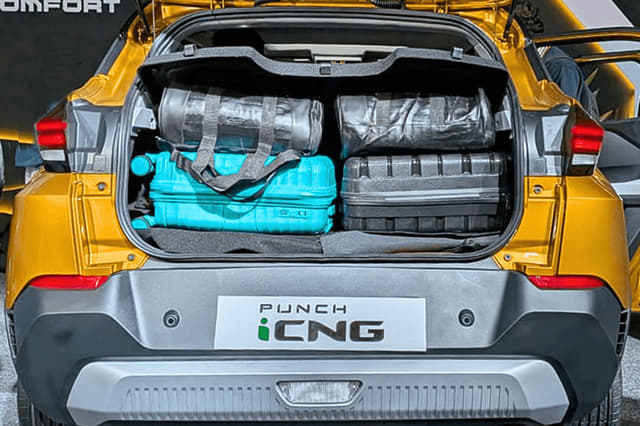
If you can stretch your budget, go for the Nexon CNG, as it has two key advantages. For one, as you mentioned, it has the bigger boot, and thanks to the dual-cylinder setup (as in the Punch and Exter too) lets you use most of the space effectively. Secondly, it uses a turbocharged engine, which addresses a big complaint with CNG cars, namely a lack of power. It also has far more space in the cabin which makes it a proper five seater, whereas the Exter and Punch will not be as comfy for rear passengers. The disadvantage, of course, is that even with a small budget stretch, you will still only get a mid-range variant of the Nexon CNG, but you should still get all the essentials. The Punch and Exter CNG will be available in their top-spec variants in your budget, and the Punch even gets an AMT option. However, this being your first car, we feel the bigger Nexon will feel like more of a statement while still keeping running costs in check. Yes, it's likely the Brezza facelift will get a dual-cylinder CNG setup, and it should launch before August, but how it will be priced remains unknown.
narenmedhi.1
My monthly drive averages 1400 km, and I have had an i10 car since March 2020. My height is 5 ft 11 inches, my back pain problem. Please advise on a 16 lac budget for a new car.

autocar.india
Buy the Honda Elevate, since you have back trouble, seat comfort would be a high priority, and in this regard, the Elevate does well. The seats set a benchmark for comfort and have a finely judged foam density, which is not too hard and not too soft, so they should provide your back with good support. Under-thigh support is also generous. However, we would recommend you sit in it and test drive it yourself to make sure it suits your body type. Within your budget, you would get the mid-range automatic version, and we would recommend you opt for an automatic as it would reduce your left leg strain in traffic, which would also help alleviate some of the back pain. Ride quality is also good; it is on the firmer side, but the long travel suspension with well-judged damping means it can soak up bumps and potholes well without jarring you too much. If you would like to stick to something small, you could consider the Tata Punch. The entry and exit height is just right, the ride is well-damped and comfortable, and the seats are well cushioned and supportive enough. The top-end version would also come in well under your budget, and you would enjoy some top-end features too.
kavitha
I am a short woman wanting to buy a 5-seater car within a budget of Rs 10 lakh. I am a beginner and want good mileage, low maintenance and strong safety. I will mostly use it for occasional long trips. Which car should I buy?

autocar.india
Tata Punch is a great fit for your needs. For a new, shorter driver, it gives you a high, upright seat and a great all-round view, so you feel in control right away. It is also one of the safest small cars on sale with a strong crash score, which matters more on the highway than in slow city traffic.For your occasional long trips, the Punch rides comfortably over bad roads, and its ground clearance keeps you relaxed on broken patches or speed breakers. The 1.2 petrol is easy and unstressed at 80-100 kph, and you can expect around 18-20 kpl on the highway if you drive smoothly. Service costs are reasonable, and Tata has a wide reach now.Pick a mid variant with a height-adjustable driver seat. If you need an automatic, it fits the budget in lower trims.The only thing to know is that it is not very quick for fast overtakes with five on board, so plan passes and keep it in the right gear. For safety-first buyers on Rs. 10 lakh, it’s the right call.
chandra.1
Hi Autocar, I wanted to share our situation and get genuine advice before finalising our next car. Our background: we are a middle-class family from Warangal, Telangana. We had earlier booked the Hyundai Venue HX8 DCT for 16 lakh. However, we decided to cancel the booking due to concerns about fuel uncertainty and ethanol blending. With E20 already rolling out and E30 potentially coming in the next few years, we felt risking 16 lakh on a petrol car was financially unwise for a middle-class household like ours. After reconsidering, we've decided to bring our budget down to 10-11 lakh on-road so that even if fuel policies or technology shift in the coming years, our financial exposure and stress stay minimal. Our usage pattern: 70% city driving, 30% highway usage (occasional outstation trips). The overall usage will be moderate/occasional, not daily heavy commuting. Our key priorities: 5-star safety rating (Global NCAP/Bharat NCAP), non-negotiable, automatic transmission (petrol only), reliability and low maintenance for at least the next 10 years, reasonable service network availability in Tier-2 cities like Warangal, and comfortable for occasional highway trips, not just city crawling. Please suggest a few options and the best one to consider. Thank you.

autocar.india
It’s a shame you cancelled your Hyundai Venue booking over ethanol concerns, because in our view, those fears are somewhat exaggerated. To clarify, while India could move to E27 or even E30 fuel over the next five years, there is currently no official roadmap confirming this.Even if such a transition happens, the risk to an E20-compliant car is limited. Most manufacturers have engineered a buffer into their E20 vehicles, and we understand Hyundai’s current petrol range is already compatible with higher ethanol blends (around E25-E27 levels). In practical terms, this means the car can handle higher ethanol content without any immediate issues.Over a very long period, certain components like rubber hoses or seals may see slightly accelerated wear. For instance, parts designed to last 6-8 years on E20 fuel may need replacement a bit earlier, say in 4-6 years. These are not high-cost components, and even older pre-E10 cars in India have managed well with periodic replacement of such parts.On the performance side, there won’t be any noticeable drop. However, since higher ethanol blends have lower energy density, fuel efficiency will be affected if the engine isn’t specifically calibrated for it. That said, the real-world impact on running costs is unlikely to be significant.If you still prefer to stay within a Rs 10-11 lakh budget, the Tata Punch is the only car that meets your non-negotiable 5-star safety requirement in this price range. While Tata’s reliability record isn’t quite at Maruti’s level, the latest versions of the Punch are better sorted and should serve you well over time. The AMT gearbox is not the quickest, but it suits city use, which forms the bulk of your driving. Its solid build and stable ride also make it reasonably capable on highways, though overtaking will need some planning. Tata’s wide service network is an advantage in Tier-2 cities like Warangal.If you’re open to a sedan, the Maruti Suzuki Dzire is also worth considering. It offers a 5-star Bharat NCAP rating, is spacious, easy to drive, and has a smoother, more efficient petrol-AMT combination. It may not have the SUV image, but it’s a very practical and user-friendly choice for long-term ownership thanks to Maruti-Suzuki’s unparalleled service network.
ankit.54
I (a 39-year-old man) am planning to buy a new car for the first time. I don’t know how to drive yet. I work 12 hours a day and won’t need the car for commuting to the office. I will drive an average of 200km per month. Also, I may plan 400 km-long trips every 2-3 months after learning to drive. I want good mileage as well. My budget is Rs 15 lakh on-road, with approximately Rs 5 lakh as a down payment. Should I buy a diesel, petrol, CNG, or EV? Should I opt for a naturally aspirated engine or a turbo one? I plan to keep the car for around 8-10 years. I am looking for recommendations for May 2026. Should I buy a compact SUV, hatchback, or sedan?

autocar.india
Buy a simple petrol automatic hatchback or compact sedan with a naturally aspirated engine. It suits your 200 km a month, occasional 400 km trips, and makes learning easy. Diesel won’t pay back for your usage and can hate short runs. CNG saves only with high km and is a pain on highway trips with long queues and a small boot. Budget electric cars under Rs. 15 lakh can work only if you have home charging and don’t mind planning stops on those 400 km runs.Stick to a naturally aspirated petrol. It’s smoother at low speeds, simpler for 8-10 year ownership, and real-world mileage is steadier than small turbos that tempt you to drive harder and are sensitive to driving style. Get the automatic to reduce stress; you’ll drive more often because it’s easy.Models that fit your plan and budget now and should still be around in 2027 (if that is what you mean): Maruti Suzuki Baleno or Toyota Glanza automatic for top mileage and easy city manners, Honda Amaze automatic if you want a comfy sedan with a big boot for trips, or Tata Punch automatic if you like a higher seat and extra ground clearance. You’ll give up a little mileage with an automatic, but the ease is worth it.
Tata Punch price in India
Tata Cars
Trending Cars