Autocar India
4d

I (a 39-year-old man) am planning to buy a new car for the first time. I don’t know how to drive yet. I work 12 hours a day and won’t need the car for commuting to the office. I will drive an average of 200km per month. Also, I may plan 400 km-long trips every 2-3 months after learning to drive. I want good mileage as well. My budget is Rs 15 lakh on-road, with approximately Rs 5 lakh as a down payment. Should I buy a diesel, petrol, CNG, or EV? Should I opt for a naturally aspirated engine or a turbo one? I plan to keep the car for around 8-10 years. I am looking for recommendations for May 2026. Should I buy a compact SUV, hatchback, or sedan?

Verified
12m
Buy a simple petrol automatic hatchback or compact sedan with a naturally aspirated engine. It suits your 200 km a month, occasional 400 km trips, and makes learning easy. Diesel won’t pay back for your usage and can hate short runs. CNG saves only with high km and is a pain on highway trips with long queues and a small boot. Budget electric cars under Rs. 15 lakh can work only if you have home charging and don’t mind planning stops on those 400 km runs.
Stick to a naturally aspirated petrol. It’s smoother at low speeds, simpler for 8-10 year ownership, and real-world mileage is steadier than small turbos that tempt you to drive harder and are sensitive to driving style. Get the automatic to reduce stress; you’ll drive more often because it’s easy.
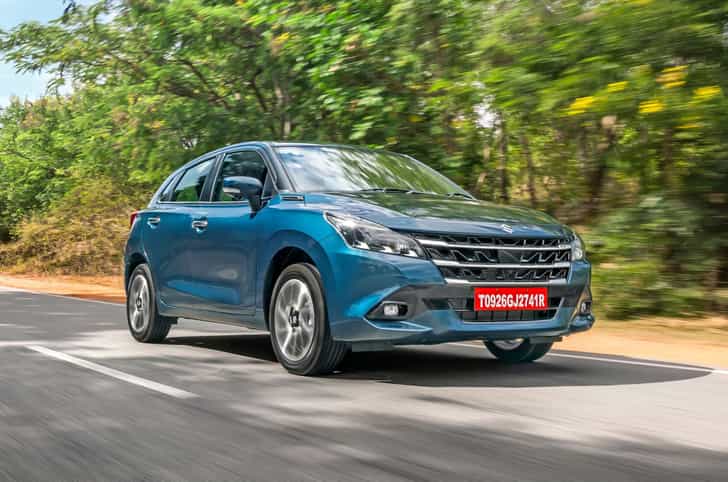
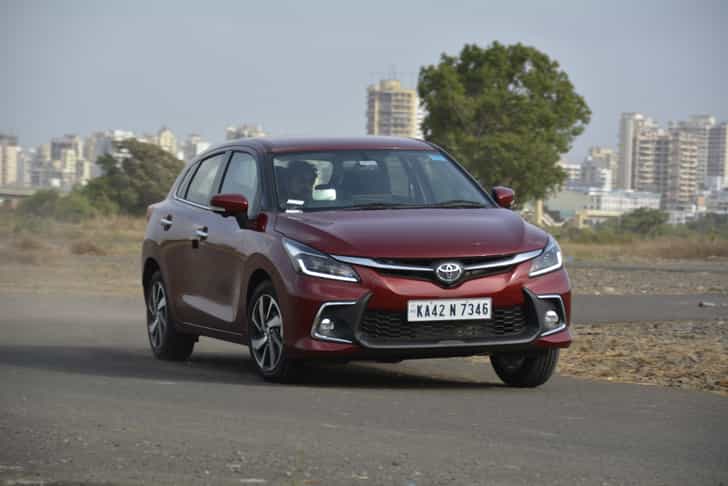
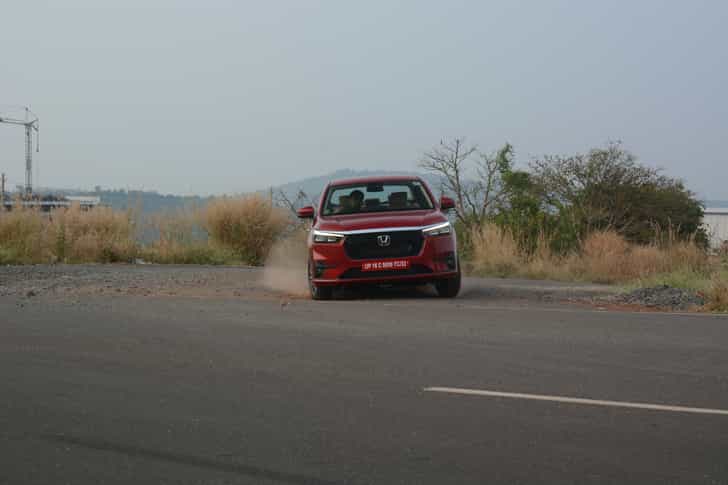
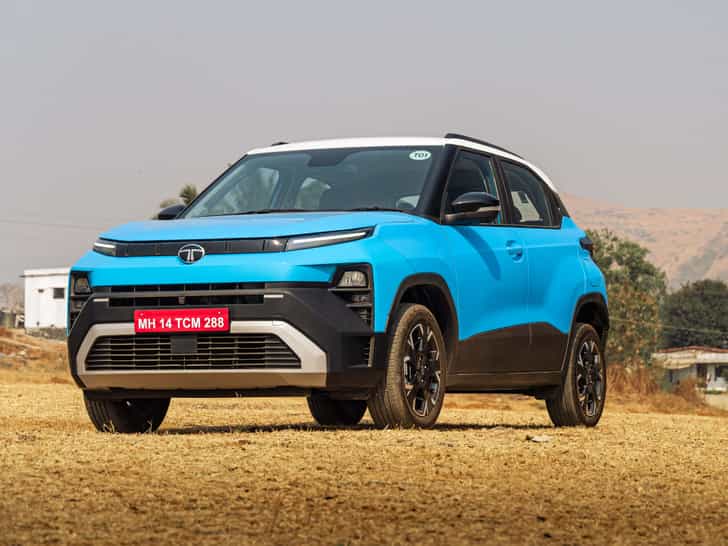
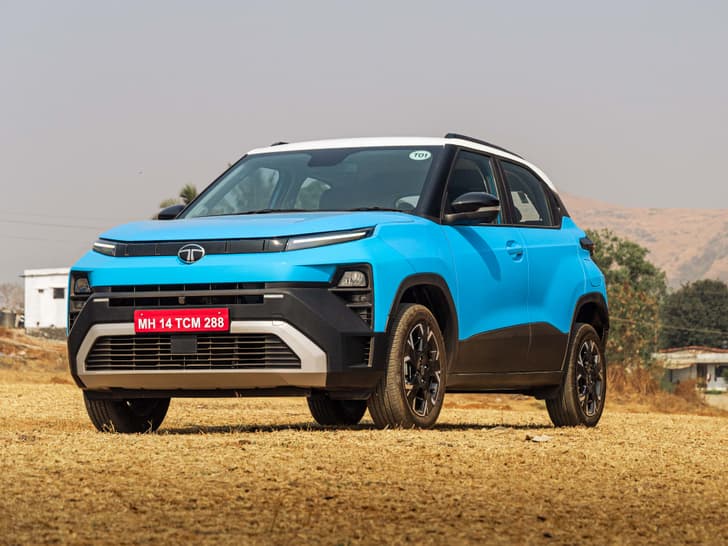
Models that fit your plan and budget now and should still be around in 2027 (if that is what you mean): Maruti Suzuki Baleno or Toyota Glanza automatic for top mileage and easy city manners, Honda Amaze automatic if you want a comfy sedan with a big boot for trips, or Tata Punch automatic if you like a higher seat and extra ground clearance. You’ll give up a little mileage with an automatic, but the ease is worth it.
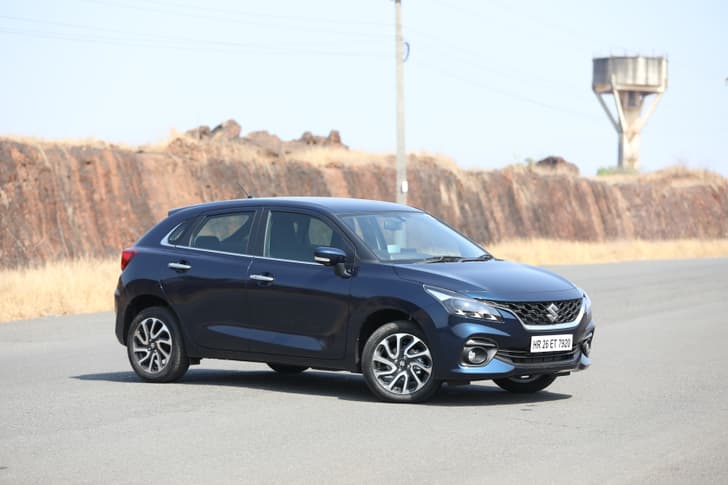
Maruti Suzuki Baleno

Maruti Suzuki Baleno

More questions on similar cars

5d

My current vehicle is a Maruti Suzuki Baleno. I am a first-time SUV buyer, and my budget is Rs. 20 lakh. I am looking for a petrol automatic SUV. My usage is primarily within the city, with daily driving of around 70 km, and I do not take long-distance trips very frequently. I would also like an SUV that offers a good driving experience, plenty of features, strong safety, good stability in both city and highway conditions, reliability, and a proven track record. Considering my requirements, which petrol automatic SUV would you recommend?

Verified
3d

Go for the Kia Seltos 1.5 petrol automatic, because it balances daily city ease with real highway stability and has a strong safety rating. For 70 km of mostly city use, its smooth IVT and light controls make it stress free, yet it does not feel floaty at speed. The latest Seltos has 5-star crash safety, six airbags on the right trim, and the braking and body control inspire confidence, which matters on highway runs. It also packs the useful stuff you will actually use every day - good cameras and sensors, a crisp screen, wireless charging, ventilated seats on higher trims - and Kia’s network and reliability record are solid now, so ownership is simple.Expect around 11-12 kpl in typical city traffic if you drive calmly, which is fair for the size. The ride is a touch firm at low speed, so sharp bumps are felt more than in a Creta, but it pays you back with better control when you go faster. Coming from a Baleno, the Seltos isn’t intimidating to park or thread through traffic, yet feels like a proper upgrade.

VehicleKia Seltos
VehicleHyundai Creta
VehicleMaruti Suzuki Baleno

Popular discussions right now

3d

My annual running is below 7,000 km, and I plan to keep my next car for 12-15 years. I am confused between Grand Vitara, Hyryder, Elevate, Creta, Seltos and Victoris. My priorities are reliability, a good balance of power and fuel efficiency, family comfort, low maintenance and long-term ownership. I am also concerned about India's future ethanol-blending policy (E20 and higher blends). Which of these would be the best long-term choice and why?

Verified
2d

With an annual running of less than 7,000km, fuel efficiency should not be the deciding factor. Instead, you should focus on comfort, reliability, ownership experience and how well the car will age over the next 12-15 years. That's why we wouldn't prioritise the Grand Vitara, Hyryder or Victoris Hybrid. Their hybrid systems command a price premium that you'll struggle to recover with such low annual usage.Between the remaining options, the Kia Seltos strikes the best balance. It offers a refined and proven naturally aspirated petrol engine, a smooth IVT automatic, a spacious and premium cabin, excellent comfort and a strong ownership experience. It also feels newer and more upmarket than the Elevate, while the Creta is due for a generational update sooner.The Honda Elevate deserves a mention for its simplicity and reliability. If absolute mechanical simplicity is your priority, it is arguably the safest long-term bet. However, it doesn't feel as premium as the Seltos. The engine and CVT combination isn't quite as refined, and Honda's dealer network is smaller.As for ethanol blending, we wouldn't let it influence your purchase decision. While there is plenty of discussion around E25, E27 and E30 fuels, there is currently no confirmed roadmap for such a transition. More importantly, all of these cars are E20-compliant, and manufacturers have engineered a degree of tolerance beyond that. The most likely effect of higher ethanol blends would be a small reduction in fuel efficiency and slightly accelerated wear of certain fuel-system components over a very long period, not a major reliability issue.

VehicleKia Seltos
VehicleHonda Elevate
VehicleMaruti Suzuki Grand Vitara
VehicleMaruti Suzuki Victoris
VehicleToyota Urban Cruiser Hyryder

Posted on: 27 Jun 2026