Autocar India
4d

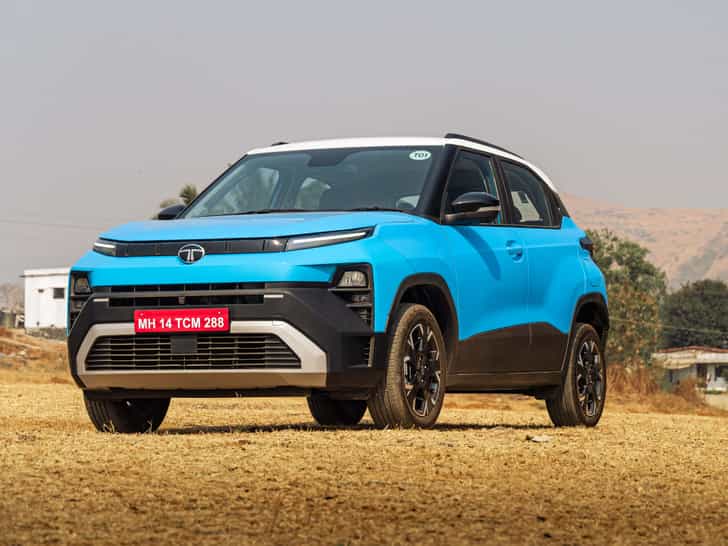
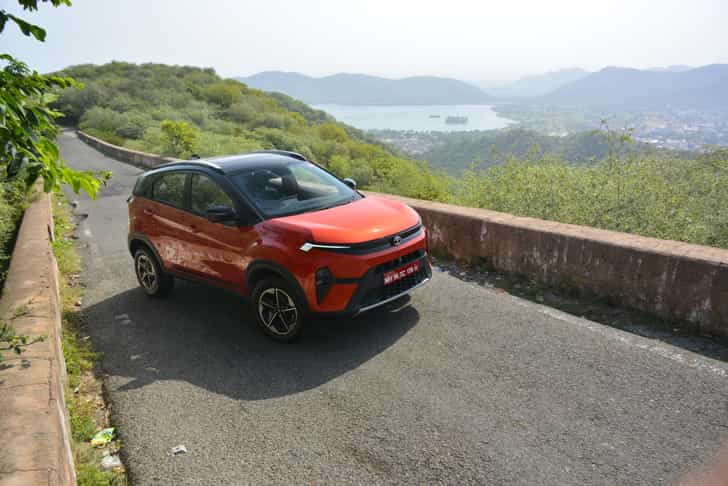
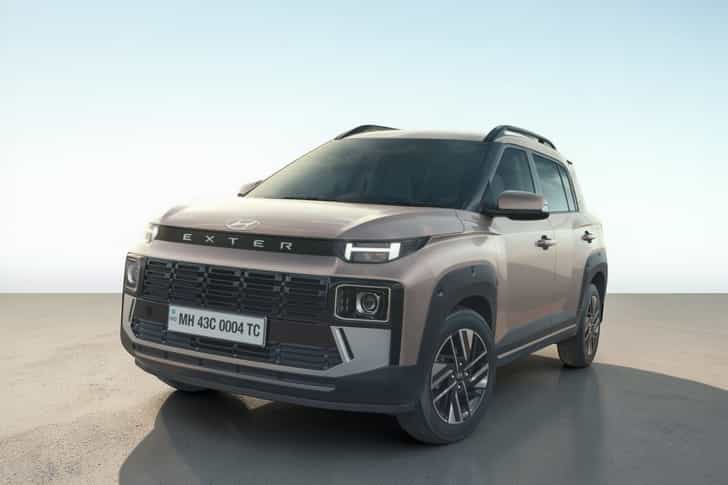
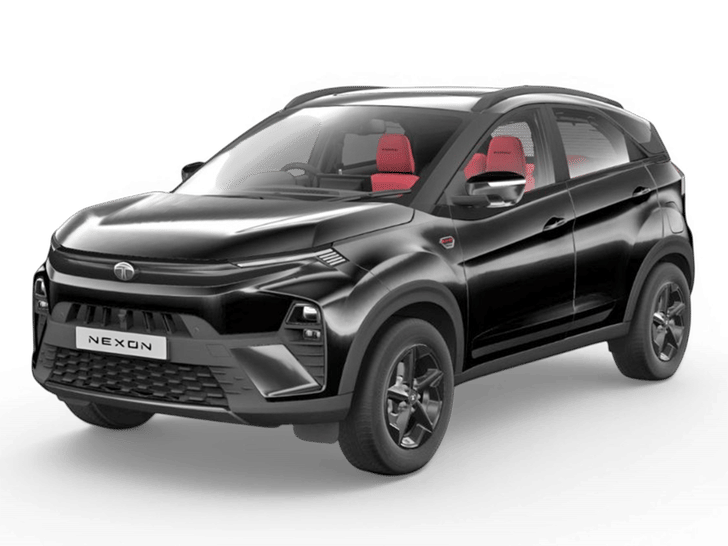
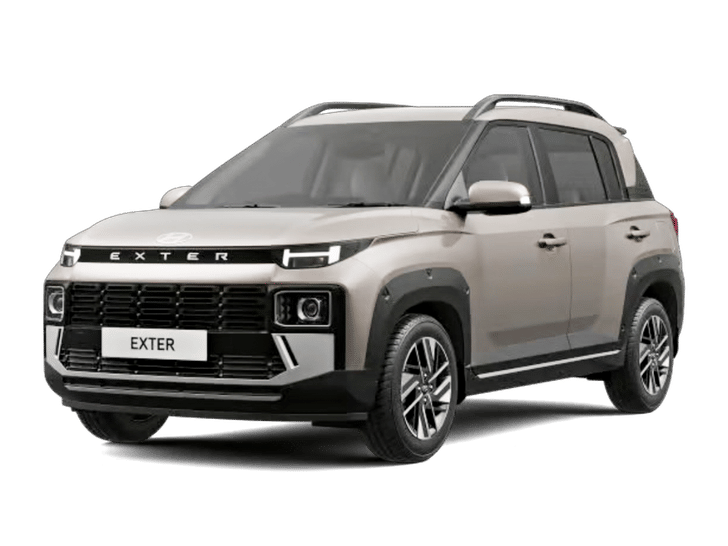
I want to buy my first car and am looking for a CNG option, as my daily travel is around 50 km. My budget is between Rs. 10 lakh and 11 lakh. I am quite confused between the Tata Punch CNG, Hyundai Exter CNG, and Tata Nexon CNG (if I stretch my budget a bit), as I do not want to compromise on boot space. Kindly suggest the best car in this segment. I have also heard that the Maruti Suzuki Brezza may come with a dual-cylinder setup similar to the Maruti Suzuki Victoris. Should I wait for it as I am planning to purchase the car by August 2026.

Verified
20m

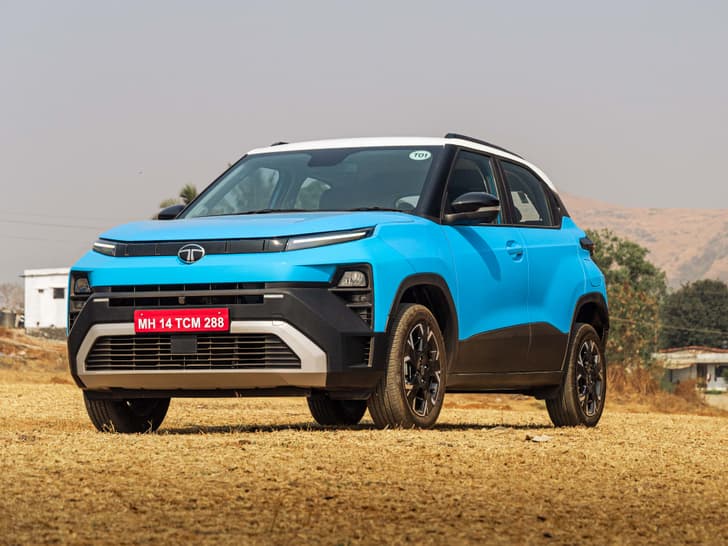
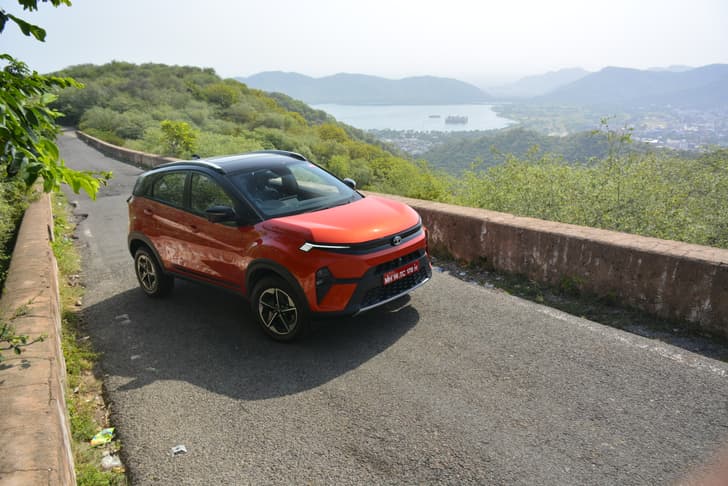
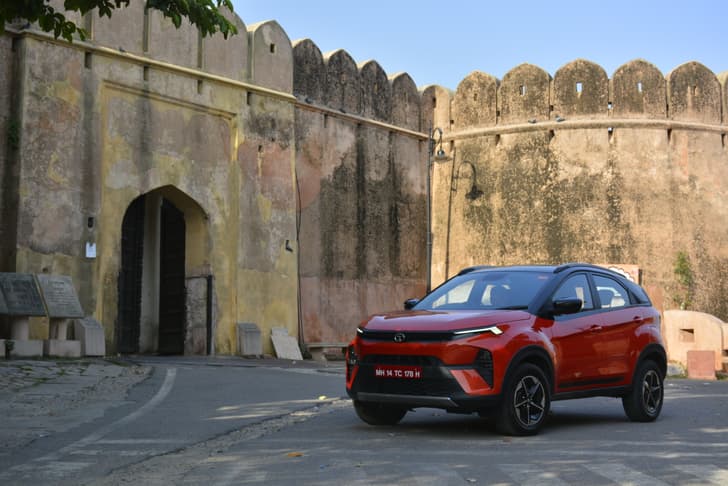
If you can stretch your budget, go for the Nexon CNG, as it has two key advantages. For one, as you mentioned, it has the bigger boot, and thanks to the dual-cylinder setup (as in the Punch and Exter too) lets you use most of the space effectively. Secondly, it uses a turbocharged engine, which addresses a big complaint with CNG cars, namely a lack of power. It also has far more space in the cabin which makes it a proper five seater, whereas the Exter and Punch will not be as comfy for rear passengers. The disadvantage, of course, is that even with a small budget stretch, you will still only get a mid-range variant of the Nexon CNG, but you should still get all the essentials. The Punch and Exter CNG will be available in their top-spec variants in your budget, and the Punch even gets an AMT option. However, this being your first car, we feel the bigger Nexon will feel like more of a statement while still keeping running costs in check. Yes, it's likely the Brezza facelift will get a dual-cylinder CNG setup, and it should launch before August, but how it will be priced remains unknown.
Tata Nexon

Tata Nexon

More questions on similar cars

5d

I (a 39-year-old man) am planning to buy a new car for the first time. I don’t know how to drive yet. I work 12 hours a day and won’t need the car for commuting to the office. I will drive an average of 200km per month. Also, I may plan 400 km-long trips every 2-3 months after learning to drive. I want good mileage as well. My budget is Rs 15 lakh on-road, with approximately Rs 5 lakh as a down payment. Should I buy a diesel, petrol, CNG, or EV? Should I opt for a naturally aspirated engine or a turbo one? I plan to keep the car for around 8-10 years. I am looking for recommendations for May 2026. Should I buy a compact SUV, hatchback, or sedan?

Verified
10h

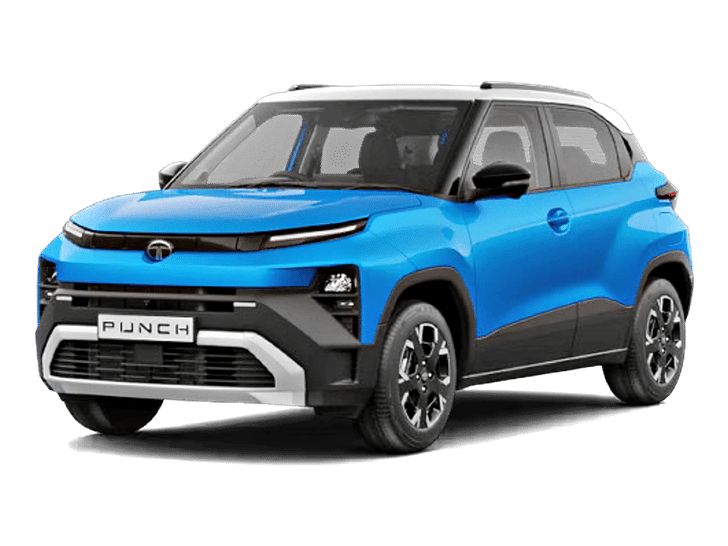
Buy a simple petrol automatic hatchback or compact sedan with a naturally aspirated engine. It suits your 200 km a month, occasional 400 km trips, and makes learning easy. Diesel won’t pay back for your usage and can hate short runs. CNG saves only with high km and is a pain on highway trips with long queues and a small boot. Budget electric cars under Rs. 15 lakh can work only if you have home charging and don’t mind planning stops on those 400 km runs.Stick to a naturally aspirated petrol. It’s smoother at low speeds, simpler for 8-10 year ownership, and real-world mileage is steadier than small turbos that tempt you to drive harder and are sensitive to driving style. Get the automatic to reduce stress; you’ll drive more often because it’s easy.Models that fit your plan and budget now and should still be around in 2027 (if that is what you mean): Maruti Suzuki Baleno or Toyota Glanza automatic for top mileage and easy city manners, Honda Amaze automatic if you want a comfy sedan with a big boot for trips, or Tata Punch automatic if you like a higher seat and extra ground clearance. You’ll give up a little mileage with an automatic, but the ease is worth it.

VehicleMaruti Suzuki Baleno
VehicleToyota Glanza
VehicleHonda Amaze
VehicleTata Punch

Popular discussions right now

3d

My annual running is below 7,000 km, and I plan to keep my next car for 12-15 years. I am confused between Grand Vitara, Hyryder, Elevate, Creta, Seltos and Victoris. My priorities are reliability, a good balance of power and fuel efficiency, family comfort, low maintenance and long-term ownership. I am also concerned about India's future ethanol-blending policy (E20 and higher blends). Which of these would be the best long-term choice and why?

Verified
2d

With an annual running of less than 7,000km, fuel efficiency should not be the deciding factor. Instead, you should focus on comfort, reliability, ownership experience and how well the car will age over the next 12-15 years. That's why we wouldn't prioritise the Grand Vitara, Hyryder or Victoris Hybrid. Their hybrid systems command a price premium that you'll struggle to recover with such low annual usage.Between the remaining options, the Kia Seltos strikes the best balance. It offers a refined and proven naturally aspirated petrol engine, a smooth IVT automatic, a spacious and premium cabin, excellent comfort and a strong ownership experience. It also feels newer and more upmarket than the Elevate, while the Creta is due for a generational update sooner.The Honda Elevate deserves a mention for its simplicity and reliability. If absolute mechanical simplicity is your priority, it is arguably the safest long-term bet. However, it doesn't feel as premium as the Seltos. The engine and CVT combination isn't quite as refined, and Honda's dealer network is smaller.As for ethanol blending, we wouldn't let it influence your purchase decision. While there is plenty of discussion around E25, E27 and E30 fuels, there is currently no confirmed roadmap for such a transition. More importantly, all of these cars are E20-compliant, and manufacturers have engineered a degree of tolerance beyond that. The most likely effect of higher ethanol blends would be a small reduction in fuel efficiency and slightly accelerated wear of certain fuel-system components over a very long period, not a major reliability issue.

VehicleKia Seltos
VehicleHonda Elevate
VehicleMaruti Suzuki Grand Vitara
VehicleMaruti Suzuki Victoris
VehicleToyota Urban Cruiser Hyryder

Posted on: 27 Jun 2026