Last Updated on: 20 Feb 2026
Tata Punch EV price in Bareilly
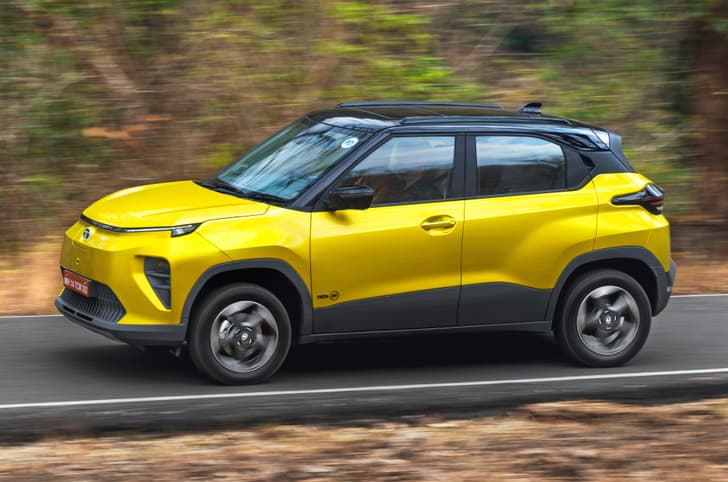
The Tata Punch EV price in Bareilly starts at ₹10.28 lakh for the Smart 30 base variant, including all taxes, RTO fees and insurance. In comparison, the Tata Punch EV Empowered + S 40 top model price in Bareilly is ₹13.38 lakh.
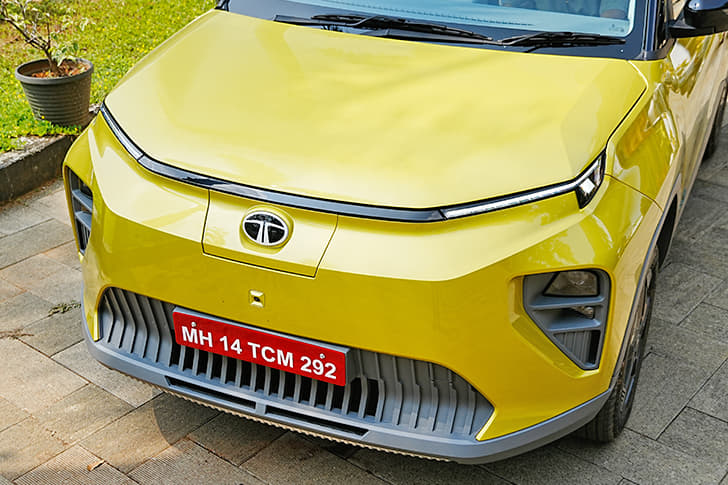
Tata Punch EV price & variants
Price of Tata Punch EV alternatives
Tata Punch EV news
Tata Punch EV Images
Tata Punch EV videos


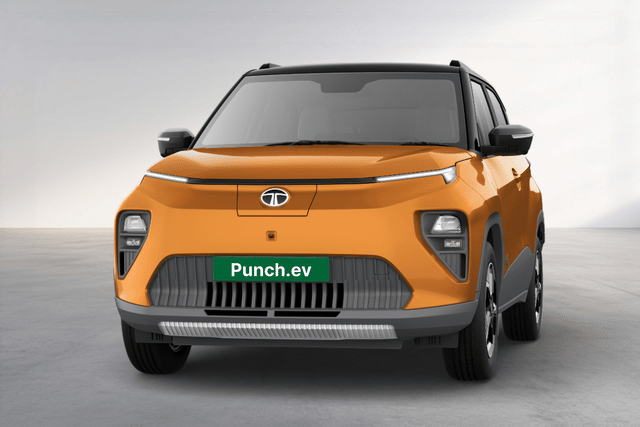
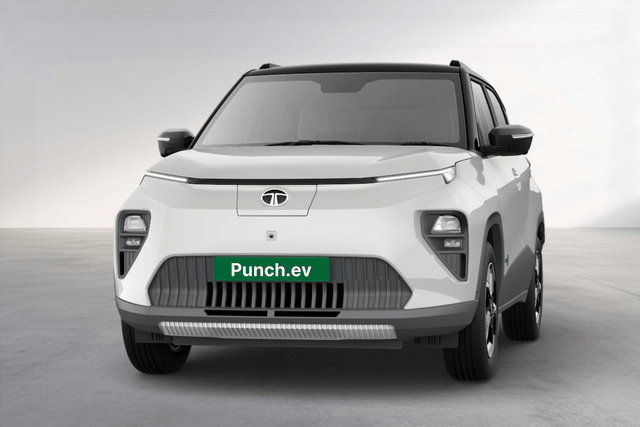
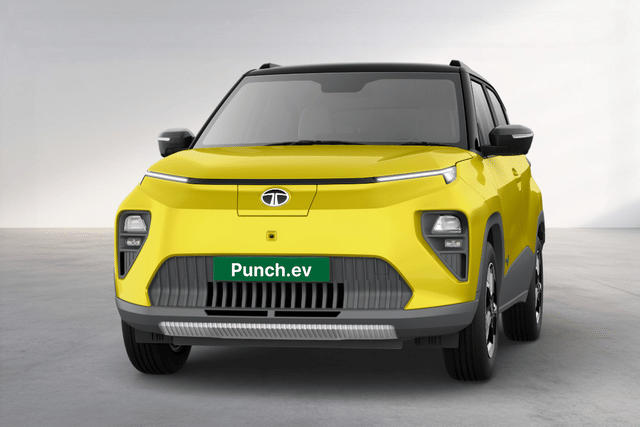
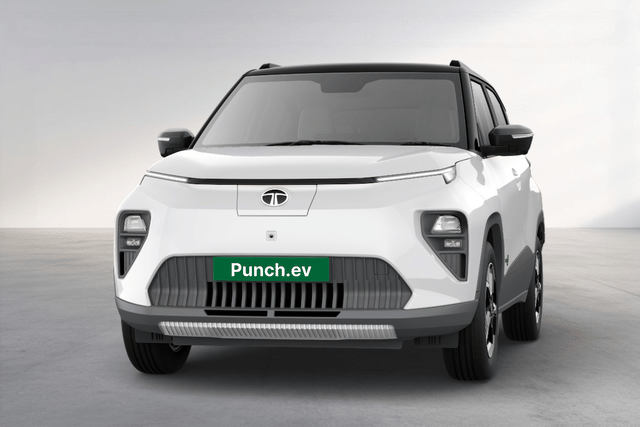
Tata Punch EV Colours
Tata Punch EV FAQs
The Tata Punch EV price in India starts at ₹9.69 lakh and goes up to ₹12.59 lakh, ex-showroom.
The base-spec Tata Punch EV Smart 30 price is ₹9.69 lakh, ex-showroom.
The base-spec Tata Punch EV Smart 30 on road price in Bareilly is ₹10.28 lakh.
The Tata Punch EV Adventure 40 price is ₹11.59 lakh, ex-showroom.
The Tata Punch EV Adventure 40 on road price in Bareilly is ₹12.33 lakh.
The top-spec Tata Punch EV Empowered + S 40 price is ₹12.59 lakh, ex-showroom.
The top-spec Tata Punch EV Empowered + S 40 on road price in Bareilly is ₹13.38 lakh.
Trending Questions on Tata Punch EV - Answered by Autocar Experts
I am planning to buy a Punch.ev but I’m confused with other EVs like the MG Windsor EV, Tata Nexon EV, and Hyundai e-Vitara. I have to travel about 75 km daily, and I also go out occasionally with my family. Which one is the better choice?
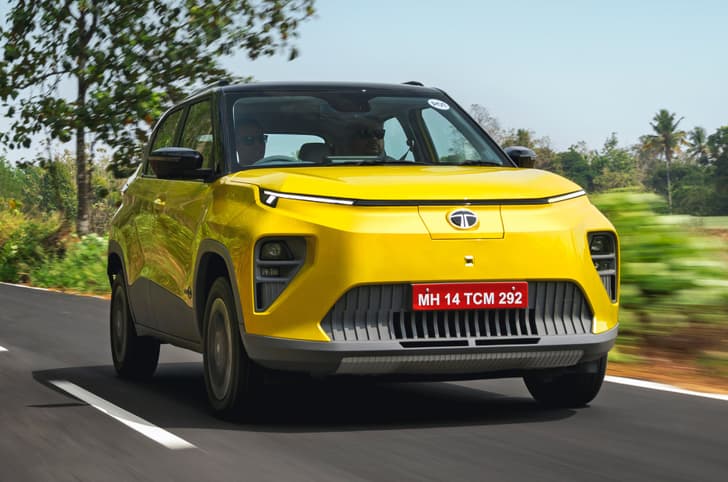
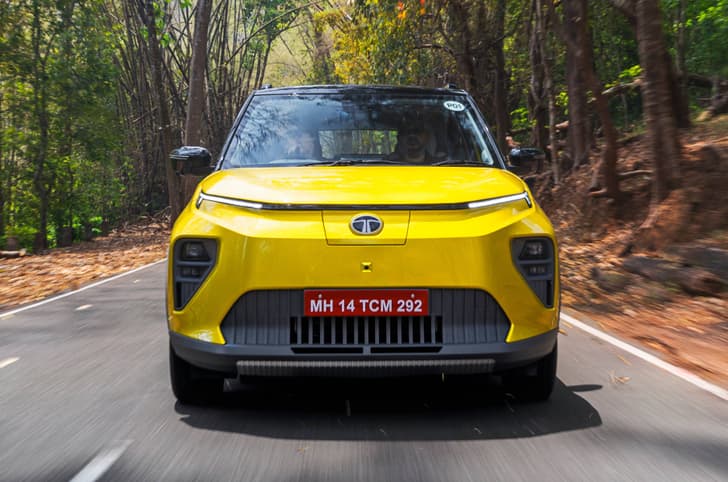
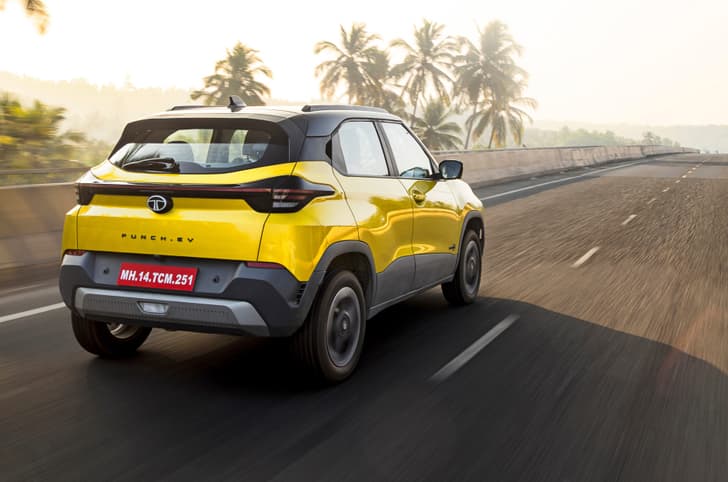
The new Tata Punch EV facelift, which has been recently launched, is hard to fault. It now offers improved range, strong performance and an excellent ride. What makes it even more attractive is the pricing. Tata Motors has launched it at a starting price of Rs 10.3 lakh (on-road), which makes it an exceptional value and even more competitive than before.
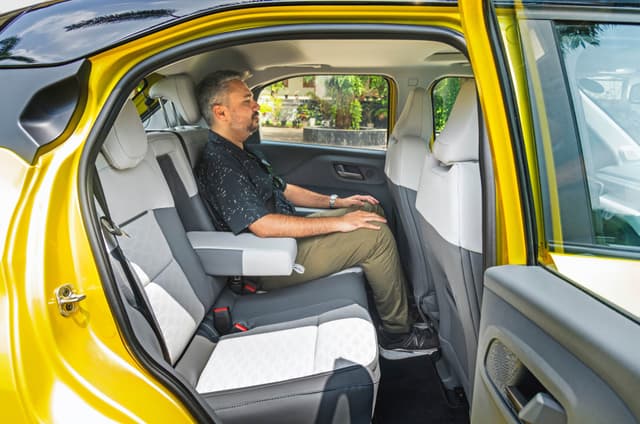
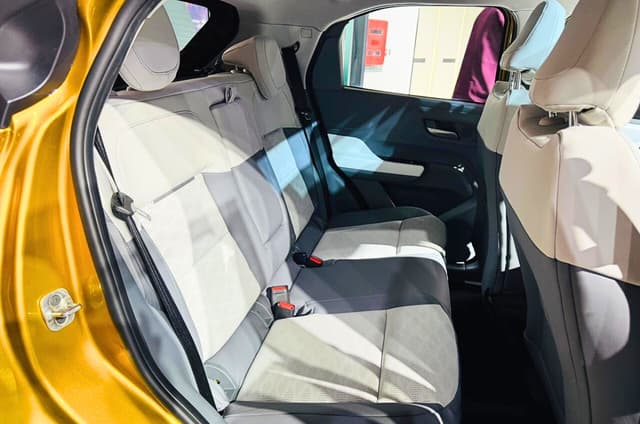
The only real weakness of the Punch EV is the cramped back seat, which may not be ideal for regular family outings. If your daily 75km commute is the priority and your family can tolerate the tighter rear space occasionally, then you can go for the Punch EV without a second thought.
However, if cabin space is critical for you, then the MG Windsor EV is the better option. It has a far more spacious and comfortable cabin, making it better suited for family use, though it is not as nice to drive as the Punch EV.
I am a first-time car buyer. My wife and I will be driving it. It will be used mostly for city driving and sometimes for outstation outings, with a weekly run of about 100 km. My budget is around ₹10-12 lakh, and safety is a priority. Which cars should we be looking at? Is the BAAS a good option?
Given your query regarding BaaS (battery as a Service), we assume it's an EV that you are looking at. The best option within your budget is the Tata Punch EV, which is incidentally fresh from an update. Tata Motors has enhanced the powertrain for more range and faster charging. The Punch EV Adventure with the larger 40kWh is the pick for you.
It's very smooth to drive in the city and has also got enough punch (pun intended) for highway drives. Also, the Punch EV is a tough car and boasts good safety (though a Bharat NCAP score for the latest one is awaited).
Battery as a Service (BaaS) is a unique approach to ownership in which you pay for the car and 'rent' the battery. The option reduces the car's upfront cost greatly. But if you look at the fine print, you will find fees and fixed minimum payments for the battery that need to be made irrespective of your usage. For your limited running, BaaS might not be the best option.
Hi, my daily running is about 20 km, and I am confused between petrol and EV options. I don’t want to buy a Maruti, Hyundai, or Mahindra. I want a fuel-efficient and easy-to-maintain car. Please suggest.
Since your running is about 20kms daily, we assume this is basically urban driving. Thus, you can consider an EV. However, make sure you have a provision to charge at home or your place of work, as relying completely on public charging is not convenient at all.
Look at the Tata Punch EV, the car is compact and easy to manage in tight spaces, but is fairly spacious enough for a family of four.
The new Punch is also now cheaper than the previous car and offers a larger range and more slightly more power from the motor. Since your driving is quite low, and if you do not plan on longer weekend or highway trips, opt for the smaller 30kWh battery unit.
Hi Autocar team! My driving is almost 80% in the city (about 30-40 km/day) with a 1,000 km highway run once every 3 months. I’m confused between the Maruti Baleno AMT and the Tata Punch EV. Please suggest which one I should pick between these two.
If you have the option to install an EV charger at your home or office or have easy access to EV charging, we'd suggest you go for the Tata Punch EV. It makes for a very good city car, with highlights being smoothness and refinement made possible by the EV powertrain.
The Punch's relatively small size also makes it easier to drive and park, in case that's a consideration. The Punch EV 40kWh also has the power for your highway journeys. Also, you would need to work your route around the availability of chargers.
The Maruti Suzuki Baleno is a larger car and makes more sense if rear seat space is a priority. It's a good city car with impressive ride comfort. However, the AMT gearbox will not deliver Punch EV-rivalling smoothness.
I have a diesel car and I want to buy a car for city driving. Should I go for an EV or a petrol compact SUV? My daily driving distance in the city is about 25 km. Please suggest an EV and which one to choose, and if petrol is better then which petrol compact SUV to consider.
Within your Rs 15 lakh budget, the Tata Punch EV stands out as a very strong option. The recently launched Punch EV is a clear step up over the older version when it comes to real-world range, thanks to the larger battery pack.
Despite the facelift, added features and bigger battery, it is almost ₹2 lakh more affordable than before, which makes it an excellent value for money. As a second car meant mainly for city use, it fits the brief well because it is compact, easy to drive and simple to park in tight urban spaces. Performance is also effortless, with the strong electric motor delivering quick acceleration and making city driving stress-free.
I am planning to buy the new Punch EV, but am confused between the Windsor EV Base and the Punch EV top models. Which one should I go for?
It really comes down to what you value more from your EV. The Tata Punch EV is a size smaller and, after the recent facelift and near Rs 2 lakh price correction on the top variants, it has become significantly more affordable. As a result, the top spec Punch EV now undercuts the base MG Windsor EV by over a lakh, while offering a lot more equipment for the money.
From a technical and usability point of view, even though we have not yet driven the facelifted version, the Tata Punch EV has a clear advantage in range. Its larger 40 kWh battery pack should deliver a better real-world driving range than the base variant of the MG Windsor EV, which uses a 38 kWh battery. Being smaller and lighter also helps the Punch extract more efficiency from its battery. In top spec form, it is very well equipped, and if most of your driving involves one or two adults. It will feel easier to live with, simpler to drive in traffic and much easier to park in tight city spaces thanks to its compact dimensions.
The Windsor EV, however, plays to a completely different strength. If you want a larger car with an outstanding sense of space, it is hard to beat even when compared to cars from a segment above. In comparison, while the Punch EV’s rear seat is adequate, it can start to feel cramped for adults on longer drives.
In simple terms, pick the Punch EV top variant if you want better range, more features for the price and a compact, city-friendly EV that will mostly carry two people. Choose the Windsor EV if cabin space and rear seat comfort matter more to you than features and outright range.
I want to purchase a new ev car under 20 lakhs and i have daily run of 80 kms. I want to purchase before 10th march
Considering you already own a Honda City, which is a large and spacious sedan, we would recommend the MG Windsor EV in the bigger battery Pro version. The Windsor is a ground up EV and offers one of the best senses of space for its price and size. It is well equipped and, with the larger 52.9 kWh battery, you can realistically expect a range of over 350 km, which is more than sufficient for your daily 80 km commute. It is also a comfortable car for four adults, and the boot is generously sized.
If you want something smaller, the Tata Punch EV is also worth considering, especially with the long range 35 kWh battery pack. This should deliver a real world range of around 230 km. The Punch is a pleasant car to drive, and if you are planning to buy one, this is also a good time as Tata is about to launch the facelifted version. Do note that deliveries may extend beyond your preferred 10 March timeline.
At present, I own a Celerio AMT with CNG. My monthly running is around 2,000km. I am planning to book the Punch EV facelift. Mostly, I travel on highways, covering around 200-250km to and fro. Very occasionally, I travel 300km one way to Goa. I believe there are no charging issues on my routes. What would you suggest? Please advise. Amol.
Hello team, I am 55 years old and drive about 140 km daily in Delhi-Gurgaon traffic. I have been driving an Ertiga CNG for the last five months, and it is very difficult to handle the pressure of a manual transmission and daily CNG refilling. I am looking for an automatic vehicle that avoids daily refilling and is comfortable. My budget is around ₹15 lakh. I am confused between an EV, a hybrid, or any other option. Kindly advise.
140km a day is a fair bit of running, and we can understand why the low running cost of CNG appealed to you. But as you say, CNG has its downsides, and queuing to fill it is one of them.
A hybrid is a good altenative but there is nothing available in your Rs 15 lakh budget. There are lots of good petrol and diesel automatics in the Rs. 15 lakh range, but the fuel cost would burn a hole in your pocket. An EV makes the most sense, and this is an opportune time to switch to one. They are the best automatics, and you will find EVs a joy to drive after dealing with the heavy clutch of your manual Maruti Ertiga.
We assume you can install a home charger, in which case your other bugbear of filling at a fuel station is eliminated. Your fuel station is effectively at home. And with the home charging, your electricity costs are low, which in turn makes your 140km drive extremely light on the pocket. The trouble is that there are not too many EVs around the Rs 15 lakh mark, but there are some good options.
The new Tata Punch EV is the best option, but it's a little tight in the back. However, since you drive yourself, this shouldn’t be an issue. A cheaper alternative, but not as nice to drive, is the Tata Tiago EV, a no-nonsense car with a lower range than the Punch. So, you will have to charge it every day.
Daily 120kms up and down highway running. Planning to buy new face-lift tata EV punch or EV nexon. Is it a good BUY to save money. Have own house and parking. Have an old Nissan Terrano diesel 2015 around 1.5L kms. Spending around 20k a month on diesel. Planning EV to save money. What do you recommend
For your daily running and usage, an EV makes absolute sense, especially since you have access to home charging. The new Tata Punch EV is ideal if you are driving yourself and don’t need a lot of space.
It offers a real world range of over 300 km, so your daily 120 km commute can be comfortably completed on a single charge without any range anxiety. Also, when charged at home, the running cost of an EV is roughly 20 per cent of a diesel car, which translates into substantial monthly savings.