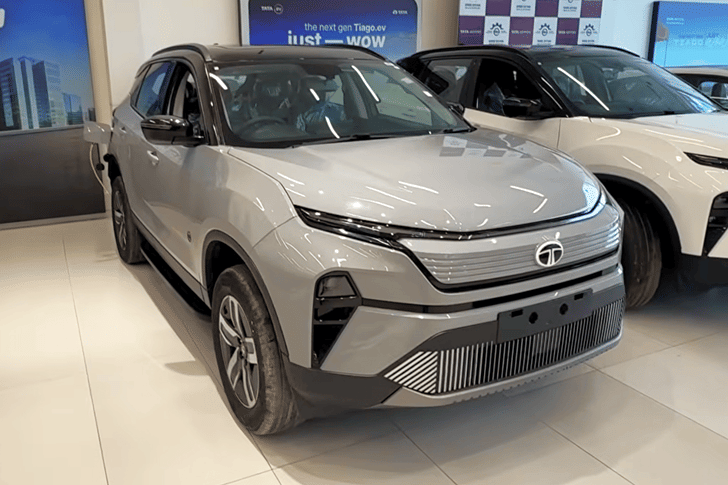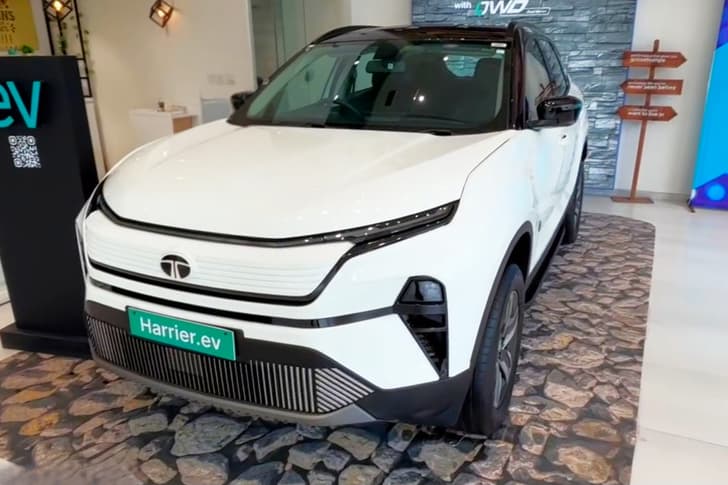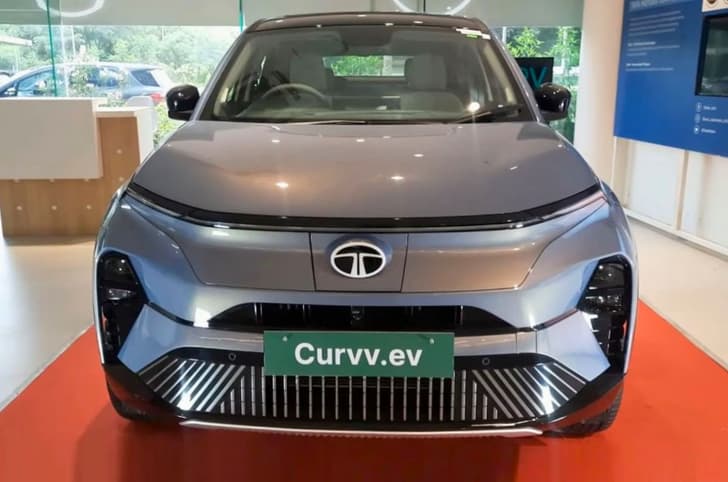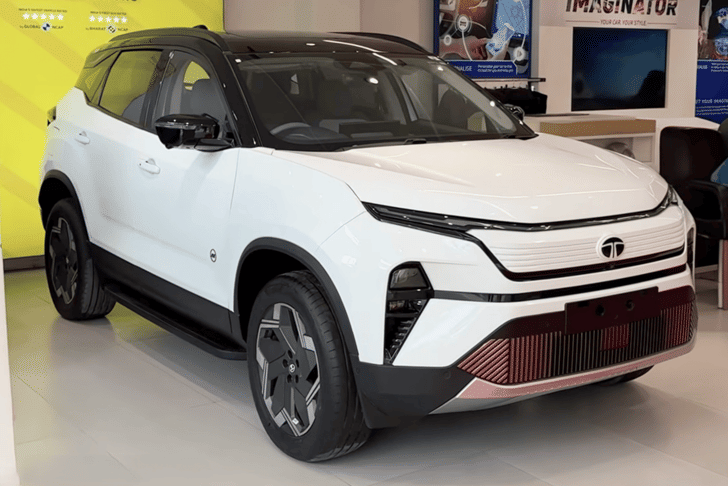
Sairam Automobiles And Services Pvt. Ltd - Rajnandgaon
Ground Floor, GE Road Manki Rajnandgaon, Infront Maa Bhawani Restaurant, Rajnandgaon, Chhattisgarh 491441
Last Updated on: 23 Jun 2026
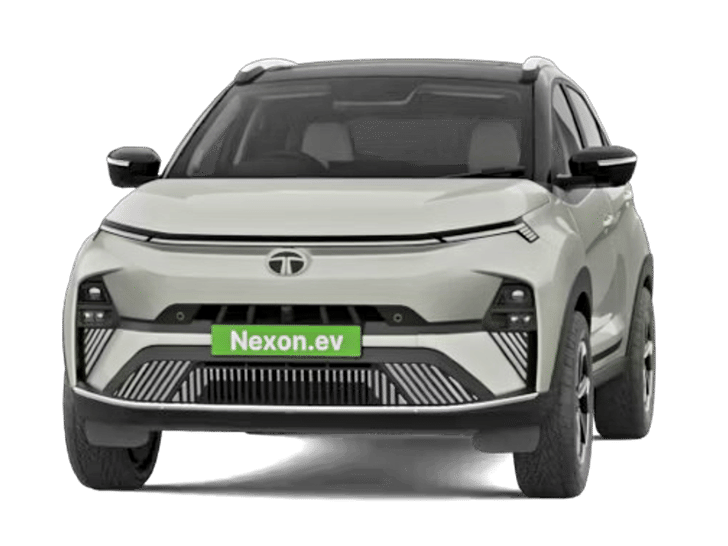
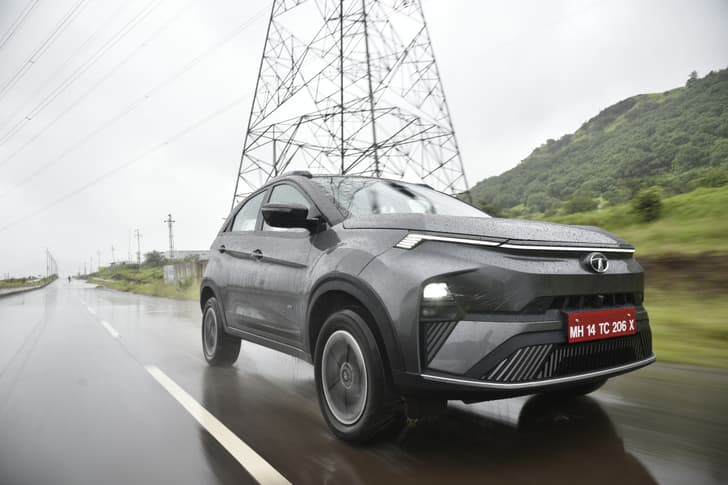
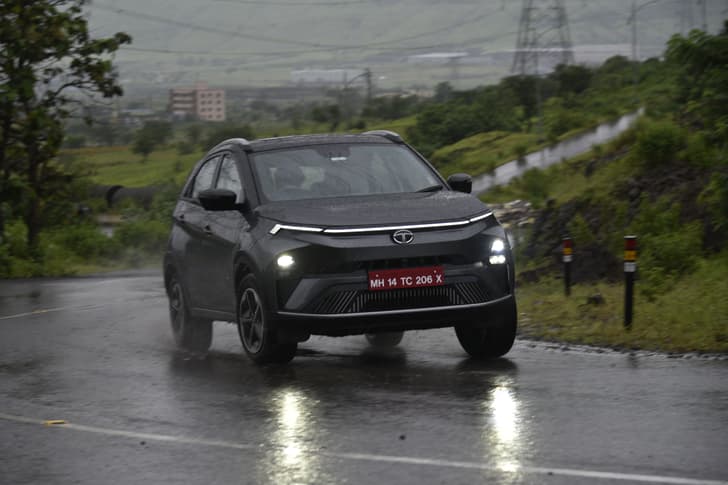
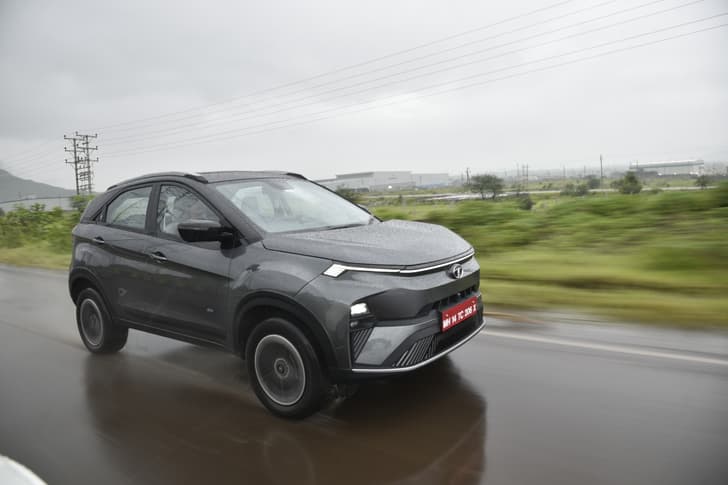
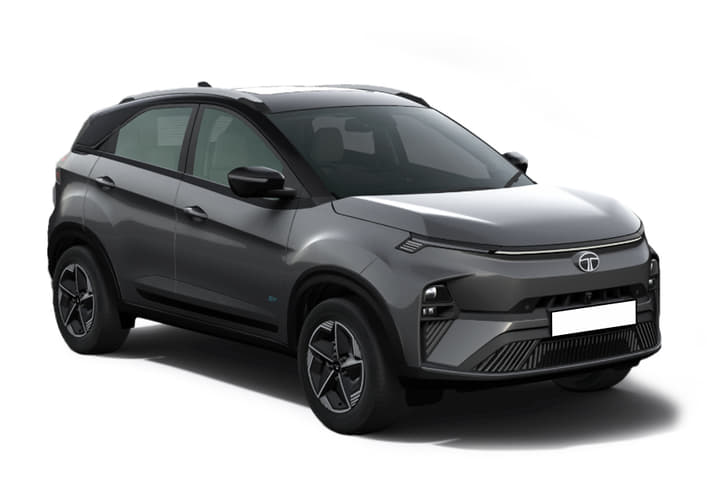
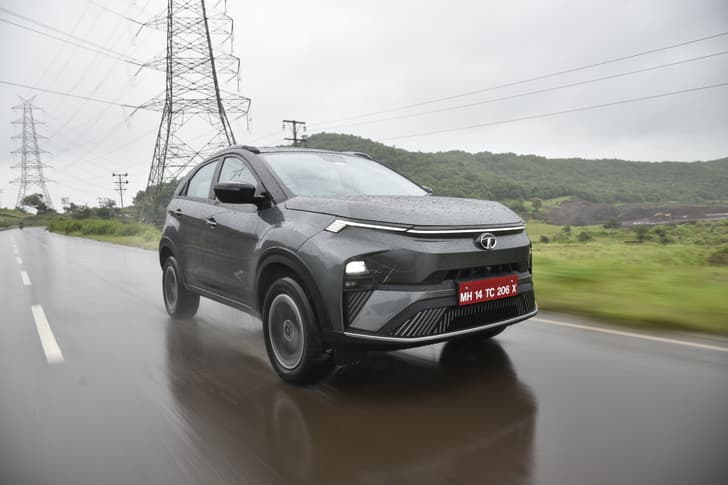
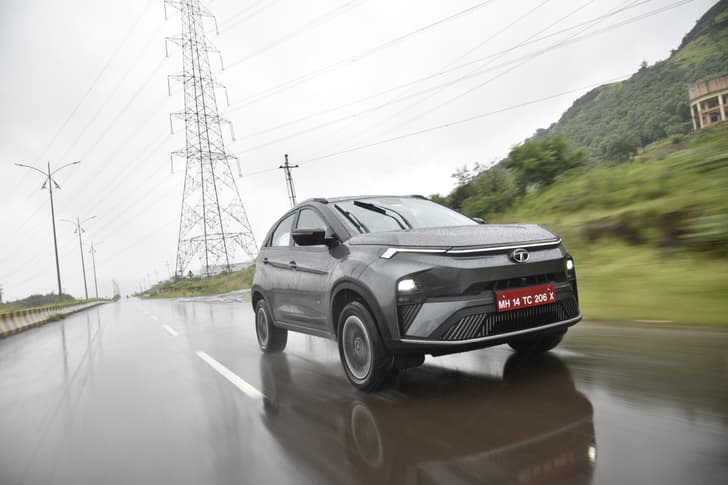
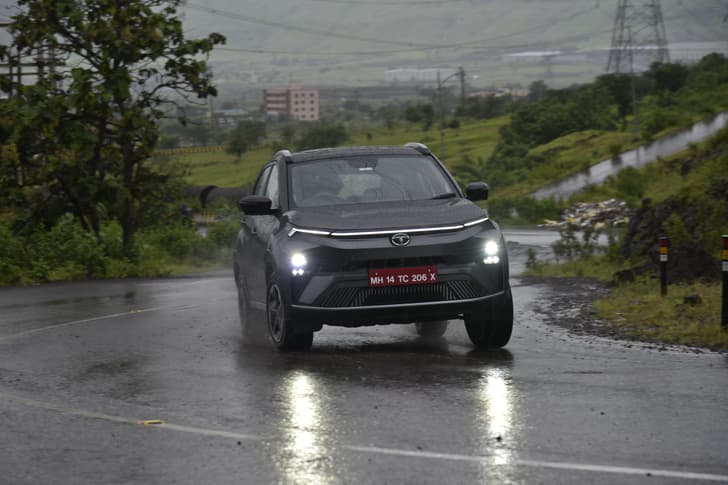
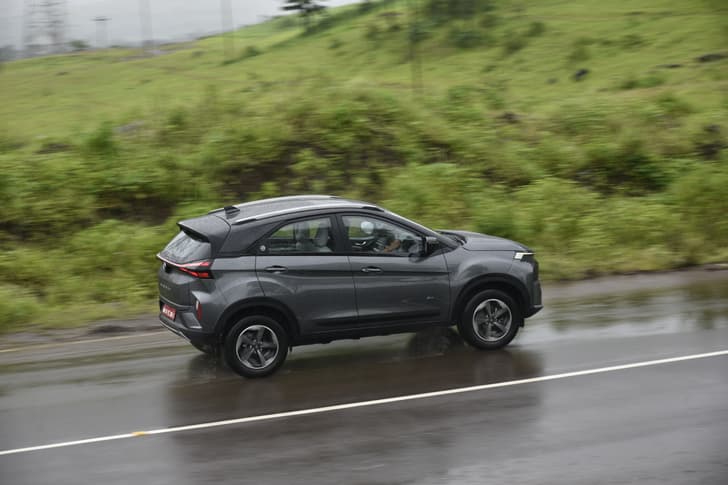
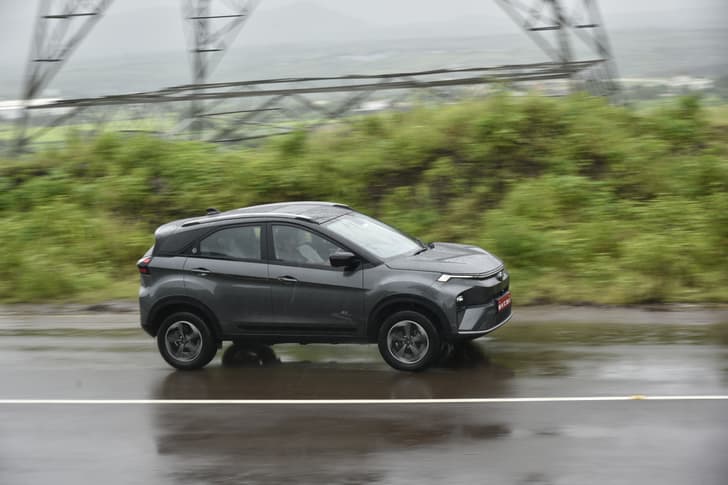
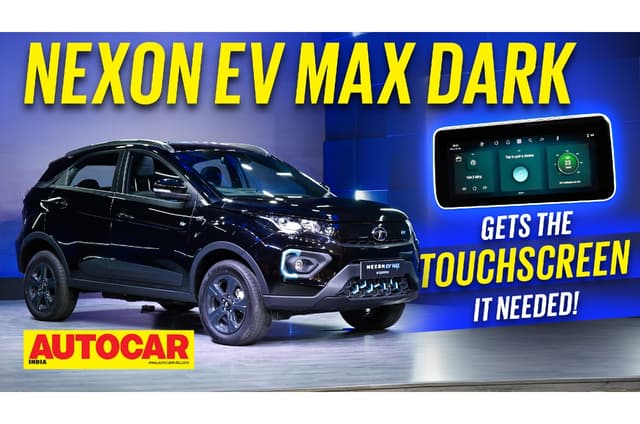
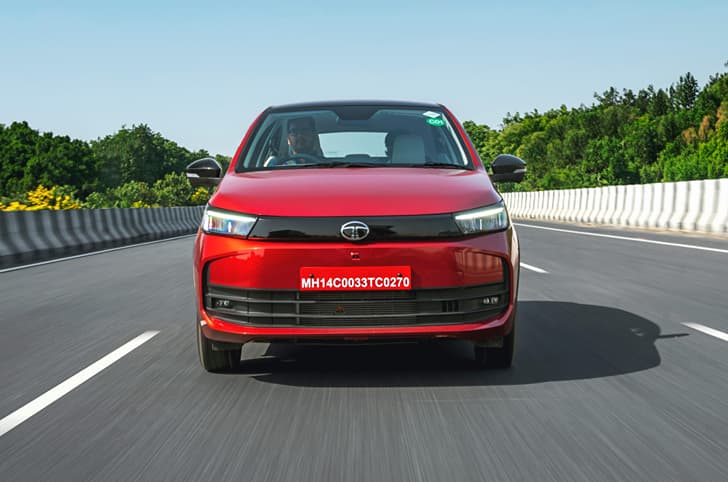
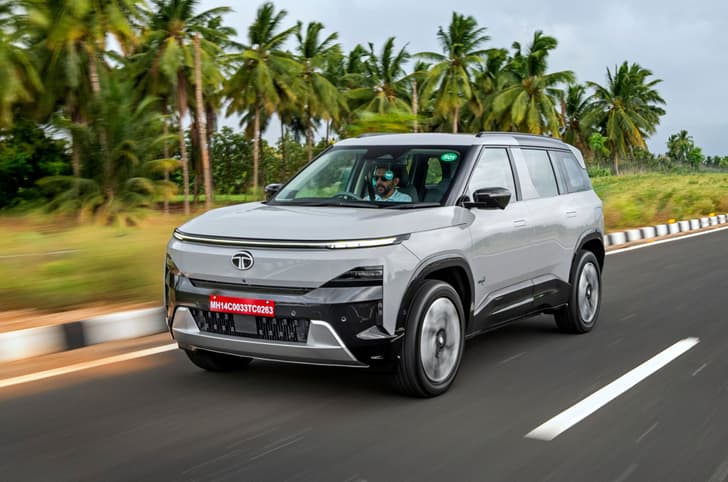
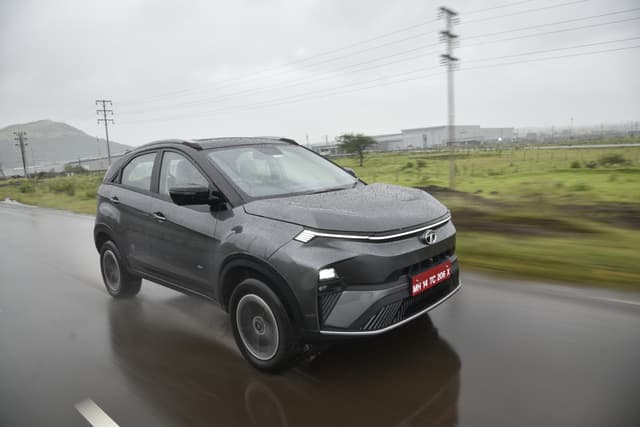
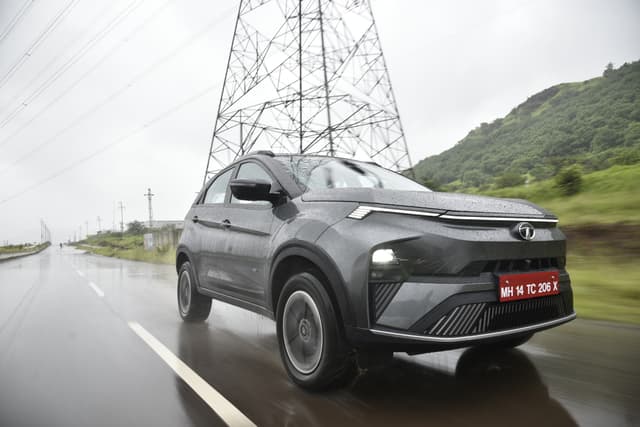
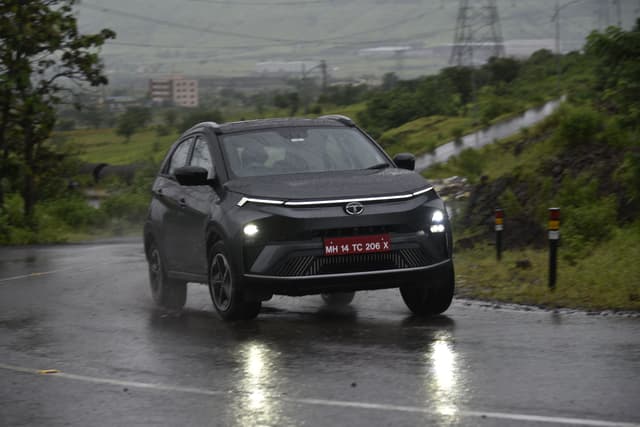
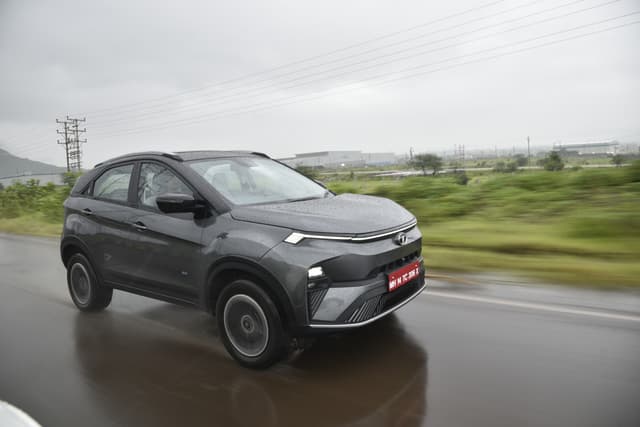
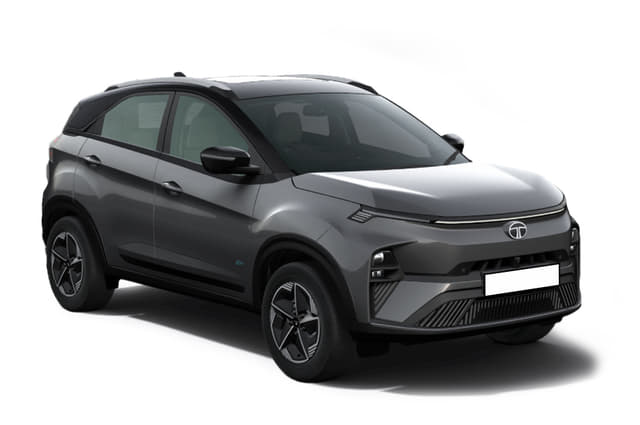
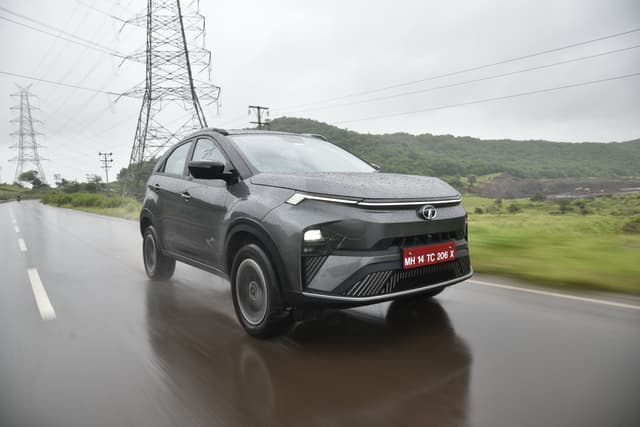
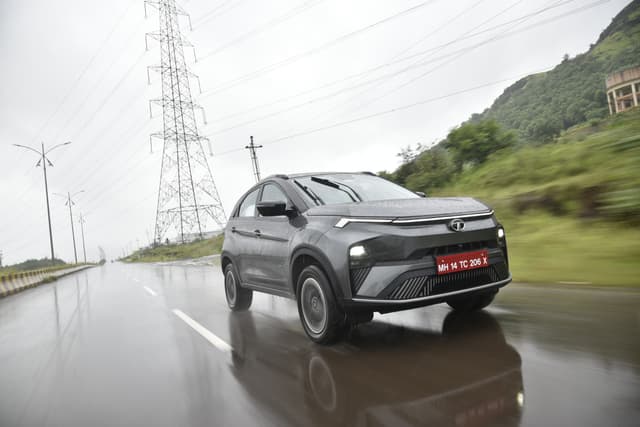
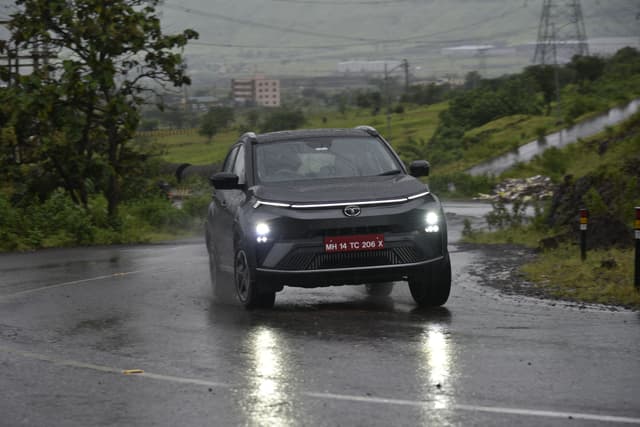
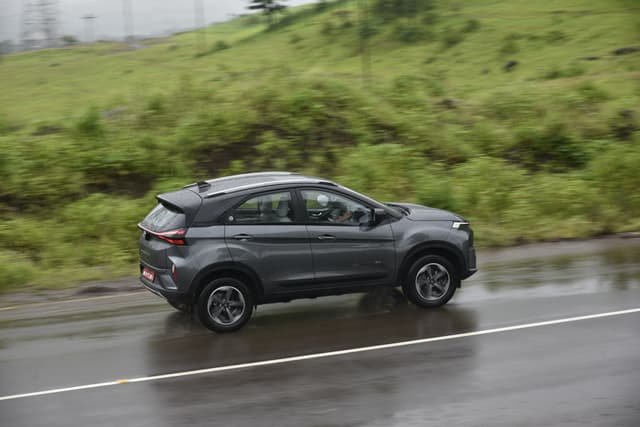
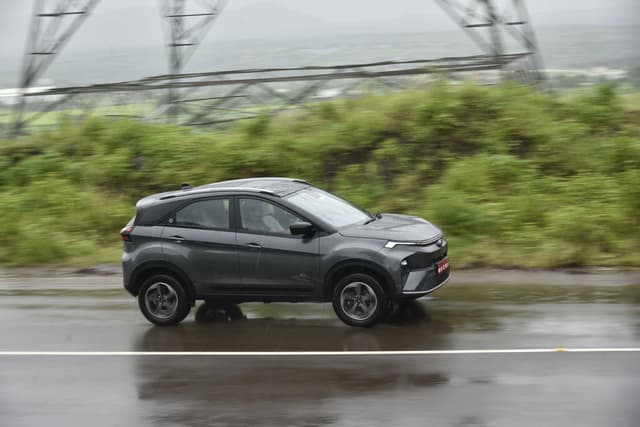
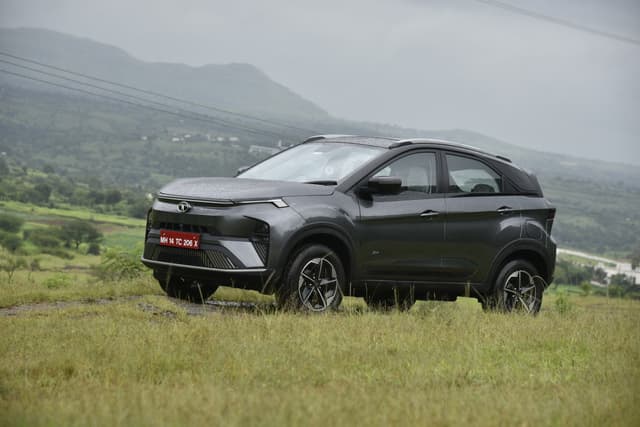
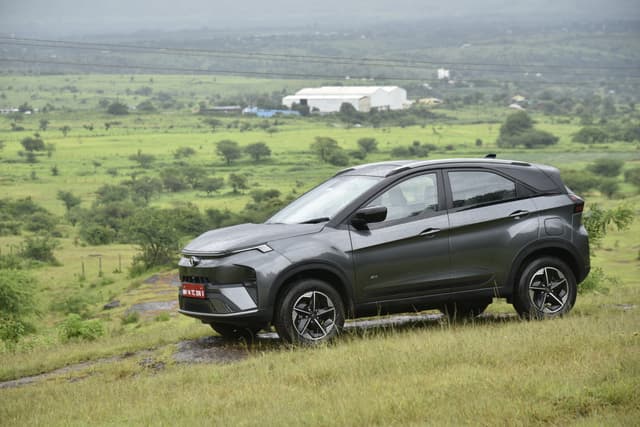
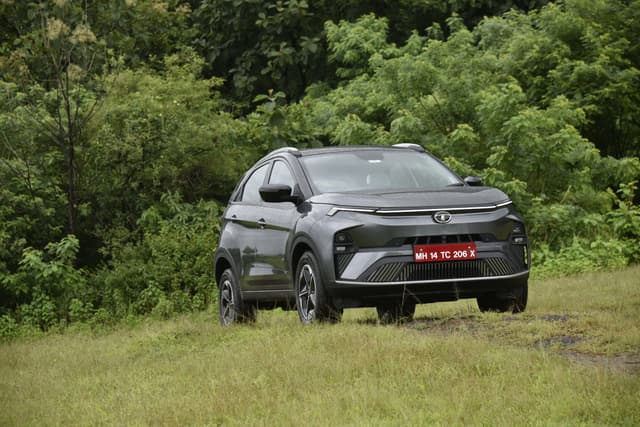
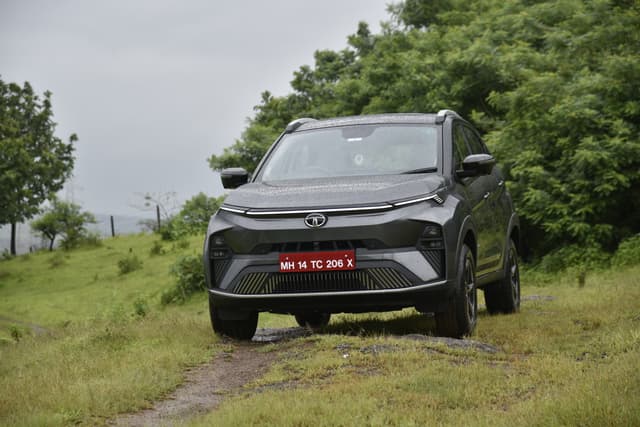
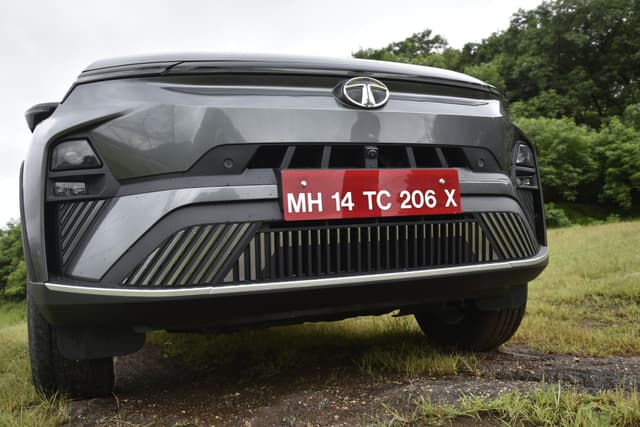
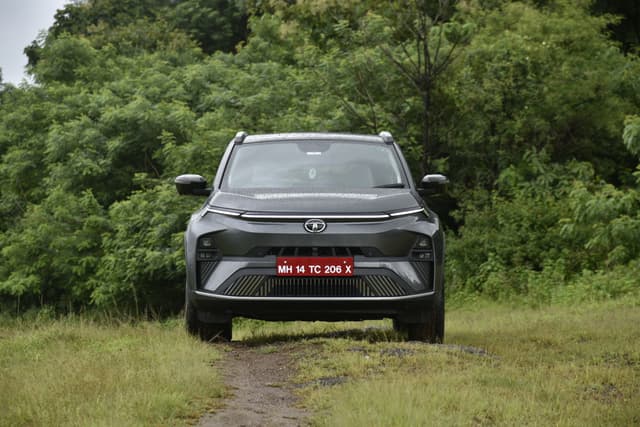
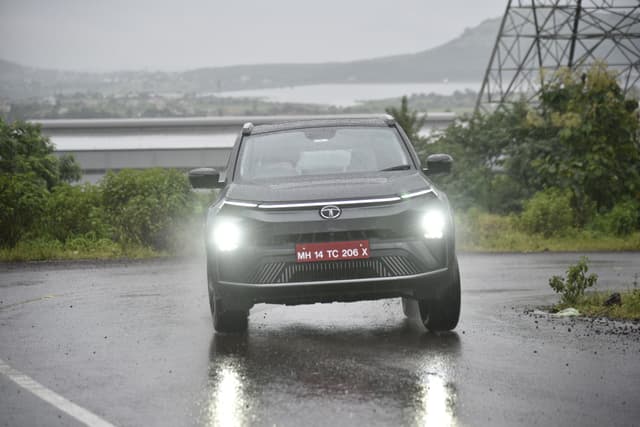
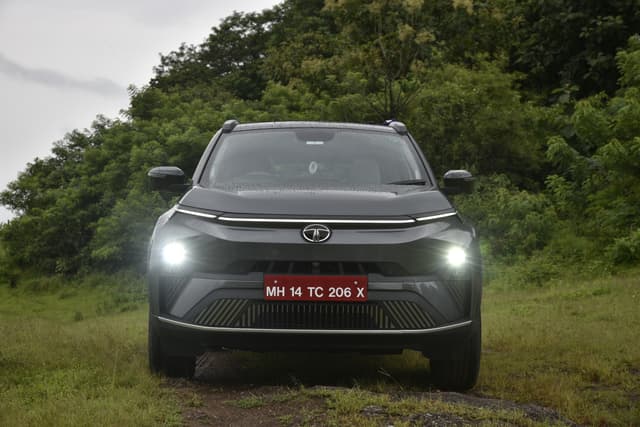
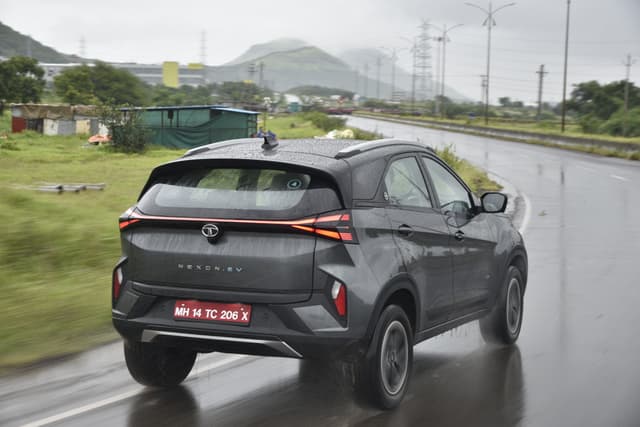
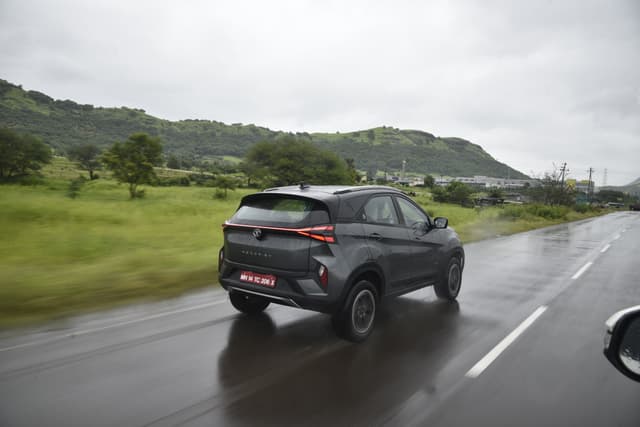
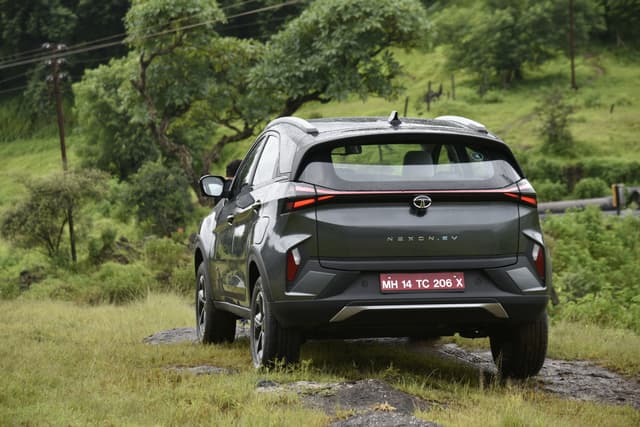
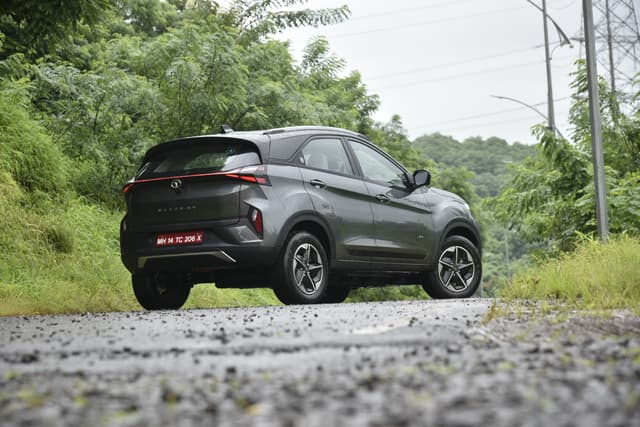
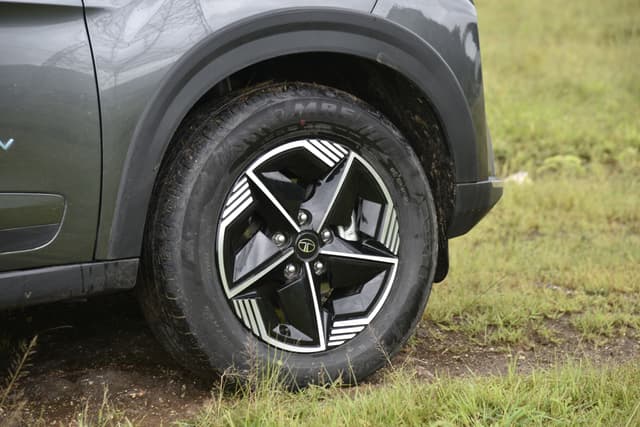
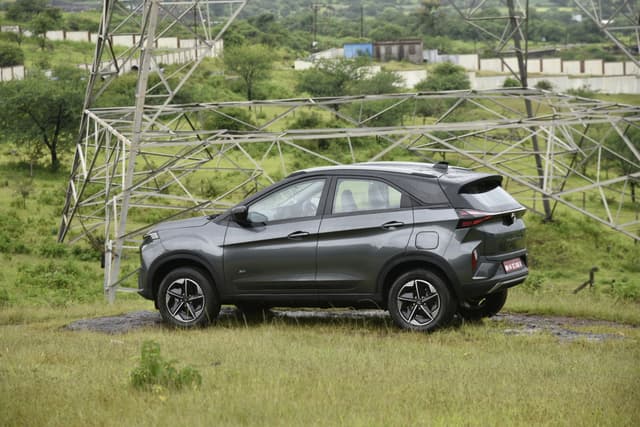
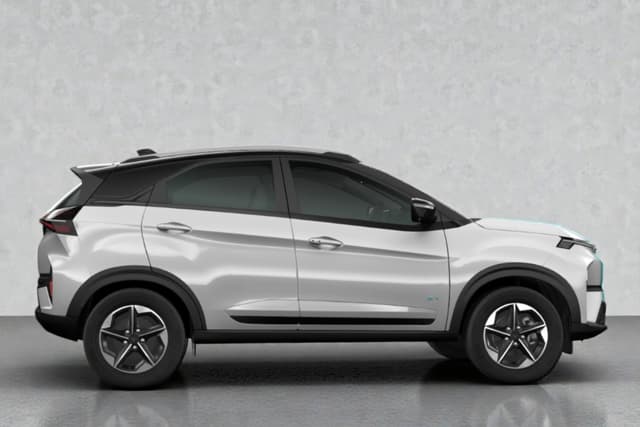
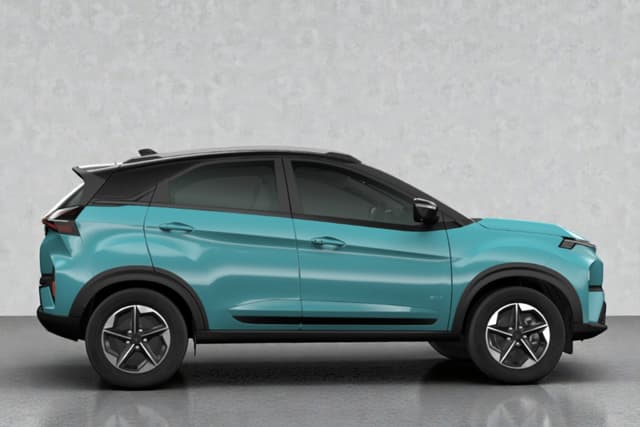
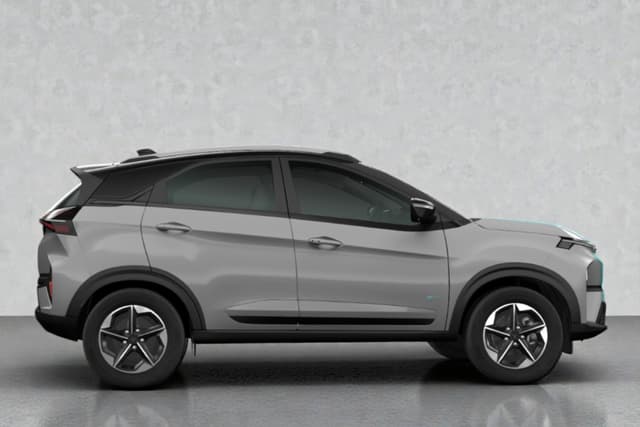
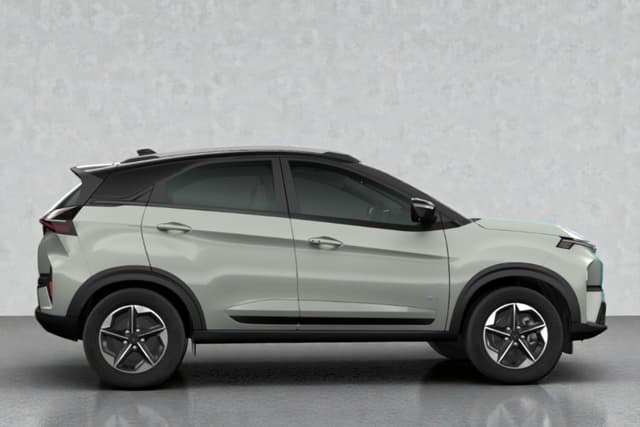
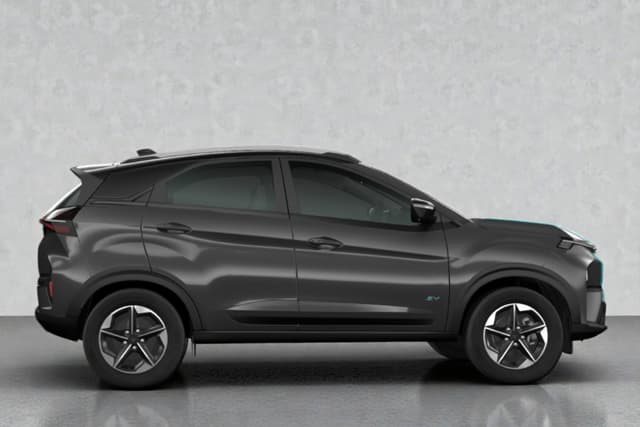
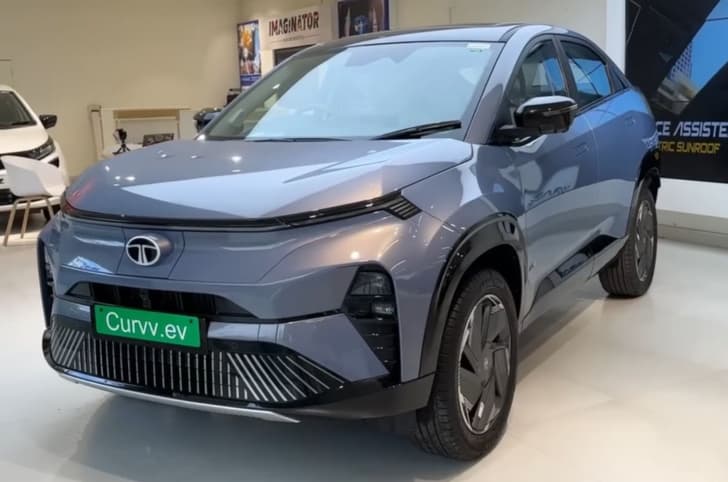
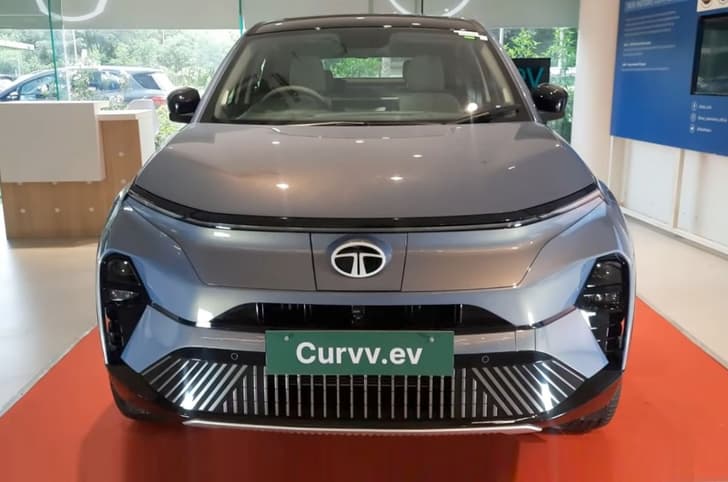
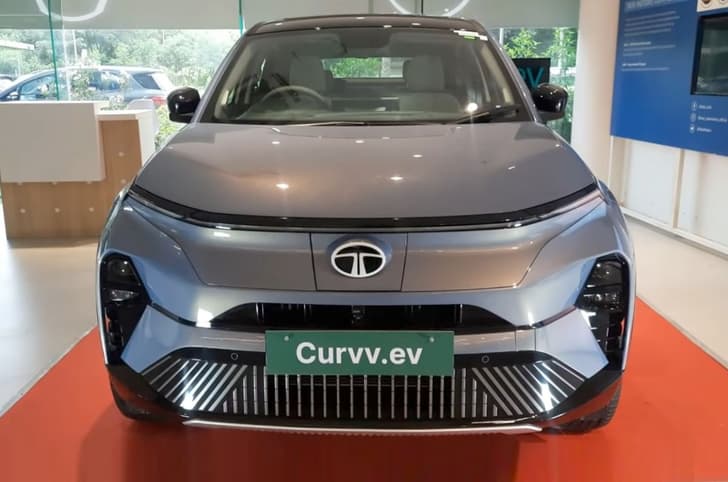
Tata Nexon EV price in Rajnandgaon
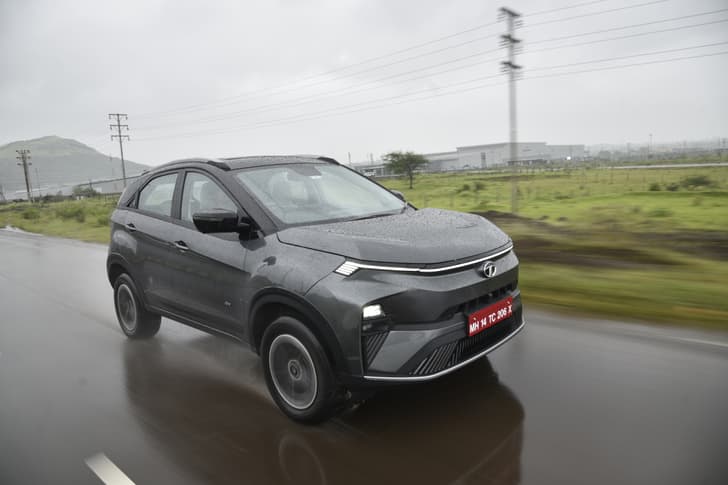
The on-road price of the Tata Nexon EV in Rajnandgaon ranges from ₹13.25 lakh for the base model to about ₹18.55 lakh for the top variant (including all taxes, RTO fees, and insurance). In comparison, the ex-showroom prices in Rajnandgaon are between ₹12.49 lakh and ₹17.49 lakh.
Check the Tata Nexon EV on-road price of all variants in Rajnandgaon in the table below:
The on-road price of the Tata Nexon EV in Rajnandgaon ranges from ₹13.25 lakh for the base model to about ₹18.55 lakh for the top variant (including all taxes, RTO fees, and insurance). In comparison, the ex-showroom prices in Rajnandgaon are between ₹12.49 lakh and ₹17.49 lakh.
Check the Tata Nexon EV on-road price of all variants in Rajnandgaon in the table below:
* Estimated on-road price. Final amount may vary.
Download the complete brochure with specs, features, and variants.
Planning to buy Nexon EV? Here are a few dealers in Rajnandgaon
Ground Floor, GE Road Manki Rajnandgaon, Infront Maa Bhawani Restaurant, Rajnandgaon, Chhattisgarh 491441


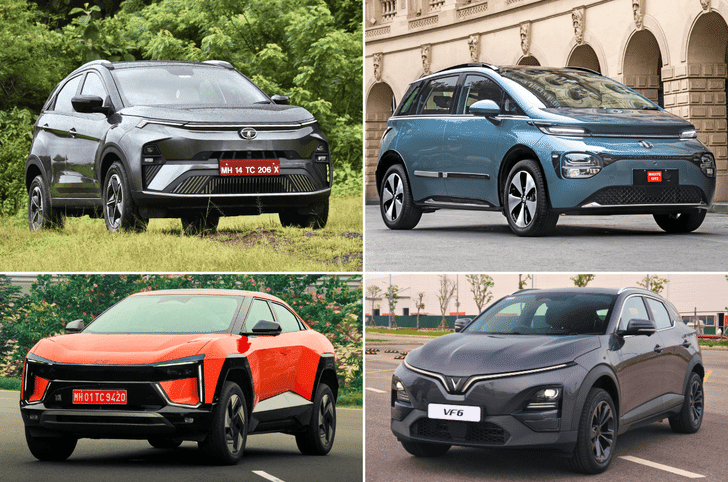
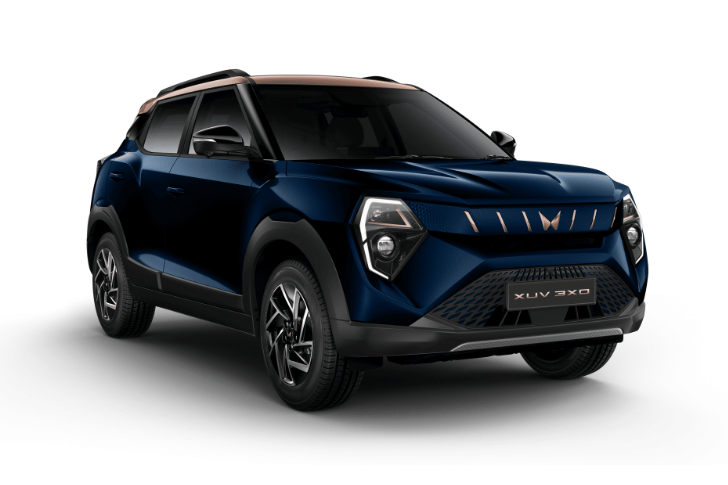
The Nexon EV price range is Rs 12.49 lakh to Rs 17.49 lakh (ex-showroom), which is more affordable than the Mahindra XUV 3XO EV at the base level, but much more expensive for the top variants.
Yes, lower- and mid-spec variants of the Nexon EV are great value for money. However, top variants of the Nexon EV overlap with entry-level pricing of some electric SUVs a segment above.
At the base level, the Nexon EV is more expensive than the Punch EV by Rs 1.8 lakh, with the gap growing to Rs 4.7 lakh for higher variants (excluding cosmetic packages).
Comparing base variants, the Nexon EV is Rs 5.12 lakh more expensive than the Nexon ICE. When comparing standard top variants (no cosmetic packages), the Nexon EV is pricier by Rs 3.27 lakh.
Hi, I am currently using a Ford Figo 1.2 petrol, 2019. I love the car, but I am looking to upgrade as Ford has left India, and I may have issues selling it after a couple of years. Q1. Should I go ahead and sell the car, or can I keep it for a couple of years? Q2. The car has been driven around 65k, and I have been offered 2.75 lakhs. I think it's a good value, thoughts? Right now, my running in the city is approx 500-600 kms per month. I mostly use a car for my office commute, and I don’t have a bike as of now. And yearly, out of the city running of around 2000 kms per year. Please, my city running may increase in future if I change my house location or office. I am very much confused about EV and petrol cars. In EVs, I was considering the Nexon EV. In petrol I was considering, Honda Elevate, VW Taigun 2025 (1.0 and 1.5), as I am getting some deals on them, Skoda Kylaq ( budget option with the same engine). As I am coming in a Ford Figo, I am looking for something which feels great to drive. Please suggest the correct car option. Reiterating question- Q1. Should I go ahead and sell the Ford Figo, or can I keep it for a couple of years? Q2. Ford Figo has been driven around 65k, and I have been offered 2.75 lakhs. I think it's a good value, thoughts? Q3. Will EV be the correct option for me? ( looking at my running) Q4. Or should I go ahead with petrol cars? (This E20/E30 discussion has created so much confusion) Q5. If I were to choose a petrol car, which option would be great for me? Thanks!
You don’t have to sell the Figo yet. If it’s healthy, keep it 1-2 years more; parts and service are still fine, and depreciation from here is slow. The Rs. 2.75 lakh offer is fair for a 2019 petrol at 65k km. Try direct sale or multiple portals and aim closer to Rs. 3 lakh-plus if the car is clean.Pick the VW Taigun 1.5 if you upgrade now, because it’s the only one on your list that truly feels like a step up from your Figo for daily drives and relaxed highway runs. The 1.5 is punchy, and the steering and body control make city and highway drives enjoyable. One honest catch: the automatic can feel a bit hesitant in crawl; the manual is more fun if you don’t mind a clutch. The Honda Elevate is nice, but it isn't as enjoyable as the VW/Skoda SUVs.With 500-600 km a month in the city and about 2,000km a year out of town, an EV like the Nexon EV won’t pay back quickly unless you have cheap home charging and your running shoots up.Go petrol. Don’t stress about E20/E30 - the VW-Skoda 1.0/1.5 are E20-ready, and should not pose issues if and when E30 is rolled out.
Current car: Honda City V i-DTEC. Budget: Rs. 12-17 lakh. Electric only. Daily commute: 50-80km. Shortlisted: Nexon EV Fearless 45, MG Windsor EV and Punch EV. Looking for a good 5-seater and still exploring more options.
For your requirements, we think you should go for the MG Windsor. It offers the most space within your budget, and since seating 5 is a priority, it is the best choice. Your budget won't get you the 'Pro' variant with the larger battery, but given your daily usage of 50-80km, the standard version is more than enough. Plus, you should be able to get the fully loaded Essence variant, with all the bells and whistles, in your budget.The Tata Nexon EV is your next best bet, and though not quite as spacious as the MG, it's got the softer suspension, and you and your passengers will appreciate the resultant comfort. It has a larger battery, so the real-world range will be higher, but given your usage, it shouldn't make much of a difference. The issue is you'll only get a mid-range variant in your budget, so you might have to give up a few features. The Punch EV is simply too cramped in the rear seat to be used as a regular five-seater, compared to these two.Whichever you choose, make sure you can have a home charger installed, as that's essential to running an EV as your only car.
I am looking to buy an EV. My monthly usage ranges from 500 km to 1,000 km, and my budget is under Rs. 15 lakh. Could you please suggest the best EV options for my requirements?
Get the Tata Punch EV 40kWh. Your 500-1000 km a month is exactly its sweet spot, and the price is comfortably under Rs. 15 lakh in most cities. One home charge a week should be enough for your normal city usage, and you'll still have room for a short weekend round-trip. It is easy to drive and park, rides well on bad roads, and Tata’s EV service reach is pretty wide now.If you plan to use it on highways, it will need some planning around chargers, and the boot is modest. If you want even more range and a larger vehicle, the Tata Nexon EV 45kWh mid-level trims are an option, but won't get as many features and will stretch your budget. For most first-time EV buyers at this budget, the Punch EV 40 is the best choice.
Hi, I am looking for any automatic SUV between Rs. 15 -20 lakhs on road price at Bangalore. Can u guide which would be the best option? My usage and criteria are as follows: 1. Heavy city usage - approx. 60kms per day (hence prefer TC or CVT transmission)- around 1200-1500 kms per month 2. Monthly 1 or 2 highway drive @ approx 300kms 3. I am ok with any fuel type 4. Is it prudent to go for ICE or EV for the above criterion 5. Want impeccable after-sales service as I would own only one vehicle (I don't even own a two-wheeler)
The Kia Seltos IVT is the best pick for your needs. Its slick gearbox delivers a very smooth experience in typical city driving, and there's enough performance for your 300km highway runs. The Seltos also feels plush, offers good ride comfort and is roomy inside. It also packs in plenty of tech, so the car won't feel outdated even over a long ownership period. Kias are reliable, and service support is generally very good.An EV would be smoother still in city driving, but few of the options within your budget would deliver a comfortable 300km on a single charge for your highway drives. The Tata Nexon EV and MG WIndsor Pro with the big battery options are worth a look.
Hello Autocar. Thank you for continuing to solve our doubts in such a genuine way. I have a small query. We currently own a 2022 Tata Altroz XZ+ diesel. Since I have to travel about 100km daily, we are planning to upgrade to an EV. However, everyone at home, including me, is attached to the Altroz and is looking for a similar experience. I wanted to ask if an Altroz EV is in the works or if there has been any development on that front. Otherwise, could you suggest whether the Punch EV or the Nexon EV would be better for a family of four?
Pick the Tata Nexon EV. It will feel closest to your Altroz while giving you more range cushion and more room for four. With 100 km daily, that larger battery and stronger AC performance mean less charging stress and easier weekend runs, and the Nexon’s wider rear seat and bigger boot make family life comfier. The Nexon's larger footprint also translates to greater confidence, especially at higher speeds.The Punch EV is a great value and very easy to drive in traffic. If your use is almost all city and parking is tight, the Punch EV can be considered as an option. However, for an Altroz owner used to that solid, grown-up feel, the Nexon EV will feel more familiar.About an Altroz EV, there’s nothing on sale or officially announced for the near term. Tata showed a concept years ago, but the current focus is Punch EV, Curvv EV, Harrier EV and Sierra. If you want an EV now, do not wait.
I want to buy a car for my office commute and occasional short road trips around Bangalore. I am considering an EV and am confused between waiting for the Kia Syros EV or going ahead with the Tata Punch EV Facelift. Which option would you recommend?
If you're referring to the Kia Syros EV, it may be worth waiting if you're not in a hurry. Given what we've already seen with the Syros ICE, the Syros EV is expected to offer significantly more cabin space and practicality than the Punch EV. In fact, the Syros is closer to the Nexon in terms of overall size and interior room, so the EV version is likely to appeal to buyers looking for a more spacious family car.The trade-off is that the Syros EV will almost certainly be more expensive than the Punch EV and is expected to be positioned closer to the Nexon EV in terms of battery size, range and pricing.For your usage of office commutes and occasional road trips around Bangalore, the Punch EV facelift is already a very well-rounded product. It is well priced, easy to drive in the city and offers enough range for most use cases.
Hi. I have a Maruti Suzuki S-Presso CNG that I bought in August 2020. It has already covered 1,60,000km. My daily running is approximately 115km, with 85% on highways and 15% in mixed city traffic. I want to replace it before Diwali 2026. Please suggest a car for long-term ownership. Should I continue with CNG, or switch to an EV or diesel?
An EV could make a lot of sense for your usage, but only if you can install a home charger. Covering 115km a day, mostly on the highway, is easy for today’s EVs, and your heavy running will cut fuel and service costs significantly. You will also get much stronger cruising performance and overtaking ability than your S-Presso CNG, with no fuel station queues to worry about.The Tata Nexon EV 45kWh is the sensible pick for value and service network support, and it will comfortably manage two days of driving on a single charge. If you are on a tighter budget, then the Punch EV 40kWh is also a good choice.The honest catch: highway fast chargers can still be patchy on some routes, and the upfront purchase price is higher.If home charging is not possible, then buy a diesel and keep life simple on the highway. The Hyundai Venue diesel and Kia Sonet diesel are both good choices for your needs.
Hi Autocar Team, I currently own a 2016 Maruti Suzuki Ciaz diesel, which I plan to keep for highway trips, long-distance travel and as a backup vehicle. I am looking to buy a second car purely as a city EV for Chennai, with a budget of around Rs 15 lakh on-road, though I can stretch slightly if justified. My typical usage includes daily city driving, client meetings, airport runs and occasional family outings. I drive around 10,000km per year and usually keep my cars for 7-9 years or until they reach around 1 lakh kilometres. My priorities are: ride comfort and suspension, reliability over 7-9 years, battery warranty and long-term ownership confidence, service network and availability of parts, ease of driving and parking in city traffic, resale value after 7-9 years, and real-world range of at least 300km. I have already test-driven several EVs, including the Mahindra BE 6, Hyundai Creta EV, Kia Carens EV, MG ZS EV, Maruti e Vitara and VinFast VF 6. While I liked the Mahindra and VinFast products, I am now wondering whether a smaller and more affordable EV makes more sense since I already have the Ciaz for highway duties. Which EV would you recommend as the best secondary city car for long-term ownership in India today? Would you choose the Tata Punch EV, Nexon EV, Tiago EV, MG Windsor EV or another option altogether? Looking forward to your advice.
Pick the Tata Nexon EV 45kWh. For a Chennai city car, it rides over broken roads better than most, slips into tight parking spaces, and still delivers over 300km on a single charge. You already have the Ciaz for highway duties, so the Nexon EV’s size, light steering and good visibility make daily client visits and airport runs stress-free.For long-term ownership, Tata’s EV footprint is the widest in India today, with parts and service support across most cities, and the 8-year/1.6 lakh km battery warranty aligns well with your 7-9 year ownership plan. The battery chemistry also handles heat well, which matters in Chennai. Running costs remain low, and strong demand should help resale values compared to many other EVs.The Punch EV and Tiago EV are good options too, but they will fall well short of your requirement of 300km-plus on a single charge. The MG Windsor EV is worth considering if you want a more spacious cabin, though its real-world range is not as strong as the Nexon EV’s.One honest niggle: Tata’s service quality can be inconsistent, so make sure you choose a good dealer with a strong reputation.
I purchased a VinFast VF6 just 10 days ago. The company and dealer committed a range of 468km on a full charge, but it doesn't even deliver 280km. The dealer is not sharing any phone numbers or email IDs of VinFast representatives. Please advise how I can get this issue addressed. I would also request your channel to raise this issue, as EV companies should not be allowed to make such claims and sell their products to Indian customers.
The first thing to understand is that the 468km figure is the ARAI-certified range, and that number is achieved under standardised test conditions. In the real world, every electric car sold in India delivers significantly less than its claimed ARAI range, depending on speed, driving style, traffic, terrain, air-conditioning use and weather conditions.This is not unique to the VinFast VF6. Models such as the Nexon EV, Curvv EV, Windsor EV and Creta Electric also deliver real-world ranges that are noticeably lower than their official ARAI figures. That said, a real-world range of around 280km does appear lower than expected and is worth investigating.Before concluding that there is a fault, check factors such as average speed, drive mode, AC usage and whether the battery has completed a few charge-discharge cycles. Many EVs show more consistent efficiency after the initial running-in period.As for escalating the issue, insist on a written response from the dealer and ask them to arrange a battery health and diagnostic check. Keep records of all communication. If the dealer is unable or unwilling to provide contact details for the manufacturer, ask for the regional service manager's details and raise the matter through VinFast's official customer support channels.
I want to buy either an electric car or a hybrid car, depending on which one would be more economical to maintain. My weekly running is around 1,250 km, with approximately 85% of that being on highways or expressways. I have not shortlisted any specific models yet, as I often end up confused after reading user reviews, watching videos, and comparing the various pros and cons of different cars. Considering my usage pattern and focus on lower maintenance costs, which type of vehicle and which models would you recommend?
Buy the Toyota Urban Cruiser Hyryder Hybrid or its sister car the Maruti Suzuki Grand Vitara. With 85% highway and 1,250 km a week, you need range and minimal downtime; this hybrid will do around 20 kpl at steady speeds, refuels in minutes, and Toyota’s hybrid system is proven and low on upkeep. Over big mileages, the petrol you save, versus normal petrol and the time you save versus hunting for public chargers, make a bigger difference than the savings with an EV.Here’s the catch you should know: the hybrid’s boot is smaller than the pure petrol’s and maintenance costs would be more than an EV, but not prohibitively so. If you have dedicated parking and can plug in every night, an EV would be cheaper to run and maintain. In that case, skip small batteries. Pick the MG ZS EV for its highway range, or the Tata Nexon EV Long Range if you want a lower price. On home power you’ll spend roughly Rs. 1.5-2 per km. Relying on highway fast chargers pushes costs close to petrol per km and eats time, which is why the Hyryder Hybrid fits your weekly grind best unless home charging is easy.