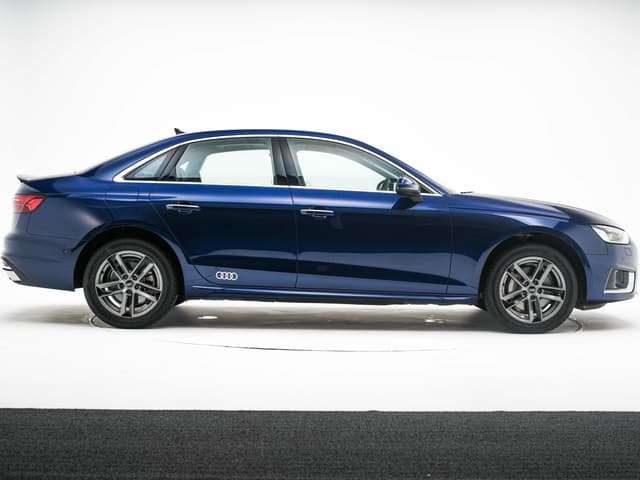
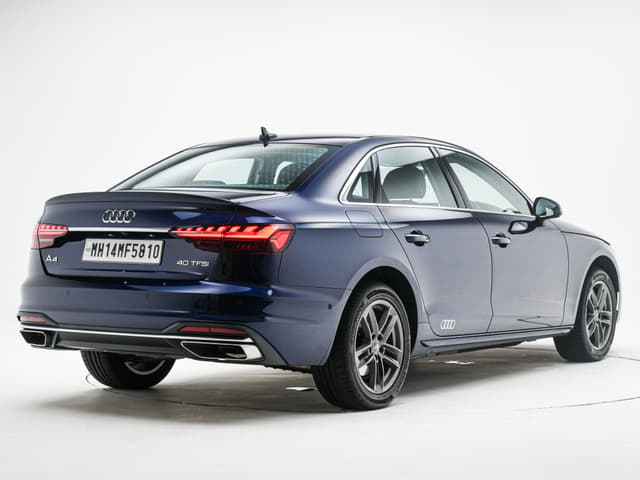
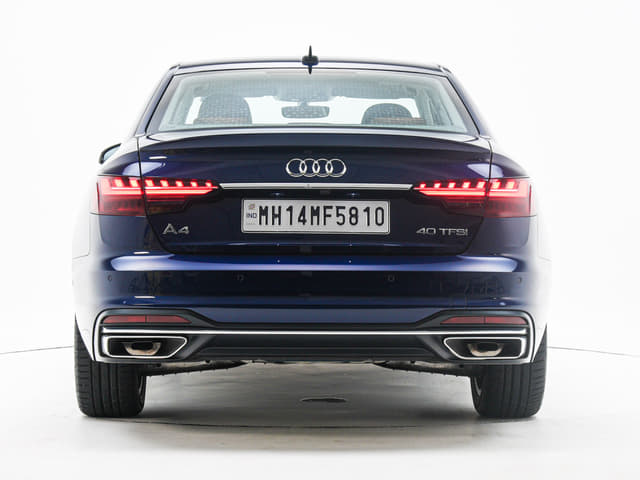
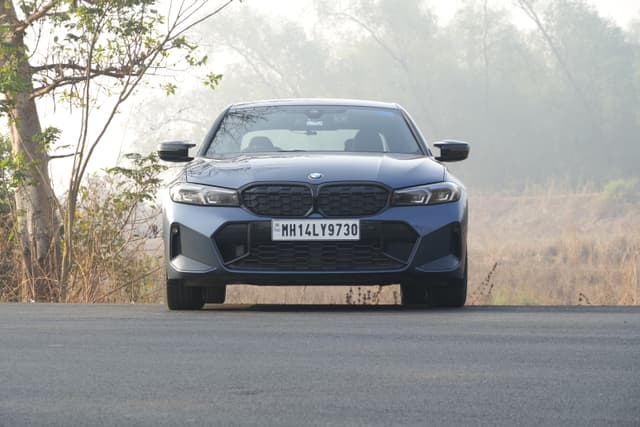
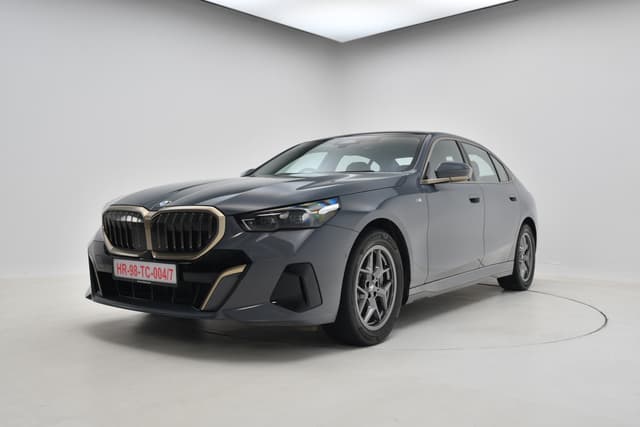
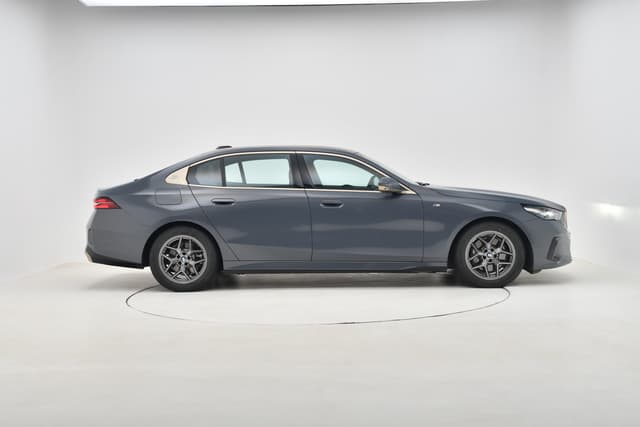
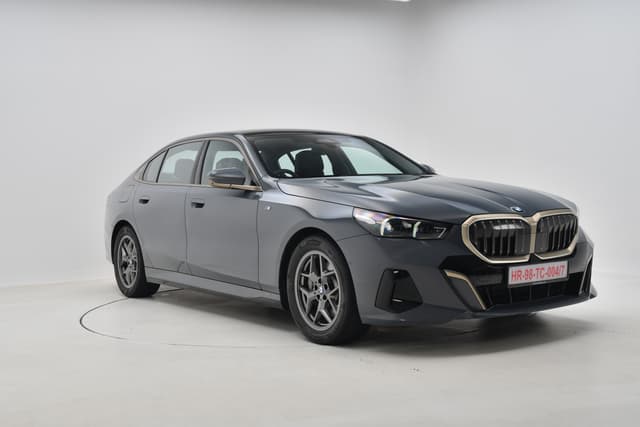
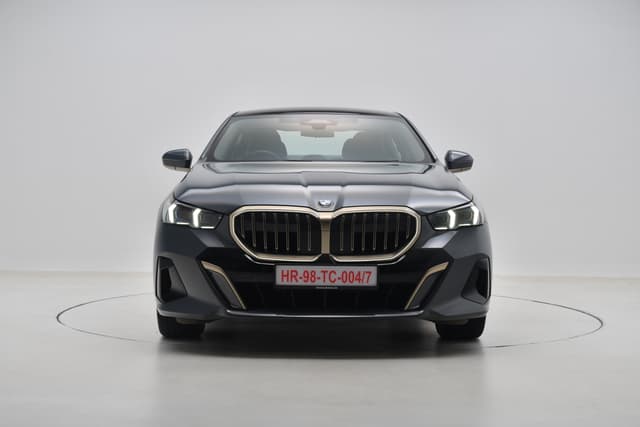
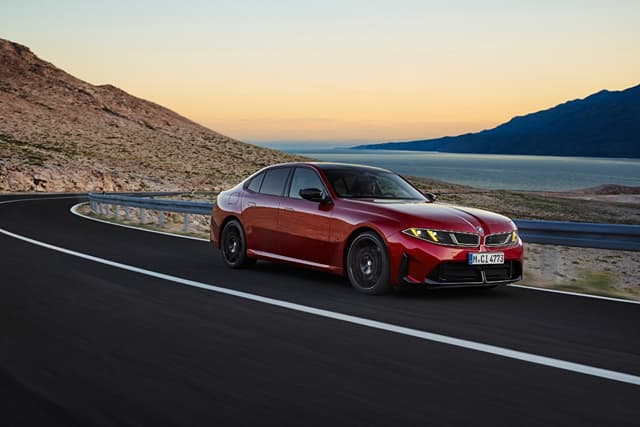
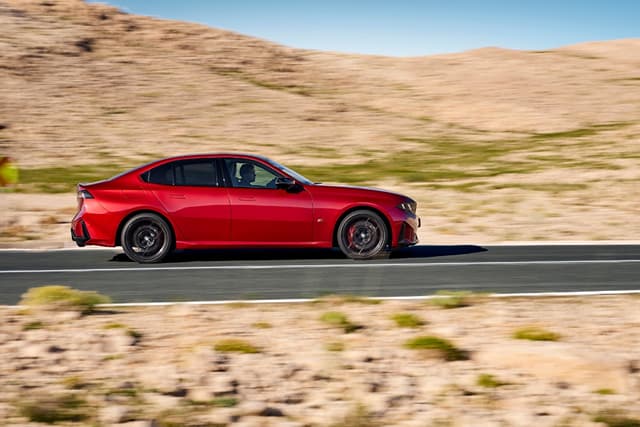
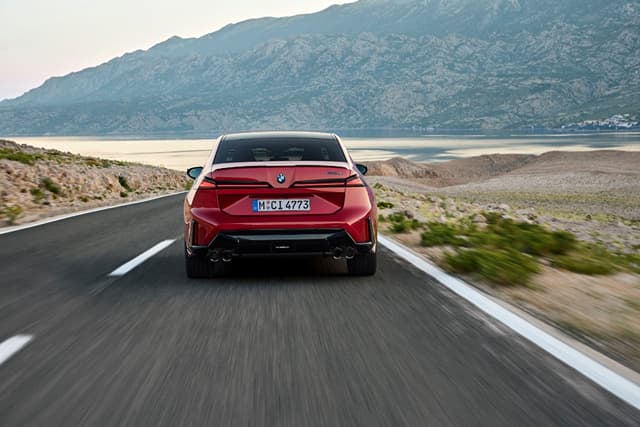
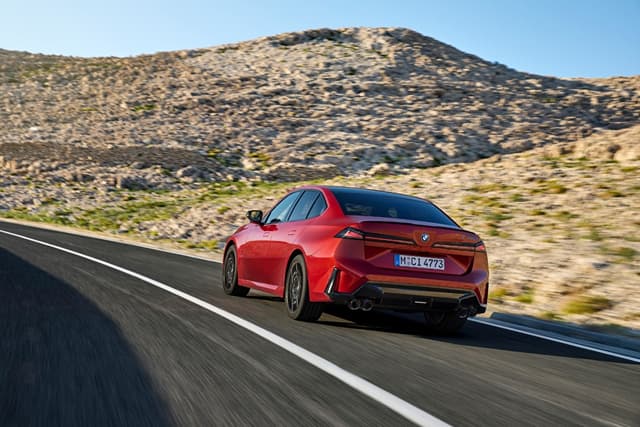
Sedan Petrol Cars in India (25)
Discover the best Sedan Petrol Cars. Our comprehensive guide covers detailed specifications, expert reviews, pricing information, and buying advice for Sedan Petrol Cars. Find the perfect cars that matches your requirements and budget.


Trending Questions on Cars - Answered by Autocar Experts
I currently drive a 2018 Polo GT TSI. Now, I am looking for a new primary car; the Polo will continue as a secondary city car. The purpose of the primary car is a more comfortable back seat for my elderly parents, and I will have a weekly, once- or twice-a-week intercity expressway commute of about 300 km a day. So, comfort on the highway is also very important. Should I go with an EV? If so, which one? Or should I opt for the Virtus GT, as I enjoy my Polo a lot, or consider any other sedan? Budget: Up to Rs. 30 lakh OTR in Karnataka.
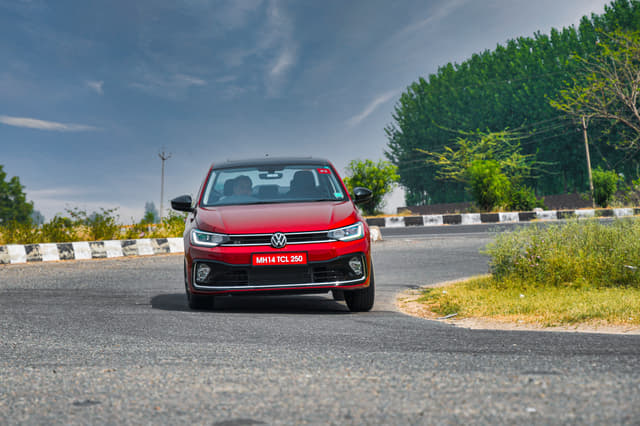
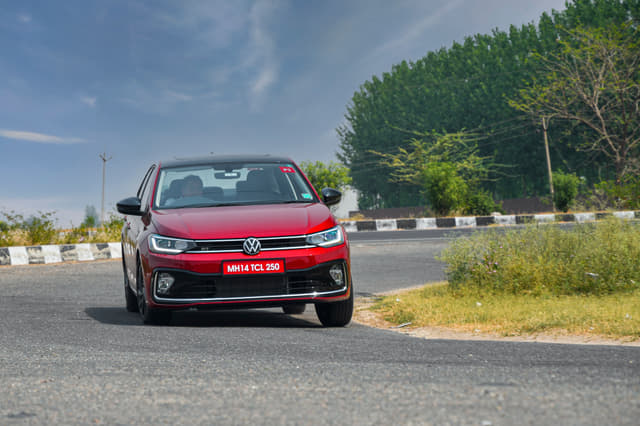
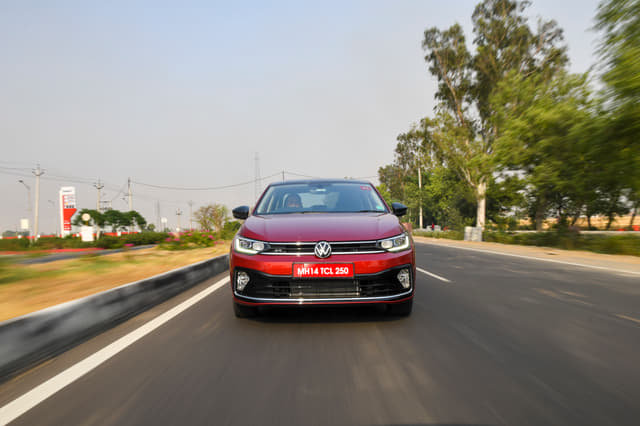
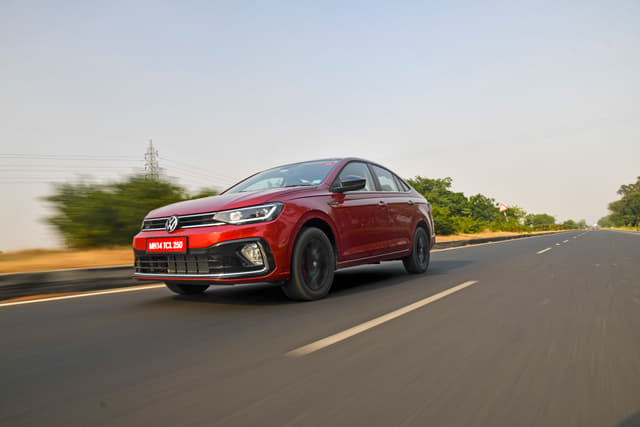
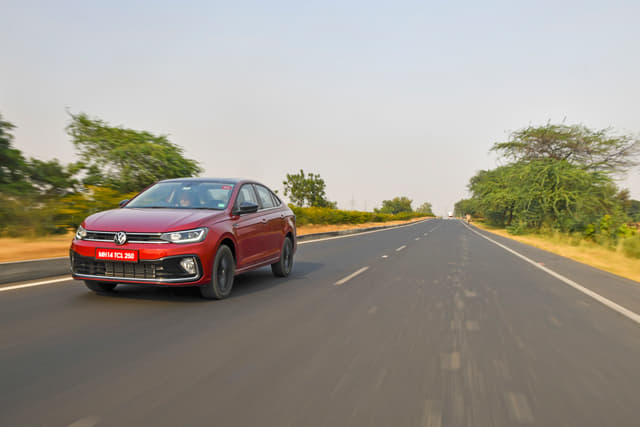
Given your requirements, the Volkswagen Virtus GT is the most sensible choice. You already enjoy your Polo GT TSI, and the Virtus GT builds on that formula with a more powerful 1.5 TSI engine, a larger and more comfortable cabin, and a genuinely enjoyable driving experience. It is one of the best driver's cars in the segment, and it is also well suited to long expressway runs.The back seat is a significant step up from the Polo, with good legroom and a comfortable seating position for your parents. The ride is on the firmer side, but it is well controlled at highway speeds, and the car feels stable and confidence-inspiring on long journeys.On the EV question, a 300km round trip once or twice a week is right on the edge of what most mainstream EVs can comfortably manage without charging stops in the real world. While cars like the Tata Harrier EV and XEV 9S can technically do it, you would be running the battery down to low levels, and charging infrastructure is still not consistent enough to make this a stress-free experience. The Virtus GT, on the other hand, is completely hassle-free on long highway runs.Overall, the Virtus GT strikes the best balance between driving enjoyment, rear seat comfort and long-distance usability. It is the car you are most likely to still enjoy owning after five years. If you can wait a few months, however, Volkswagen is launching a facelifted version that should get a few more features.
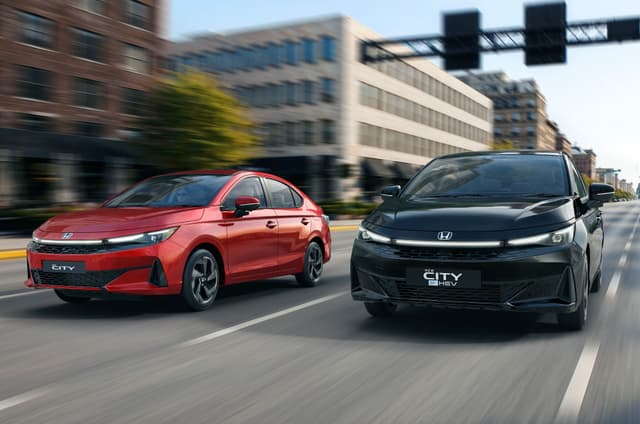
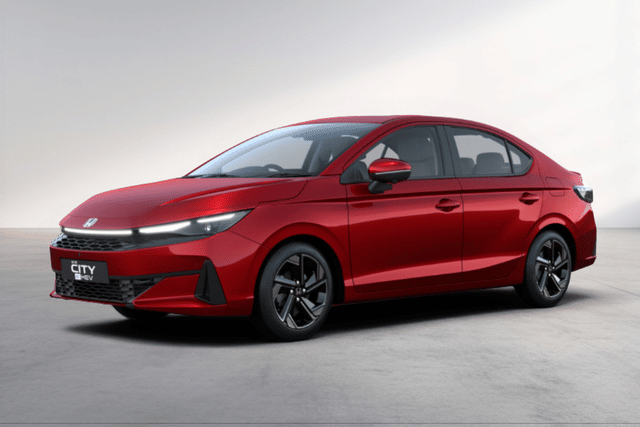
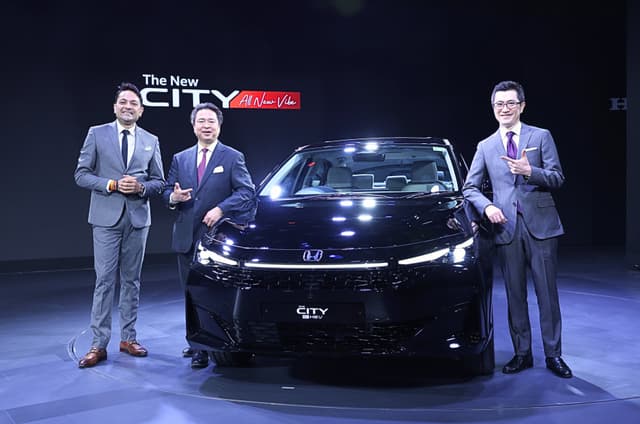
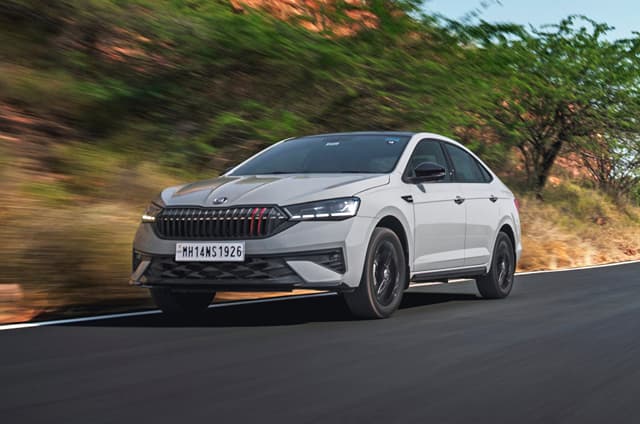
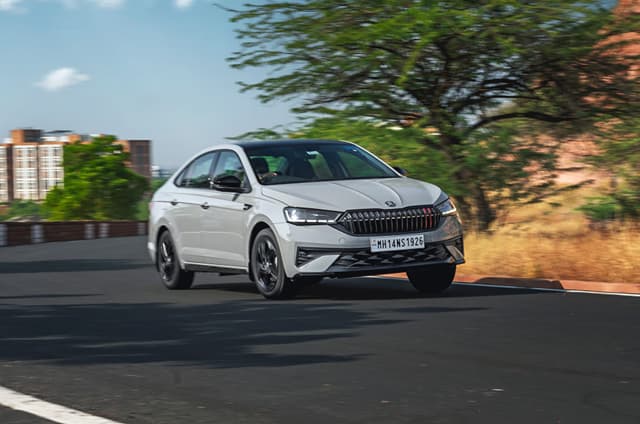
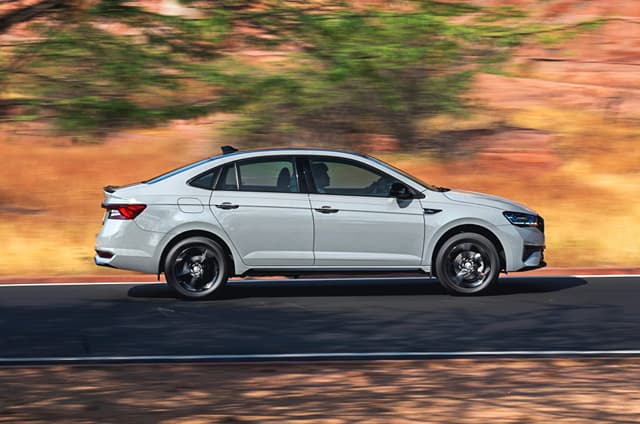
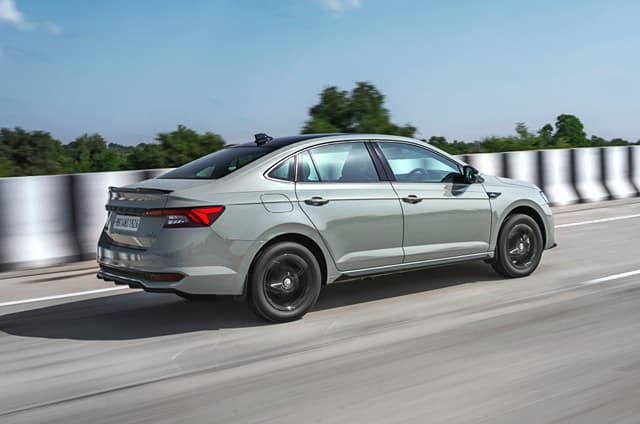
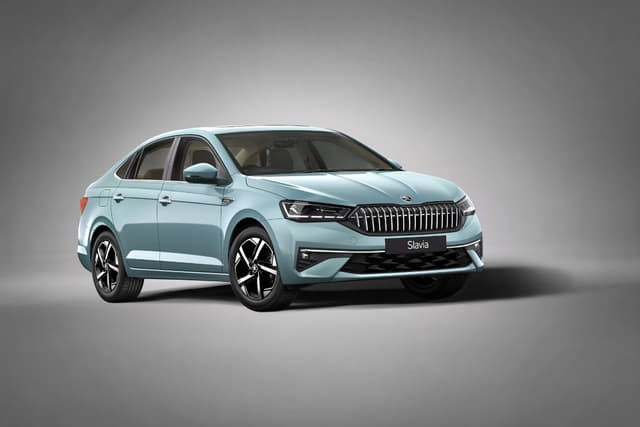
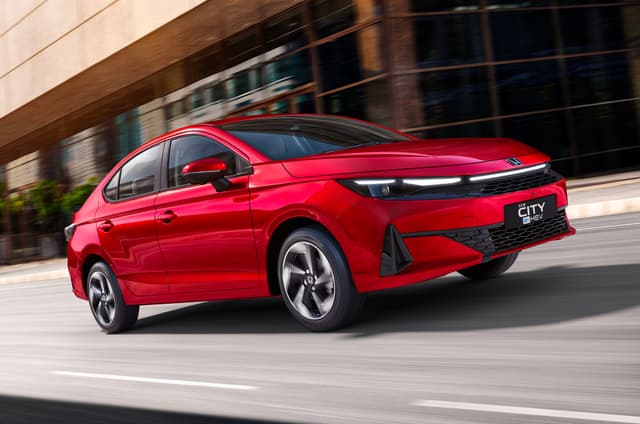
I am currently using my dad's Maruti Ritz and wish to upgrade to a more premium sedan or SUV. My current shortlist includes the Toyota Hyryder Strong Hybrid, Skoda Slavia, and Honda City e:HEV. Several thoughts and concerns keep coming to mind regarding each vehicle. The Hyryder is not a proper SUV, and its 3-cylinder engine has more vibration than 4-cylinder engines. The Slavia's 4-cylinder engine is giving single-digit fuel efficiency, especially with the E20 fuel concerns. I am also worried about the long-term maintenance of its turbo engine. The City e:HEV is priced above Rs. 20 lakh, attracting luxury tax, and its on-road price goes beyond Rs. 25 lakh. I am not sure whether the cost-benefit equation will work in favour of the City. The Slavia facelift is also around the corner. I wish to keep my next car for at least 10 years.
Based on your requirements, the Toyota Urban Cruiser Hyryder Strong Hybrid is the most sensible upgrade. Your concerns about the 3-cylinder engine are understandable, but in the hybrid, the petrol engine is assisted by the electric motor, which smooths out the power delivery and reduces the typical 3-cylinder vibrations. This Toyota car also delivers excellent fuel efficiency, especially in city driving, which will make a significant difference over a 10-year ownership period. While it may not be a "proper" SUV in the traditional sense, it offers a higher seating position, good ground clearance and a comfortable ride, making it a practical and premium upgrade from the Ritz.The Honda City e: HEV is a strong alternative, but the higher price pushes it into a different budget bracket, and the cost-benefit equation becomes harder to justify. The Skoda Slavia is a great driver's car with a smooth 4-cylinder engine, an extremely practical cabin and strong performance, but if efficiency is a high priority, it is best to stick to the strong hybrid. The Slavia will receive an update soon, which will also feature a new gearbox which replaces the earlier Aisin-sourced 6-speed torque converter (AQ250) with a newer Aisin 8-speed torque converter (AQ300). This will be exclusive to the 1.0-litre engine and will be a bit more efficient too. However, in comparison to a strong hybrid, nothing really comes close. Overall, the Hyryder Strong Hybrid offers the best balance of efficiency, reliability and ownership experience for your needs.
Comparing VW Virtus Highline Plus 1.0 TSI Automatic with the Tata Safari Pure X turbo petrol manual. I understand segments are different. I am not confused about which car to buy. I need advice about "Should I push for the Tata Safari as I'll get a big SUV with just 2 lakhs extra" User case: I have a Tata Tiago, which I'm going to keep as 2nd car. Daily running is 15km with moderate traffic (Manual is not a problem) and monthly 1 highway trip of 200-300 kms. Family of 4 adults and a kid. Looking for best value proposition, longterm ownership, Family comfort with driving pleasure.
Given your usage and priorities, the Volkswagen Virtus Highline Plus 1.0 TSI automatic is the better fit. Your daily running is low, and the occasional highway trips do not justify the additional size and complexity of the Tata Safari. The Virtus offers a more refined driving experience, better fuel efficiency and a more manageable ownership proposition over the long term. It is also a more comfortable car for a family of four plus a child, with a spacious rear seat and a large boot. The Safari Pure X turbo petrol manual is a good value proposition for those who need the extra space and road presence, but it is not the best choice for your usage pattern. The manual gearbox will become tiresome in traffic, and the larger size will make it less convenient to live with on a daily basis. The Virtus is the more sensible and enjoyable choice for your needs. You can expect the Volkswagen Virtus mileage to be around 9 to 12 kpl in the city and 15 to 18 kpl on the highway.
I am a 21-year-old college student. We currently have a 2025 Mahindra XUV 700 at home for family trips, outings, and weekend drives. However, I require a second car (preferably a non-SUV) for daily city commutes, easy parking, and college use. My budget is below Rs. 12 lakh, and I do not want an EV.
Go for the Maruti Suzuki Baleno. It is the most sensible and well-rounded choice for your requirements. As a second car for daily city commutes, college runs and easy parking, the Baleno’s compact dimensions, light controls and excellent fuel efficiency make it extremely easy to live with. It is also one of the most spacious hatchbacks in the segment, so you will not feel cramped on longer drives or when carrying friends. Maruti’s service network and low maintenance costs add to the ownership peace of mind, which is important for a student car. The Baleno’s 1.2-litre naturally aspirated petrol engine is smooth and reliable, and the car feels stable and comfortable at city speeds. Since you already have the XUV 700 for family trips and weekend drives, the Baleno complements it perfectly as a practical, fuss-free daily runner. The top-spec Alpha trim will fit comfortably in your budget and is the most sensible and dependable choice under Rs 12 lakh for your specific needs.
Hello, I currently drive a 2015 Honda City Petrol Manual (Stage 1 Tune) and am planning to upgrade to the Volkswagen Virtus 1.5 GT DSG. My daily commute is around 40-50 km, and I also do monthly highway drives of 400-500 km. Being a sedan enthusiast and with very limited options in the Rs. 20-25 lakh price range, would the Virtus 1.5 GT DSG be a good choice for my requirements? Thank you.
Yes, the Volkswagen Virtus 1.5 GT DSG is a very good upgrade from your 2015 Honda City petrol manual, especially given your usage pattern and preferences. Your daily commute of 40- 50 km combined with regular highway runs of 400- 500 km a month makes the Virtus 1.5 GT a strong fit. The 1.5 TSI engine of this sedan car is genuinely punchy, and the DSG gearbox delivers quick, crisp shifts, making both city driving and highway overtakes effortless. You can expect the Volkswagen Virtus mileage to be around 9 to 12 kpl in the city and 15 to 18 kpl on the highway.The Virtus also has a well-sorted chassis, a comfortable ride and a spacious cabin, which will make your daily commute and long drives more enjoyable.You could also consider the updated Skoda Slavia that's likely to be launched in a few weeks, or wait for the updated Virtus that'll launch towards the end of the year. These cars will have an upgraded air-con unit (like the Skoda Kushaq and VW Taigun) that you will surely appreciate.
Last Updated on: 24 Aug 2026