
Last Updated on: 30 Aug 2026
BMW 5 Series LWB
The BMW 5 Series price in India starts at ₹76.60 lakh (ex-showroom). The 5 Series is BMW’s executive sedan offering in India, blending luxury, performance and modern technology.
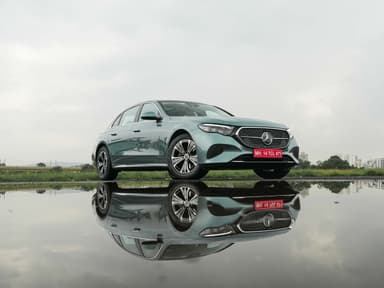
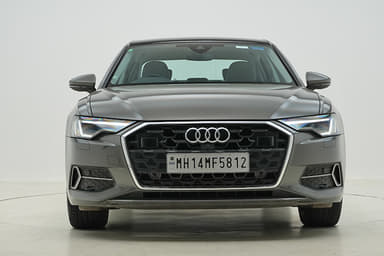
The 5 Series rivals the Mercedes‑Benz E‑Class, Audi A6, and other premium mid-size executive sedans in the segment.
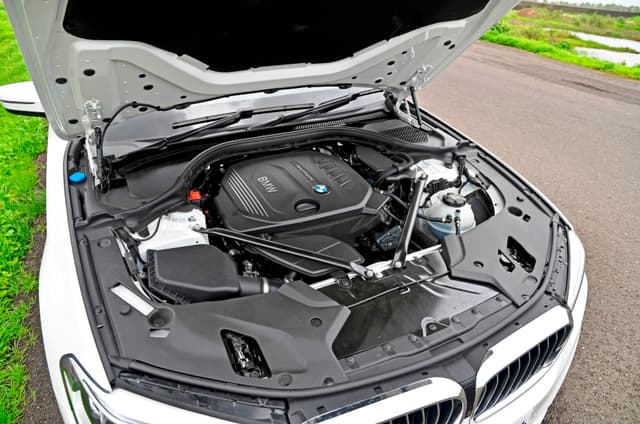
The 5 Series is offered with a 2.0-litre TwinPower Turbo petrol engine in India, paired to a Torque Converter Automatic transmission. It is offered in a single 530Li M sport Long Wheelbase (LWB) variant option, with enhanced rear-seat comfort and legroom. BMW claims a 0-100kph time of 6.5 seconds for the new 5-series.
The BMW 5 Series mileage is 15.7 kmpl.
BMW 5 Series Highlights
- The BMW 5 Series price starts at ₹76.60 lakh (ex-showroom).
- The 5 Series in India gets a 2.0-litre petrol engine producing around 258 hp and 400 Nm mated to an 8-speed automatic gearbox.
- The model comes as the LWB (Long Wheelbase) variant in India, measuring 5,175 mm in length, 1,900 mm in width, 1,520 mm in height, with a wheelbase of 3,105 mm.
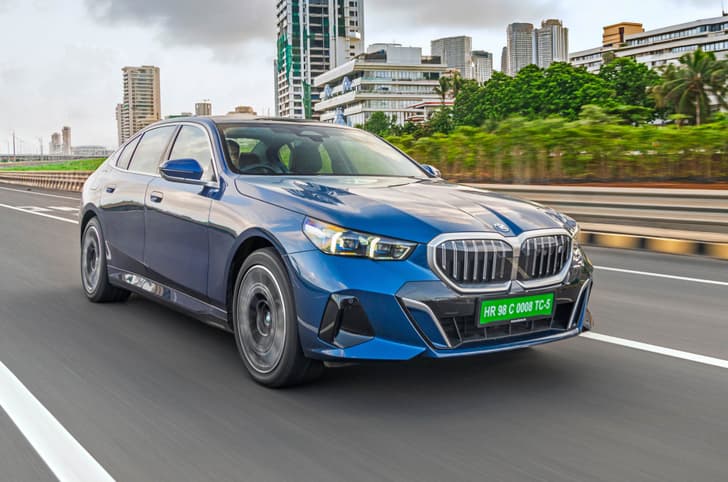
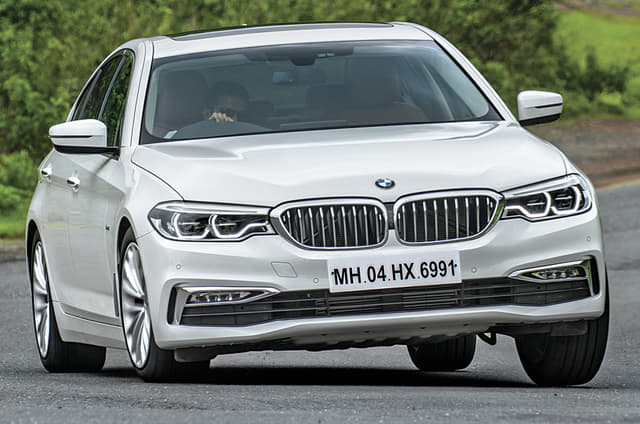
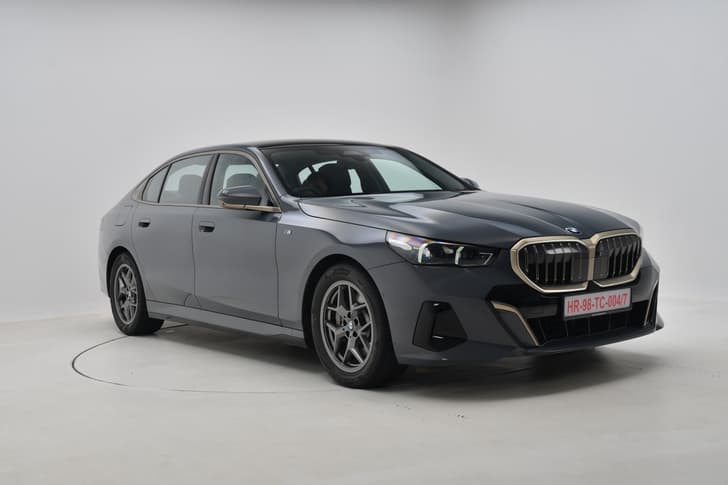
- BMW 5 series features include adaptive LED headlights with matrix technology, illuminated kidney grille, 19-inch alloy wheels, panoramic glass roof and BMW’s iDrive connected car tech.
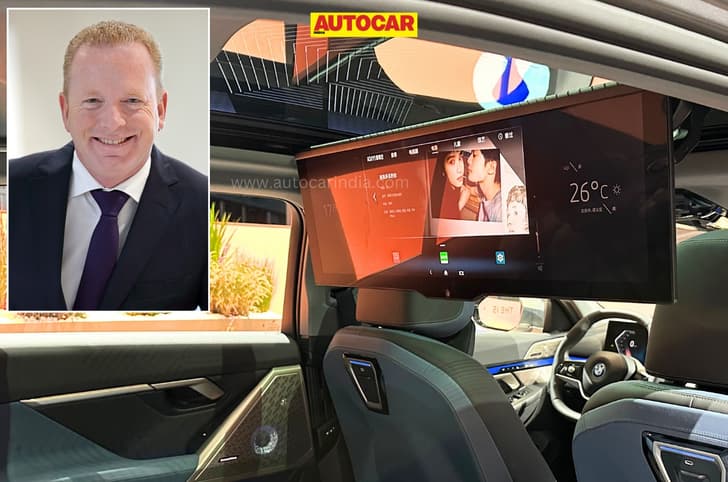
- BMW 5 series interior highlights include premium leather upholstery, ambient lighting, twin-screen digital display, and comfortable rear-seats.
- Key technology features of the 5 series include a single-piece BMW Curved Display housing the 14.9-inch touchscreen and 12.3-inch Digital Cockpit, 4-zone automatic climate control, Ventilated Front Seats, and a 360-degree camera.
- BMW 5 series safety kit includes 7 airbags including one between the driver and passenger and all manners of electronic safety aids. There’s level 1 ADAS as well with auto emergency braking and lane keep assist.
- The current generation BMW 5 Series secured a 5-star Euro NCAP safety rating.
- BMW 5 Series boot space is 500 litres.
- The BMW 5 Series has a fuel tank capacity of 60 litres.
- BMW 5 Series ground clearance is 150 mm.
BMW 5 Series LWB Latest Updates
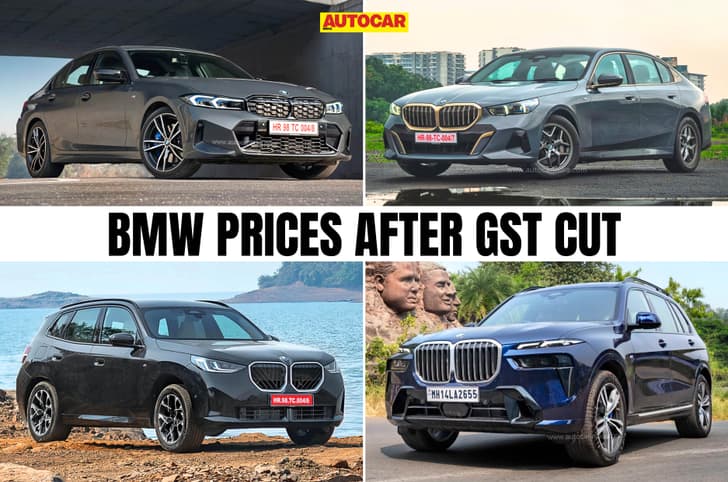
- September 2025: The BMW 5 Series LWB gets a GST price drop of up to Rs. 4.15 lakh, its new starting price is Rs. 72.35 lakh (ex-showroom), applicable from 22 September.
BMW 5 Series LWB Features and specifications
Our Rating | 8 |
Mileage | 15.7 kmpl |
Engine | 1998 cc |
Fuel Type | Petrol |
Transmission | Torque Converter |
Seats | 5 |
Body Style | Sedan |
Doors | 4 |
Max Power | 258hp at 4500-6500rpm |
Max Torque | 400Nm at 1600-4500rpm |
Warranty Distance | 100000 km |
Warranty Duration | 2 Years |
| Engine Type | Turbocharged |
| Engine Displacement | 1998 cc |
| Number of Cylinders | 4 |
| Engine Installation | Front |
| E20 Compatibility | Yes |
| Emission Standard | Bharat Stage VI |
| Auto Start/Stop | Yes |
| Official Fuel Economy | 15.7 kmpl |
| Front Suspension Type | Independent, Double Wishbone |
| Front Springs | Coil Springs |
| Rear Suspension Type | Independent, Multi-link |
| Rear Springs | Coil Springs |
| Length | 5175 mm |
| Width | 1900 mm |
| Height | 1520 mm |
| Wheelbase | 3105 mm |
| Power Windows | Front and Rear |
| 12 Volt Port | |
| Bluetooth Connectivity | |
| Cabin Boot Access |
| Airbags | 7 |
| Anti-Lock Brakes (ABS) | |
| Auto emergency braking (AEB) | |
| Curtain Airbag |
| Body Coloured Bumpers | |
| Antenna | Shark Fin |
| LED DRLs | |
| LED headlamps |
| Speedometer | Digital |
| Tachometer | Digital |
| Trip Meter | |
| Average Fuel Consumption |
| Audio System | |
| CD Player | |
| Speakers | 18 |
| USB Input |
| Car Light Flashing & Honking via App | |
| Check Vehicle Status via App | |
| Emergency Call Button | |
| Find My Car |
BMW 5 Series LWB price & variants
The BMW 5 Series price in India starts at ₹76.60 lakh (ex-showroom), with on-road price of ₹96.91 lakh, depending on city, variant and equipment.
The 5 Series is offered in a single Long Wheel Base variant.
The 530Li M Sport 2.0 Petrol includes premium equipment such as 19-inch M alloy wheels, illuminated kidney grille, panoramic roof, executive rear-seat amenities, premium audio, and all advanced driver assistance systems.
BMW 5 Series LWB expert review
We like
Plush ride
Space and comfort
We don't like
Does not feel athletic like old 5s
Missing some features
7
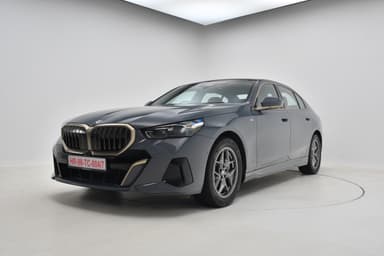
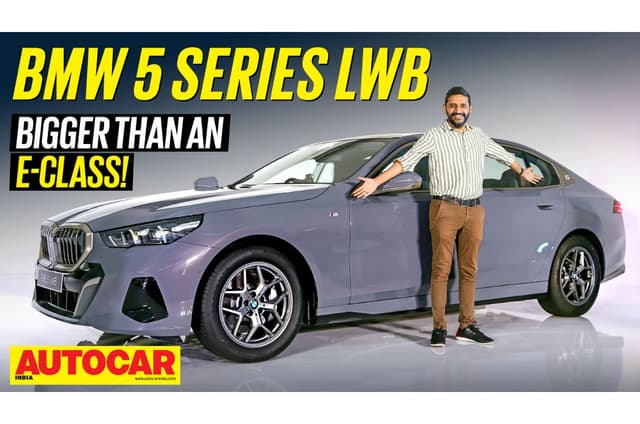
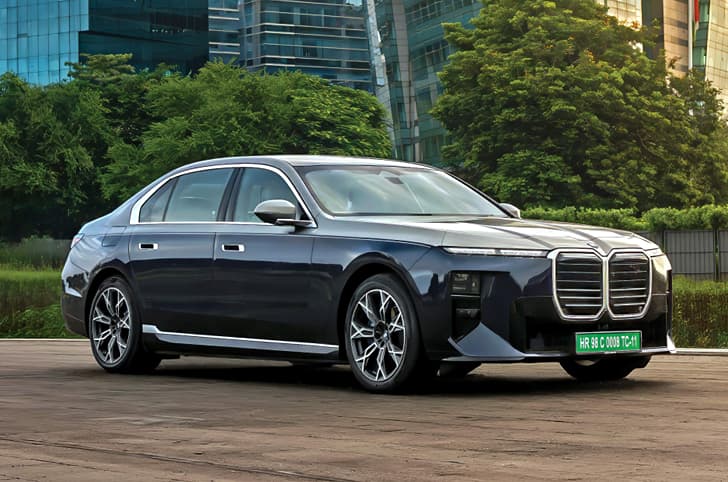
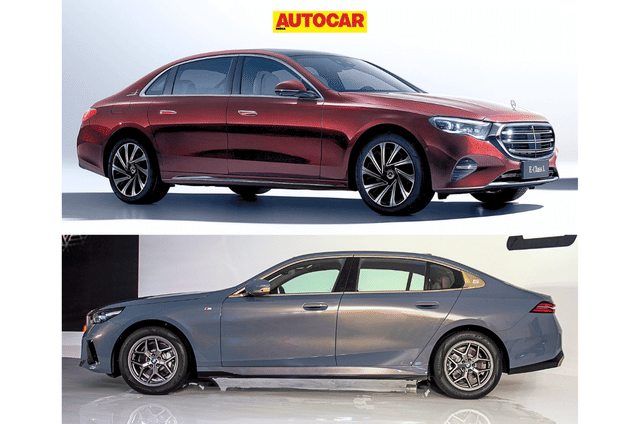
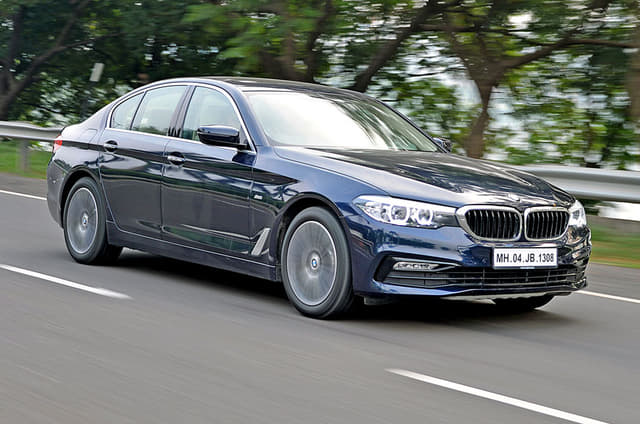
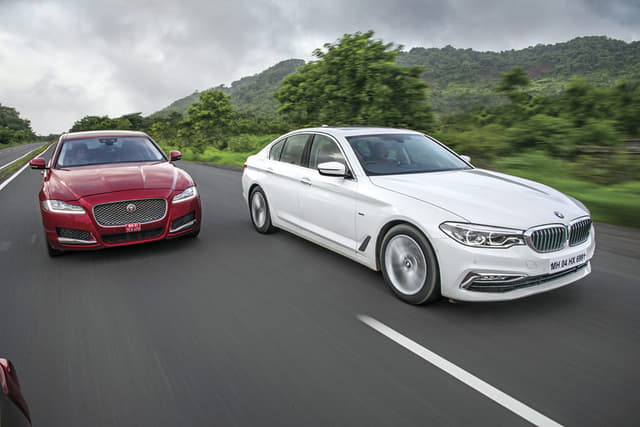
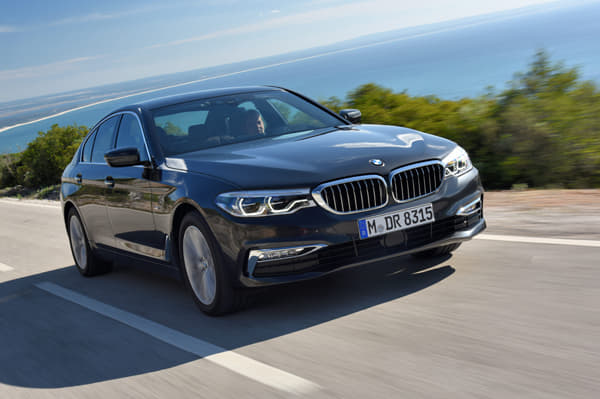
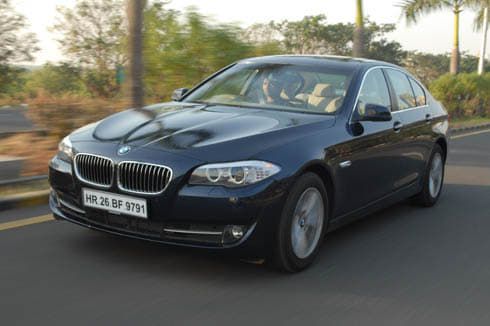
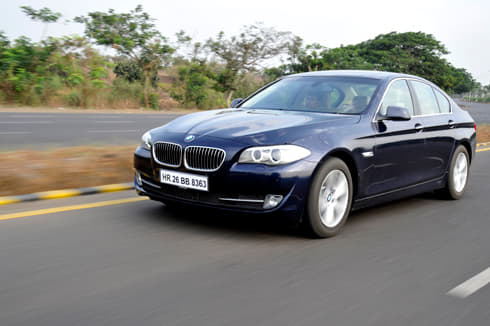
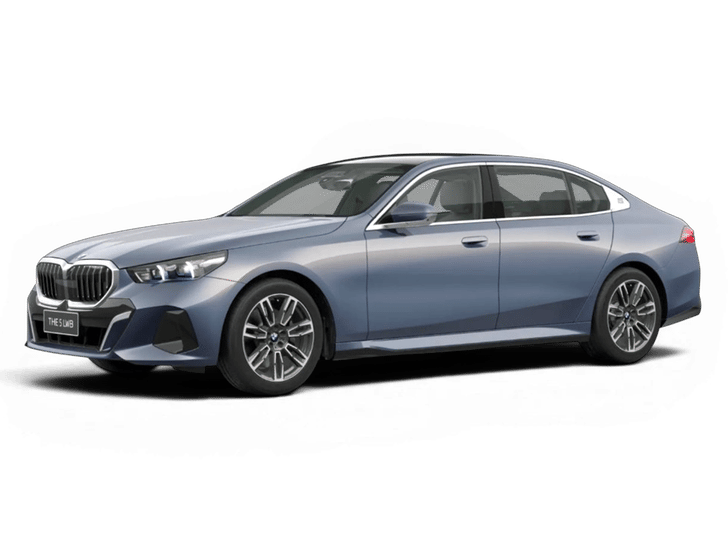
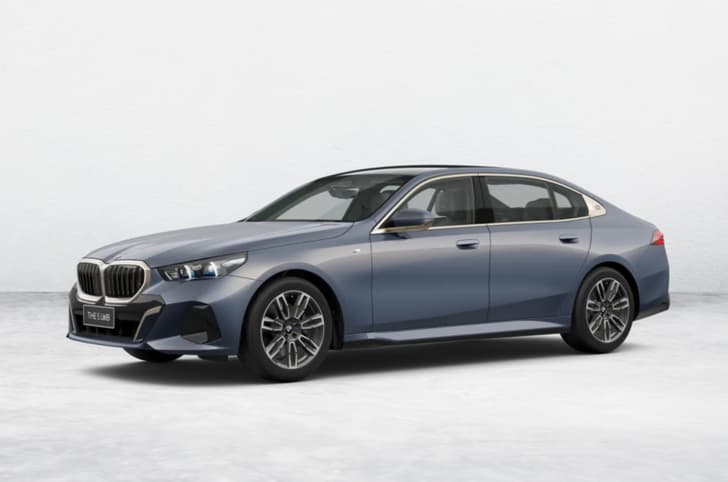
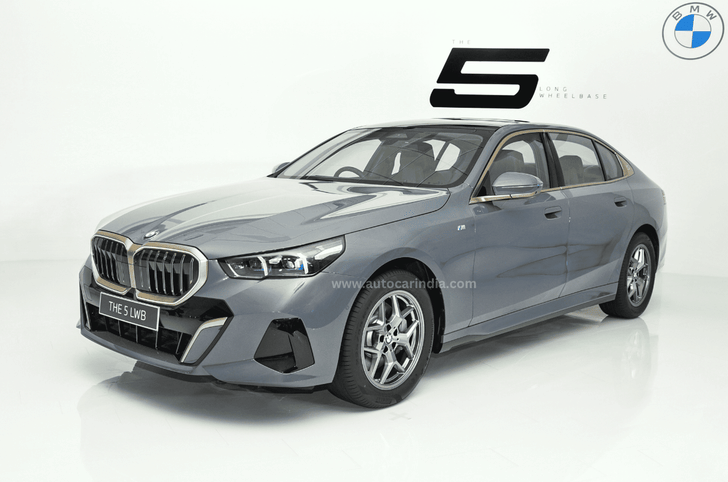
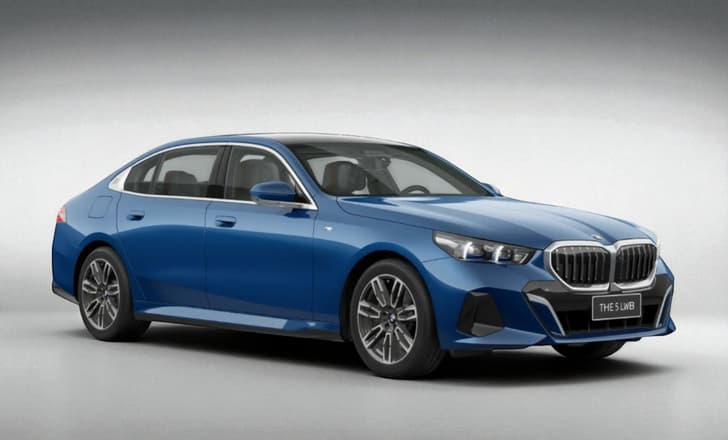
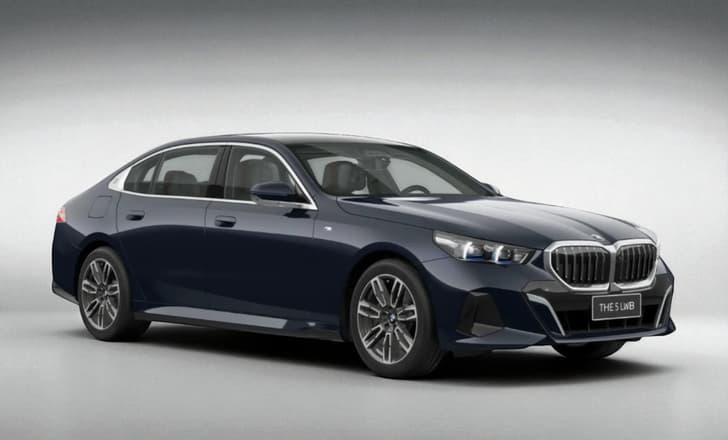
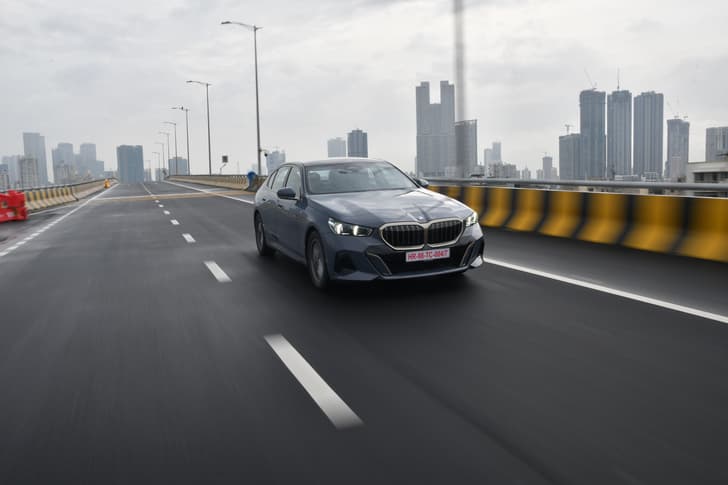
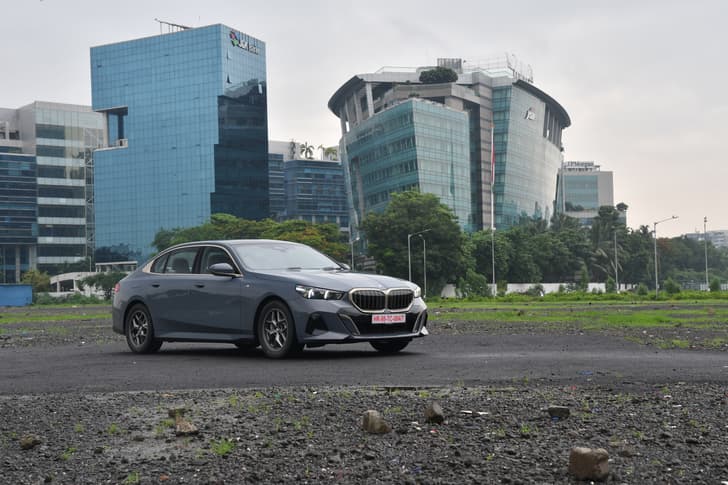
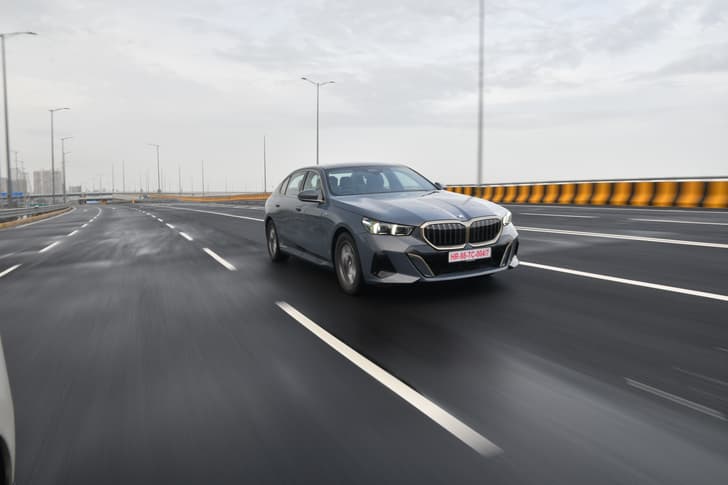
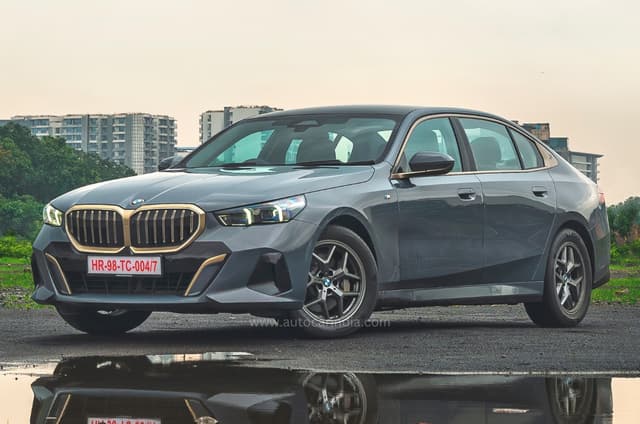
The new BMW 5 Series LWB comes with a longer wheelbase to prioritise rear-seat comfort. It looks elegant and understated, with a wide grille, slim headlamps, clean body lines and an extended rear overhang that does not upset overall balance.
The wheelbase is about 3,124mm, which is 97mm longer than the standard 5 Series, and overall length is about 5,100mm. This extra space is added behind the B-pillar.
Engineering for the long-wheelbase model retains the 5’s chassis architecture while stretching it behind the B-pillar. This adds rear legroom without affecting structural integrity. Suspension tuning is revised to match the heft and expectations of a limo-like cruiser, emphasising refinement over sporting sharpness.
8
Inside, the biggest transformation is in the rear cabin. The extra wheelbase translates into significantly more legroom, creating an environment suitable for chauffeur-driven use. Rear passengers enjoy a truly expansive space with excellent under-thigh support, and the reclining rear seat backs contribute to a relaxed posture on long journeys.
Front seats remain plush and supportive with a good range of electric adjustments. The dashboard layout and controls are familiar BMW, prioritising driver ergonomics while still offering a premium feel. Materials and finish quality are excellent across the cabin, enhancing the sense of luxury for all occupants.
9
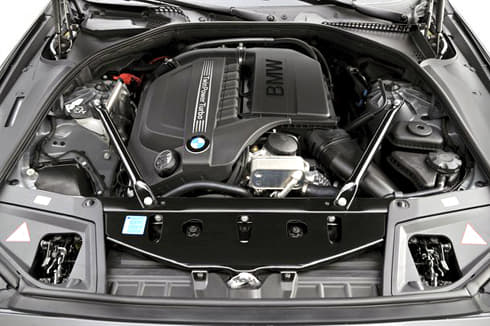
The LWB 5 Series uses BMW’s well-proven petrol and diesel engines with smooth power delivery and quiet refinement. The 530 Li, which comes powered by BMW's familiar 2.0-litre, four-cylinder turbo-petrol engine that makes 258hp and 400Nm providing brisk acceleration but the emphasis remains on serene progress rather than outright sportiness. The diesel feels effortless at highway speeds and is surprisingly hushed given displacement.
Refinement is a strong suit here. Wind and road noise are exceptionally well suppressed, and the suspension does a remarkable job of isolating occupants from rough surfaces. The long wheelbase and suspension tuning help deliver a ride quality that prioritises calm and composure over dynamic edge — exactly what you expect from a luxury executive car.
8
The focus is primarily on refinement and space rather than efficiency, though the 5 Series LWB’s larger body and premium focus mean fuel consumption is typical of big luxury saloons. Diesel versions tend to deliver more efficient long-distance economy than petrol variants.
6
Ride comfort is the 5 Series LWB’s standout trait. Suspension compliance smooths out large and small imperfections alike, and the extended wheelbase means rear passengers rarely feel harshness transmitted through the chassis. The car remains flat and composed even at higher speeds, swallowing expansion joints and undulations with ease.
Steering is weighted well for its size and complements the overall drive character — composed, confident and reassuring rather than eager. Handling leans towards stability and comfort, but the 5 Series LWB still feels poised for occasional spirited driving or motorway cruising.
8
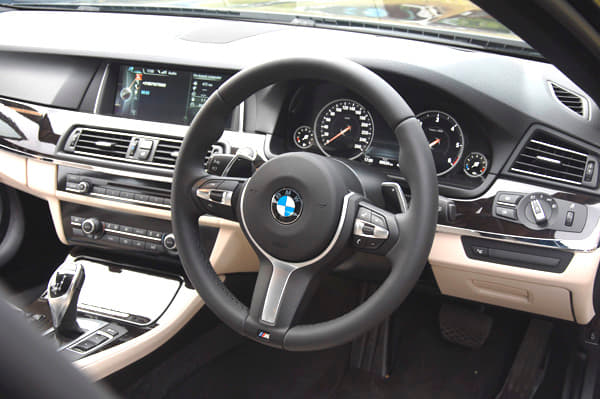
Equipment levels are comprehensive across variants. A large infotainment screen with BMW’s latest iDrive interface sits atop the dash, supported by a digital instrument cluster that is clear and intuitive. Rear passengers benefit from separate climate control zones and available comfort features that enhance the luxury experience.
Safety gear includes multiple airbags, ABS with EBD, stability control and driver-assistance systems that add confidence on both urban roads and highways. Rear occupants also get head and side curtain airbags, reinforcing occupant protection throughout the cabin.
8
The long-wheelbase 5 Series sits at a premium over the old 5 Series, but it offers a tangible increase in rear-seat space and comfort that justifies the price increment for buyers who prioritise back-seat luxury.
For corporate fleets and high-end executives seeking a blend of comfort, refinement and premium technology in a familiar saloon package, the 5 Series LWB represents a convincing proposition. It loses little in dynamic ability compared with the regular model while gaining significantly in rear-seat ambience and overall usability as a luxury cruiser.
BMW 5 Series LWB Official Brochure
Download the complete brochure with specs, features, and variants.
BMW 5 Series LWB User Reviews
Tell us about your experience
BMW 5 Series LWB reviews

BMW 5 Series LWB comparison


BMW 5 Series LWB Mileage
The BMW 5 Series has a fuel tank capacity of 60 litres, and its mileage ranges between 15.7 kmpl, depending on variant and driving conditions.
| PowertrainThe combination of engine type, fuel, and transmission that powers your vehicle and determines how it drives and what it runs on. | ARAI MileageMileage certified by the government, tested under controlled lab conditions. Real-world mileage will vary. |
|---|---|
Petrol-Automatic (Torque Converter) 1998 cc | 15.7 kmpl |
BMW 5 Series LWB news
BMW 5 Series LWB Images
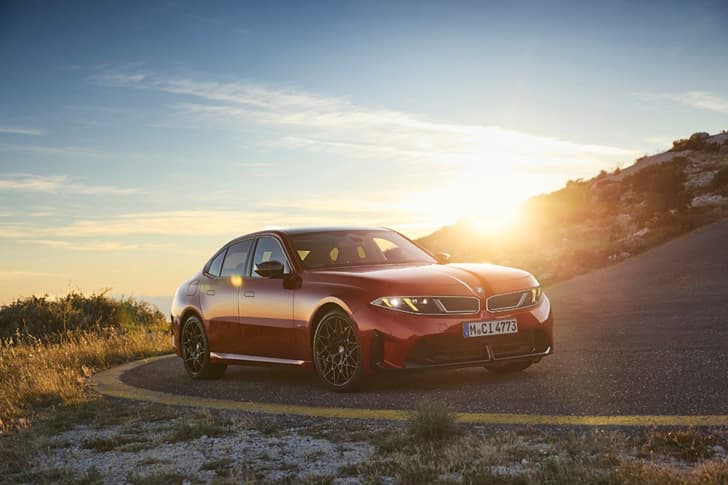
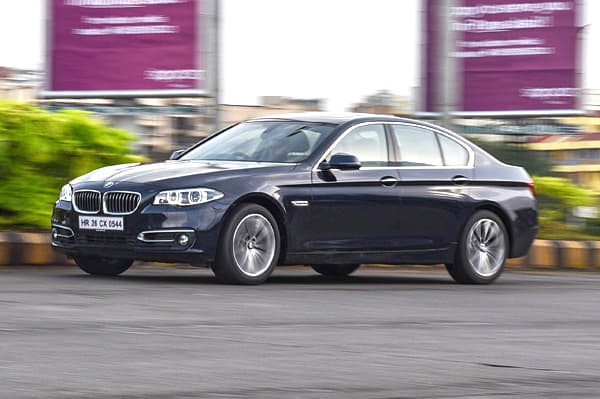
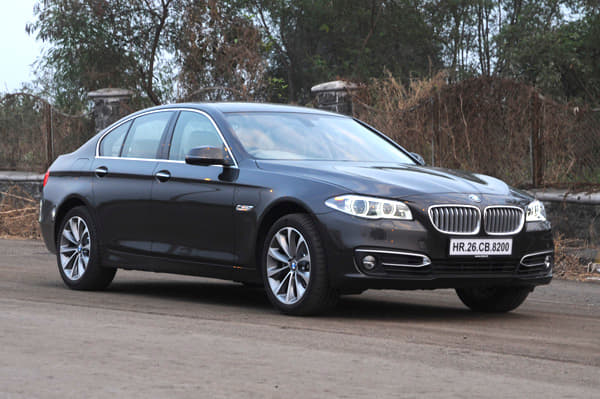
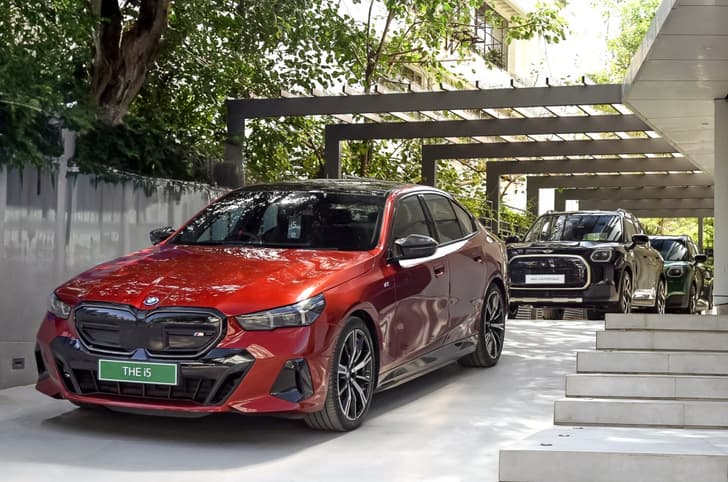
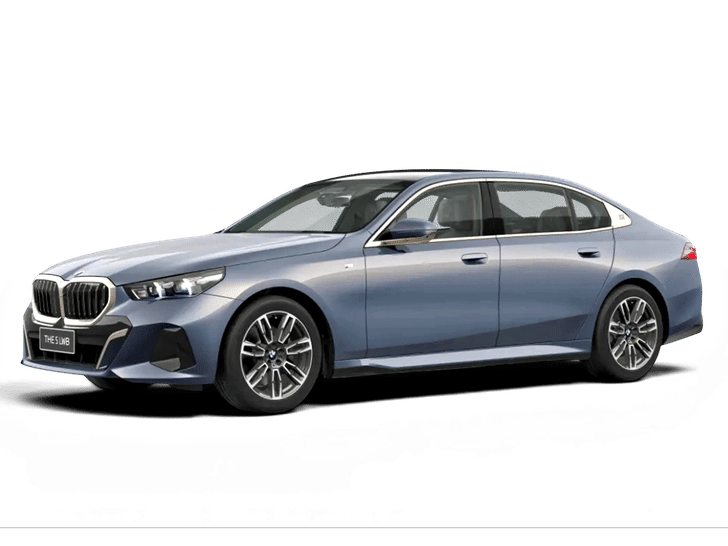
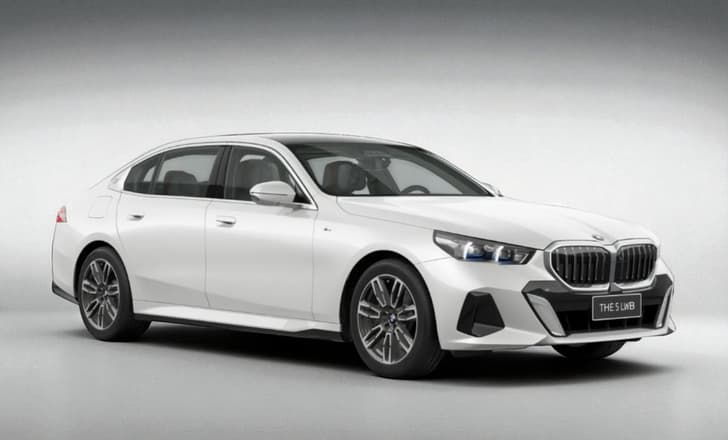
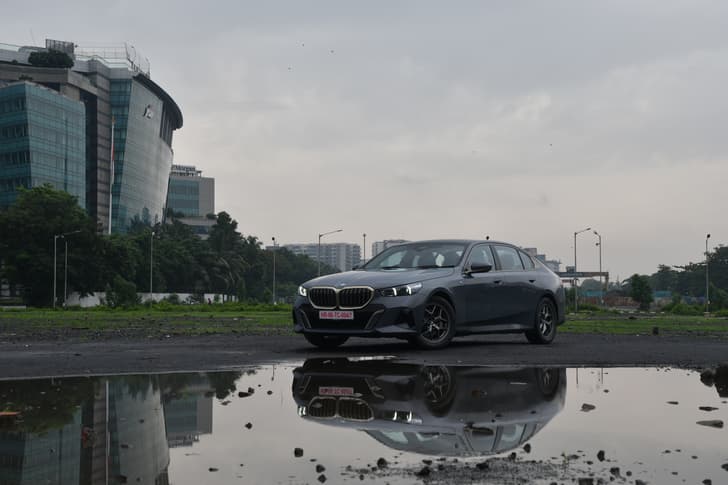
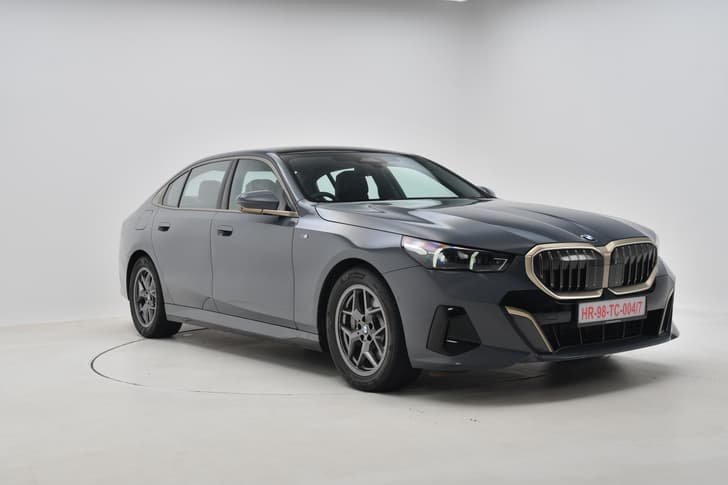
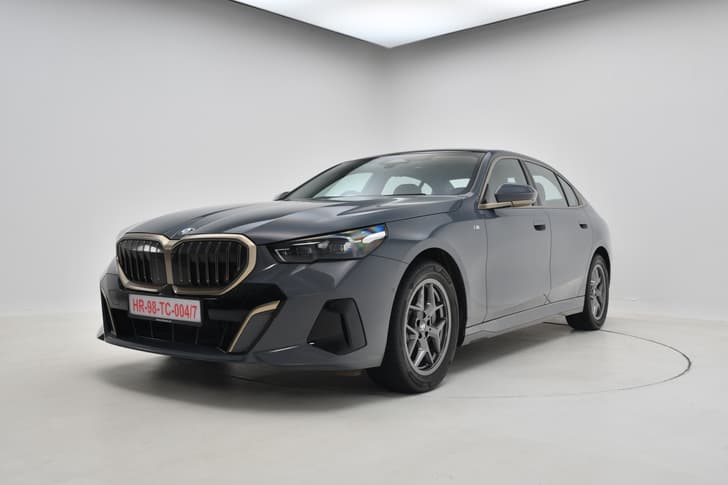
Images of the BMW 5 Series showcase its long-wheelbase proportions, bold design language with illuminated grille, M Sport styling elements, premium cabin finishes including large touchscreens and ambient lighting.

BMW 5 Series LWB videos
Video reviews of the BMW 5 Series cover performance, ride comfort, feature breakdown and long-term ownership.

BMW 5 Series LWB Colours
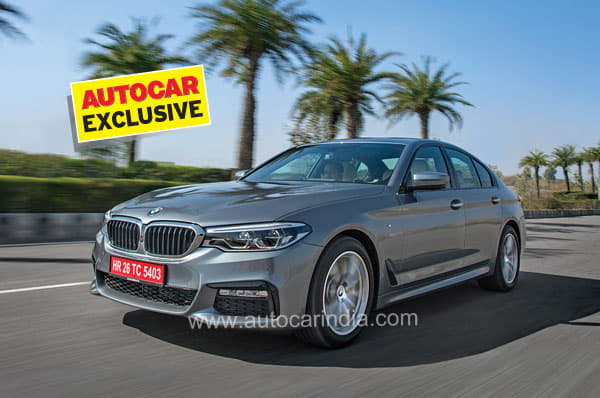
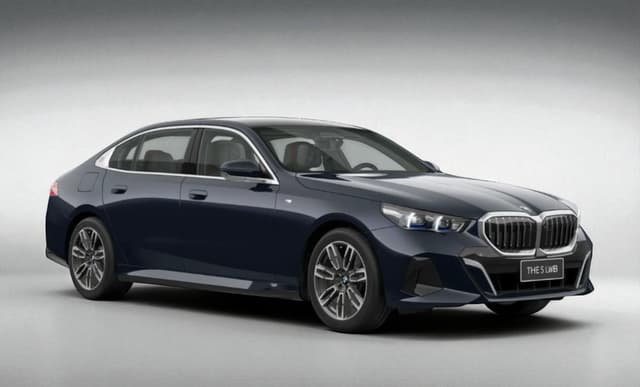
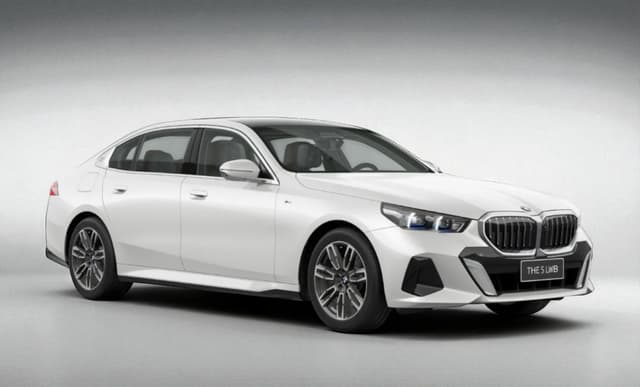
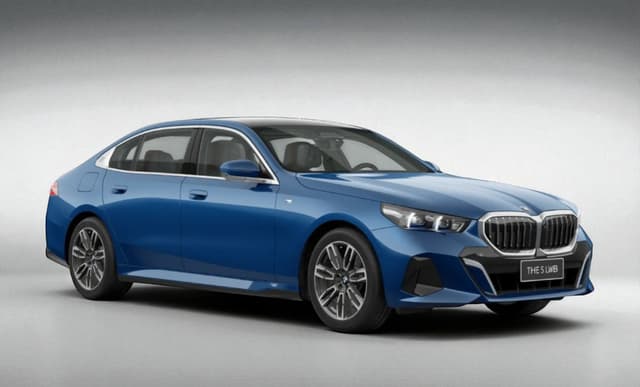
BMW offers 3 colours on the 5 Series, including exclusive finishes such as ‘Sparking Copper Grey Metallic’. The interior includes dual-tone themes, contrast stitching and optional executive rear-luxury configurations.
Similar Cars to Explore
BMW 5 Series LWB FAQs
In India, BMW offers the 5 series with a 2.0-litre petrol engine paired to an 8-speed automatic gearbox. BMW only offers the LWB 530Li variant in India.
The BMW 5 series produces 258 hp and 400 Nm from the 2.0-litre petrol engine.
BMW 5 Series ground clearance is 150 mm.
The international model received a 5-star Euro NCAP safety rating.
The BMW 5 Series mileage is 15.7 kmpl.
The 5 Series price starts at ₹76.60 lakh (ex-showroom).
BMW only sells the 530Li M Sport variant in India.
BMW 5 series features include adaptive LED headlights with matrix technology, illuminated kidney grille, 19-inch alloy wheels, panoramic glass roof and BMW’s iDrive connected car tech.
Questions you may find useful
I am planning to buy the new Lexus ES 350h but I am confused as it is a completely new design and unlike the typical Lexus. I need your advice and suggestions for any other cars under 90 lakh (on-road) budget.
The new Lexus ES 350h is looks quite different to the previous ES, but the proposition remains the same. It is now a much larger car, with a more imposing design and a significantly more powerful hybrid powertrain. It is no longer the understated luxury sedan the previous ES was, and this is Lexus's new, bolder approach that's unfolding across its model range. Inside too, the relatively old-school use of wood, metal and multiple layers has been traded for a cleaner, minimalist look that's more futuristic and somewhat generic. However, the luxury prospect hasn't changed too much, with high-quality materials, tactile surfaces and even more features. And since it is larger, cabin space has improved too. If you are looking for a more traditional luxury sedan experience, the Mercedes-Benz E-Class LWB is the better choice. It offers a more refined and comfortable ride, a more understated design and a more traditional luxury car ownership experience. The E-Class LWB is also a better chauffeur-driven car, with a more spacious and comfortable rear seat. If you are looking for a more performance-oriented luxury sedan, the BMW 5 Series LWB is worth considering. It offers a more engaging driving experience and a more dynamic character. The Lexus ES may look very different now, but if you're interested, it's worth at least a test drive, because its proposition of refined, hassle-free, efficient Japanese luxury hasn't changed.
Which one should I buy between Mercedes E-Class and BMW 5 Series? I am confused between the E 220d, E 200 petrol, and BMW 5 Series. I drive around 1,500-2000 km per month and I’m planning to keep the car for the long term. I’m considering the E 220d mainly because it’s a diesel and seems to offer a great combination of performance, comfort, and mileage. It keeps coming back to my mind because I feel it could give me the best of all three. But at the same time, I have a concern about DPF issues with diesel cars, especially because a significant part of my driving is in the city. Is DPF clogging or regeneration really something I should worry about with my usage, or would my monthly running be enough to consider E 220d? I live in the NCR, where the 10-year diesel rule is also a major concern. So, is the E 220d actually useful for me, or would the E 200 petrol or BMW 5 Series make more sense? I drive the car myself but also spend a lot of time sitting in the rear, so I want something that is extremely comfortable, luxurious, and relaxing in the back, while its still being fun and enjoyable to drive when I’m behind the wheel. I want a proper luxury experience but also good performance and driving pleasure. If you were in my position, which one would you choose amongst E 220d, E 200, or BMW 5 Series considering my 1,500 km monthly usage, city driving, occasional highway driving, DPF concerns, comfort, performance, mileage, maintenance, long-term ownership, and overall value for money? If I choose the E 220d, how many kilometres should I ideally drive over 10 years for the diesel to actually make financial sense and be paisa vasool? And after 10 years, what resale value can I realistically expect, especially considering the 10-year diesel restriction in NCR?
With 1,500-2,000 km a month, the E 220d is financially justified, but in NCR the 10-year diesel rule is a deal-breaker. Even if you drive enough to make diesel “paisa vasool”, the car is effectively worthless after 10 years, and that wipes out any savings. DPF is less of a concern at your running, but the NCR rule is the bigger problem.The E 200 petrol is the safer choice. It gives you the same luxury experience, is extremely comfortable in the rear, and is still enjoyable to drive. The BMW 5 Series is the driver’s car of the three, but the E-Class is the better all-round luxury car, especially if you spend time in the back.If you were outside NCR, the E 220d would make sense. In NCR, go for the E 200 petrol. It is the best balance of comfort, performance and long-term ownership. The 5 Series is the better driver’s car, but the E-Class is the better luxury car.
I have a Škoda Superb L&K 2022, which comes with a front-wheel-drive (FWD) drivetrain, while in some international markets, the Superb has been offered with a rear-wheel-drive (RWD) setup. My first question is: how does FWD differ from RWD in terms of basic driving dynamics? Secondly, what does chassis weight distribution mean in a car, and what significance does it have for driving dynamics and handling? Is an ideal weight distribution necessarily associated with an RWD setup? Also, is it correct to say that RWD is always better than FWD or AWD? Finally, does a four-cylinder engine with twin turbochargers have any significant advantage over an inline-six-cylinder engine?
The Skoda Superb is a front-wheel-drive car globally, including in international markets. There is no rear-wheel-drive version of the Superb. The confusion may come from the fact that some premium sedans in the same segment, such as the BMW 5 Series and Mercedes E-Class, are rear-wheel drive, but the Superb itself is not. The Superb is available in some markets with AWD (all-wheel drive), but that too is a front-biased system with the rear wheels driven only when needed.The difference between FWD and RWD is most noticeable in driving dynamics. In a front-wheel-drive car, the front wheels are responsible for both steering and putting power down, which can lead to understeer (the car does not turn as much as intended) and torque steer (the car pulls to one side on its own) when pushed hard. In a rear-wheel-drive car, the front wheels steer while the rear wheels deliver the power, which generally results in better balance and a more engaging driving experience, especially in performance driving.Weight distribution refers to how the car's mass is spread between the front and rear axles. A 50:50 weight distribution is often considered ideal because it helps the car remain balanced during cornering. This is not exclusive to rear-wheel-drive cars, but it is easier to achieve in RWD layouts because the drivetrain components are more evenly distributed along the length of the car.It is not correct to say that RWD is always better than FWD or AWD. Each layout has its own advantages. FWD is more space-efficient, cost-effective, and better in slippery conditions; RWD offers better driving dynamics; and AWD provides the best traction in all conditions.On the engine front, a 4-cylinder twin-turbo can produce impressive power and torque, and tends to be lighter, but an in-line 6 or V6 is inherently smoother and more refined. A larger-capacity engine tends to also be more effortless than a boosted low-capacity engine making the same power output. The choice between the two depends on the application: the 4-cylinder is lighter and more efficient, while the inline-6 offers a more premium and refined driving experience.
Hi Autocar team, I'm buying my first luxury sedan and have shortlisted the newly launched Lexus ES350h, BMW 530Li LWB and Mercedes E-Class LWB. I plan to keep the car for 10-12 years, so reliability, comfort, refinement and low ownership costs matter more to me than outright performance. If all three had the same badge, I'd choose the Lexus. However, the BMW and especially the Mercedes have much stronger brand recognition in India, and my family feels that matters at this price point. The Mercedes is also around 20 lakh more expensive than the Lexus on-road. Given my priorities, would you still recommend the Lexus, or do the BMW/Mercedes offer enough additional ownership satisfaction over the long term to justify the higher price?
Given your priorities of long-term ownership, reliability, comfort and low running costs, the Lexus ES Hybrid 350h is the most sensible choice. The hybrid powertrain is refined, efficient and well-proven, and Lexus has a strong reputation for reliability and low ownership costs over a 10-12 year period. The new-generation ES that's just been launched is also a genuinely comfortable and luxurious car, with a focus on refinement and rear-seat comfort that suits your usage perfectly.The BMW 530Li LWB and Mercedes E-Class are both excellent cars, and the Mercedes in particular has the strongest brand pull in India. However, as you've pointed out, this Mercedes-Benz car is significantly more expensive than the well-priced Lexus. Similarly, the BMW 530Li LWB is priced higher and offers a more engaging driving experience, but that does not seem to be your primary requirement.If you are genuinely happy with the Lexus car, we would not let brand perception override that decision. The ES 350h is genuinely a premium sedan, and over a decade of ownership, the satisfaction of a reliable, comfortable and refined car will matter far more than the badge on the bonnet.
Hi, I currently own a Jeep Meridian and a BMW 330Li. I’m looking to trade in my BMW 330Li for a better car. The problem with the current 330Li is extremely poor ingress and egress, no ventilated seats and no 360-degree camera. My budget is 85 OTR Delhi. My current usage is a 50 km office drive three times a week and a quarter-yearly outstation trip with less than 400 km one way. Since I love driving and am the sole driver in my family, I don’t need a chauffeur. I’ve owned the Jeep for four years and driven it over 40,000 km. I’ve owned the BMW for two years and driven less than 10,000 km. I’ve seen a few options, including the Volvo XC90, BMW X3 30i, BMW 5 Series, Mercedes E200, BYD Sealion 7 and felt that the 5 Series fits best. Please suggest the best way to proceed, or if there are other options that I have missed. I’ve considered selling the Jeep as well and getting two new cars. I’m looking for expert advice.
You're right, the BMW 5 Series LWB is probably your best bet. For a self-driven upgrade, it delivers the best mix of performance, driving feel, luxury and long-distance comfort. The hip point is noticeably higher, and the doors open wider than your 330Li, so getting in and out is easier, and the ride is comfy over broken Delhi roads while still feeling stable out on the highway. It also has the features you're looking for, including ventilated seats.Downsides are that it is a significantly larger car and not as exciting to drive as your 330Li, and since you enjoy driving, that might feel like a step backwards. Also, while ingress and egress are better than the 3 Series, it's still a low-slung sedan, so try it out, and if it's a bother, the BMW X3 30 might suit you better. Same engine, even more features, and almost as much fun to drive. The Sealion 7 is an excellent EV alternative, but the BYD car won't be as nice to drive as the BMW car, and though a 400km trip is manageable on a single charge, range anxiety will always hang over the journey.If you're happy with the Jeep, hold on to it for a while. Diesel cars are becoming rarer these days, and you've already taken the depreciation hit, so you might as well enjoy it as long as you can.
Upcoming Cars


BMW Cars

Trending Cars


Latest Cars