Audi BMW


Last Updated on: 12 Oct 2026
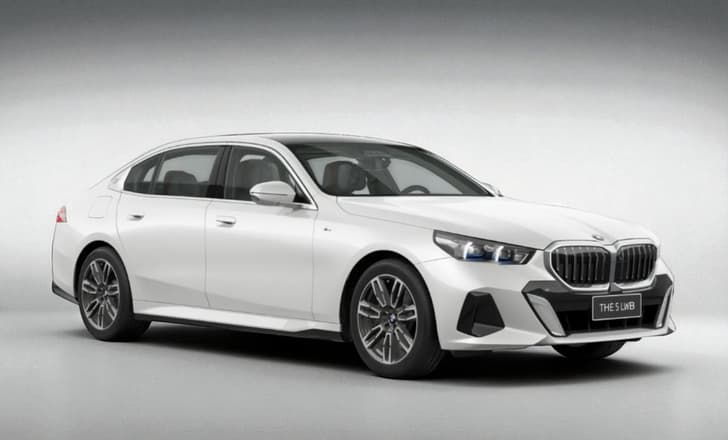
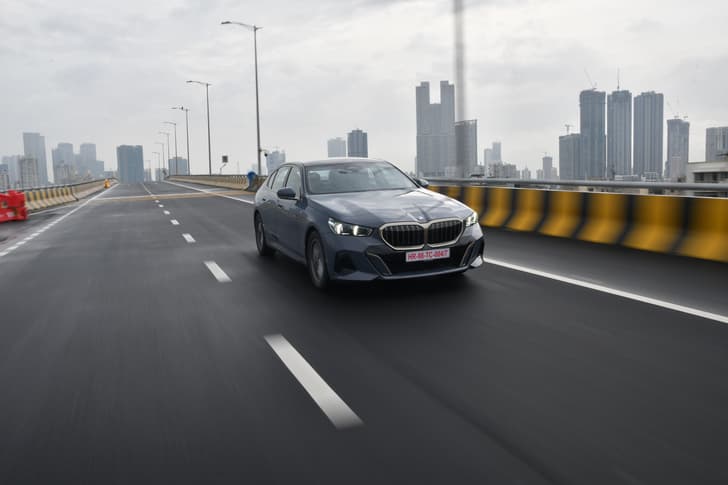
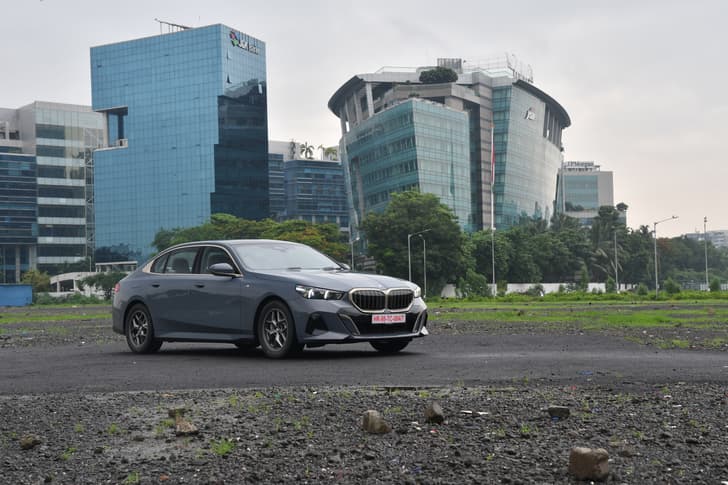
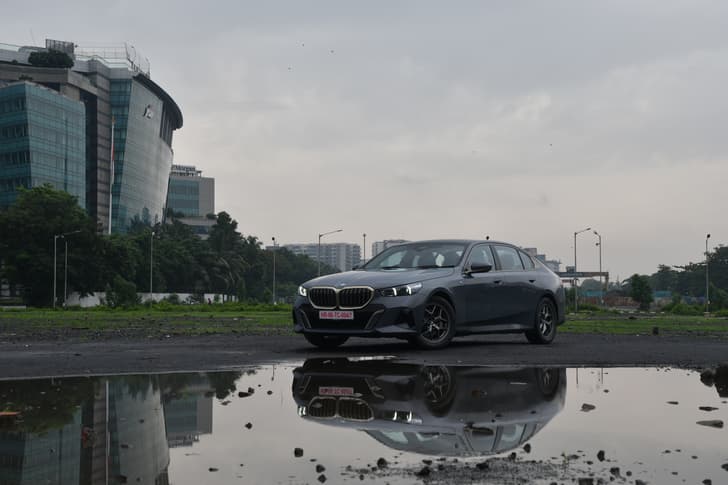
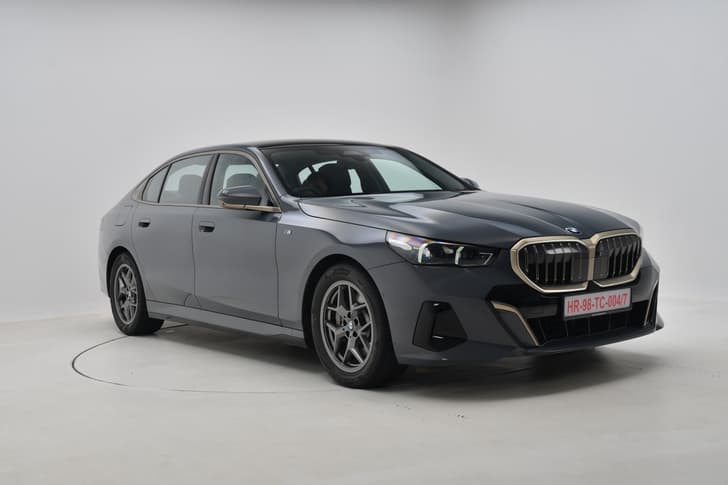
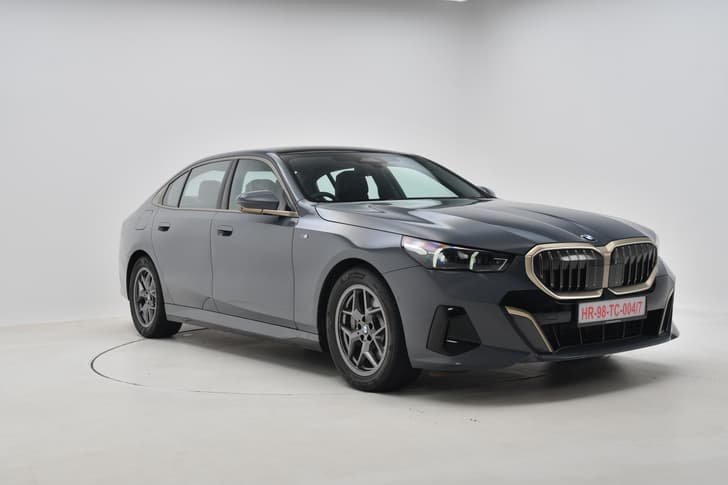
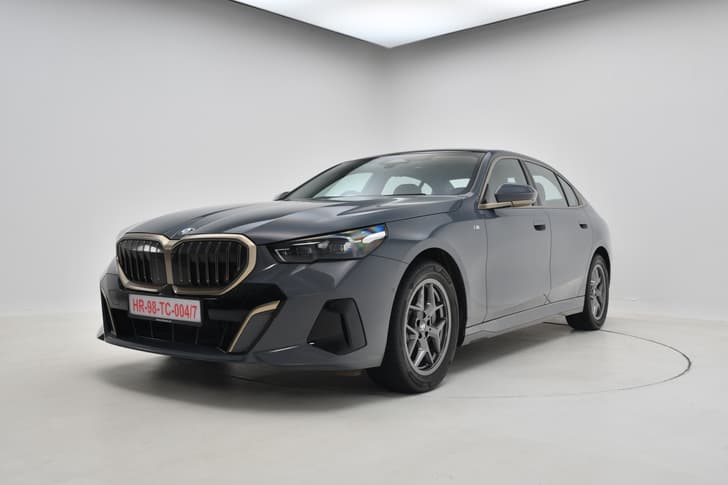
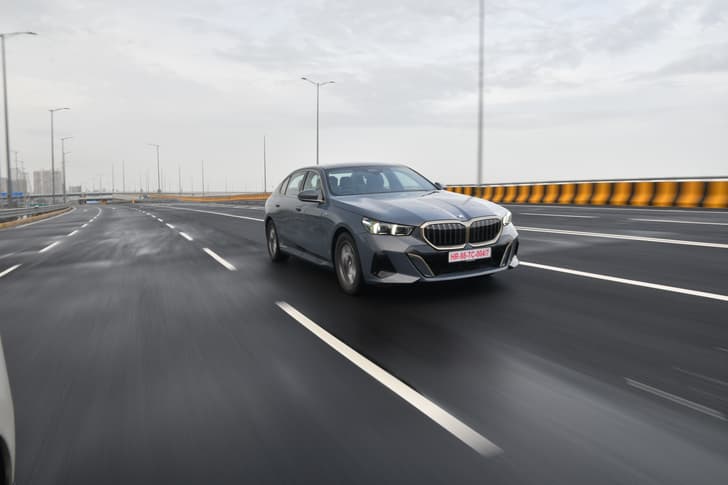
Mileage 15.7 kmpl | Engine 1998 cc |
Fuel Type Petrol | Transmission Torque Converter |
Body Style Sedan | Seats 5 |
Engine Type | Turbocharged |
Engine Displacement | 1998 cc |
Number of Cylinders | 4 |
Engine Installation | Front |
Fuel Type/ Propulsion | Petrol |
Pure Electric Driving Mode | No |
Gearbox Type | Torque Converter |
Number of Gears | 8 |
Manual Shifts via Gear Lever on Automatic Gearbox | No |
Paddle Shifters for Automatic Gearbox | Yes |
Sport Mode for Automatic Gearbox | Yes |
Drive Layout | Rear Wheel Drive |
Lockable Differential/s | No |
Max Engine Power | 258hp at 4500-6500rpm |
Max Engine Torque | 400Nm at 1600-4500rpm |
E20 Compatibility | Yes |
Emission Standard | Bharat Stage VI |
Auto Start/Stop | Yes |
Official Fuel Economy | 15.7 kmpl |
Fuel Tank Capacity | 60 litres |
0-100kph | 6.45 s |
20-80kph (in third gear/ kickdown) | 3.85 s |
40-100kph (in fourth gear/ kickdown) | 4.74 s |
Front Suspension Type | Independent, Double Wishbone |
Front Springs | Coil Springs |
Rear Suspension Type | Independent, Multi-link |
Rear Springs | Coil Springs |
Damper Control | No |
Ride Height Adjust | No |
Type of Power Assist | Electric |
Steering Adjust type | Powered |
Steering Adjust | Tilt and Telescopic |
4 Wheel Steer | Yes |
Front Brakes | Discs |
Rear Brakes | Discs |
Wheel Size | 19 inches |
Front Tyre Size | 245/45 R19 |
Rear Tyre Size | 245/45 R19 |
Wheels | Alloys |
Spare Wheel | Space Saver |
Length | 5175 mm |
Width | 1900 mm |
Height | 1520 mm |
Wheelbase | 3105 mm |
Ground Clearance | 150 mm |
Chassis Type | Monocoque |
Boot Capacity | 500 litres |
Doors | 4 |
| Power Windows | Front and Rear |
| 12 Volt Port | |
| Headlight and Ignition on Reminder | |
| Interior Lamps | |
| Electric Tailgate Release | |
| Power Windows with One Touch-Down | All |
| Airbags | 7 |
| Rear Cross Traffic Alert | |
| Rear Seatbelt Reminder | |
| Side Airbag | |
| Lane Departure Avoidance | |
| Seat Belt Warning |
| Body Coloured Bumpers | |
| Rub Strips | |
| LED taillights | |
| LED headlamps | |
| ORVM turn indicators | |
| LED DRLs |
| Speedometer | Digital |
| Tachometer | Digital |
| Trip Meter | |
| Average Fuel Consumption | |
| Average Speed | |
| Distance to Empty |
| Audio System | |
| Speakers | 18 |
| CD Player | |
| USB Input | |
| AUX Input | |
| Bluetooth Audio Streaming |
| Over the air (OTA) updates | |
| Emergency Call Button | |
| Find My Car | |
| SOS Button | |
| Remote AC On / Off via App | |
| Remote Sunroof Open / Close via App |
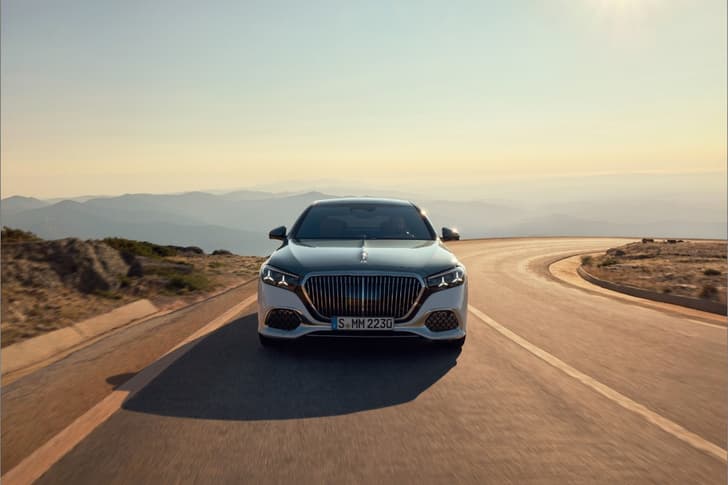
Which one should I buy between Mercedes E-Class and BMW 5 Series? I am confused between the E 220d, E 200 petrol, and BMW 5 Series. I drive around 1,500-2000 km per month and I’m planning to keep the car for the long term. I’m considering the E 220d mainly because it’s a diesel and seems to offer a great combination of performance, comfort, and mileage. It keeps coming back to my mind because I feel it could give me the best of all three. But at the same time, I have a concern about DPF issues with diesel cars, especially because a significant part of my driving is in the city. Is DPF clogging or regeneration really something I should worry about with my usage, or would my monthly running be enough to consider E 220d? I live in the NCR, where the 10-year diesel rule is also a major concern. So, is the E 220d actually useful for me, or would the E 200 petrol or BMW 5 Series make more sense? I drive the car myself but also spend a lot of time sitting in the rear, so I want something that is extremely comfortable, luxurious, and relaxing in the back, while its still being fun and enjoyable to drive when I’m behind the wheel. I want a proper luxury experience but also good performance and driving pleasure. If you were in my position, which one would you choose amongst E 220d, E 200, or BMW 5 Series considering my 1,500 km monthly usage, city driving, occasional highway driving, DPF concerns, comfort, performance, mileage, maintenance, long-term ownership, and overall value for money? If I choose the E 220d, how many kilometres should I ideally drive over 10 years for the diesel to actually make financial sense and be paisa vasool? And after 10 years, what resale value can I realistically expect, especially considering the 10-year diesel restriction in NCR?

 Mercedes-Benz E-ClassBMW 5 Series LWB
Join the Discussions
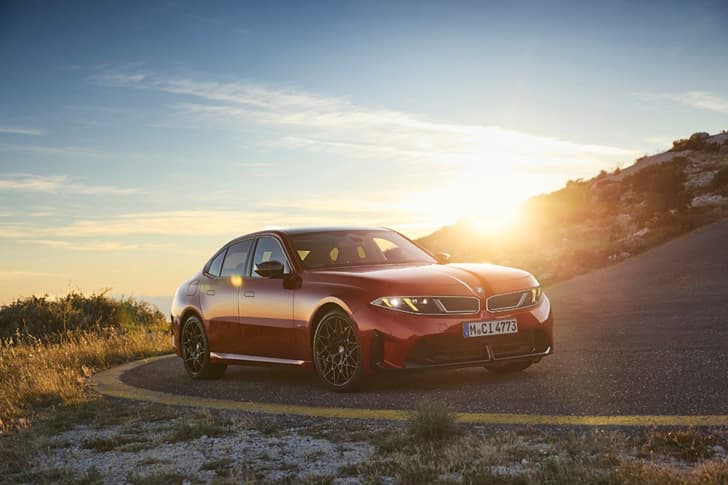
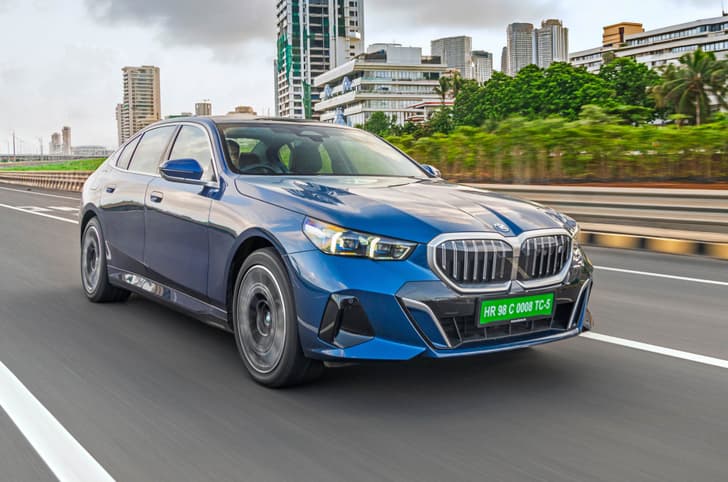
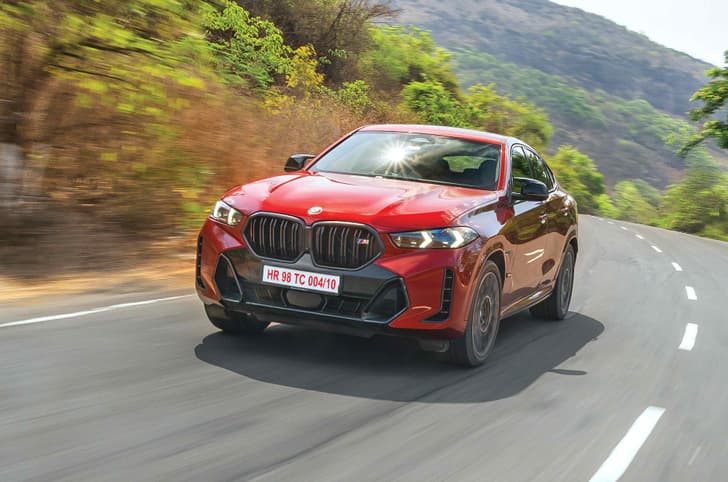
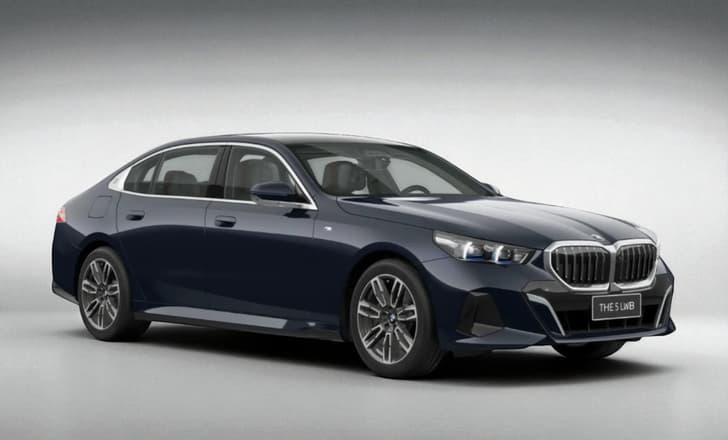
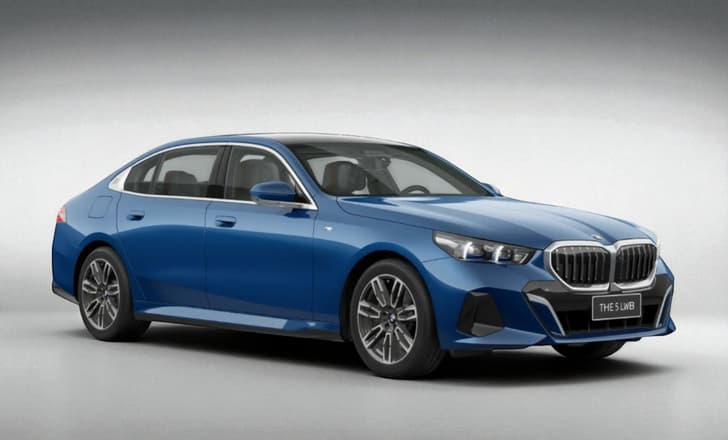
The BMW 5 series produces 258 hp and 400 Nm from the 2.0-litre petrol engine.