
Features|26 Oct 2026
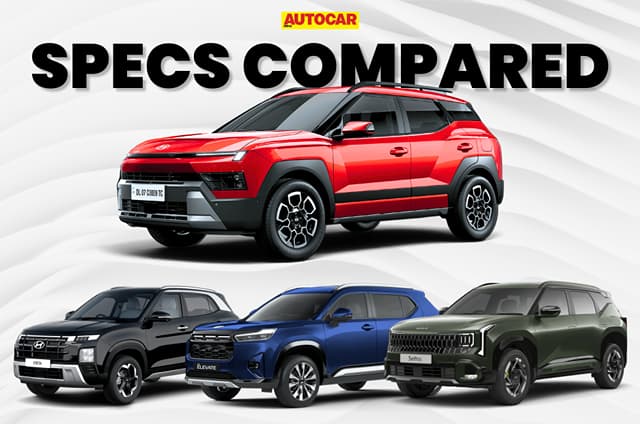
Hyundai Bayon vs rivals: Price, specifications compared


Become an
Autocar Shopper
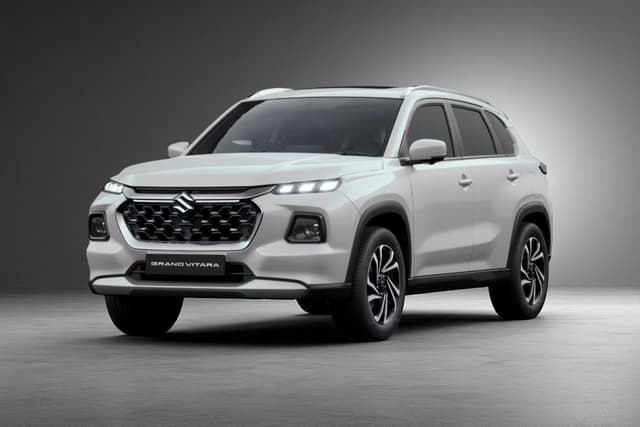
Unlock benefits up to ₹50,000 on Grand Vitara
Unbiased buying guidance
Guaranteed lowest price
Priority car delivery
Offer valid till 31st October 2026
 Electronic Stability ControlFully Digital Digital Instrument Cluster4 SpeakersVehicle Tracking Via AppFabric Seat MaterialElectronic Parking BrakeCruise ControlPhone-based Satellite NavigationAlexa CompatibilityElectric Adjust for Front Passenger's SeatTyre Pressure Monitoring SystemPart Digital / Part Analogue Digital Instrument ClusterAndroid AutoFront Ventilated SeatsLED headlampsPanoramic SunroofFront Ventilated SeatsPhone-based Satellite NavigationAuto 1-zone Climate ControlLED Headlight TypeWith Display Tyre Pressure Monitoring SystemFully Digital Digital Instrument ClusterWireless Android AutoAlexa CompatibilityFront Only Ventilated SeatsPanoramic SunroofLED headlampsFront Only Ventilated SeatsPhone-based Satellite NavigationAlexa CompatibilityManual Day Night Interior MirrorDriving ModesLow Battery WarningFabric Seat MaterialHalogen Headlight TypeAutomatic Day Night Interior MirrorExterior Mirrors Electric Fold with Power FoldingWireless Phone ChargingRemote AC On / Off via AppFront Only Ventilated SeatsHill Descent ControlExterior Mirrors Electric FoldLeatherette Seat MaterialFront Only Ventilated SeatsPhone-based Satellite NavigationWith Display Tyre Pressure Monitoring SystemPanoramic Sunroof4 SpeakersAlexa CompatibilityElectric Adjust for Front Passenger's Seat
Sorted ride and handling
Optional 4X4 system
Fuel Efficiency
Boot space on strong hybrid
Performance lacks punch
8.0
7.0
8.0
9.0
8.0
8.0
8.0
Reviewed by: Shapur Kotwal
Maruti Suzuki Grand Vitara Official Brochure
Download the complete brochure with specs, features, and variants.
Tell us about your experience
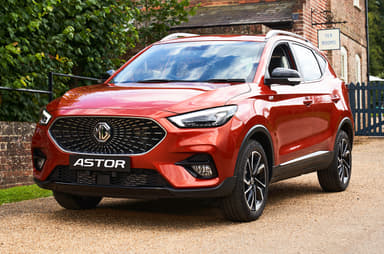
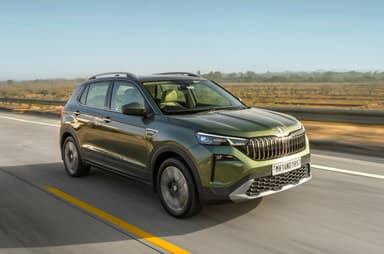
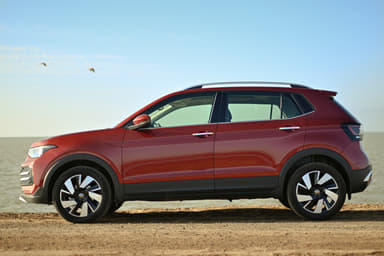

| PowertrainThe combination of engine type, fuel, and transmission that powers your vehicle and determines how it drives and what it runs on. | ARAI MileageMileage certified by the government, tested under controlled lab conditions. Real-world mileage will vary. | Autocar Tested MileageAutocar's experts test each vehicle on fixed city and highway routes under standardised conditions - single occupant, AC running, manufacturer-recommended tyre pressures. Tanks are filled to the brim before and after each run to calculate efficiency. Results reflect realistic real-world usage. | User Reported MileageMileage figures are reported by vehicle owners and represent the approximate real-world efficiency you may experience. Actual mileage will vary based on driving conditions, habits, and vehicle condition. |
|---|---|---|---|
Petrol-Manual 1462 cc | 21.11 kmpl | NA | 18.61 kmpl |
CNG-Manual 1462 cc | 26.6 km/kg | NA | 17.91 km/kg |
Petrol-Automatic (Torque Converter) 1462 cc | 20.58 kmpl | 13.45 kmpl | NA |
Petrol-Electric Hybrid-Automatic (CVT) 1490 cc | 27.97 kmpl | NA | NA |
Join the Discussions
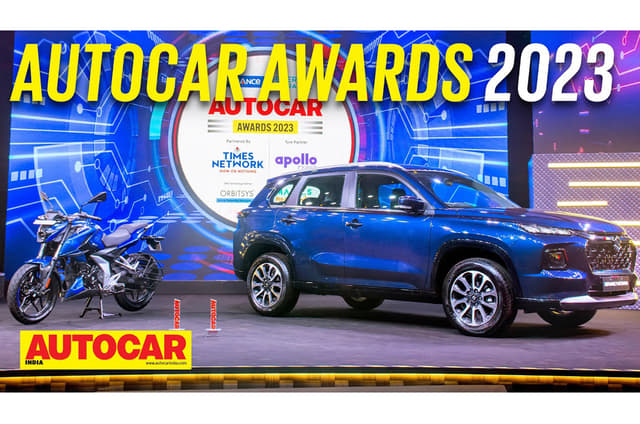



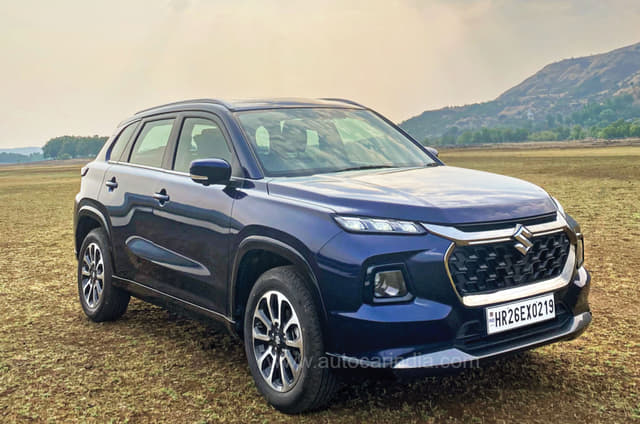
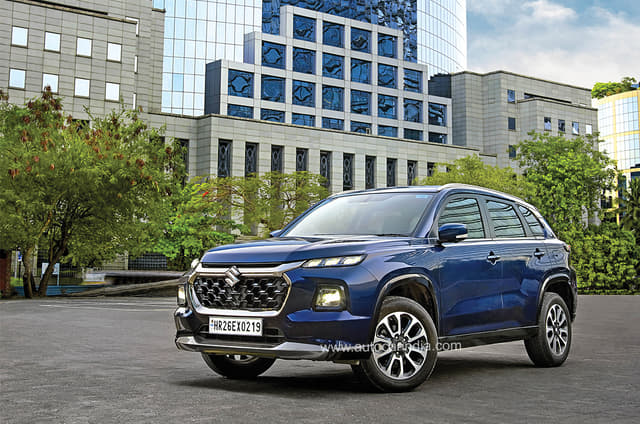
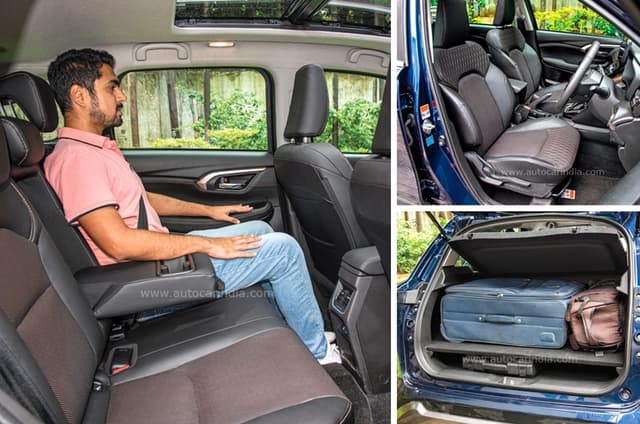
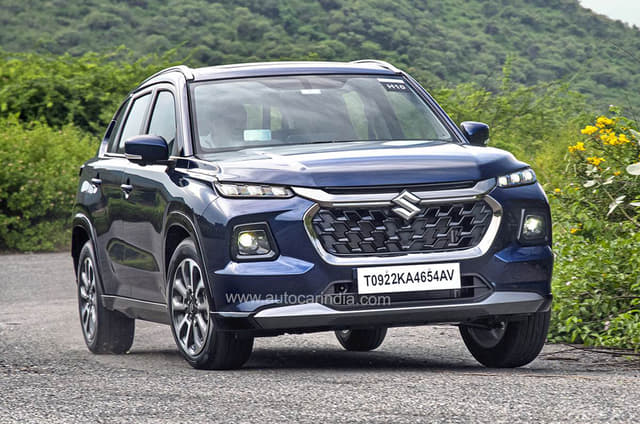
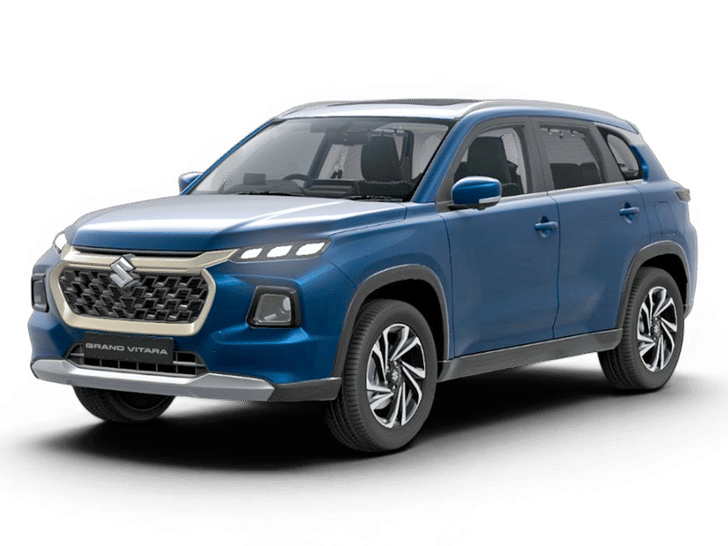
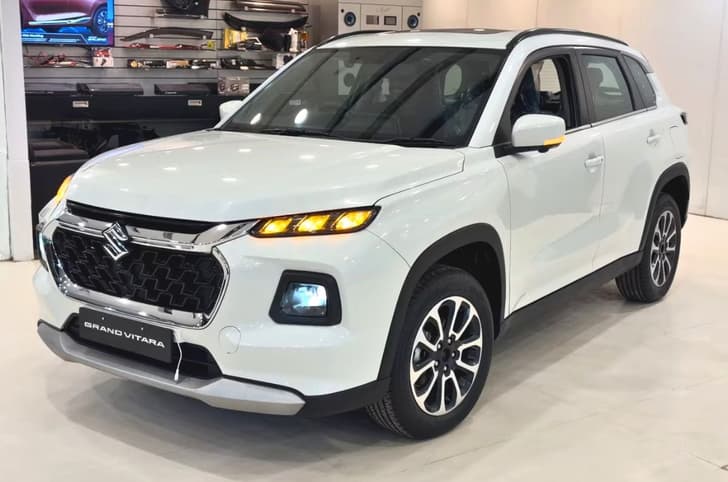
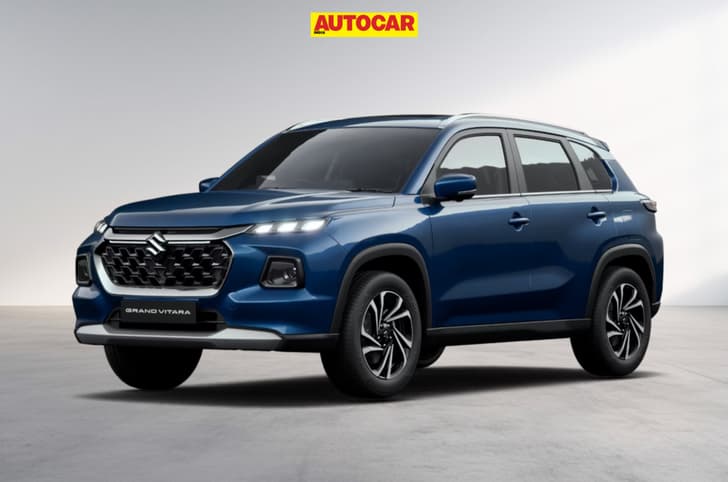
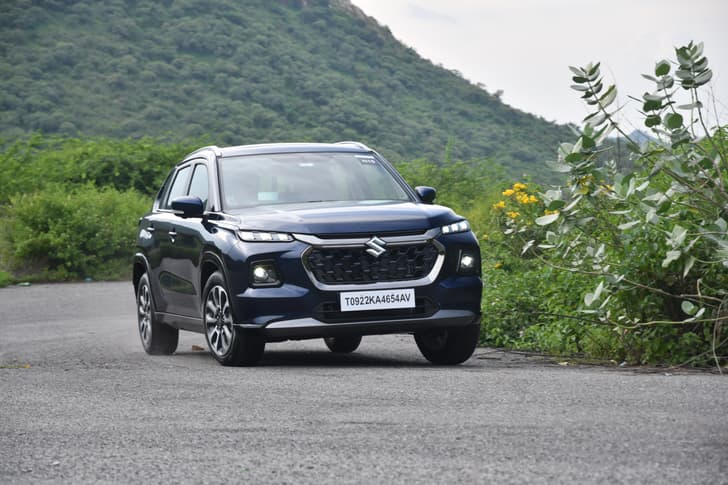
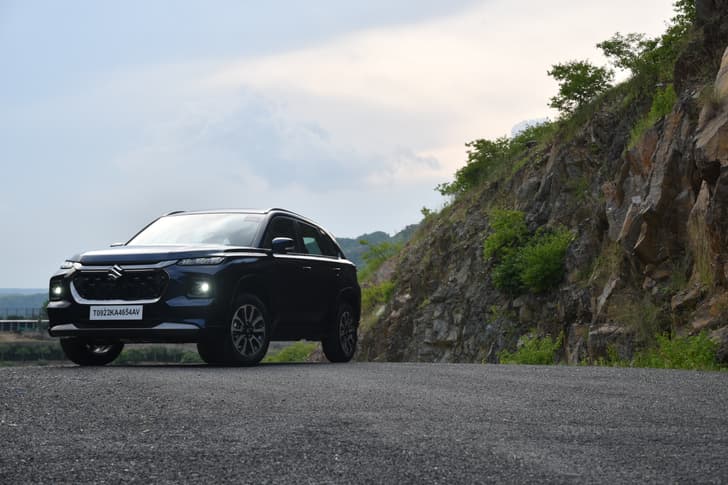
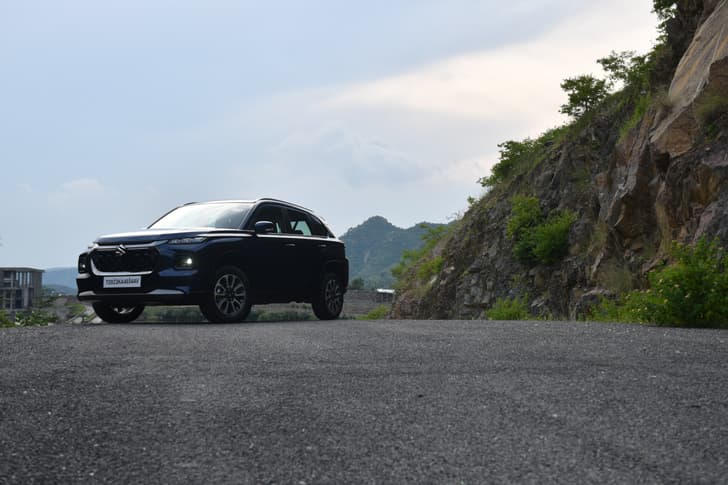
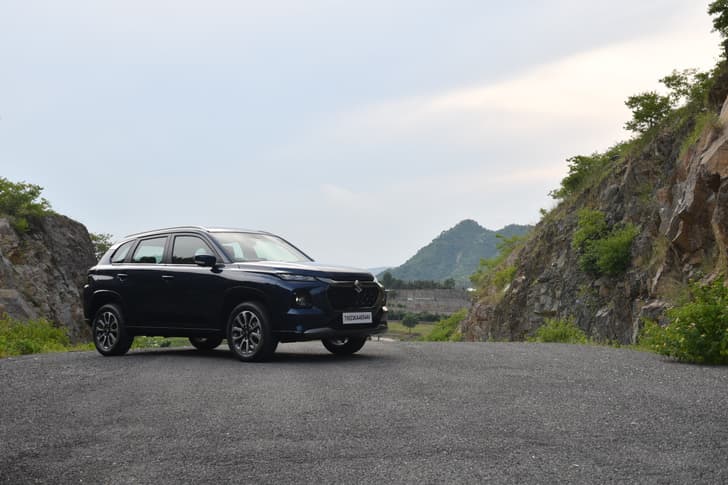
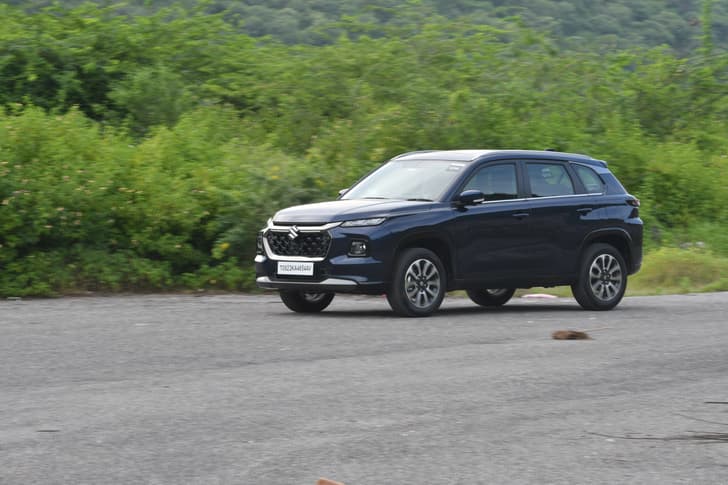
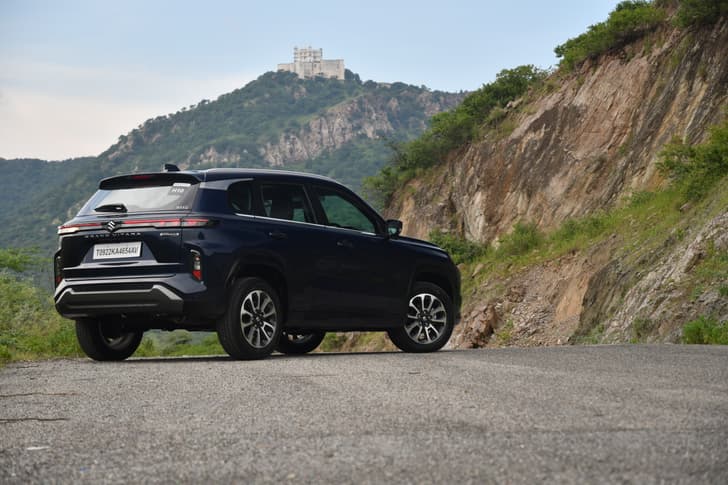
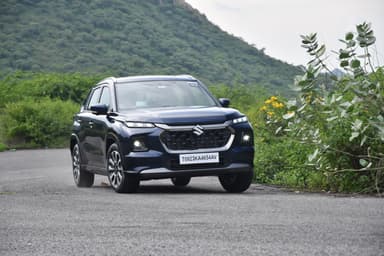
The Maruti Suzuki Grand Vitara would be perfect for someone who prioritises fuel efficiency, with sorted driving dynamics and a loaded suite of features. If you prioritise boot space, the naturally aspirated petrol might be a better choice than the hybrid, as the latter has a smaller boot space due to the placement of the battery pack.
The Maruti Grand Vitara’s hybrid engine is suited for someone preferring segment-best fuel efficiency figures and a car that is equally efficient on city roads and highways alike. However, it comes at a premium over the naturally aspirated version, which offers slightly lesser fuel efficiency.
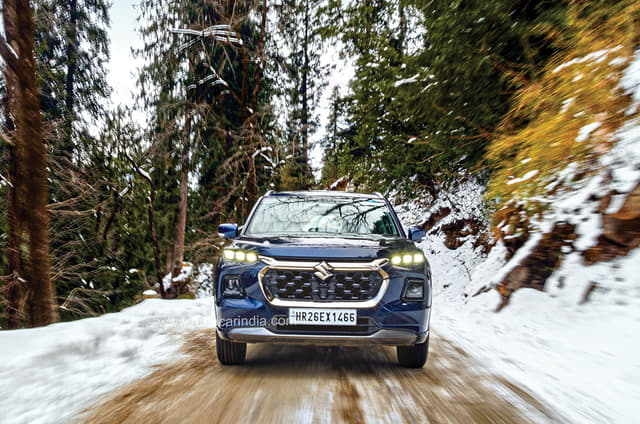
The Maruti Grand Vitara offers an AWD option with the petrol-automatic combination. With an output of 103hp, it is a bit low for the segment. However, on broken and slippery roads and small streams, the Grand Vitara AWD absolutely shines. While it is not made for hardcore off-roading like the Jimny, it is still more capable than the other FWD rivals in the segment.
The Grand Vitara’s seats are among the most comfortable in the midsize SUV segment. The front seats are wide and accommodate even taller occupants with relative ease. On the second row, the seats have a good recline angle and are comfortable too, except on the Hybrid variant.
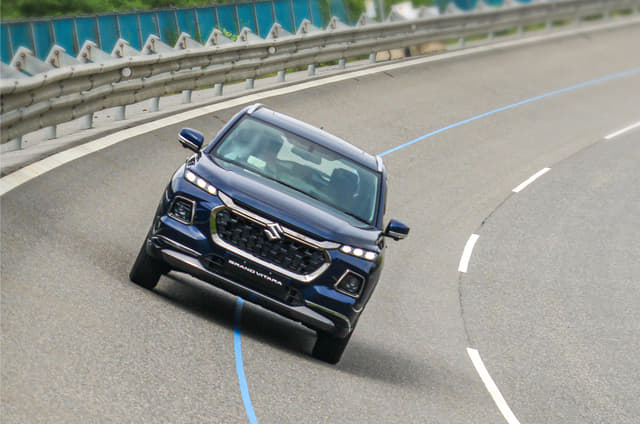
The Grand Vitara’s USP are the fuel-efficient powertrains. The ride quality and drive experience are also good, and the cherry on top is the optional AWD setup. However, it is not a fun-to-drive SUV. The boot space is also on the lower side with the hybrid and CNG variants.
Hi Autocar Team, I own a Maruti Suzuki Grand Vitara AT (non-hybrid) and spend around Rs. 12,000-14,000 per month on petrol. Its city mileage has dropped from around 13 kmpl to 10 kmpl. I also have solar panels at home, so EV charging would be almost free or cost a maximum of Rs. 3-4 per unit. I am confused about whether I should replace the Grand Vitara with an EV or keep it and buy a Tata Tiago EV for daily city use. Am I thinking too much about fuel savings? Should I simply keep the Grand Vitara and avoid buying a second car altogether? I would like to hear from people who have been in a similar situation. What makes more financial sense in the long run?

 Maruti Suzuki Grand VitaraTata Tiago EVKia Syros EVHyundai Creta ElectricKia Carens Clavis EVMG Hector Tomahawk EV
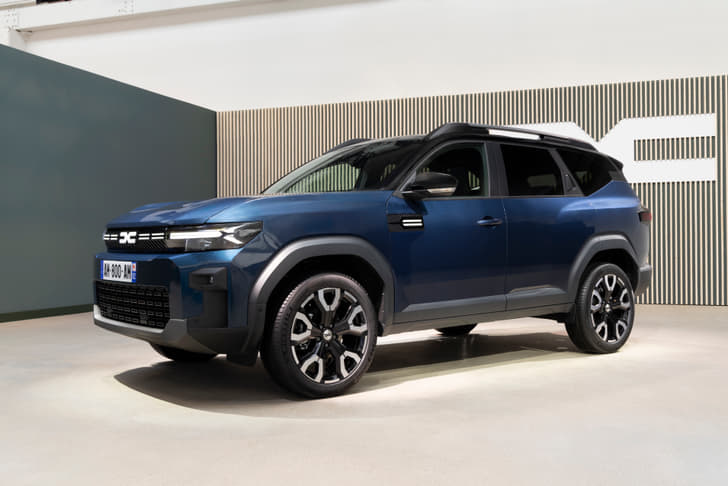
The new Duster could make things interesting in the SUV segment. Would you consider it over the Grand Vitara or Hyryder?
Hi, I have a budget of around Rs 15 lakh. I drive around 180km a week. For two days, I would have to drive on highways for around 80km, while the rest of my driving is a mix of city and local needs. I am a bit confused between the automatic Brezza ZXi and the automatic Grand Vitara Delta. Both have a 1.5-litre naturally aspirated engine. Could you please suggest?
Maruti Suzuki Grand VitaraMaruti Suzuki BrezzaHi, I am looking to buy either Syros EV or a hybrid car. My usage is around 65 km run in heavy traffic zone between Delhi and Gurgaon almost 3 times a week on weekdays and local city driving on weekends. Once in 4-5 months, I plan intercity trips. Please tell whether Syros EV or Maruti Grand Vitara makes sense. I do have an independent house so I can set up home charging. However, I am also concerned on what should be done if EV breaks down considering current facilities and how quick is the road side assistance for EV. Finally, I want to go ahead with company leasing due to which I will be the second owner and have to buyback after 3 years. Please suggest.
Kia Syros EVMaruti Suzuki Grand Vitara




Last Updated on: 26 Oct 2026