
Maruti Suzuki cars in India (19)
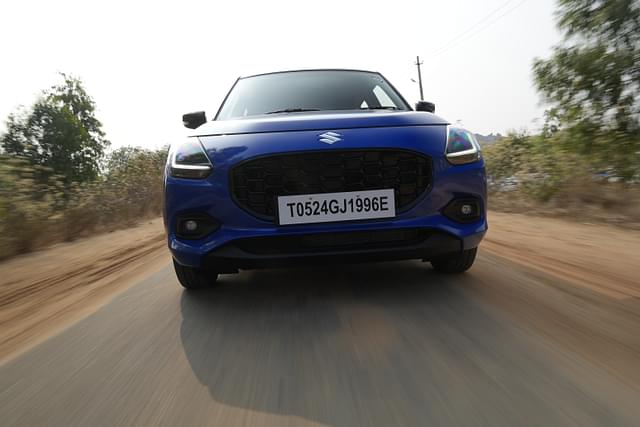
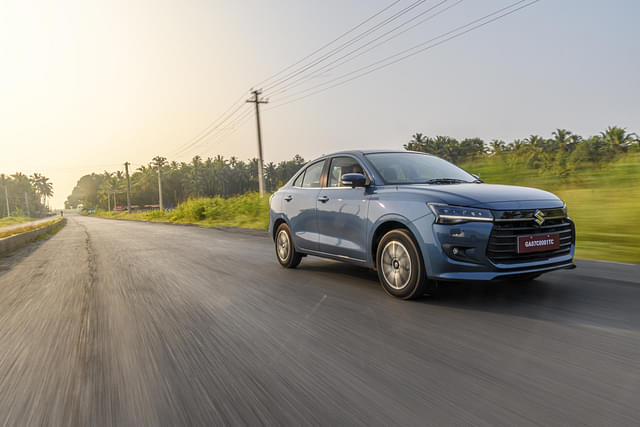
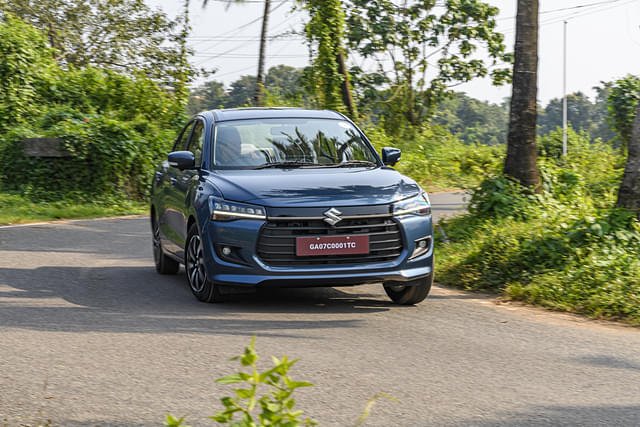
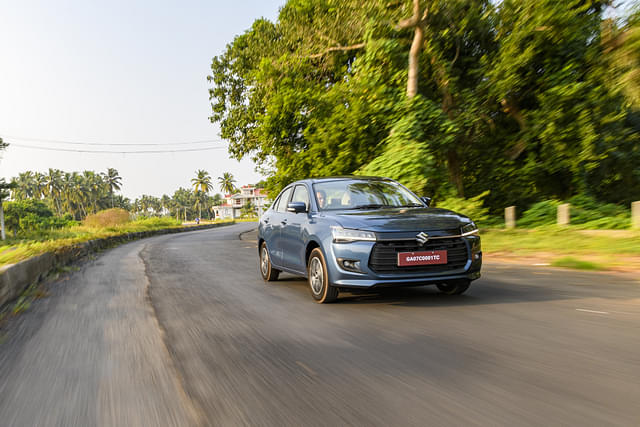
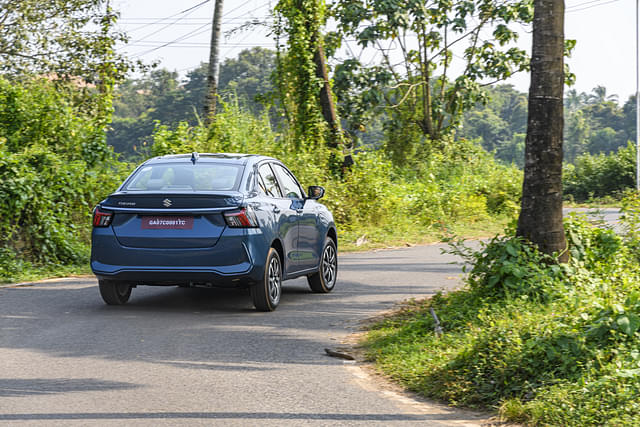
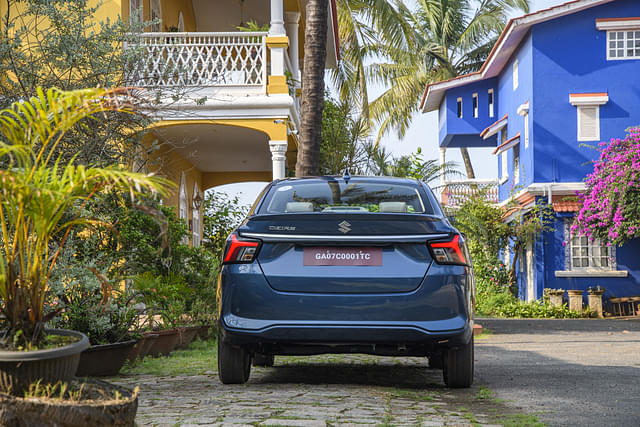
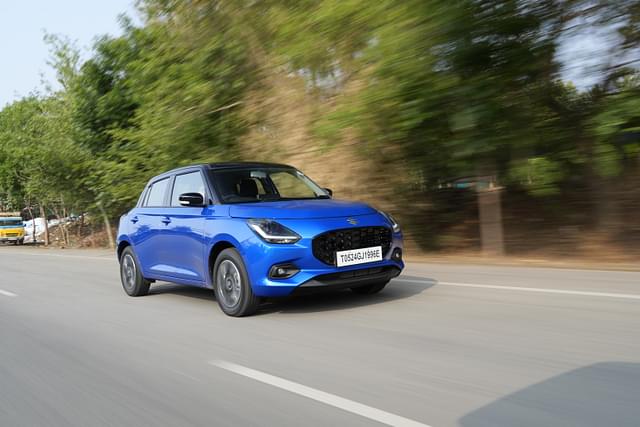
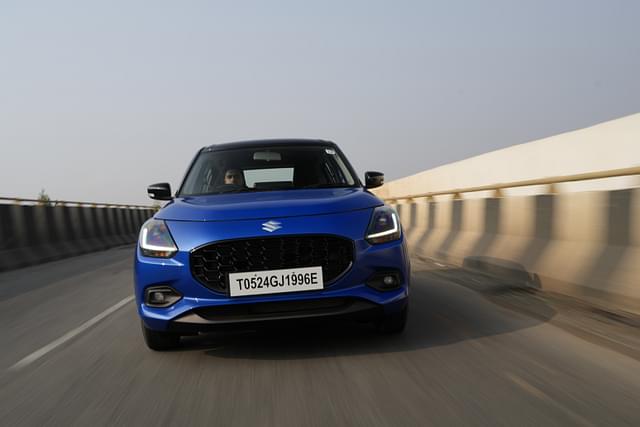
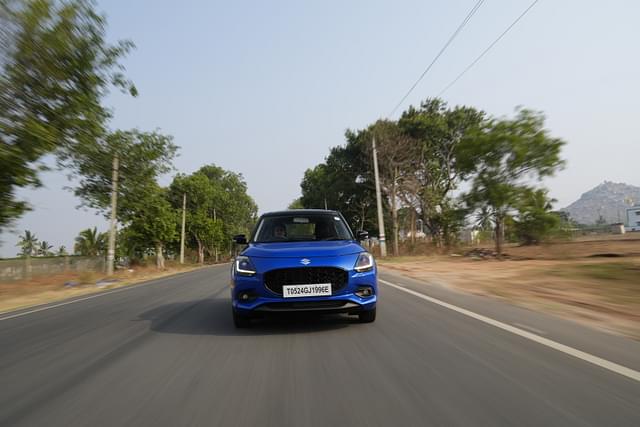
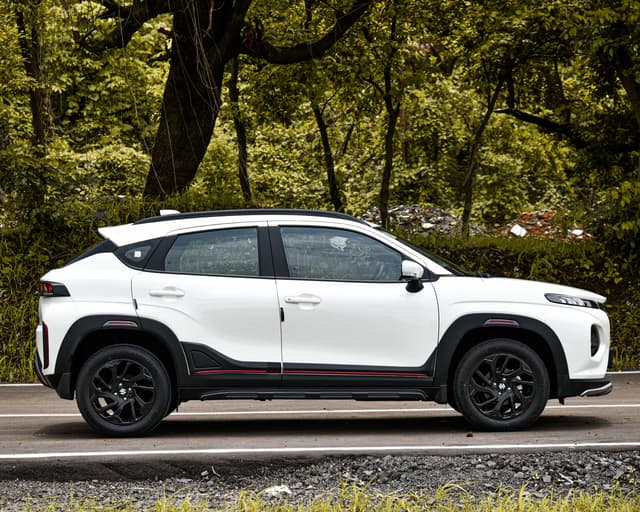
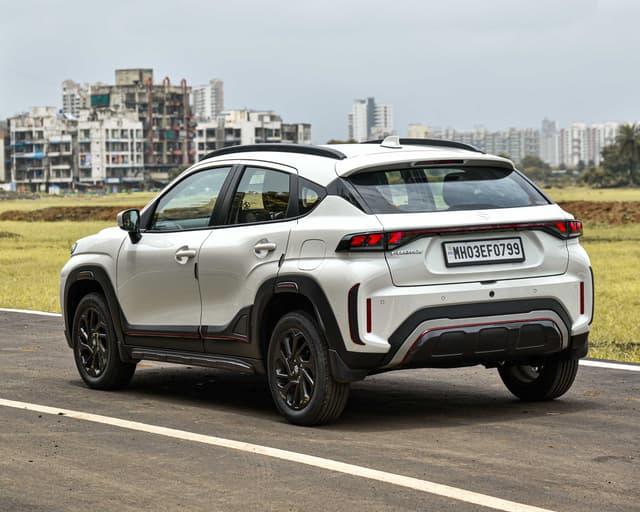
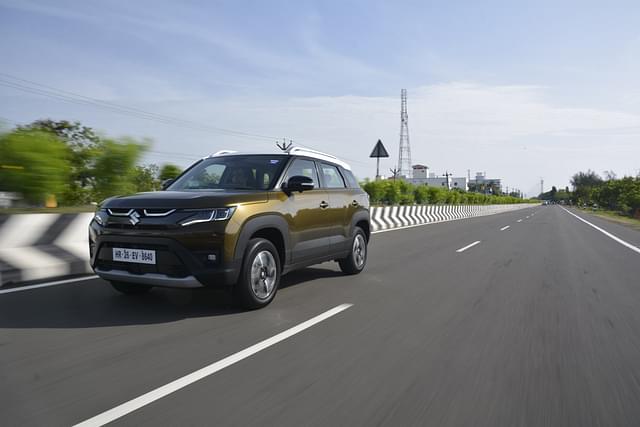
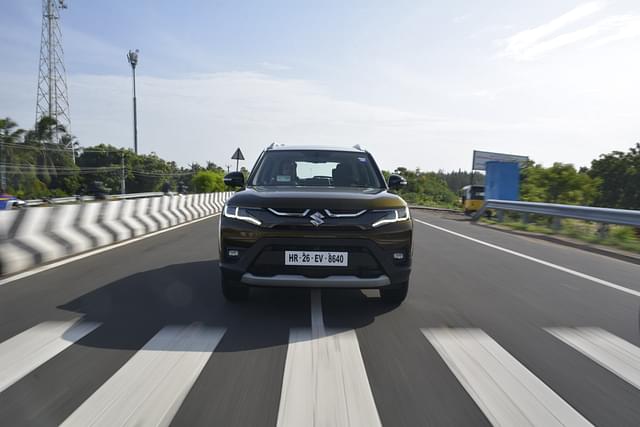
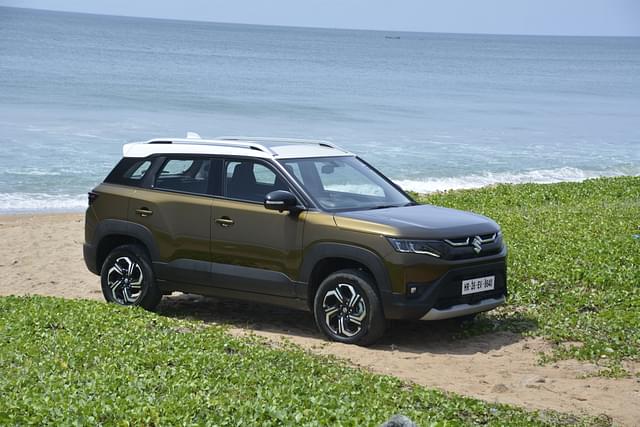
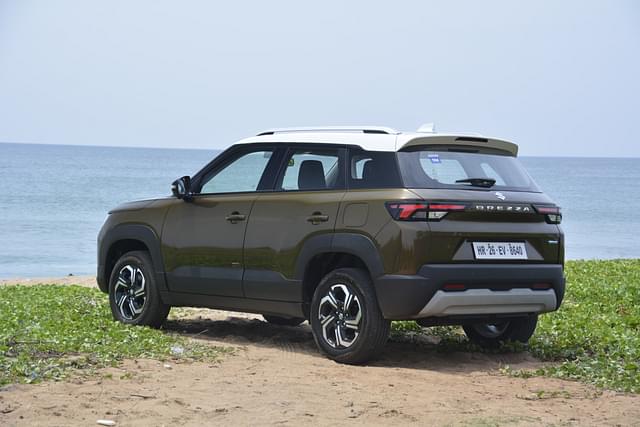
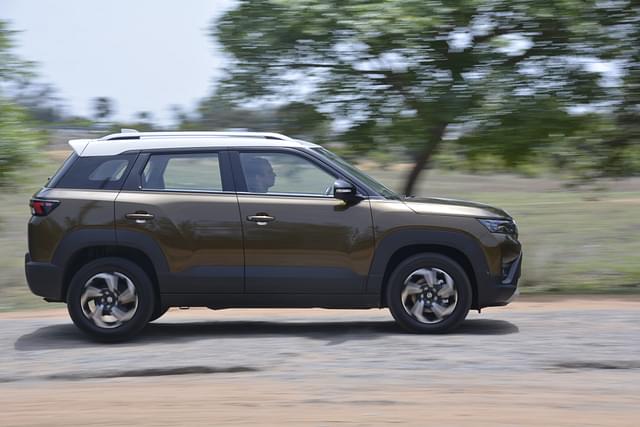
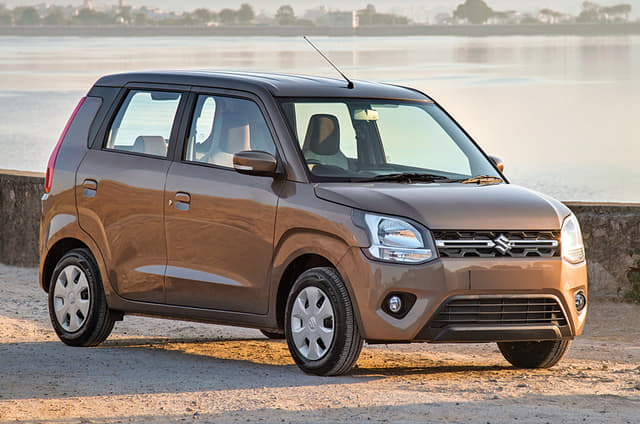
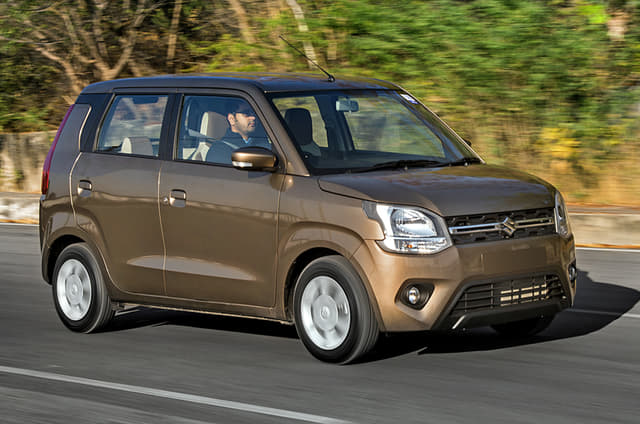
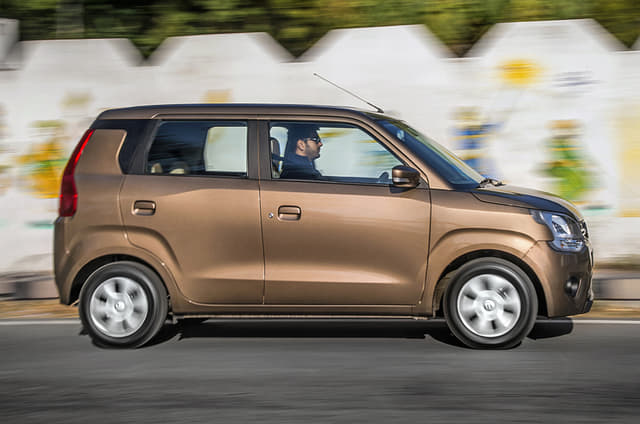
The brand Maruti Suzuki needs no introduction in India, thanks to its budget-friendly, dependable, and reliable cars. The brand offers something for every budget. The Maruti Suzuki cars in India in 2026 include sedans, hatchbacks, SUVs, and MPVs, powered by petrol, petrol-hybrid, and petrol-CNG engines across various price points. There are no diesel options available. The Maruti car price starts at Rs 3.50 lakh and goes up to Rs 28.61 lakh in India (Delhi, ex-showroom).
Maruti Suzuki currently offers 17 models in India across its two retail networks:
- Maruti Suzuki Arena (caters to the budget end of the market)
- Maruti Suzuki Nexa (caters to the premium end of the market)
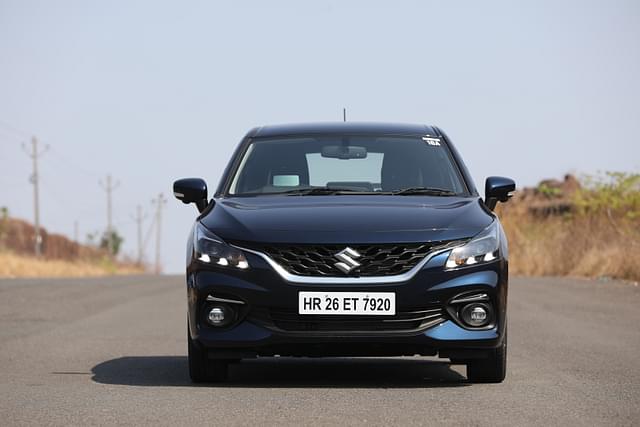
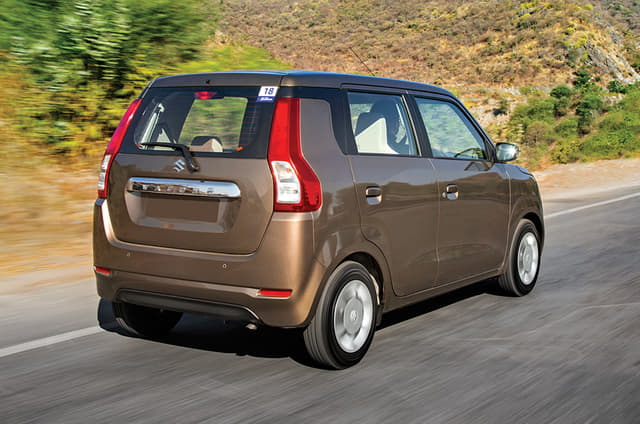
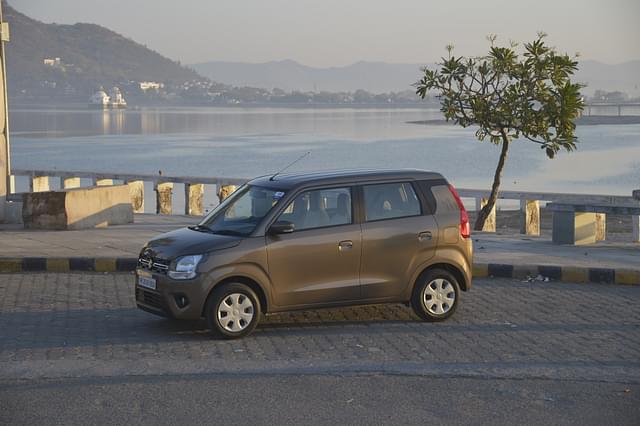
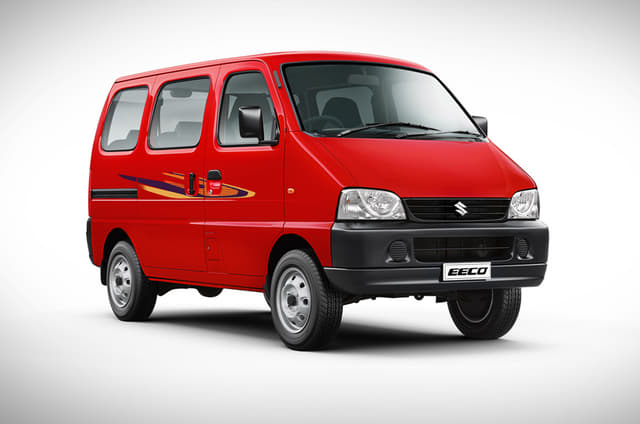
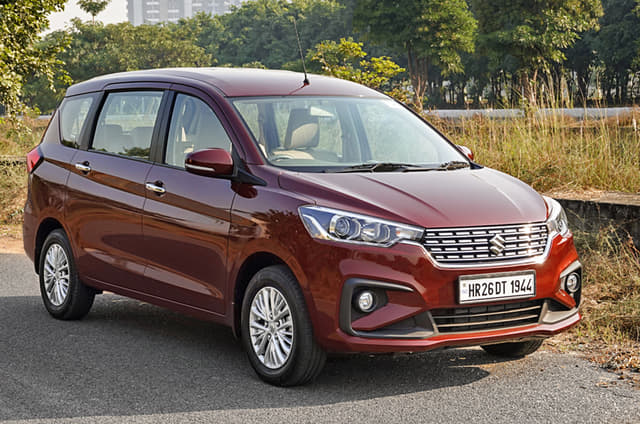
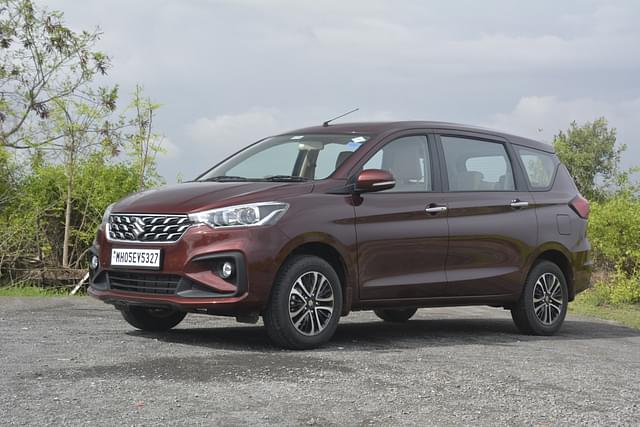
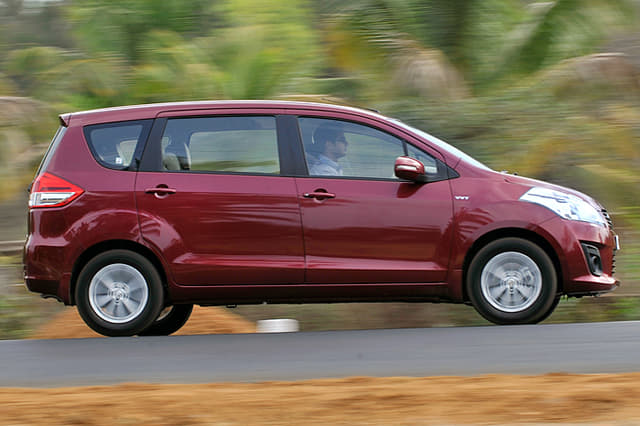
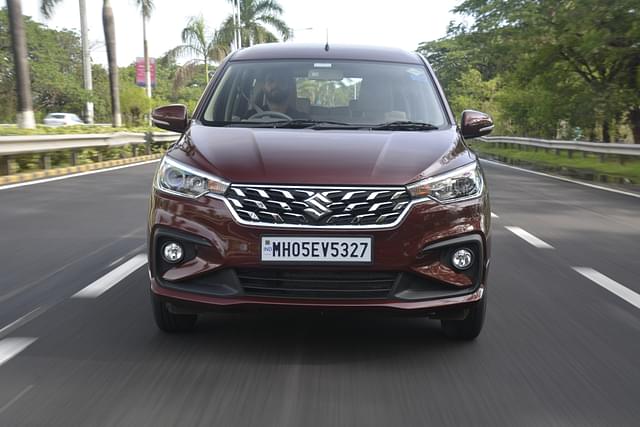
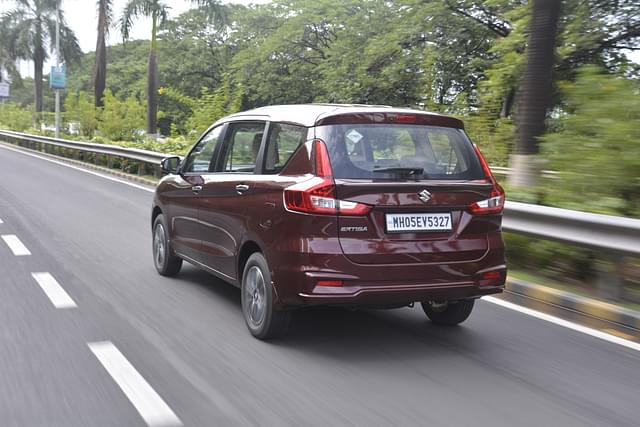
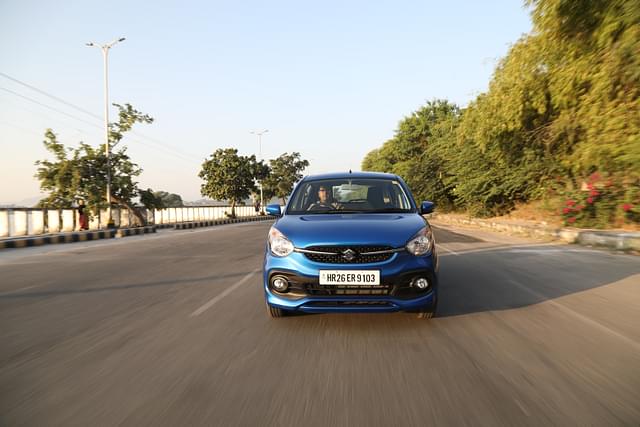
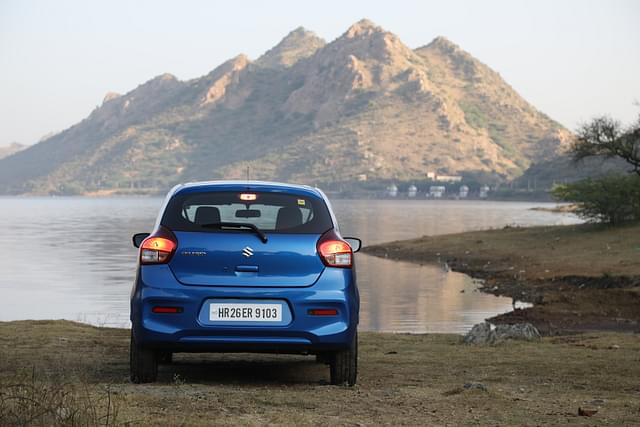
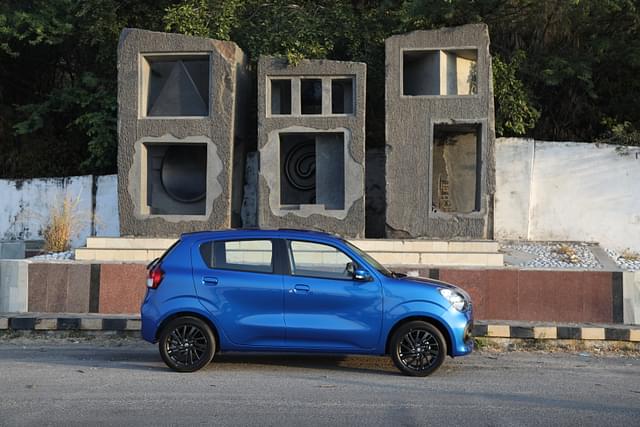
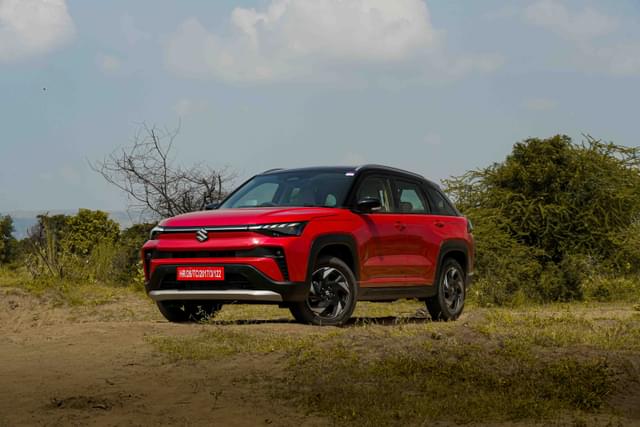
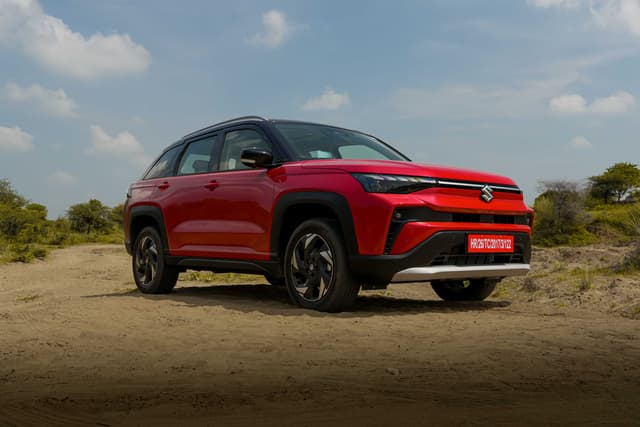
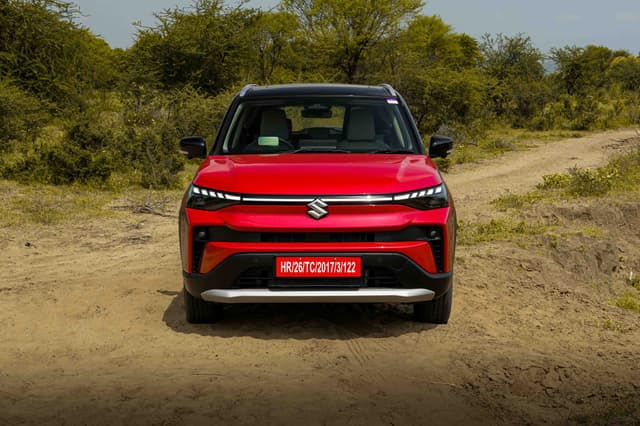
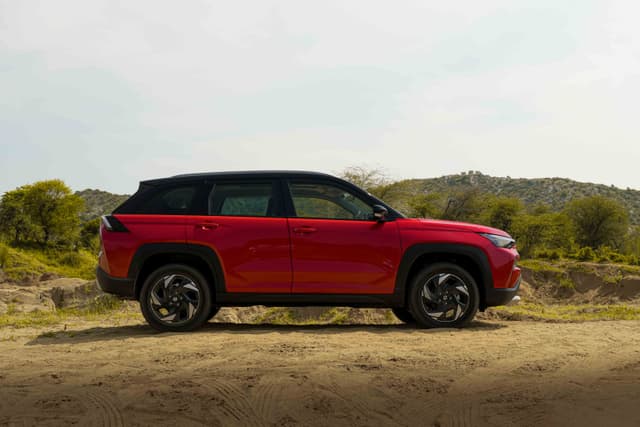
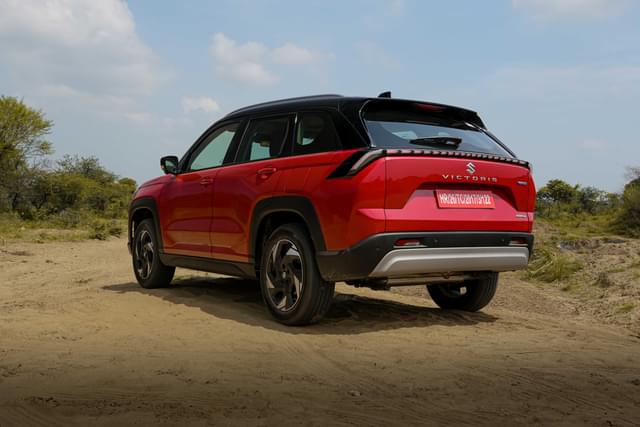
The Maruti cars sold through the Arena showrooms are: Alto K10, S-Presso, Wagon R, Celerio, Swift, Dzire, Breeza, Eeco, Ertiga, and Victoris. Meanwhile, Baleno, Fronx, XL6, Jimny, Grand Vitara, and Invicto are sold through the Nexa showrooms.
Maruti Cars in India - Latest Updates (July 2026)
Here are the latest updates related to the Maruti cars as of 2026:
- 25 June 2026: Maruti sold more than 7,000 e-Vitaras in India.
- 8 June 2026: As per sources, Maruti Suzuki is targeting to cut vehicle development timelines by 25% as it prepares to launch nine new models over the next three years.
- 29 April 2026: RC Bhargava says a revival of India’s small-car segment is “inevitable” in the coming years, even as buyers continue to shift towards SUVs.
- 28 April 2026: Maruti Suzuki achieves its highest-ever exports, shipping 4.48 lakh units in FY2026.
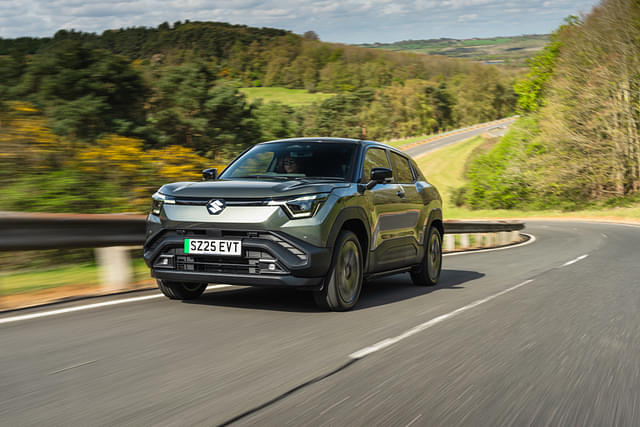
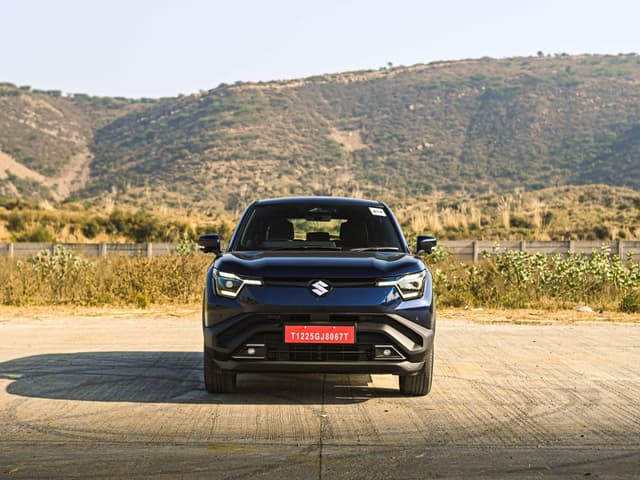
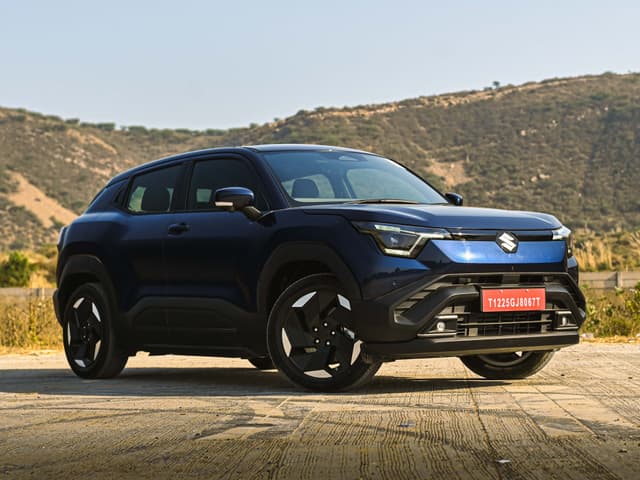
- 17 February 2026: The e Vitara, the first Maruti electric car launched at Rs 10.99 lakh. The battery cost is extra.
Find cars by body type
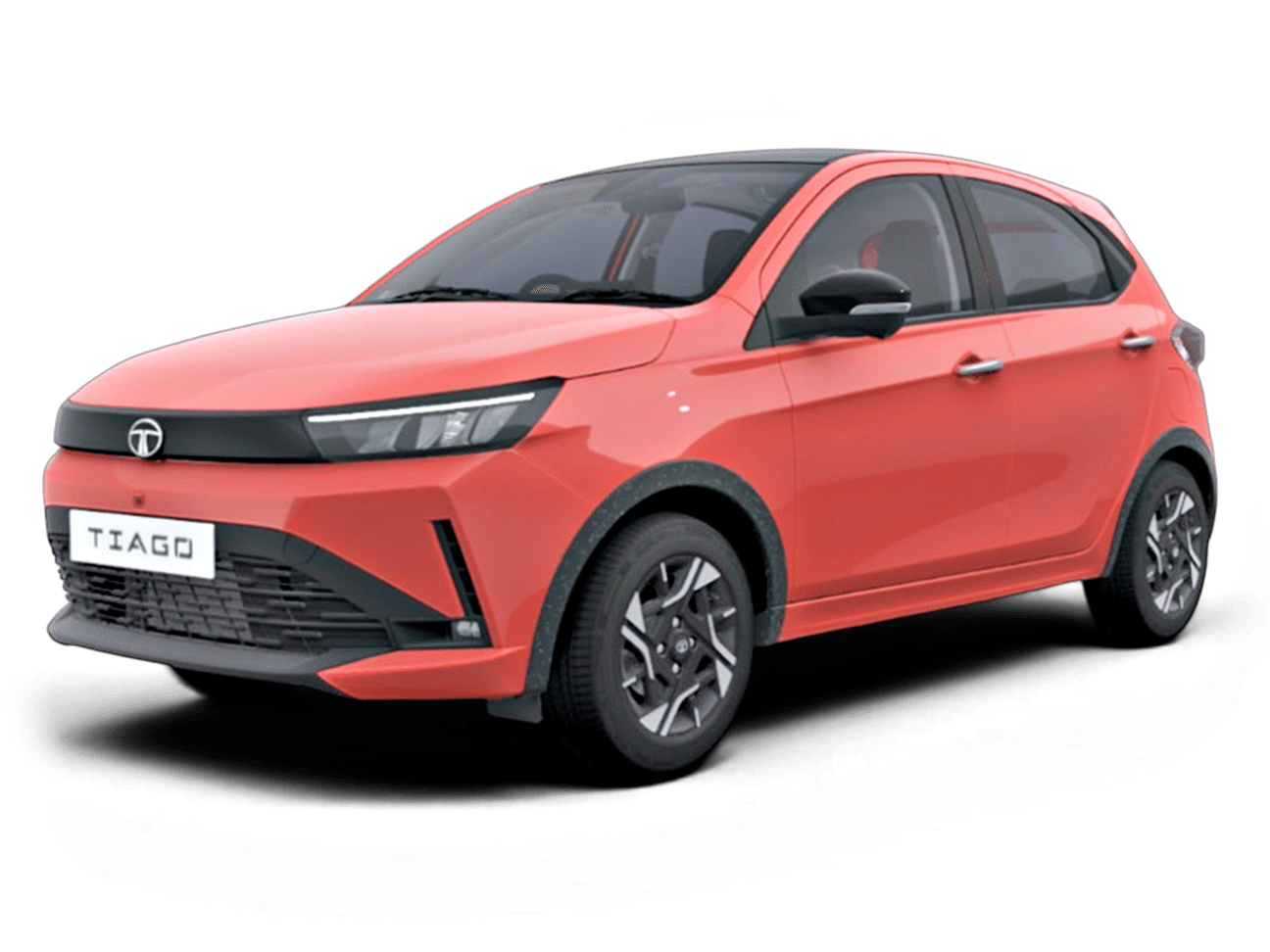
Filter your search
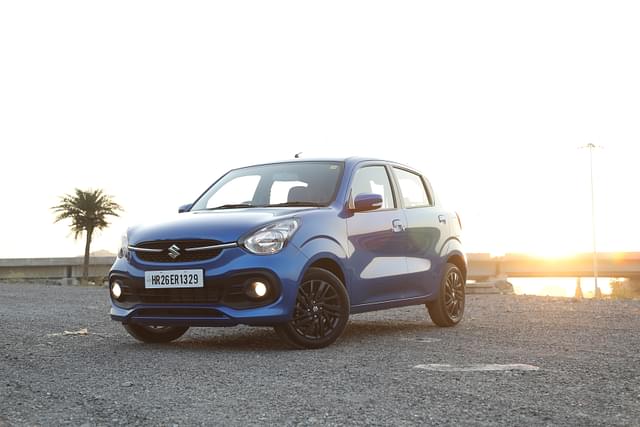
Filter your search
FAQs
The most expensive Maruti car is the Invicto. It is a premium MUV and is priced between Rs 24.97 lakh and Rs 28.61 lakh (ex-showroom, Delhi).
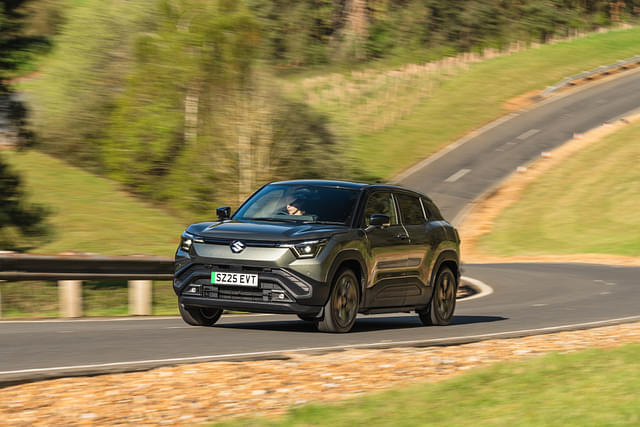
The Maruti Suzuki e Vitara, an all-electric SUV, is currently the only electric car from the brand. The e Vitara price starts at Rs 15.99 lakh and was launched on 17 Feb, 2026.
The safest Maruti Suzuki car based on Global NCAP crash tests are the latest-gen Dzire and Victoris. Both achieved a 5-star safety rating.
The cheapest Maruti Suzuki car in India is the Maruti S-Presso, priced from ₹3.50 lakh after the GST reduction.
Maruti is expected to launch the facelifts of Brezza and Baleno in 2026.
Currently, the newest Maruti Suzuki car in India is the e Vitara, which debuted in February 2026.
Trending Questions on Maruti Suzuki Cars - Answered by Autocar Experts
I've been driving a Maruti Suzuki Ciaz Diesel Manual for a decade. It has been a great car in almost every aspect. My only complaint is its low ground clearance, which has resulted in numerous scratches on the underbody. Is there any SUV or MUV that can match the comfort of the Ciaz and also be as future-proof as a Maruti Suzuki?
Pick the Maruti Suzuki XL6. It feels closest to your Ciaz for ride comfort and rear-seat ease, but with far higher clearance and shorter overhangs, so those speed breakers won’t chew the underbody. The 1.5-litre mild hybrid engine is smooth in traffic, sips fuel in the city, and should be easy to live with for a decade plus. Service and parts support will be typically Maruti-strong. You’ll also like the relaxed automatic, captain seats, and the way it just glides over bad roads. Highway cruising is calm rather than exciting, which matches how most Ciaz owners drive on long trips. If owning and running an EV is feasible for you, consider the Maruti Suzuki e Vitara. The running costs are unbeatable, it has good ground clearance and it's well priced too. Plus, you get the same Maruti peace of mind as your Ciaz or the XL6.
Wanted to buy an automatic car within a budget of Rs. 15 lakh on-road, with an additional Rs. 1.5 lakh available from my old car exchange. I have shortlisted the Honda Elevate VX CVT and the Renault Duster Revolution 1.3 CVT. My monthly usage includes 1,000-1,200 km of city driving and around 500 km of outstation travel. Please suggest which one I should choose, or recommend any other car in the same category and budget. My priorities are good headroom and a comfortable rear seat.
Pick the Honda Elevate VX CVT. With your heavy city running, its smooth CVT automatic, lighter controls and great visibility make everyday driving easier and calmer, and the cabin is spacious with a comfortable rear bench for two adults. It also rides well enough for your monthly 500 km outstation trips and should be more fuel efficient and easier to maintain than the Duster.The Renault Duster 1.3 DCT only makes sense if you really value the strong punch from its turbo engine and the robust suspension on rough roads. It is quicker and feels tougher on bad patches, but expect lower city mileage and a rear seat that is not as spacious as the Honda's.If you want one more to check in the same bracket, look at the Maruti Suzuki Grand Vitara 1.5 automatic. It has a comfy back seat, it's easy to drive, has decent mileage and will be stress-free to live with.
I want to replace my manual transmission Swift hatchback with an automatic hatchback within a budget of Rs. 8 lakh. My usage is mostly in the city, often in dense traffic, so good fuel economy is a priority. Please suggest the best options.
Go for the Maruti Suzuki Celerio AMT. It fits under Rs. 8 lakh, is one of the most fuel-efficient petrol automatics you can buy, and its light steering and small size make life easy in dense city traffic and tight parking.You are moving from a Swift, so expect a simpler cabin and a bit less space, but the Celerio makes up for it with very low running costs and easy driving. The automatic is fine for the city, just know that at crawling speeds it can feel a little jerky if you stomp the accelerator - be gentle, and it’s smooth enough.If you want something closer to your Swift in size and feel, and can stretch a bit, the new Swift VXi automatic or Hyundai Grand i10 Nios automatic feel nicer inside and rides better, but you will spend a bit more.
My average monthly travelling is 2500 kms on highways. Suggest a car under 10 lacs with economy consideration.
Go for the Maruti Suzuki Dzire CNG because your 2,500 km a month on highways needs very low running costs, and it stays within Rs. 10 lakh in the sensible mid trims. It sips far less money than petrol on long runs, the 1.2 engine is smooth enough for steady 90-100 km/h cruising, and Maruti’s wide service network helps when you are clocking big miles.There is a catch. CNG cuts boot space. If this is an issue, consider the Tata Tiago CNG. However, make sure your usual routes have reliable CNG pumps. If that is shaky where you drive, consider going electric, but only if you have home charging and your trips have charging stops you trust. The Tata Tiago EV will slash your fuel spend even more, but it needs planning for very long stretches. If you’d rather stick to petrol, expect higher running costs; among those, the Toyota Glanza or Maruti Baleno 1.2 are the most efficient, but they will still cost more per km than CNG.
My annual running is about 5,000 km, and I plan to keep my next car for 10 years. I am confused between Elevate, Creta, Seltos Victoris and 3XO. My priorities are reliability, a good balance of power and fuel efficiency, family comfort, low maintenance and long-term ownership. I am also concerned about India's future ethanol-blending policy (E20 and higher blends). Which of these would be the best long-term choice and why?
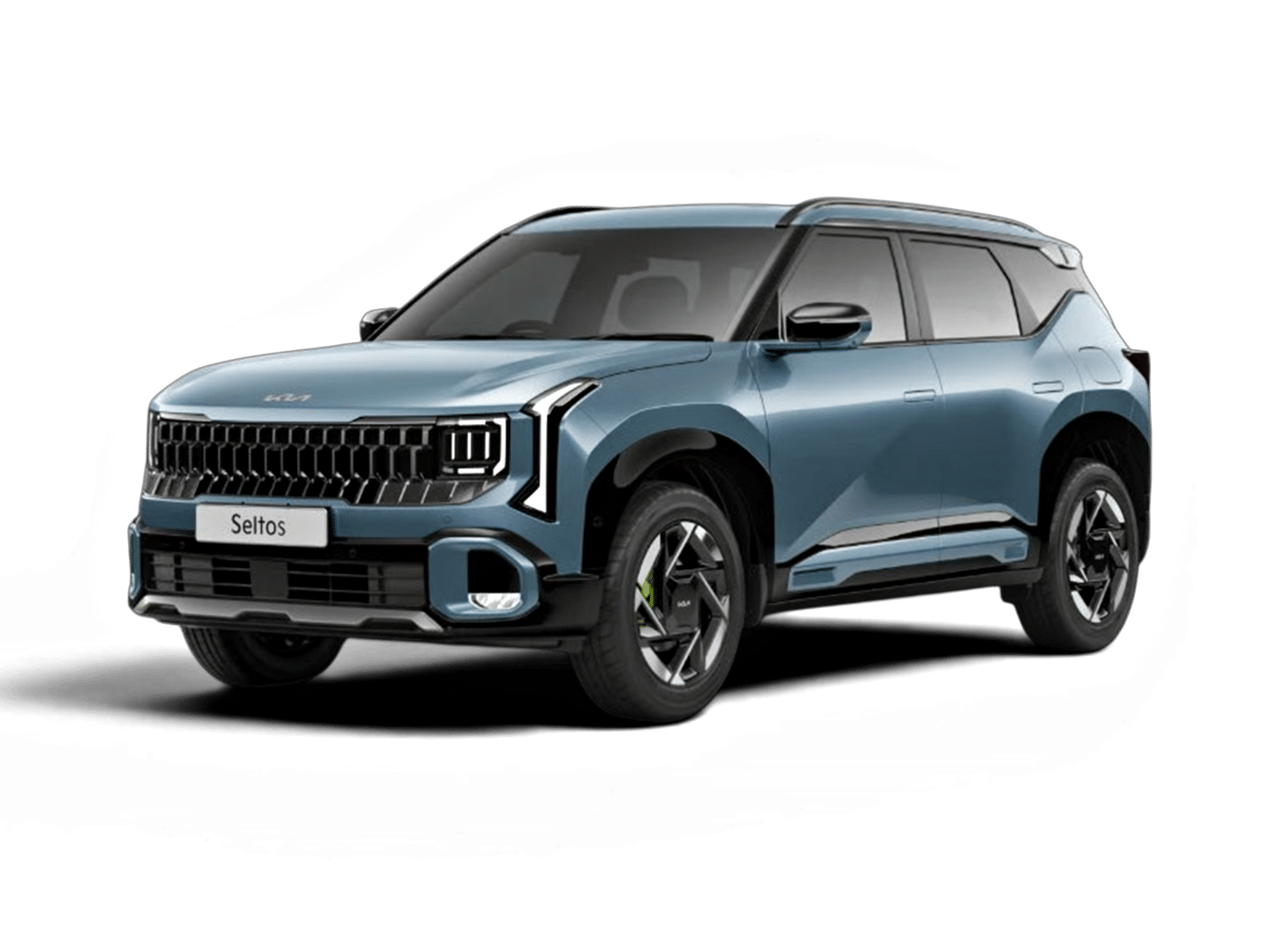
With an annual running of just 5,000km, fuel efficiency shouldn't be the deciding factor. Instead, you should prioritise comfort, reliability, ease of ownership and how well the car will age over the next 10 years. That's why we wouldn't prioritise the Victoris Hybrid. While it is an excellent strong hybrid, the price premium will be difficult to justify with such low annual running.Between the remaining options, the Seltos strikes the best balance. It offers a refined and proven naturally aspirated petrol engine, a smooth IVT automatic, a spacious and premium cabin, excellent comfort and a strong ownership experience. It also feels newer and more upmarket than the Elevate and 3XO, while the current Creta is due for a generational update sooner.The Honda Elevate deserves a mention for its simplicity and reliability. If absolute mechanical simplicity is your priority, it is arguably the safest long-term bet. However, it doesn't feel as premium as the Seltos, and the engine and CVT combination isn't quite as refined.As for ethanol blending, we wouldn't let it influence your purchase decision. While there is plenty of discussion around E25, E27 and E30 fuels, there is currently no confirmed roadmap for such a transition. More importantly, all of these cars are E20 compliant, and manufacturers have engineered a degree of tolerance beyond that. The most likely effect of higher ethanol blends would be a small reduction in fuel efficiency and slightly accelerated wear of certain fuel-system components over a very long period, not a major reliability issue.
Hi, I am looking for a 7-8 seater with safety and other features. I am a first-time car buy but it will be driven by a Driver. Every day use for commuting to the office from home. Please suggest a good car for the long term. I am based in Delhi NCR. I am not sure and not comfortable with electric cars. Please give your valuable comments on the EVs too.
Unfortunately, in your budget of Rs 10-15 lakh, there aren't many 7-8 seaters that meet all your criteria. Your best bet would be the Maruti Suzuki Ertiga, or its 6-seat counterpart, the XL6. It's reliable, efficient and has the essential features you'll need for your intended use. It's comfortable for passengers, and the 1.5-litre petrol engine is smooth and powerful enough, though not outright strong. As for safety, it was rated 3 stars in Global NCAP's crash tests, but that was back in 2019. It has since been given multiple safety updates, including 6 airbags as standard, which should mean a higher score. Another option is the Kia Carens Clavis, but in your budget, you'll only get a low-spec petrol manual model, with only basic features. Overall, the more efficient and value-for-money Ertiga or XL6 is a much better bet. There are, unfortunately, no three-row MPVs in your price range, the closest being the Kia Carens Clavis EV, which starts at around Rs 19 lakh on road.
My car will run close to 100 km daily, with a mix of city and highway driving. I will be buying my first car, and my budget is Rs. 5-7 lakh. Should I choose a CNG car with a manual transmission? Please suggest a car, along with the most suitable fuel type and transmission, considering my usage and the need for minimal maintenance.
Consider a Maruti Suzuki Celerio CNG manual. Your 100 km daily run will make CNG pay back fast, and the simple manual plus Maruti’s cheap, widely available service keeps maintenance low. The Celerio is small enough for the city but feels calmer than the tiny entry hatches on the highway, so those mixed runs won’t be tiring. It also fits your Rs. 5-7 lakh budget without stretching.You should know the compromises. Performance on CNG is softer, so overtakes need planning, and the tank eats most of the boot. Also, CNG pumps must be convenient on your route; if they aren’t, get the same Celerio in petrol manual and keep life simple while still keeping costs sensible.Cruise at 80-90 on the highway, stick to regular services, and this combo will give you low running costs with minimal fuss.
Hi, I need suggestion for a car. My usage will be 80% on highway and 20% in city. I plan to keep the car for long term, around 10-12 years. Also, I live in a tier II town. I want a automatic car with budget under 13 lakh on-road. I shortlisted Honda Amaze zx CVT and Skoda Kylaq Signature AT. I choose these two from different segments due to their ease of driving. However, the authorised service center of both Honda and Skoda is too far (60 km) from my place. I am confused if I should stick to these two cars and if I do, which will require less frequent visit to the service center and the long term maintenance is bearable.
Since you plan to keep the car for 10-12 years, cover 80% highway driving and live in a Tier II town where both the Honda and Skoda service centres are 60km away, long-term reliability and ease of ownership become more important than outright performance. The Amaze has a proven naturally aspirated petrol engine paired with a smooth CVT, is known for its dependable reliability and should require fewer unscheduled visits to the workshop. Scheduled servicing is also straightforward and maintenance costs are generally very reasonable.The Skoda Kylaq Signature AT is an excellent SUV and offers better ground clearance, a stronger turbo-petrol engine and a more engaging driving experience. However, given the distance to the service centre, we'd still give the edge to the Honda car for long-term peace of mind.You could also consider the Maruti Suzuki Brezza Automatic. It has a smooth torque-converter automatic, excellent reliability, low maintenance costs and Maruti Suzuki's unmatched service network, which is a significant advantage in a Tier II town. Another option is the Hyundai i20 CVT, which offers a refined petrol engine, a smooth CVT and a premium cabin, while Hyundai's widespread service network makes ownership easier.
I'm currently using a used Maruti Ritz and want to upgrade to either a 5-seater or a 7-seater with a naturally aspirated petrol engine and a torque-converter automatic transmission. My preference is for long-distance comfort for my elderly parents, reasonable maintenance costs, reliability, and an automatic transmission because I've heard it is the best (please suggest if any other). My usage is usually office commuting, which will be shared between my bike and this car, at around 25km per day, along with weekend drives within the city, probably one trip outside Mumbai every month, and travel to my hometown once every three months (500km one way, including ghat roads). So, I want something that is good for city driving as well as a capable tourer. Additionally, it should be able to carry heavy luggage for our trips. My budget is less than Rs 15 lakh on-road.
Go for the Maruti Suzuki Ertiga 1.5 petrol automatic. It meets your NA and torque-converter ask, is easy for Mumbai traffic, and offers the most comfort and luggage space under Rs. 15 lakh. Your parents will like the easy step-in, supportive second row that slides and reclines, and the soft ride on bad roads. For tours, fold the third row, and you get a huge, flat boot that swallows heavy bags without drama.The 6-speed torque-converter is smooth on ghats and in stop-go, and Maruti’s 1.5 is proven, simple, and inexpensive to run. Real-world fuel economy is decent if you keep speeds steady. VXi AT should fit your budget in Mumbai, but do check local on-road quotes.One downside is that with a full load on steep climbs, you will need to plan for overtaking. It’s not quick, just calm. If you don’t need seven seats, the Maruti Suzuki Brezza 1.5 AT is tighter to drive and is easier to park, but its boot is smaller, and the AT variants can stretch your budget. Wait for the update due later this year, though. The torque converter suits your use best. No need to chase other types.
I need to drive close to 100 km daily, which will be a mix of city and highway driving. My budget is within 5-7 L. This will be my first car. What fuel type and transmission should I go with? Which car would you suggest I pick to meet my requirements while having minimal maintenance?
If you have CNG pumps in your area, pick the Tata Tiago CNG. At your budget, you would get a low to mid trim manual version, which should do just fine for your mix of city and highway driving. If your city drive is a lot and with heavy traffic, consider upping your budget for the automatic version. As for the car, the Tiago makes for a very good first buy, its small dimensions are easy to manage, and the clutch and steering are both light and easy to use. The engine is not refined, but its performance is decent enough when driven at a relaxed and normal pace.You can also consider the Maruti Celerio CNG; it too makes for a good first buy with easy controls and tight dimensions, but it loses boot space as it comes with a single large CNG tank and spare inside the boot, unlike the Tiago, which has the spare wheel and a dual tank setup below the boot floor. If it's a petrol only that you want, then the Celerio is the better option, as it has a more refined engine and will be more fuel efficient too.
Last Updated on: 3 Jul 2026