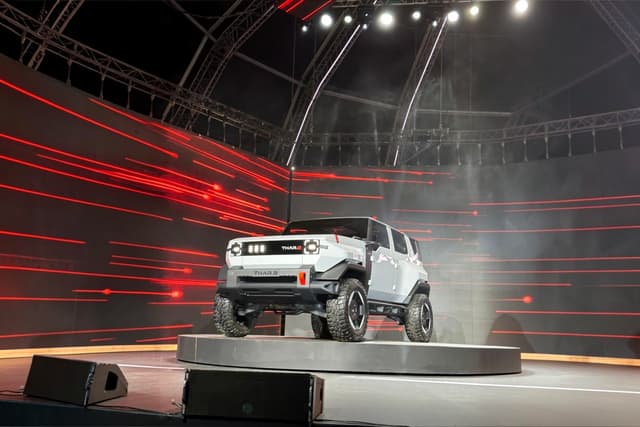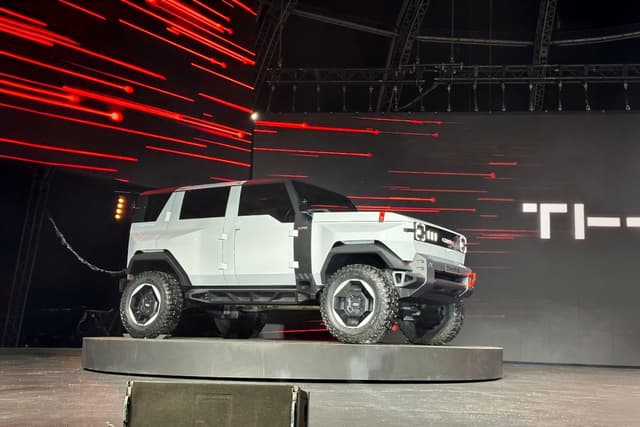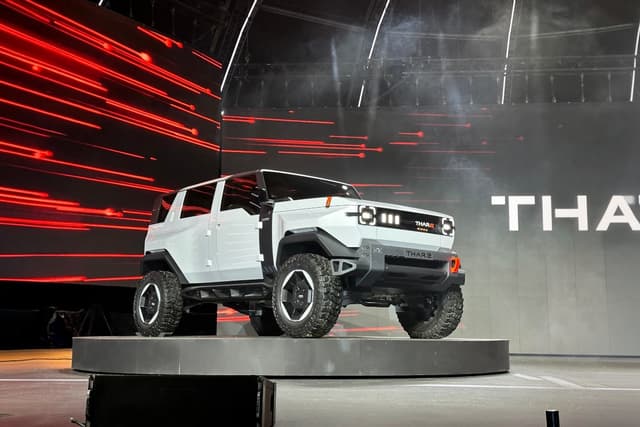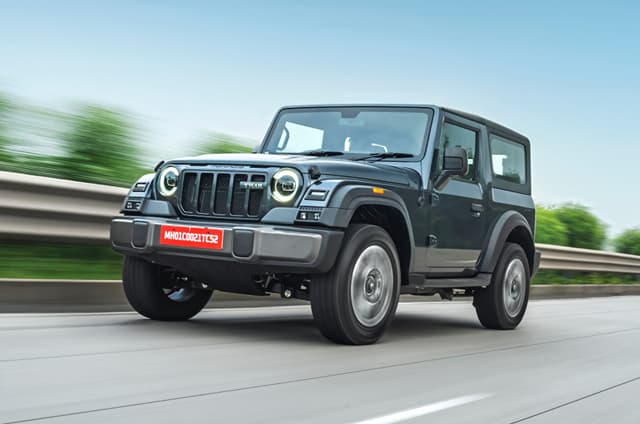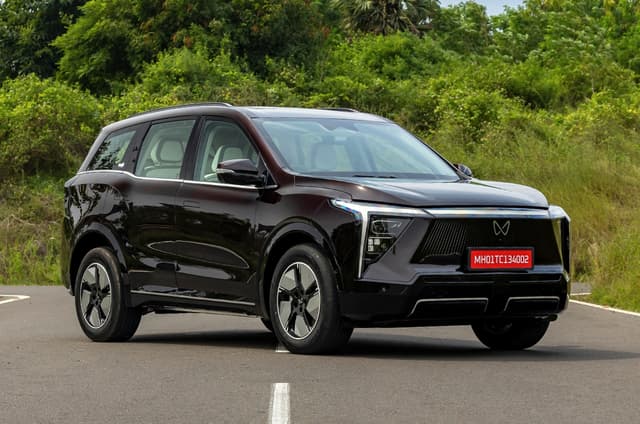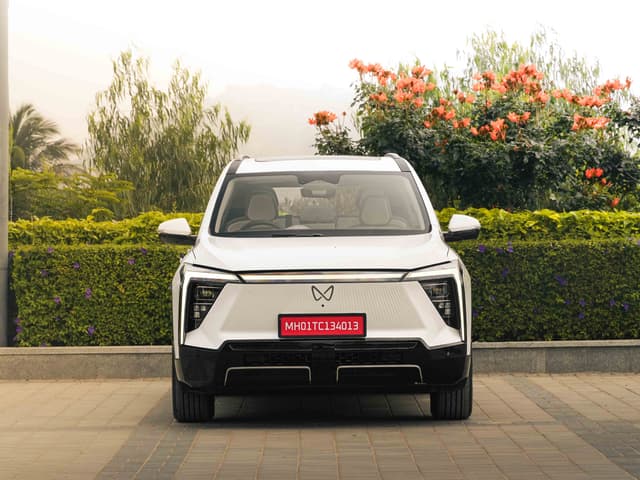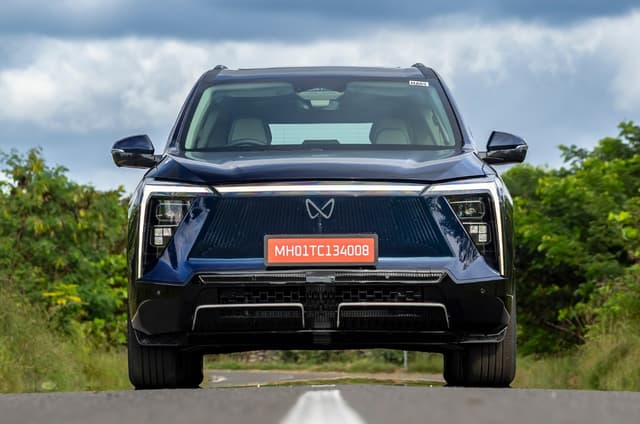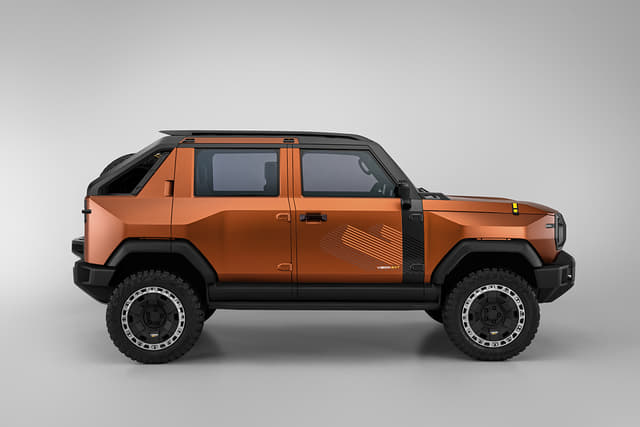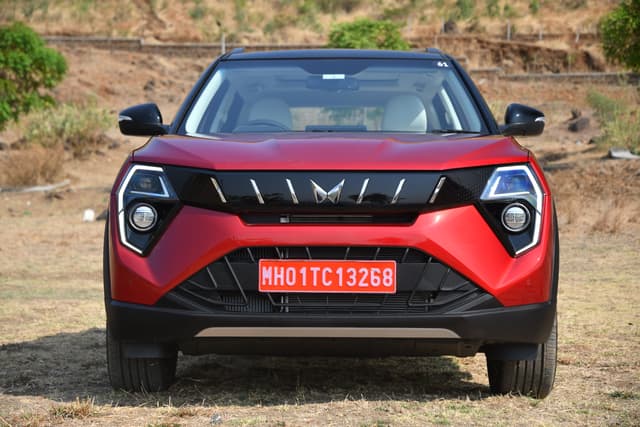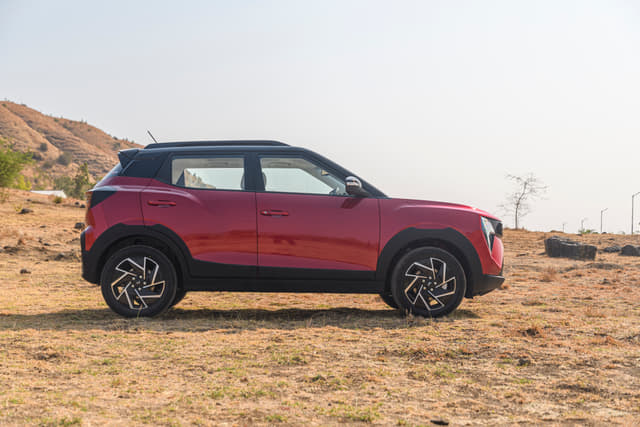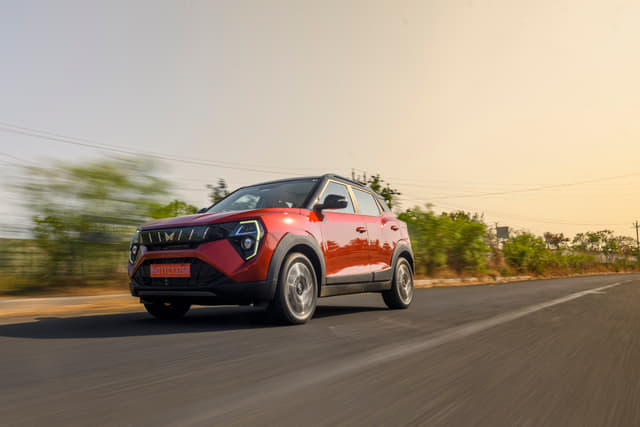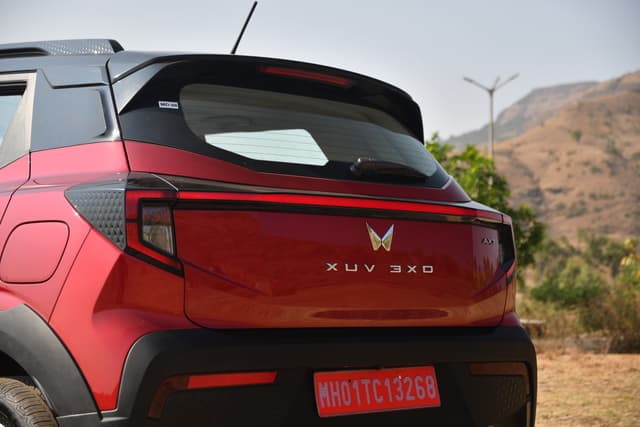

Mahindra cars in India (18)
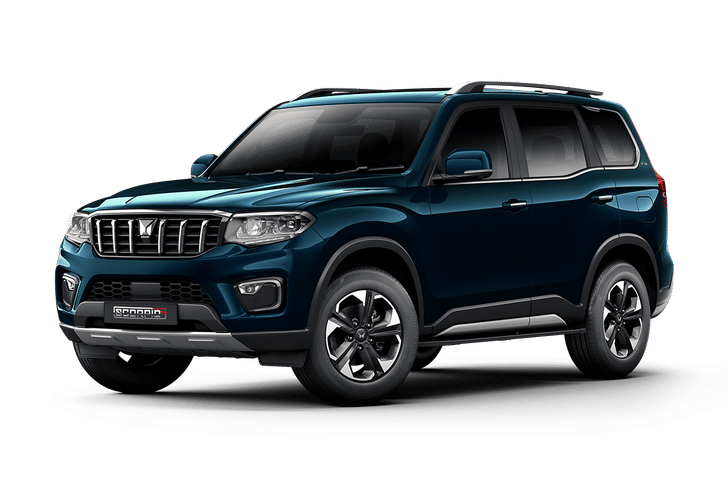
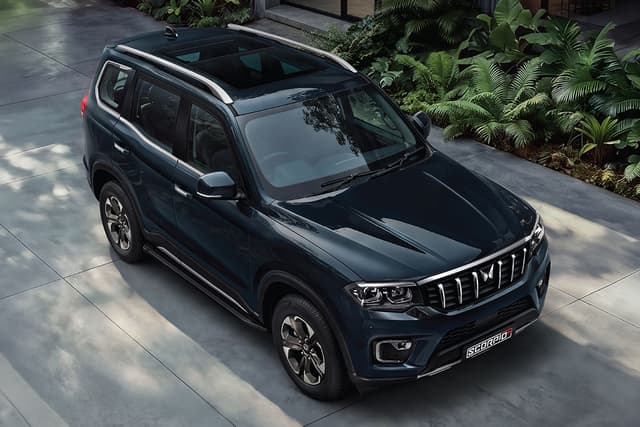
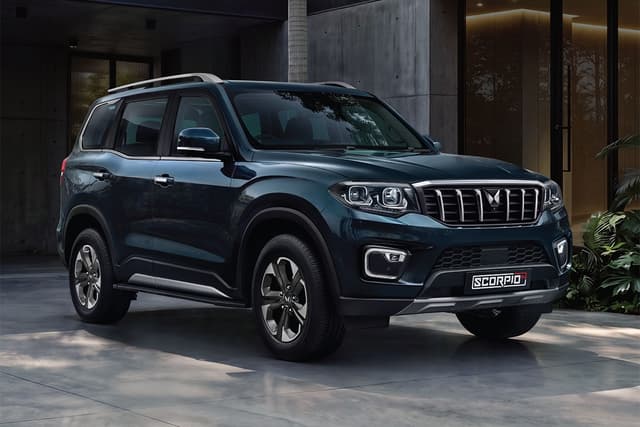
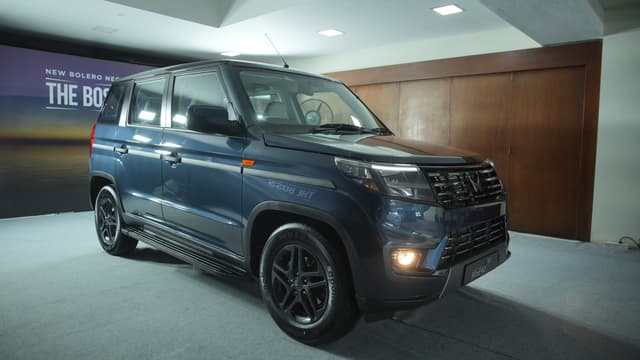
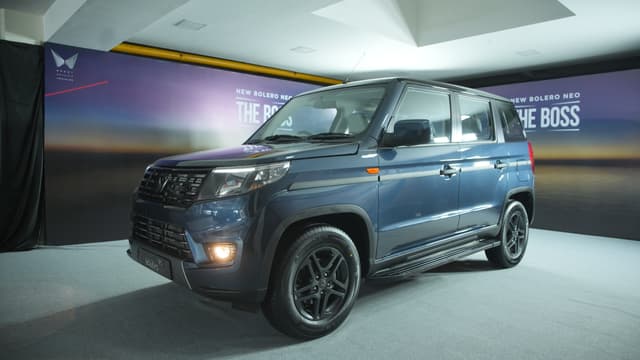
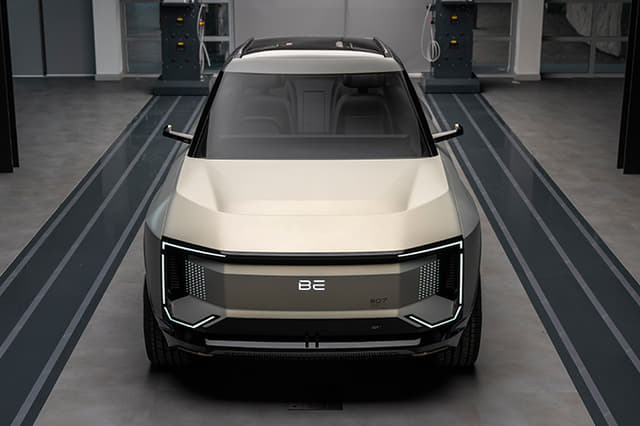
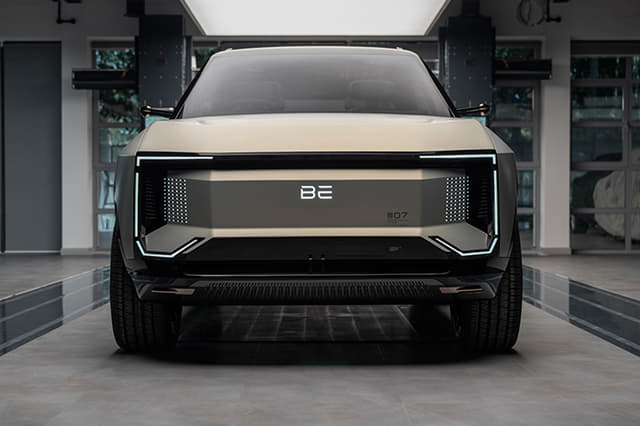
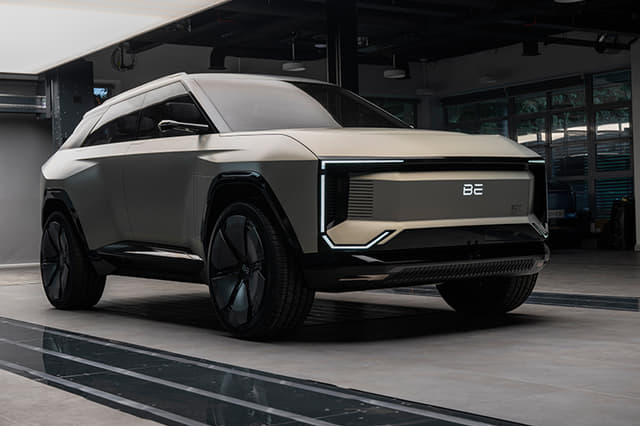
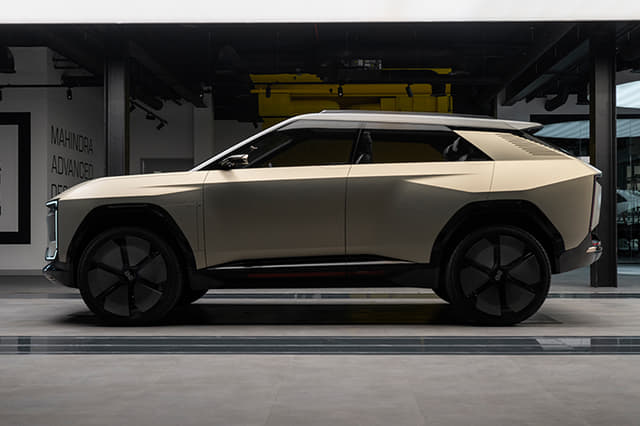
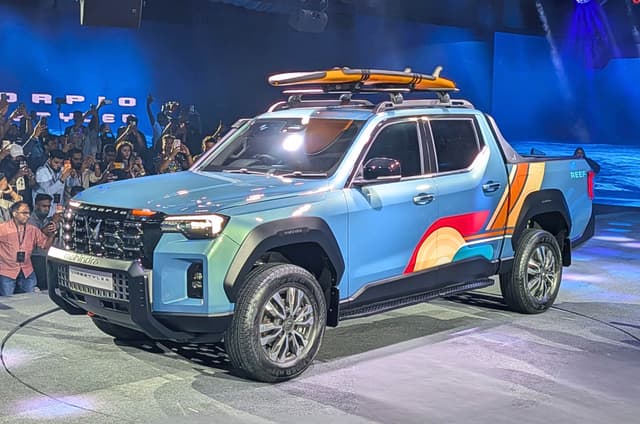
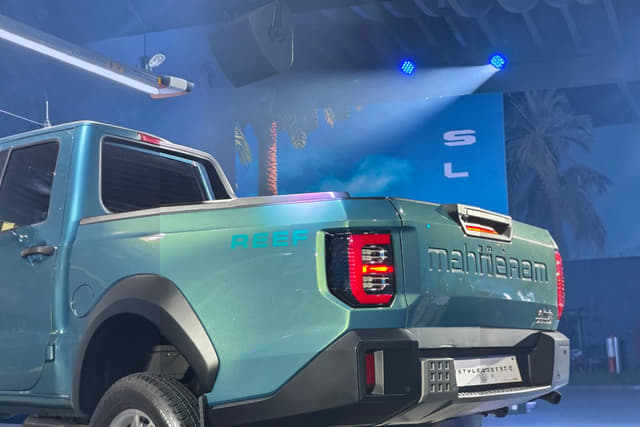
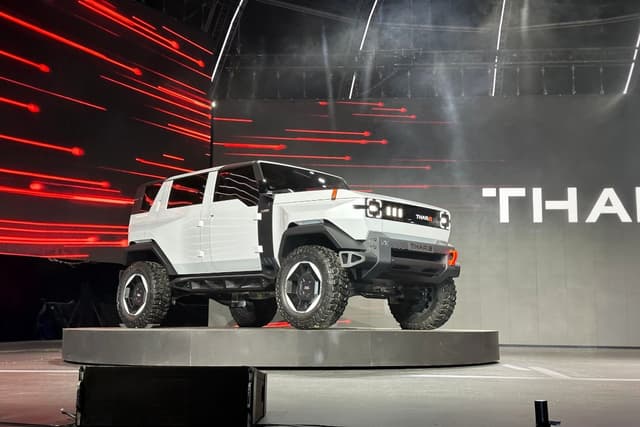
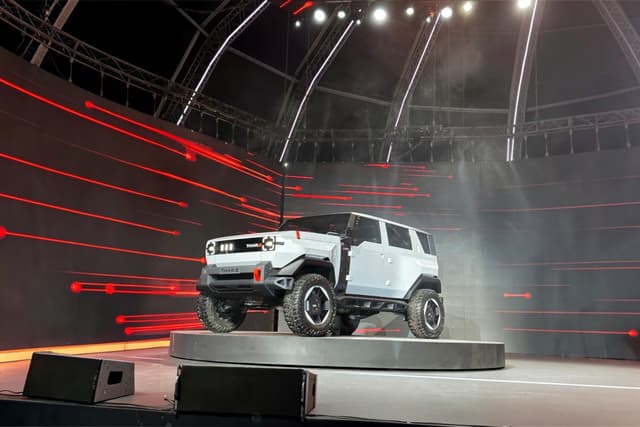
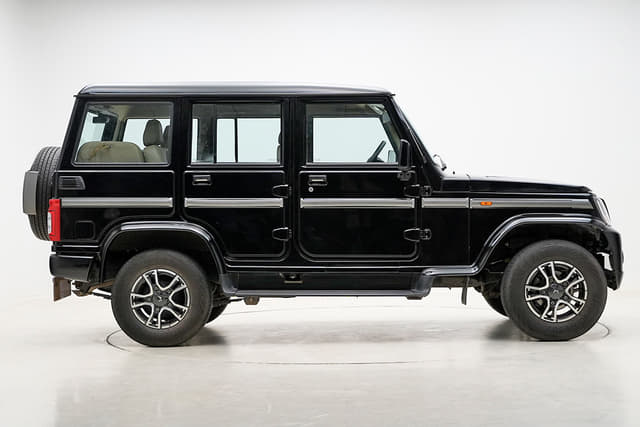
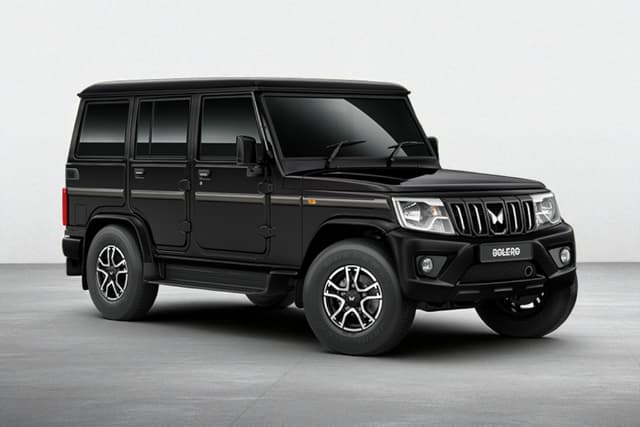
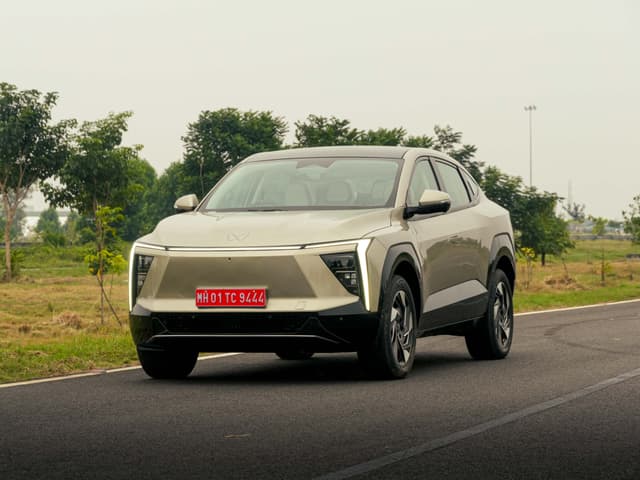
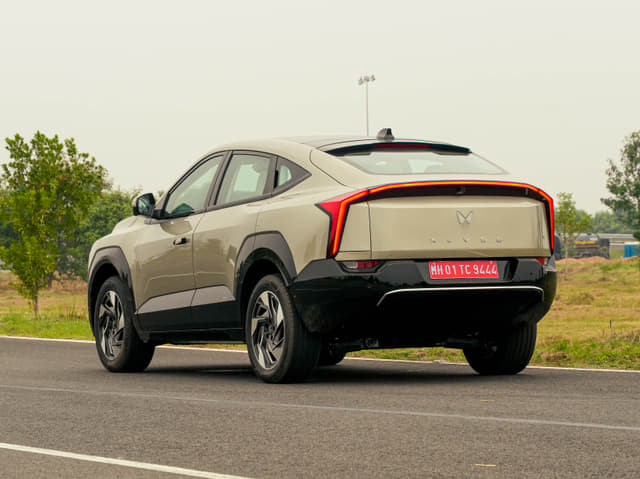
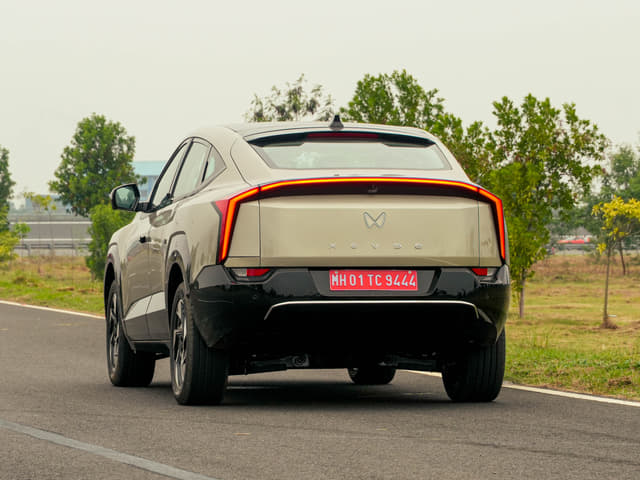
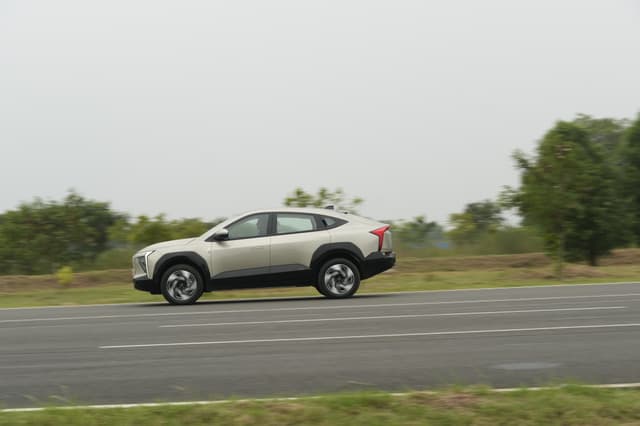
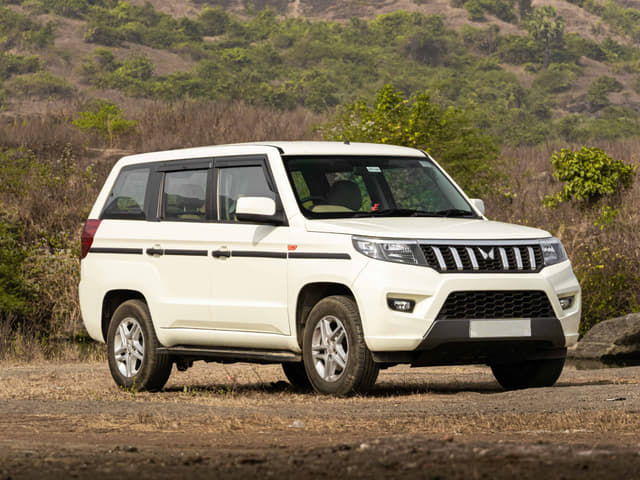
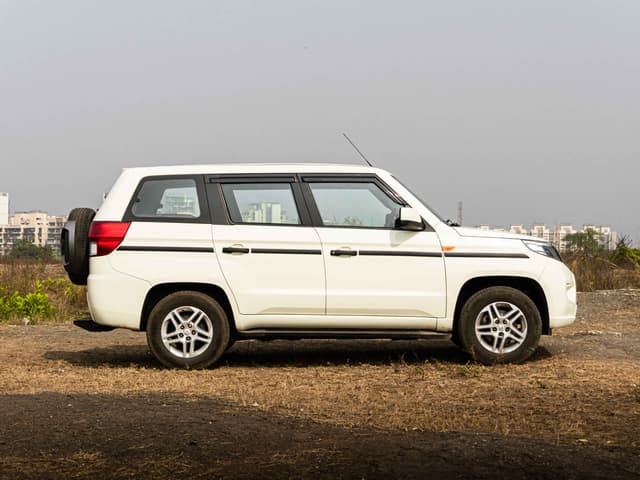
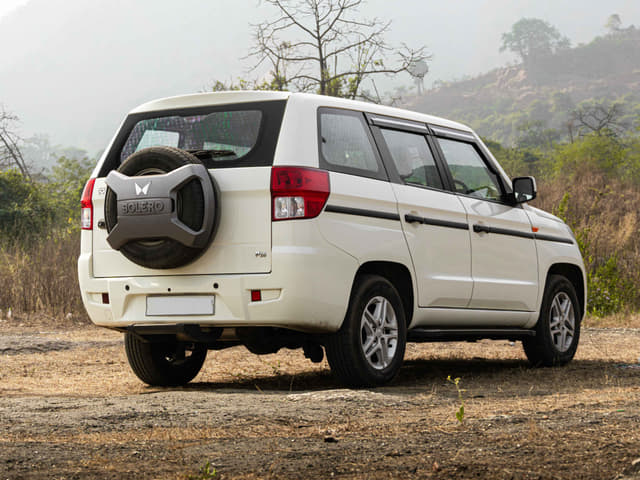
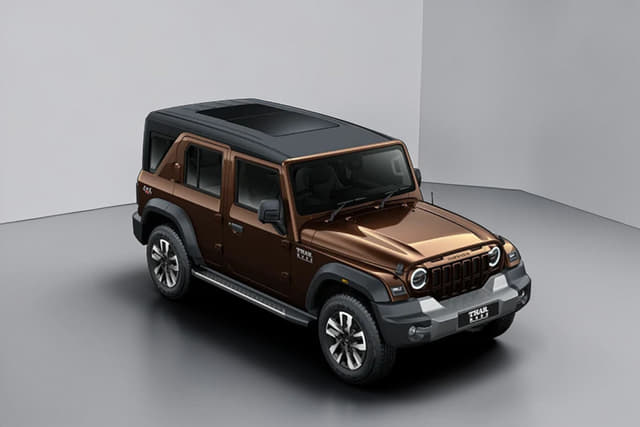
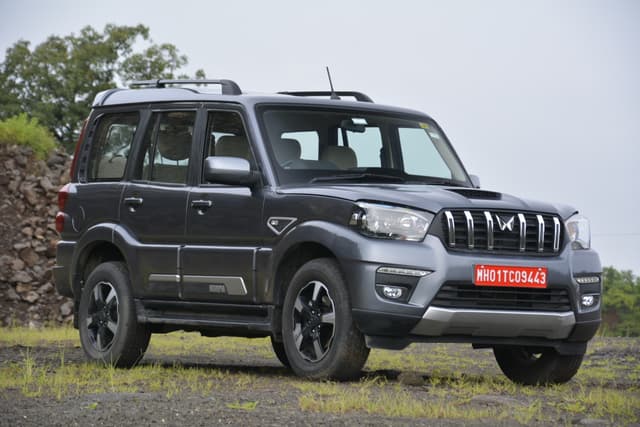
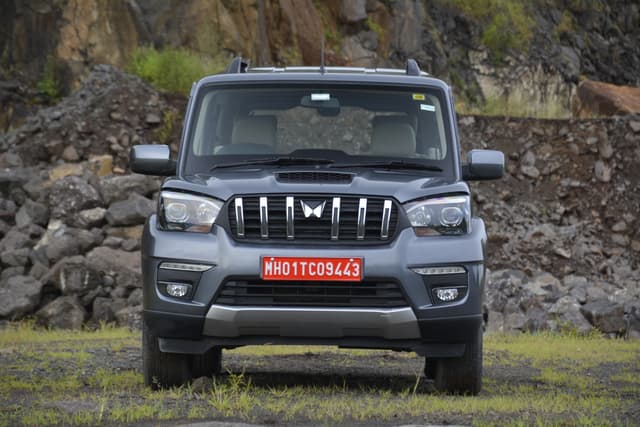
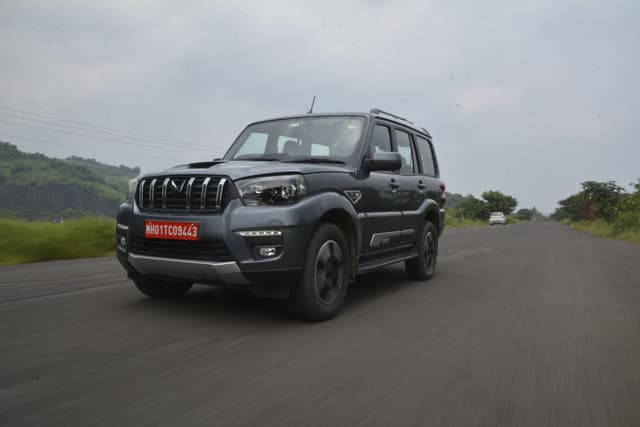
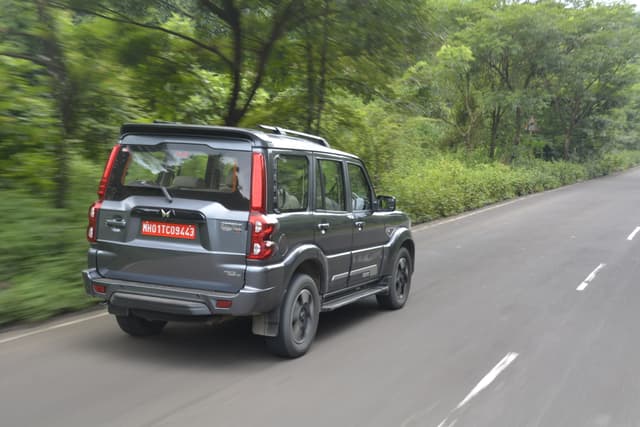
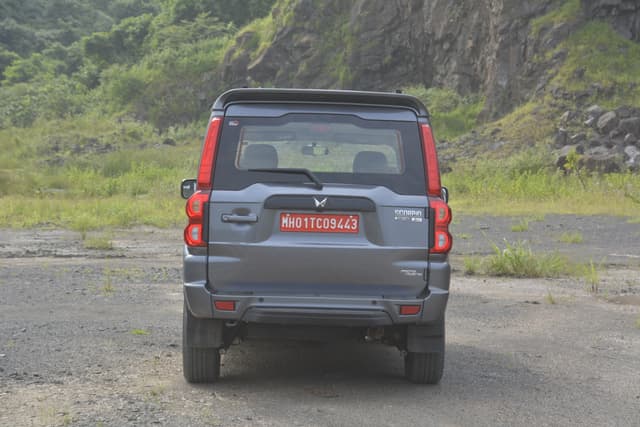
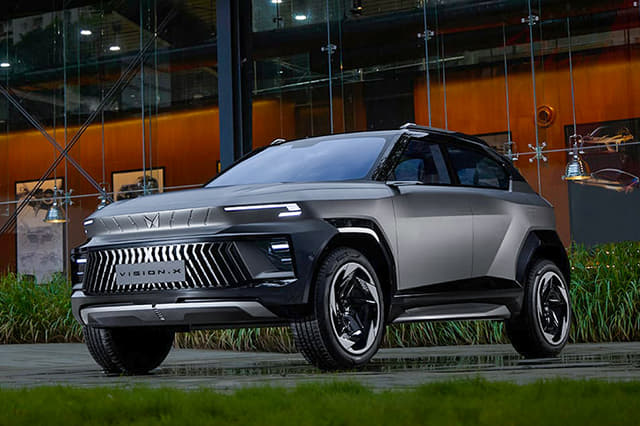
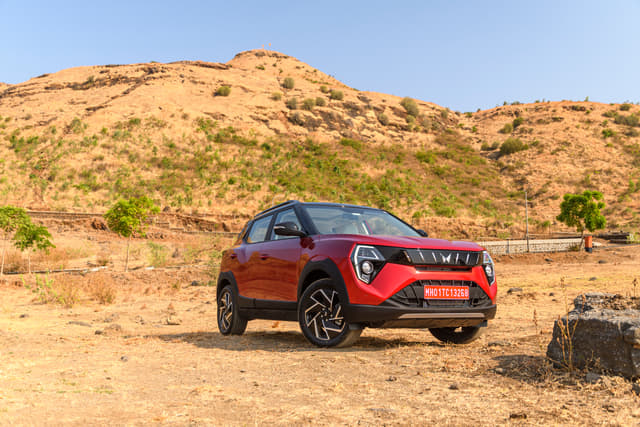
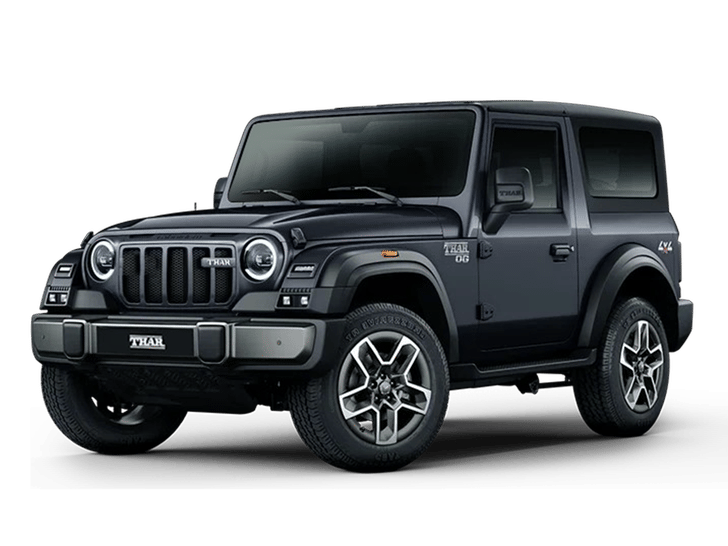
Before expanding into automotive manufacturing in 1947, Mahindra operated as a steel trading business. The company started importing and assembling completely knocked-down (CKD) kits of the legendary Willys CJ3A Jeep. With time, it built its reputation as India's most recognized SUV brand. Currently, Mahindra has 14 SUVs on sale in India in petrol, diesel, and electric options. Among its lineup, the Scorpio range is officially recognized as the highest-selling and most popular Mahindra car in India.
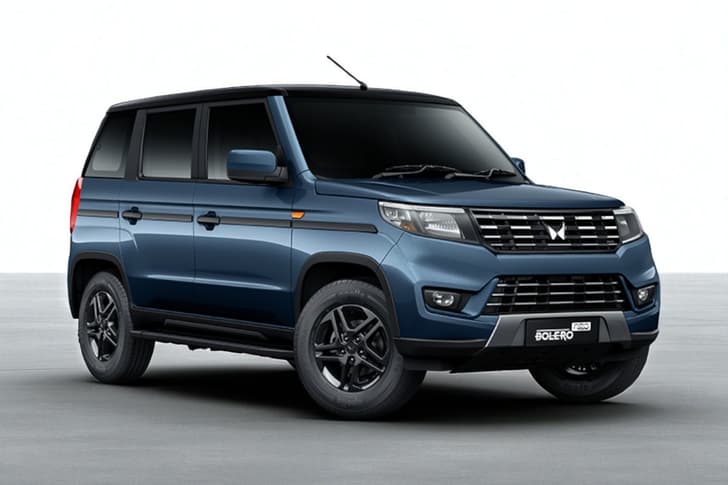
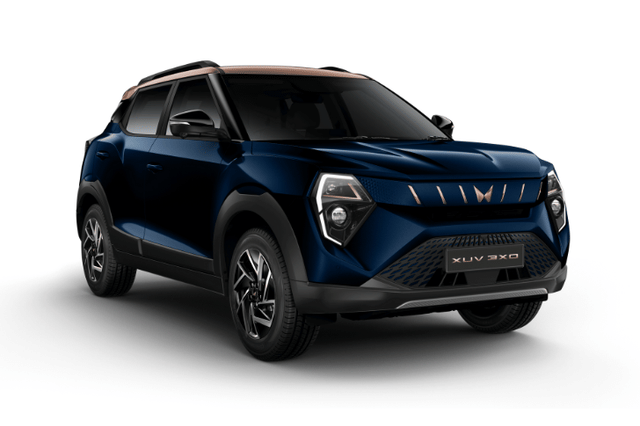
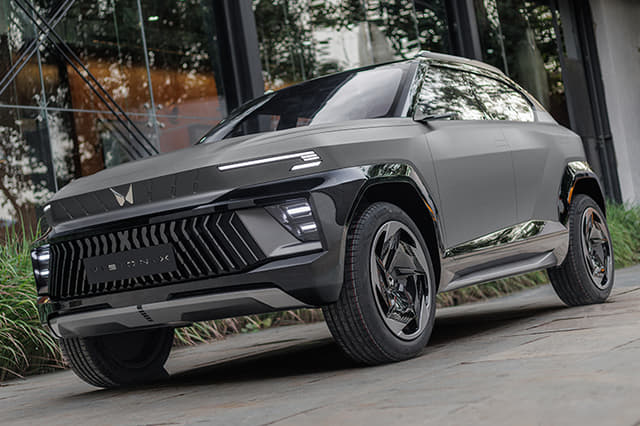
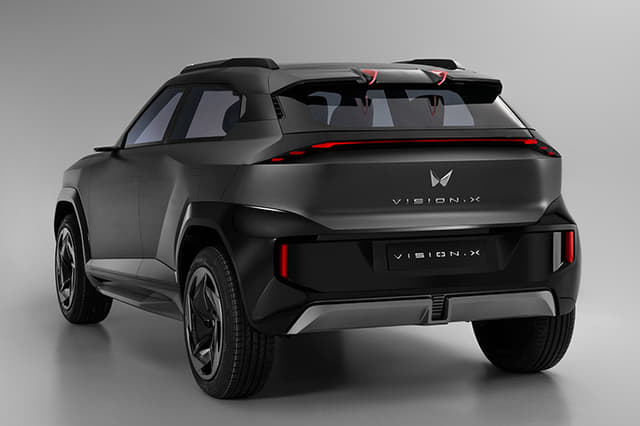
Currently, there are 18 Mahindra cars in India, with 14 on sale and 4 upcoming models. The Mahindra lineup includes 17 SUVs, with no sedans, hatchbacks, MPVs, or convertibles. The Mahindra car price starts at Rs 7.54 lakh and goes up to Rs 30.50 lakh (ex-showroom).
Mahindra Cars in India - Latest Updates (July 2026)
- 5 May 2026: Mahindra has confirmed 16 launches by 2031, which will have 10 ICE-powered models and six EVs.
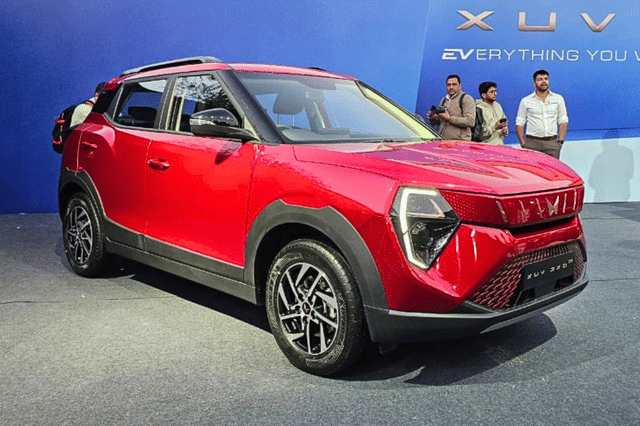
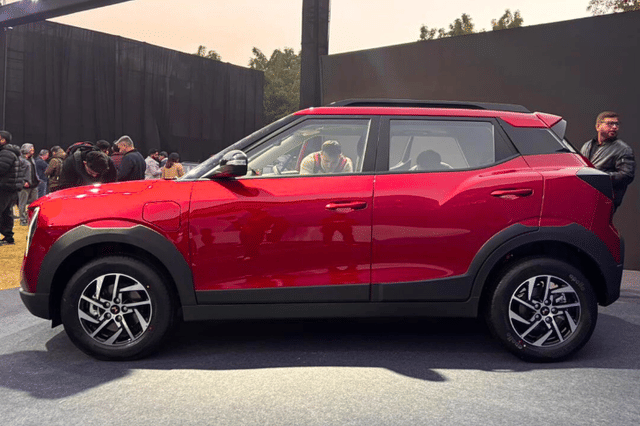
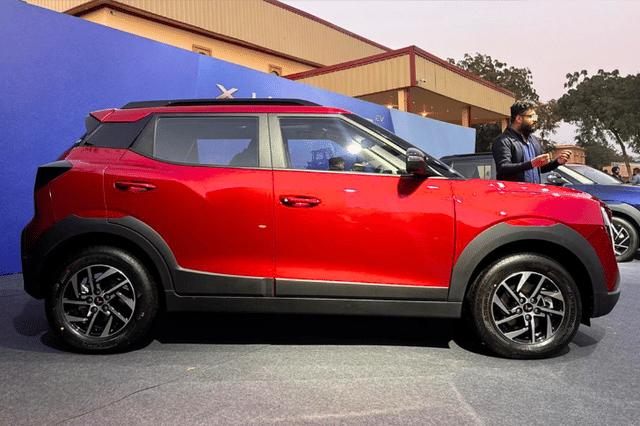
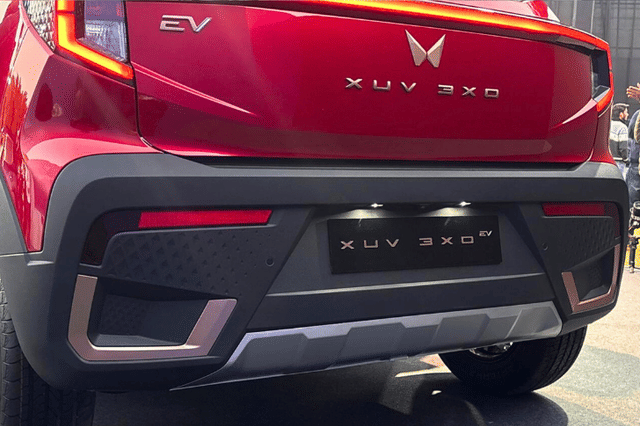
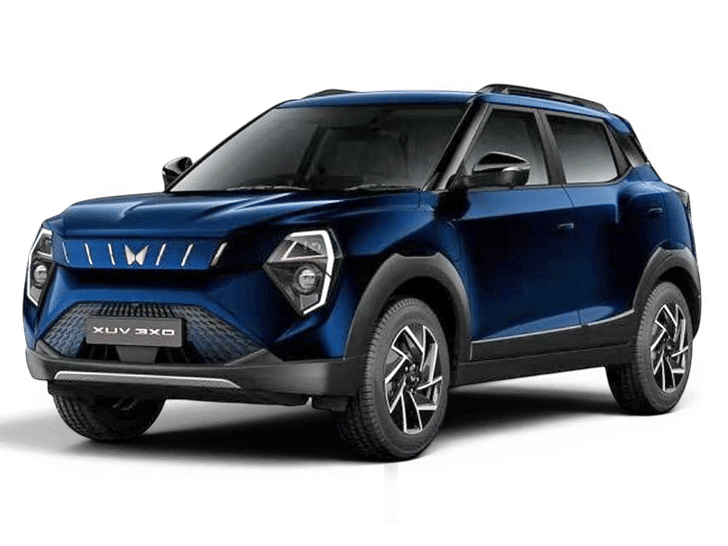
- 6 January 2026: Mahindra launched XUV 3XO EV at Rs 13.89 lakh.
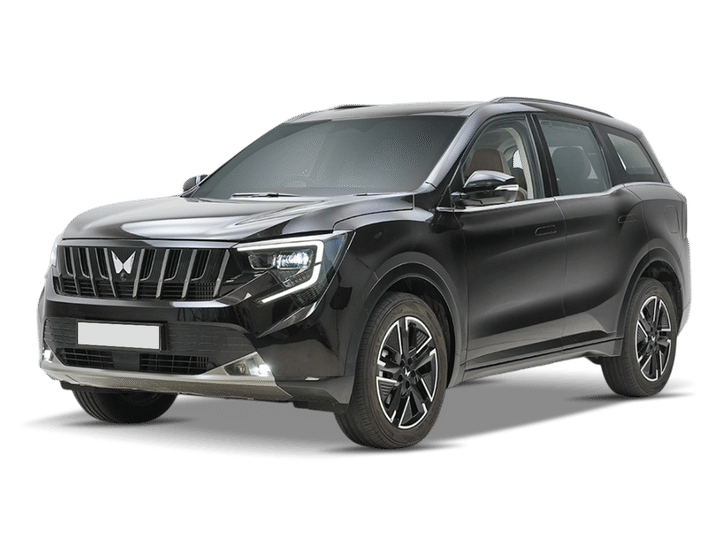
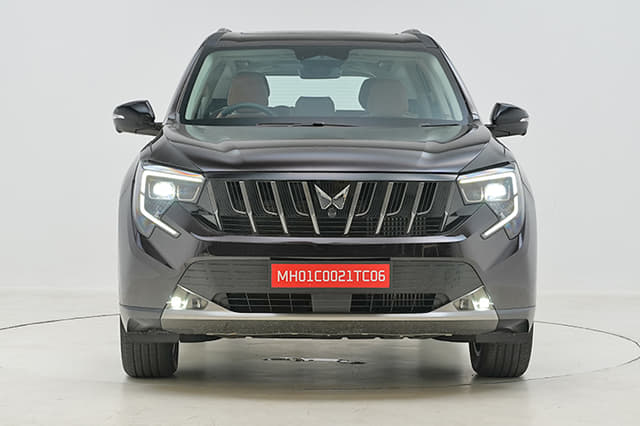
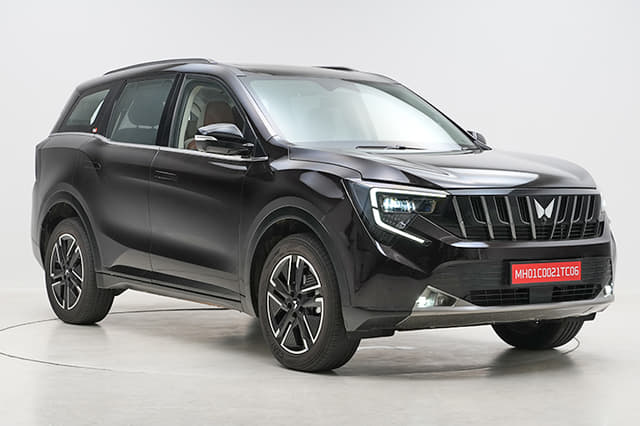
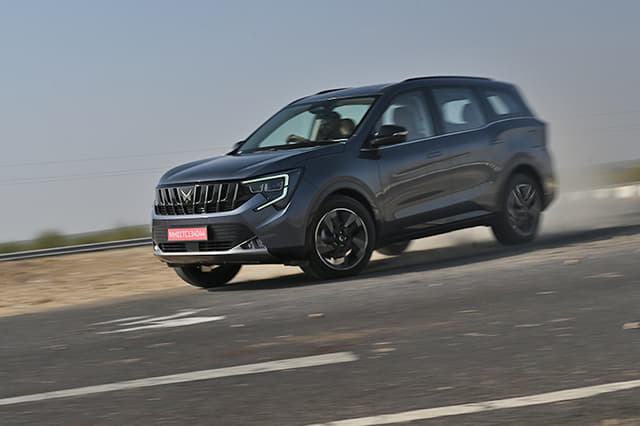
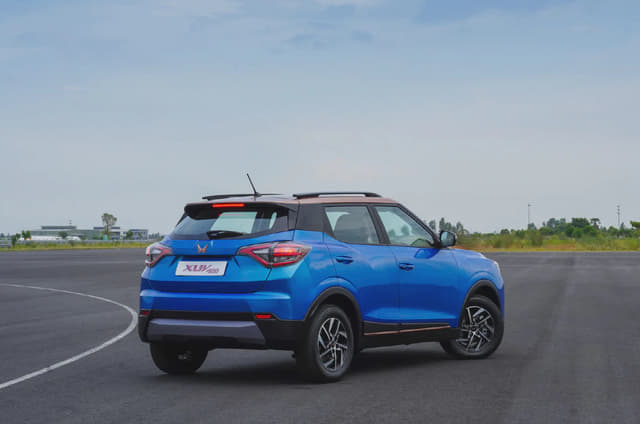
- 6 January 2026: The new Mahindra XUV 7XO, a facelifted XUV700, starts at Rs 13.66 lakh (ex-showroom, Delhi).


Filter your search
Filter your search
Find cars by fuel type
FAQs
The Mahindra car price starts at ₹7.37 lakh for the XUV 3XO and goes up to ₹30.50 lakh for the XEV 9e (ex-showroom).
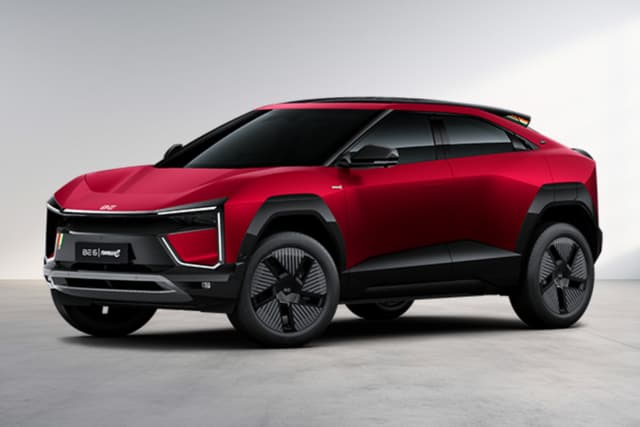
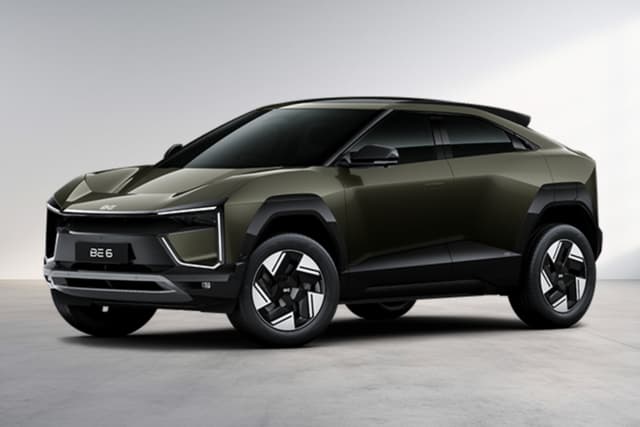
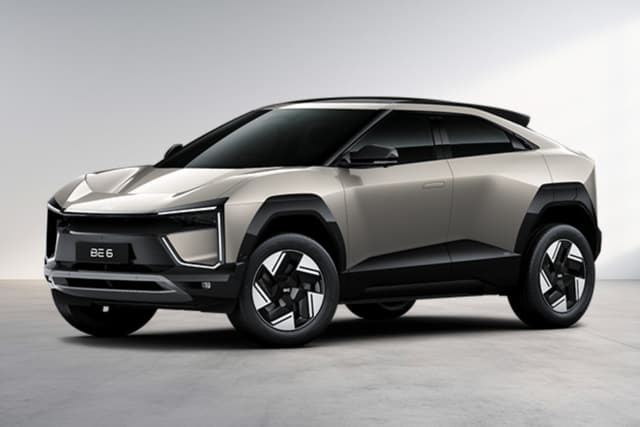
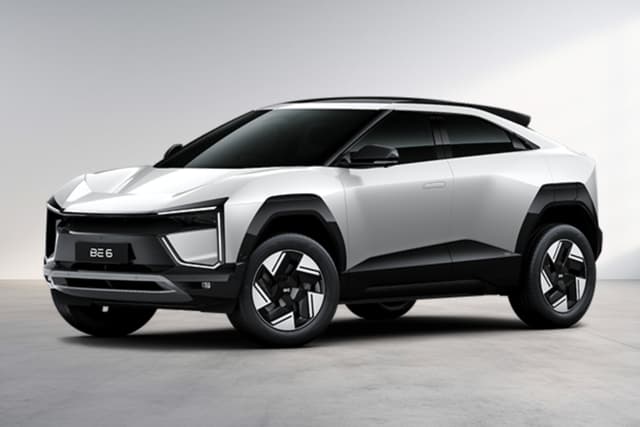
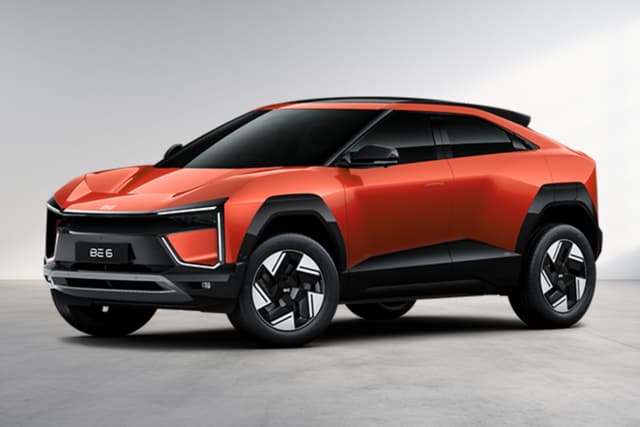
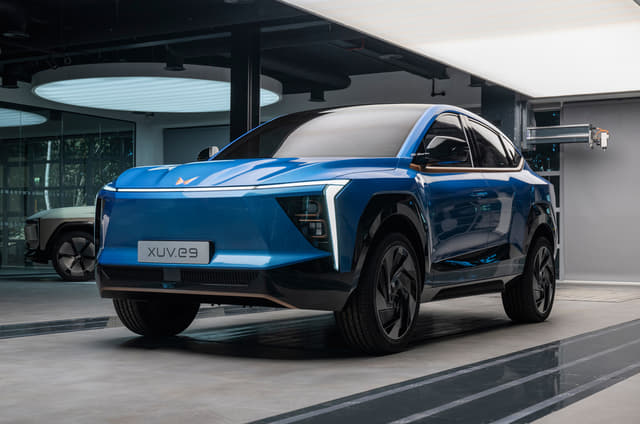
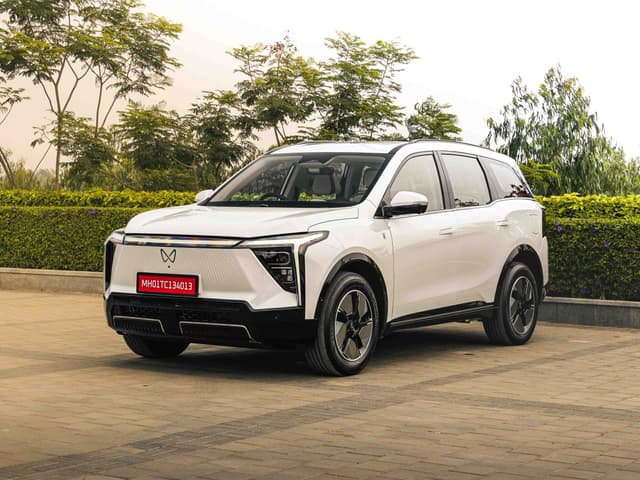
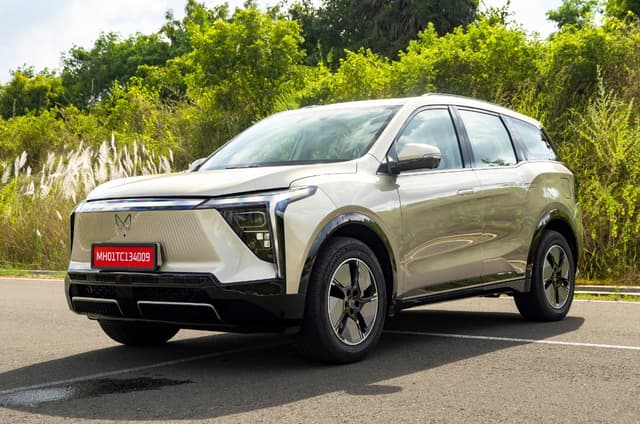
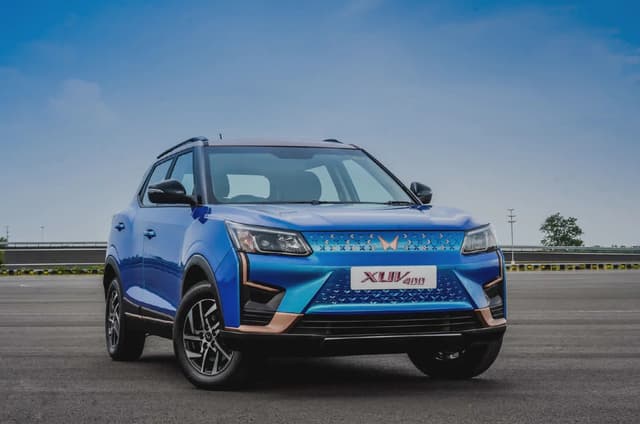
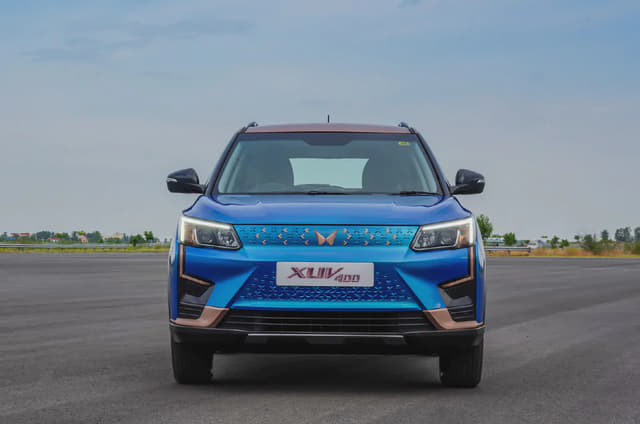
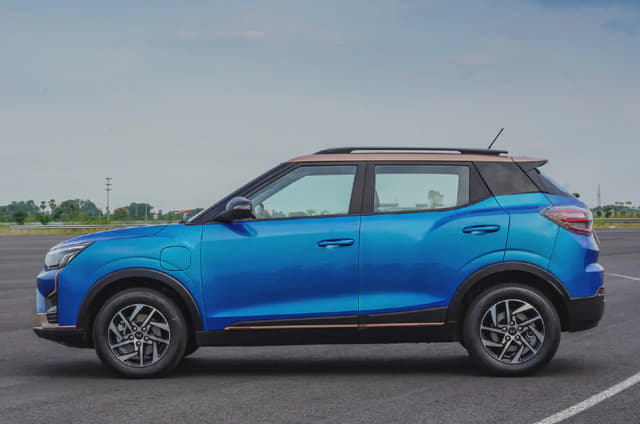
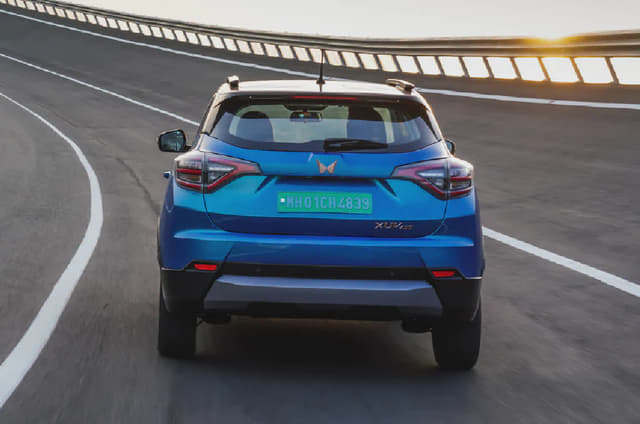
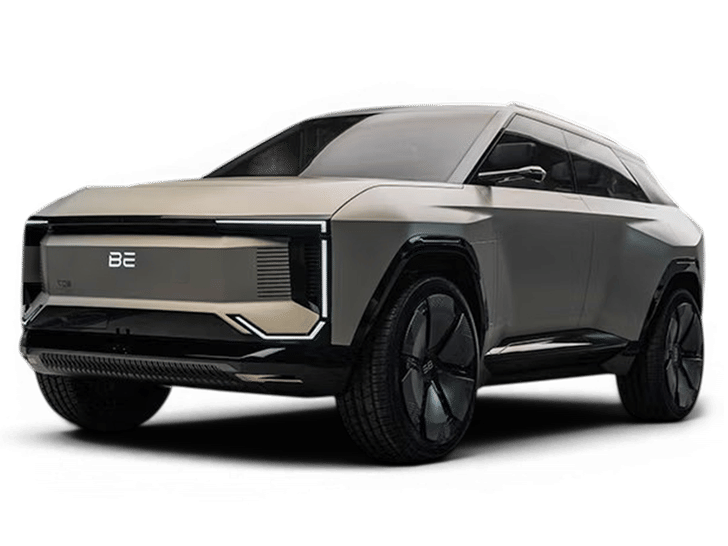
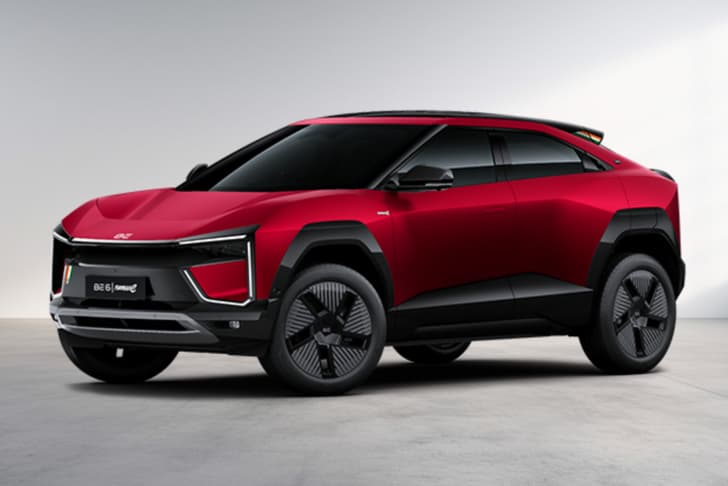
The Mahindra electric car range includes 5 models: XUV400, BE 6, XEV 9S, XEV 9e, and XUV 3XO EV.
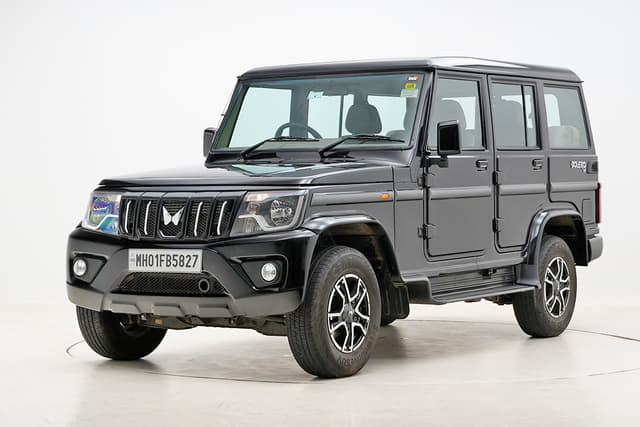
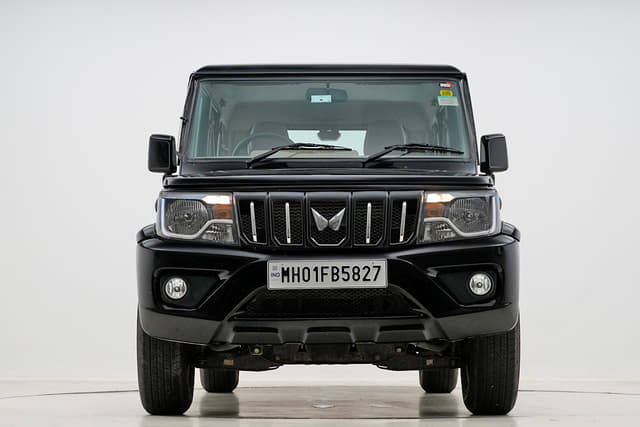
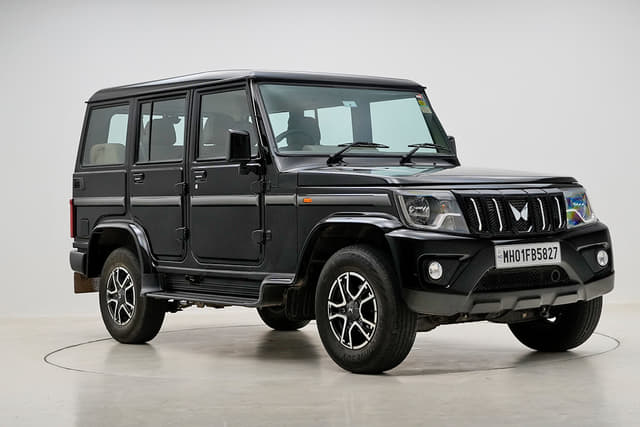
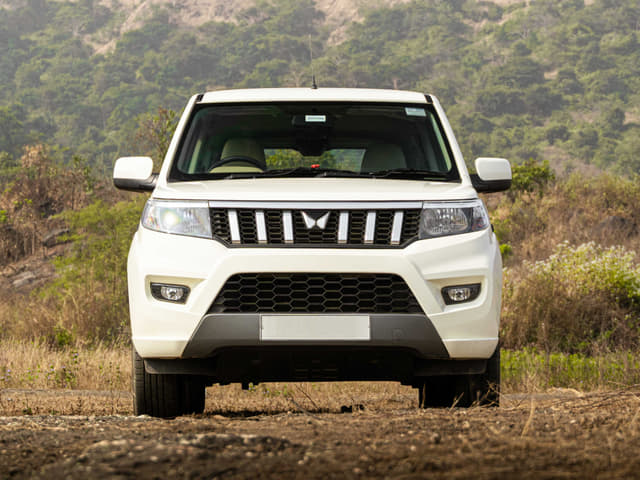
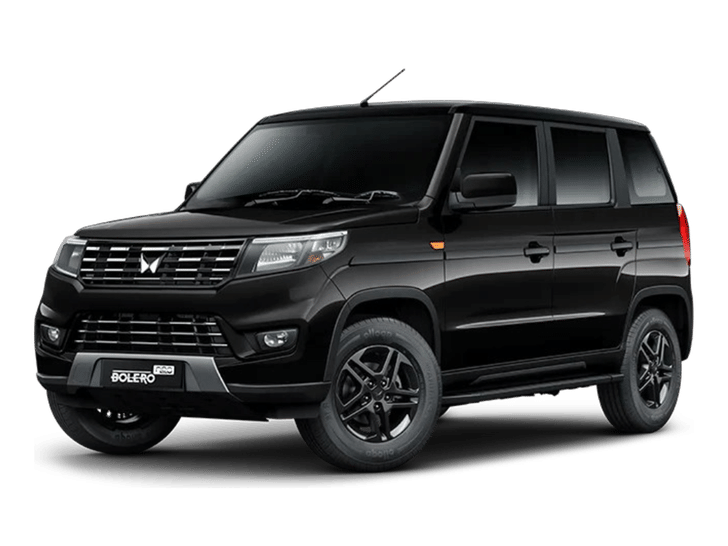
There are seven Mahindra 7 seater cars available for sale in India: Scorpio N, XEV 9S, XUV 7XO, Scorpio Classic, Bolero Neo, Bolero, and XUV700.
The Mahindra SUV car price in India starts at ₹7.28 lakh for the XUV 3XO and goes up to ₹30.50 lakh for the XEV 9e (ex-showroom).
Currently, there is no Mahindra CNG car on sale in India.
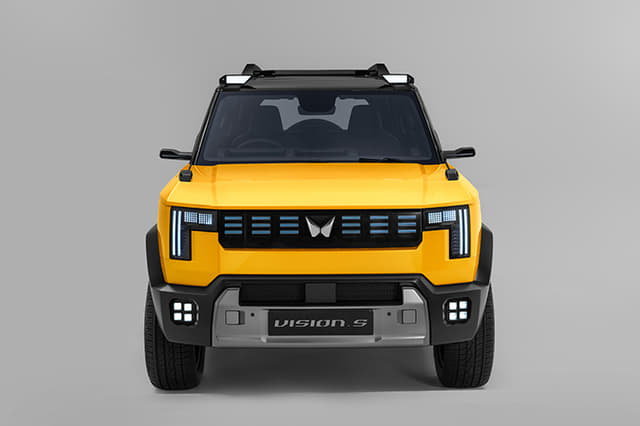
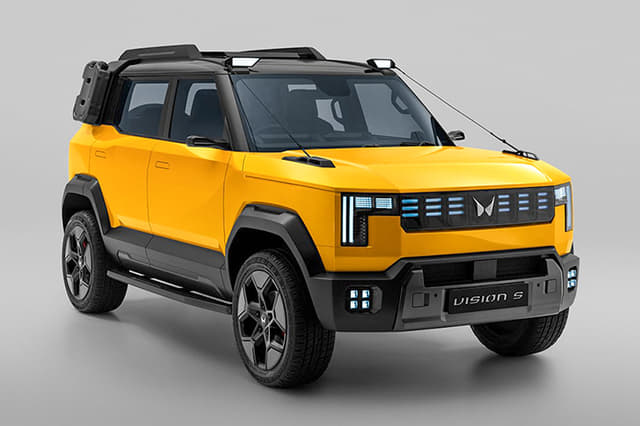
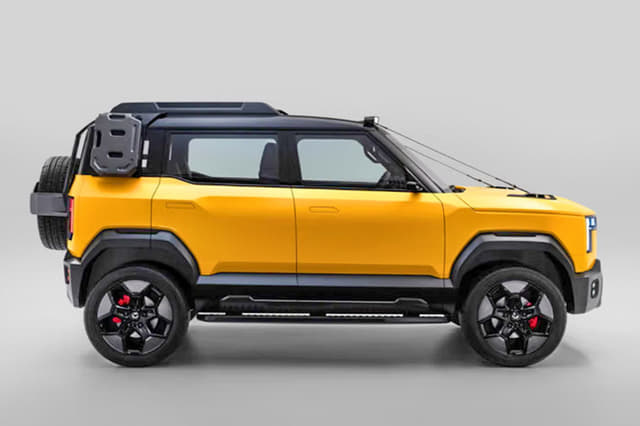
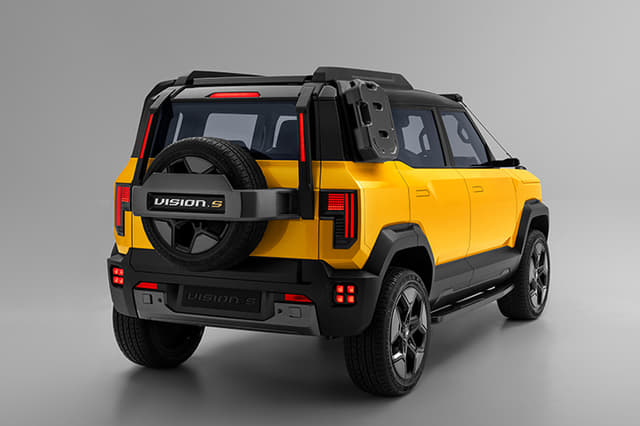
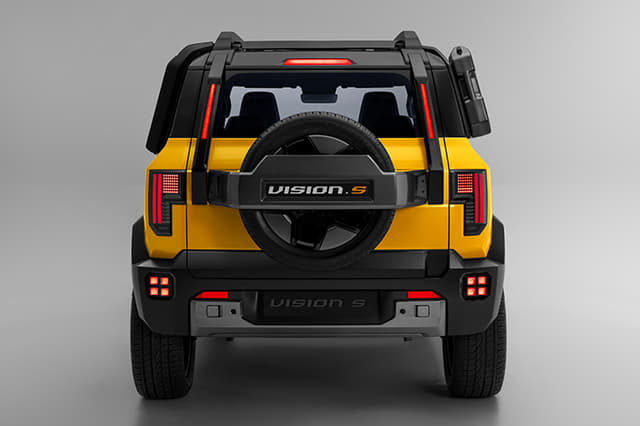
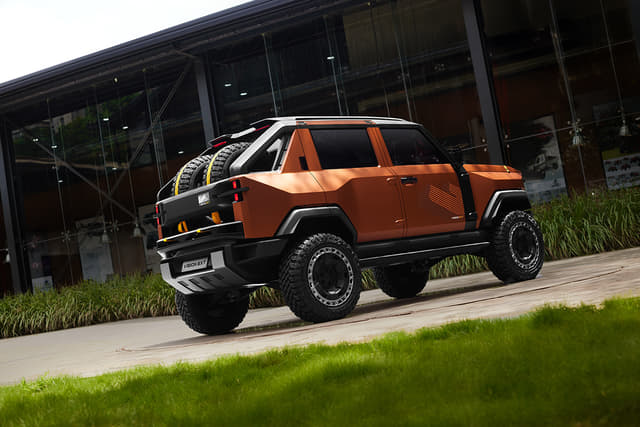
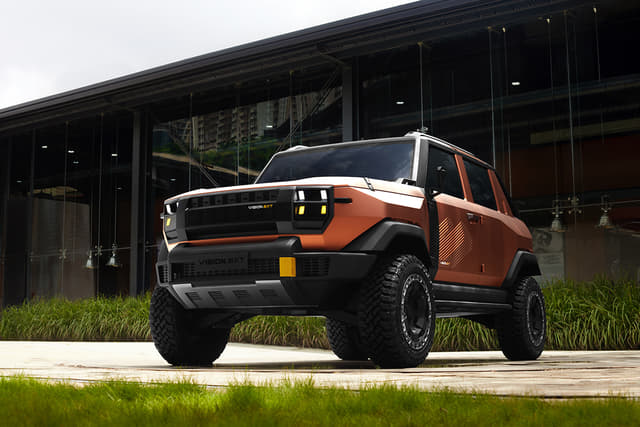
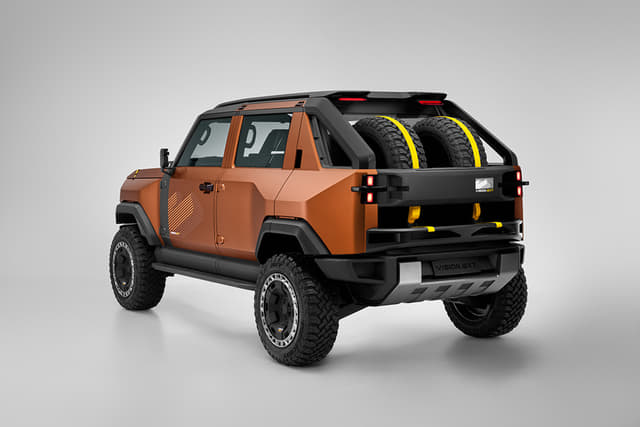
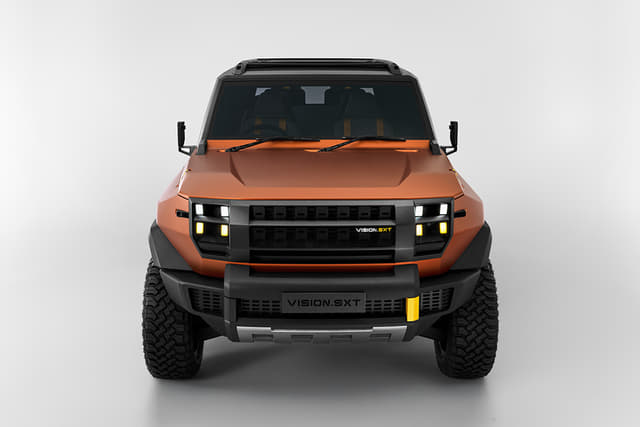
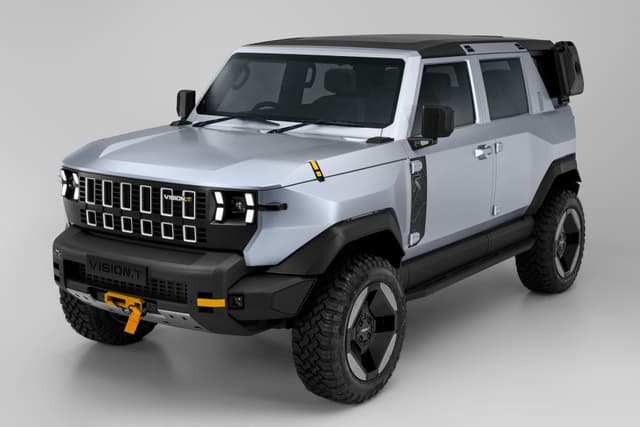
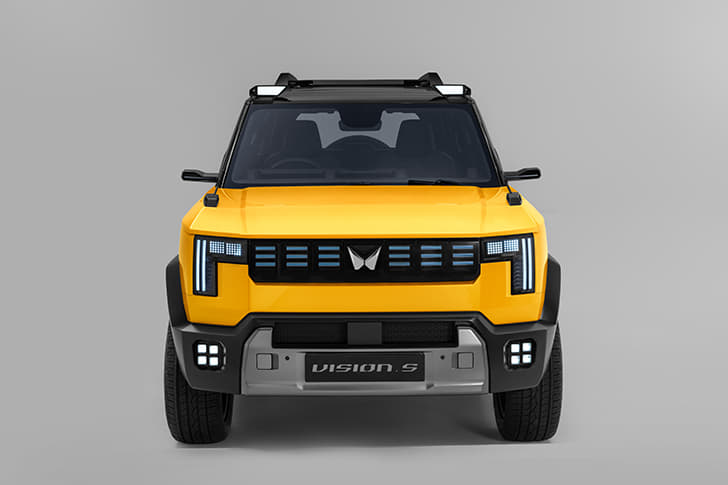
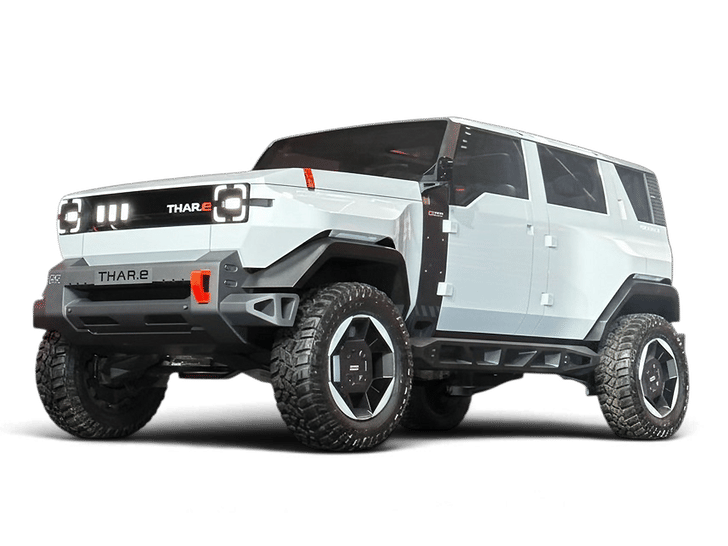
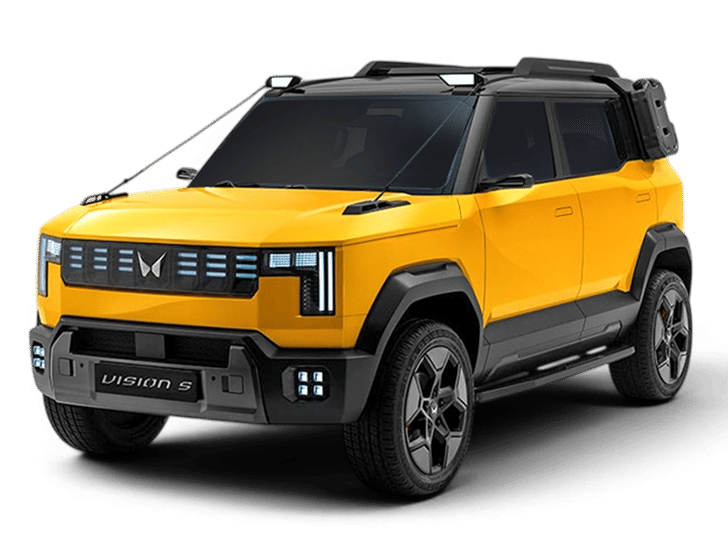
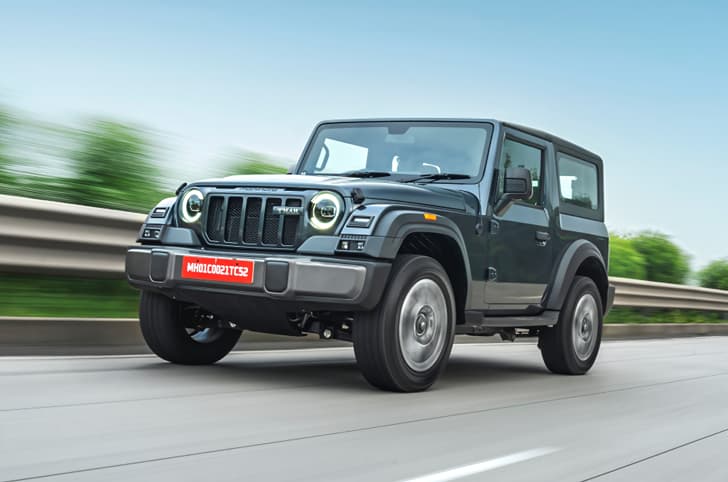
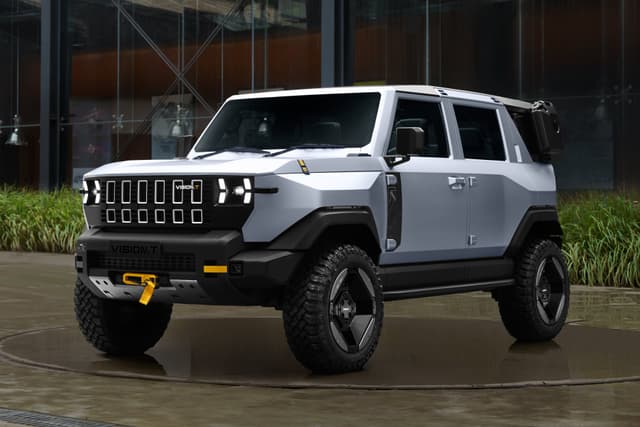
Yes. Mahindra offers 5 models with variants priced under ₹10 lakh: Thar, Bolero Neo+, Bolero, XUV 3XO, and the upcoming Mahindra Vision S. Vision S is expected to start at ₹7.50 lakh (ex-showroom).
The Mahindra top model car in terms of pricing is the XEV 9e, with prices going up to ₹30.50 lakh (ex-showroom).
Mahindra 5 seater car choices include the XEV 9e, BE 6, Thar Roxx, XUV 3XO, XUV400, and XUV 3XO EV.
Yes, 9 out of 16 Mahindra cars that are available for sale come with an automatic transmission option. These cars are - XEV 9e, BE 6, XEV 9S, Scorpio N, Thar, Thar Roxx, XUV700, XUV 3XO, and XUV400.
The Mahindra car on road price varies by city, starting at around ₹8.28 lakh in Delhi for the XUV 3XO and going up to about ₹32.33 lakh for the XEV 9e in major metros.
No. Currently, there is no Mahindra car under 5 lakh in India.
No, Mahindra does not sell a car under 8 lakh. The entry point starts at ₹7.28 lakh for the XUV 3XO, but the on-road cost is higher.
The Mahindra diesel car lineup includes the Scorpio N, Thar, Bolero Neo+, Thar Roxx, Bolero Neo, Bolero, Scorpio Classic, XUV 7XO, XUV700, and XUV 3XO.
Buyers looking for Mahindra cars with a sunroof can consider models such as the XEV 9e, BE 6, Scorpio N, Thar Roxx, XUV700, XUV 3XO, and XUV400. Availability of the sunroof depends on the variant chosen.
Trending Questions on Mahindra Cars - Answered by Autocar Experts
I currently own a 2023 Tata Nexon Petrol, and my annual running is around 6,000-7,000 km. Most of the time, the car remains parked at home, and I usually start it once a week and let it idle for 5-10 minutes. I am now planning to buy a 7-seater family car. I live in a hilly region, and my budget is around Rs. 25 lakh. Given my relatively low annual running, should I opt for a hybrid or a conventional ICE (petrol/diesel) vehicle? Also, which 7-seater would you recommend for my requirements?
With a car under Rs 25 lakh and low annual running costs, the Mahindra XUV 7XO AX7 petrol automatic is the most sensible recommendation. The petrol engine is well suited to hill driving thanks to its punchy character, which makes steep climbs and overtaking much easier. The XUV 7XO also offers a genuinely usable third row, good ride comfort and a robust build, making it a very practical family car. With your running of 6-7,000 km a year, a hybrid or a diesel does not make financial sense, and the petrol will be much more straightforward to maintain as well. The Tata Safari is also worth considering if you prefer a more premium cabin and a slightly softer ride, but the XUV 7XO is the more complete package overall.
Hello Autocar, I am from Ahmedabad and planning to buy a new car with a budget of Rs. 14 lakh on-road. It will be self-driven, with around 45 km of city driving per week and two highway trips of about 600 km each every year. I specifically want a torque converter (TC) gearbox and do not want a sunroof. I am also confused about whether I should choose a petrol, CNG, or diesel car. One additional point is that I will be purchasing the vehicle in my company's name to avail depreciation benefits. Which car and fuel type would you recommend for my requirements?
Go for a petrol automatic with a torque converter gearbox. Your usage pattern is a mix of short city runs and occasional long highway trips, and at 45 km on weekends plus two 600 km trips, your annual running is not high enough to justify the higher upfront cost and maintenance of a diesel. CNG is also not ideal here, as it compromises boot space and convenience on long highway journeys.Within your Rs 14 lakh on-road budget, the Mahindra XUV 3XO petrol automatic is the best fit. It uses a proper torque converter automatic, which is smooth and reliable in city traffic, and the car itself is well-suited to highway driving with good stability and a strong safety rating. This Mahindra car is also available without a sunroof, which keeps the price in check and aligns with your preference. Fuel efficiency is not its strong point, but with your low running, this should not be a big impact. The XUV 3XO petrol automatic thus strikes a good balance between running costs, comfort and long-term ownership.
I want to buy an automatic SUV. I have a budget of Rs. 13 lakh. My monthly running is less than 1,500 km.
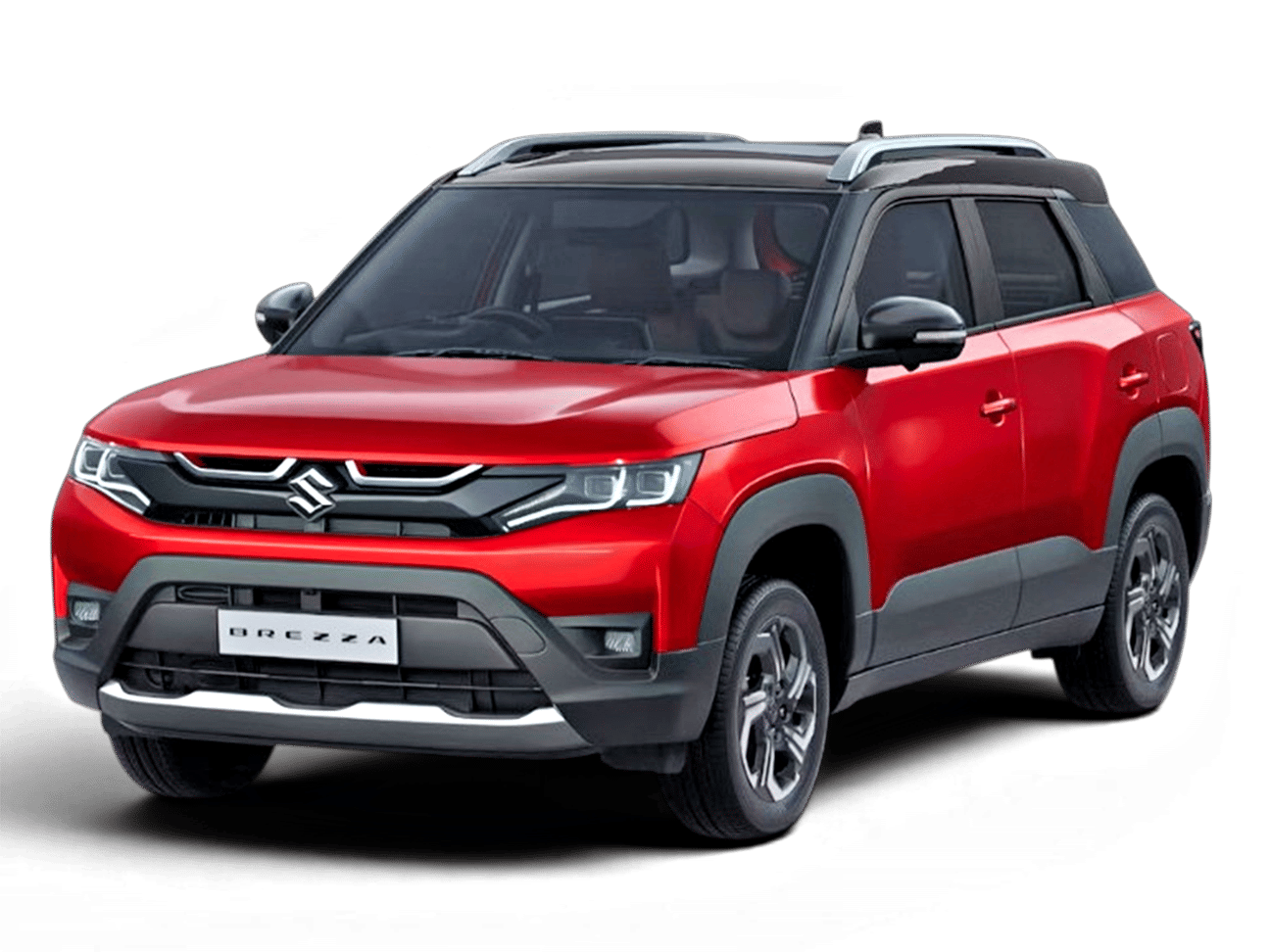
With a budget of Rs. 13 lakh and running of less than 1,500 km a month, the Mahindra XUV 3XO MPFi petrol automatic is the best fit. It is one of the most spacious compact SUVs in the segment, with a wide rear seat that makes it a genuinely comfortable five-seater. The turbo petrol engine is punchy and the torque converter automatic is smooth and well suited to city driving. It is also a very well equipped car for the money, with a strong safety package and a good ownership proposition. The only real drawback is the boot, which is on the smaller side for the segment, but for most family use it is still adequate. If you want something with a larger boot, the Maruti Suzuki Brezza automatic is the alternative. It is not as powerful or as feature-rich as the 3XO, but it is a very reliable, low-maintenance car with a bigger boot and a strong ownership track record. If you want something that's more engaging to drive, consider the Skoda Kylaq automatic. Overall, the 3XO offers the best balance of space, performance, features and value at this price point.
I am a first-time car buyer looking for an automatic car with a budget of Rs. 12 lakh, which I can stretch to Rs. 14 lakh if needed. My usage will be mainly in the city, along with one weekend trip every month to nearby hill stations like Lonavala or Mahabaleshwar. My annual running will be under 8,000 km, and we are a family of five. The car will not be used daily. Which car would you recommend? Also, which type of automatic transmission (CVT, torque converter, DCT, or AMT) would be the best choice for my usage?
For your usage, the Maruti Suzuki Brezza automatic is the most sensible recommendation. Your annual running is low, so a petrol automatic makes the most financial sense, and the Brezza’s 6-speed torque converter automatic is one of the smoothest and most reliable gearboxes in this price range. It is well suited to city driving and will handle your occasional hill station trips without any fuss. This Maruti Suzuki car is also a genuinely comfortable 5-seater with a good ride quality, and Maruti’s service network and low maintenance costs make it an easy car to own long term.If you want something a bit more premium feeling, the Mahindra XUV 3XO automatic is worth considering. It is more feature-rich and feels more modern inside, but the Brezza is the more dependable choice for a first-time buyer. On automatic transmissions, torque converter automatics like those in the Brezza and 3XO are the best fit for your usage. They are smooth, reliable and well suited to city driving. CVTs are also smooth, but there aren't many offered in this price range, while dual-clutch automatics are better suited to performance-oriented driving and can be more expensive to maintain.Overall, the Brezza automatic is the car that will give you the least hassle and the most peace of mind over the next 5-10 years.
I currently own a 2021 Hyundai Creta Diesel, which has covered nearly 2 lakh km without any major issues. I am now planning to buy a new diesel car/SUV with a budget of around Rs. 18 lakh (ex-showroom). My usage is primarily long-distance highway driving. I have shortlisted the Mahindra XUV 7XO, Tata Sierra, Tata Harrier, Kia Seltos, and Hyundai Creta. Considering the current market and long-term ownership, which one would you recommend?
For your usage, the Mahindra XUV 7XO diesel is the best fit. You are doing very high mileage with long highway runs, so diesel efficiency and strong performance are the priorities. This Mahindra car is one of the most refined and powerful diesel SUVs in this price range, and it is also a very comfortable long-distance car with a spacious cabin - including a third row of seats - and a strong feature set. The Tata Harrier is also a good highway car with a strong diesel engine and a comfortable ride, but the 7XO is a more refined and better-rounded package overall. However, both these are in a higher segment, which means your budget will only get you a low- to mid-range variant. In the segment below, the Tata Sierra diesel is a newer product and looks very promising, but its diesel engine doesn't feel particularly strong considering its size and weight. The Hyundai Creta is just a facelifted version of your current car and hence won't feel as new, while the Seltos, though new and larger, uses the same engine as your Creta, and like the Sierra, doesn't feel as powerful given the SUV's size. Overall, the 7XO feels like the more premium and more complete product for your usage, but if you're not happy with the features on offer in your budget, try the Seltos instead.
I am confused between the Tata Harrier and XUV 7XO. My yearly running is around 6,000- 7,000 km. I am also confused between the petrol and diesel versions of each model. My budget is Rs 25-30 lakh, plus or minus. My main concerns are service, reliability and maintenance costs. Will the price difference between petrol and diesel offset my yearly running costs?
With a yearly running of 6000-7,000 km, diesel does not make financial sense. The price premium for the diesel engine will take too long to recover at your usage, and modern petrol engines are efficient enough for this kind of running. Between the Tata Harrier and XUV 7XO, the Mahindra car is the one we recommend. It offers a more refined ownership experience, a more polished cabin and a better overall balance between comfort and driving dynamics. Mahindra’s service network is also strong, and the 7XO has a good track record of reliability.The Tata Harrier is a very capable SUV with excellent ride comfort, but Tata’s service consistency can still be variable depending on location. Go for the XUV 7XO petrol automatic. It will be the most sensible and satisfying long-term ownership choice for your usage and budget.
I need an SUV for my weekend drives. I travel around 450 km two-way, about five times a month. The route is almost entirely on highways, with very little traffic and only occasional city driving. My total budget is 12 lakh. Which SUV would you recommend?
With a Rs 12 lakh budget and your usage pattern of frequent 450km highway runs, the Mahindra XUV 3XO diesel is the best fit. The diesel engine is the key here - it offers strong mid-range performance for effortless overtaking and excellent fuel efficiency on long highway drives, which will make a meaningful difference given your high monthly running. This Mahindra car is also one of the most spacious compact SUVs in the segment, with a wide cabin that makes it a genuinely comfortable five-seater for long journeys. It is also a safe car, having scored a 5-star Bharat NCAP rating, and it offers good ride comfort on highways. The only real drawback is the boot, which is on the smaller side for the segment, but for your usage - mostly highway driving with occasional city use - the diesel engine and overall package make it the most sensible choice.
I am planning to purchase an SUV. My budget is around Rs. 15-17 lakh. I drove the Venue petrol manual, but I felt it was underpowered. I currently drive a Polo diesel. I am willing to buy a diesel vehicle again, but my daily drive is a maximum of 20 km. If the vehicle has good power and punch, I don't mind buying a petrol either. My preferences are a feature-rich vehicle, good mileage, and safety. I want a no-nonsense vehicle as I am planning to keep it for a long time. Please suggest some options.
Given your budget of Rs. 15-17 lakh and your preferences for a feature-rich, safe and no-nonsense SUV that you plan to keep for a long time, the Mahindra XUV 3XO petrol is the most sensible recommendation. Our pick would be the 3XO with the MPFi petrol engine which has a genuinely peppy engine and performance that would feel lively enough in your short 20 km city drive. If you want more performance then consider the turbo direct injection engine, though mileage will be lower. The 3XO is a feature-rich car in the segment, with a strong safety package and a wide cabin that makes it a genuinely comfortable five-seater. The Skoda Kylaq 1.0 TSI is another good alternative. The 1.0 TSI engine is genuinely punchy and fun to drive, and the Kylaq is one of the most engaging cars in the segment. It is also a no-nonsense car with a strong safety package.
Hi Autocar, I am currently using a 2019 Mahindra XUV300 diesel, and I have driven 2,50,000km so far. We are now planning to buy an EV. My daily usage would be around 100km (if I use city roads), 200km (if highway). We also go on a 3,000km road trip across South India every quarter, and once every year we drive 6,000- 7,000 km to North India. I am from Hyderabad, and I am considering the Tata Harrier EV, Tata Sierra EV and Mahindra XEV 9S. Please suggest whether an EV will really work for me. If yes, which one should I choose? If not, which car would suit my usage better? Thanks.
Given your usage pattern, an electric car is not the right choice for you. Your daily running of 100- 200 km is well within the comfort zone of modern EVs, but your quarterly 3,000km South India road trips and annual 6,000- 7,000 km North India trips are the deciding factor. While the charging infrastructure has improved significantly, long-distance EV touring in India still requires careful planning, and charging stops can add considerable time to your journey. The Harrier EV, Sierra EV and 9S are all capable EVs, but none of them can match the convenience and flexibility of a diesel SUV on long, cross-country trips.Given your experience with the XUV300 diesel and your high annual mileage, the Mahindra XUV 7XO diesel is the most sensible upgrade. It offers strong performance, excellent highway stability and a proven diesel powertrain that is well-suited to long-distance touring. If you want a more premium and comfortable experience, the Tata Harrier diesel is also a strong contender, with a spacious, refined cabin and a comfortable ride. Both cars will give you the range, flexibility and peace of mind you need for your long road trips, without the compromises of charging infrastructure.
I'm 36 years old and currently own a Kia Seltos petrol automatic. My annual running is around 10,000-11,000 km, with about 20% city driving and 80% long highway trips, typically covering 600-1,000 km in a single journey. I'm now looking to buy a 7-seater SUV and am confused between the Mahindra XUV 7XO diesel automatic and petrol automatic. I'm also wondering if I should consider the Mahindra XEV 9S, given the push towards EVs However, I feel that doing 800km one-way trips in an EV could be difficult, especially since the charging infrastructure still doesn't seem adequate. What would you recommend?
Go for the Mahindra XUV 7XO diesel automatic. Your usage pattern is very clear: 80% highway, long 600-1000 km trips, and around 10,000-11,000 km a year. This is exactly the kind of usage where a diesel engine makes the most sense. Moreover, the diesel engine of this Mahindra car is the superior one in the line-up; it is a strong highway performer and will be significantly more efficient than the petrol on long runs.The XEV 9S is a very capable and practical electric car. It offers good value for money, but as you've pointed out, for your kind of 800 km one-way trips it is simply not practical yet. Charging infrastructure is improving, but it is still not at a point where you can do these kinds of distances without significant planning and downtime. The XUV 7XO diesel automatic is the right tool for the job and will give you the best ownership experience for your usage.
Last Updated on: 22 Jul 2026