Autocar India
Mahindra
Upcoming

Upcoming Mahindra cars in India (4)

As of June 2026, there are 4 upcoming Mahindra cars expected to launch in India. View their estimated prices, expected launch dates and other key details below:

Show more
Can't decide which car to buy?
Ask our experts and get answers to all your cars related queries.

FAQs

As of now, Mahindra has four upcoming Mahindra cars planned for the Indian market. 

The Mahindra Scorpio N Facelift is expected to launch in early 2026 as part of the brand’s upcoming SUV lineup in India.

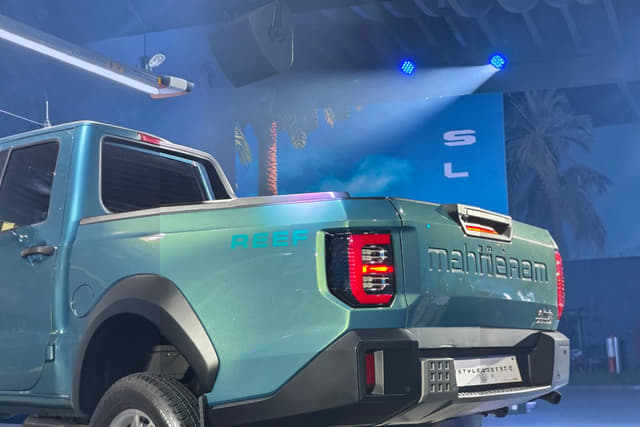
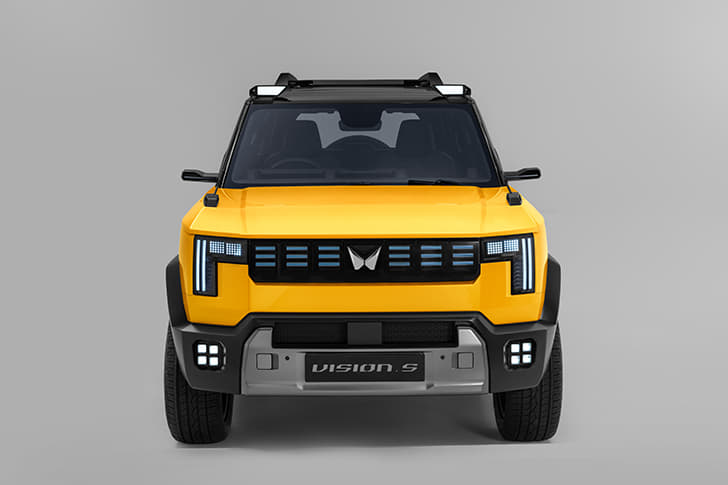
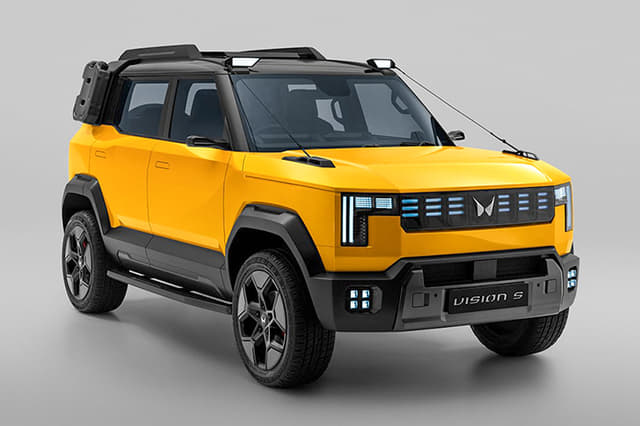
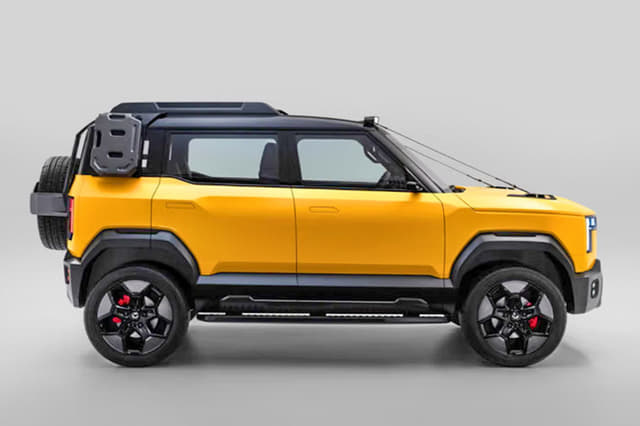
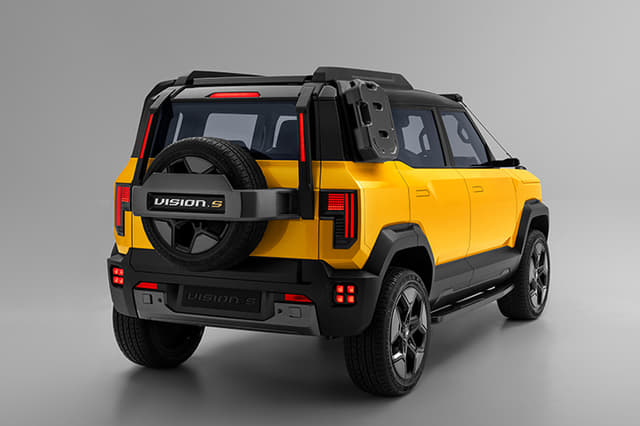
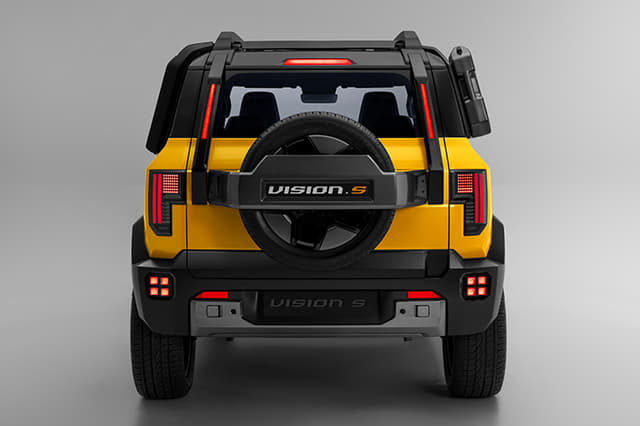
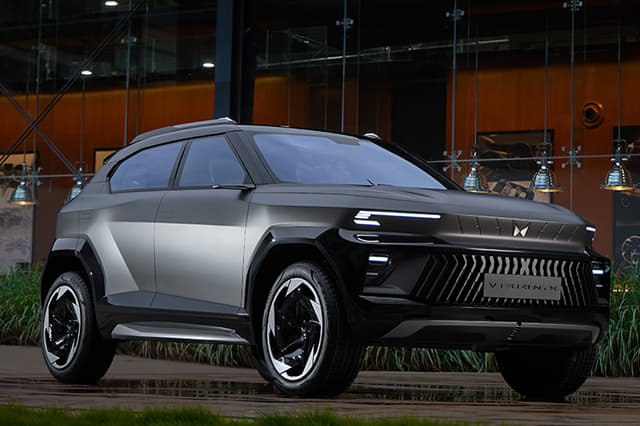
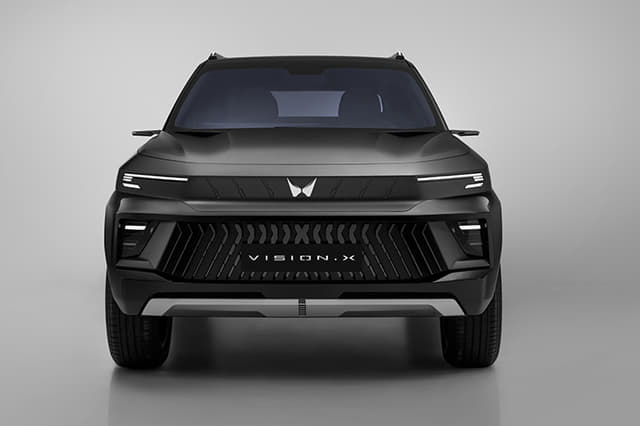
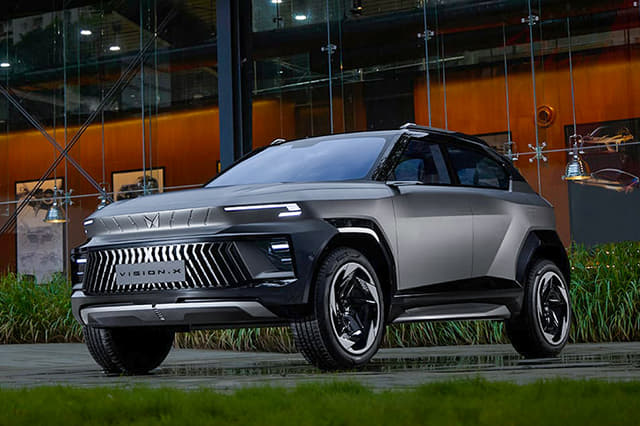
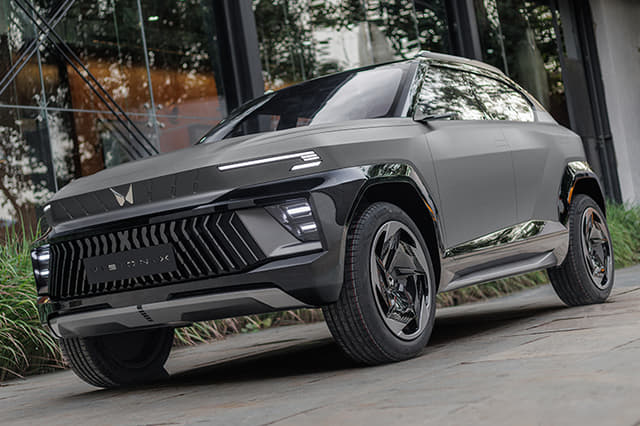
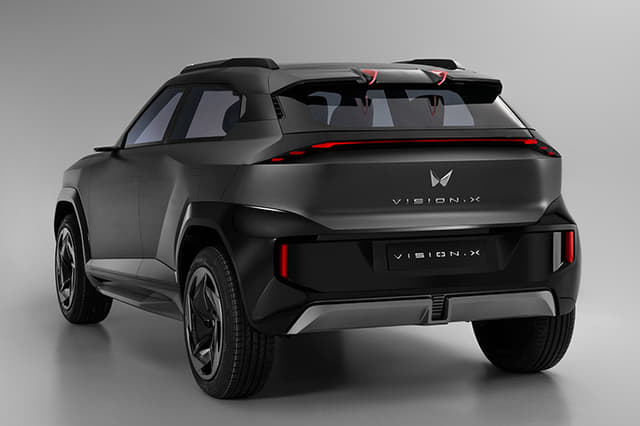
The Vision S and Vision X are concept SUVs revealed by Mahindra. These upcoming Mahindra cars are expected to enter production around 2027.

Among the upcoming Mahindra cars, the Scorpio N Facelift is expected to continue with a diesel powertrain, similar to the current Scorpio N.

Yes, the Mahindra Vision S and Mahindra Vision X are currently planned to be introduced with petrol powertrains when they enter production.

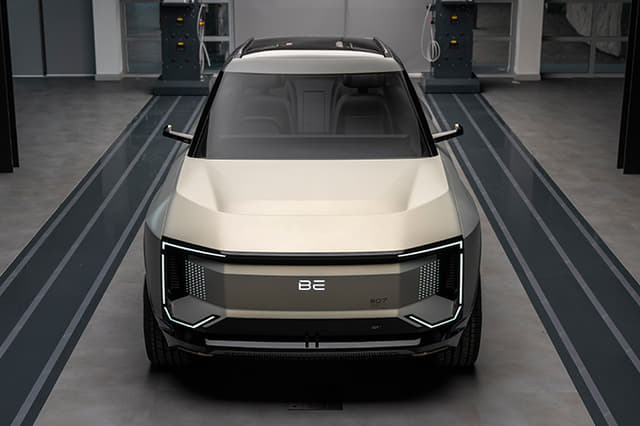
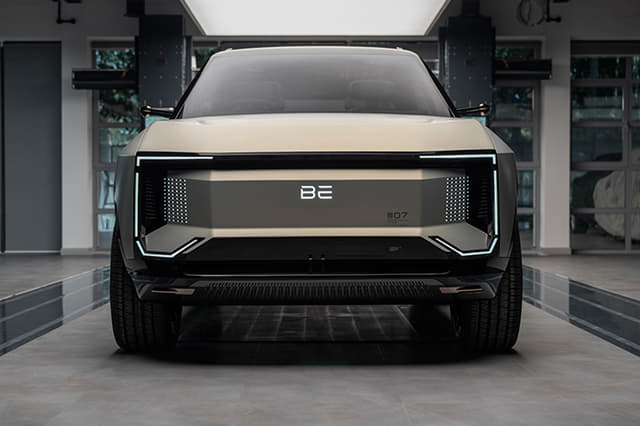
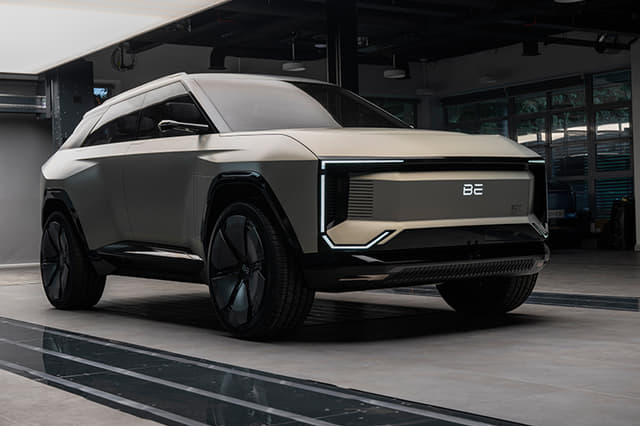
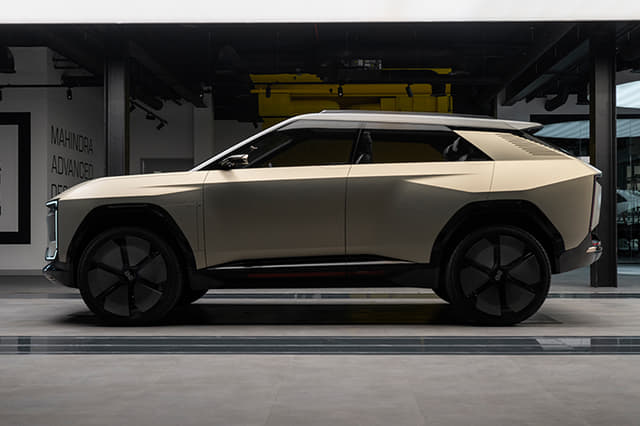
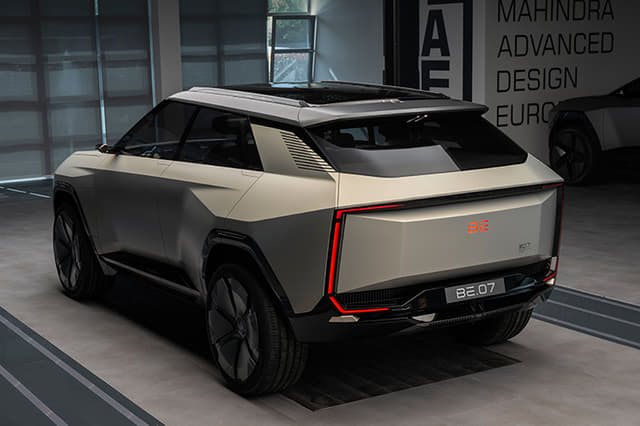
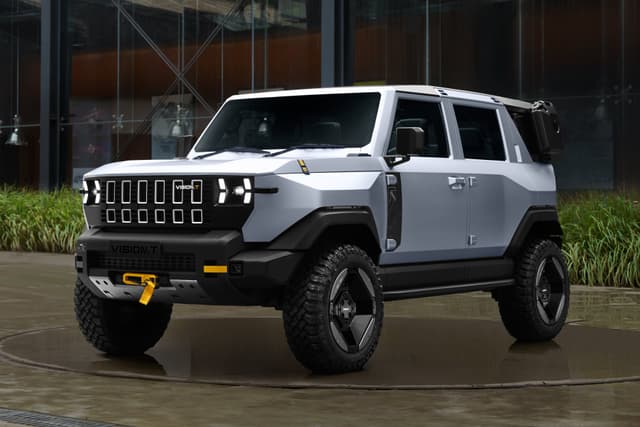
There are four upcoming Mahindra SUVs planned for the Indian market: the Scorpio N Facelift, BE.07, Vision S, and Vision X.

The Scorpio N facelift is expected to bring design and feature updates while continuing with a diesel engine option. 

The Mahindra Vision S and Mahindra Vision X concept-based SUVs are expected to move towards production and launch around 2027. 

Need an expert opinion on your car related queries?

Trending Questions on Mahindra Cars - Answered by Autocar Experts

KA

Karthik

14h

Hello, I am looking to buy a diesel SUV in a strict budget of 16 lakhs and have currently down-selected the XUV 3XO and the Hyundai Venue. Actually, I am living in town, so I will drive it in town, or I will get it onto the highway a few times a month. I am confused about purchasing a car between these 2 which car do I need to purchase?

Autocar India team

Autocar India

Verified
9h

While both the Mahindra XUV 3XO and Hyundai Venue are competent compact SUVs, the Mahindra offers a more complete package for your budget. The diesel engine is strong and refined, making it well-suited to both town driving and highway trips. It also feels more spacious inside, especially in the rear seat, and offers a richer feature set for the money.The Venue's strengths lie in its proven ownership experience, widespread service network and easy-to-drive nature. However, it feels narrower inside and does not offer the same level of cabin space or overall value as the XUV 3XO.Since you will be using the car both in town and on highways a few times a month, the XUV 3XO's more powerful diesel engine, roomier cabin and better overall value give it an edge.However, if you are specifically considering an automatic diesel, the recommendation shifts towards the Hyundai Venue. The Venue uses a torque-converter automatic gearbox, which is smoother and more refined in everyday driving than the automated manual transmission (AMT) offered on the XUV 3XO diesel. For frequent stop-start driving, the Hyundai's gearbox delivers a noticeably better experience.

VehicleMahindra XUV 3XO
VehicleHyundai Venue
VV

Vaibhav Vats

2d

I own a Hyundai Venue Turbo Petrol, which is driven around 4,000 km per year and is occasionally used by my parents. I have been considering to upgrade it, as I am tired of spending money on maintenance. The car has been problematic since its second year of ownership. I am currently considering the Kia Syros HTK (EX) manual and HTK+ (DCT). However, some automobile enthusiasts have advised me against buying a DCT if I am looking for a hassle-free ownership experience, especially since the car will mostly be driven in Delhi’s office-hour traffic and the overall running is quite low. Could you please suggest whether I should opt for the DCT, stick with a manual, or consider a diesel automatic instead? Alternatively, if there are better options within a budget of Rs. 15 lakh, I would be open to considering them. I can also wait if there are any promising new launches expected this year within my budget. I am not interested in an EV at the moment. Thanks in advance.

Autocar India team

Autocar India

Verified
1d

Given your low annual running and predominantly city use in Delhi, a diesel does not make sense. Modern diesels are happiest when regularly driven on longer runs, and with just 4,000km a year, the higher purchase cost and potential emission system issues are difficult to justify.As for DCTs, they have become far more reliable than early examples, but if the priority is a smooth, stress-free ownership experience in heavy urban traffic, a torque-converter automatic is still the safer bet. It is generally smoother at low speeds and better suited to constant stop-start driving.Rather than moving to a Syros DCT, it would be worth considering the Skoda Kylaq automatic or the Mahindra XUV 3XO automatic. Both use torque-converter gearboxes and offer a more relaxed driving experience in city conditions. The Kylaq feels particularly polished to drive, while the 3XO counters with a richer feature list and a more spacious cabin.If you like the Syros, the manual remains a sensible choice given your limited annual usage, but if an automatic is preferred, a torque-converter-equipped rival would be a better fit than a DCT.

VehicleSkoda Kylaq
VehicleKia Syros
VehicleMahindra XUV 3XO
AN

Ankit

2d

Hi team, my budget is 12-13 lakh maximum for an automatic car, so it is easy to drive for both my wife and me in Hyderabad city traffic. I am a first-time car buyer and am feeling quite confused. My requirements are: good mileage, petrol engine, good boot space, rear-view camera, hill assist, and recent interiors. Kindly help.

Autocar India team

Autocar India

Verified
1d

Consider the Maruti Suzuki Fronx 1.0 turbo-petrol automatic in Zeta trim. In Hyderabad traffic, it is easy to drive, the steering is light, the automatic keeps stop-and-go stress low, and you get hill-hold and a clear rear camera that makes ramps and tight parking simple. It is a turbo-petrol and returns good mileage for daily use – expect roughly 10-11kpl in the city and 16kpl on the highway. The 308-litre boot takes airport bags and weekly shopping without fuss, and the cabin is well built and comfortable. Ground clearance is higher than that of a hatchback, so speed breakers and broken patches are less of a worry.Your budget should cover the Zeta automatic in Hyderabad, but if it feels like a stretch, the Fronx is also available with a naturally aspirated 1.2-litre engine and an AMT. This combo won’t have the highway performance of the turbo-petrol and the AMT shifts with a slight pause between gears, so it won’t be as seamless as the turbo's torque-converter automatic. However, it will deliver higher mileage, in the region of 13-14kpl in the city and 18kpl-plus on the highway.For a first-time buyer, Maruti’s reliability and stellar service network make the most sense. However, if you want an alternative, the Mahindra XUV 3XO MX3 turbo-petrol automatic is also a good choice. It has a more SUV-like presence, and the cabin feels more premium, but the boot is a bit smaller, and efficiency won’t be as good as the Fronx’s.Overall, the Fronx fits your needs best.

VehicleMaruti Suzuki Fronx
VehicleMahindra XUV 3XO
JA

Jesu Alfred K J

2d

Hey Autocar, hope you're doing great. I am planning to buy my first car, but I am confused about which one to choose. My budget is Rs. 15-16 lakh, and we are a family of three. My priorities are a proper automatic transmission and a fuss-free ownership experience. Mileage and maintenance costs are not major concerns. My usage will be split equally between city driving and highway travel (50:50). A feature-rich cabin or a premium interior would be a bonus, but it is not mandatory. Please guide me. Thank you in advance.

Autocar India team

Autocar India

Verified
2d

The Mahindra XUV 3XO with the 1.2 litre MPFi engine would be a good option for you. The car comes with a torque convertor automatic, which is the smoothest type of autobox to have. The powertrain is very refined, reliable and delivers good performance, though mileage is not as much as some rivals, but you have indicated this is not much of a concern for you. For your mixed city and highway use the 3XO will also do well as the ride and handling balance is good. You’ll feel a hint of firmness over potholes but there’s a very reassuring feeling to it like the car can take some abuse. On highways, the Mahindra car cruises with the stability of a larger vehicle and that’s a very good thing. If you can wait for three to four months, there is an updated Maruti Suzuki Brezza which would also serve your requirements well with a torque convertor automatic and a fuss free ownership thanks to a well setup and reliable dealer network.

VehicleMahindra XUV 3XO
VehicleMaruti Suzuki Brezza
NA

Naveen

4d

I am buying the Mahindra XUV 7XO AX7T Diesel Automatic. My annual usage is approximately 12,000-13,000km with this pattern: Highway (guaranteed): approximately 6,000km annually. City: Weekend drives of minimum 15-20km, one 150km City exploration monthly. No daily office commute by car — public transport for that. The car will sit idle Monday to Friday. The authorised Mahindra workshop is 3km from home. My questions: 1. Is my pattern low-risk or high-risk for DPF issues? 2. Does the car sitting idle on weekdays followed by 15-20km weekend drives create cumulative soot risk? 3. Diesel AT or Petrol AT for my profile - which do you recommend? I am leaning toward Diesel AT, but want expert validation before booking

Autocar India team

Autocar India

Verified
3d

Go for the Mahindra XUV 7XO diesel automatic. Your guaranteed highway running every year is exactly what a DPF likes, and the diesel will be cheaper to run and nicer to cruise with its strong torque. With your usage, the diesel should return clearly better highway economy than the petrol and feel more relaxed on long trips.Your pattern is low-risk for DPF trouble. Those steady highway stretches will keep the filter clean via passive regen, and Mahindra’s active regen will step in if needed. A workshop 3 km away also means any rare forced regen is easy to sort.The car sitting Monday to Friday does not create soot. Soot builds only when driving, especially on repeated cold starts with short, crawling trips. Your weekend 15-20 km runs are long enough to get the exhaust hot unless they are pure bumper-to-bumper. The monthly 150 km city loop adds a good safety margin.Between diesel AT and petrol AT for you, diesel wins. Expect lower fuel costs on highways and stronger pull when loaded.

VehicleMahindra XUV 7XO

Last Updated on: 9 Jun 2026