
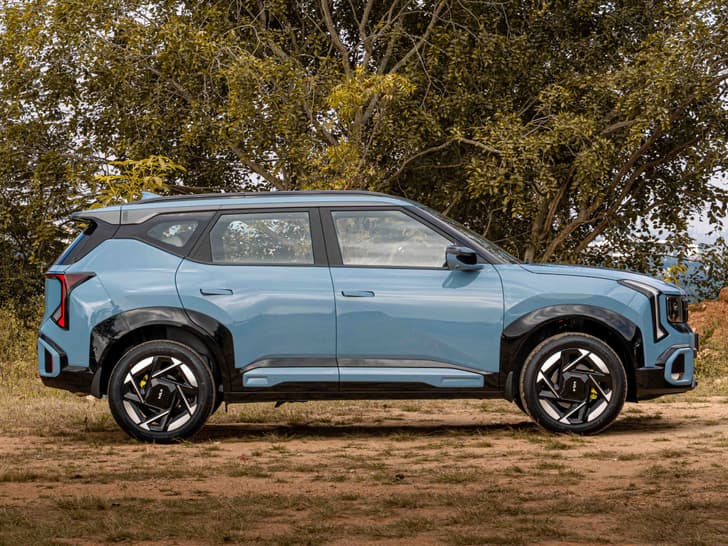




Features|25 Aug 2026
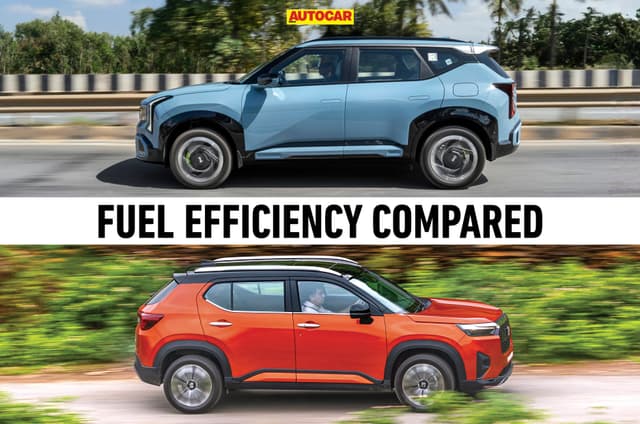
Kia Seltos vs Hyundai Creta turbo-petrol DCT: Real world mileage compared


The Kia Seltos price starts from Rs 11.00 lakh and goes upto Rs 21.82 lakh (ex-showroom). The Seltos was Kia’s first-ever offering for India in 2019, and received a second-generation update for MY26.
Kia India offers three engine options for the Seltos: a 115hp, 1.5-litre naturally aspirated petrol, a 116hp, 1.5-litre turbo-diesel, and a 160hp, 1.5-litre turbo-petrol. All Seltos engines are available with manual and automatic gearboxes.
The Kia Seltos interior features premium leatherette upholstery, a 12.3-inch infotainment touchscreen and digital driver’s display, ambient lighting, ventilated front seats, panoramic sunroof, and dual-zone climate control.
Seltos Specifications
15.6 kmpl - 19.4 kmpl
1482 cc - 1497 cc
Diesel, Petrol
Torque Converter, CVT, DCT, Manual, IMT
5
116 hp
5
250 Nm
Seltos Highlights
6 Airbags
Fully Digital Instrument Cluster
1.5L Diesel Turbocharged Engine
Wireless AA + Apple CarPlay
Auto Pop-out door handle
Front Only Ventilated Seats
+7
44
Seltos Autocar Rating
Ride that’s comfort oriented without sacrificing handling balance
Smooth and strong turbo-petrol engine performance
Misses some expected features in this segment
The diesel engine lacks punch
Become an
Autocar Shopper
Unlock benefits up to ₹50,000 on Seltos
Unbiased buying guidance
Guaranteed lowest price
Priority car delivery
Offer valid till 31st October 2026
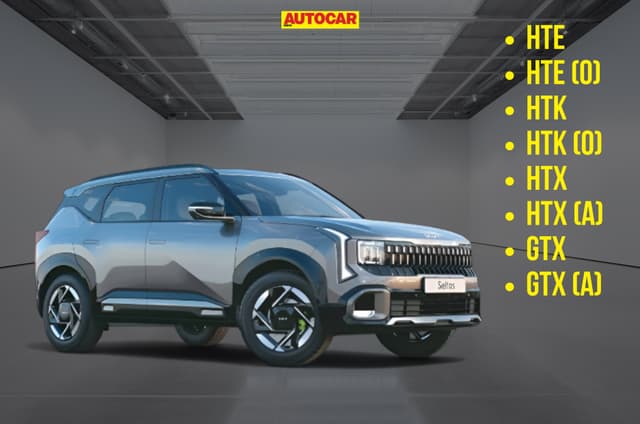
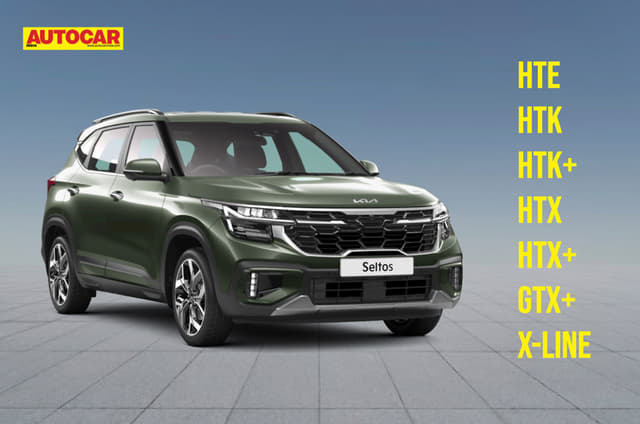
The 2026 Kia Seltos is offered in nine trims: HTE, HTE (O), HTK, HTK (O), HTX, HTX (A), GTX, GTX (A) and GTX (O). An X-Line styling pack is also offered on the GTX, GTX (A) and GTX (O) trims.
HTE: The Seltos offers one of the most loaded base variants in the mid-size SUV space. These include a 10.25-inch infotainment, a 12-inch driver’s display, manual AC with rear vents, cruise control and all-LED lighting.
HTE (O): The HTE (O) does not add much, but introduces connected LED taillights, stylised steel wheels, and an adjustable headrest for the middle passenger rear seat. The automatic variants, however, get drive modes, traction modes, and paddle shifters.
HTK: The HTK variant offers more convenience features, including a push-button start/stop, a rear wiper, auto-folding ORVMs, and flush door handles. The petrol-manual variant gets 16-inch steel wheels, but other variants are offered with 17-inch wheels.
HTK (O): This variant adds the customer-favourite panoramic sunroof and wireless charger, while also offering front parking sensors. The automatic variants also get a powered driver’s seat and ventilated front seats.
HTX: It offers a 12.3-inch infotainment system, a 5-inch touchscreen for AC controls, a Bose sound system, ambient lights, and LED fog lamps.
HTX (A): In addition to a 12.3-inch driver’s display, this variant also adds a robust safety suite, including a 360-degree camera and Level-2 ADAS.
GTX: This variant gets a power driver’s seat with memory function, 18-inch alloy wheels, LED projector headlights and LED reverse lamps.
GTX (A): The GTX (A) variant gets some additional ADAS features, including parking collision avoidance assist, adaptive cruise control, and reverse parking collision avoidance assist.
GTX (O): The new GTX (O) variant, launched in August 2026, adds a head-up display (HUD), front and rear dashcams, and VR-based navigation.
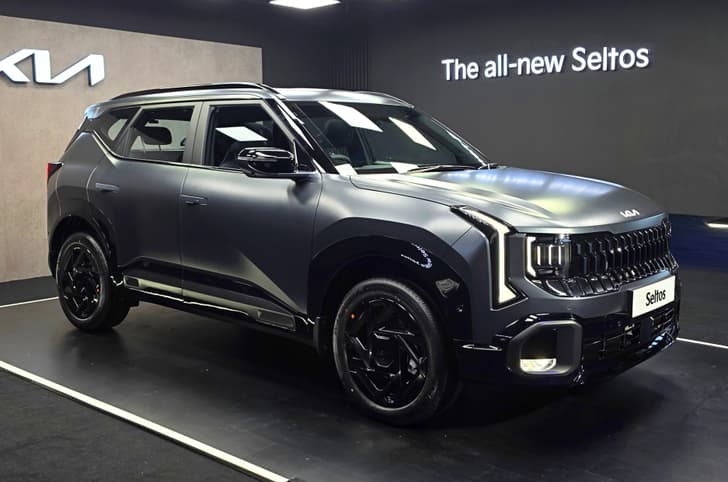
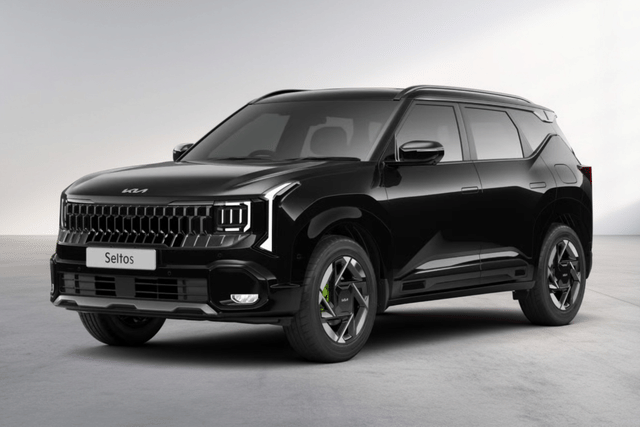
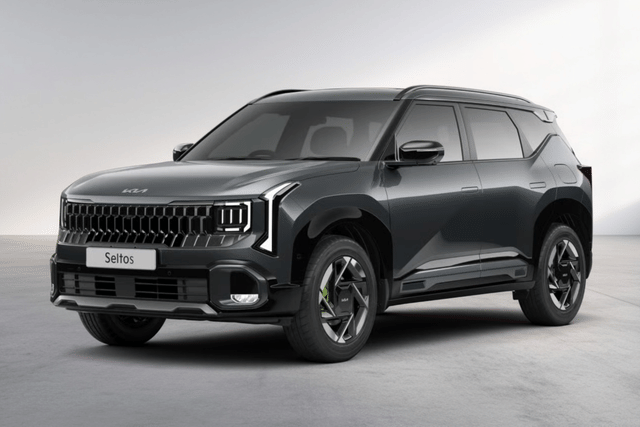
X-Line: Based on the GTX, GTX (A) and GTX (O), the X-Line gets black alloy wheels, gloss black faux skid plates on the bumpers, and is available in either Aurora Black Pearl or Xclusive Matte Graphite exterior hues.
 Electronic Stability ControlFully Digital Digital Instrument ClusterPhone-based Satellite NavigationFabric Seat MaterialLED headlampsElectronic Parking Brake with AutoholdDriving ModesPart-leatherette Seat MaterialConnected LEDRear Seat Backrest ReclineRear Washer/WiperPush Button StartAuto Pop-Out Door HandleConnected LEDDriving ModesFront & Rear Parking SensorsPanoramic SunroofWireless Phone ChargingFront Only Ventilated SeatsConnected LEDAutomatic Day Night Interior MirrorVoice Assisted SunroofBose Branded Music SystemRemote Engine Start/StopLED fog lampsAdaptive Cruise ControlPanoramic SunroofBlind Spot MonitorBose Branded Music SystemRemote Engine Start/StopAutomatic WipersPanoramic SunroofBose Branded Music SystemRemote Engine Start/StopFront Only Ventilated SeatsRear Parking CameraCruise ControlDriver's Seat MemoryProjector HeadlampsPanoramic SunroofAdaptive Cruise ControlPanoramic SunroofBlind Spot MonitorBose Branded Music SystemRemote Engine Start/StopAutomatic WipersAdaptive Cruise ControlPanoramic SunroofBose Branded Music SystemRemote Engine Start/Stop
Ride that’s comfort oriented without sacrificing handling balance
Smooth and strong turbo-petrol engine performance
Misses some expected features in this segment
The diesel engine lacks punch
7.0
The second-generation Seltos moves from the K2 platform to Kia’s new K3 platform, bringing in new tech and allowing the SUV to grow substantially. Powertrains, however, carry forward from the previous car. Length has increased by 95mm to 4,460mm, making it the longest in its class, while the wheelbase is up by 80mm to 2,690mm, second only to the Tata Sierra in the segment.
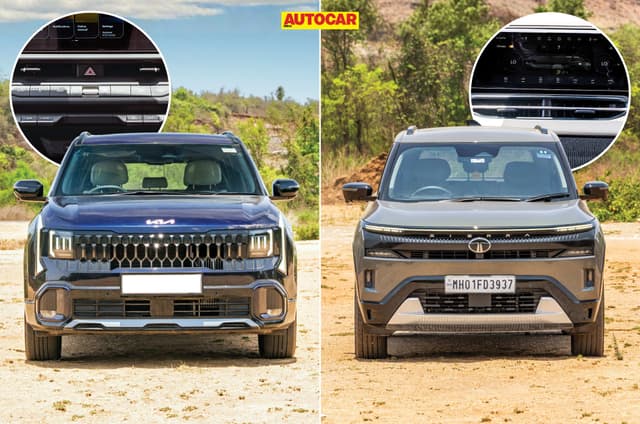
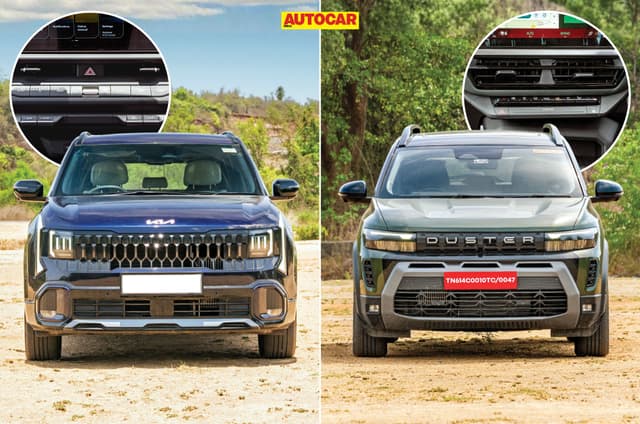
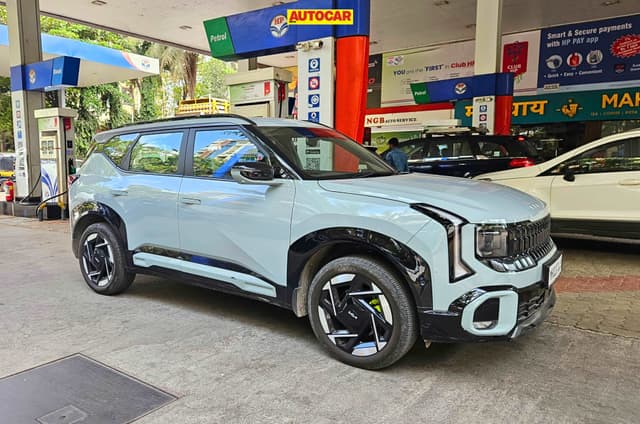
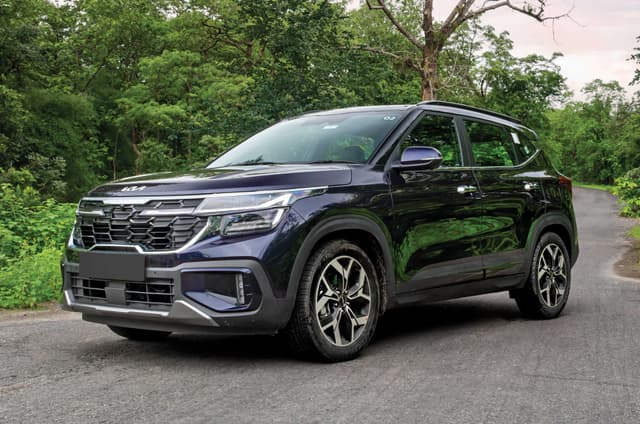
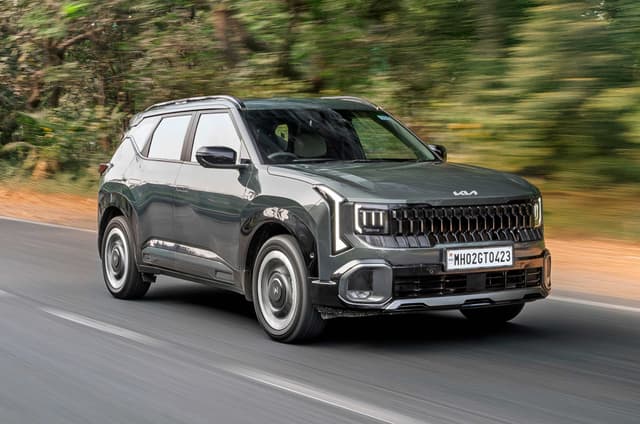
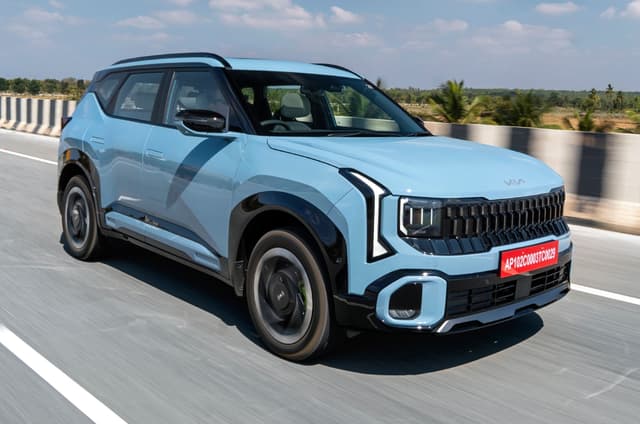
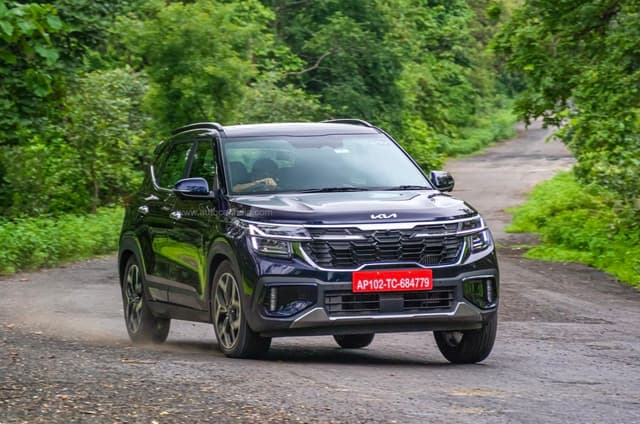
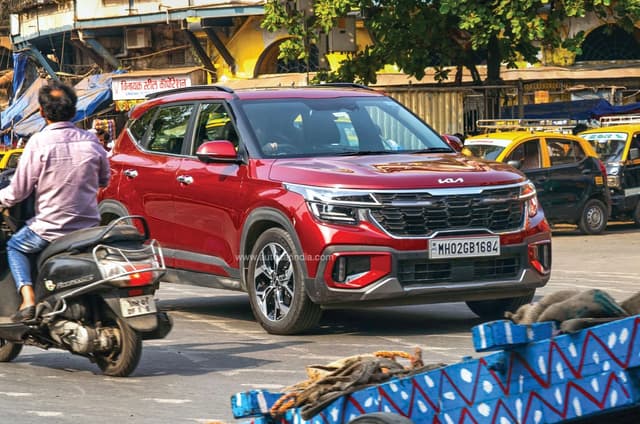
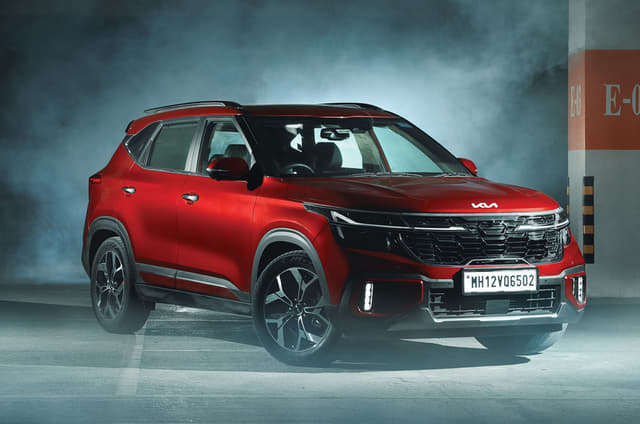
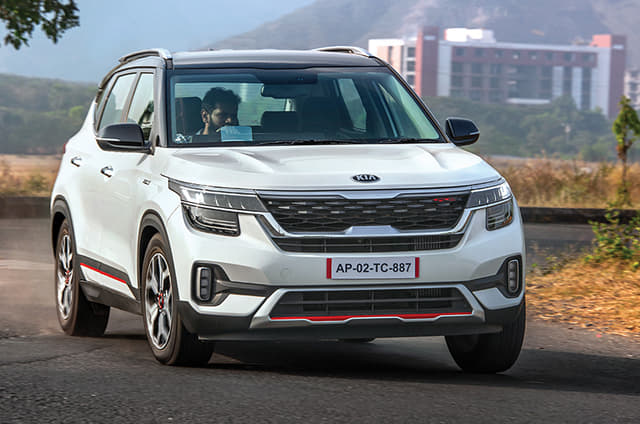
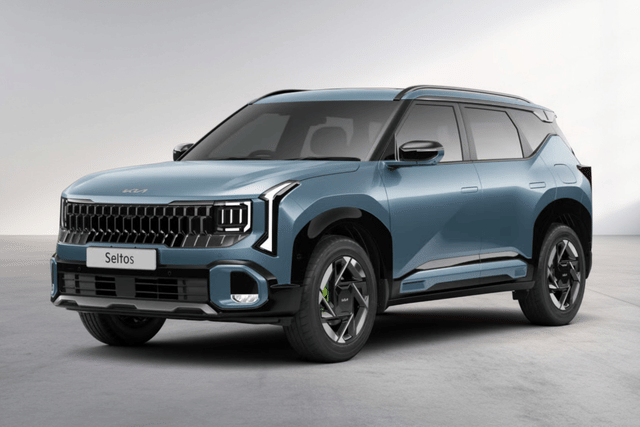
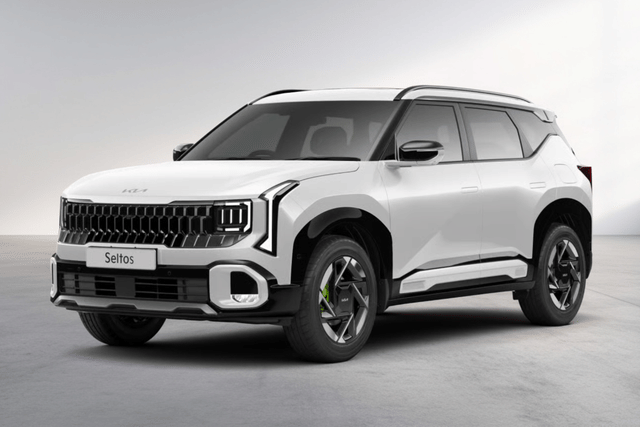
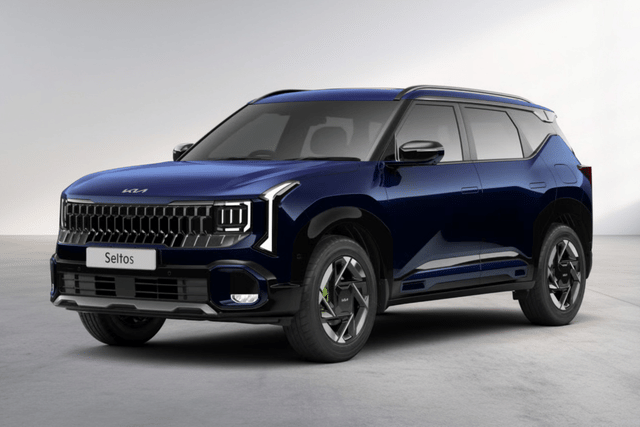
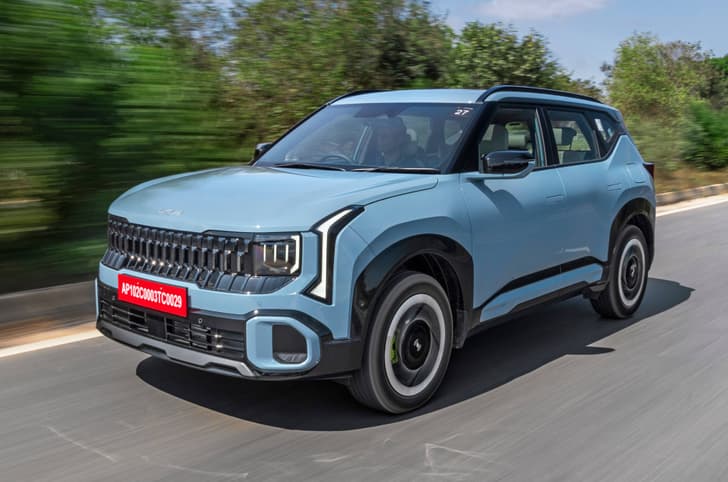
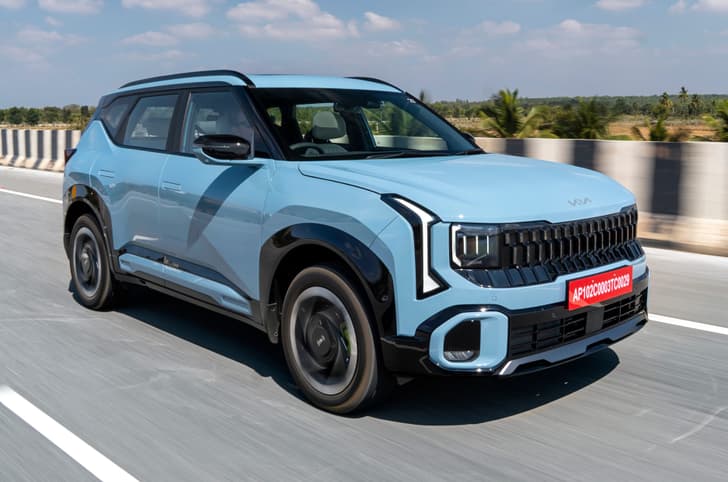
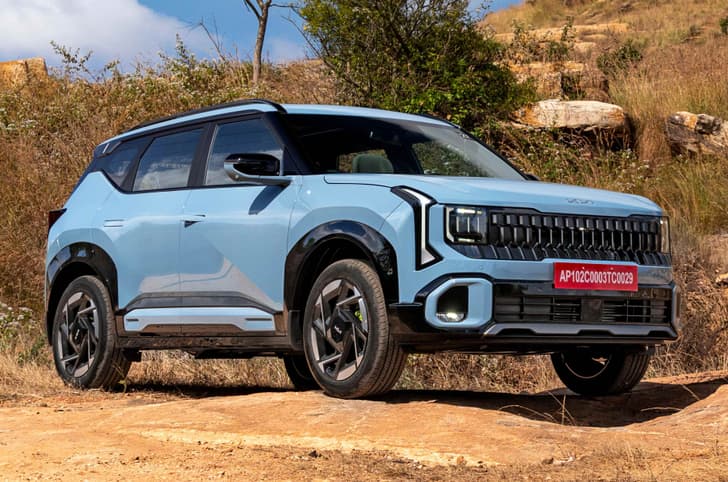
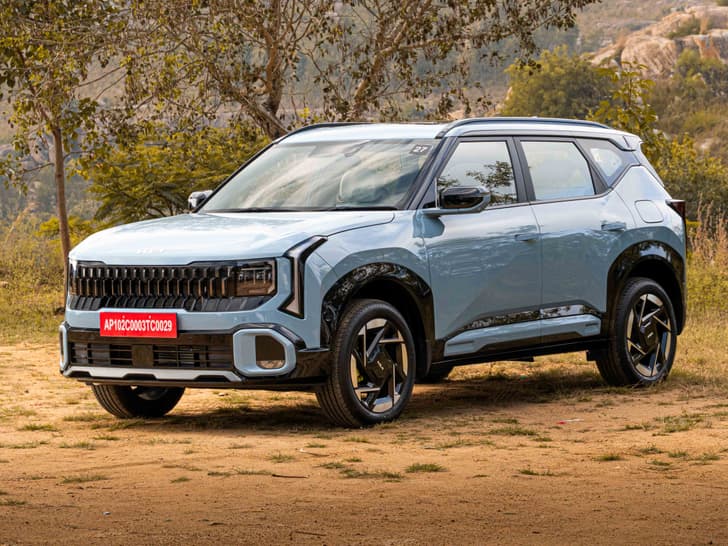
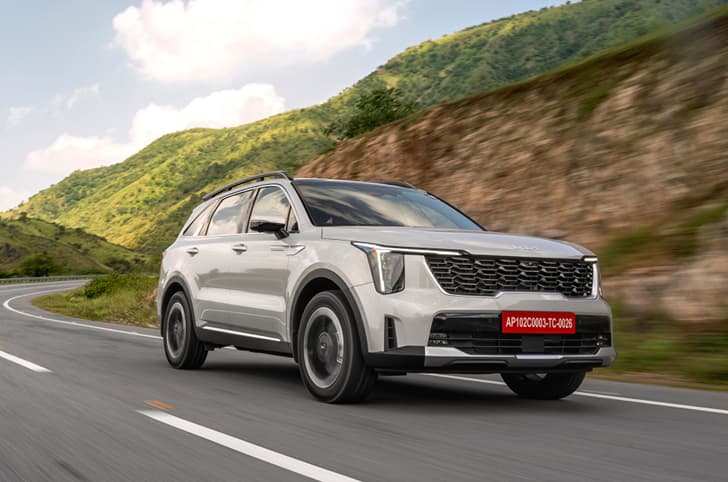
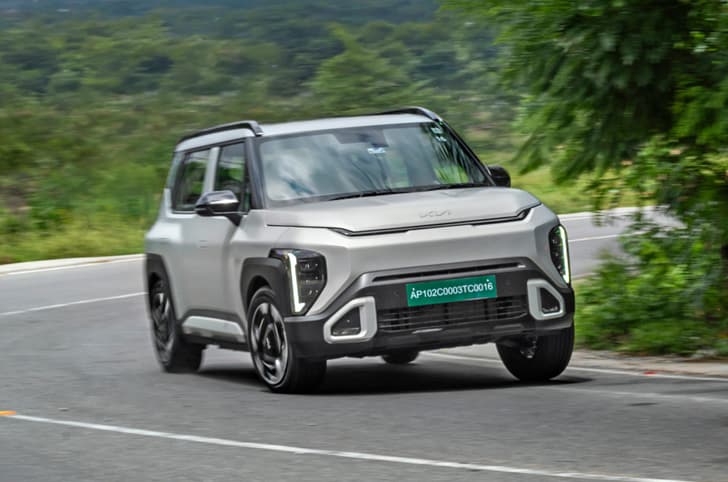
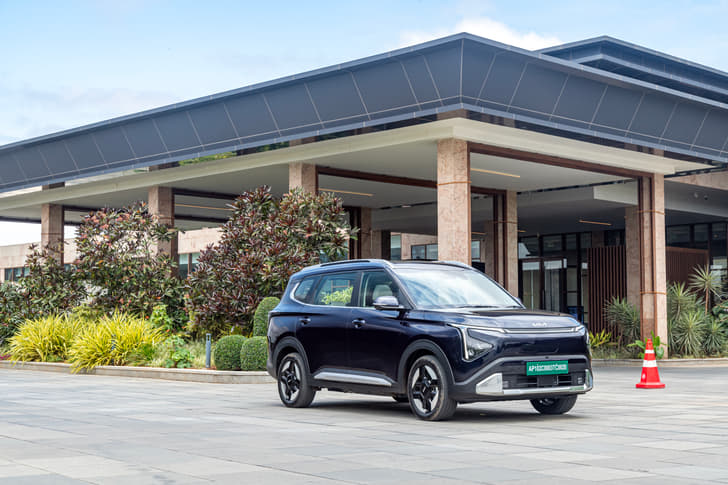
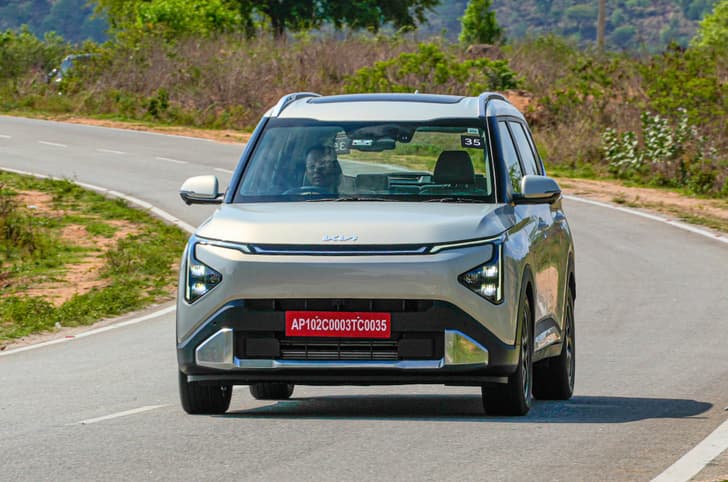
The new design is bold and introduces fresh Kia design traits, though it may not appeal to everyone. The increased size helps balance strong elements like the vertical DRLs that wrap onto the bonnet and fenders. The square-set headlights sit within a large gloss-black grille, which still features the Kia tiger-nose pinch but feels visually lost amid the loud styling.
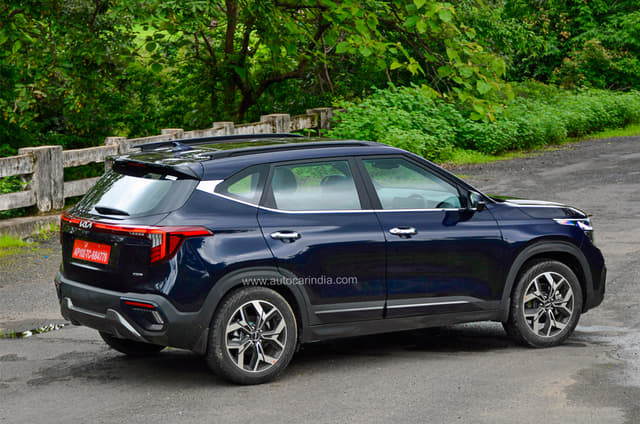
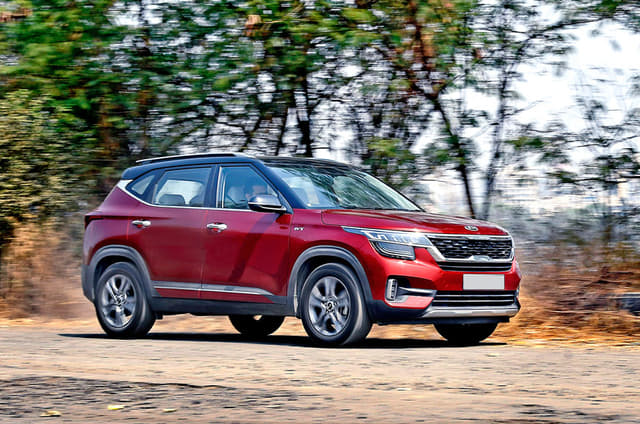
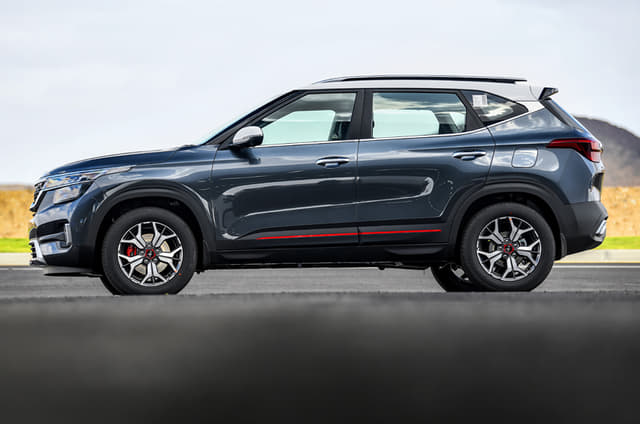
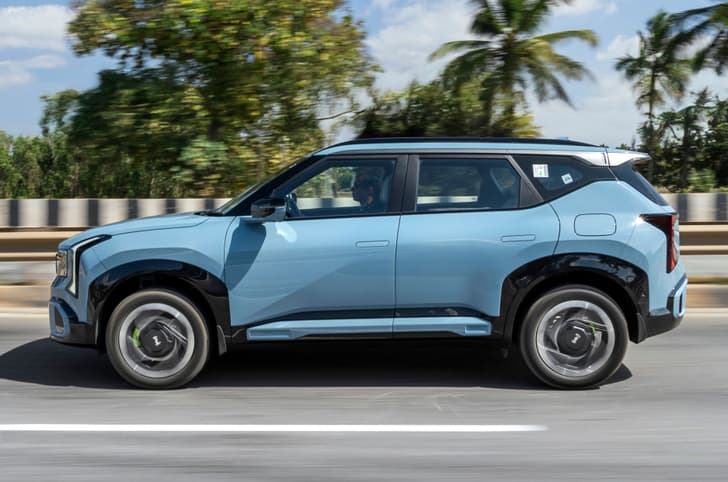
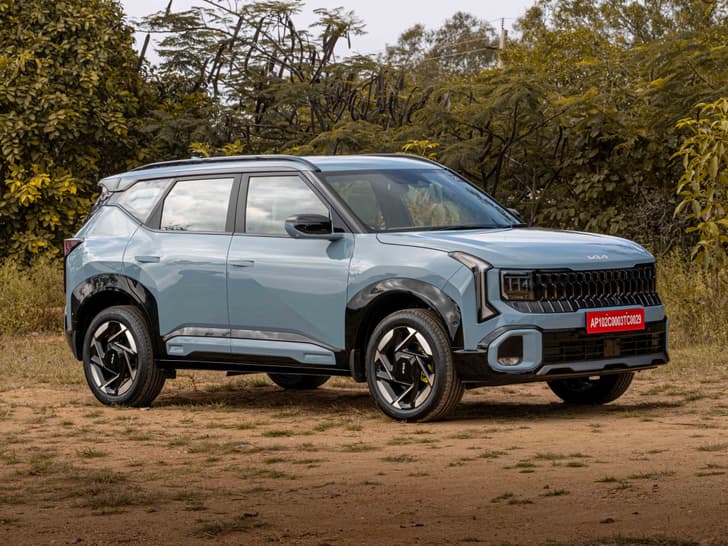
The side profile gets chunky gloss-black cladding with body-coloured inserts, flush door handles, and 18-inch alloy wheels on GT Line variants with a geometric design and neon-painted brake calipers. The pinched glasshouse flows into the tailgate, creating a floating roof effect, while roof rails are purely decorative.
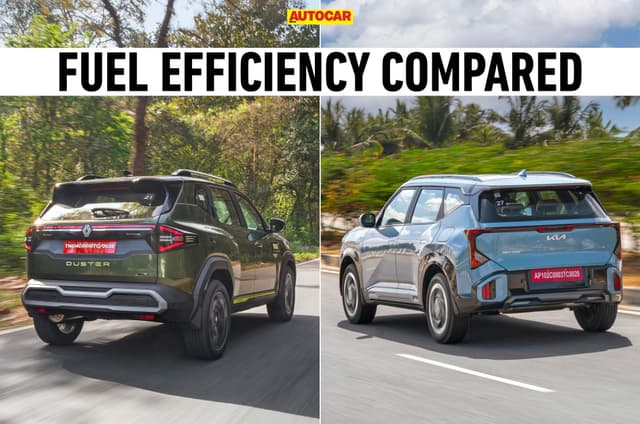
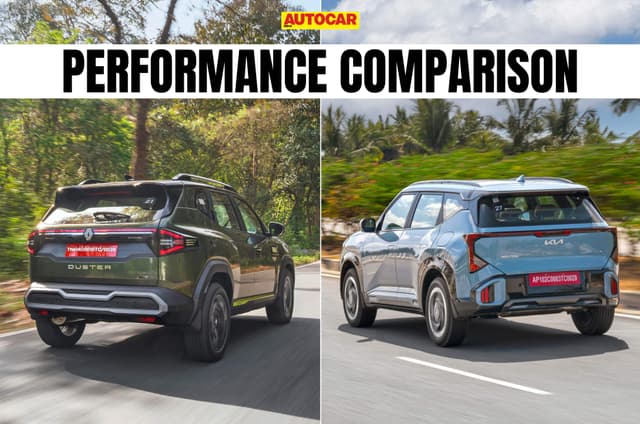
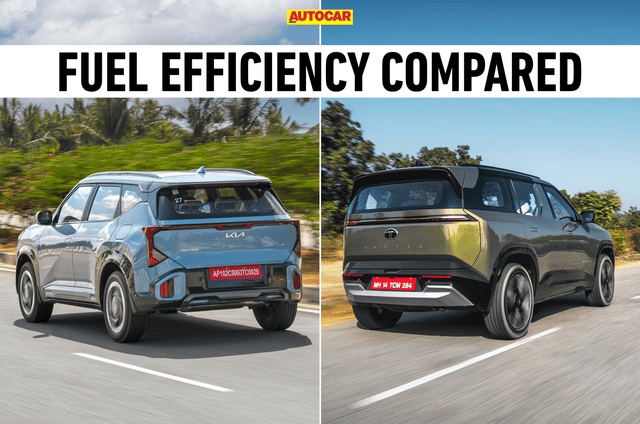
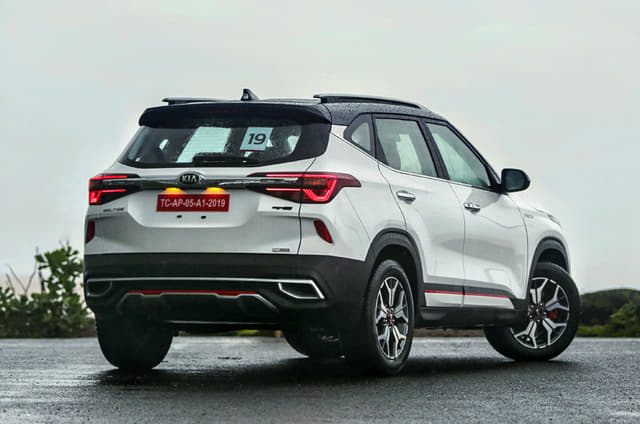
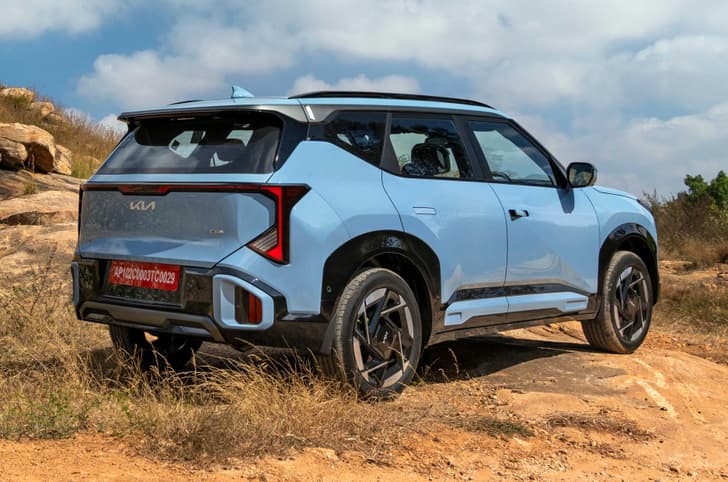
At the rear, the design is cleaner, with large vertical LED tail-lamps connected by a light strip. The tailgate has a wraparound look, and the spoiler neatly integrates the stop lamp and hides the rear wiper.
8.0
The cabin is new but retains familiar Kia elements, which is good. Fit and finish are very good, and while more soft-touch materials would have been welcome, high-quality plastics and texturing prevent the interior from feeling plasticky.
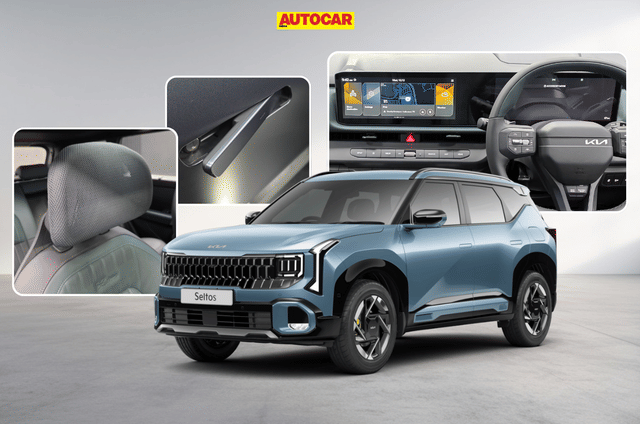
A single glass panel houses a 12.3-inch touchscreen, a 12.3-inch digital instrument cluster, and a 5.0-inch HVAC touchscreen, though the latter is partly obscured by the steering wheel. Thankfully, there are physical buttons and toggles for key functions. The touchscreen is slick, the 360-degree camera feed is sharp, and the instrument display is clear.
The new chunky steering wheel has well-placed controls, including buttons for drive and traction modes. Features include a Bose sound system, panoramic sunroof, wireless charging, ambient lighting, front cooled seats, and a powered driver’s seat with memory for seat and ORVM positions, including an adjustable entry-exit function. Missing features include an air purifier and rear cooled seats.
Safety equipment includes six airbags, ESC, downhill brake control, and a full ADAS suite. Lane-departure correction feels natural, though lane centring can feel intrusive on poorly marked roads. Crash-test ratings are yet to be announced.
7.0
Front seats are comfortable, but larger occupants may find them snug. The headrests are well designed for safety but lack side padding for those resting their heads.
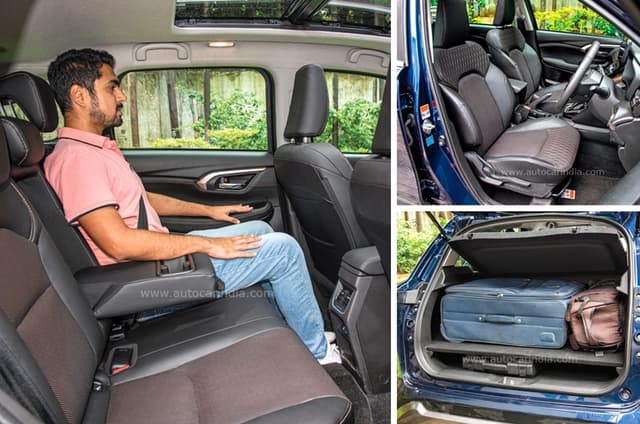
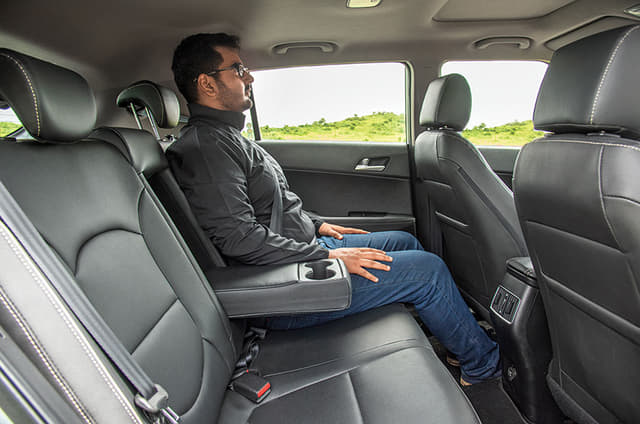
Rear-seat legroom has improved significantly and will suit six-footers, while headroom is adequate. Three average-sized adults can sit abreast, and the seatback angle is adjustable. The seat base is comfortable but short for taller passengers, and lumbar support feels excessive. Rear AC vents and well-designed sun blinds help cooling.
Storage is good overall, though the glovebox is small. Boot space is a generous 447 litres with a flat floor and a full-sized spare underneath.
8.0
Engine options remain unchanged: a 115hp 1.5 NA petrol, a 160hp 1.5 TGDi petrol, and a 115hp 1.5 diesel, with the same gearbox choices as before. We sampled the automatic versions of the TGDi petrol and diesel.
The diesel remains refined, with muted noise and linear power delivery, making it a relaxed cruiser. However, it feels short on punch, even in Sport mode, and the torque-converter gearbox is slow to respond.
The TGDi petrol delivers strong, linear performance from 2,000rpm to the 6,200rpm redline. Refinement is good, and the dual-clutch gearbox is quick, though it can hesitate at low speeds.
8.0
Official figures are pending, but efficiency should be similar to before. Expect high single digits in city driving and 13–14kpl on highways for the TGDi, while the diesel should deliver 16–17kpl on highways and low double digits in the city.
8.0
While the suspension hardware is unchanged, the tuning is now comfort-focused. Bumps are absorbed well without harshness, yet body control remains tidy. High-speed stability is strong, and the car feels composed on uneven surfaces.
Steering weight varies with drive modes but lacks natural feel, especially in Sport mode. Brakes are progressive and confidence-inspiring.
8.0
The new Seltos isn’t a revolution and has some negatives like it lacks some features and the diesel feels underpowered. However, while not a revolution, it feels like a nice evolution of what was an already good car. It offers bold styling, more space, improved ride comfort, and a wide choice of powertrains. With sensible pricing, it should continue to attract strong interest.
Reviewed by: Sergius Barretto
Kia Seltos Official Brochure
Download the complete brochure with specs, features, and variants.

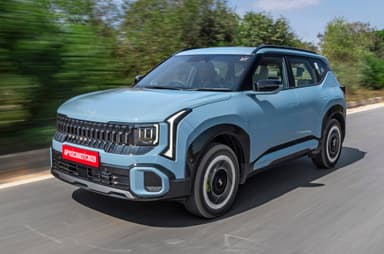


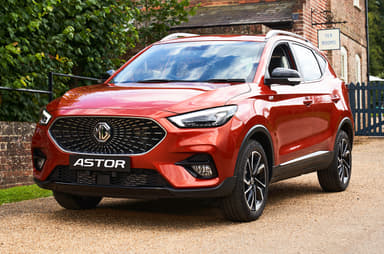

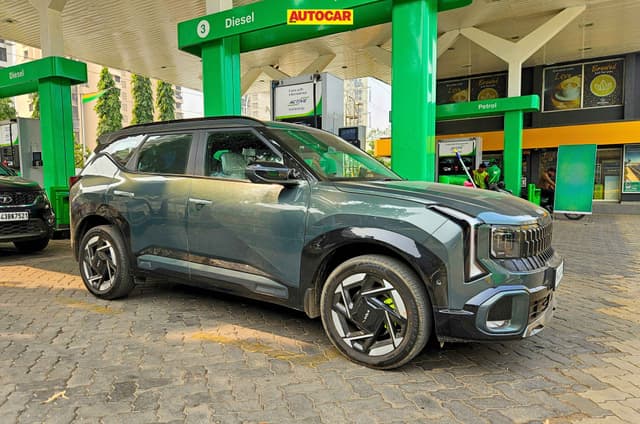
Kia Seltos mileage is yet to be officially confirmed. However, we've tested the petrol CVT version where it averaged 12.26kpl.
| PowertrainThe combination of engine type, fuel, and transmission that powers your vehicle and determines how it drives and what it runs on. | ARAI MileageMileage certified by the government, tested under controlled lab conditions. Real-world mileage will vary. | Autocar Tested MileageAutocar's experts test each vehicle on fixed city and highway routes under standardised conditions - single occupant, AC running, manufacturer-recommended tyre pressures. Tanks are filled to the brim before and after each run to calculate efficiency. Results reflect realistic real-world usage. |
|---|---|---|
Petrol-Manual 1497 cc | 16.5 kmpl | NA |
Diesel-Manual 1493 cc | 19.4 kmpl | 17.2 kmpl |
Petrol-Automatic (IMT) 1482 cc | 15.6 kmpl | NA |
Petrol-Automatic (CVT) 1497 cc | 16.5 kmpl | NA |
Diesel-Automatic (Torque Converter) 1493 cc | 17.8 kmpl | 15.35 kmpl |
Petrol-Automatic (DCT) 1482 cc | 17.5 kmpl | NA |
Hear from the
96 Images of the Kia Seltos highlight the SUV’s butch stance, ‘tiger nose’ grille, LED headlamps and tail-lamps, rear LED light bar, dual-tone alloy wheels, etc. Seltos interior shots show off its upmarket dashboard layout, premium materials, and comfort enhancing features.

Videos of Kia Seltos cover the midsize SUV’s ride comfort, handling, performance of petrol and diesel engines, smoothness of the automatic gearboxes, boot space, and safety features.






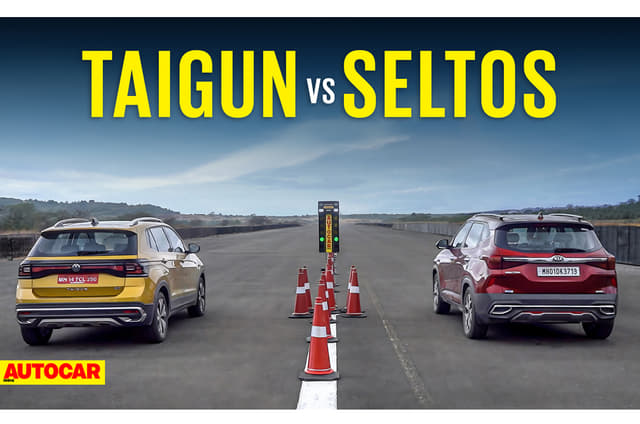
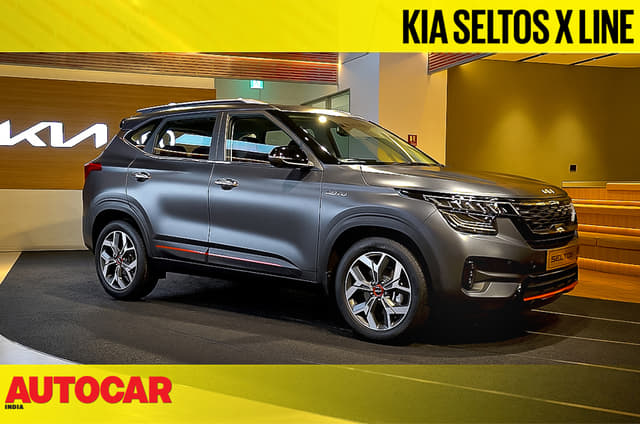


The Kia Seltos colour options span 10 exterior shades. Dual-tone finishes are available for certain Seltos colours too. The Seltos interior gets multiple colour schemes to choose from namely black and grey, brown and grey, black and white and black and green.
The Seltos continues to be among the strongest all-rounders in the midsize SUV segment. It offers a wide choice of petrol and diesel engines, a comfortable ride, a feature-rich cabin and good practicality. While it misses a few features offered by some rivals and the diesel isn't particularly quick, it remains a well-rounded family SUV.
For most buyers whose driving is mostly within the city, the 1.5-litre naturally aspirated petrol engine, especially with the CVT, is a good choice. For those looking to do occasional highway runs, along with a spirited driving experience, the 1.5-litre turbo-petrol engine with the DCT is the one to go for. The 1.5-litre diesel, with the automatic gearbox, is for customers who have high monthly usage.
The Seltos’ ride quality is comfortable as its suspension is tuned towards comfort, so it handles rough roads really well. Body control is well maintained, even at high speeds. Stability at high speeds is also good, and it maintains composure even on less-than-perfect surfaces.
Seltos' new K3 platform has enabled a longer wheelbase, leading to a spacious back seat experience. The cabin is also decent, and three average-sized adults can sit with their shoulders touching but not overlapping. You can adjust the seatback angle, and the seatbase padding is comfortable, but taller folks will find the seatbase short. Lower back lumbar support also feels a bit excessive.
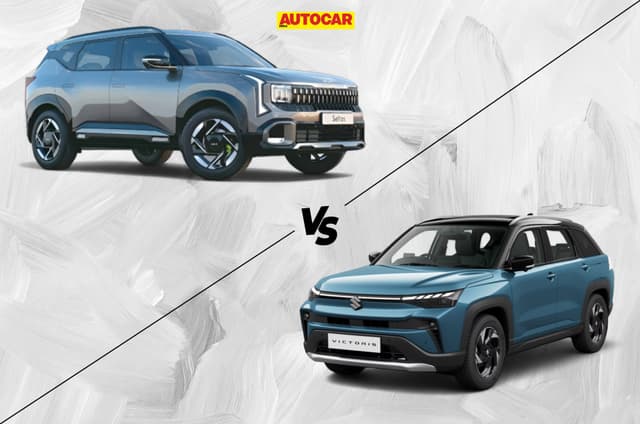
The Seltos is well equipped with features, but it missed out on a powered tailgate, which the Maruti Victoris, Renault Duster, Tata Sierra and Curvv offer. It also skips on a passenger display, which is offered on the Tata Sierra
Yes. The Seltos has a comfort-oriented suspension setup that absorbs broken roads well without feeling unsettled at highway speeds. Supportive seats, improved rear-seat space and a refined cabin also make it a comfortable SUV for long journeys.
In Autocar India's tests, the Seltos diesel manual returned 17.2kpl, while the diesel automatic delivered 15.35kpl.
For most buyers, the HTX variant offers the best balance of features and price. It includes premium equipment such as a large touchscreen, connected car technology, Bose audio system, ventilated front seats and automatic climate control, while avoiding the higher price of the GT Line variants.
Hi, The Kia Seltos hybrid's price has reportedly been leaked. I am wondering whether I should wait and pay a premium for the hybrid version. My monthly running is around 500 km. Earlier, I was planning to buy the GTX (A) variant at an on-road price of Rs. 23.5 lakh. Would it make sense to wait for the hybrid, considering my usage?

The hybrid will be best suited to buyers with significantly higher running, where the fuel savings are more meaningful. With a monthly running of just 500 km, the Seltos Hybrid will not make financial sense. At that usage, the fuel savings from the hybrid system will take a very long time to recover the higher upfront cost. The Seltos turbo petrol is already a very well-rounded package with strong performance and a good feature set. Hence, we'd recommend going ahead with the turbo petrol version - it is the smarter and more sensible choice for your needs.
 Kia Seltos
Should I consider the Seltos GTX A hybrid instead of the GTX A DCT, given my monthly running of 500km and concerns about mileage? The GTX A DCT costs around Rs. 23.50 lakh.
With a monthly running of just 500km, the Seltos Hybrid is unlikely to make financial sense. The hybrid system will certainly improve fuel efficiency, but the savings at your usage level will be marginal and will take a very long time to offset the higher purchase price. The GTX+ DCT you were already considering remains the better choice for your needs. It offers strong performance, a premium feature set and a genuinely enjoyable driving experience without the added complexity and cost of a hybrid system.As for pricing, while there is no official figure yet, you can reasonably expect the Seltos Hybrid to carry a premium of at least Rs 1.5-2 lakh over the equivalent petrol DCT variant. That premium is difficult to justify at your running.The only reason to wait for the hybrid would be if you are particularly keen on the technology or want the absolute best possible fuel efficiency from your Seltos. Otherwise, the GTX+ DCT is the right car for your usage.
Kia SeltosI am confused between the Tata Sierra Pure petrol manual, Hyundai Creta S (Optional) petrol manual, and Kia Seltos HTK (Optional). I am getting all three for under Rs. 14 lakh on-road through CSD. I want a reliable car with low maintenance costs and an expected city mileage of 14-15 kmpl. I am also looking for a practical car for everyday use. Which one should I choose?
Go for the Kia Seltos HTK O petrol manual. This Kia car is the most balanced choice here, offering a proven ownership experience, good reliability and low maintenance costs. The 1.5 petrol is smooth, efficient and well suited to city driving, and Kia's service network is strong. The Seltos also offers a comfortable ride, a spacious cabin and a well-rounded feature set in the HTK O trim. The Tata Sierra is a more interesting product with a larger and more premium-feeling cabin, but Tata's service consistency is still not quite at Kia or Hyundai's level. The Creta is a good alternative, but the Seltos is the newer, larger car and is the better value proposition here. Overall, the Seltos is the safest and most practical choice for long-term ownership.
Kia SeltosTata SierraHyundai CretaI have to buy a new SUV under a budget of Rs. 25 lakh. My running is 2500 km per month in Delhi - NCR with occasional long drive. My family wants XUV 7XO diesel. However, I do like new Kia Seltos diesel. Please guide.
Go for the Mahindra XUV 7XO diesel. With 2,500 km a month and regular long drives, the diesel engine makes strong financial sense, and the 7XO is the better fit for your usage. It is a larger, more comfortable SUV with a stronger diesel engine, better highway stability and more space for family trips. The Seltos diesel is a very good car, but it is a smaller SUV and does not offer the same level of space or long-distance comfort. The 7XO also gives you the flexibility of a larger boot and occasional third-row use, which is useful for family outings. The only thing to keep in mind is that the 7XO is a bigger car to drive in the city, but overall it is the more complete package for your usage.
Mahindra XUV 7XOKia SeltosI am planning to buy Kia seltos but my monthly running will be less than 1000 km which will include 75% running in the city and 25% running on the highway once in 2-3 months. Please suggest which will be better for me between petrol and diesel and if I should go for petrol, should I go with IVT or DCT?
With less than 1,000 km a month and mostly city driving, petrol is the clear choice. Diesel only makes sense with high annual running and regular highway use, which you do not have. Between the IVT and DCT, go for the IVT. It is smoother in traffic, easier to live with and better suited to your driving pattern. The DCT is quicker, but it is not as comfortable in stop-go city conditions. The Kia Seltos IVT is the better long-term ownership choice for your usage.
Kia Seltos





Last Updated on: 19 Oct 2026
Choose your city dialog content


Where are you buying?
Prices, offers and stock availability vary by city.