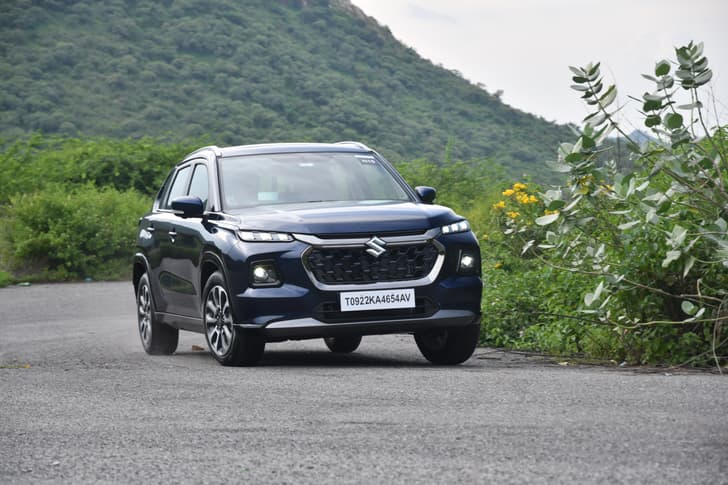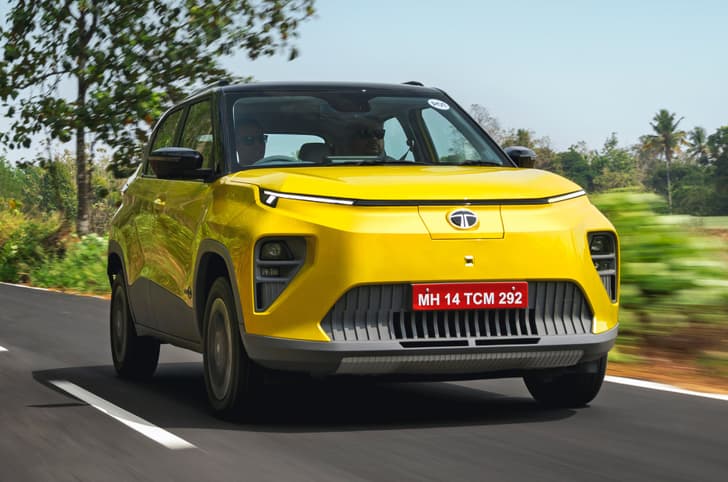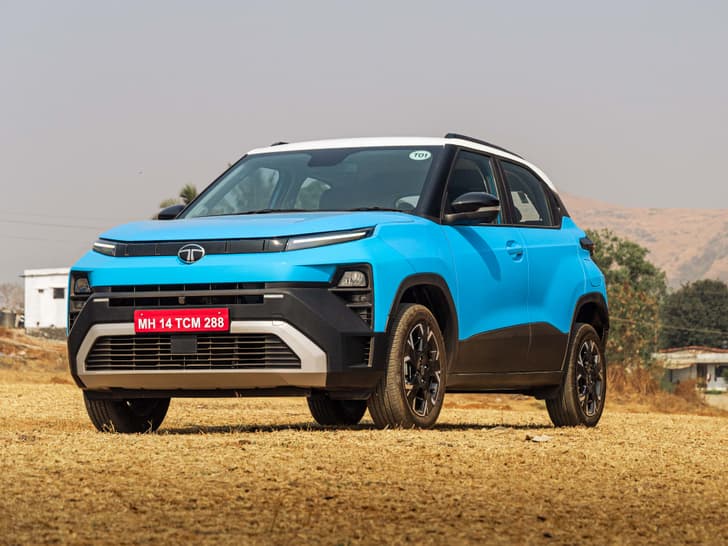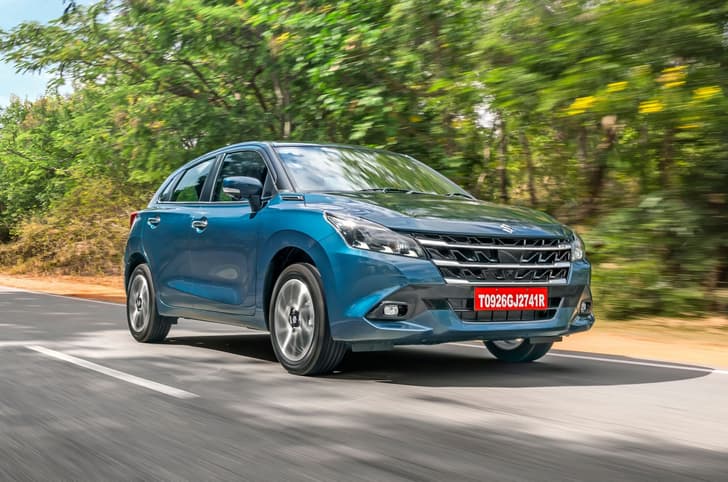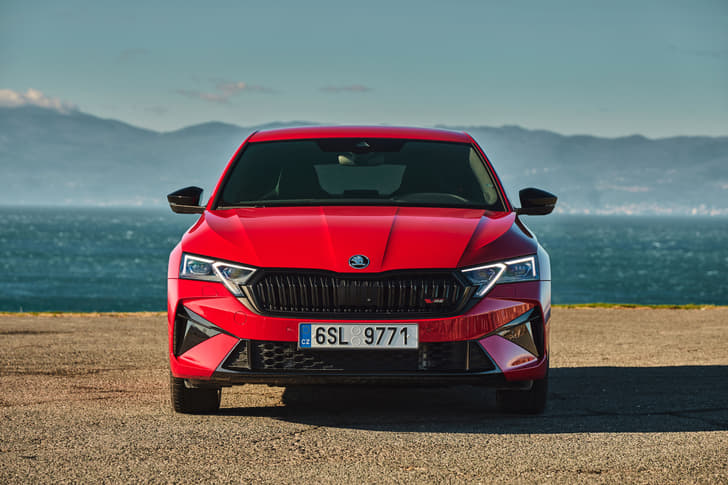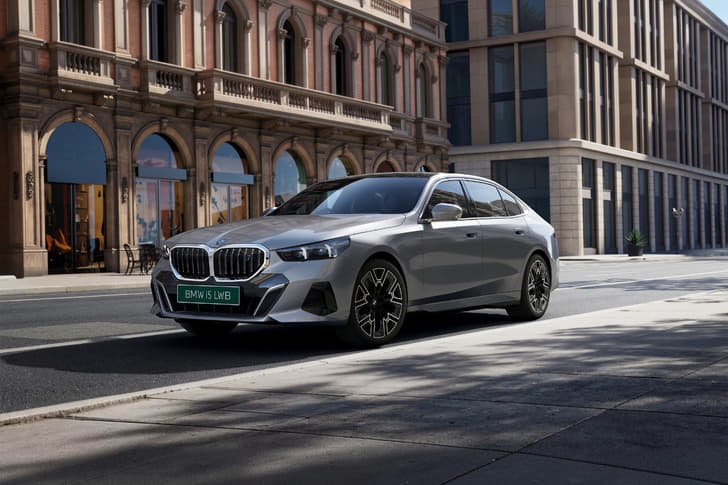



The midsize SUV segment has seen some interesting launches in 2026, including the Tata Sierra and Kia Seltos. We have already compared the real-world performance and fuel efficiency of both SUVs, and to take it a step further, we tested the AC performance of both models on a day when the ambient temperature was 42.2deg C to find out which climate control unit provides better cooling amid the Indian summer torture.
Explore full specs, features and a price breakdown in our Sierra vs Seltos comparison.
Autocar India’s testing methodology
In preparation for the test, each car is parked under direct sunlight for two hours with its engine switched off and windows rolled up. Sunroof shades are kept closed, but rear window shades are rolled away. Once a car is ‘soaked’, a two-member team enters the vehicle quickly to minimise heat loss – our job is to simulate a worst-case scenario. Each car is equipped with sophisticated test gear provided by Zen Microsystems. Five thermocouple sensors read ambient temperature, cabin temperature, vent temperature (capturing how cold the air is), front-seat temperature (measured near the driver’s ear) and rear-seat temperature (measured at the rear centre armrest).
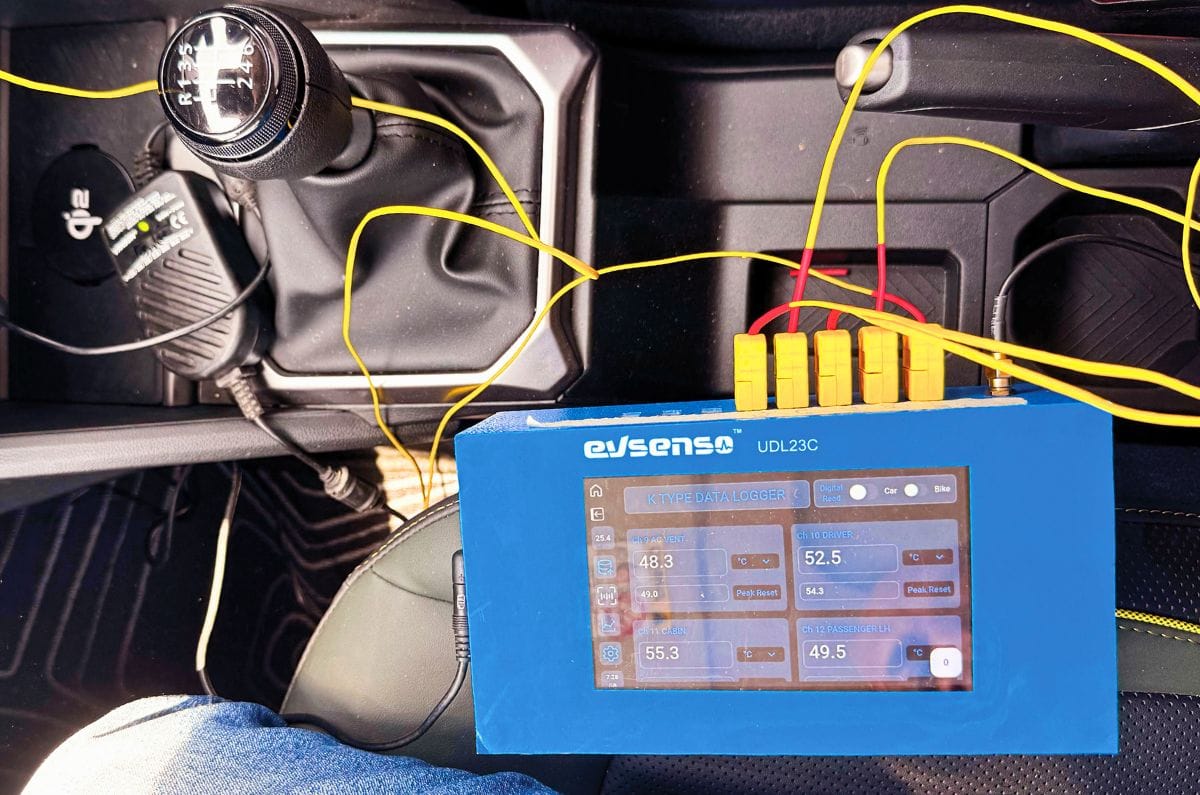
Front vents are directed at the driver’s face, while rear vents are aimed at the rear-seat centre occupant. As the car is switched on, climate control is set to recirculation mode, maximum blower speed and the lowest possible temperature. Temperature readings are recorded after a minute of idling and then at five-minute intervals (up to 15 minutes) while driving on a fixed route at 50-60kph. A final reading is taken after another minute of idling.
A key disclaimer: Ambient temperatures and humidity have a big bearing on cooling performance. Hence, our results are from vehicles tested on the same day, and these may vary for you based on your location and ambient conditions.
Tata Sierra vs Kia Seltos: AC test
Tata Sierra front and rear AC performance
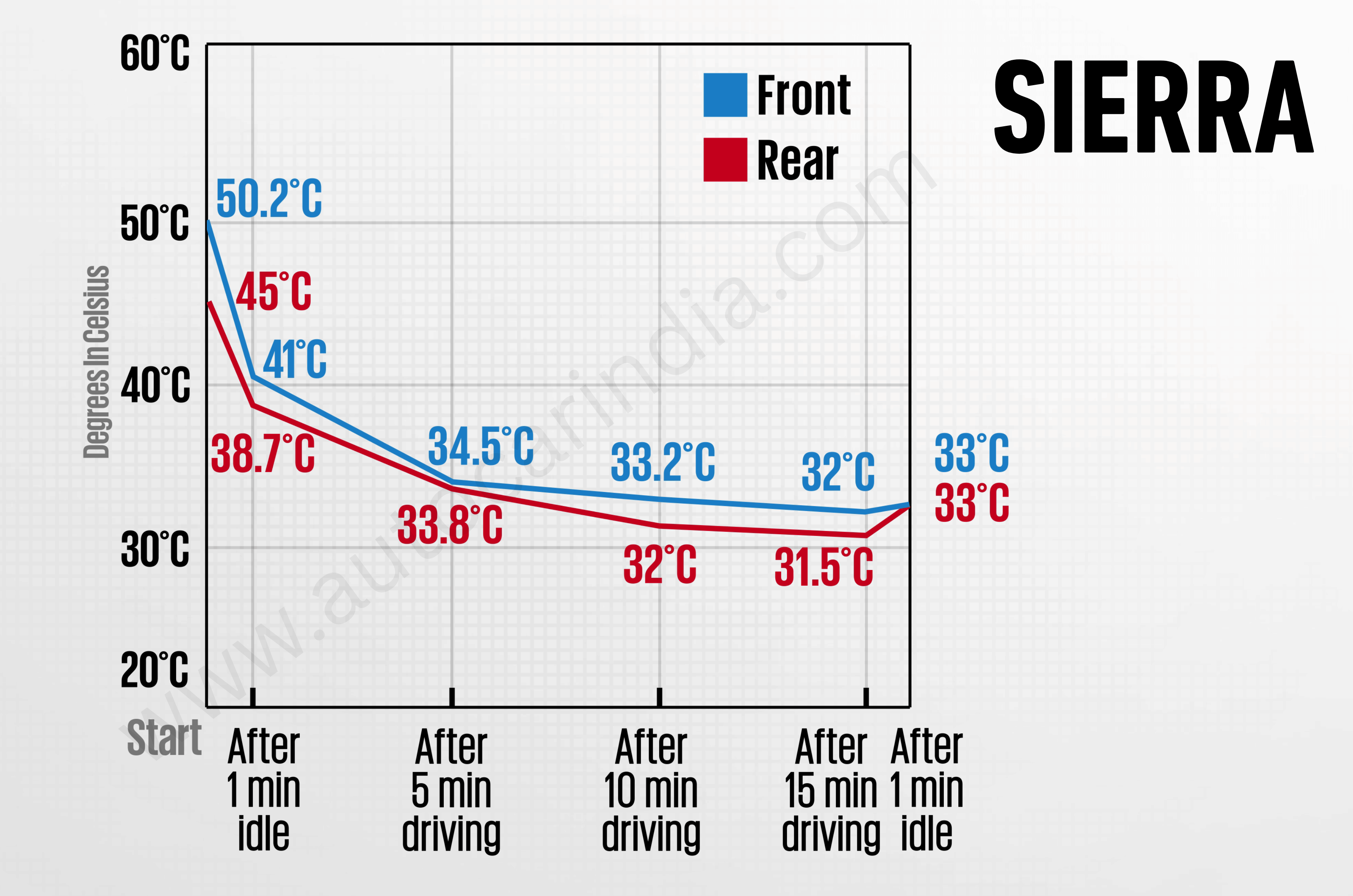
At the start of the test, the temperature around the Tata Sierra’s front seats was 5deg C higher than that around the rear seats. After a minute of idling, the temperature near the front seats fell faster than around the rear seats, but it always remained higher compared to the second row. After 15 minutes of driving, the difference between the front and rear seats was 0.5deg C. However, after a minute of idling, the temperature around the front and rear seats was the same.
During our time with the Sierra, we found that its AC performance was aided by good blower strength and a wide airflow spread. However, the rate of temperature drop slows down as the Sierra builds up speed, distancing it from best-in-class standards.
Kia Seltos front and rear AC performance
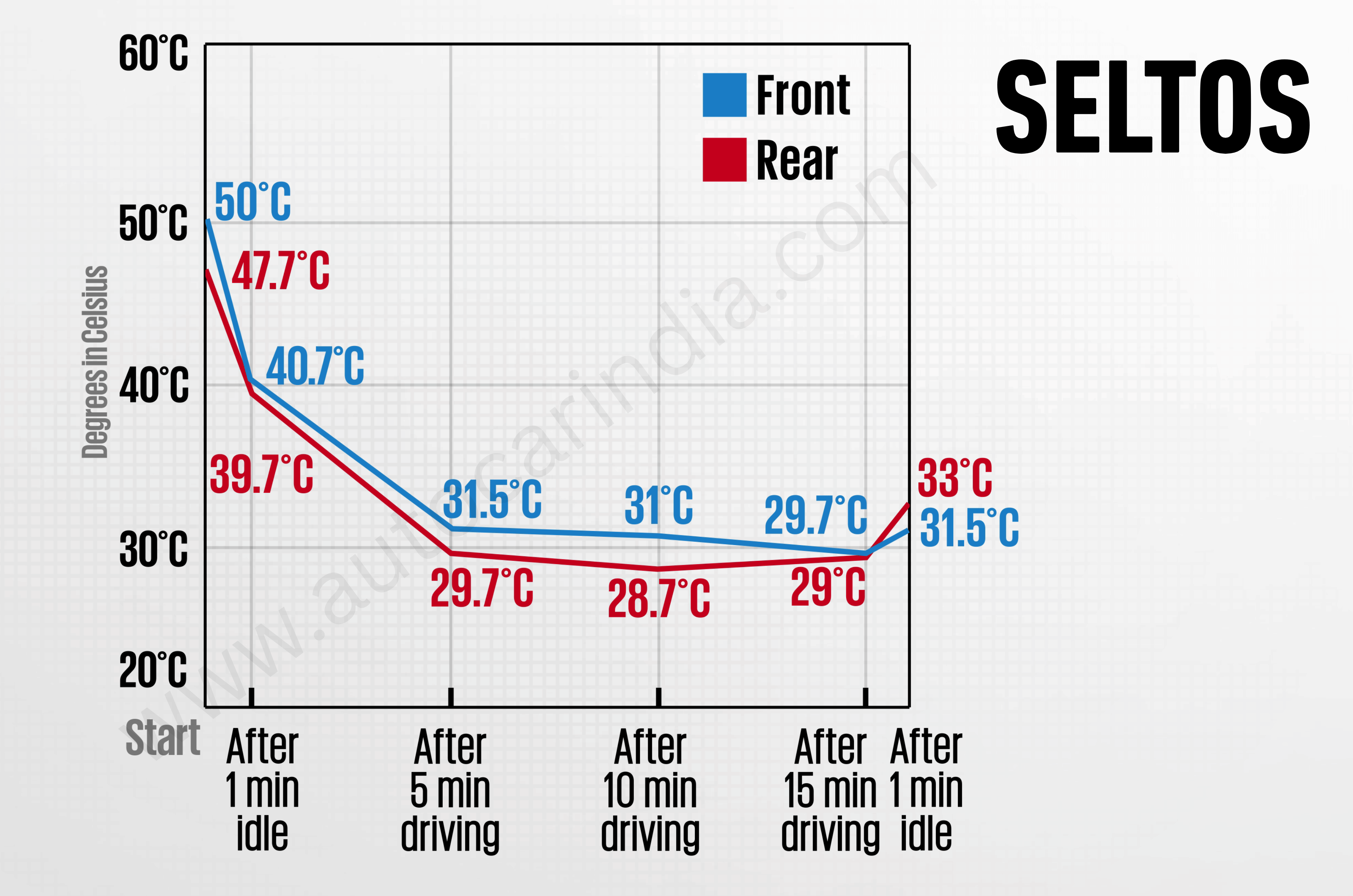
The temperature was 50deg C around the front passenger seat at the start of the test, and after a minute of idling, it dropped faster than the temperature around the rear seats. The temperature difference between the front and rear seats continued to reduce after 5, 10 and 15 minutes of driving. Interestingly, after a minute of idling, the temperature around the front seats was 1.5deg C lower than around the rear seats.
Tata Sierra vs Kia Seltos front and rear AC performance
*Front seat temperature is measured near the driver’s ear; rear seat temperature is measured at the centre armrest


 Uday Singh

 Glenn Noronha