Hyundai cars in India (13)
South Korean carmaker Hyundai first set up a manufacturing plant in Sriperumbudur, Tamil Nadu, in 1996. In two years after that, Hyundai launched the Santro in 1998. Since then, it has introduced models such as the Accent, Verna, i20, Santa Fe, Tucson, Creta, Venue and more. Hyundai is one of the oldest car brands in the country, and models like the Creta have been instrumental in the brand's success here. In fact, the Hyundai Creta has been the most-selling mid-size SUV for many years.


Filter your search


Filter your search


Hyundai Cars - FAQs
Hyundai cars generally offer a long list of features, polarising design and a relatively more premium interior compared to rivals.
Each brand has their own strengths, but when it comes to overall fit-and-finish of parts, Hyundai has an upper hand over Tata Motors.
Yes, Hyundai cars are generally reliable and offer a good ownership experience. Regular maintenance and driving habits also play a key role in ensuring a car runs optimally over the years.
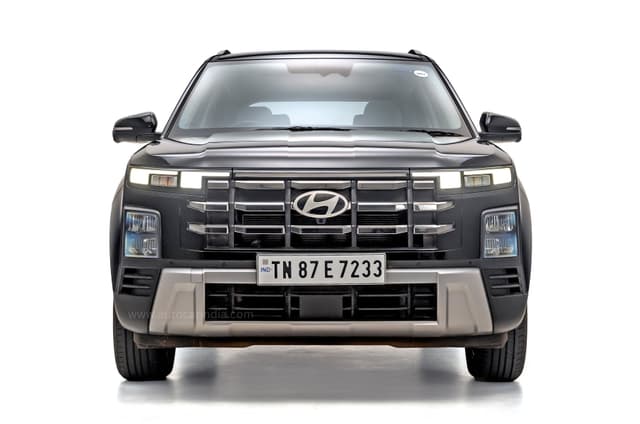
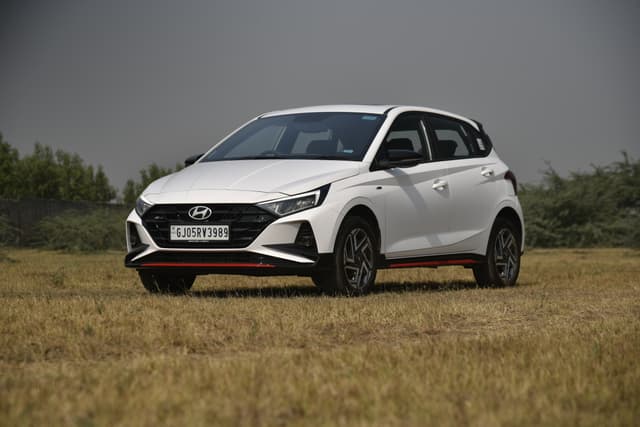
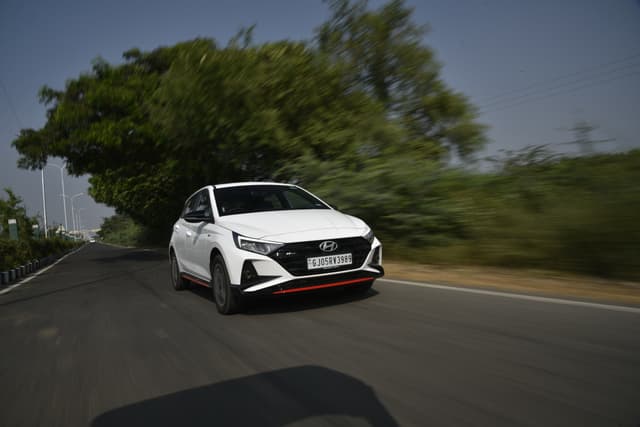
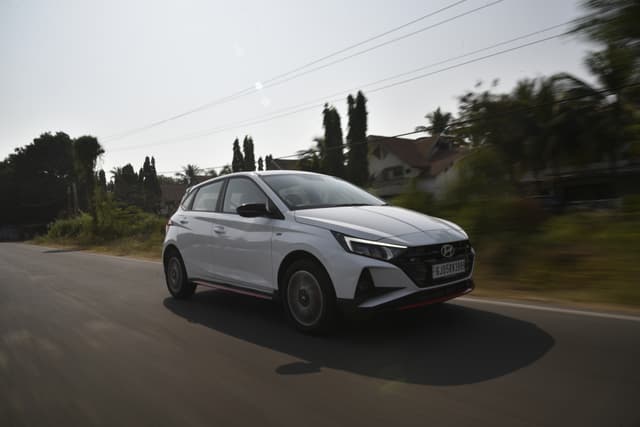
Cars such as the Hyundai Creta N Line and i20 N Line come with some exterior tweaks, high-performance powertrains and tuned suspension setups over their standard counterparts.
Hyundai cars can easily be considered by anyone, let alone a first-time car buyer. Hyundai cars generally come with a long lost of features, and multiple powertrain options. Also, over the years, the company has built a huge service network in the country, enhancing the ownership experience of customers.
Trending Questions on Hyundai Cars - Answered by Autocar Experts
Hi, We currently own a 7-year-old Hyundai i20 Active, which we use for 60 - 70% city driving and the remaining 30-40% on highways. We are planning to buy an electric car, but we are a bit concerned about the current uncertainty surrounding government policies related to EVs. We have shortlisted the Hyundai Creta Electric and the Mahindra XEV 9S. Which one would you recommend for our usage? Also, what is your opinion on the resale value of EVs over the next 5-7 years?
Given your usage pattern of 60-70% city driving with regular highway runs, the Hyundai Creta Electric is the more sensible choice. This Hyundai car is a more mature and well-rounded product, with Hyundai’s strong service network and a proven track record in EVs. The Creta Electric also benefits from a more mainstream brand image, which should help with long-term ownership confidence and potentially better resale value.The Mahindra XEV 9S is a very capable EV with a larger battery and longer claimed range, but it is a much bigger and heavier car, which makes it less suited to city driving.On resale value, electric cars are still a developing story in India. Battery health, warranty coverage and the pace of technological change will all play a role. Mainstream brands with strong service networks are likely to hold value better, and Hyundai’s wider reach gives it an advantage here. That said, EV resale values are still not as predictable as ICE cars, so it is best to view the purchase as a long-term ownership proposition rather than banking on strong resale.Overall, the Creta Electric strikes a better balance between city usability, highway capability and ownership confidence.
Hi, I am planning to upgrade from my Volkswagen Polo 1.2 MPI to an automatic car. My monthly running is around 800 km, mostly in the city. My priorities are excellent NVH levels, comfortable ingress and egress for my elderly parents, and a plush ride quality. I am confused between the Hyundai Venue Turbo Automatic and the Skoda Kylaq Automatic. Should I buy one of these now, or would it be better to wait for upcoming models like the Maruti Suzuki Vision S, Hyundai Bayon, Renault Bridger, Kia Clavis, or the new Kia Sonet? Also, is there any other car that would suit my requirements better? I have also heard that DCT gearboxes are not ideal for heavy city traffic. Is that true?
Go for the Skoda Kylaq automatic. Your priorities are clear: low NVH, easy ingress/egress for elderly parents and good ride quality. The Kylaq delivers on all three. The cabin is well insulated, the ride is comfortable, and the ideal seat height makes getting in and out easy. The 6-speed torque converter automatic is also the right choice for your usage. It is smooth and well suited to city driving, unlike the DCT in the Venue, which can feel hesitant in stop-go traffic. The Venue turbo DCT is a good car, but the Kylaq is the more comfortable and easier-to-live-with option. As for waiting, the Vision S and Bridger are expected later next year; the Bayon will be bigger and more expensive, so none are likely to fundamentally change the equation for your requirements.
Hi! I am looking for a car under Rs. 12 lakh and am willing to increase my budget by Rs. 20,000-30,000 if the car offers good value. I have been considering a few cars, such as the Skoda Kylaq, Mahindra XUV 3XO, and Hyundai Venue, but I am very confused and unable to decide. I want a car with good features, a premium feel, better comfort, strong safety, and reliability that doesn't give me trouble. Could you please help? Thanks.
Go for the Hyundai Venue. It has a five-star Bharat NCAP rating, good features, a quality cabin and good reliability, with a wide-reaching service network and reasonable costs. You also have two petrol engines to choose from a 1.2 naturally aspirated, and a more powerful 1.0 turbocharged, both of which are smooth and efficient. The Mahindra XUV 3XO also offers a strong feature list, 5-star safety rating, good ride comfort and a powerful 1.2 turbo petrol engine. However it is not as fuel efficient as the Venue, and Mahindra's aftersales and service experience isn't as well reputed as Hyundai's. Overall, the Venue is a better all-rounder.Do note, however, that on your Rs. 12 lakh budget, both these SUVs will only be available in their mid-range variants, so you won't get all the features they could have on offer. If you want maximum bang for your buck, check out the Nissan Magnite 1.0 Turbo. It's spacious, reliable, feature loaded, powerful enough and you can even get an auto gearbox in your budget.
I’m buying my first car and am still learning to drive. My monthly running will be around 500-600 km, with most of my driving in Mumbai city and occasional weekend highway trips. I plan to keep the car for the next 8-10 years. I was initially considering the Hyundai Venue HX 8 Automatic Petrol, but I dropped the plan because it does not offer a panoramic sunroof. Now I’m confused between the Hyundai Creta S(O) and the Kia Seltos HTK(O) 1.5 NA Petrol Automatic. The Creta S(O) is around Rs. 1 lakh cheaper than the Seltos HTK(O), but the additional features offered by the Seltos are tempting. Which one would you recommend for my requirements?
Go for the Kia Seltos IVT. It is based on a newer platform than the Creta and is bigger inside and out. For your usage and ownership plan, it is the sensible choice. The 1.5 naturally aspirated petrol paired with the IVT is smooth, reliable and well suited to city driving, and as you mentioned, the Kia has the extra features you want. While it does cost more, it does give you more for the money. The Creta is also due for a full model change in 2027, so you are buying a car that is closer to the end of its lifecycle, but that is not a deal breaker given Hyundai's strong aftersales support and the fact that the mechanical package is proven and reliable.
Hi, I am 30 years old and currently learning to drive. I am looking for a car with a good safety rating and reliable after-sales service. My maximum budget is Rs. 10 lakh. Most of my driving will be in the city, with occasional long-distance trips and highway drives. The car should be easy to drive and comfortably accommodate four family members, excluding the driver. Could you please suggest a few good options within my budget?
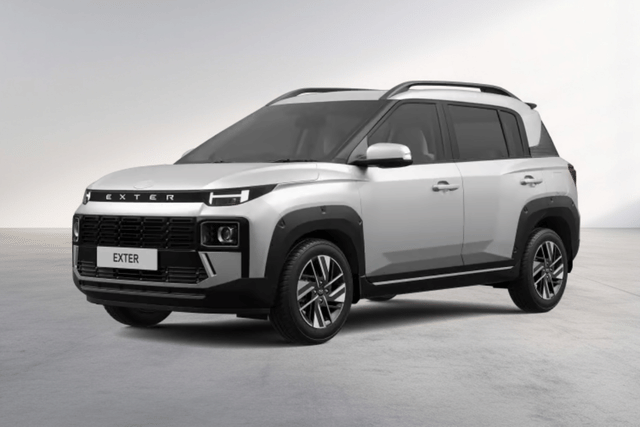
The best car for your needs is the Nissan Magnite, which is the best all-rounder you can get under Rs 10 lakh budget. It's got a 5-star Global NCAP crash test rating, is comfortable for five passengers, and though Nissan's service network isn't as wide as other brands, maintenance is efficient, reliable and inexpensive. This Nissan car comes with a fuel-efficient 1.0-litre turbo petrol engine, which should fit in your budget, and it's also powerful enough for your occasional highway trips. It's an SUV with a high seating position, light steering and light transmission controls, so you should be able to learn to drive easily with it.Other alternatives are the Tata Punch, which has a good safety rating but isn't as fuel-efficient and whose aftersales service isn't as strong, and the Hyundai Exter, which is easier to drive but hasn't got a safety rating from any NCAP authority. Neither is as spacious as the Nissan Magnite.
Last Updated on: 1 Aug 2026