0 cars with filtered options
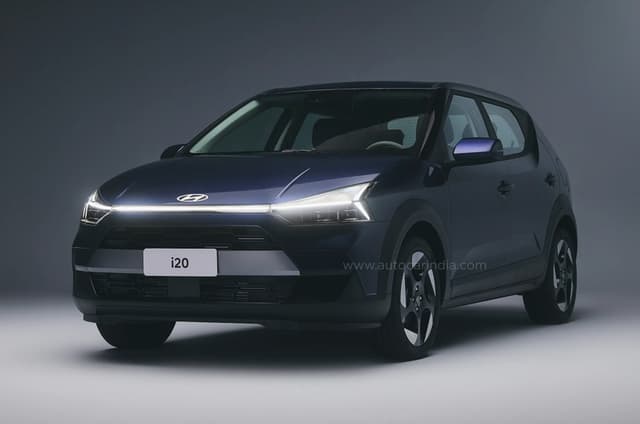
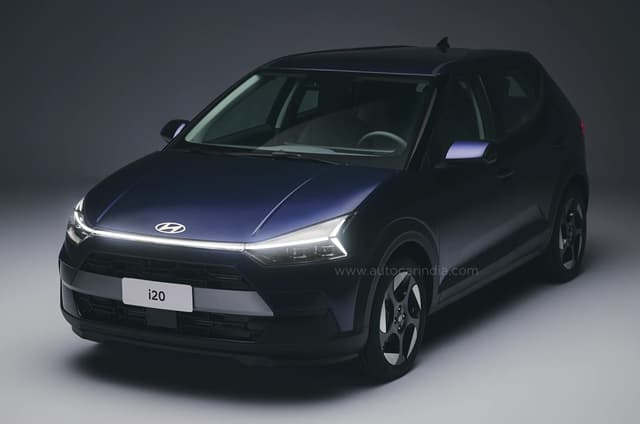
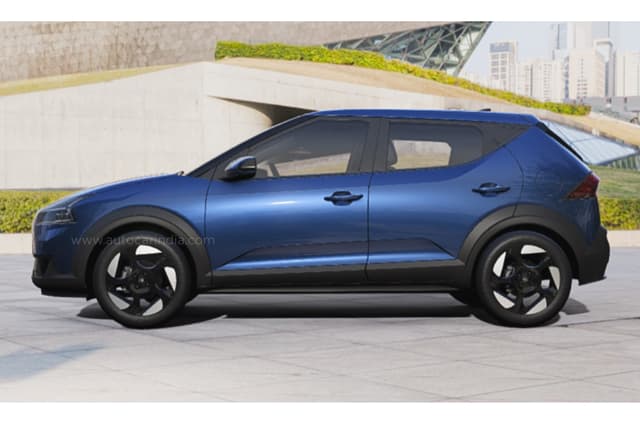
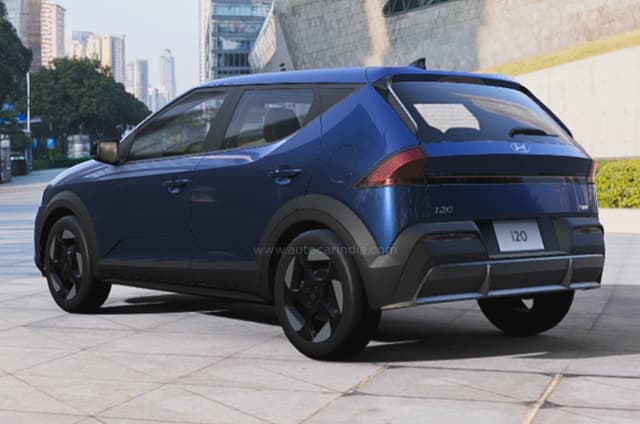
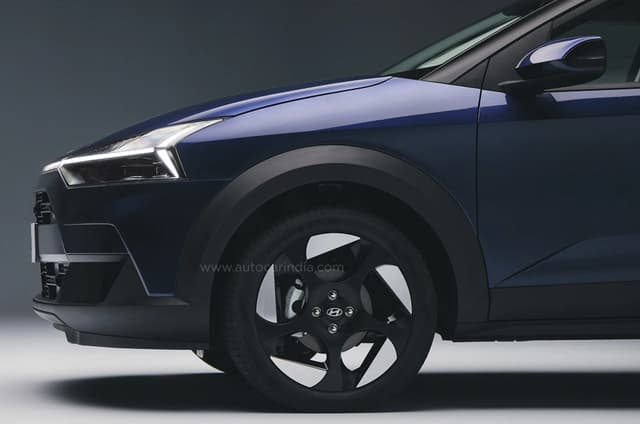
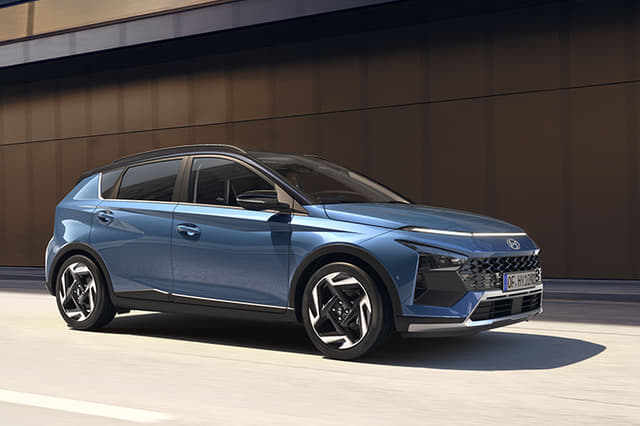
The automotive market is gearing up for exciting launches, and upcoming Hyundai cars in India are among the most anticipated. Known for blending design, features, and performance, Hyundai continues to attract strong interest from buyers.
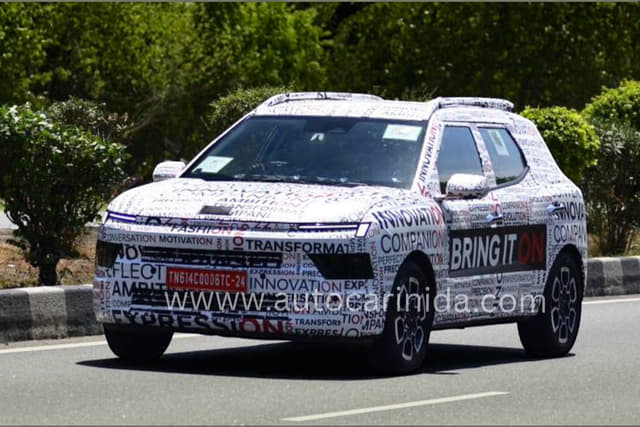
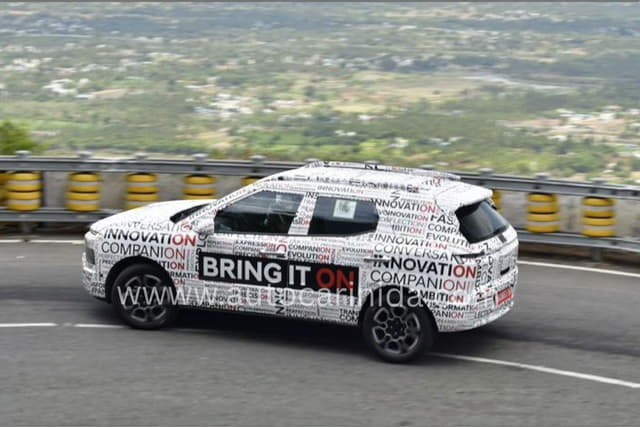
There are no upcoming Hyundai cars in 2025 expected to be introduced across different segments. These models will cover a wide price range, giving customers multiple options to choose from.
With changing preferences, upcoming Hyundai cars in India are set to offer modern styling, advanced technology, and improved efficiency. Whether you are planning a practical family car or a premium upgrade, the upcoming Hyundai cars in 2025 bring something for every buyer.
FAQs
Trending Questions on Hyundai Cars - Answered by Autocar Experts
I have a family of six, including kids aged 11 and 6 and elderly parents. Iām looking for a petrol automatic car focused on comfort rather than performance, mainly for city use and one annual road trip. Annual usage is under 5,000 km, and my budget is preferably within ā¹22 lakh. Which car should I choose?
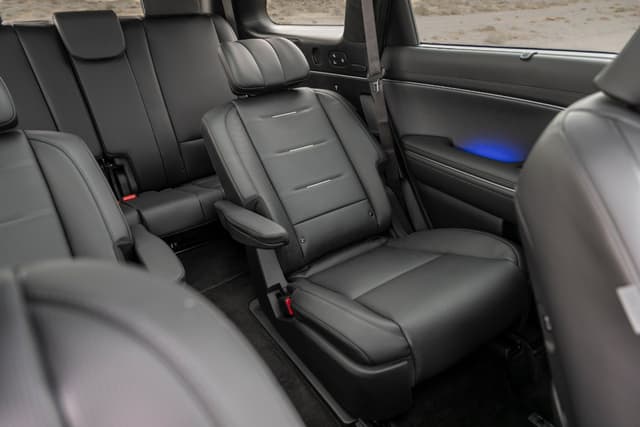
The Kia Carens Clavis is the ideal pick for your requirements. It's a well-packaged MPV that offers comfortable seating across all three rows. A one-touch operation for the middle row seat fold makes access to the last row easy. Also, there is ample movement built into the middle row to balance space for all passengers.
The Clavis is also easy to drive and doesn't intimidate as some three-row SUVs can. From the Clavis line-up, the Turbo DCT HTX(O) is the one to buy.
Of the other three-row petrol-auto options, there's the Hyundai Alcazar, MG Hector Plus, Mahindra XUV 7XO and Tata Safari.
Hi, is the Skoda Kushaq a good vehicle? Do you have any other advice?
The Skoda Kushaq is a competent mid-sized SUV that stands out for its driving experience. Its 1.0 and 1.5-litre turbo-petrol engines deliver punchy performance, and handling is also slick and fun. The Kushaq also feels tough in its build and comes with the reassurance of strong safety ratings. On the flip side, the Kushaq feels smaller than many like-priced rivals and isn't ideal as a five-seater.
Skoda will introduce an updated version of the Kushaq later this month. We expect the model to get a few styling revisions outside and more features, too. It might include a panoramic sunroof and a segment-first rear seat massage function.
The updated Kushaq will also get an uprated air conditioner that will provide stronger cooling, which has been one of the model's weaknesses since launch. While the engine options will continue as is, the smaller engine's 6-speed automatic transmission is expected to make way for a more efficient 8-speed unit.
To sum up, the Kushaq should be on your list if a fun drive experience is a priority. If space, comfort and features are important, consider the Kia Seltos, Hyundai Creta and Tata Sierra.
Hi, I want to select an EV for around 1,500 km of city driving per month, with a budget of ā¹20 L - ā¹23 L. I am confused between the Creta EV, BE6, and Harrier EV. Can you suggest the best EV based on performance and visual appeal?
Since you are looking for an EV for city use, the Hyundai Creta Electric is a good choice. While it isn't as powerful as the Mahindra BE 6 or Tata Harrier EV, performance is brisk and more than adequate for city conditions.
The same holds true for its battery as well, which is the smallest (LR versions get a 51.4kWh battery pack) but delivers a comfortable 400km of real-world range in city driving.
What makes the Creta Electric likeable and ideal for city use is its size. A Harrier EV is a full-size vehicle, while the BE6 is significantly wider. It means both can feel a bit cumbersome in congested confines. What also goes in favour of the Creta is that the tech onboard works as it's supposed to - free of glitches and errors.
I live in Pune and am looking for an automatic car under ā¹25 lakh in India that offers a strong engine, loaded features, and is well suited for mostly city driving with occasional highway use.
Since 80% of your driving will be in city conditions, a smooth driving experience is also something you must give due weightage to. The Kia Seltos IVT and Hyundai Creta IVT deliver that, and top our list of recommendations for you.
Sure, the 1.5-litre naturally aspirated petrol engine's 115hp isn't great, but real-world performance is actually very nice with brisk acceleration and very smooth responses. The CVT (IVT, as Hyundai and Kia call the gearbox type) is also very smooth. Also, it is free from the rubberband effect (sharp rise in revs without a significant rise in road speed), which this type of gearbox is usually notorious for.
Of the two models, it's the new Kia Seltos that's the more wholesome package, offering more rear seat space and better ride comfort. Your budget allows you to go for a higher trim level, getting you lots of tech and comfort features.
I have a family of four and am looking for a petrol automatic SUV, preferably with a DCT. My options include the Seltos, Sierra, Harrier and 7XO. My annual running is around 6,000km, so I do not want to overspend, but also do not want to compromise on features.
I am looking for a 7-seater car with a maximum budget of ā¹25 lakh that is suitable for both city and highway driving. Which car would be the best option for my needs?
Considering your requirements, you should take a look at the Kia Carens Clavis. The MPV is a well-rounded package that offers a comfortable ride, a spacious and practical cabin for seven people and a lengthy list of features.
The Carens Clavis can be had with a 116hp, 1.5-litre diesel and a 160hp, 1.5-litre turbo-petrol, both of which can be had with manual or automatic gearbox options. Alternatively, you can also consider the Hyundai Alcazar, which is mechanically identical to the Carens Clavis.
I am currently using a Hyundai Venue (2019) and will be retiring by April. My car usage will be limited after retirement, mainly on weekends and for two long trips in a year. I am planning to buy a CNG car with a budget of around ā¹10 lakh. Since I have been driving a manual car for over 15 years, should I continue with a CNG manual or opt for a CNG AMT, considering my age? Please suggest which option would be better.
My usage is very limited, mostly city driving on weekends, with one or two out-of-town trips to nearby places like Lonavla or Pune. My budget is a maximum of ā¹10-12 lakh. I want an automatic for ease of driving in Mumbai traffic. I had shortlisted the Kia Sonet as my first choice, along with the Renault Kiger and Nissan Magnite. I now find the Hyundai Exter to be quite good for city use, but not ideal for highway driving, which has left me confused. Which car would be best suited for my requirements? My personal preference order is: Exter, Sonet, Kiger, and Magnite.
I am using Creta Diesel since 2016. My average running is 2000 kms per month and mostly highways. Need a suggestion for vehicle under 16 lacs. Priority is comfort and low running cost. Should I go for diesel or petrol.
I am planning to buy my first car and have started driving classes. My budget is ā¹10 lakh. I will mostly drive in the city and occasionally on the highway, and we are a family of four. I am confused between Venue, Nexon, 3XO, Sonet, and Syros. Please suggest which car to buy.
If you want to buy any of these SUVs, we suggest increasing your budget by ā¹2-3 lakh. At a ā¹10 lakh on-road budget, you will have to settle for the lower variants, which is a personal choice but does mean missing out on key features.
Within a ā¹10 lakh budget, a good option for you is the Hyundai Exter. It allows you to choose a fully loaded variant that comes with an 8-inch touchscreen, sunroof, cruise control, wireless phone charger, rearview camera, and other useful features. It gets a smooth and refined 1.2-litre, 4-cylinder engine that delivers power in a predictable and easy-to-manage manner.
Since you are a new driver, opting for the AMT would be a sensible choice, as it adds to everyday driving comfort and convenience.
Amongst the cars you mentioned, you can consider the Tata Nexon or Kia Sonet.
Last Updated on: 6 Jan 2026