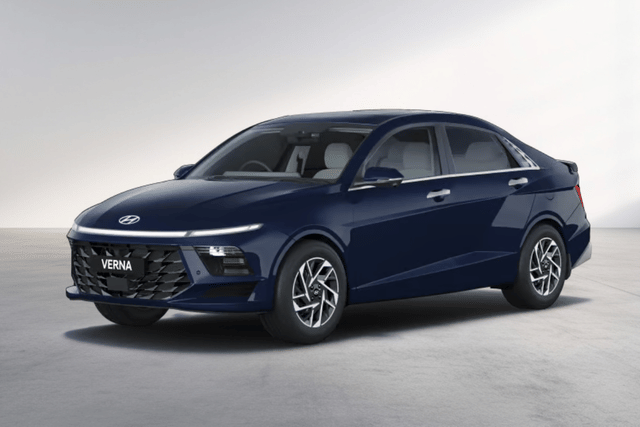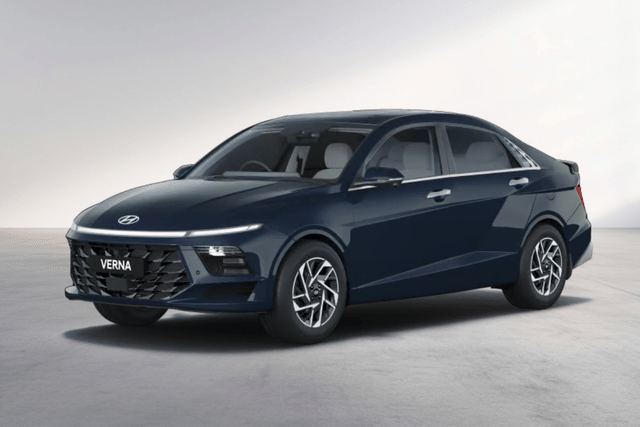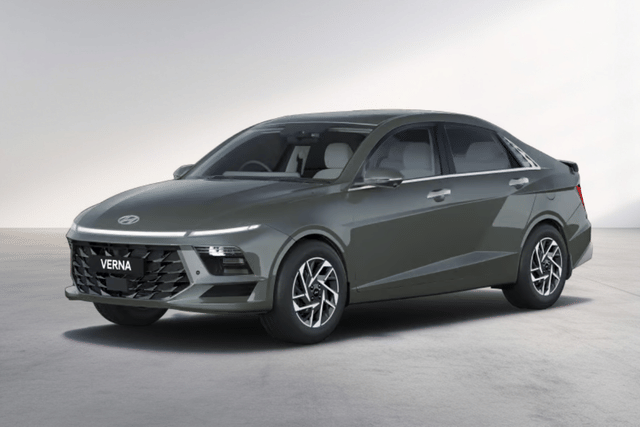
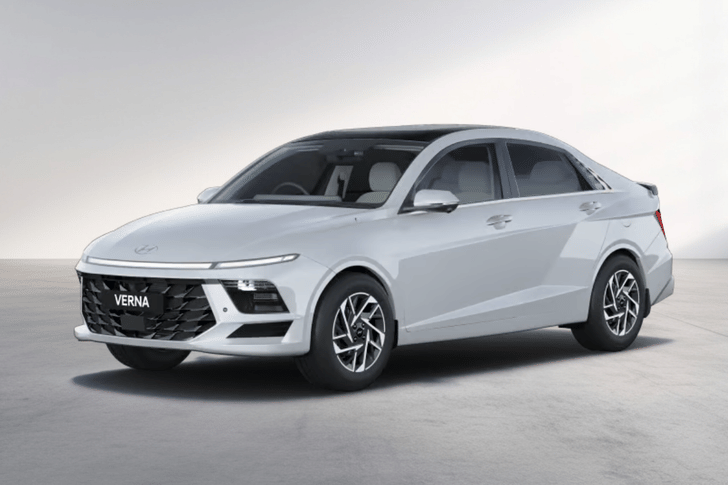
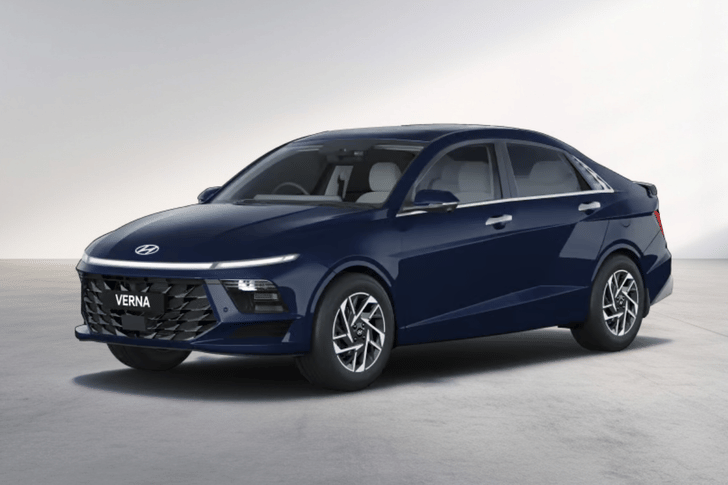
Hyundai Verna
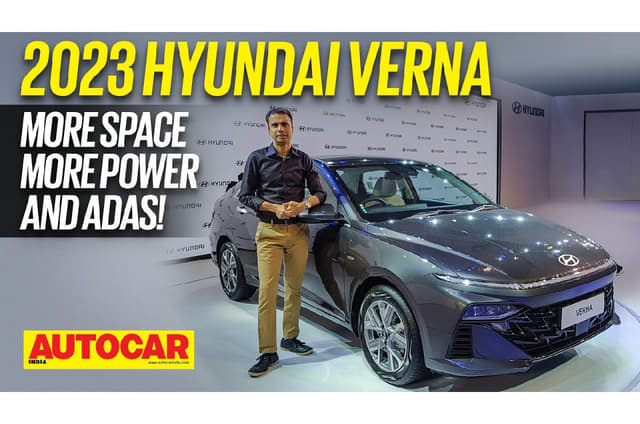
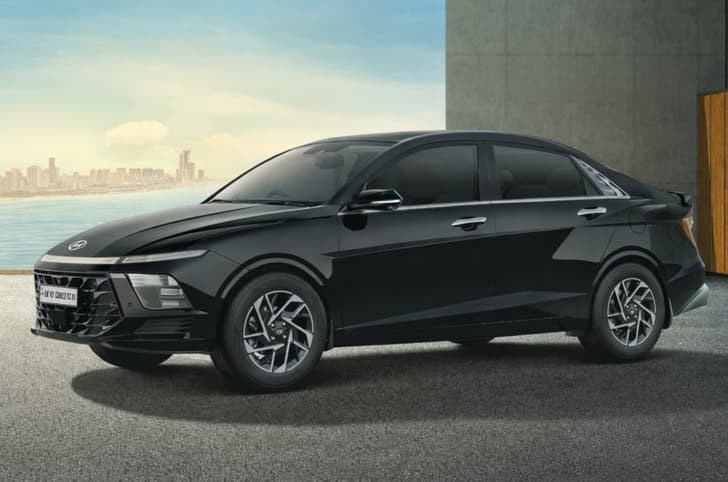
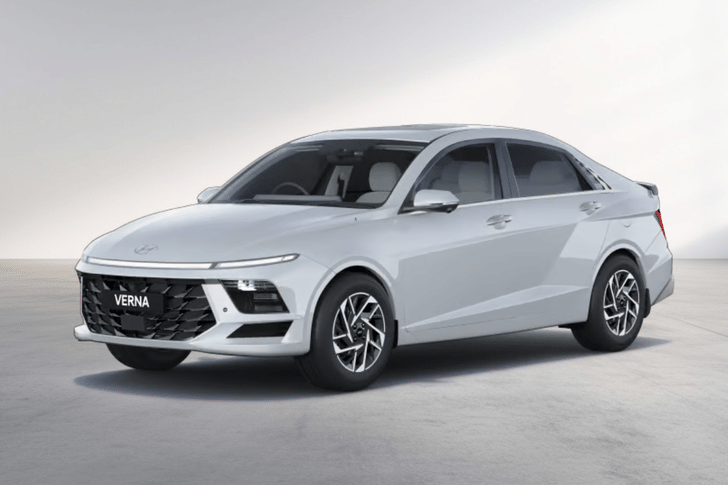
The Hyundai Verna is a five-seater midsize sedan designed for buyers seeking a comfortable, feature-rich car for daily commutes and long highway drives. It is available in 12 variants, ranging from the HX2 to the HX10, with two petrol engine options: a 1.5-litre naturally aspirated and a 1.5-litre turbo-petrol. While there are no diesel or hybrid options, buyers can choose between a 6-speed manual, an iVT automatic for the naturally aspirated engine and a 7-speed dual-clutch automatic for the turbo-petrol version.
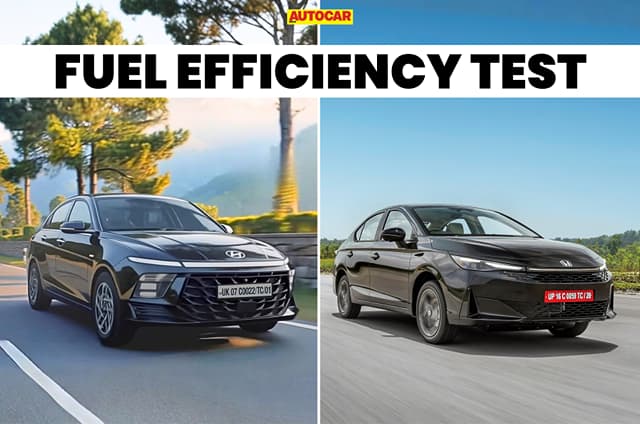
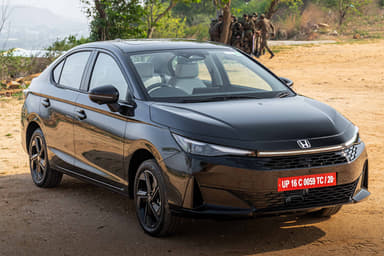
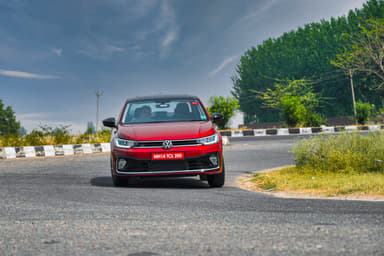
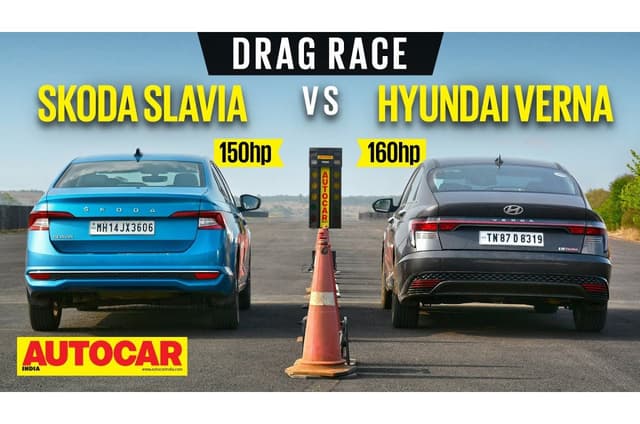
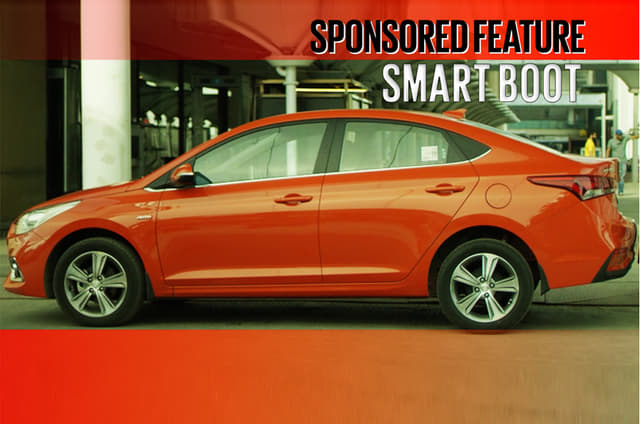
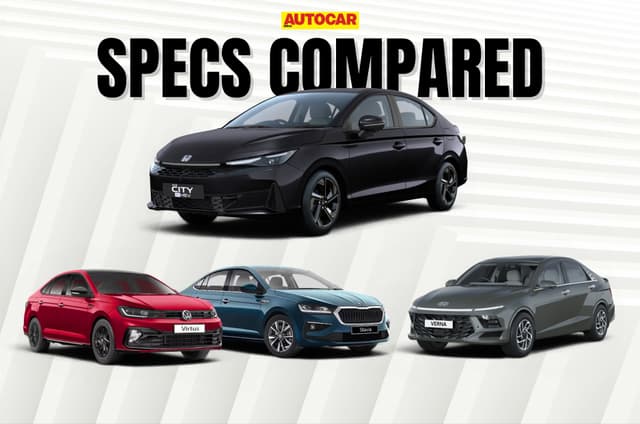
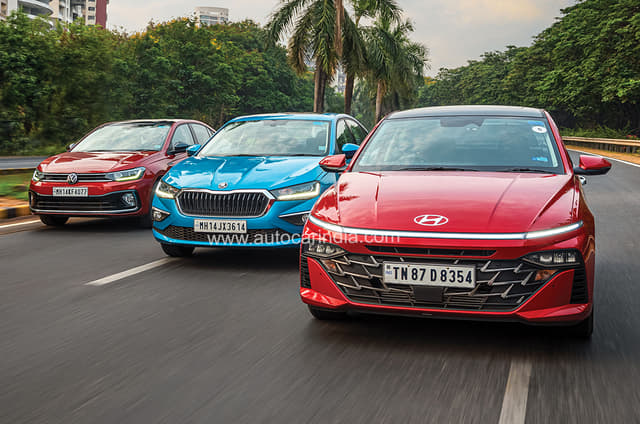
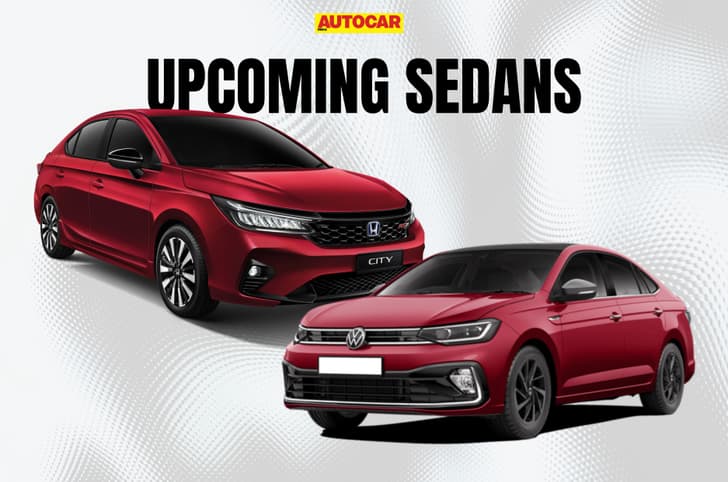
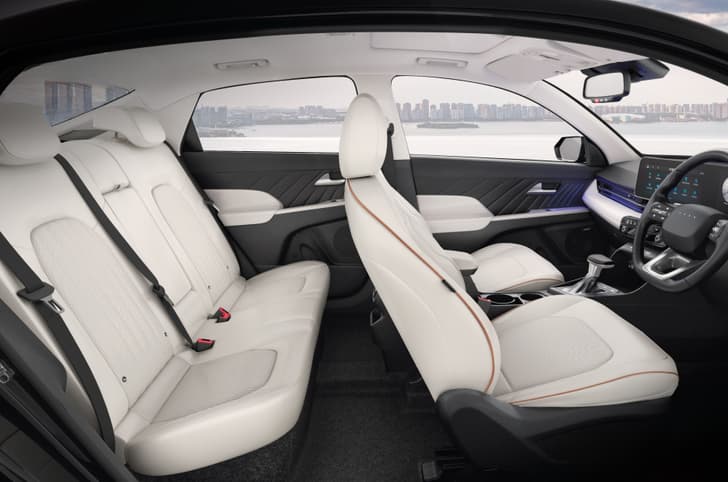
Moreover, its 528-litre boot, 2,670mm wheelbase and 1,765mm width contribute to a spacious cabin and practical everyday usability. In the mid size sedan segment the Hyundai Verna competes with the Honda City, Volkswagen Virtus and Skoda Slavia.
Verna Key Features
Here is what you get across the range.
Category | Key Features |
|---|---|
Engine and gearbox |
|
Screens and audio |
|
Safety |
|
Comfort and convenience |
|
Practicality |
|
Verna Road Test Findings
Autocar India rates the Verna 8 out of 10. This is how it came across in our tests.
What we liked
- The cabin is roomy, with generous legroom and good headroom, and the rear seat is far more comfortable than before.
- The 528-litre boot easily takes the luggage of a family on a long trip.
- Both petrol engines are smooth, quiet and quick enough for most needs.
- The suspension leans towards comfort. It soaks up small bumps at low speeds and stays composed even at expressway speeds.
- The Level 2 ADAS gives clear audio and visual warnings and leaves enough time for the driver to react before the car steps in.
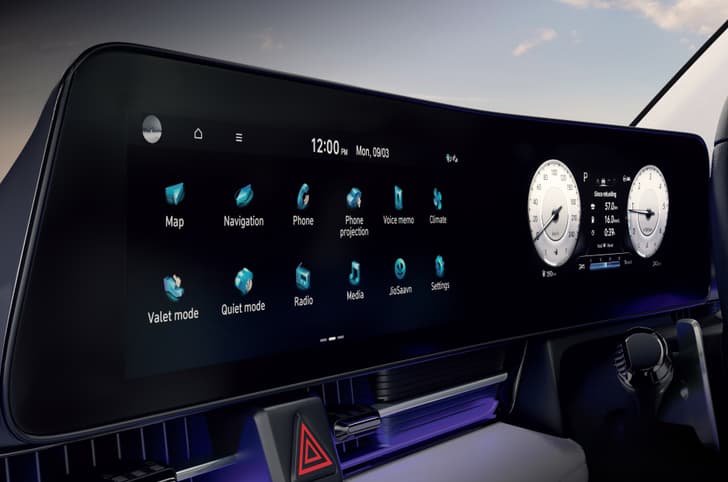
- The feature list is long, with dual 10.25-inch screens, a Bose sound system, ventilated front seats, a 360-degree camera and a sunroof.
What we did not like
- The steering feels light and precision, so the Verna is not very involving to drive.
- There is no diesel or hybrid option, which some rivals do offer.
- The turbo-petrol uses a lot more fuel when driven hard.
- The soft suspension does not invite quick driving through corners.
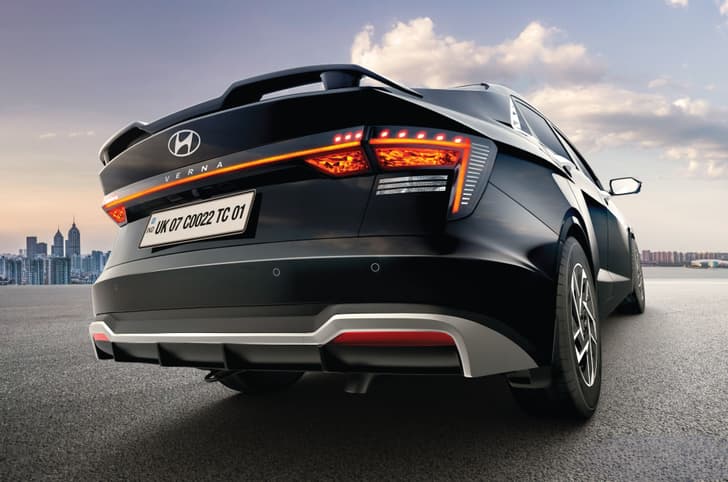
- The front and rear styling is a little overdone in places.
- Real-world mileage is well below the ARAI claims, especially in the city.
Who should buy the Verna?
Based on our reviews, the Verna suits buyers who want a spacious, comfortable and feature-rich sedan, with a choice between a relaxed everyday engine and a quick turbo.
Buyer type | Why it fits |
|---|---|
Want a quick sedan | The 160hp turbo makes 253Nm, the highest in the segment, and the dual-clutch gearbox feels smooth in daily use. |
Carry luggage often | The 528-litre boot is the largest in the class by a clear margin. |
Want driver assistance | Level 2 ADAS is offered on the turbo-petrol at the top of the range. |
Drive long distances on highways | The ride stays settled at high speeds and the front seats are ventilated. |
Want a loaded cabin | You get two 10.25-inch screens, a Bose system, a 360-degree camera and electric seats on the higher variants. |
The buyer the Verna suits least is the keen driver who wants sharp steering feel. Anyone expecting a diesel-like mileage from the turbo should also keep expectations in check.
Hyundai Verna Price Details
- HX2 Petrol MT (base model): 10.99 lakh (ex-showroom)
- HX6+ Petrol CVT (mid variant): 15.03 lakh (ex-showroom)
- HX10 Turbo Petrol DCT (top model): 18.31 lakh (ex-showroom)
Hyundai Verna Latest Updates
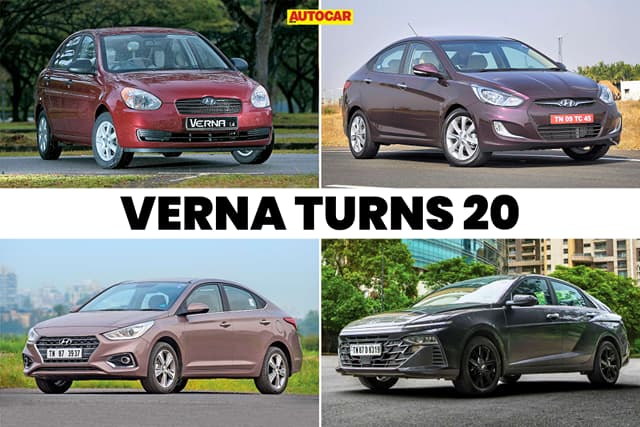
25 September 2026: Hyundai Verna celebrates 20th anniversary in India
9 March 2026: 2026 Hyundai Verna facelift launched at Rs 10.98 lakh; the midsize sedan's latest update comes with ‘Boss’ mode, 360-degree cameras and 7 airbags
Verna Specifications
18.6 kmpl - 20.6 kmpl
1482 cc - 1497 cc
Petrol
CVT, DCT, Manual
5
160 hp
7
253 Nm
Verna Highlights
7 Airbags
Fully Digital Instrument Cluster
1.5L Petrol Turbocharged Engine
Bose Music System
LED Headlamps
Front Only Ventilated Seats
+4
12
Become an
Autocar Shopper
Unlock benefits up to ₹50,000 on Verna
Unbiased buying guidance
Guaranteed lowest price
Priority car delivery
Offer valid till 15th November 2026
Hyundai Verna price & variants
Hyundai Verna price in India starts at 10.99 lakh for the HX2 Petrol MT and goes up to 18.31 lakh for the HX10 Turbo Petrol DCT, both ex-showroom. In Delhi, the on-road price ranges from 12.76 lakh to 21.24 lakh. The 12 variants are spread across 6 trims, 2 engines and 3 gearbox types.
Which one to pick:
- The 115hp petrol is smooth and has plenty of power for city use, which is what most buyers need.
- The 160hp turbo makes more sense if you drive long distances or want stronger performance. It is also the only engine that gets Level 2 ADAS.
- The dual-clutch automatic is offered only with the turbo, so your choice of gearbox may decide your engine. If you want a CVT, it comes with the 115hp petrol from the HX6.
- The HX6 with the CVT is the most popular variant on Autocar India.
- EMIs for the HX2 Petrol MT start at 18,502 a month.
Hyundai Verna Expert Review
We like
Spacious cabin with plenty of legroom and good headroom
528-litre boot offers plenty of space for family luggage
Both petrol engines are smooth, refined and quick
See more
We don't like
Steering lacks feedback and precision, so it doesn't feel engaging to drive
No diesel or hybrid option, unlike some rivals
Turbo-petrol's fuel economy drops sharply when driven hard
Hyundai Verna Official Brochure
Download the complete brochure with specs, features, and variants.
Hyundai Verna reviews

Hyundai Verna comparison


Hyundai Verna EMI Calculator
Hyundai Verna Mileage
Hyundai Verna petrol mileage depends mostly on which of the two engines you choose and on how you drive it. The 115hp naturally aspirated engine is the more economical of the pair in everyday use, particularly with the CVT automatic, because it has a smaller job to do and does not rely on a turbocharger to make its power.
The 160hp turbo will use noticeably more fuel if you use its performance and rather less if you drive it gently, since the turbo only draws heavily when you ask for the power. If running cost is your main concern the naturally aspirated engine is the sensible pick, though if you cover long highway distances at a steady speed the turbo's extra pulling power means fewer gearchanges and the gap between them narrows.
| PowertrainThe combination of engine type, fuel, and transmission that powers your vehicle and determines how it drives and what it runs on. | ARAI MileageMileage certified by the government, tested under controlled lab conditions. Real-world mileage will vary. | Autocar Tested MileageAutocar's experts test each vehicle on fixed city and highway routes under standardised conditions - single occupant, AC running, manufacturer-recommended tyre pressures. Tanks are filled to the brim before and after each run to calculate efficiency. Results reflect realistic real-world usage. |
|---|---|---|
Petrol-Manual 1497 cc | 18.6 kmpl | NA |
Petrol-Automatic (CVT) 1497 cc | 19.6 kmpl | NA |
Petrol-Manual 1482 cc | 20 kmpl | NA |
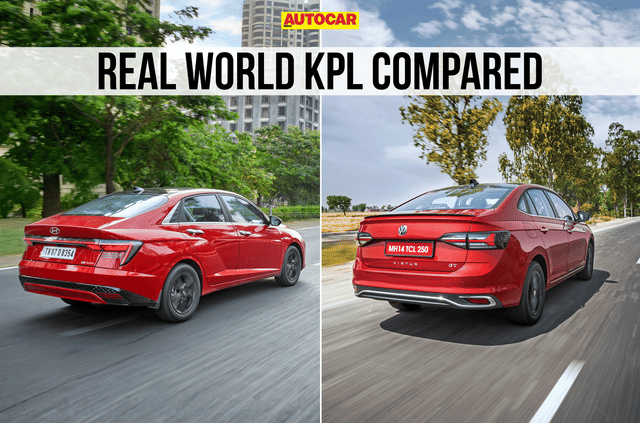
Petrol-Automatic (DCT) 1482 cc | 20.6 kmpl | 13.35 kmpl |
Hear from the
Autocar Community
Join the Discussions
Hyundai Verna news
Hyundai Verna Images
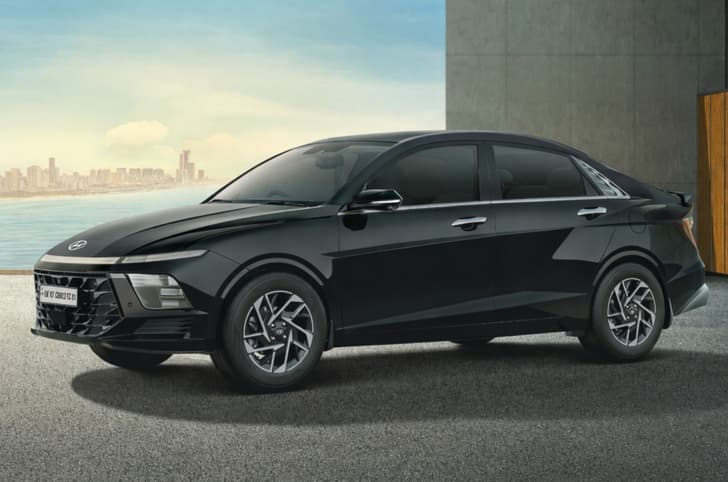
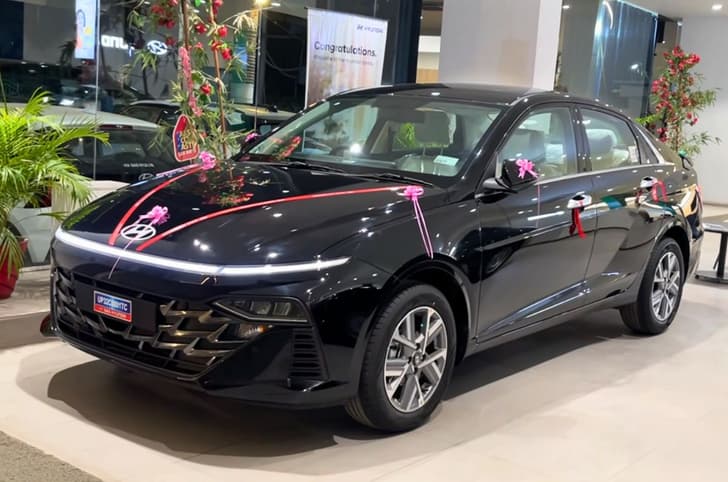
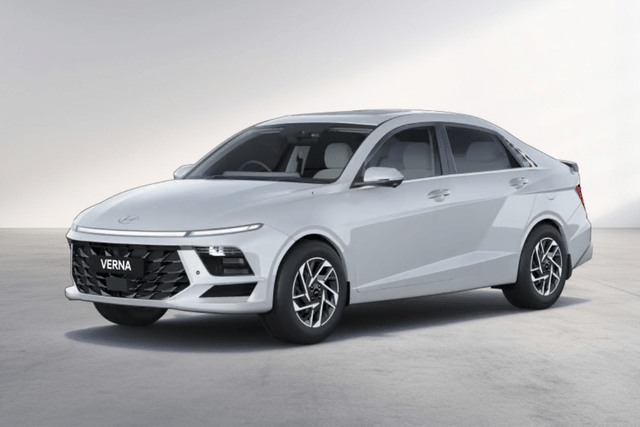
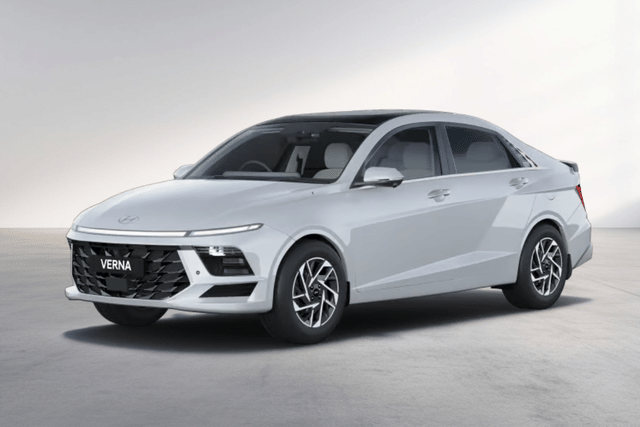
Verna image gallery show 16 photos of the car, and these are the details worth studying closely:
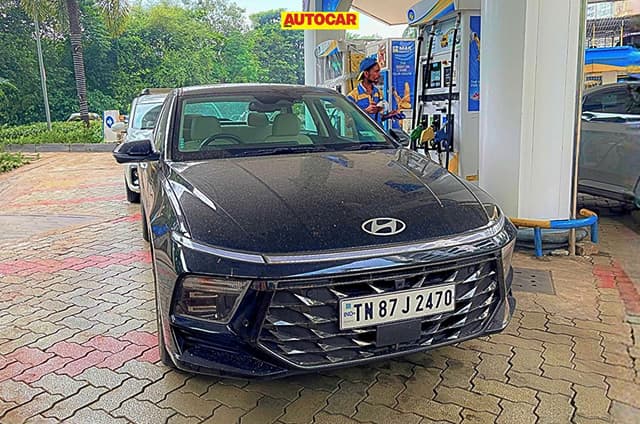
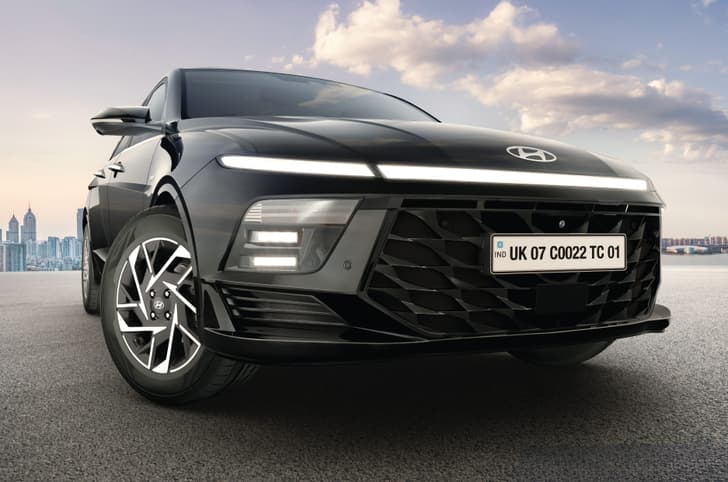
- The new dual LED projector headlamps and the black chrome grille at the front
- The sharp rear styling with LED tail lamps, a silver-finished bumper and a spoiler
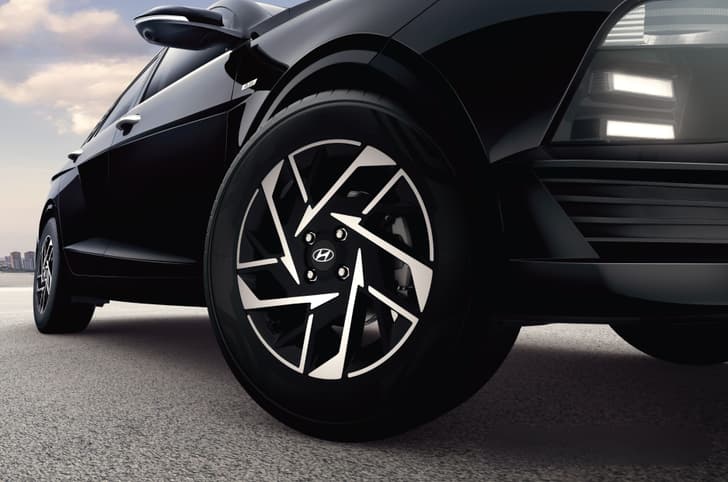
- The 16-inch diamond-cut alloys on the higher variants
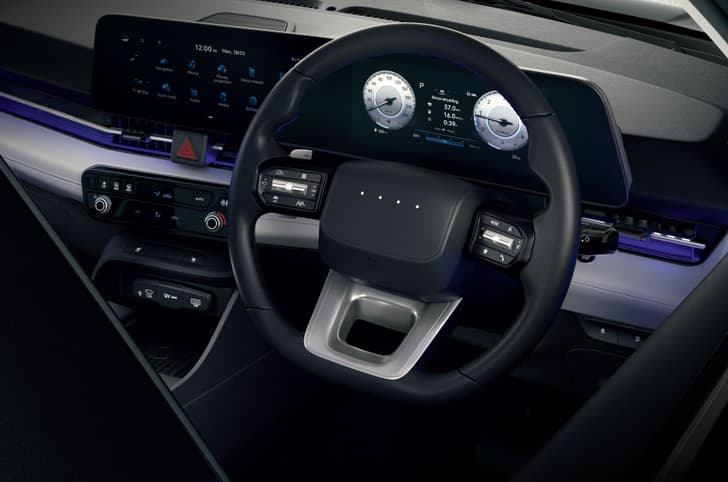
- The dashboard with two 10.25-inch screens, one for infotainment and one for the driver display
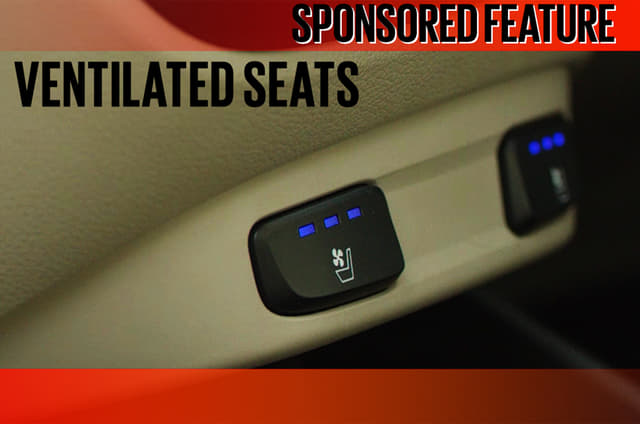
- The front seats with ventilation, along with the D-cut steering wheel
- The 528-litre boot with the rear seat upright

Hyundai Verna videos
Cars delivering 10 to 15 kmpl mileage achieve a balance between performance and practicality. Numerous petrol SUVs, sedans, and premium hatchbacks in India belong to this category. Vehicles in the 10-15 kmpl range appeal to urban buyers seeking comfort, advanced features, and reasonable fuel efficiency.
.jpg?w=640&q=75&fm=auto)


Hyundai Verna Colours
Hyundai Verna colours run to 7 options across the range, covering white and silver shades, darker greys and at least one brighter choice, with availability changing from one variant to the next.
Colour type | Notes |
White and silver shades | Available across most of the range |
Greys and darker shades | Available on most variants |
Brighter shades | Usually limited to the higher variants |
Hyundai Verna Similar Cars to Explore
Hyundai Verna FAQs
The Verna can be considered by those looking for a feature-loaded midsize sedan with strong performance.
Compared to the previous generation sedan, the current sedan is far more spacious than before. Space at the back is now vast, and at least on par, if not more than rivals.
Enthusiasts will like the 1.5-litre turbo-petrol engine with a manual gearbox. This engine produces 160hp, the highest in the segment. If budget is a constraint, the 115hp 1.5-litre naturally aspirated motor with the CVT offers an even spread of power and performance.
It doesn’t get too unsettled as you go faster and even remains composed at expressway speeds. Hyundai has found a happy balance that’s good for the driver and the driven.
ADAS functions work well, giving you sufficient time to intervene before the car does so itself. Audible and visual warnings get your attention.
Compared to the likes of the Skoda Slavia and Volkswagen Virtus, the Hyundai Verna turbo with the 7-speed DCT has the power as well as a smooth DCT gearbox. However, it is let down by its steering which lacks feedback, weight or precision.
Questions you may find useful
Hi Autocar India, I currently own a Skoda Slavia 1.0 TSI MT, but since my wife prefers to drive an automatic, I'm planning to sell it and upgrade to either Hyundai Verna 1.5 IVT or 1.5 Turbo DCT. I need a car that feels a little more responsive at the lower end, especially in stop-and-go traffic, as I find my Slavia slightly sluggish in this situation. My monthly running is around 1,000 km, with approximately 70% highway and 30% city driving. Between the two Verna variants, which one would you recommend based on my requirements? Also, are there any SUVs in the similar price range that offer good mileage and better low-end response? I would love to hear your recommendation.
The Hyundai Verna 1.5 IVT will certainly feel more responsive than the Slavia, especially in stop-go conditions, and this is the ideal choice for a city commuter. However, give that 70 percent of your usage will be on the highway, we'd suggest you opt for the Verna 1.5 Turbo DCT for its stronger performance and effortless overtaking ability. Coming from a Slavia 1.0, the 1.5 Turbo will feel like a good replacement for you as far as performance goes, and its 7-speed dual-clutch transmission will provide the convenience of an automatic that your wife is looking for.If you want to stick to a strong naturally aspirated petrol engine for better low-end performance as well as satisfactory highway effortlessness, consider the Honda City or Honda Elevate CVT. Honda's 1.5 feels much stronger that Hyundai's NA engine in the city and on the highway, with the only downside being refinement, where the Verna's petrol fares better.
I am 34 years old and I currently own a Honda Amaze. I am planning to get a new car. My annual running is around 7000 km and 85% of the running is out of Mumbai. I wanted a sedan but that is not mandatory. I want to buy a car that I plan to keep for the next 10 years. I need a safe automatic car that has front ventilated seats with good after sales support. I like Hyundai Verna and Creta but I do not want to go for a Maruti or Tata car. My budget is 15 lakh that can be extended up to 19 lakh if the car is value for money. Which car do you suggest?
Go for the Hyundai Verna 1.5 petrol IVT. It is the best fit for your requirements. You are coming from a Honda Amaze, so you already appreciate the comfort and ease of a sedan. The Verna is a significant step up in terms of refinement, space and features, and it offers a genuinely premium ownership experience. The IVT automatic is smooth and well suited to your driving pattern, especially with 85 percent of your running outside Mumbai. The Verna also offers front ventilated seats, strong safety credentials and a comfortable ride, making it a great long-term ownership proposition. Hyundai's aftersales support is strong, and the car is known for its reliability and low maintenance costs. Your annual running of 7,000 km does not justify a diesel, and the petrol IVT strikes the right balance between performance and efficiency. The Creta is a good alternative if you specifically want an SUV, but the Verna is the more value-for-money option and better suited to your preferences.
I owned a Verna Diesel AT for 6yrs, which had a 4 Speed Torque Converter AT and now own Seltos Diesel AT for 7yrs, which is a 6 speed TC. I enjoyed both of them and never missed the driving pleasure given the output from these cars and their pairing and the fact that they always come with a manual mode if you want, I'm sure that is the case with 7XO Diesel AT also, which is again a TC unit. Never had any problem with any of these cars in the last 13yrs. Pls go for an AT without worry (atleast with TCs or CVTs). They are time tested. Also, What's the fun in pressing the clutch if beyond a certain age, legs are more important for atleast 18hrs of usage everyday than the small driving pleasure that we get for few hrs here and there ;-)
Hi Autocar Team, I am confused between the XUV 7XO AX7T diesel manual and automatic. My current ride is a Fluidic Verna diesel manual, which is nearing 15 years of ownership and has clocked nearly 2.5 lakh km. My usage consists of mixed city and highway driving, with around 40km daily and weekend highway runs of about 400km. For long-term ownership, which would be the better choice: the manual or automatic?
Go for the XUV 7XO AX7T diesel automatic. The diesel engine is well suited to your high running, and the automatic gearbox is a proven torque converter unit that is reliable and well matched to the engine. This Mahindra car will make your daily city driving far less tiring, while still being smooth and efficient on the highway. Coming from a 15-year-old Hyundai Verna diesel manual, the automatic will feel like a significant upgrade in terms of comfort and ease of use, without compromising on long-term reliability. The manual is still a good option if you strongly prefer the engagement, but for your usage and ownership horizon, the automatic is the smarter choice.
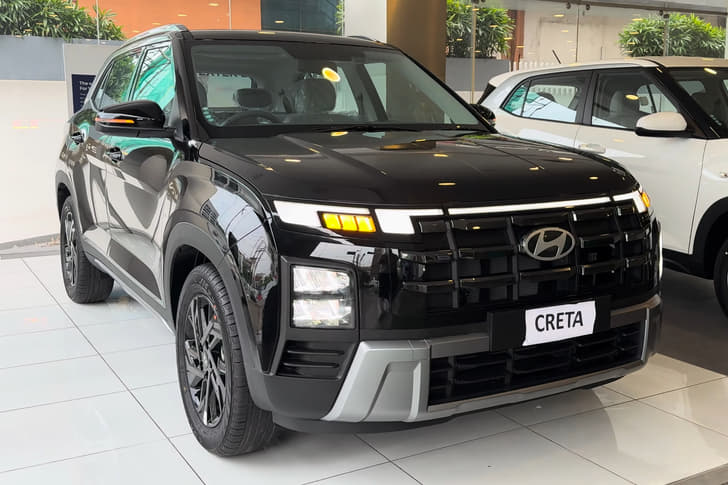
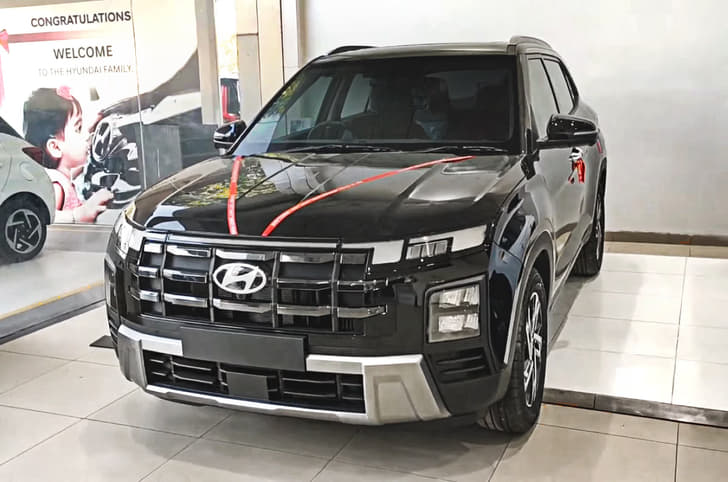
I am confused between the Hyundai Verna and Hyundai Creta. Which one to buy?
Go for the Hyundai Creta. The Creta is the more practical and versatile choice, offering a higher seating position, better ground clearance and a more comfortable ride over broken roads. It is also more spacious, making it the better family car. The Verna is the better driver's car, with a lower centre of gravity and a more engaging driving experience. The Creta also has a wider range of engine options, including a diesel, which makes it a better long-distance car. Overall, the Creta is the more rounded package and the better choice for most.
Upcoming Cars


Hyundai Cars


Trending Cars


Latest Cars


Last Updated on: 30 Oct 2026