
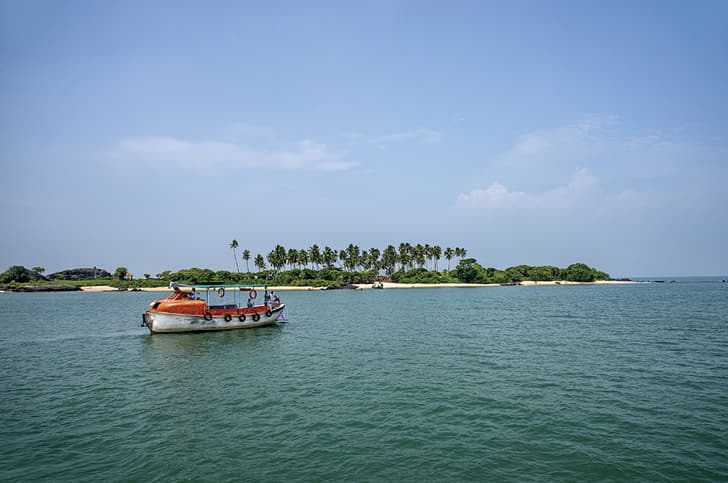



I stood on the shore watching the ferry go away; I had been Robinson Crusoe’d. This wasn’t quite the worst thing in the world: I was on St. Mary’s Islands, the latest hidden gem discovered by us. Four small islands together form the St. Mary’s Islands – Coconut Island, North Island, Darya Bahadurgarh Island and South Island. They are largely unknown to people, other than the region’s locals, which is great because this has allowed it to remain pristine and beautiful.
It is also believed that Vasco da Gama, on his journey from Portugal to India, first landed here before proceeding to Kerala. He fixed a cross on the island and named one of these islands, O Padrão de Santa Maria, as a dedication to Mother Mary. And that’s how it got the name St. Mary’s Islands.
The St. Mary’s Islands are uninhabited, though the tourism department of Karnataka has been kind enough to permit visitors day access to the island. To get on, you take a ferry from the coastal fishing town of Malpe, though the ferry service isn’t exactly what you’d describe as regular or reliable; just one private company has been granted permission to ferry people to the islands and they only let a ferry loose when they have at least 30 people. Now while 30 people don’t sound like a lot, St. Mary’s Islands are a hidden gem and as such, receive limited traffic. Moreover, the ferry service is shut in the monsoons. Nevertheless, we made our way onto them.

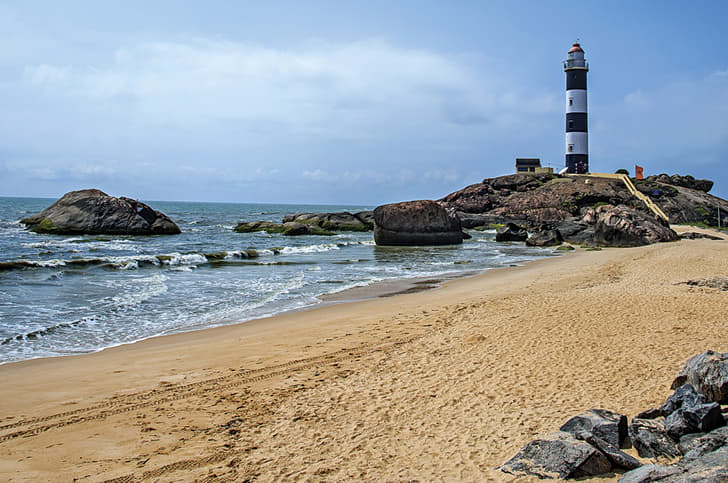
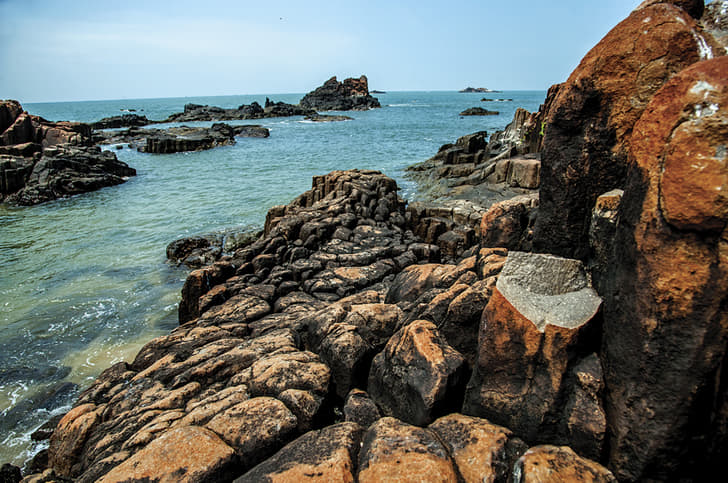
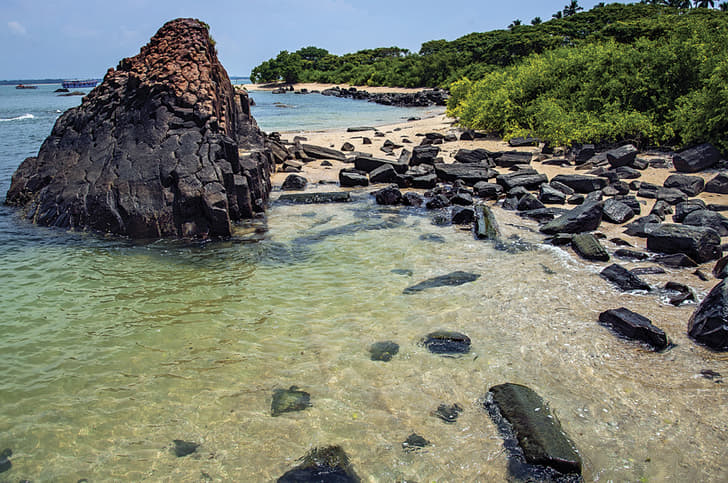
Of the four islands, the one we visit is the biggest of the lot - Coconut Island, named so on account of the many coconut trees that form its skyline. It might be the biggest of the four, but it’s not exactly big: I walked the circumference of the island in under 30 minutes. The St. Mary’s Islands are surrounded by clear, turquoise waters, though swimming is strictly prohibited. They have been designated National Geological Monuments by the Geological Survey of India, on account of the rock that forms them; this millenia-old volcanic rock is extremely rare in nature, and matches the rock formations at Madagascar in Africa. This suggests that Madagascar was attached to India some million years ago. Later, it got separated because of sub-volcanic activity. That’s why we find the existence of similar rock formations and geological features in both these places.
The volcanic rock is visible all over St. Mary’s Islands in the form of jutting five-, six- and eight-sided columns and is indeed quite a sight. These columns look like great props for parkour, though I would highly advise against it.
St. Mary’s Islands are also a treasure trove for shell collectors. The tide washes thousands of shells of all shapes, colours and sizes on shore. In more ways than one, St. Mary’s Islands are the perfect tropical paradise.
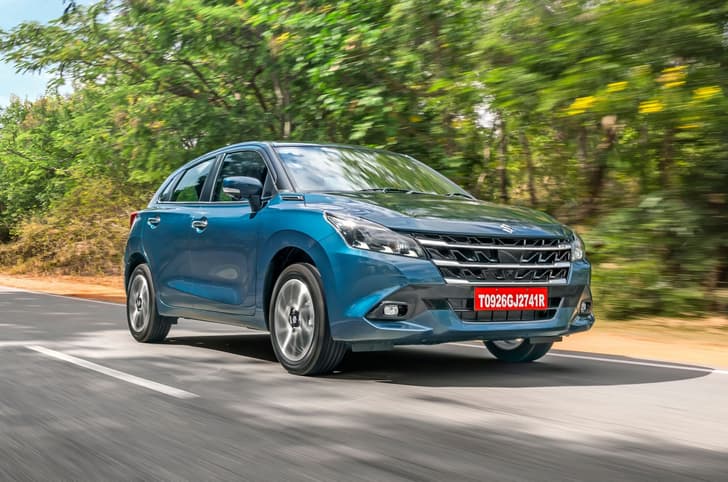
Though I was enjoying my isolation on the island, I soon started worrying about how I would get back to the shore. My ride, a brand-new, spanking white Hyundai Verna, was waiting on the mainland for me after all. Not too soon, I managed to convince a passing fishing boat to come onshore and take me back to the harbour with him.
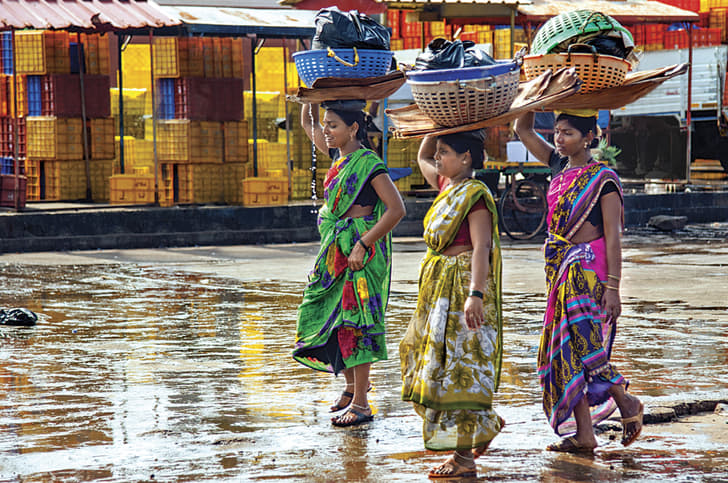
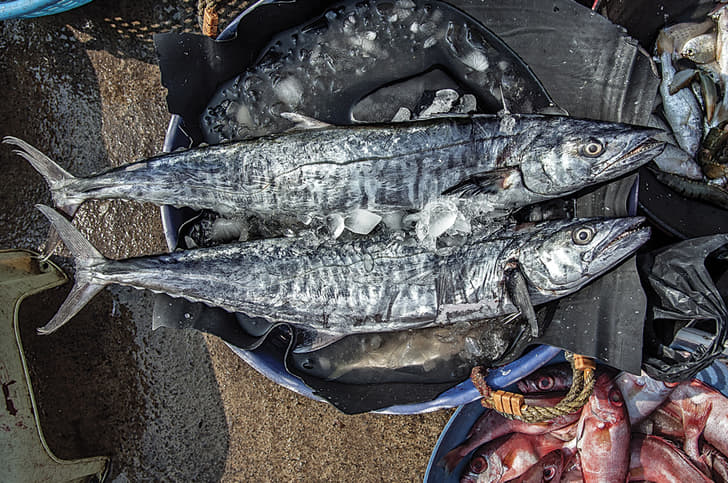
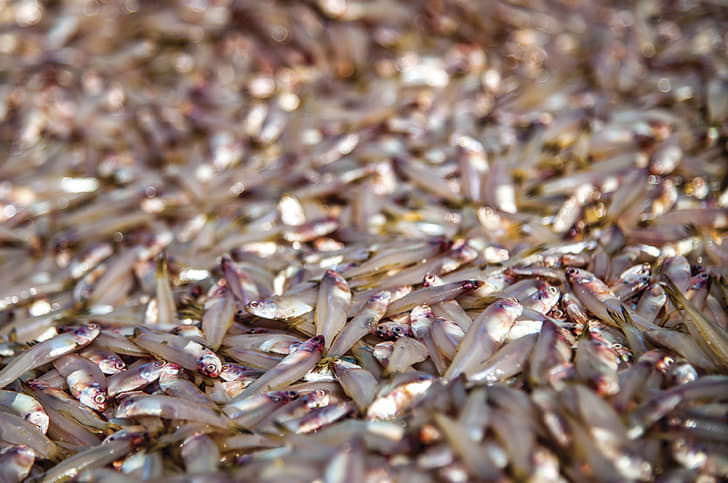
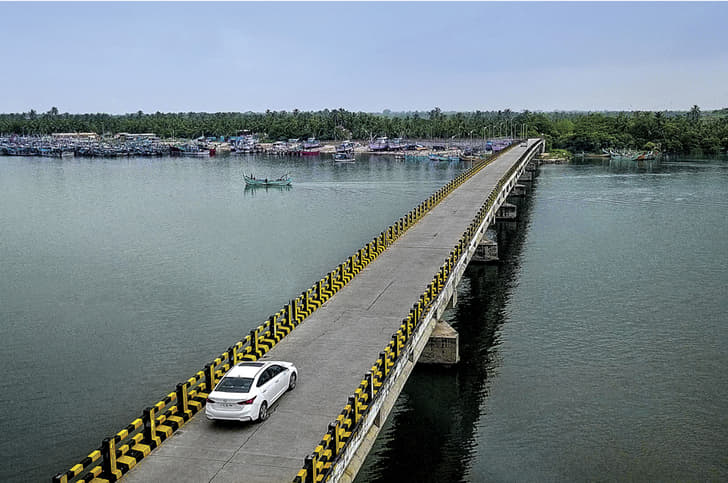
Back on the mainland, the Verna and I hit the road and got to exploring Malpe and nearby Udupi. Malpe is a bustling fishing town with a hectic port. This natural port is the largest one in Karnataka. I visited it at 10am, when the fishing trawlers and boats come back from the morning excursion to the sea, and was immediately taken aback by the overwhelming stench that I honestly should have expected. Once I got used to it, though, the port was a most fascinating place to be in. Fresh fish, squid, and crabs were all being hustled around either into the hands of eager customers or waiting mini trucks. That’s not surprising, since the largest industry in Malpe is fisheries. A considerable number of the population is engaged in fishing and in fish industries.
Malpe also has a lovely beach where you can sit back and enjoy the sunset or indulge in the water sports activities that are on offer here. There are a variety of resorts and restaurants located on the beach so you are never hungry or thirsty.
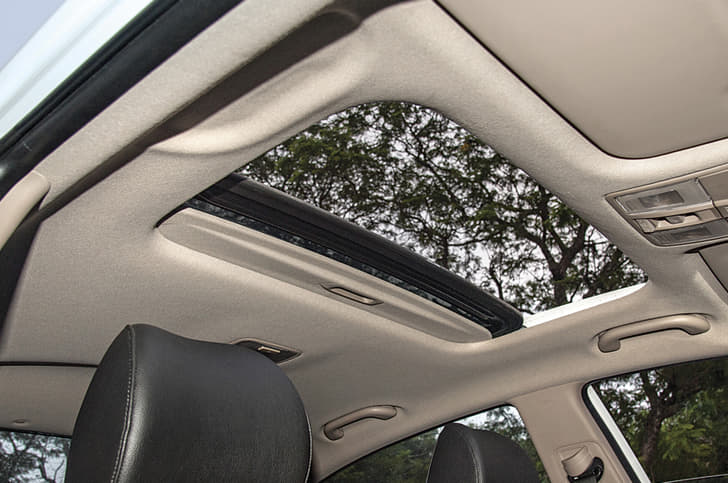
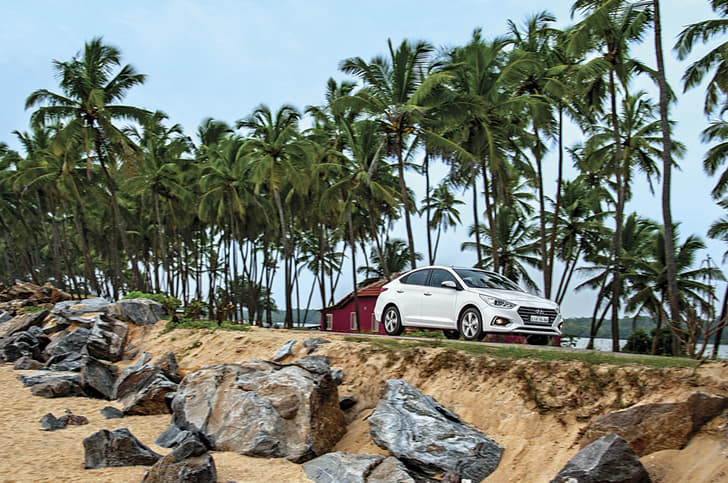
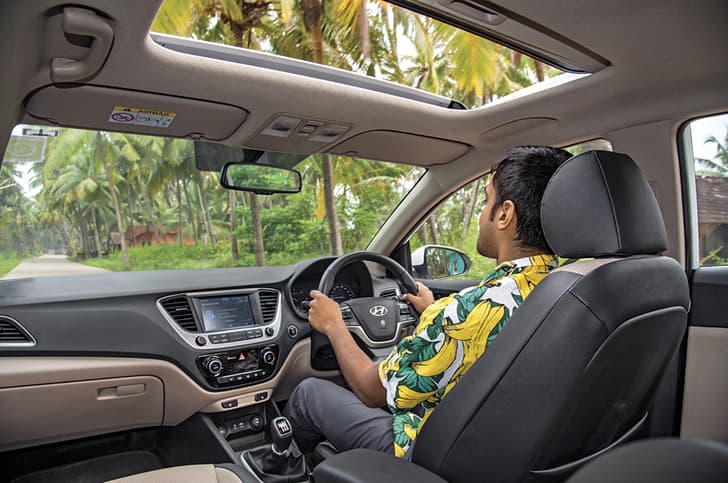
Malpe’s real highlight though are its coastal roads. For several kilometres, on either side of the port, run narrow but well-paved roads abutting the sea.As I cruised down these roads in the Verna, I kept the sunroof open and ventilated seats on to allow the warm sea breeze in my hair and the cool air-conditioned air on my back. The Verna was more than happy cruising quietly and calmly past wide beaches and towering palms. Its 1.6-litre diesel engine was laudably refined, while the clutch and gearshifts were light and east. Bohemian sound tracks from the brilliant stereo system just augmented the coastal-cruising experience.
At sunset, I parked the Verna on the beach and took a moment; the car looked stunning in lilting colours of last light. The new design was sharp, on point and the silhouette was purposeful and distinctive.
When hunger struck, we drove into the neighbouring town of Udupi, the home of masala dosa and other common South Indian fare as you know it; the place throws up some delectable food. We hit up an age-old establishment called Mitra Samaj and left licking our fingers clean. If you crave local dishes other than idli-dosa, you have plenty of options such as ghee roast (chicken or mushroom marinated in a spicy masala and pan-roasted in pure ghee), kori roti (crisp neer dosa drenched in a curry), soft neer dosa and all types of seafood.
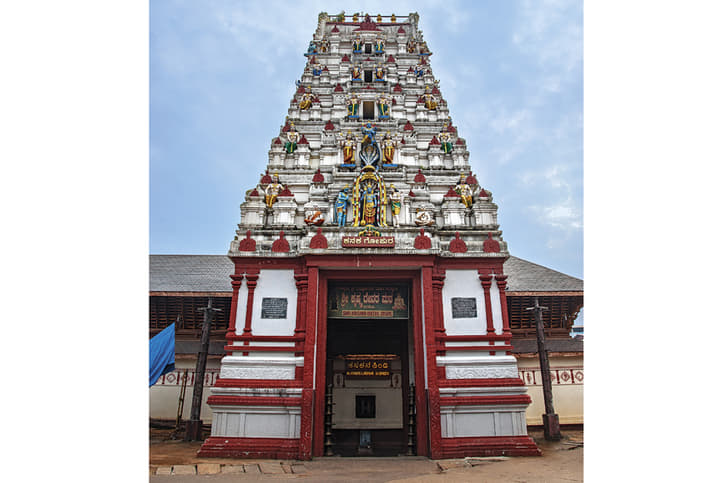
Today, Udipi restaurants can be found all over India and many parts of the world. However, in the past, these restaurants were run by cooks and priests trained at Krishna Matha in Udupi. Today, the world has changed and with the rising popularity, many others have entered this business claiming to serve authentic Udupi cuisine.
St. Mary’s Islands, Malpe and Udupi together make for a lovely coastal getaway. Most people head to the more well-known coastal destinations for some beach time but are confronted by crowds, inauthentic food and little culture. The trio we visited though has the best of all worlds – you get quiet, virgin beaches, clean blue waters, loads of sights and culture, and some lip-smacking local cuisine. And, of course, perfect coastal roads to cruise down. Just make sure you take along a great car like we did.
Travel Tip #1
The best time to visit St. Mary’s Islands is from October to January as the pleasant temperatures around this time make outings to the beach comfortable and enjoyable. Bird watching is a popular activity on the islands. Commonly spotted birds are Brahminy kites, egrets, Sandpipers, and seagulls. Tourists have also reported the presence of butterfly colonies on the island.
Travel Tip #2
These islands do not have a sandy beach due to the rocks along the shoreline. A large variety of seashells can be found along these rocks. Benches have been installed near the shoreline for the benefit of tourists. However, apart from the coconut palms, there isn’t much shade. The quality of amenities for tourists is very poor and, hence, you should go prepared for the searing sun, with caps and bottles of drinking water.


 Uday Singh

 Glenn Noronha
 Dipan Sur