

Hyundai cars in India (15)



Find cars by budget
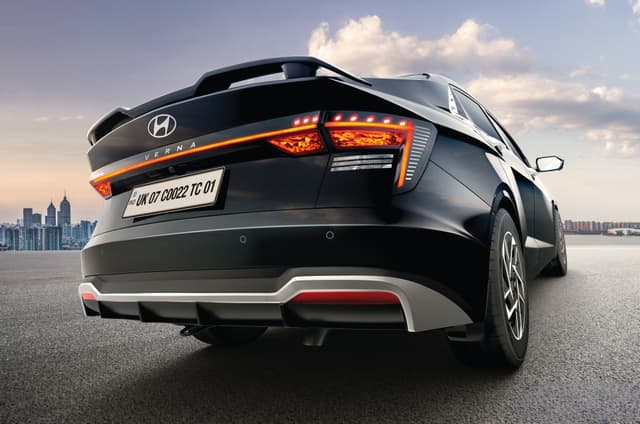
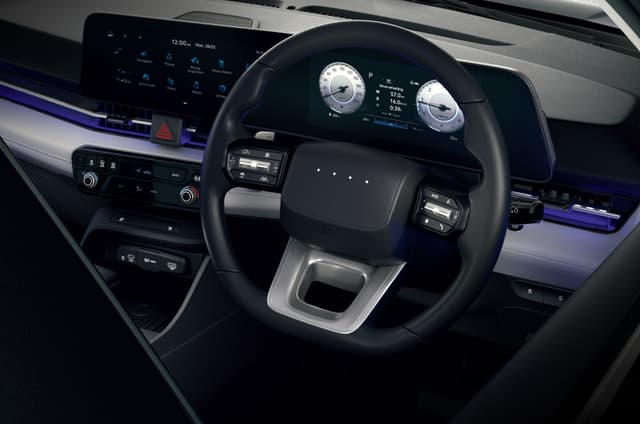
Filter your search
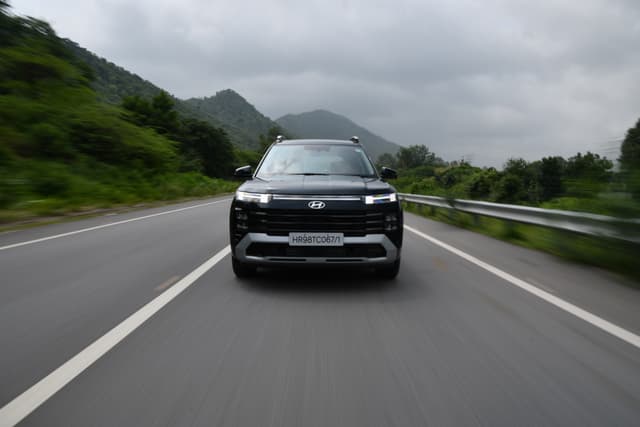
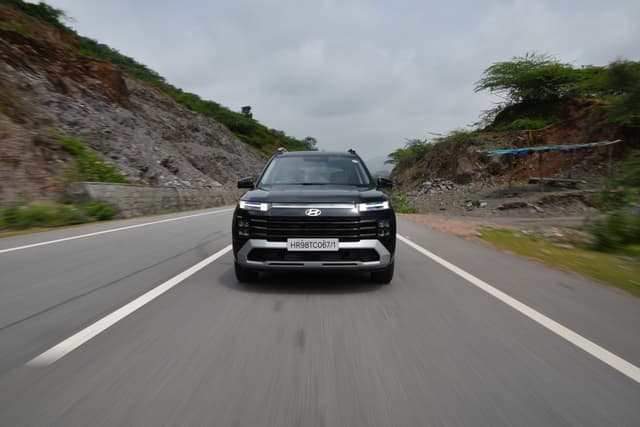
Filter your search
Find cars by fuel type
Find cars by transmission
Hyundai Cars - FAQs
Hyundai cars generally offer a long list of features, polarising design and a relatively more premium interior compared to rivals.
Each brand has their own strengths, but when it comes to overall fit-and-finish of parts, Hyundai has an upper hand over Tata Motors.
Yes, Hyundai cars are generally reliable and offer a good ownership experience. Regular maintenance and driving habits also play a key role in ensuring a car runs optimally over the years.
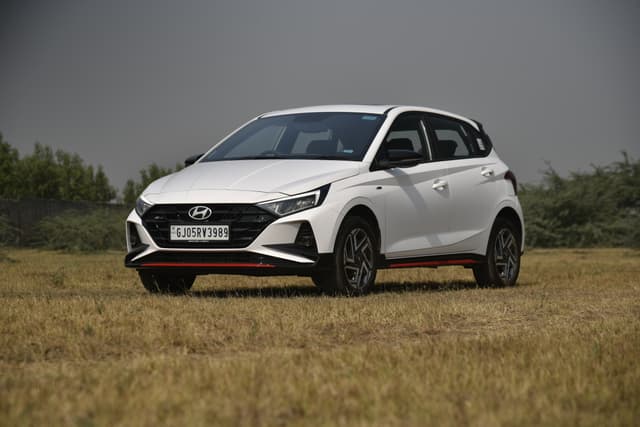
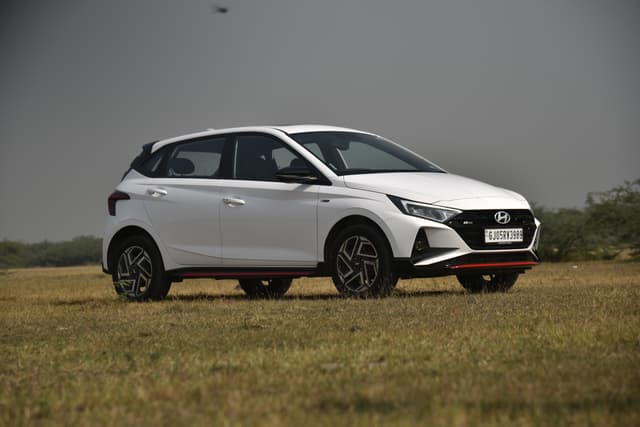
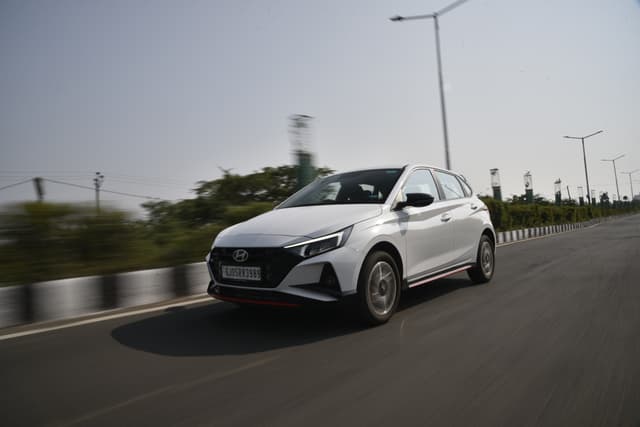
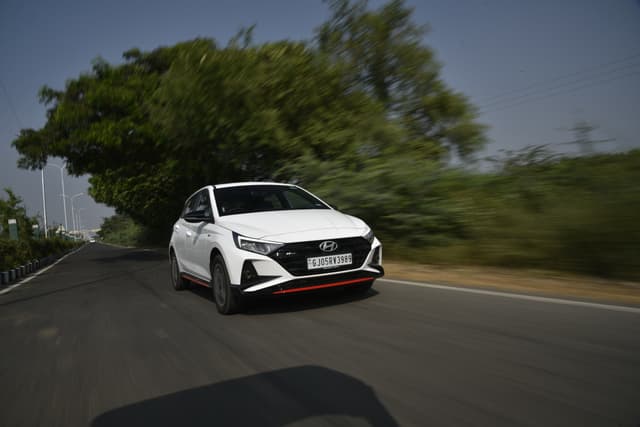
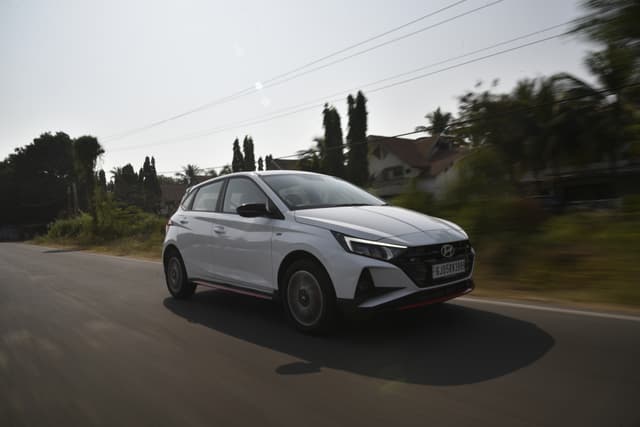
Cars such as the Hyundai Creta N Line and i20 N Line come with some exterior tweaks, high-performance powertrains and tuned suspension setups over their standard counterparts.
Hyundai cars can easily be considered by anyone, let alone a first-time car buyer. Hyundai cars generally come with a long lost of features, and multiple powertrain options. Also, over the years, the company has built a huge service network in the country, enhancing the ownership experience of customers.
Trending Questions on Hyundai Cars - Answered by Autocar Experts
Finally sold my old i20 last week after almost two years of trying to decide whether to keep it as a second car. Got less than I expected for it, but honestly relieved not to be paying insurance and parking for two cars anymore.
I am currently using a Hyundai Creta 1.5 CRDi diesel and am looking for an upgrade. I have shortlisted three cars: the Mahindra XUV 7XO, Toyota Innova HyCross and Hyundai Alcazar. I will drive around 400-500 km per week. Which one should I prefer?

 Toyota Innova HyCrossMahindra XUV 7XOHyundai Alcazar
I have an elite i20 2018 model my stock size is 195/55 r16 but I want to install 195/60 r16 because that's the tyre comes in Geolandar XCV newly launched by Yokohama. I am confident enough that these upsize will not hamper but I want to know that installing these tyres will it be good? As my i20 is lightweight compared to SUV and these tyres are mostly made for SUV and heavy vehicle so am I putting an extra load by adding these heavy tyres, will it damage my enitre dynamics drastically? I want a superior braking, and a good comfort road noise minimisation could be average but should not be too soft that it gets easily punctured or cracks in sidewall while hitting a potholes. heard many reviews of UC 6 getting punctures and cracks in sidewalls due to potholes. Turanza 6i is also an alternative but comes with the same problem too much soft compound and I drive like idgaf in potholes without any stress. Another good option is blue earth gt max shall I consider it but heard that wet grip is not that great and doesn't feel good in steering. As the geolandar xcv launched newly in India so I was kinda leaned towards its preference but as it is made for only Suv and crossover am kinda in doubt what should I do. Please suggest something worth invsting my money for.
Hyundai i20I am planning to buy a sub-4m SUV and have shortlisted the Skoda Kylaq Signature Plus Automatic and Hyundai Venue HX5 Diesel Automatic. My annual running is expected to be around 16,000 to 18,000 km, including approximately 12,000 km of highway driving. From an economic point of view, I am slightly concerned about the Kylaq’s real-world petrol mileage, especially given the high amount of highway running. I am also concerned about the long-term implications of E20 petrol and whether it could lead to any issues in the future. On the other hand, I have concerns about buying a diesel due to the possibility of future government restrictions and the uncertainty around long-term diesel ownership. Considering these factors, I would appreciate your advice on which of the two would be the better choice for at least eight years of ownership.
Hyundai VenueKia SeltosSkoda KylaqI'm considering buying the Hyundai i20 N Line N8 MT. I've driven other cars, including the new Venue DCT and XUV300 MT, but this will be my first car. Is the i20 N Line a good choice for me? My annual running will be low, and I'll mostly be driving on highways. Also, should I consider going for the DCT instead of the manual?
Hyundai i20Hyundai VenueLast Updated on: 14 Sept 2026