
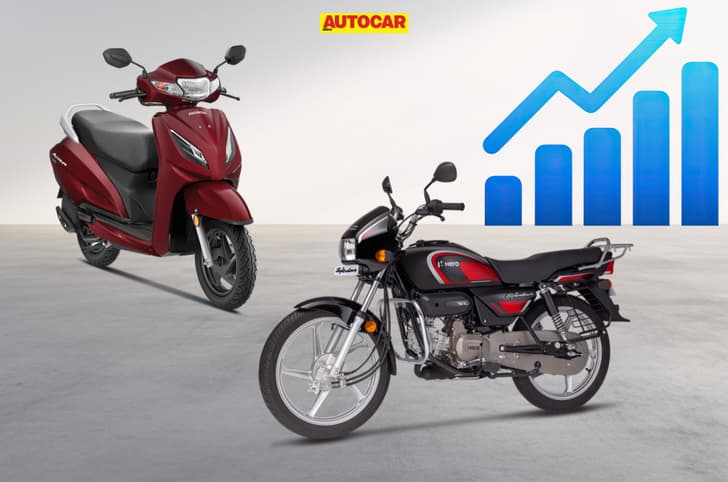
After seven years of gradual recovery, India’s two-wheeler industry has finally surpassed the pre-Covid peak of FY19. A total of 21.42 million (2.142 crore) two-wheelers were retailed in FY26, up 13.4 percent from the previous year, reflecting a steady return of demand across markets. The long-awaited recovery was unlocked by improved affordability, better rural cash flows and a wider range of products that catered to a broad consumer base.
- Hero continues to lead and has widened the gap to Honda
- Share of EVs in two-wheeler sales is rising
- Scooter market has seen big strides from TVS and Suzuki
FY26 two-wheeler sales trajectory
The first half of FY26, from April to August, remained subdued, with most months recording low-single-digit growth as consumers stayed cautious amid uncertainty around the proposed GST changes. Many buyers deferred purchases after indications that tax rates on vehicles could be reduced.
The momentum shifted in the second half. From September, demand strengthened as the GST revision improved affordability and lifted consumer sentiment, while the festival season further supported sales across segments. The competitive landscape also saw notable changes.
Hero MotoCorp retained its leadership position, and TVS Motor emerged as the biggest share gainer among the top five manufacturers. In electric mobility, registrations rose 22 percent to 1.40 million (14 lakh) units, and the share of EVs in total two-wheeler sales rose to about 6.5 percent, indicating a gradual but steady shift towards electrification despite temporary supply challenges. The year also marked a clear shift in the electric two-wheeler market, with leadership moving back to established manufacturers.
Hero maintains and solidifies its leadership position
Hero MotoCorp maintained its leadership position in the domestic two-wheeler market during FY26 despite strong competition from Honda Motorcycle & Scooter India, and it even managed to slightly widen the gap with the Japanese player in both retail and wholesale numbers.
On the retail front, Hero MotoCorp clocked 6.08 million units, achieving a 7,21,000-unit lead over Honda (5.36 million units). The gap between the two had more than halved to 6,55,000 units in the financial year 2025. The domestic market remains the backbone of Hero’s overall leadership, unlike Honda, which has a strong export base.
As for dispatches, Hero MotoCorp recorded 6.07 million units in the domestic market, extending its lead to more than 3 lakh units over Honda, which sold about 5.75 million units. In the preceding year, Hero MotoCorp was ahead by around 2.86 lakh units, and the widening of the gap indicates a stabilisation in its performance after a period of pressure.
The rivalry between the two has intensified over the past few years, with Honda steadily closing the gap through consistent growth, particularly in scooters. However, Hero’s entrenched position in the commuter motorcycle segment has helped the company defend its leadership in the domestic market. The competitive landscape was more challenging for Hero in the previous financial years, during which the Indian player lost its leadership to the Japanese player in a few months.
Splendor a key growth driver for Hero, especially post GST
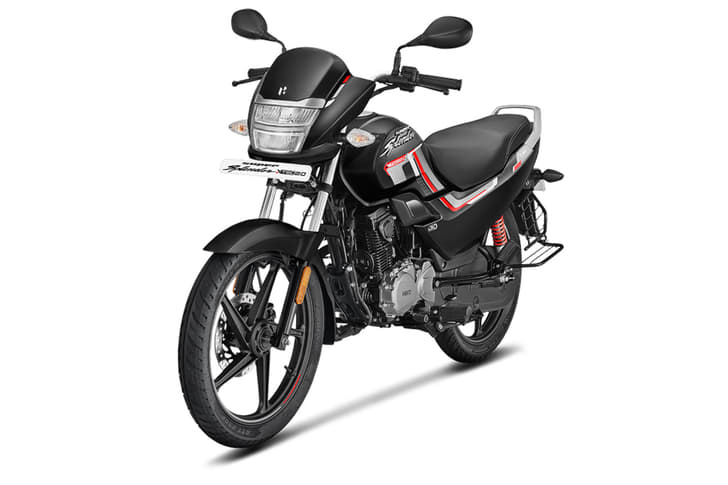
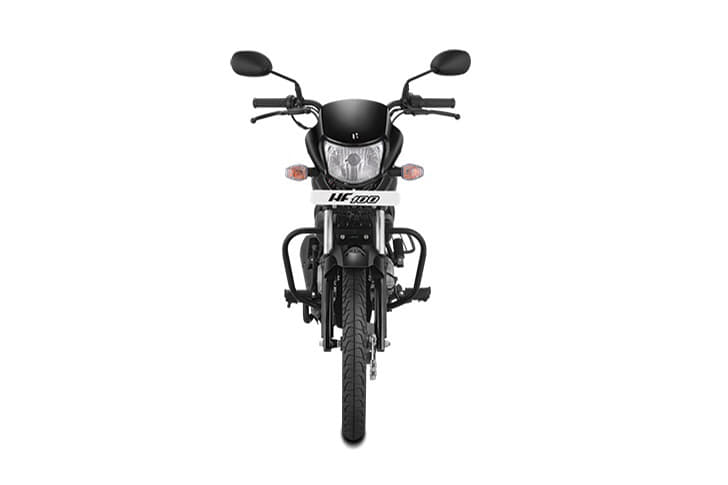
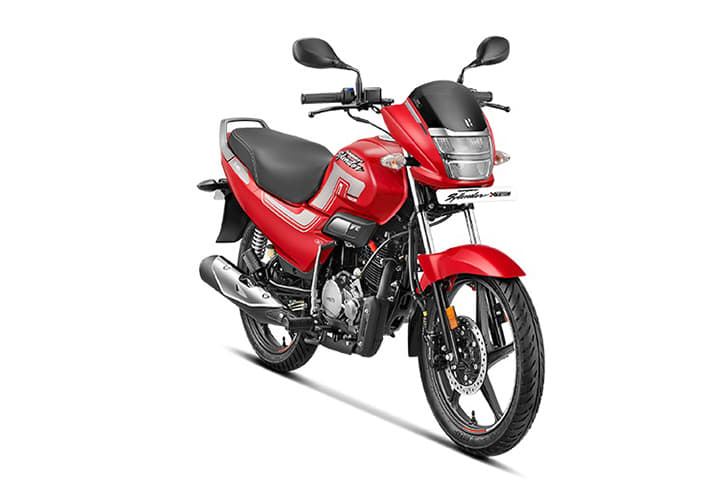
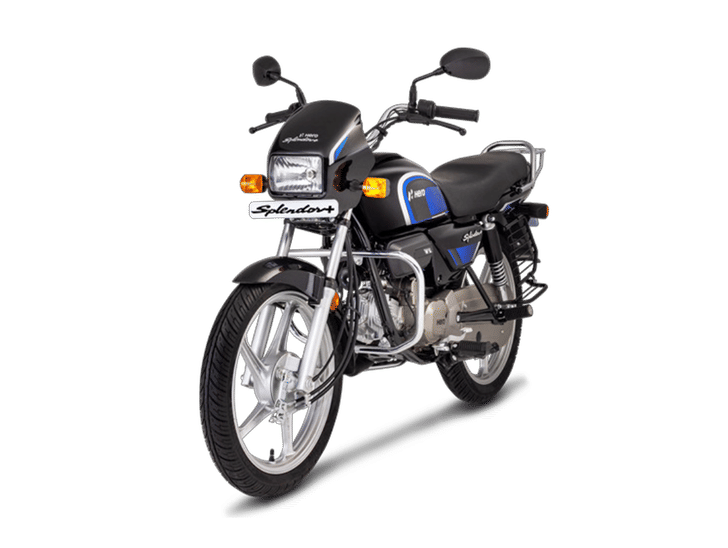
Hero’s sustained leadership in the domestic market was supported by continued demand for its commuter motorcycle portfolio, particularly the Splendor range, which remains a key contributor to volumes in rural and semi-urban markets. This was especially the case given that GST cuts gave a fillip to demand at the base of the pyramid.
The automaker has also been focusing more on the midsize and premium segments to ride the premiumisation trend but has seen limited success in that arena. The expansion of Hero’s electric vehicle portfolio played a growing role in strengthening its domestic position.
Registrations of its Vida electric scooters nearly tripled during FY26, helping support overall domestic performance at a time when competition in conventional segments remained intense. Honda, meanwhile, continued to rely on its strong scooter portfolio to drive domestic sales.
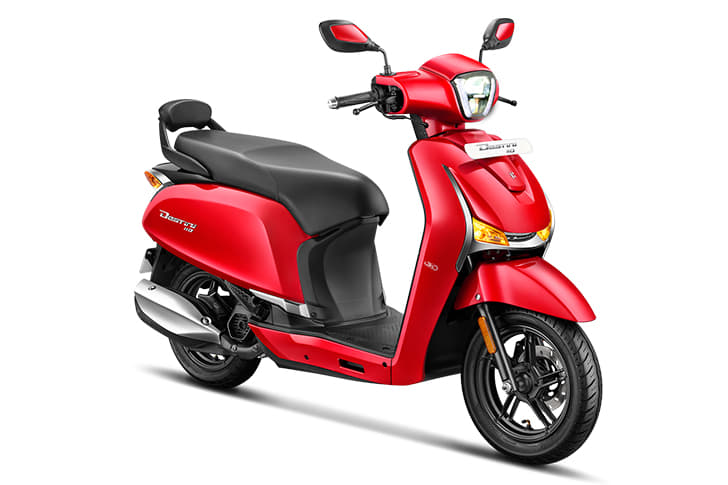
Honda remains the leading player in the scooter segment, though its earlier dominance has moderated as competitors like TVS Motor Company and Suzuki Motorcycle India expanded their presence. This shift has created a more competitive environment in urban areas, where scooters account for a significant share of demand.
In commuter motorcycles, Honda continued to face headwinds against Hero’s deep-rooted dominance, which limited its ability to significantly alter the domestic market hierarchy despite expanding its entry-level product portfolio. Hero’s extensive dealer network and strong brand recall in rural markets continued to provide structural advantages in this segment.
What community is saying on the Splendor+?
Electric two-wheelers reported healthy growth
Registrations of electric two-wheelers rose 22 percent to 1.40 million units in FY26. Unlike the sharp spikes seen in earlier phases of EV adoption, the growth rate moderated compared to the preceding year, but the share of EVs in overall sales increased. The growth reflects a wider spread of products across different price points, improved availability and gradual consumer acceptance, particularly in urban and semi-urban markets.
However, the moderation in growth compared to previous years suggests that the market is entering a more stable, demand-led phase rather than one driven purely by subsidies. Moreover, the increasing share of EVs in overall two-wheeler sales underlines the gradual nature of the transition. EVs accounted for around 6.5 percent of two-wheeler sales in FY26, up from 5.8 percent in the preceding year.
Industry participants say EV adoption is being supported by higher aspirational value, improved product quality and a broader choice of models, especially from established OEMs. Pricing also remains a key factor, with the narrowing cost differential between electric and ICE two-wheelers influencing purchase decisions, particularly in the entry and commuter segments.
In contrast to the earlier years, traditional OEMs now hold more than half of the electric two-wheeler market. TVS Motor emerged as the largest player, while the erstwhile market leader, Ola Electric, fell to fifth place in sales.
TVS Motor’s registrations surged 43 percent to 3,40,758 units, and market share rose to 24.3 percent from 20.7 percent, reflecting a steady scaling up of volumes and consistent demand. Bajaj Auto closed as the second-largest player with 2,88,866 units, recording 25 percent growth. Its market share improved modestly to 20.6 percent from 20.1 percent, indicating stable expansion but at a slower pace than rivals.
Ather Energy and Hero MotoCorp emerged as the fastest-growing players among the top six in FY26. Ather’s registrations jumped 82 percent to 2,38,461 units, while its market share expanded sharply to 17 percent from 11.4 percent. Vida’s (Hero MotoCorp’s EV subsidiary) registrations almost tripled to 1,44,099 units. This rapid expansion helped the company increase its market share to 10.3 percent from 4.2 percent.
In contrast, Ola Electric saw a sharp decline in its sales during the year. Its registrations halved to 1,64,215 units, and market share fell significantly to 11.7 percent from 29.2 percent, indicating a loss of momentum in a highly competitive market. Greaves Electric rounded out the top six players, registering 61,641 units, a 51 percent surge.
The broader trend through FY26 points to a gradual shift in market dynamics, with established two-wheeler manufacturers such as TVS Motor, Bajaj Auto and Hero MotoCorp strengthening their presence. Their gains are being driven by stronger dealer networks, better brand value and service reach, which are increasingly becoming critical as the market matures.
Government subsidies under the PM E-Drive scheme and earlier under the FAME programme have played a key role in driving the adoption of electric vehicles. Subsidies for electric two-wheelers are now set to end in July. Several OEMs have said the industry is better prepared to sustain growth even without demand subsidies, as production volumes have increased and scale efficiencies have improved.


 Dhruv Dhaka
 Ajit Dalvi
 Uday Singh