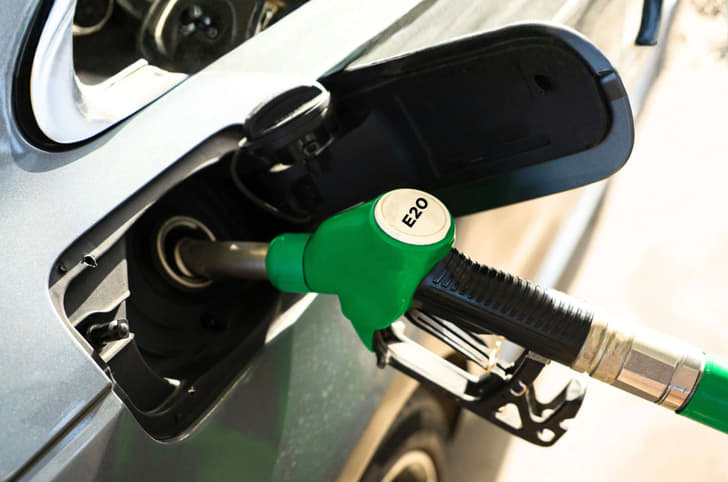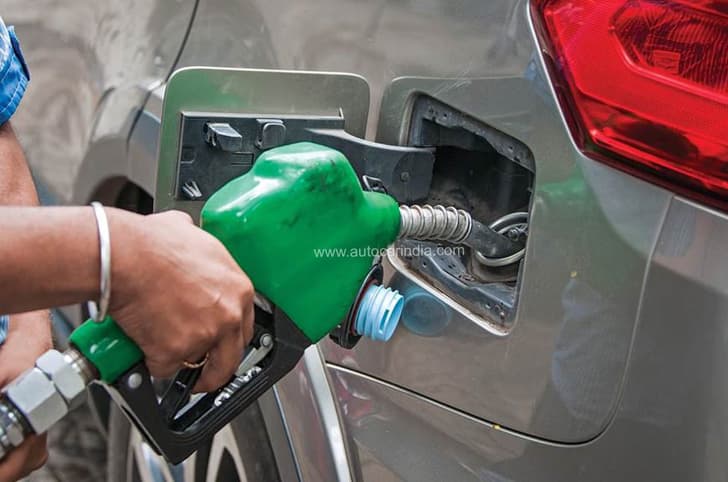
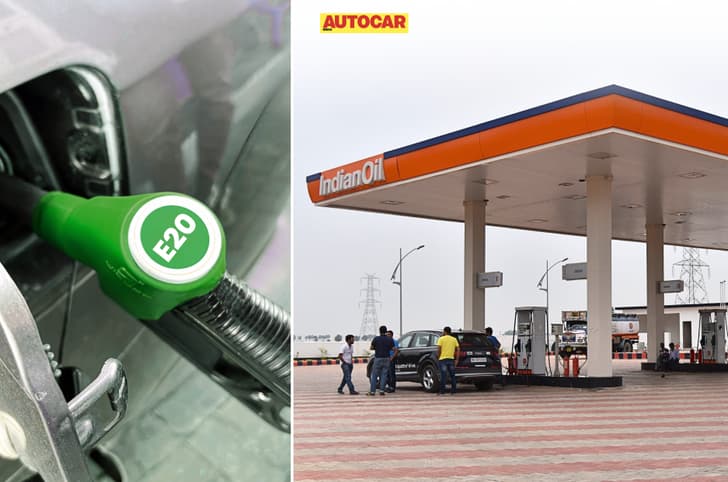
The Indian government could raise ethanol blending in petrol beyond the existing 20 percent (E20), Deepak Ballani, director general of the Indian Sugar & Bio-Energy Manufacturers Association, had mentioned in an interview with Autocar India. This expected increase in ethanol content in petrol follows a draft notification prepared by the government. So, what do we know so far, and how could this impact all the parties involved?
Why the Indian government could raise ethanol blending in petrol
Reducing reliance on imported crude oil a key factor for the government
India’s ethanol capacity in November 2023 stood at 1,380 crore litres, as per the Ministry of Consumer Affairs, Food and Public Distribution. Currently, it is about 2,000 crore litres, with another 400 crore litres coming online in 2027. Meanwhile, ethanol consumption has gone up to 1,100 crore litres in 2026 and can be further raised by 150 crore litres if blending is raised from 20 percent to 22 percent. So, “eventually, only 50 percent of our capacity is going to be used. That means most of the distilleries in the country will run below capacity, which is economically not viable for the industry”, Ballani told Autocar. The government is hoping to address this underutilisation by increasing the ethanol percentage in petrol.
India imported 243.2 million tonnes of crude oil in FY2025, worth Rs 11,60,618 crore. While not all of this crude is refined into petrol, the expenditure incurred on its imports has risen considerably with each passing year. “We understand, specifically during this crisis time, when we are seeing the West Asia crisis and how this is affecting our ability to get the crude. I believe we could have lower crude imports and be less dependent,” Ballani said.
Main challenges in increasing ethanol blending
Challenges include technical complexities, possible cost hike and environmental impact
One of the challenges in ethanol blending comes in the form of technical complexities for auto manufacturers. Cars manufactured after April 2023 are fully E20-compliant and materially compliant with ethanol blends up to 30 percent. However, proper calibration of vehicles is needed to run on higher blends beyond E20, and that can only happen once these blends are commercially available.
Flex-fuel vehicles are designed from the ground up to accept fuel with varying levels of blends. Speaking of which, fuel stations across the country will also require separate storage tanks for regular petrol and ethanol-blended petrol, plus dedicated dispensing mechanisms for each. Ethanol also increases the likelihood of moisture, so accelerated corrosion is another factor that OEMs must prepare for.
Considering that ethanol has a lower energy density than petrol, increasing the ethanol content will also lead to a drop in engine output and mileage, as verified by our tests. Then there is the higher cost of flex-fuel vehicles to consider. Motorists must have the option of picking from a variety of fuel-blend percentages, depending on the requirement and vehicle compatibility. While the government’s policy on biofuels permits the use of corn, cassava, rotten potatoes, damaged food grains and agricultural residues, ethanol production in India primarily uses sugarcane juice and molasses as raw materials. A tonne of sugarcane can produce 70 litres of ethanol, with each litre requiring about 2,860 litres of water, NITI Aayog reported.
 Autocar India News Desk
 Dhruv Dhaka
 Dipan Sur