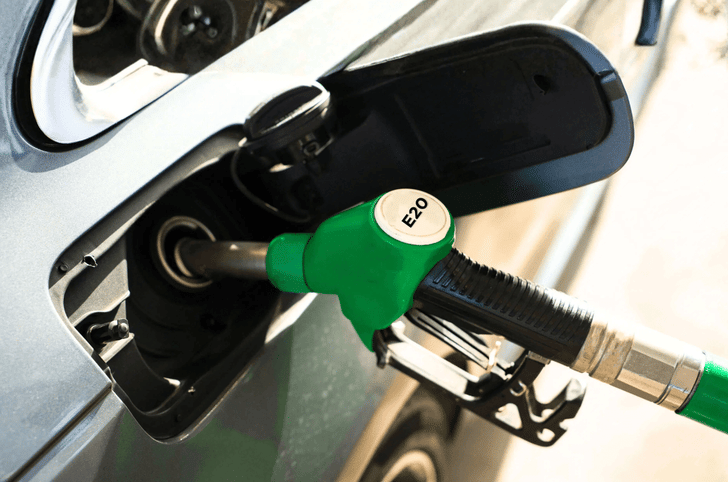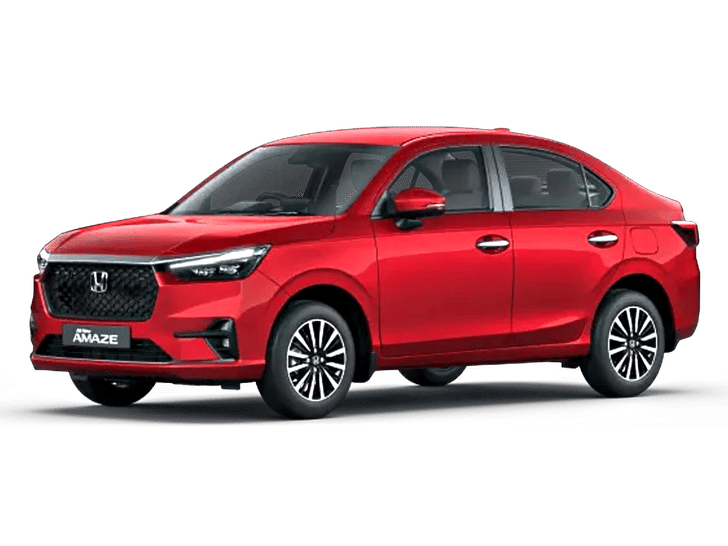
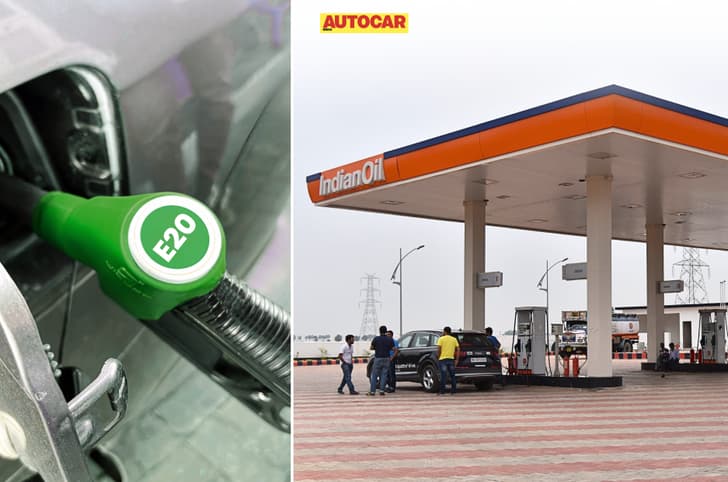
Locally manufactured ethanol conversion kits for petrol cars should cost no more than Rs 15,000, the director general of the Indian Sugar & Bio-energy Manufacturers Association (ISMA), Deepak Ballani, told our sister publication Autocar Professional. “The cost locally – if it can be done in India – will be in the range of around Rs 15,000 for the end consumer,” said Ballani, while adding that economies of scale could help the technology’s affordability. Currently, an imported ethanol conversion kit is priced between Rs 40,000 and Rs 60,000 on cross-border online retail marketplaces.
ISMA has also conducted a study in collaboration with IIT Delhi to evaluate the effectiveness of these systems. Imported ethanol conversion kits were retrofitted to a BS4 Maruti Swift (E10 fuel-compliant) and a BS6 Dzire (E20 fuel-compliant). Both cars were run over 10,000km to assess performance and durability across ethanol blends ranging from E15 to E100.
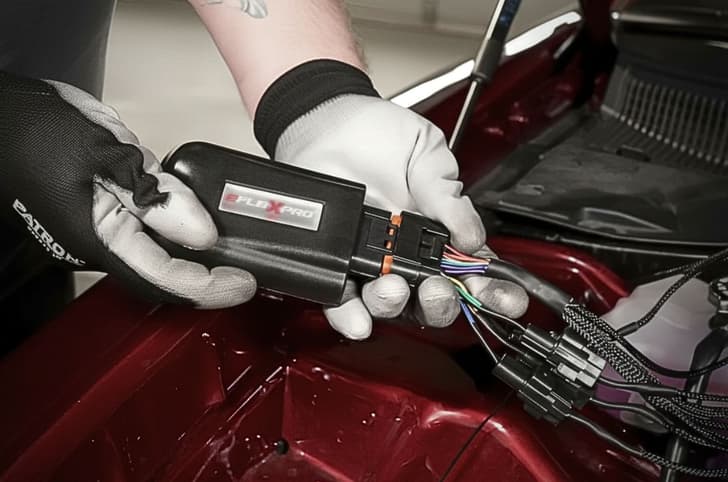
- Tests used Finland-based eFlexFuel kits, priced from around Rs 45,000
- With the kits, BS4 Swift covered 10,500km and BS6 Swift Dzire covered 14,250km
Imported ethanol conversion kit tests: What was found?
Both cars were tested for over 10,000km with E15 to E100 blends
Both the BS4 Swift and BS6 Swift Dzire were tested across multiple ethanol blends ranging from E15 to E100. The final report, seen by Autocar Professional, disclosed that the BS4 Swift covered 10,500km across various ethanol blends, including a 1,000km run on E100. The BS6 Swift Dzire accumulated 14,250km, of which 5,000km was covered on E100.
Researchers evaluated acceleration, deceleration, starting behaviour, real-time performance, emissions, fuel consumption and engine health parameters and found no abnormal behaviour during the test programme using the Finland-based eFlexFuel kits, which are priced from around 45,000. The system uses an ethanol sensor to measure ethanol content and adjust fuel injection accordingly. This allows the vehicle to adapt to varied ethanol blends without requiring different ECU calibration for each fuel mix.
Ballani said, “After extensive study, ISMA submitted a report and said that BS4 and BS6 vehicles could be converted to a flex-fuel vehicle with such a kit. It can use any fuel, E85 or E100, and is running fine without any damage to the vehicle.”
Indigenous flex-fuel kits must undergo testing and regulatory approvals: Ballani
The test results are significant as India is exploring higher ethanol blends beyond E20, which contains 20 percent ethanol and is the current baseline. While E85 fuel has recently been introduced, its use is currently limited to flex-fuel vehicles. Ballani said conversion kits could provide a pathway for millions of existing petrol vehicle owners to access higher ethanol blends without replacing their vehicles.
However, Ballani acknowledged that the technology is not yet ready for commercial use in India. While imported kits have been initially evaluated, locally made kits must undergo testing and approval by regulators, automotive testing agencies and vehicle manufacturers before they can be sold and used. In that regard, ISMA has written to the concerned authorities seeking a framework for approval, testing and localisation of such kits in the country.
With inputs from Mukul Yudhveer Singh
 Autocar India News Desk
 Dhruv Dhaka
 Uday Singh