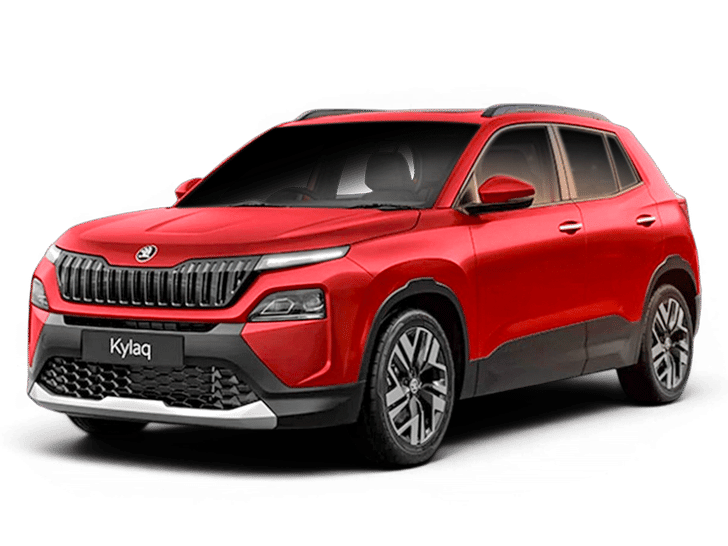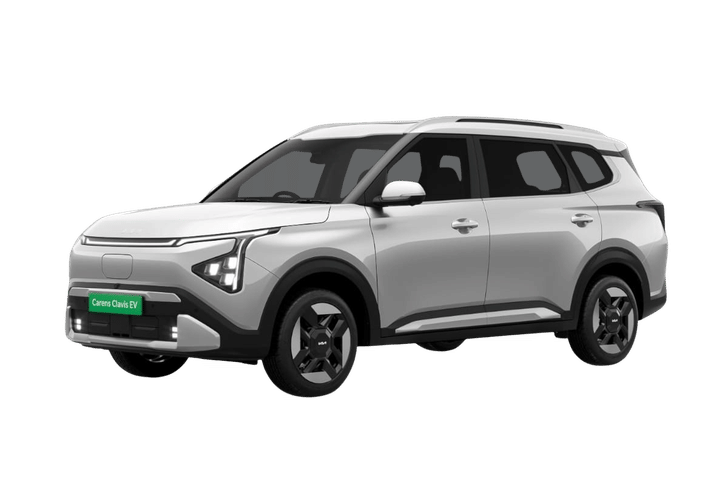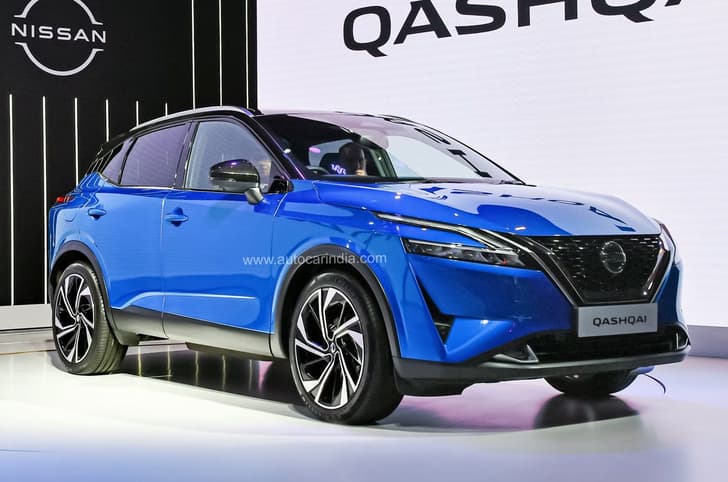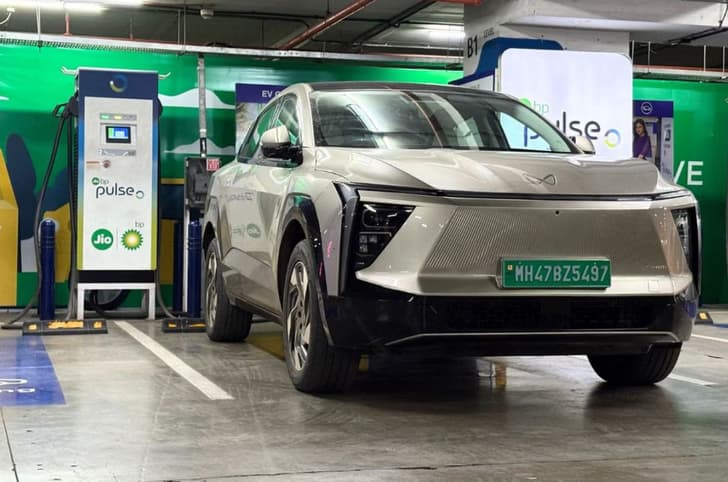
Karnataka is planning to reintroduce lifetime tax on EVs sold in the state. The state government has passed a bill to amend the Karnataka Motor Vehicles Taxation Act, which could see electrical vehicles priced under Rs 25 lakh being taxed for the first time. Earlier, lifetime tax (or road tax) in Karnataka was only applicable on EVs that were priced above Rs 25 lakh.
- Karnataka introduced road tax for EVs priced above Rs 25 lakh in 2024
- New tax policies will include EVs below Rs 10 lakh; e-bikes exempted
- Delhi and Maharashtra continue providing incentives
Karnataka’s revised EV taxation policy
Taxation slabs of 5 and 8 percent have been introduced with this revision
The revised March 2026 taxation policy will be applicable to all electric vehicles, including private and commercial models, except for electric two-wheelers. New EVs spanning different price brackets could now be taxed based on their ex-showroom price. Models that are priced under Rs 10 lakh will attract a lifetime tax of 5 percent, whilst those priced above Rs 10 lakh but under Rs 25 lakh will carry a lifetime tax of 8 percent.
Electric vehicles were earlier exempted from paying road tax in Karnataka. However, an amendment to this rule in March 2024 meant that new EVs priced above Rs 25 lakh started being charged a lifetime tax of 10 percent. Back in 2017, Karnataka had repealed any form of road tax (or lifetime tax) of electric vehicles in the state in order to boost their adoption.
EV taxation policies across India
There is no standardised pan-India taxation policy on EVs yet
Unlike Karnataka, which could move from its current incentive-based EV policy to a revenue-based system, some other states are pursuing their own EV taxation policies. As mentioned in a circular issued by the Delhi government on March 11, 2026, new electric vehicles priced under Rs 30 lakh (ex-showroom) will be completely exempted from paying road tax and registration fees.
The policy also supports strong-hybrid models, promising 50 percent exemption on road tax and registration fees. Delhi’s EV taxation policy is to be valid till March 31, 2030. The national capital is also planning to ban sales of combustion-powered two-wheelers by 2028, to be replaced by fully electric options instead. Like Delhi, Maharashtra’s EV policy extends up to March 2030. The state is targeting 30 percent of all new vehicle registrations by 2030 to be fully electric, with upfront purchase incentives ranging between Rs 10,000 and Rs 1.5 lakh for electric two-wheelers and private cars.
 Dhruv Dhaka
 Ajit Dalvi
 Uday Singh