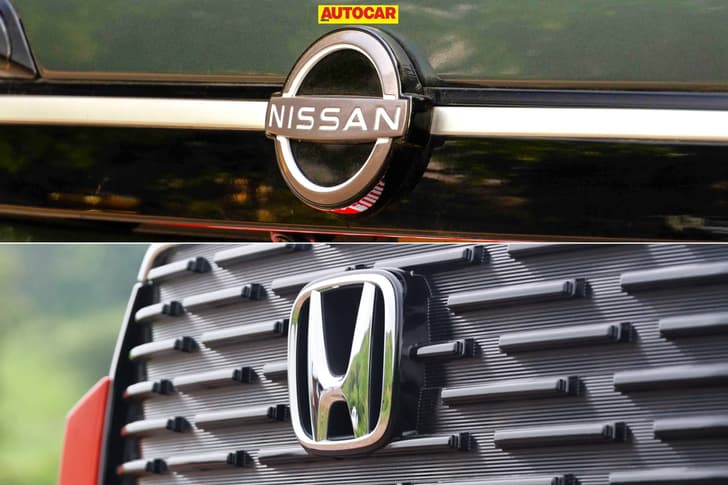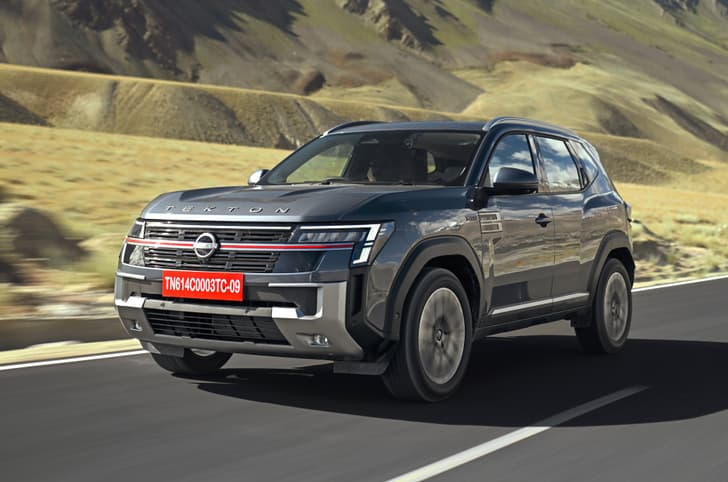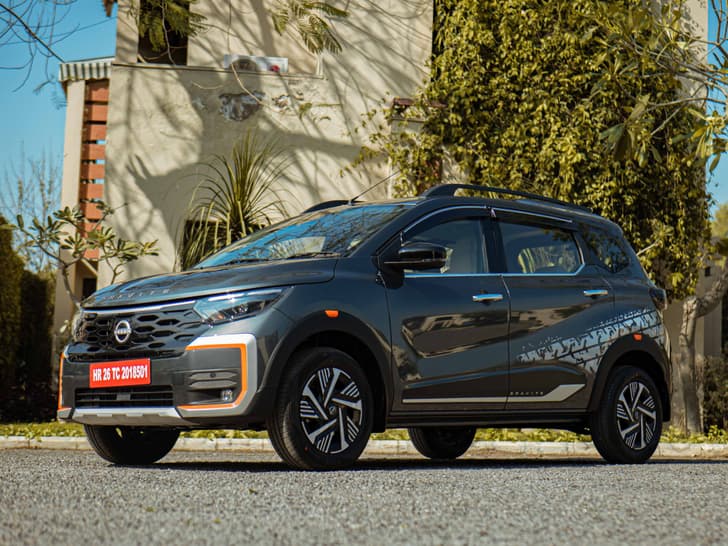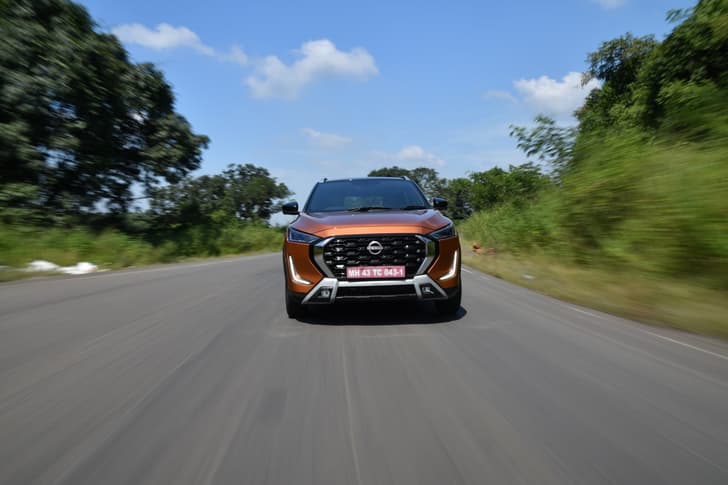
As part of restructuring its operations, Nissan has now confirmed that it will be discontinuing 11 models from its global line-up. The brand’s consolidation plan, which was outlined at the international unveil of the Juke EV and next-gen X-Trail, will see its global portfolio shrinking from 56 models at present to 45 models in the near future. So, what has worked for Nissan and what hasn’t?
- Focus will shift to developing three new product categories
- Additional powertrain options to be offered to customers
Why will Nissan discontinue certain models?
The brand aims to achieve profitability by implementing two strategies
Nissan’s key motive behind the discontinuation of select models is to return to profitability “by streamlining the model line-up, from 56 to 45 models, by exiting low-performing products and re-investing in growth,” Nissan CEO Ivan Espinosa said. The Japanese automaker will also provide customers more powertrain options for each of its models. Nissan’s second strategy involves “concentrating development on three product families, which will cover more than 80 percent of our volume,” Espinosa stated. By following these strategies, Nissan hopes to optimise its investment and development plans based on market demand.
Which Nissan models are expected to drive growth?
The brand’s future portfolio will involve four model tiers
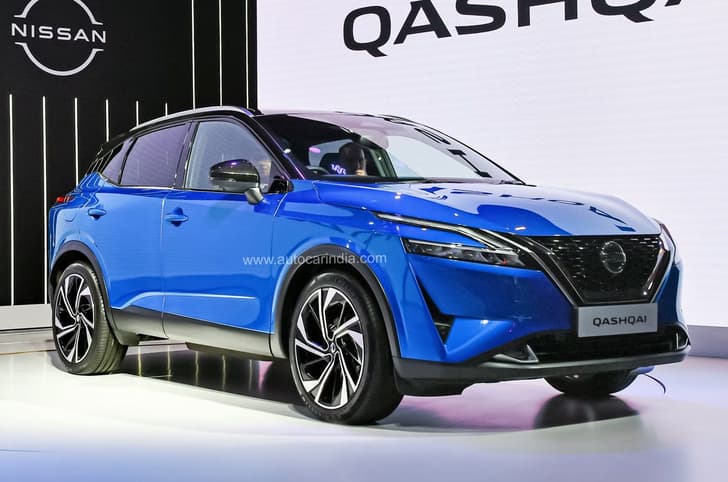
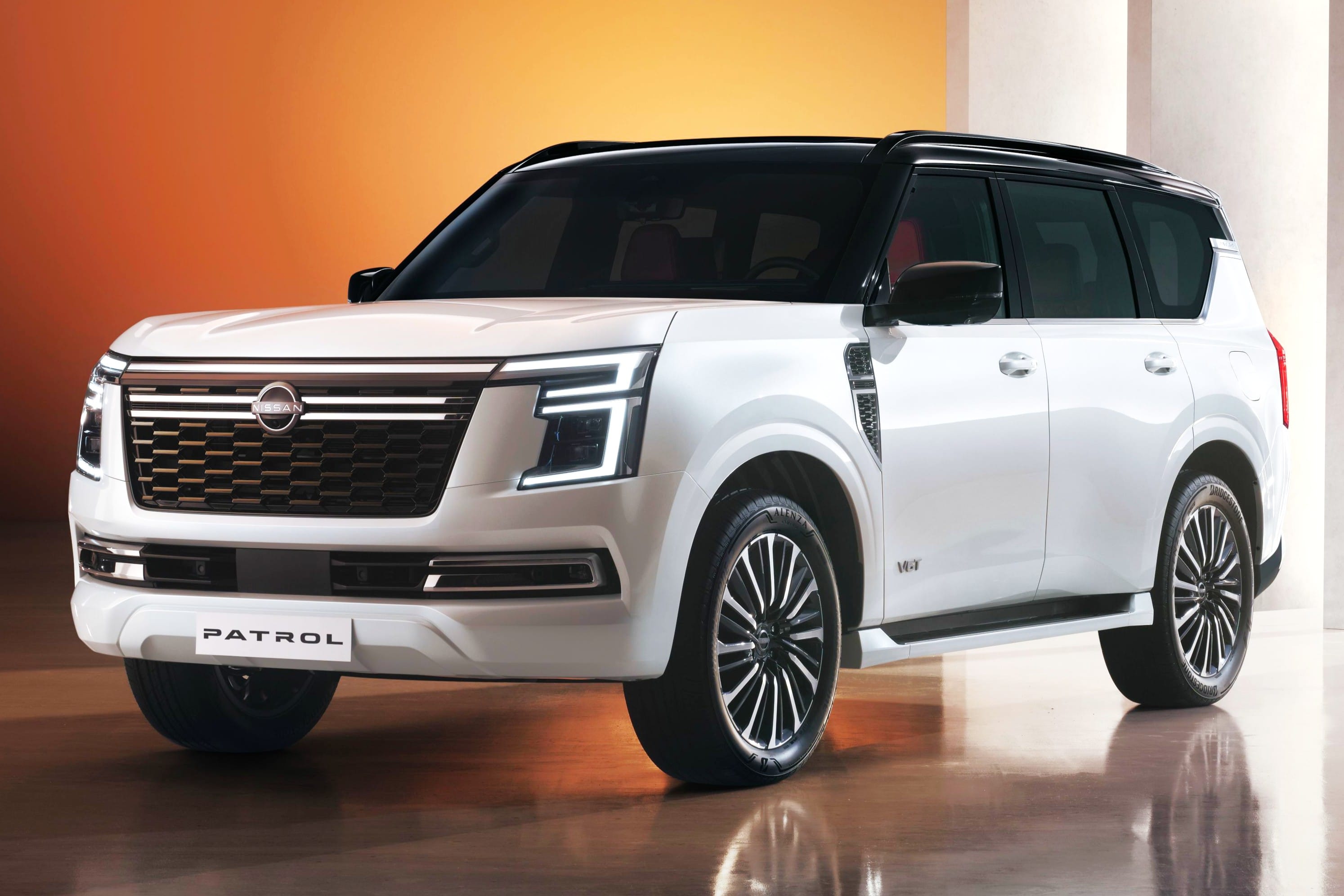
Nissan’s global line-up will consist of cars spread across four tiers – namely Heartbeat, Core, Growth and Partner models. ‘Heartbeat’ will include the likes of the Leaf EV and Patrol SUV, with ‘Core’ comprising backbone models like the X-Trail and Qashqai. Models like the Elgrand MPV and Sakura Kei car make up ‘Growth’, while nameplates like the Micra hatchback and Frontier Pro pick-up truck are placed under the ‘Partner’ models category.
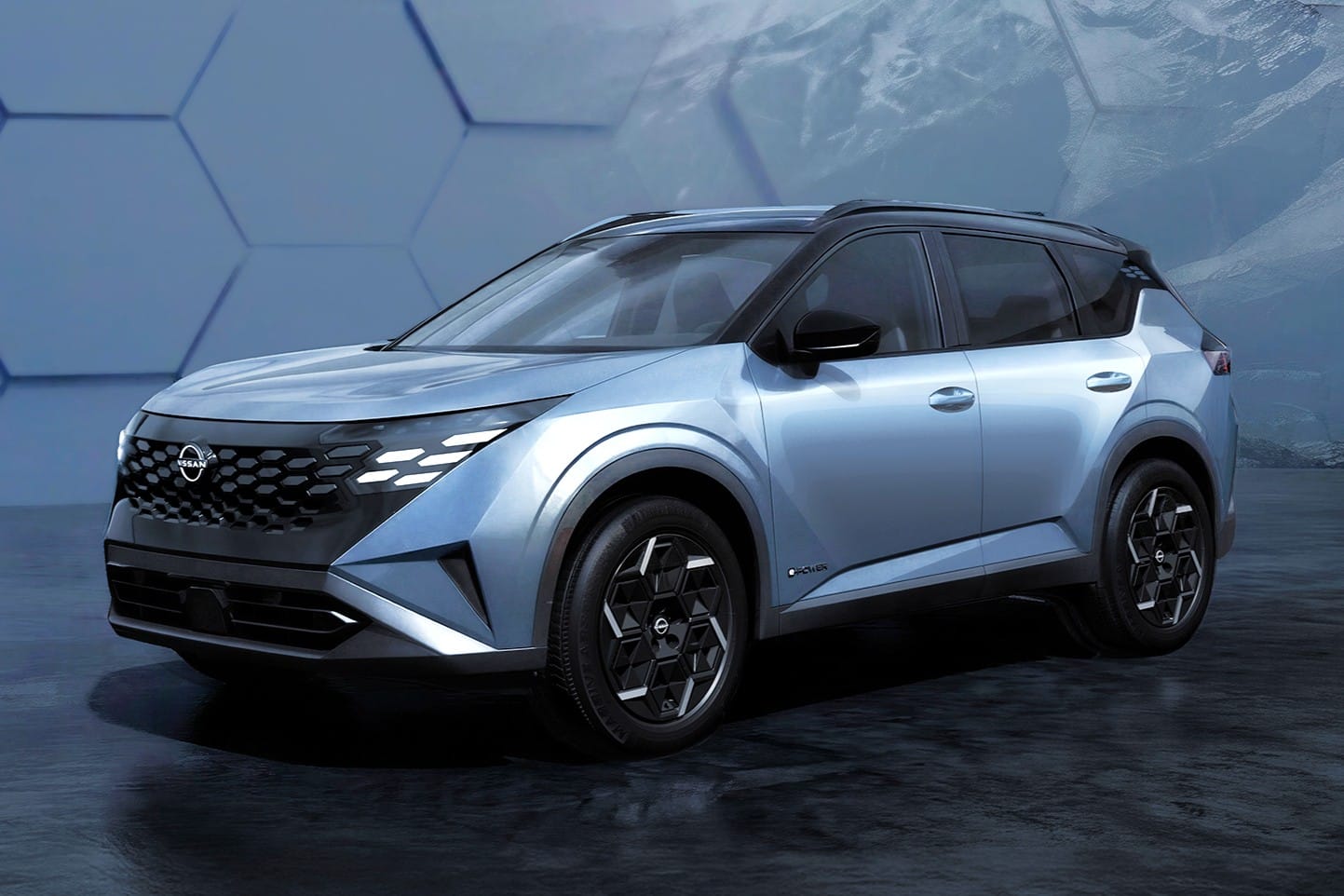
Nissan is also hoping that models like the next-gen Skyline, X-Terra, X-Trail (Rogue) Hybrid and Juke EV will help cement the brand’s position in respective markets. When it comes to Infiniti, Nissan’s premium sub-brand, it “remains an asset that we will cultivate and expand,” the brand's CEO said. The QX65 aside, there will be “four new models with diverse powertrain options, including a new midsize hybrid SUV, a performance-oriented V6 sedan and two large hybrid frame-based SUVs,” Espinosa continued.
Core markets for Nissan
“We organise our market strategy around lead markets, which are Japan, the United States and China,” Guillaume Cartier, Nissan’s chief performance officer stated. Each of these markets help the company deliver on volume and profitability by delivering scale and relevance. Cartier also mentioned how these markets are the ones “providing product, technology and industrial capability that can be leveraged globally.”
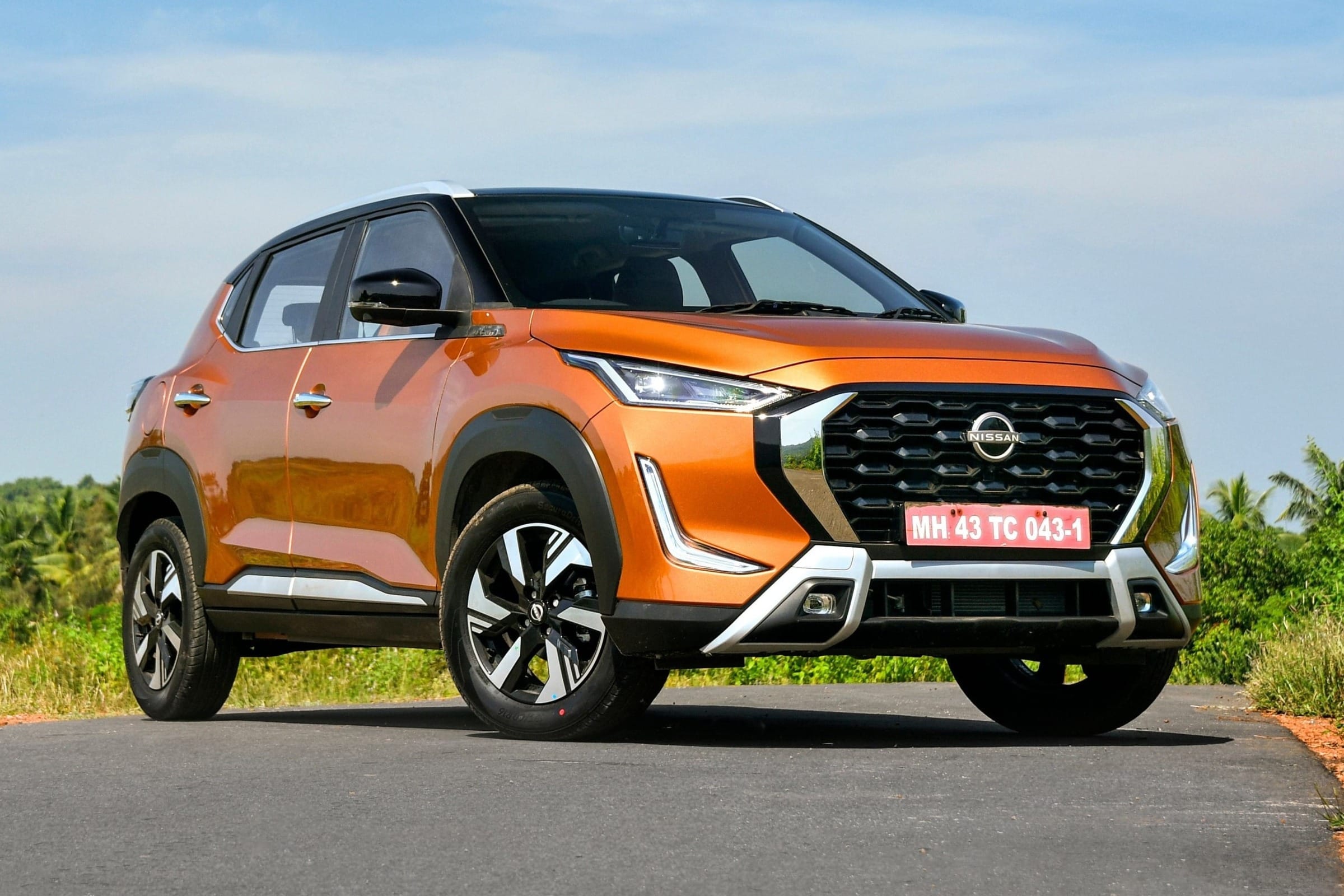
Nissan hopes to achieve a sales target of 5.50 lakh units per year in Japan, 10 lakh units in the United States and 10 lakh units in China by fiscal year 2030 (FY2030). Nissan’s other important markets include Mexico and the Middle East, followed by Europe, Africa and India. Nissan currently has just two models on sale in India – Magnite SUV and Gravite MPV.

 Dhruv Dhaka


 Ajit Dalvi
 Uday Singh