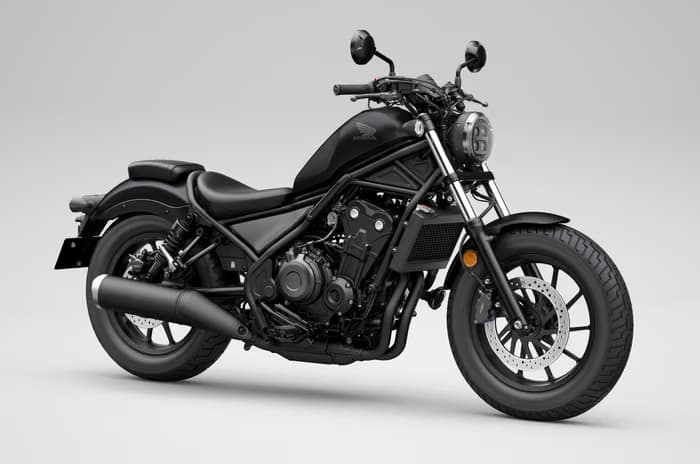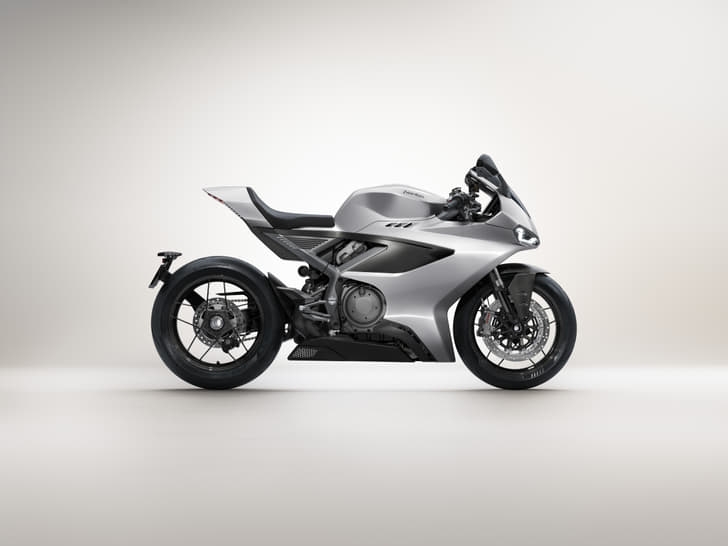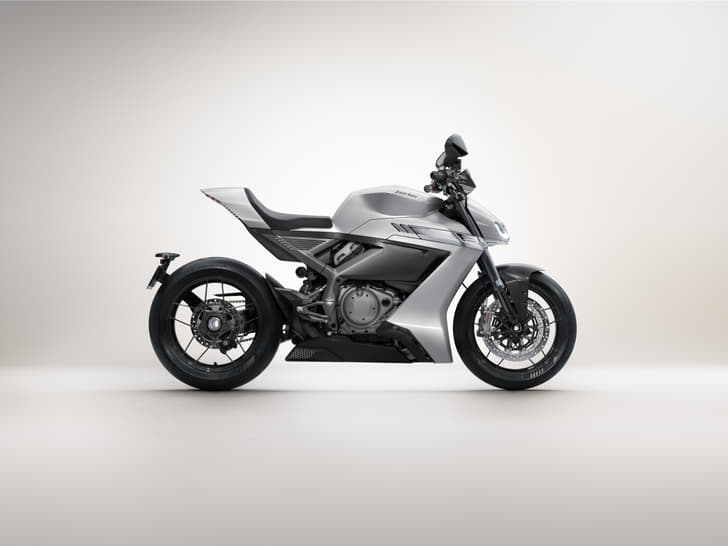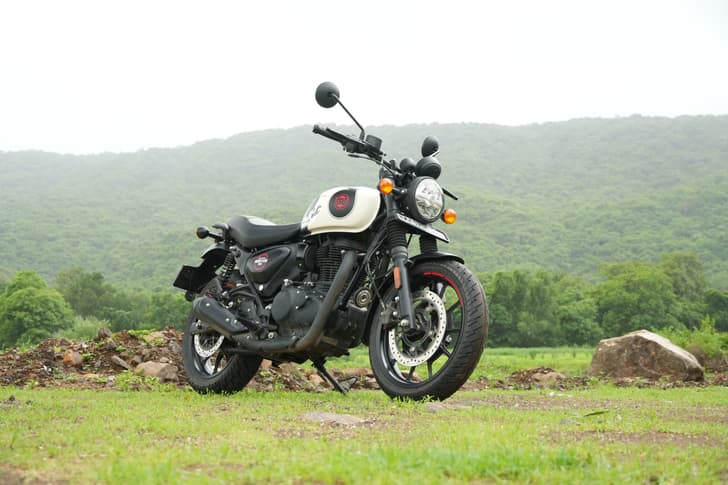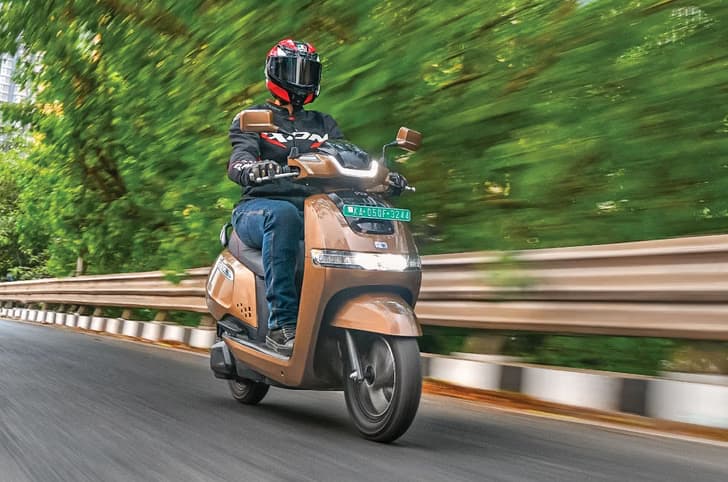
The Delhi government is considering banning internal combustion engine (ICE) two-wheelers from April 2028, having proposed that all new two-wheeler sales in the national capital be electric by that time. The move is part of the government’s broader push to improve air quality and reduce vehicular emissions.
- All new two-wheelers sold in Delhi to be electric by 2028
- Policy aims to reduce vehicular emissions and improve air quality
- New EV 2Ws to get 100 percent exemption from road tax and registration fees
Delhi EV policy details
Draft policy open for public consultation for 30 days
The draft policy is currently open for public feedback for 30 days, and the final version will be released after incorporating stakeholder inputs.
Autocar Professional reports that the move is part of Delhi's ongoing efforts to tackle air pollution, with the transport sector being one of the major contributors to emissions in the city. Two-wheelers form a significant portion of vehicles on Delhi's roads, and transitioning them to electric power could have a substantial impact on overall emissions.
The proposal also offers financial incentives to support EV adoption. Electric two-wheelers priced up to Rs 2.25 lakh will be eligible for incentives of Rs 10,000 per kWh, capped at Rs 30,000 in the first year from the date of notification. This will reduce to Rs 20,000 in the second year and Rs 10,000 in the third year.
Additionally, buyers of electric two-wheelers will be eligible for Rs 10,000 on scrapping Delhi-registered BS-IV and older two-wheelers. All electric two-wheelers registered in Delhi during the policy period are also proposed to receive 100 percent exemption from road tax and registration fees, subject to specified conditions.
The policy proposal comes at a time when the electric two-wheeler market in India is seeing significant growth, with multiple manufacturers offering a range of electric scooters and motorcycles. However, electric two-wheelers currently represent a small fraction of overall two-wheeler sales in the country.
If implemented, the policy could accelerate the adoption of electric two-wheelers in Delhi and potentially influence similar policies in other major cities across India. The success of such a policy would depend on factors including charging infrastructure availability, the affordability of electric two-wheelers, and consumer acceptance.
Mukul Yudhveer Singh and Ketan Thakkar
 Dhruv Dhaka
 Uday Singh