Last Updated on: 30 Mar 2026
Maruti Suzuki e Vitara price in Jabalpur
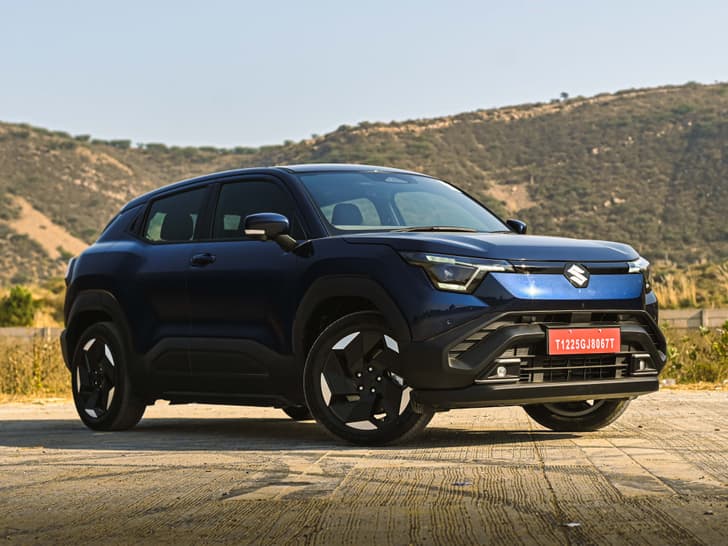
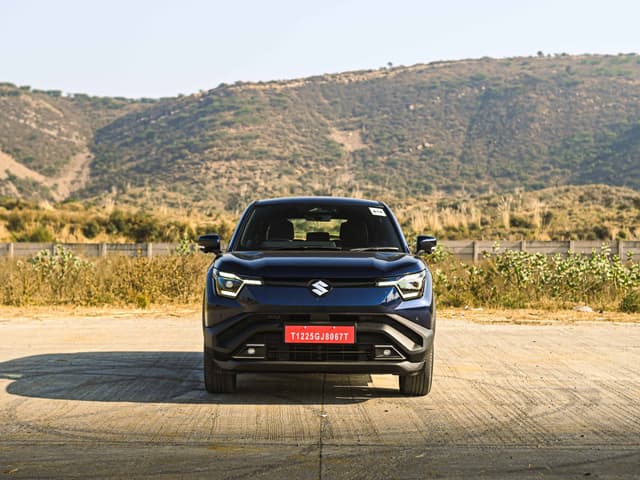
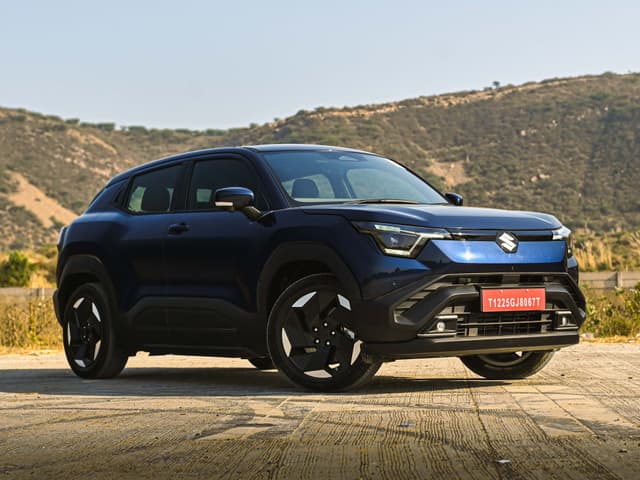
Maruti Suzuki e Vitara price with battery-as-a-service (BaaS) scheme starts from ₹10.99 lakh, where customers will have to pay ₹3.99 per km as a battery subscription fee. BaaS prices for the other variants with larger battery pack are ₹11.99 lakh and ₹14.29 lakh, but these have a higher battery subscription cost of ₹4.39 per km.
Regular prices of the e Vitara (without the BaaS scheme) range between ₹15.99 lakh and ₹19.79 lakh, ex-showroom.
Here are the on-road prices of the e Vitara:
Maruti Suzuki e Vitara price & variants
Price of Maruti Suzuki e Vitara alternatives
Maruti Suzuki e Vitara news
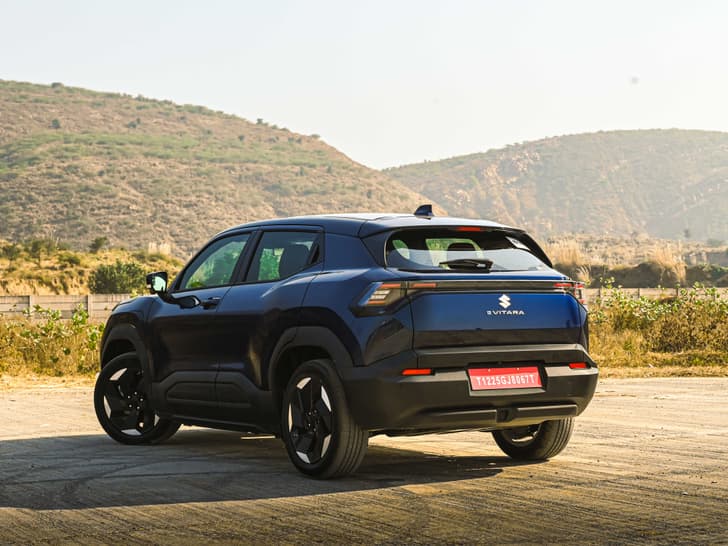
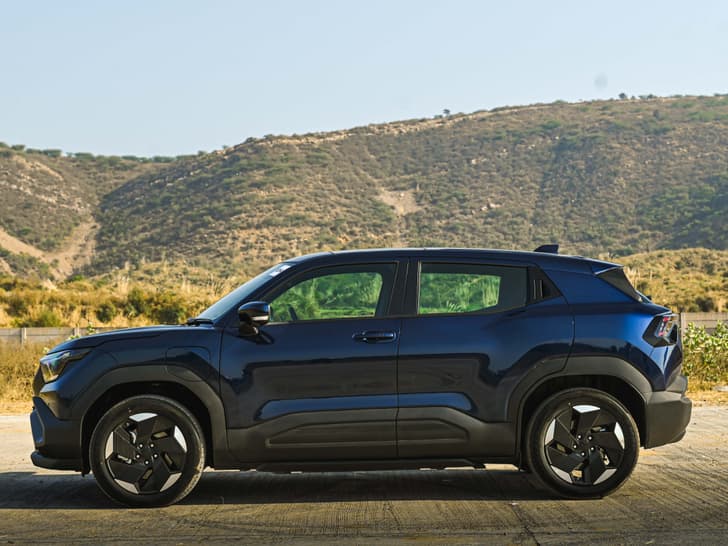
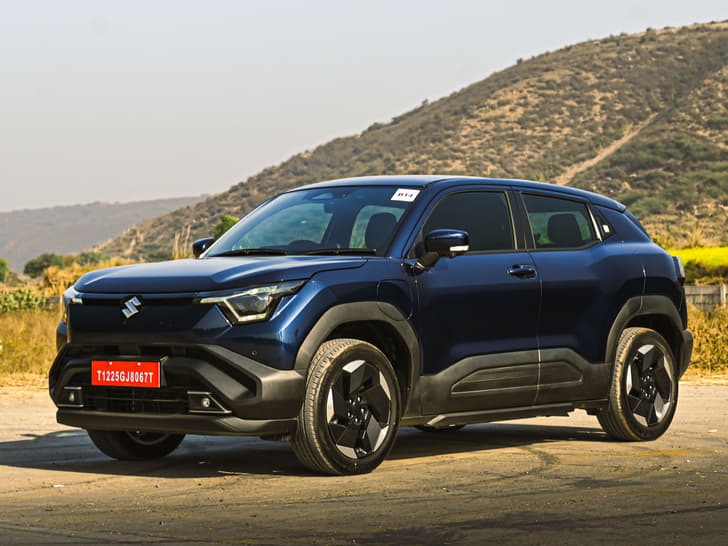
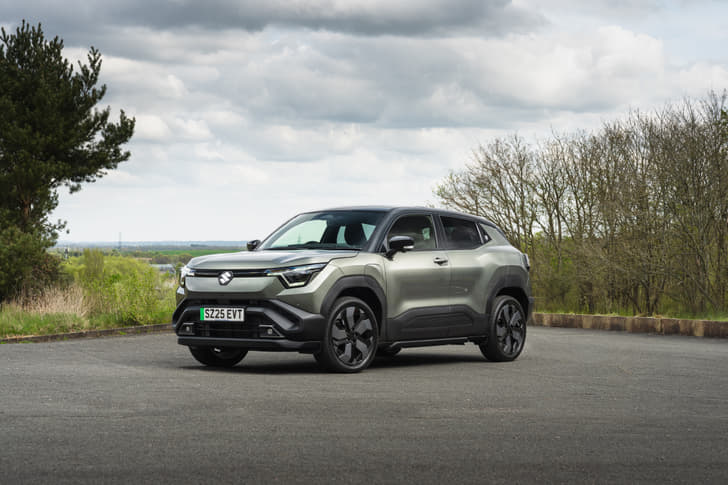
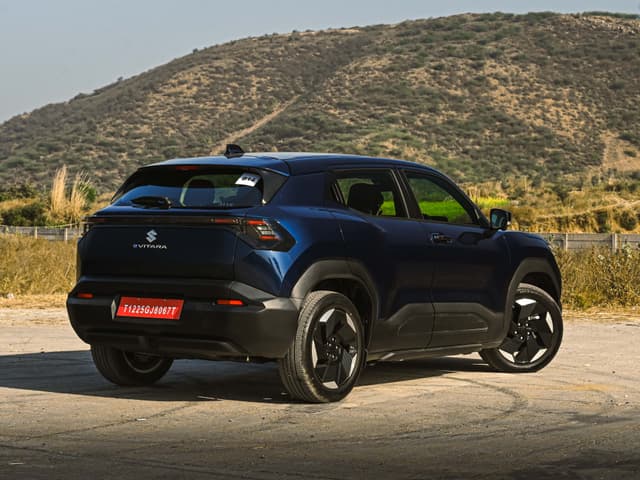
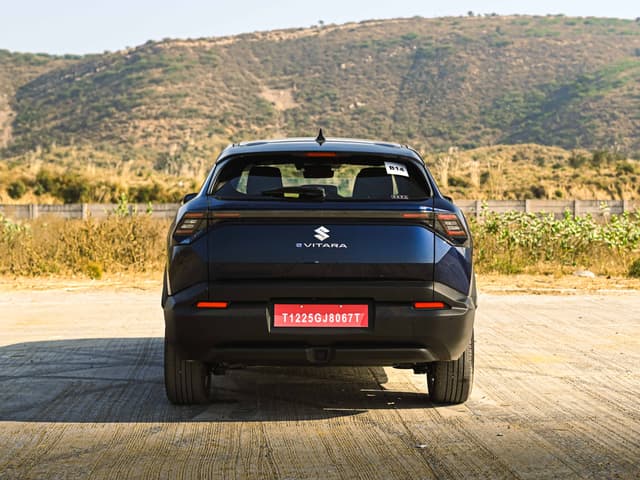
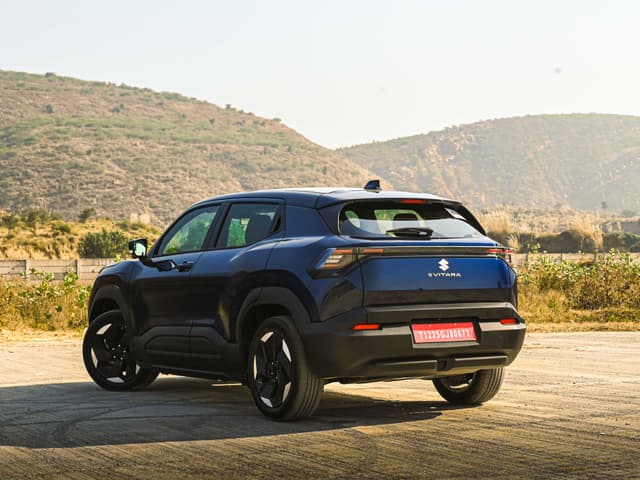
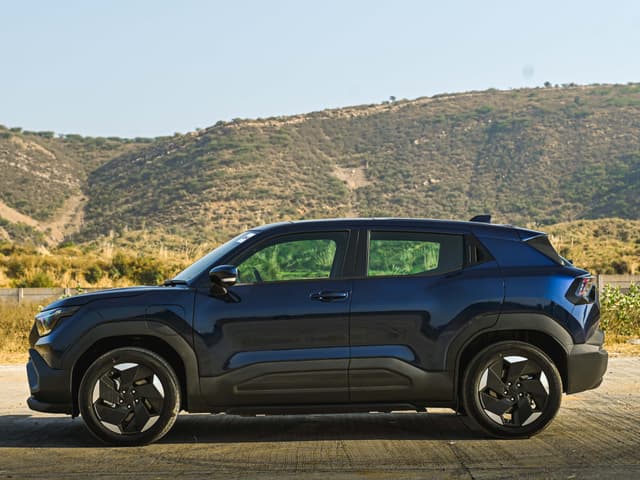
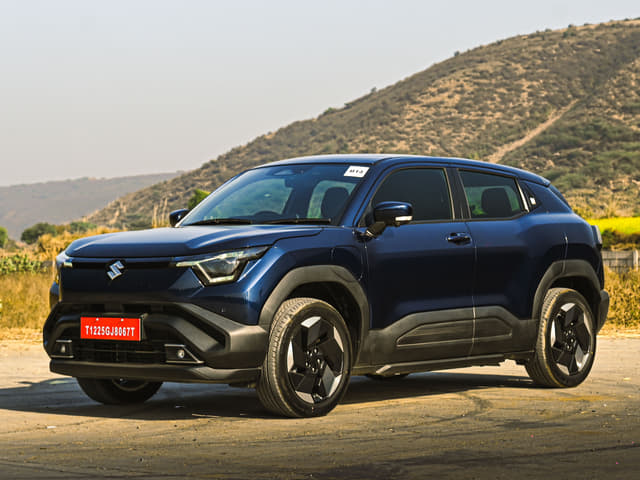
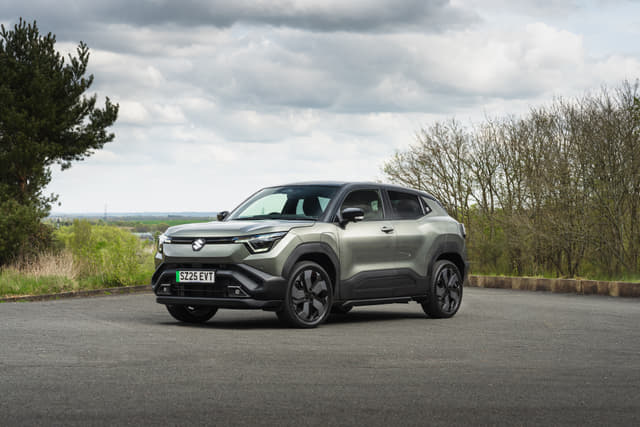
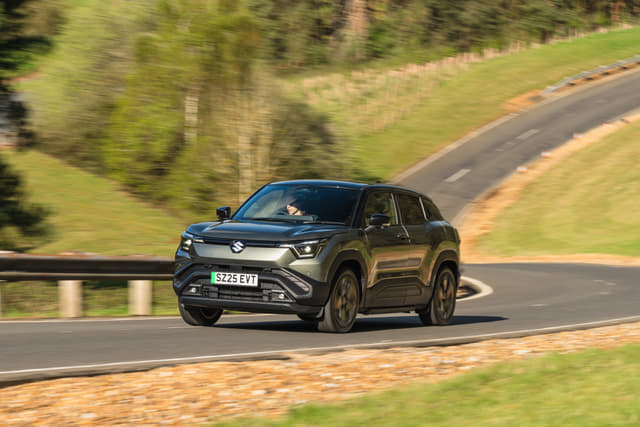
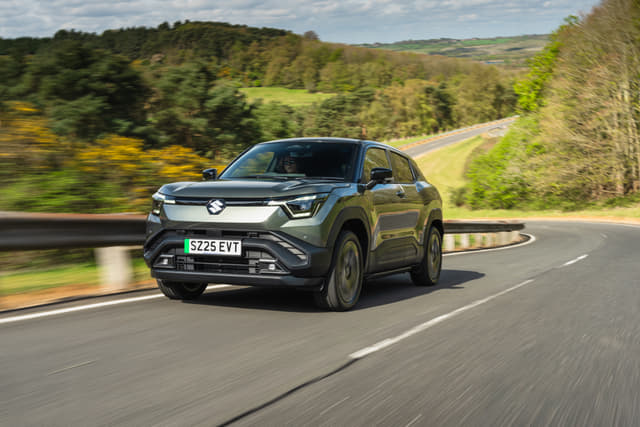
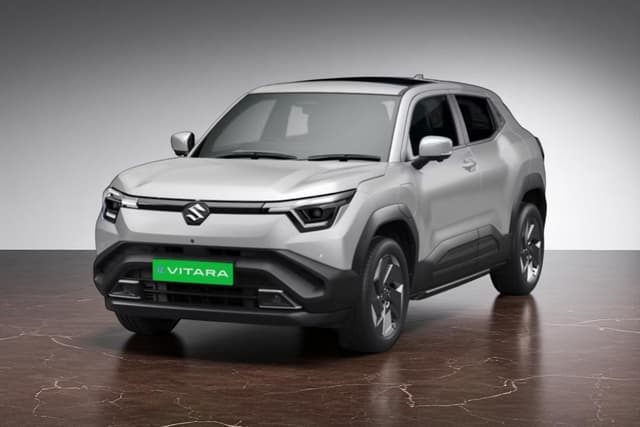
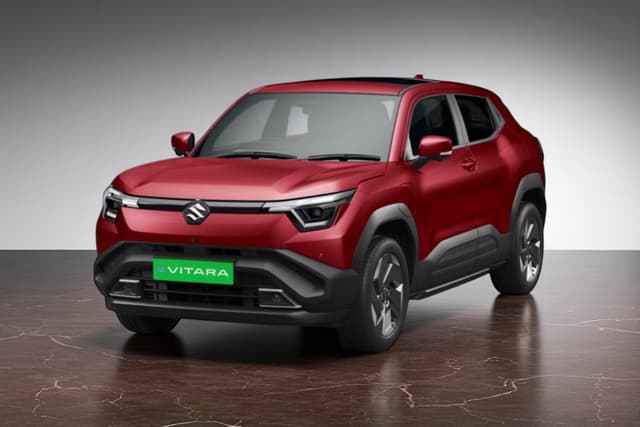
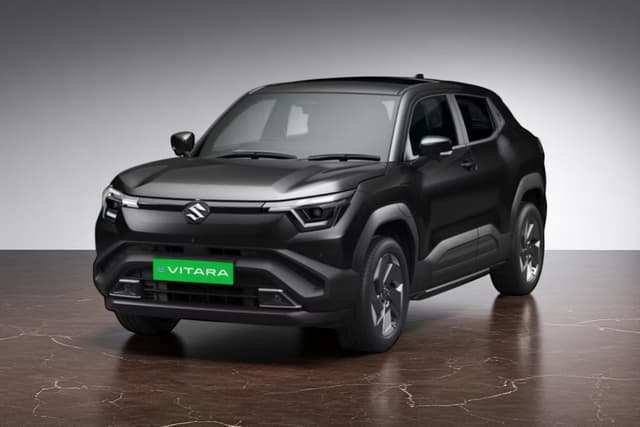
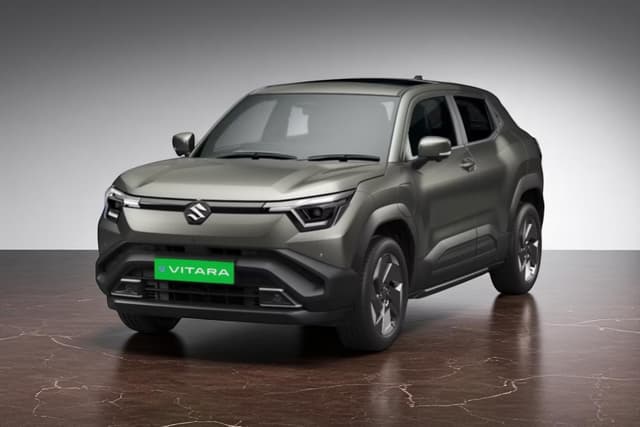
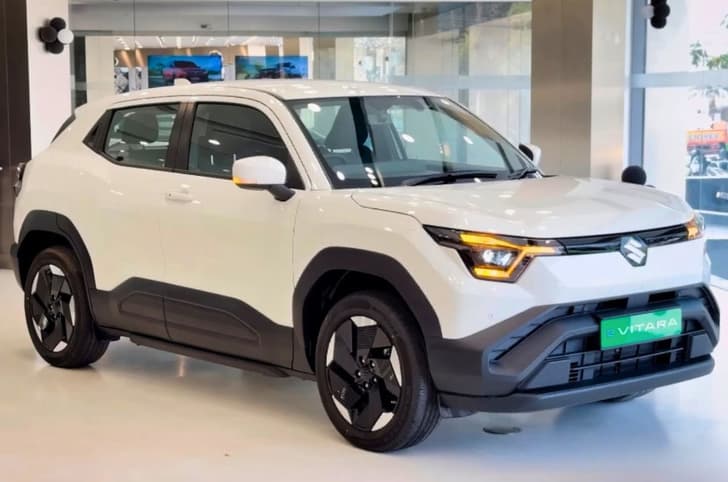
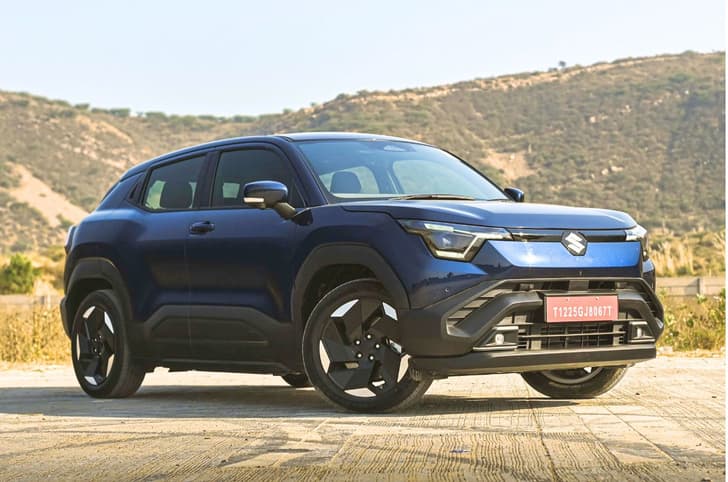
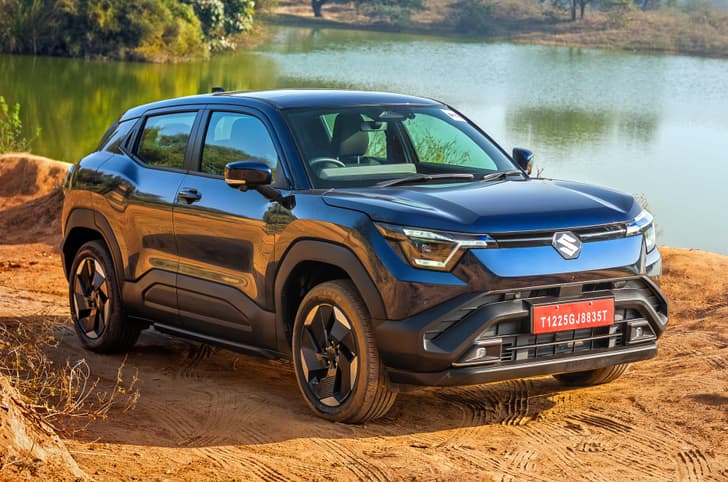
Maruti Suzuki e Vitara Images
Maruti Suzuki e Vitara videos


Maruti Suzuki e Vitara Colours
Maruti Suzuki e Vitara FAQs
In Jabalpur, the Maruti e Vitara base Delta 49 kWh is priced at ₹10.99 lakh + ₹3.99 per km for the BaaS scheme.
The Maruti e Vitara Delta 49 kWh variant has an on road price of ₹16.95 lakh in Jabalpur.
Maruti e Vitara mid-spec Zeta variant on road price is ₹18.52 lakh in Jabalpur.
The fully loaded Maruti e Vitara Alpha 61 kWh variant is priced at ₹19.79 lakh, which translates to an on-road cost of ₹20.94 lakh in Jabalpur.
In Jabalpur, the Maruti e Vitara BaaS prices range between Rs 10.99 lakh and Rs 14.29 lakh, excluding a subscription fee of up to Rs 4.39 per km.
More questions you may find useful
Yatrik
•4dHi, my daily usage is 70 to 80 km and around 25,000 km per year. I am about 6 feet 3 inches tall and want to buy an EV, as I have solar panels at home. My budget is around ₹17 lakh, and I am considering the Maruti Suzuki E Vitara.
Autocar India
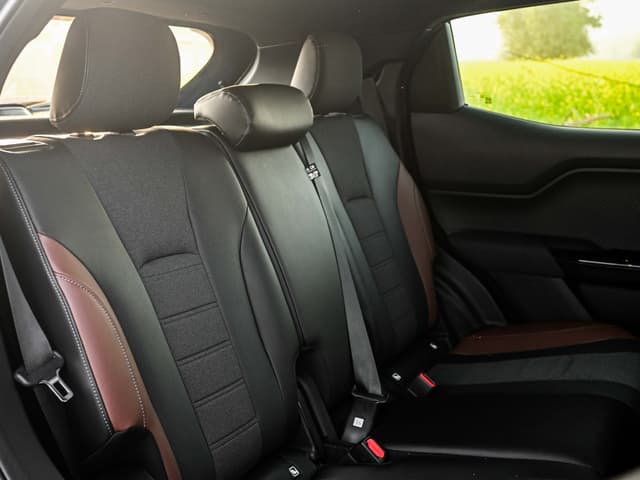
The Maruti Suzuki E Vitara is a sensible EV for your usage and budget.For 70-80 km a day and around 25,000 km a year, going electric will significantly cut your running costs, and charging from solar makes it even more economical. The e‑Vitara is positioned as a reasonably priced compact electric car, so it should sit comfortably within your 17 lakh budget and still offer the ease of an automatic, quiet drive and low maintenance.However, there are some important comfort limitations to be aware of, particularly for someone who is 6'3". The cabin is not very spacious, and you’re likely to need the driver’s seat pushed all the way back, which leaves very little legroom for a passenger sitting directly behind you. The floor is also quite high because of the battery pack, so your knees sit more upright than normal, which can reduce long‑distance comfort for tall occupants.If rear‑seat space matters or you often travel with family, it’s worth looking at alternatives like the MG Windsor EV, which offers a noticeably roomier cabin and more comfortable back seat. But if you mostly drive alone or with one front passenger, the e‑Vitara will do the job quite well.
Gangadhar Gupta
•1wI am planning to buy an electric car primarily for local usage. I have shortlisted the Tata Punch EV, Tata Nexon EV, and MG Windsor EV, but I am confused between these options. My key considerations are real-world driving range and rear seat comfort, especially legroom. Could you please suggest which of these EVs offers the best range and the most spacious rear seating? Also, are there any better alternatives I should consider?

Autocar India
The Maruti Suzuki e Vitara with its 61 kWh battery pack has an officially claimed range of 543 km on a full charge, which is comfortably the highest among the three you’ve mentioned. Even if you factor in real‑world conditions, you can expect a useful touring range that’s still well ahead of the Punch EV and Windsor.For rear seat space, the MG Windsor EV is the one to go for; it has the most generous back‑seat legroom and overall cabin width, making it the most comfortable for passengers in the back. If you choose the Windsor Pro variant with the 52.9 kWh battery, you get a certified range of 449 km.In real‑world use, that typically translates to roughly 340-370 km depending on your driving style and conditions, which is more than sufficient for daily local and city driving. The Windsor isn’t quite as refined or efficient as the e-Vitara, but it strikes the best balance between range and rear seat space if those are your two main priorities.
Rajesh
•3wBefore I begin, I would like to thank Autocar for always offering sensible and well-informed advice to its readers. I have been an Autocar India subscriber since 2002. As per your earlier advice, I am considering the 49 kWh battery version of the Maruti Suzuki e Vitara for my monthly usage of around 900 km in Bengaluru. For longer journeys, I already own a Toyota Hycross Hybrid, so the EV will primarily be used for city driving. My main confusion is regarding the performance difference between the 49 kWh and 61 kWh battery versions. I recently test-drove the 61 kWh variant and drove it for about 20 km, and I must say it was a joy to drive and handled very well probably the best-handling Maruti I have experienced. However, I am concerned whether the 49 kWh version, which comes with a smaller motor, might feel noticeably less powerful or subdued in performance compared to the 61 kWh version, even though the torque figure is said to be the same for both.

Autocar India
Thanks for being a loyal subscriber. As you've rightly mentioned, the Maruti Suzuki e Vitara gets two versions 144hp/189Nm motor with a 49kWh battery, and the other is 174hp/189Nm motor, 61kWh battery. The common factor between the two versions is the 189Nm motor torque, which makes it zippy. Of course, being more powerful, the larger battery version is likely to hit higher (three-digit) speeds more quickly, but within town (up to speeds of 60-70kph), the difference between their acceleration is likely to be negligible. So opt for the 61kWh version only if you need more range, else as a city commuter, the 49kWh version's performance should be more than sufficient.
Rajesh singh
•3wWith respect to my earlier query, I have booked the Maruti E Vitara Zeta variant, which is 61kW. Will this be a sensible buy, as I am replacing it with a 2016 Brezza diesel manual that has done 1.07 lakh km? The E Vitara would be automatic, as electric cars are. I plan to keep it for 10 years for city driving and occasional highway use, or would you suggest any other electric in this price band with the same battery pack and reliability as MS? Monthly run is 900km.

Autocar India
The Maruti Suzuki E Vitara is a sensible electric car, backed by Nexa's widespread sales and support network. It is also equipped with a large 61kWh battery, with which you can expect a highway range of approximately 370km on a full charge - city range will be better. The interiors feel premium, performance is smooth, and its light steering and tight turning radius make it very easy to manoeuvre. That said, the E Vitara's user experience is flawed, the floor is high, which results in a knees-up seating, and its suspension isn't as sorted as some rivals.We would suggest that you consider the entry-level variants of the Kia Carens Clavis EV or Hyundai Creta Electric, both of which cover the basics well. Yes, these have a smaller 42kWh battery, but their powertrain is very efficient, which will deliver impressive real-world range. Overall, both these are excellent options for similar money as the E Vitara.
Rajesh
•4wPlease suggest a replacement for my 10-year-old Maruti Suzuki Brezza diesel manual, which has done 1.07 lakh km. I am thinking of the Maruti e-Vitara, but I am confused between the 61 kW and 49 kW battery options. My running is about 900 km in the city, and I have a HyCross hybrid for highway journeys. Please advise which e-Vitara battery option would be best.

Autocar India
Since you’ve had a long stint with your Maruti Suzuki Vitara Brezza, it’s understandable that you’re looking at the Maruti Suzuki e-Vitara as a replacement.You’ve mentioned 900km of city running, which we assume is per month. For that kind of usage, the 49kWh battery should be sufficient. In real-world city conditions, you can expect roughly 250-300km on a full charge, though we have yet to test the range ourselves. For pure urban use, the 49kWh battery is practical and cost-effective.The larger 61kWh battery would give you more range and flexibility. But given that you already have the Toyota Innova Hycross for highway trips. The smaller battery pack makes more financial sense unless you simply want the added buffer and peace of mind.
RUPALI AGRAWAL
•5wI am confused between the EV and petrol versions. My driving is around 1,100-1,400km a month. I am confused between the new Seltos base model, Grand Vitara, and the e Vitara. Which one should I buy?

Autocar India
Given your usage of 1100-1400km per month, we do not recommend an electric car. Even if your usage is spread evenly over each day of the month, it will require frequent charging, which is not good for battery health.While you haven't stated a budget, given a basic-level Kia Seltos as your target, the Maruti Suzuki e Vitara would be on the expensive side. In fact, the Kia Seltos is probably the best option for you, as even the basic HTE variant will be good value for money.It's the largest, most spacious and most comfortable of the three SUVs, and even in the HTE variant, you get a decent amount of features. The 1.5-litre petrol engine is also reasonably efficient if driven carefully.
Harit
•5wI am looking to buy an EV within a ₹20-21 lakh budget. Right now, I am confused between the MG Windsor Pro Essence trim and the Maruti e Vitara Alpha trim. Which one should I go for?

Autocar India
Between the two, the MG Windsor Pro is more spacious, and its light coloured seats enhance the sense of space even further. Its boot is much larger, too. Furthermore, it is well-equipped and more affordable (than the Maruti e Vitara), hence it is a better value too.Even though the Maruti Suzuki e Vitara has a larger 61kWh battery, its kerb weight of 1.8 tonnes makes it much heavier than the Windsor Pro (1.56 tonnes) with the 52.9kWh battery. Hence, you can expect a real-world range of approximately 370-390km, similar to the MG.
pankaj deshpande
•5wMy daily driving is around 60+ km in city traffic. I currently own a Tata Nexon diesel. I’m looking for a reliable, safe, low-maintenance, high-feature car around ₹25+ lakh. I’m unsure whether to go for an EV or a diesel car. Can you please suggest which car I should consider for complete peace of mind, low running costs, and low maintenance?

Autocar India
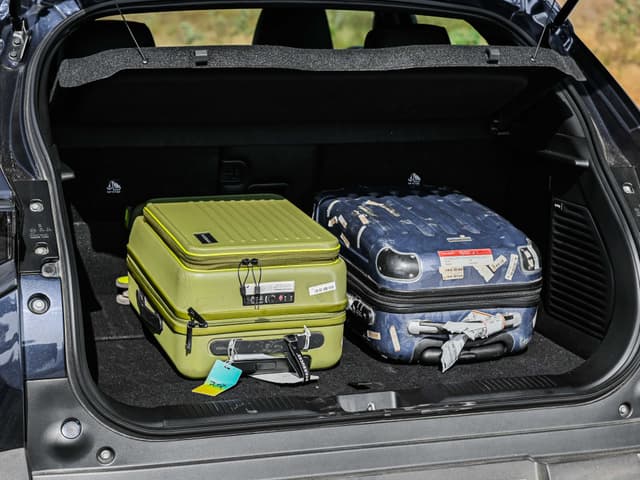
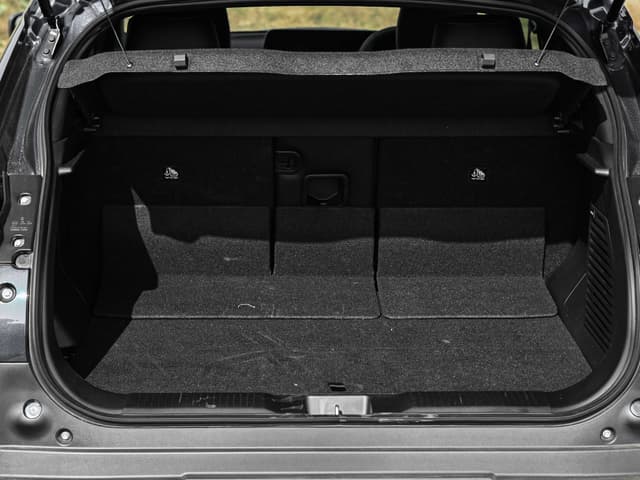
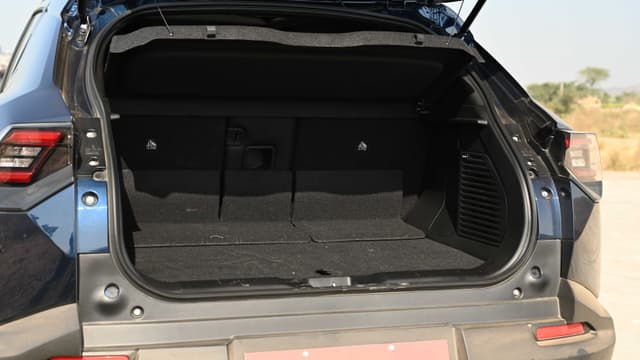
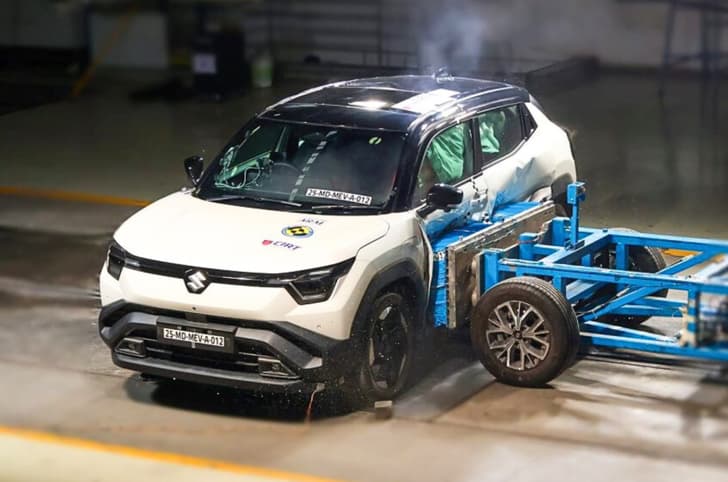
Since you are driving 60km daily and all within the city, an EV would be a good option for you. However, this is only on the assumption that you have access to charging at home or your place of work. Relying only on public charging is not really convenient at all. We would suggest the Maruti Suzuki eVitara. Its drawbacks of tight rear and boot space would not be much of an issue for your usage, and it would deliver well on your requirements of being reliable and safe. The eVitara received a 5-star crash rating in the BNCAP tests, and being a Maruti Suzuki car should prove to be very reliable. Moreover, you will get the top spec version within your budget.
PRANAV SHAH
•5wI am planning to buy an EV car, but I am confused between the MG Windsor and the Toyota eBella from Toyota. Please guide me on which one would be the better choice.

Autocar India
It's hard to recommend a car without knowing more about your personal requirements. However, generally speaking, the Toyota eBella, essentially the Suzuki eVitara, which has been selling for a while now in Europe, has a reliable software experience. On the other hand, the MG Windsor has been known to have a few software glitches. These, however, being software-driven, are fixable, and MG has issued some updates already. Beyond this, in every other way, the MG Windsor is a much better car, offering far more interior space and comfort, an impressive feature list and a good ride quality.
Sahil kumar
•10wI am confused between the Toyota Urban Cruiser Ebella and the Skoda Kushaq (new facelift). Which one should I buy for better comfort? Price is not a constraint. Which is more value for money? My driving split is 50:50 city and highway.

Autocar India
We are yet to drive either of the cars you have mentioned, as they were unveiled yesterday. However, based on our experience with the Maruti Suzuki E Vitara, which the Toyota Urban Cruiser Ebella is based on, the Skoda Kushaq should be the better option purely in terms of comfort and space.Like the eVitara, the Ebella is unlikely to impress with rear seat comfort, and its boot is quite small. The Kushaq, on the other hand, has always been a spacious car, and it is safe to expect the new version to continue that trend. Added features such as rear massage seats, a panoramic sunroof, and the new 10.25-inch digital instrument cluster will further enhance the overall sense of premiumness.
Maruti Suzuki e Vitara price in India
Maruti Suzuki Cars