
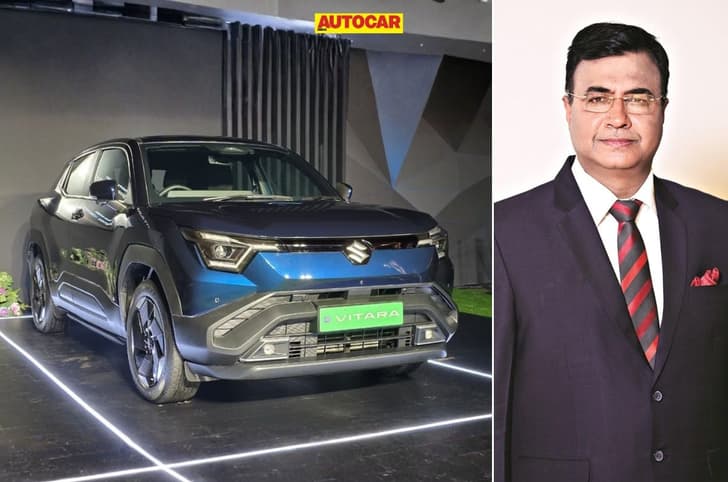
Following the hikes in petrol and diesel prices, bookings for Maruti Suzuki’s CNG models as well as its first electric offering, the e Vitara, have gone up, said the company’s senior executive officer for marketing and sales, Partho Banerjee, during a recent media interaction. Banerjee stated that customer bookings for the e Vitara almost doubled in May 2026 and that the demand for Maruti’s CNG models also soared.
- e Vitara received over 4,000 bookings in May
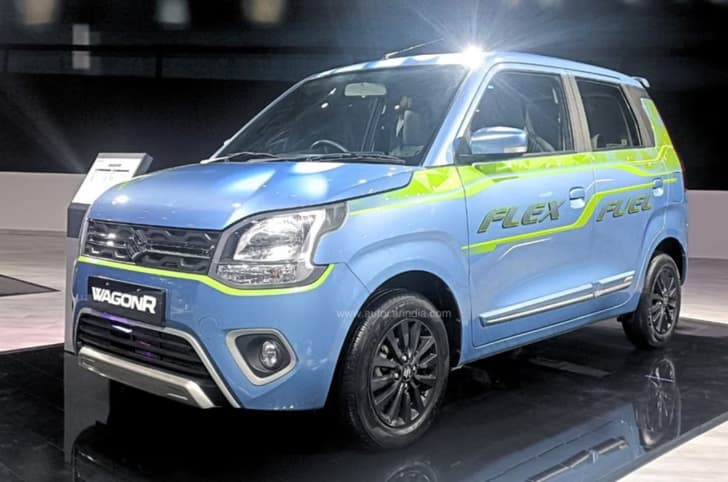
- Wagon R CNG accounts for over half of all Maruti bookings
Demand for EVs and CNG models soars
What community is saying on the E Vitara?
Maruti Suzuki and Tata Motors report rising demand for EVs and CNG cars
While compressed natural gas (CNG) prices have gone up across major cities in India, it is still more affordable than petrol or diesel. Prices of petrol and diesel have been hiked by nearly Rs 8 per litre over the past 11 days, Banerjee mentioned. “The CNG vehicles booking, if earlier it was coming at a rate of X, after that announcement, it has become 1.4X.”
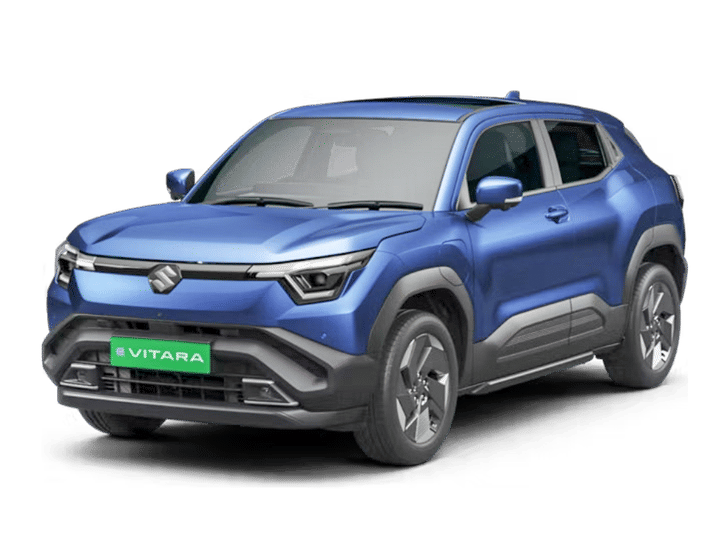
Maruti stated that it recorded more than 4,000 bookings for the e Vitara in May 2026. However, its production is limited to 2,000 units due to capacity constraints, with a vast majority of units produced bound for exports. The company is also coordinating with factory-fit CNG kit suppliers to ramp up their production. Customers are increasingly moving towards alternative-fuel vehicles as “the total cost of ownership of CNG vehicles is much, much better than petrol or diesel,” Banerjee mentioned. The brand highlighted that CNG variants of the Wagon R make up almost 50 percent of its total car sales in India.
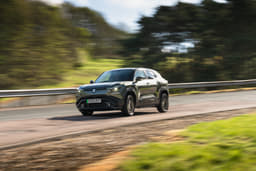
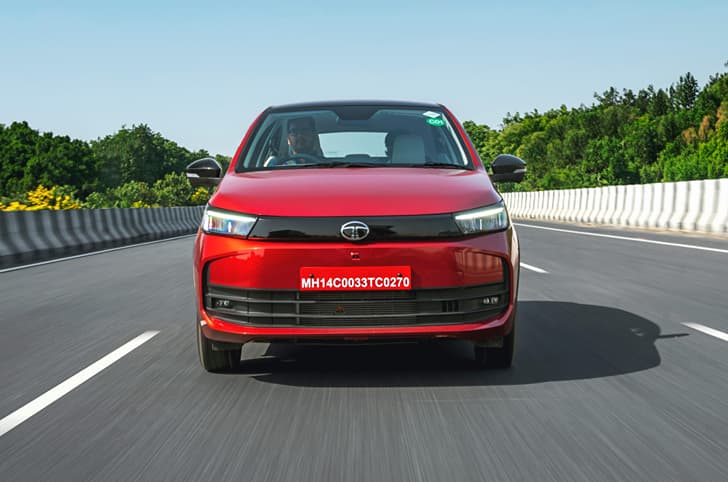
Another automaker that has witnessed increasing demand for alternative-fuel vehicles amid the Middle East crisis is Tata Motors. Commenting on this development during his interaction with the media, Shailesh Chandra, managing director at Tata Motors Passenger Vehicles and Tata Passenger Electric Mobility, said, “If I just take the example of May, my demand, which I measure in terms of bookings and not enquiries, electric vehicle bookings would be nearly 30 percent of my demand.” Chandra also explained that the brand maintains a flexible manufacturing capacity, allowing it to shift production between different powertrain options.
Furthermore, Tata Motors is working on expanding its production capacity. “Right now, we would be supplying about 9,000 to 10,000 a month. I believe that in the next three to four months, we’ll try to see if we can enhance our production by 50 percent or so,” Chandra said. The automaker also acknowledged constraints from suppliers as a hurdle, with it having to scale up investments in some vendors for increased output.
 Dipan Sur
 Dhruv Dhaka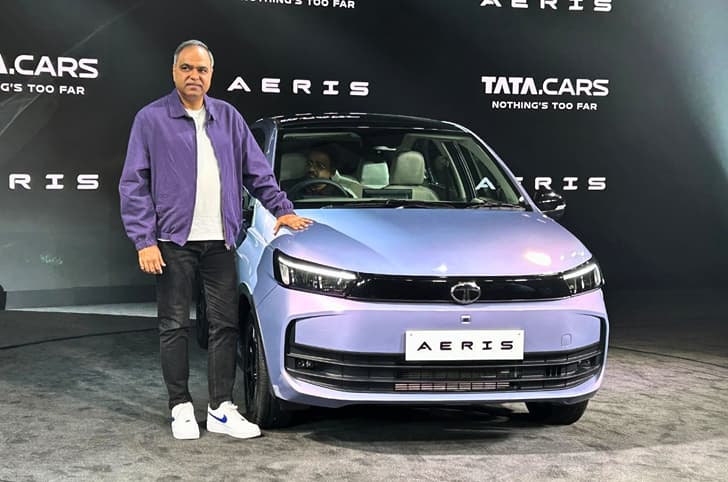

 Viraaj Bhatnagar