Maruti Suzuki has confirmed that it will be showcasing the country’s first flex-fuel car on June 4, ahead of the World Environment Day on June 5, 2026. The event will be held at the Taj Palace in Delhi, with Union Minister for Road Transport and Highways, Nitin Gadkari, and Union Minister for Petroleum and Natural Gas, Hardeep Singh Puri, in attendance.
- Production-spec flex-fuel versions of the Wagon R and Fronx expected
- Maruti claims it has the tech to support flex-fuel cars
India’s first flex-fuel car: Here’s what we know
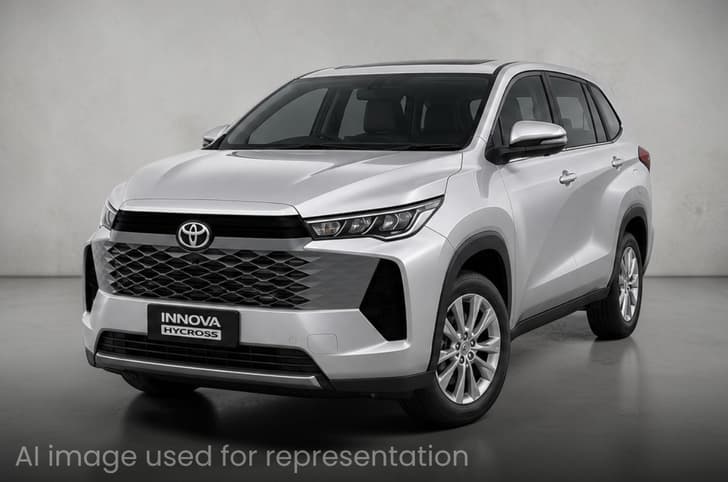
Speaking at an event in Nagpur, Maharashtra, on May 23, 2026, Gadkari stated that the upcoming car by Maruti Suzuki will be capable of running on 100 percent ethanol (E100). The minister also mentioned that 12 companies have such flex-fuel vehicles, including Mahindra, Tata Motors and Toyota. “Vehicles with such flex-fuel engines are going to be introduced on a large scale soon. On the occasion of Environment Day this year, there is a programme in Delhi where Maruti Suzuki will launch vehicles running 100 percent on ethanol.” Gadkari also stated that his personal Toyota Innova has been running on bioethanol for the past 1.5 years.
During a discussion with the Society of Indian Automobile Manufacturers (SIAM), Gadkari had communicated some of the benefits of switching from fossil fuels to biofuels. According to the minister, doing so will help India become more self-reliant, lower pollution, reduce the country’s annual fossil fuel imports and provide consumers with cheaper fuel options, all while supporting farmers.
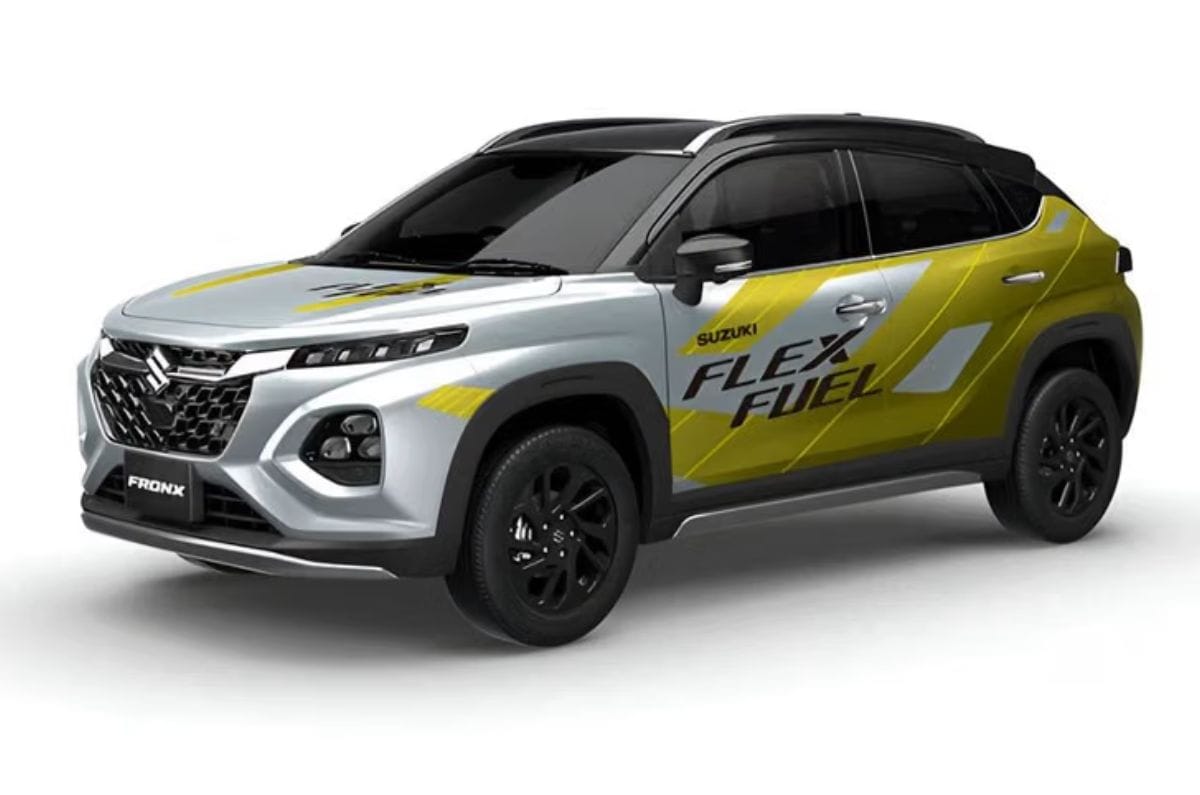
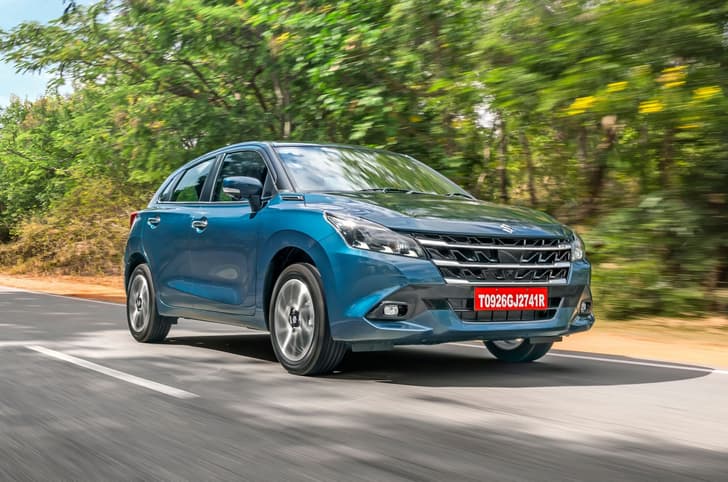
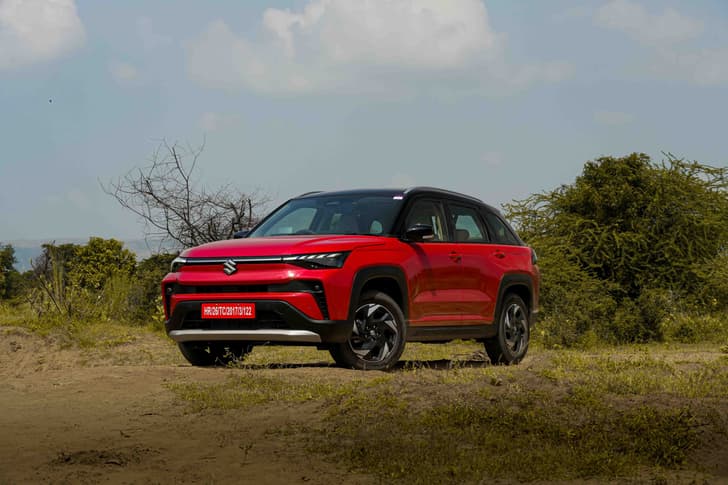
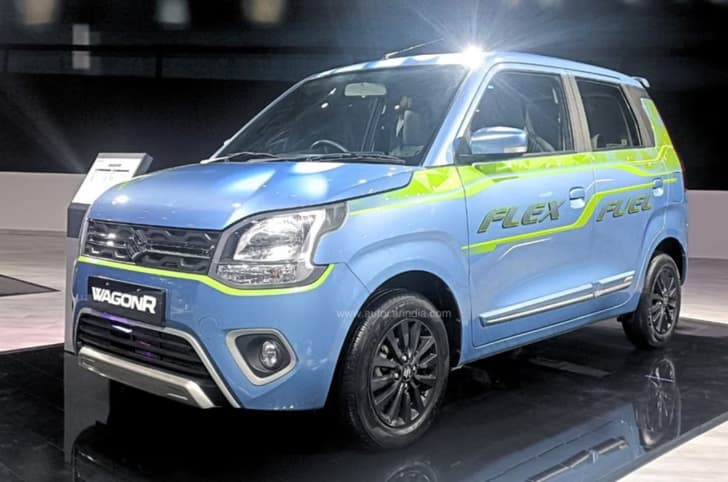
While Maruti Suzuki is yet to disclose details on its upcoming models, they could include the production-spec versions of the Wagon R flex fuel and Fronx flex fuel. The prototype of the flex-fuel Wagon R was first showcased at the Bharat Mobility Global Expo in Delhi in February 2024, while the Fronx flex-fuel prototype made its appearance at the 2025 Japan Mobility Show.
Maruti has the capability to produce flex-fuel vehicles, company executives stated during one of the brand’s 2026 earnings call. Rahul Bharti, senior executive officer for corporate affairs at Maruti Suzuki, said, “We have the technology, whether it is for ethanol-blending increase or for flex-fuel vehicles. We have the technology, and we’ll support the government whenever the need arises.” However, Bharti mentioned that volumes will be initially limited, and that “it will grow, say, 5 years to 10 years from now, it will become a meaningful volume, nothing immediately.” While Maruti claims that it has the necessary technology to support flex-fuel cars, user availability of higher blends of ethanol fuel (or even E100 fuel) remains to be seen.
 Dipan Sur
 Dhruv Dhaka

 Viraaj Bhatnagar