
Features|22 Sep 2026
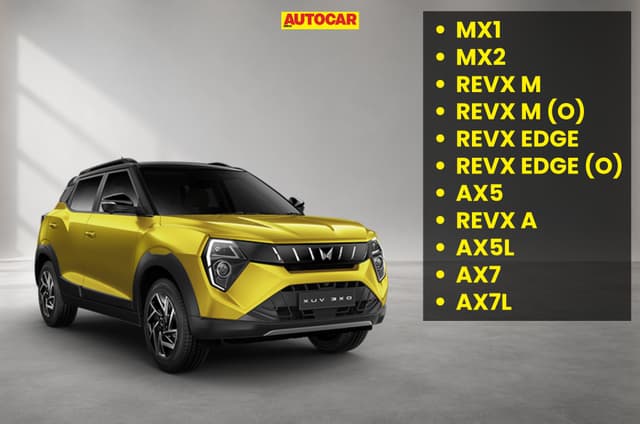
Which Mahindra XUV 3XO variant should you buy?



Last Updated on: 05 Oct 2026
Our Rating | |
Mileage | |
Engine | |
Fuel Type | |
Transmission | |
Seats | |
Body Style | |
Doors | |
Max Power | |
Max Torque | |
Warranty Distance | |
Warranty Duration |
Become an
Autocar Shopper
Unlock benefits up to ₹40,000 on XUV 3XO
Unbiased buying guidance
Guaranteed lowest price
Priority car delivery
Offer valid till 15th October 2026
 Electronic Stability ControlPart Digital / Part Analogue Digital Instrument ClusterType C Front USB portFabric Seat MaterialLED headlampsHill Start AssistManual Climate ControlPhone-based Satellite NavigationLeatherette Seat MaterialFollow Me Home HeadlampsElectronic Stability ControlPart Digital / Part Analogue Digital Instrument ClusterPhone-based Satellite NavigationFabric Seat MaterialLED headlampsHill Start AssistPanoramic SunroofWireless Android AutoLeatherette Seat MaterialPhone-based Satellite NavigationWith Display Tyre Pressure Monitoring SystemPart Digital / Part Analogue Digital Instrument ClusterPhone-based Satellite NavigationFabric Seat MaterialLED headlampsRear Parking CameraSingle Pane SunroofWireless Phone ChargingLeatherette Seat MaterialCruise ControlWith Display Tyre Pressure Monitoring SystemPart Digital / Part Analogue Digital Instrument ClusterPhone-based Satellite NavigationFabric Seat MaterialLED headlampsWith Display Tyre Pressure Monitoring SystemPart Digital / Part Analogue Digital Instrument ClusterPhone-based Satellite NavigationFabric Seat MaterialLED headlampsRear Parking CameraPanoramic SunroofLeatherette Seat MaterialHalogen Headlight TypeWireless Phone Charging
Strong engines
Upmarket interior, features
Boot space
7.0
8.0
8.0
8.0
9.0
9.0
8.0
Mahindra XUV 3XO Official Brochure
Download the complete brochure with specs, features, and variants.
Tell us about your experience
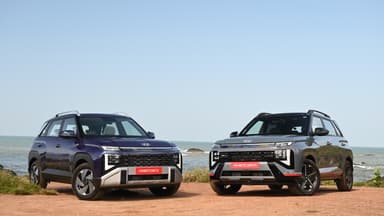
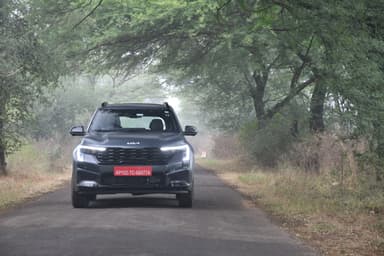
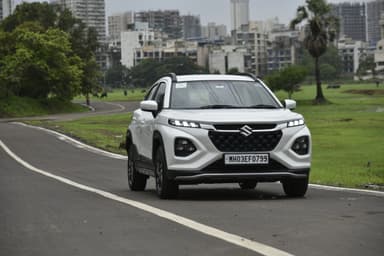
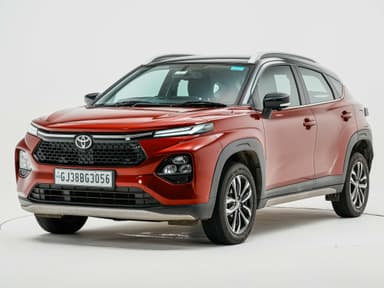

| PowertrainThe combination of engine type, fuel, and transmission that powers your vehicle and determines how it drives and what it runs on. | ARAI MileageMileage certified by the government, tested under controlled lab conditions. Real-world mileage will vary. | User Reported MileageMileage figures are reported by vehicle owners and represent the approximate real-world efficiency you may experience. Actual mileage will vary based on driving conditions, habits, and vehicle condition. |
|---|---|---|
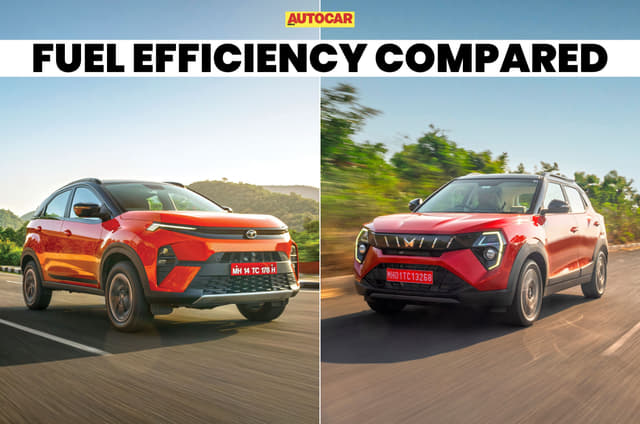
Petrol-Manual 1197 cc | 18.89 kmpl | 15.86 kmpl |
Diesel-Manual 1497 cc | 20.6 kmpl | 18.8 kmpl |
Petrol-Automatic (Torque Converter) 1197 cc | 17.96 kmpl | 15.86 kmpl |
Diesel-Automatic (AMT) 1497 cc | 21.2 kmpl | 18.8 kmpl |


.jpeg?w=640&q=75&fm=auto)
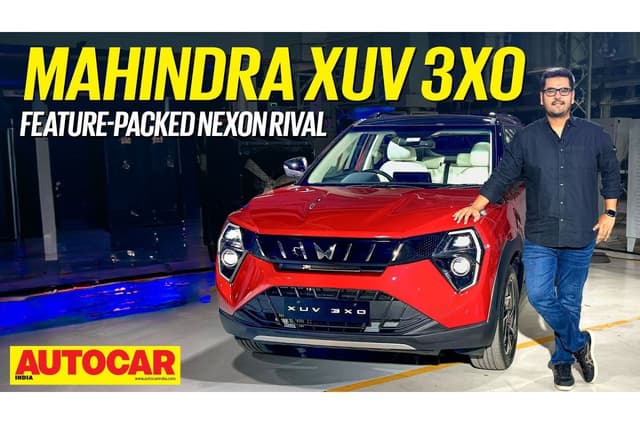
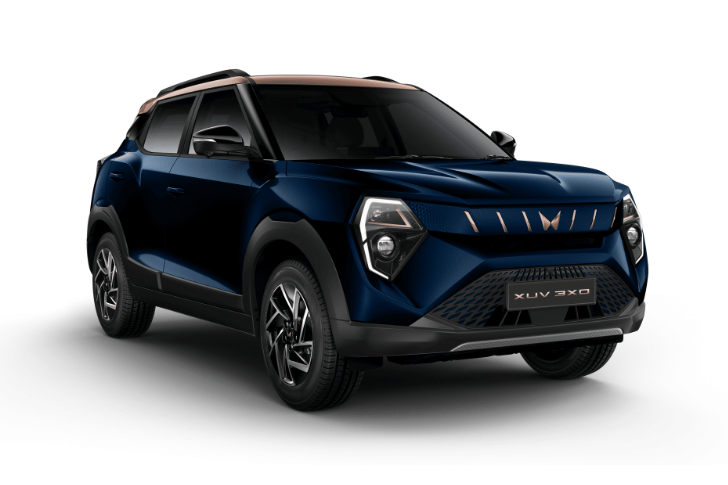
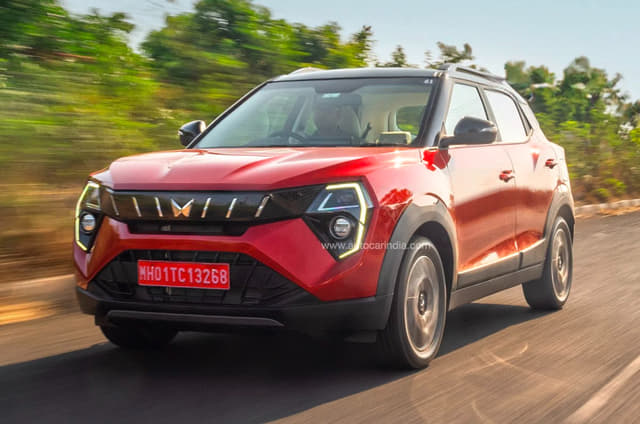
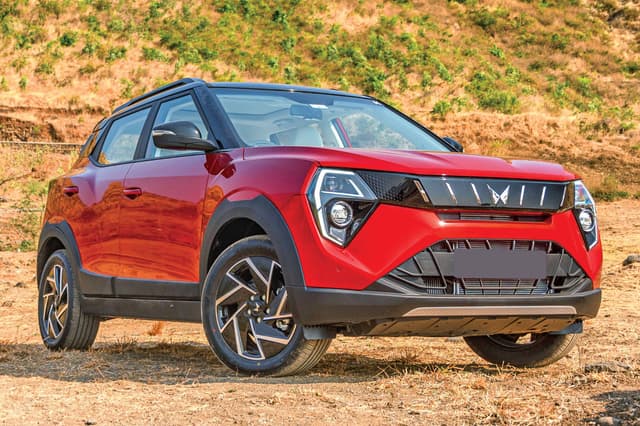
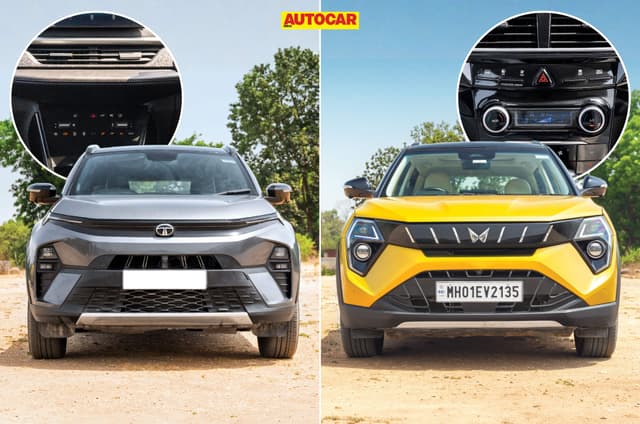
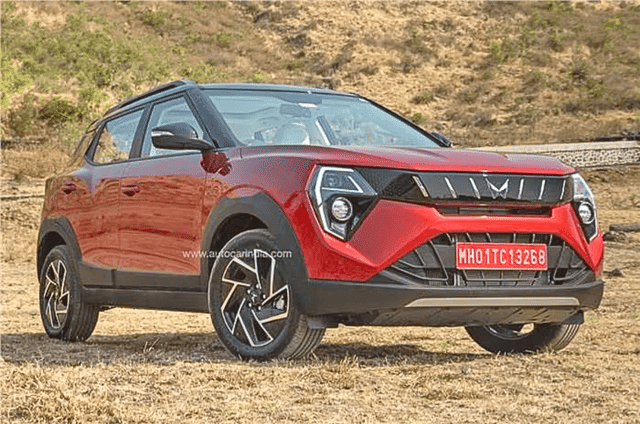
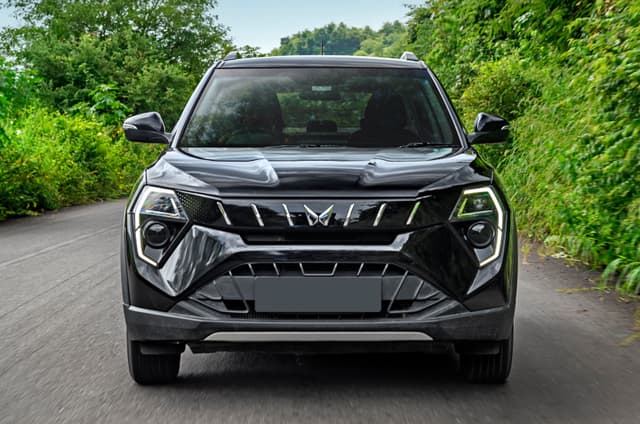
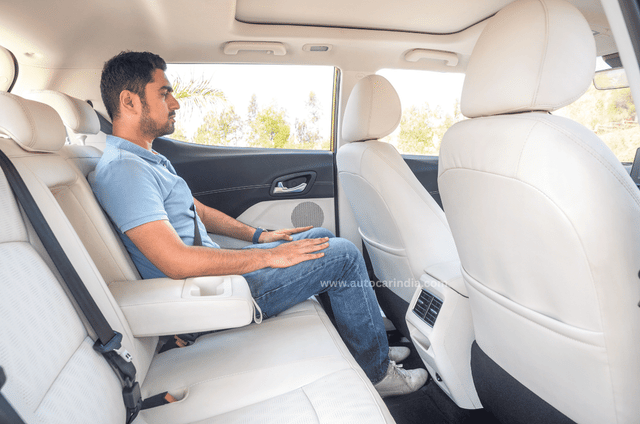
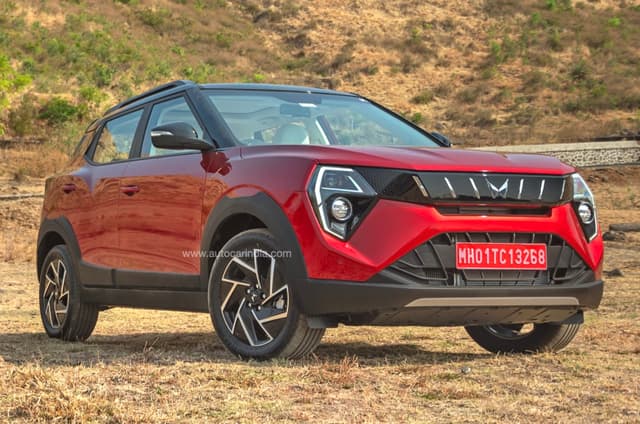
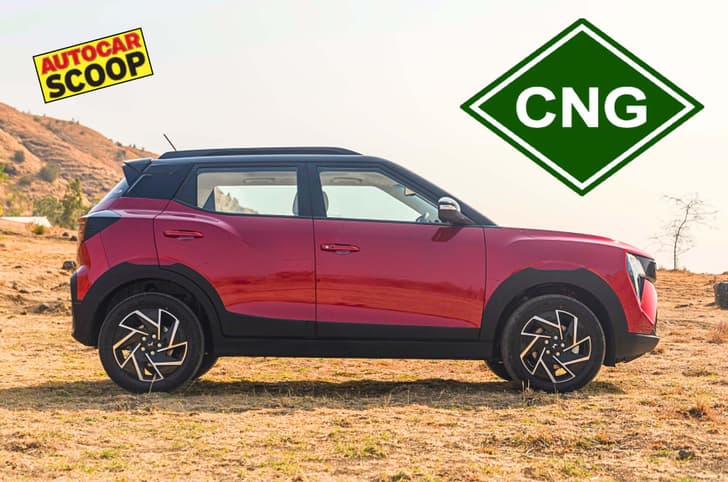
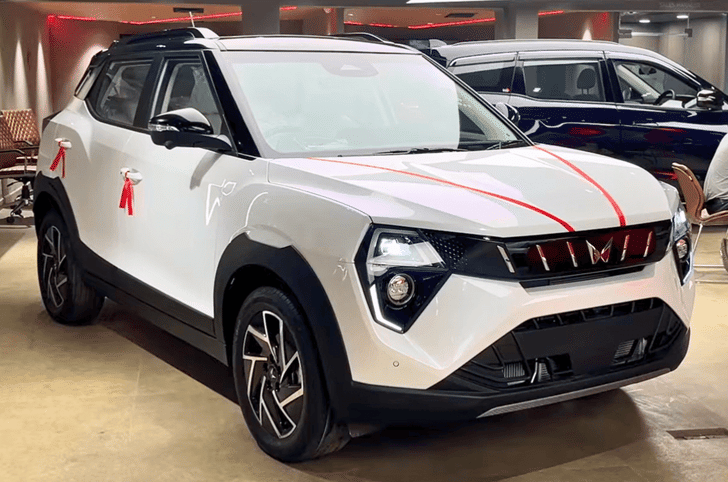
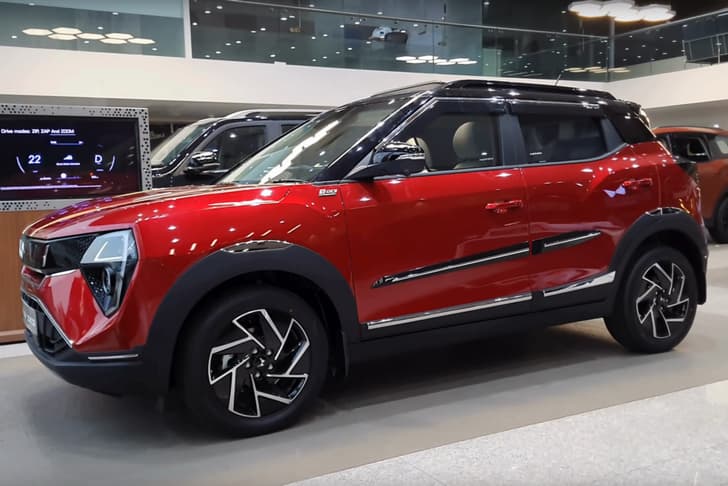
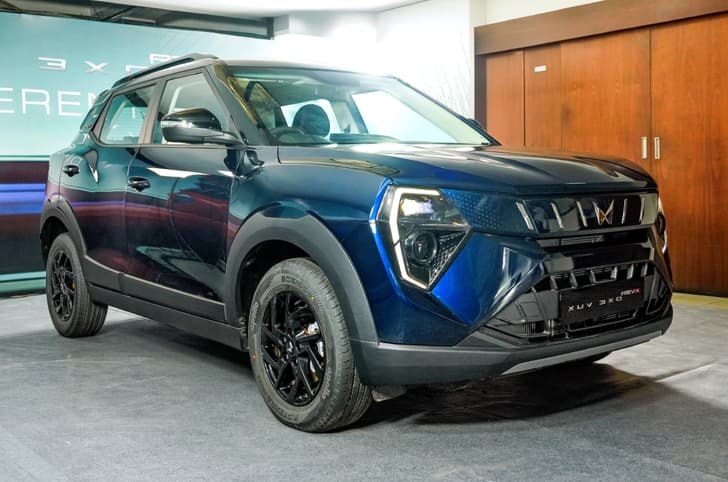
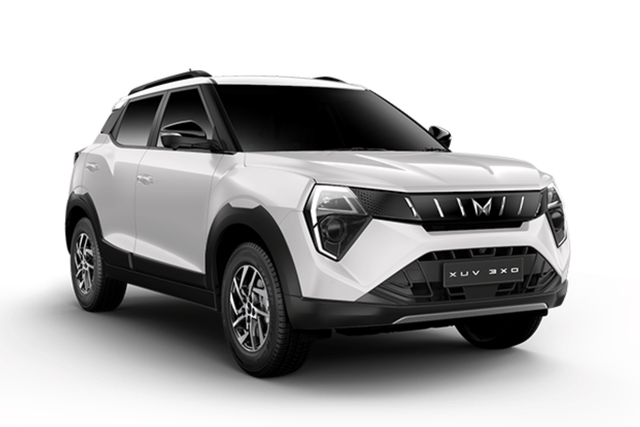
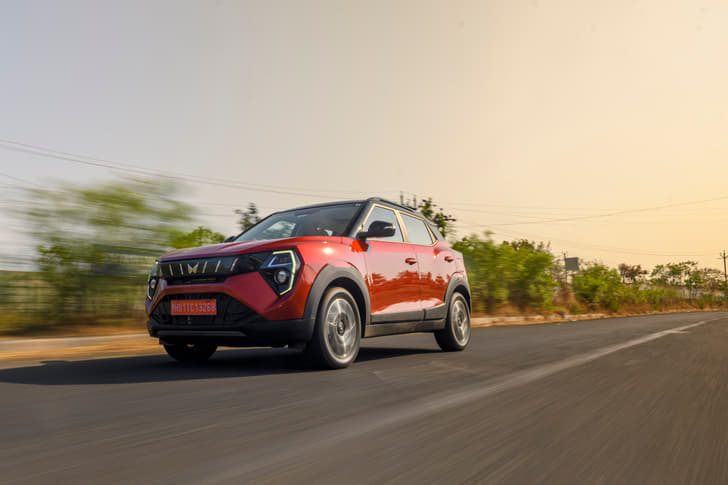
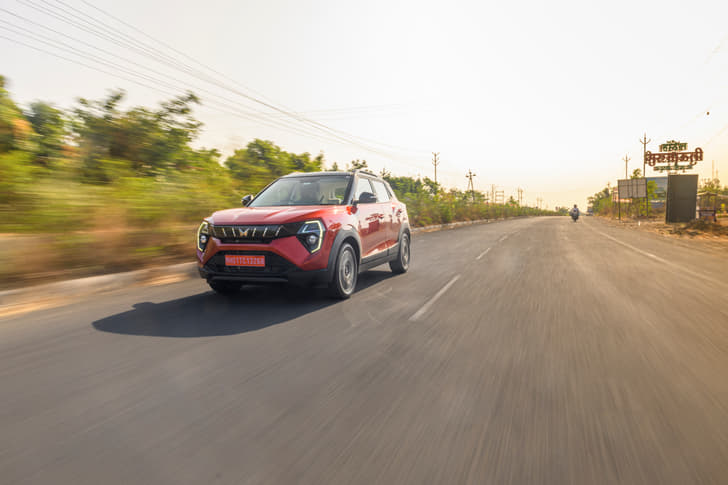
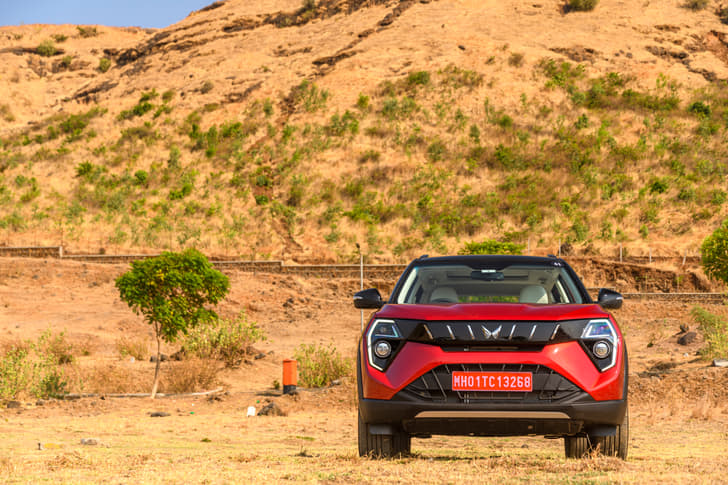
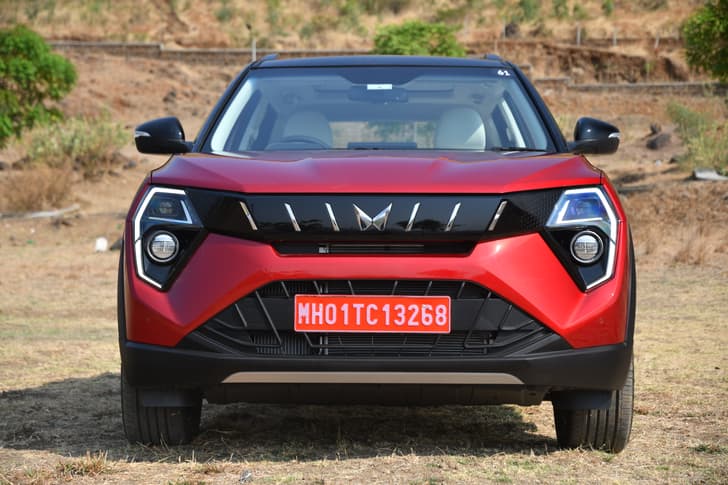
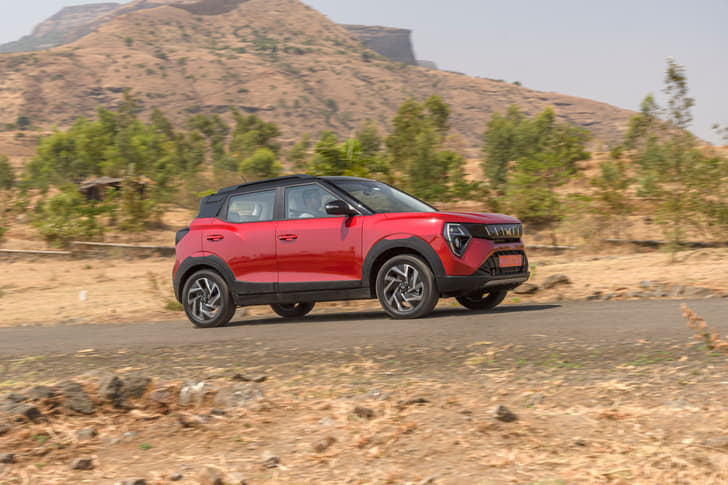
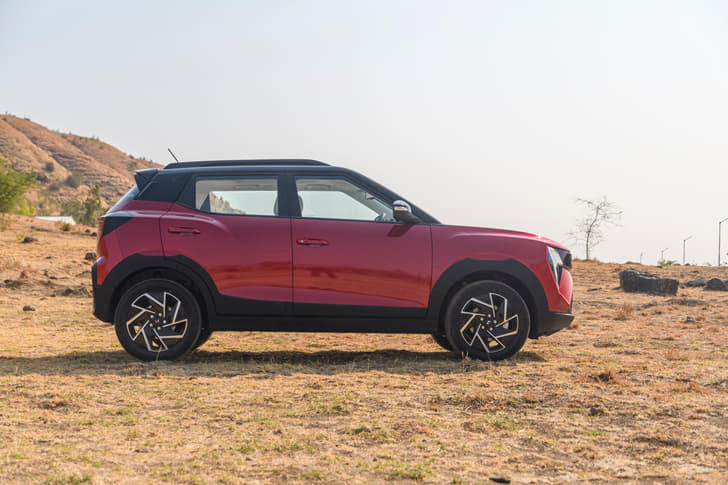
The Mahindra XUV 3XO’s interior can be had with light-coloured upholstery and soft-touch materials, while its spacious rear seats are among the comfiest in the segment and can accommodate three adults. The 3XO also comes with dual-zone automatic climate control that’s exclusive to it, plus a panoramic sunroof that’s only otherwise offered in the Kia Syros and Tata Nexon, and an electronic parking brake with auto-hold.
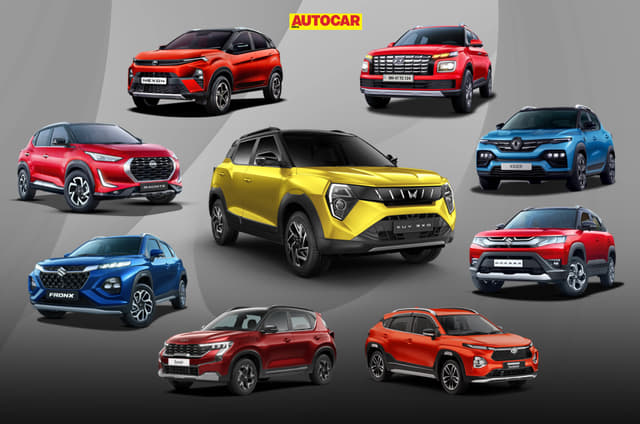
The Mahindra XUV 3XO’s boot is smaller than that of its main rivals, while it also misses out on ventilated seats, paddle shifters and rear sunshades. Furthermore, the dual digital displays of the 3XO do not look as modern as those found in its newer rivals. The boot space of the 3XO is also less than what other SUVs in this segment offer.
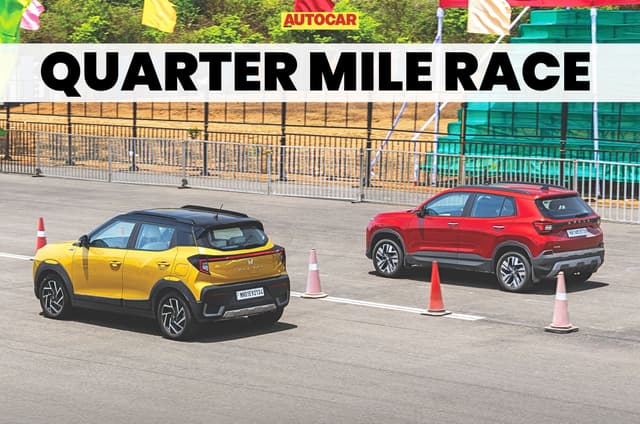
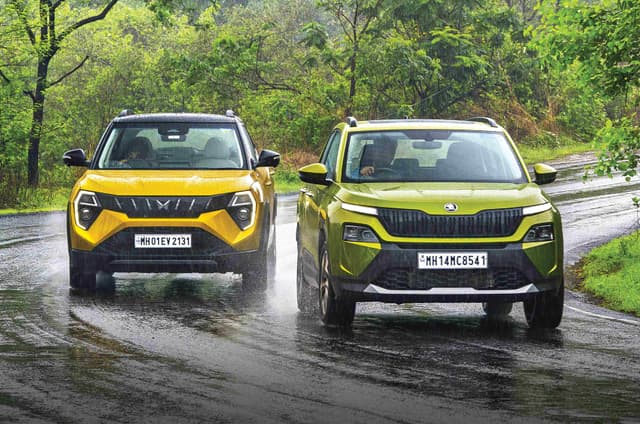
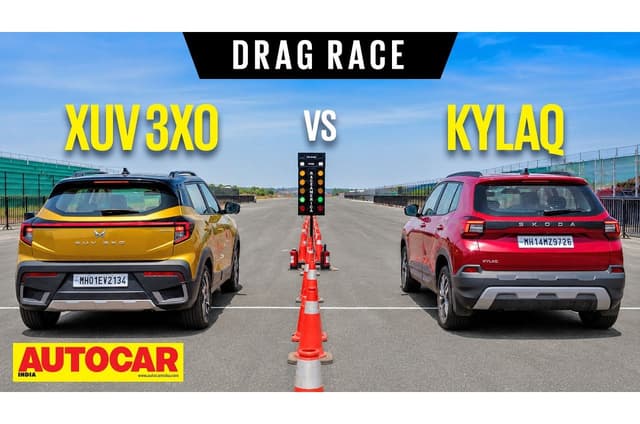
The Mahindra XUV 3XO with the 1.2-litre turbo-petrol direct injection engine makes 131hp and 230Nm, and it’s mated to a 6-speed automatic gearbox. Even though this is a three-cylinder engine, its refinement is impressive. It also offers a sharp throttle response and provides strong mid-range performance that’s both enjoyable and feels effortless. Being the most powerful models in its segment means that the XUV 3XO is the quickest SUV to 100kph in its segment. The 3XO also feels tough out on our roads, while good mechanical grip and a good suspension setup provides a mature ride and handling balance. The brakes are confidence-inspiring, too.
Unlike the diesel version which is offered with an AMT, the turbo-petrol versions of the Mahindra XUV 3XO are available with a more modern Aisin-sourced 6-speed torque converter automatic. It’s definitely more convenient than the manual gearbox, providing smooth and timely shifts especially when you’re on the move. Moreover, the 6-speed manual’ clutch can feel tricky to modulate at low city speeds.
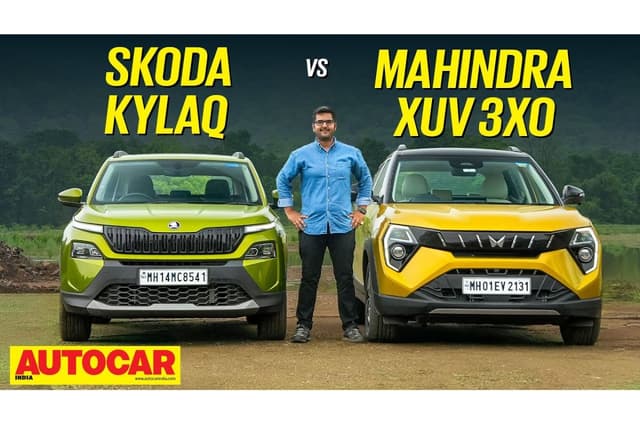
The Mahindra XUV 3XO has a 5-star safety rating, which puts it in the same league as the Tata Nexon and Skoda Kylaq but higher than the Maruti Brezza and Kia Sonet. The 3XO’s safety features comprises six airbags, tyre-pressure monitoring, electronic stability control, adaptive cruise control, lane-keep assist, auto-emergency braking, high-beam assist, blind-view monitor and traffic sign recognition.
I’m planning to buy a compact SUV for my dad, who is 64 years old. He currently owns a 2015 Hyundai Creta diesel automatic (torque converter), but he now finds it a little difficult to drive because of its size. He prefers a smaller, easy-to-manoeuvre automatic SUV. The expected usage would be around 70% in town and 30% on highways. The options I’m currently considering are: Kia Sonet 1.5 Diesel Automatic Toyota Taisor Petrol Automatic Mahindra XUV 3XO Petrol Automatic What other options would you recommend considering his age, ease of driving, comfort, size, and our usage pattern? My budget is a maximum of Rs 14 lakh. I’d really appreciate your suggestions and a comparison of the best options.

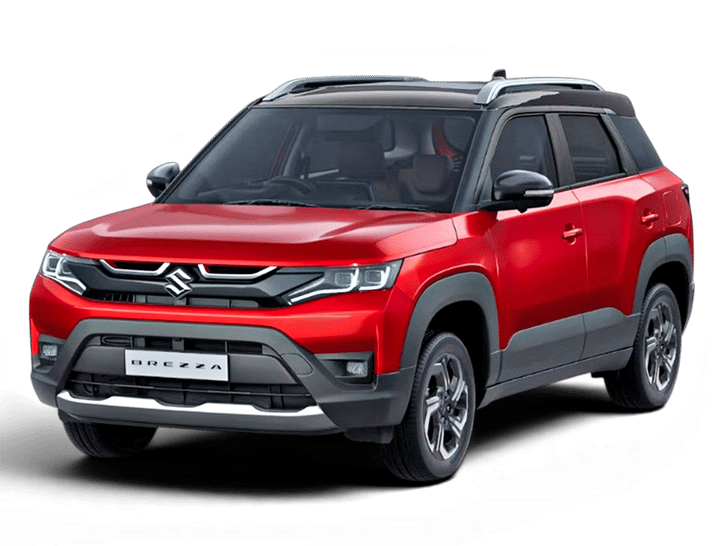
 Toyota Urban Cruiser TaisorMahindra XUV 3XOKia SonetMaruti Suzuki Brezza
I am planning to purchase a new SUV for my family and would appreciate your expert recommendation. I am currently considering the Skoda Kushaq, Skoda Kylaq, Tata Nexon, Hyundai Venue, Hyundai Creta, Mahindra XUV 3XO and Kia Sonet. My usage will primarily involve family trips, weekend drives, vacations and outstation or highway travel, as I do not use the vehicle for daily office commuting. Family comfort, safety and long-term reliability are my key priorities. I am particularly looking for a vehicle with low maintenance and service costs, good after-sales support and a strong service network, especially in Bengaluru, along with comfortable seating for four to five family members on long drives, good safety ratings and build quality, decent highway fuel efficiency, and strong resale value after five to seven years of ownership. Based on these requirements, could you please recommend the most suitable model and explain why, suggest the variant that offers the best value for money, highlight any common issues or ownership concerns I should be aware of, and provide your top three recommendations ranked in order of suitability for my needs?
Hyundai CretaSkoda KushaqSkoda KylaqMahindra XUV 3XOI am planning to buy a new car in the sub-4m SUV segment, but I am not sure whether I should buy the Nexon/XUV 3XO or wait until next year for the Mahindra Concept S or the new-generation Nexon (Project Garud).
Mahindra XUV 3XOMahindra Vision STata NexonHi team Autocar, my usage is 16 km which includes 3 days a week on outer ring road in Bangalore. I take a maximum of 2-3 highway trips in a month around Bangalore. I have shortlisted Kylaq AT which I found peppy enough and has less turbo lag as well as XUV 3XO at that has noticable turbo lag. I am leaning more towards Kylaq but I am a little concerned about its AC performance, higher maintenance that may occur after warranty, EPC error and vehicle going into limp mode and being stalled in the middle of the highway. Do these issues happen in Mahindra as well? Do you think one should choose 3XO over Kylaq. What's your take on this?
Skoda KylaqMahindra XUV 3XOHi, I am facing a persistent gear-shifting issue with my Mahindra XUV 3XO manual transmission, specifically when shifting between 1st and 2nd gear. When shifting between 1st and 2nd, both while upshifting and downshifting, the gear lever feels momentarily stuck or hitched before moving into place. I can also feel a slight downward movement or pull from the base of the gear shifter inside the cabin when shifting from 1st to 2nd. All higher gears, from 3rd to 6th, shift smoothly without any resistance. During the first service, the service centre adjusted the shift cables under the bonnet, but the problem has persisted. I am now taking the car in for its 20,000km service. What could be causing this issue, and what should I specifically ask the service advisor to inspect?
Mahindra XUV 3XO