





video|03 Feb 2026
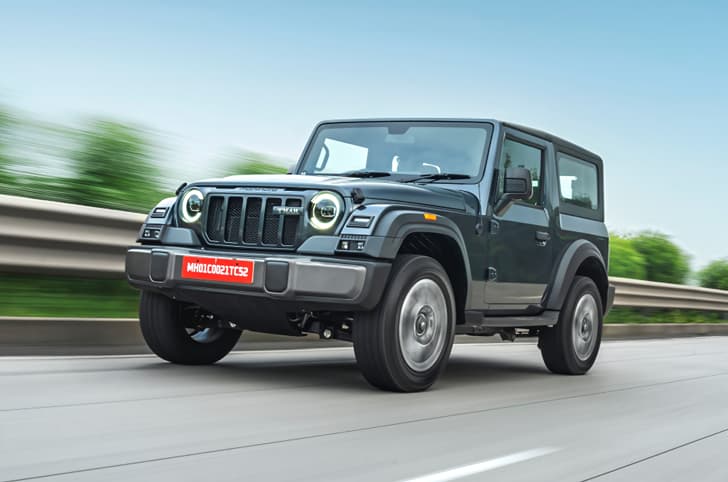
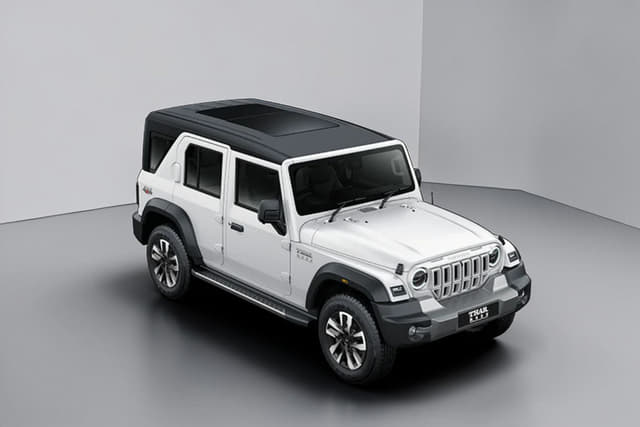
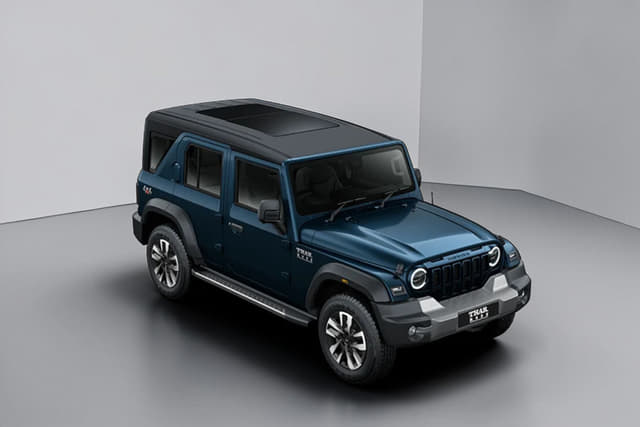
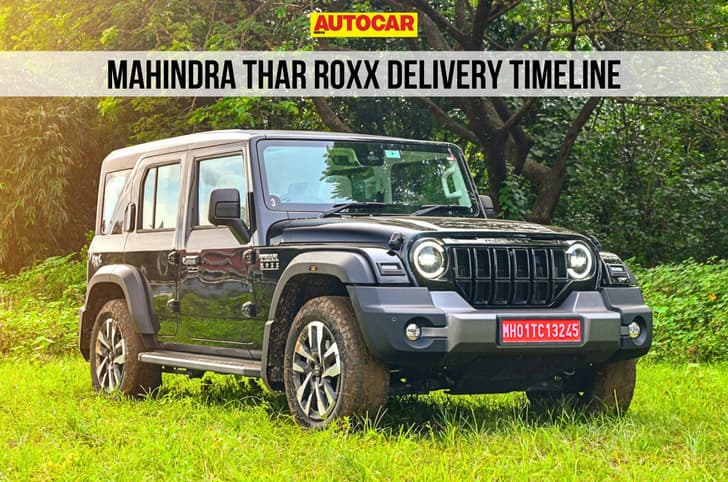
Mahindra Thar Roxx Star Edition walkaround video


Last Updated on: 13 Oct 2026




| PowertrainThe combination of engine type, fuel, and transmission that powers your vehicle and determines how it drives and what it runs on. | ARAI MileageMileage certified by the government, tested under controlled lab conditions. Real-world mileage will vary. | User Reported MileageMileage figures are reported by vehicle owners and represent the approximate real-world efficiency you may experience. Actual mileage will vary based on driving conditions, habits, and vehicle condition. |
|---|---|---|
Petrol-Manual 1998 cc | 15.2 kmpl | 12.54 kmpl |
Diesel-Manual 2198 cc | 15.2 kmpl | 13.73 kmpl |
Petrol-Automatic (Torque Converter) 1998 cc | NA | 13.45 kmpl |
Diesel-Automatic (Torque Converter) 2198 cc | NA | 13.82 kmpl |
Mahindra Thar Roxx Official Brochure
Download the complete brochure with specs, features, and variants.
Tell us about your experience

.jpg?w=640&q=75&fm=auto)


I am planning to buy a new vehicle for myself and my parents. I have seen the new Audi Q3 2026 and am quite interested in it, but I am not fully convinced about the petrol-only option. I was hoping for a hybrid version, especially considering fuel efficiency at this price point. Secondly, I am also looking for a 4x4 and am currently waiting for the new Fortuner. However, I am confused because many people are suggesting the new Scorpio N or Thar Roxx, saying that if the primary purpose is off-roading, there is no need to spend so much on a Fortuner. Please suggest what would be the better option for my requirements.

 Audi Q3Toyota FortunerMahindra Scorpio NMahindra Thar Roxx
I would appreciate your recommendation on which car I should buy in India. Here are my requirements: I want an automatic transmission. It should have a strong road presence, look premium, and not feel like a budget vehicle. It should be highly reliable, durable, and capable of lasting for many years with minimal maintenance, as I don't enjoy spending a lot of time maintaining vehicles. There may be occasions when the car remains unused for one or even two weeks, so it should be able to handle infrequent use without issues. Although I don't frequently carry heavy loads, once or twice a year I may need to transport cement bags, rice bags, or other bulky items. Therefore, the vehicle should have a reasonably spacious boot or cargo area. I also occasionally travel to villages where the roads are unpaved, uneven, and in poor condition, although they are not true off-road trails. I don't think an AWD system is essential, but the vehicle should be comfortable and capable on such roads. For context, I currently own: A Maruti Suzuki Wagon R (purchased in 2006) A Mahindra XUV500 AWD (purchased in 2017) Both vehicles are still in good running condition. However, I am now looking to replace one of them or add another vehicle with an automatic transmission that is dependable, comfortable, and built to last. My budget is between Rs 35 lakh and Rs 40 lakh (on-road). One final point that may be relevant is that I am now over 50 years old, so I would prefer a vehicle that is comfortable to drive, easy to get in and out of, and well-suited to long-term ownership. Based on these requirements, which cars available in India would you recommend, and why? Please compare the shortlisted models in terms of reliability, maintenance costs, comfort, road presence, practicality, fuel efficiency, resale value, and suitability for my intended use.
Toyota Innova HyCrossToyota FortunerMahindra Thar RoxxHi, I am planning to buy a new car and am confused between the Kia Seltos HTK (O) petrol IVT and the Mahindra Thar Roxx MX3. Feature-wise, I find the Seltos more appealing, while the Thar Roxx seems to have a stronger engine. My monthly running is not more than 800 km. Could you please suggest which would be a better choice in terms of maintenance, fuel efficiency, and overall ownership experience?
Kia SeltosMahindra Thar RoxxClarification on Mahindra Thar Roxx Fuel Efficiency & Recommendation Between Manual vs Automatic Dear Autocar India Team, This email is in reference to the insights you shared regarding the expected real‑world fuel efficiency of the Mahindra Thar Roxx. Thank you for the detailed analysis based on your experience with the three‑door Thar. However, many YouTube reviews and user-reported tests indicate a fuel efficiency of around 11 km/l for both the manual and automatic variants under mixed driving conditions. This has created some confusion for me as a prospective buyer. I request your clarification on the following points: Why is there a noticeable difference in fuel efficiency between the automatic and manual transmissions, especially when some real‑world tests appear to show similar figures? Between the manual and automatic variants, which would you recommend in terms of: Maintenance cost Long-term reliability and robustness Overall ownership convenience Considering that I reside in Delhi, where diesel regulations and long-term compliance remain uncertain, which powertrain and transmission combination would be the most practical choice? Your expert guidance will be extremely helpful in making an informed decision. Thank you for your time and support.
Mahindra Thar RoxxMahindra Thar (2025-2026)Mahindra Scorpio NI am considering purchasing the Mahindra Thar Roxx and am evaluating the automatic transmission option. I have come across information stating that while the ARAI‑certified mileage for both manual and automatic variants is the same, the real‑world mileage of the automatic variant tends to be slightly lower. Since my daily usage is around 30 km with occasional long trips, I want to understand the practical difference in fuel efficiency before making a final decision. Could you please share the approximate real‑world mileage figures for both the petrol and diesel automatic variants? This will help me make an informed choice.
Mahindra Thar RoxxMahindra Thar (2025-2026)Both the turbo-petrol and diesel engines on the Mahindra Thar Roxx are oil burners, not returning good fuel economy. However, the diesel is still the better option as it offers double-digit mileage numbers if enthusiasm is kept in check sometimes. While it may not have the highway manners associated with other monocoque SUVs at its price point, the Thar Roxx shines through its robustness that eats up everything the road throws at it, making it a choiceable SUV despite its lower fuel economy.