MG Hector vs XUV700



Last Updated on: 23 Sep 2026
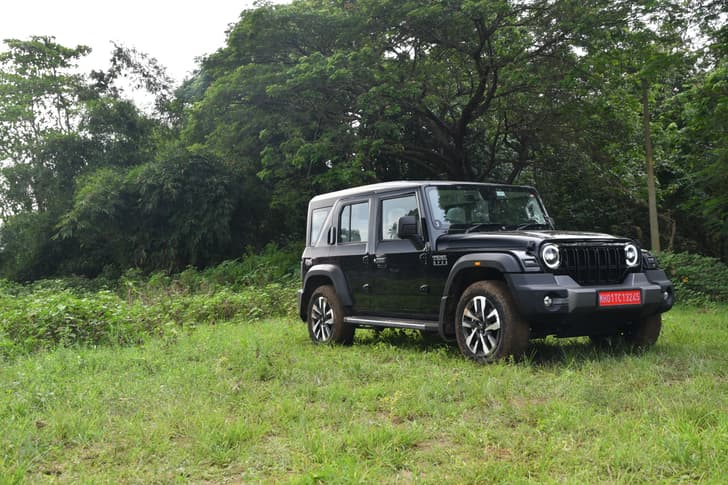
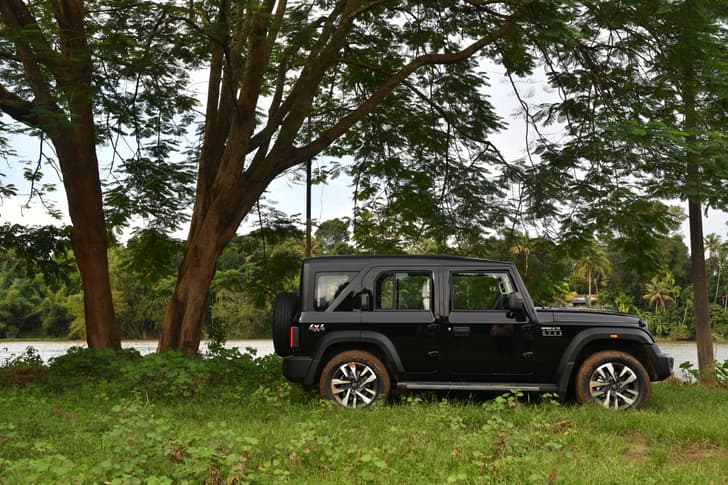
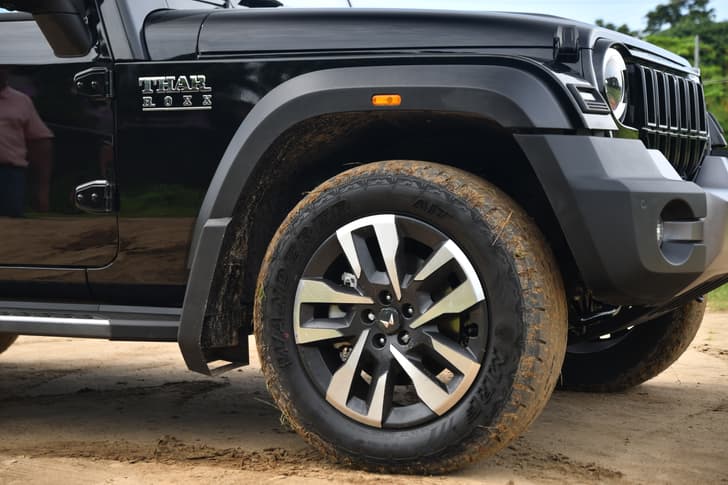
Engine Type | Turbocharged |
Engine Displacement | 1998 cc |
Number of Cylinders | 4 |
Engine Installation | Front |
Fuel Type/ Propulsion | Petrol |
Gearbox Type | Manual |
Number of Gears | 6 |
Drive Layout | Rear Wheel Drive |
Lockable Differential/s | Yes |
Max Engine Power | 162 hp at 5000 rpm |
Max Engine Torque | 330 Nm at 1750 - 3000 rpm |
Fuel Supply System | Direct Injection |
Emission Standard | Bharat Stage VI |
Drive Mode Types | Multiple |
Terrain Modes | No |
Auto Start/Stop | Yes |
Official Fuel Economy | 15.2 kmpl |
Fuel Tank Capacity | 57 litres |
User Reported Mileage | 13.26 kmpl |
Front Suspension Type | Independent, Double Wishbone |
Front Springs | Coil Springs |
Rear Suspension Type | Multi-Link suspension |
Rear Springs | Coil Springs |
Damper Control | No |
Ride Height Adjust | No |
Type of Power Assist | Electric |
Steering Adjust type | Manual |
Steering Adjust | Tilt |
4 Wheel Steer | No |
Front Brakes | Discs |
Rear Brakes | Drums |
Wheel Size | 18 inches |
Front Tyre Size | 255/65 R18 |
Rear Tyre Size | 255/65 R18 |
Wheels | Alloys |
Spare Wheel | Full Size |
Length | 4428 mm |
Width | 1870 mm |
Height | 1923 mm |
Wheelbase | 2850 mm |
Chassis Type | Ladder Frame |
Boot Capacity | 447 litres |
Doors | 5 |
| Power Windows | Front and Rear |
| Electric Tailgate Release | |
| Bottle Holder in Doors | |
| Steering Mounted Controls | Audio and Phone |
| Cooled Cup Holders | |
| Cooled Glovebox |
| Crash Test Rating | 5 |
| Driver Airbag | |
| Driver Attention Warning | |
| Lane Departure Avoidance | |
| Day Night Interior Mirror | Automatic |
| Rear Seatbelt Reminder |
| Body Coloured Bumpers | |
| Puddle Lamps | |
| Outside rear view mirror (ORVM) | |
| ORVM turn indicators | |
| Illuminated Logo | |
| Projector Headlamps |
| Speedometer | Analog |
| Tachometer | Analog |
| Trip Meter | |
| Average Fuel Consumption | |
| Average Speed | |
| Distance to Empty |
| Audio System | |
| Rear Seat Infotainment Controls | |
| Front USB port | Type A and Type C |
| Front Passenger Screen | |
| Second Row USB port | Type C |
| Speakers | 4 |
| Remote AC On / Off via App | |
| Anti Theft Immobilisation | |
| Over the air (OTA) updates | |
| Alexa Compatibility | |
| Vehicle Tracking Via App | |
| Find My Car |
 Electronic Stability ControlPart Digital / Part Analogue Digital Instrument ClusterPhone-based Satellite NavigationFabric Seat MaterialLED headlampsAdaptive Cruise ControlDriving ModesWireless Android AutoRear Seat Armrest with StorageWired Apple CarPlayWith Display Tyre Pressure Monitoring SystemSingle Pane SunroofVoice CommandsLeatherette Seat MaterialLED fog lampsLane Departure AvoidanceFully Digital Digital Instrument ClusterWireless Apple CarPlayRemote Engine Start/StopFabric Seat Material360 degree Parking CameraFront Only Ventilated SeatsLED fog lampsAcoustic WindshieldWireless Android AutoAdaptive Cruise ControlSingle Pane SunroofOn-board Satellite NavigationRemote Engine Start/StopRear Seat Backrest ReclineBlind Spot MonitorPanoramic SunroofHarman/Kardon Branded Music SystemFront Only Ventilated SeatsAdaptive Cruise Control

Join the Discussions
I am planning to buy a new vehicle for myself and my parents. I have seen the new Audi Q3 2026 and am quite interested in it, but I am not fully convinced about the petrol-only option. I was hoping for a hybrid version, especially considering fuel efficiency at this price point. Secondly, I am also looking for a 4x4 and am currently waiting for the new Fortuner. However, I am confused because many people are suggesting the new Scorpio N or Thar Roxx, saying that if the primary purpose is off-roading, there is no need to spend so much on a Fortuner. Please suggest what would be the better option for my requirements.

 Audi New Q3Toyota FortunerMahindra Scorpio NMahindra Thar Roxx
I’m now using a Maruti Suzuki Ertiga VDI 2016 shvs and a Honda Jazz i-vtec. I’m planning to sell both the cars and buy a single one. I’m looking for options between 20L to 30L onroad. I’m interested in XUV 7x0, scorpio n, Thar Roxx from Mahindra. But I am little confused about the Service quality of Mahindra.I avoided Innova Crysta as it doesn’t give the value for the amount which I’m paying. Also, my father does not prefer Safari as its third draw is not usable at all. Is there any other alternative for me in this price range?
Hi, I currently own a 2016 Maruti Suzuki Ertiga VDI SHVS and a Honda Jazz i-VTEC. I’m planning to sell both cars and buy a new one. My budget is between Rs. 20 lakh and Rs. 28 lakh (on-road). The cars I’m considering are the Mahindra XUV 7XO, Scorpio N, and Thar Roxx. However, I’m a little concerned about Mahindra’s service quality. I ruled out the Toyota Innova Crysta because I don’t think it offers enough value for the price. My father also does not prefer the Tata Safari, as its third row is not very usable. The Tata Harrier is also on my list, but I’m concerned about Tata’s service quality. My usage is mixed. Is there a better option available in this price range?
Mahindra XUV 7XOMaruti Suzuki ErtigaMahindra Scorpio NMahindra Thar RoxxToyota Innova CrystaKia Carens ClavisTata SafariI am currently driving a Maruti Suzuki Grand Vitara Delta Mild Hybrid Manual. Most of my driving is in the city, with occasional highway and mountain trips. I am considering MG Hector Plus, Mahindra XUV 7XO, Mahindra Scorpio N, Tata Safari and Mahindra Thar ROXX for my next vehicle. My preference is for a petrol automatic. I would also like the car to be feature-rich and offer strong performance. Considering my usage pattern and requirements, which of these options would you recommend?
Mahindra XUV 7XOMahindra Scorpio NMahindra Thar RoxxTata SafariMaruti Suzuki Grand VitaraMG HectorHello, I work abroad & want to buy a new car for my family of 5. Initially, it will be used by my daughter for city driving with limited weekly usage. I am looking for a car that is easy to drive in traffic, safe, fuel-efficient, and suitable for long trips when I visit during the holidays. It should be easy for women to drive in the city, yet strong and stable on highways and ghats. My budget is around ₹20 to 25 lakh. When I was last in Chennai, I almost bought the Thar Roxx AX7L. I plan to make the purchase in June 2026.
Mahindra XUV 7XOMahindra Thar RoxxTata Sierra