Mahindra cars in India (19)
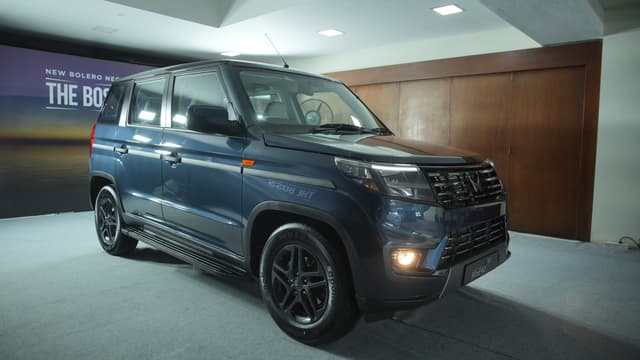
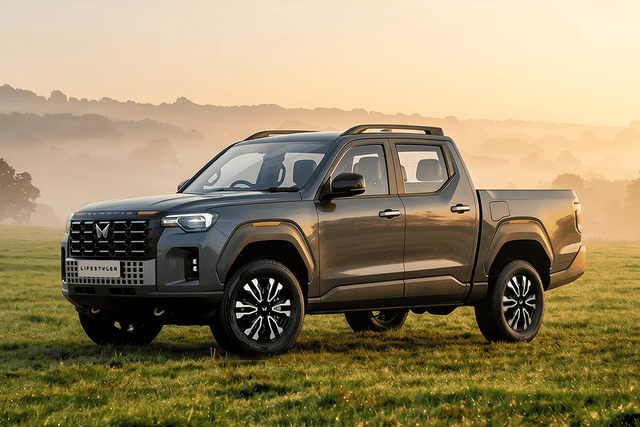
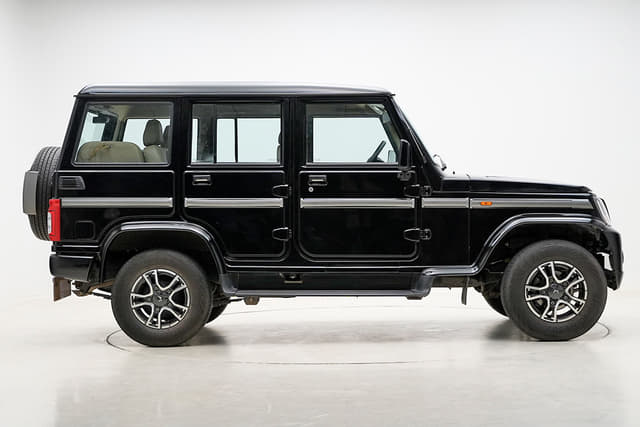
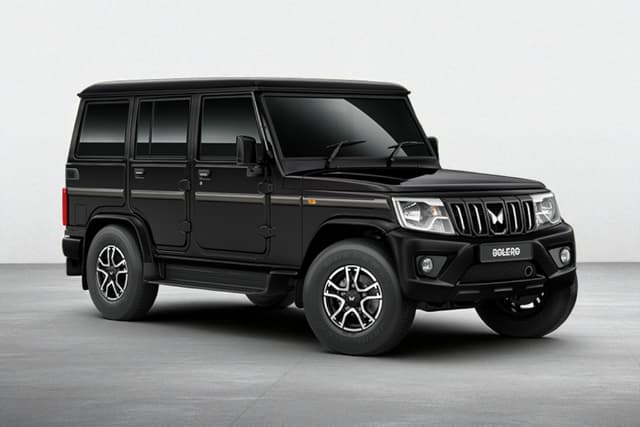
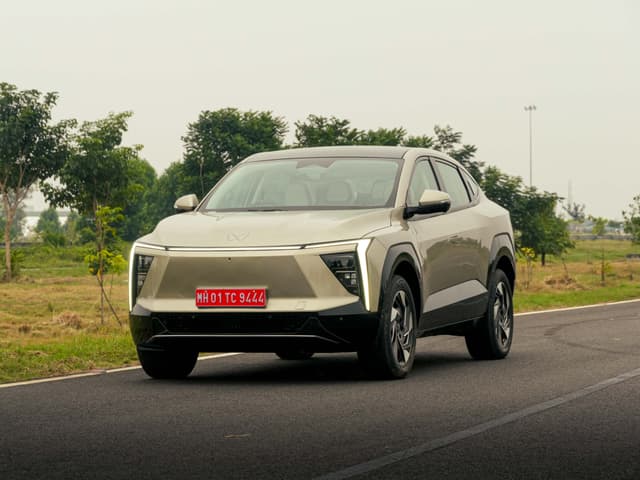
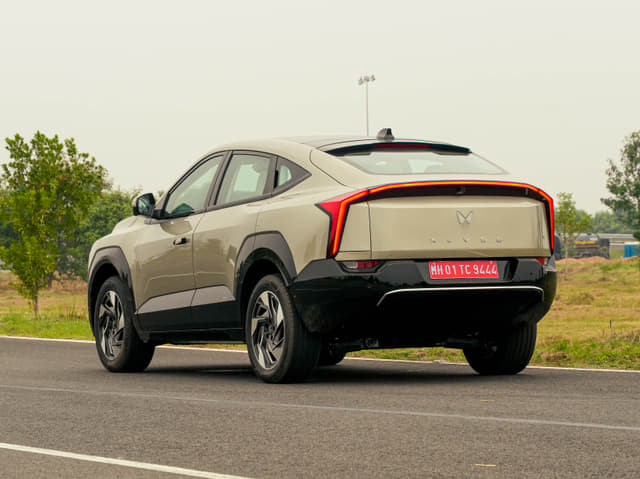
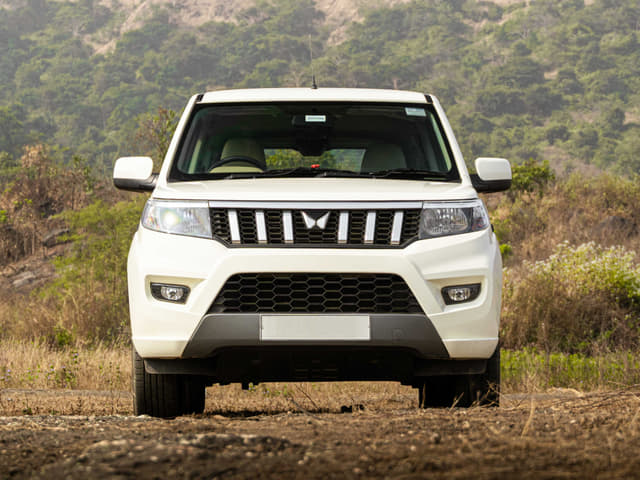
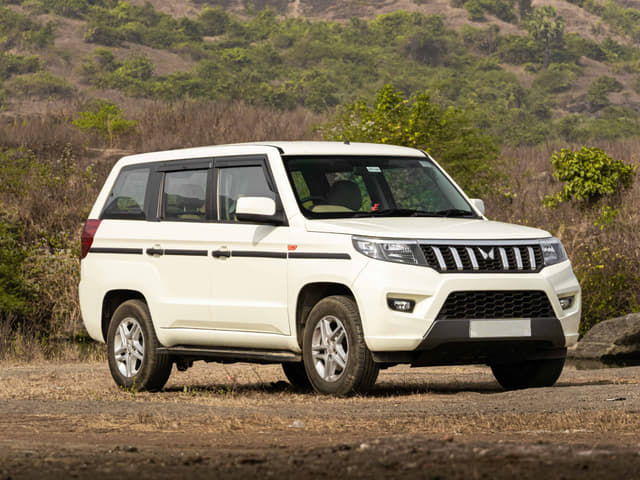
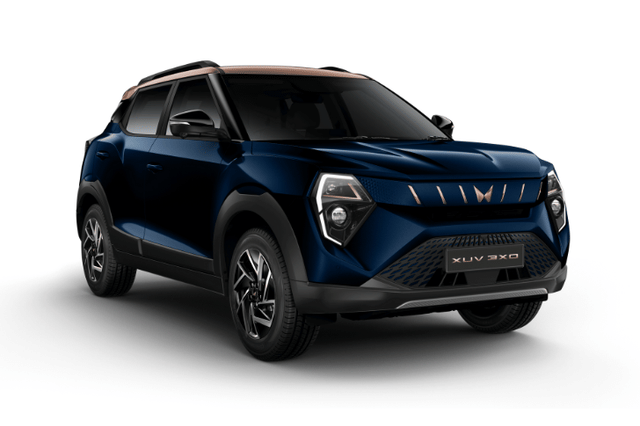
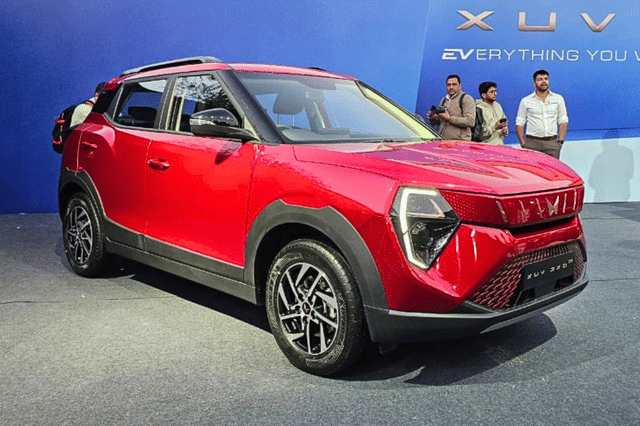
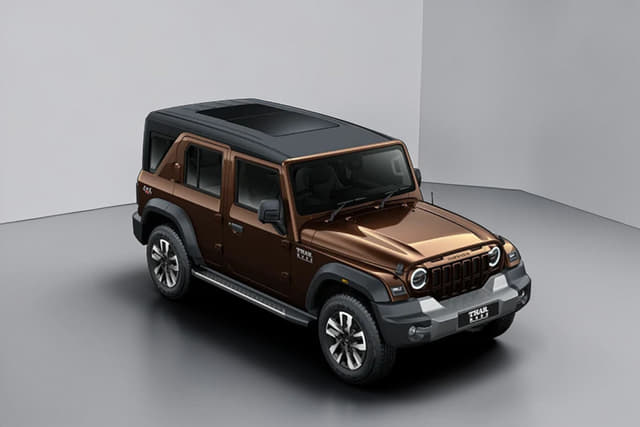
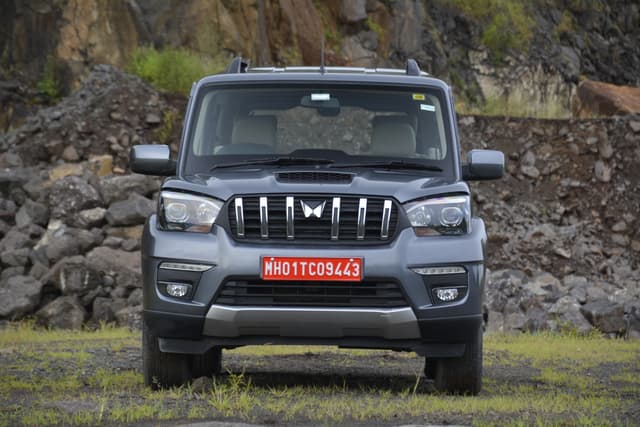
Initially a steel trading firm founded by brothers Kailash and Jagdish Mahindra, along with Malik Ghulam Muhammad in October 1945, Mahindra officially began its automotive journey in 1949. This was followed by the assembly of the brand’s first contracted Jeep CJ series for the Indian military. Mahindra’s entire line-up currently consists of utility models that primarily include SUVs and pickup trucks, with petrol, diesel and fully electric powertrain options.


Filter your search


Filter your search

Find cars by fuel type


Find cars by transmission
Mahindra Cars - FAQs
While Mahindra's legacy is rooted in SUVs and farm equipment like tractors, the company launched the Logan sedan in April 2007 as a joint venture with Renault. This was followed by the Verito and Verito Vibe hatchback a few years later.
Only a handful of Mahindra's body-on-frame SUVs come equipped with old-school mechanical four-wheel drive systems with a low-ratio transfer case and a locking differential.
While new Tata SUVs are all based on monocoque platforms, select Mahindra models are still available with rugged body-on-frame architecture for those who wish to go off-roading regularly without worrying about accidental structural damage.
Trending Questions on Mahindra Cars - Answered by Autocar Experts
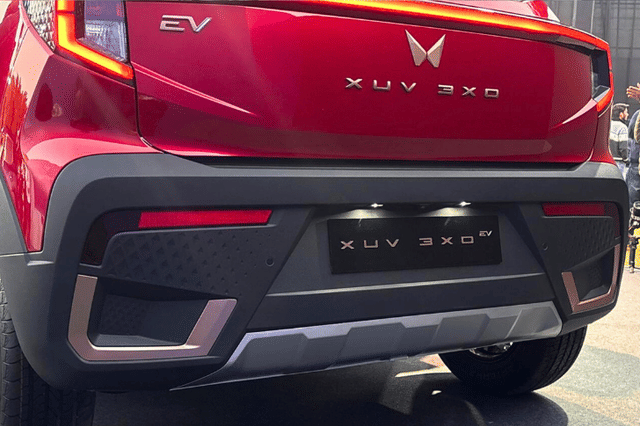
Hi team Autocar, my usage is 16 km which includes 3 days a week on outer ring road in Bangalore. I take a maximum of 2-3 highway trips in a month around Bangalore. I have shortlisted Kylaq AT which I found peppy enough and has less turbo lag as well as XUV 3XO at that has noticable turbo lag. I am leaning more towards Kylaq but I am a little concerned about its AC performance, higher maintenance that may occur after warranty, EPC error and vehicle going into limp mode and being stalled in the middle of the highway. Do these issues happen in Mahindra as well? Do you think one should choose 3XO over Kylaq. What's your take on this?
Both cars would suit your requirements well -16-18km, 3 days a week on Bangalore’s Outer Ring Road plus a couple of highway trips a month - so you can't really go wrong with either car. On your concerns: the Kylaq’s AC is adequate for Bangalore conditions. The higher maintenance cost post-warranty is a valid consideration, but it is not dramatically higher than Mahindra if you maintain the car properly and stick to authorised service. EPC errors and limp mode are not widespread issues on the Kylaq; they are rare and usually resolved under warranty. The 3XO is not immune to reliability issues either, so it should not be the deciding factor.Between the two, if you want a more nimble and fun to drive car opt for the Kylaq and if rear seat space is important go with the 3XO.
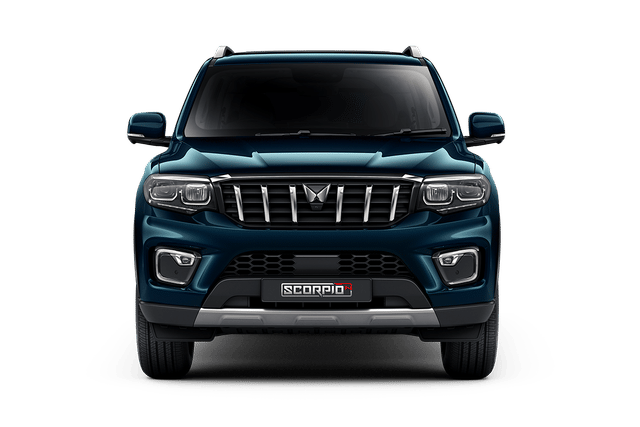
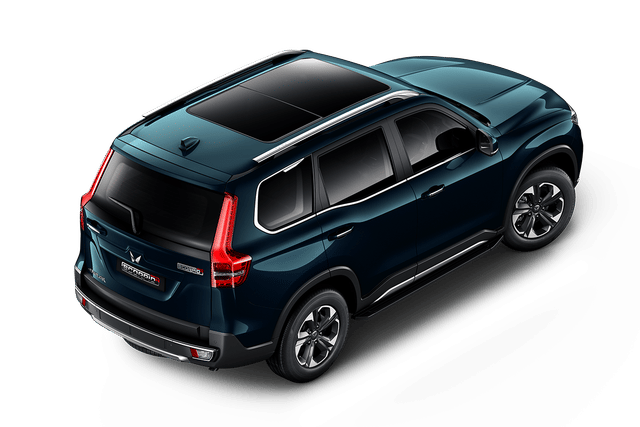
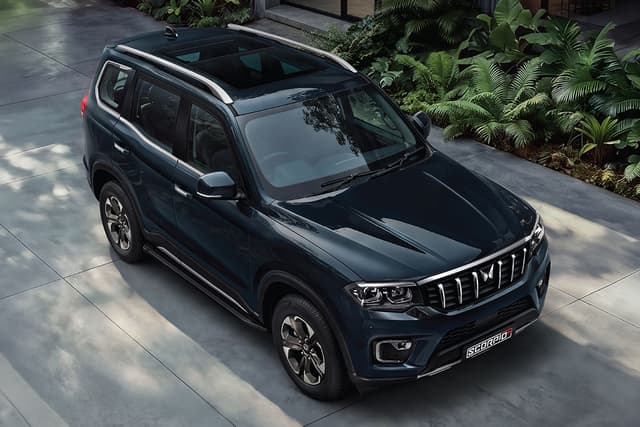
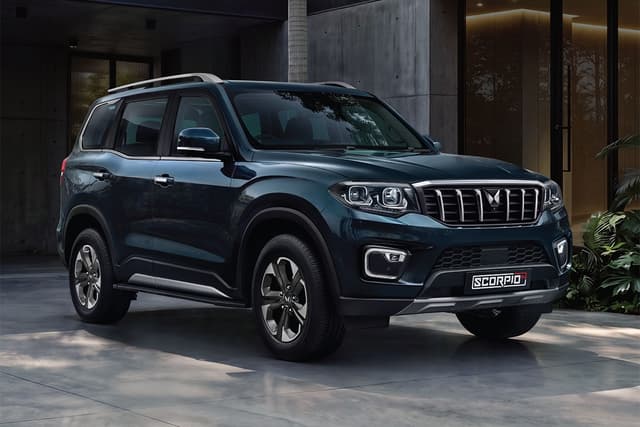
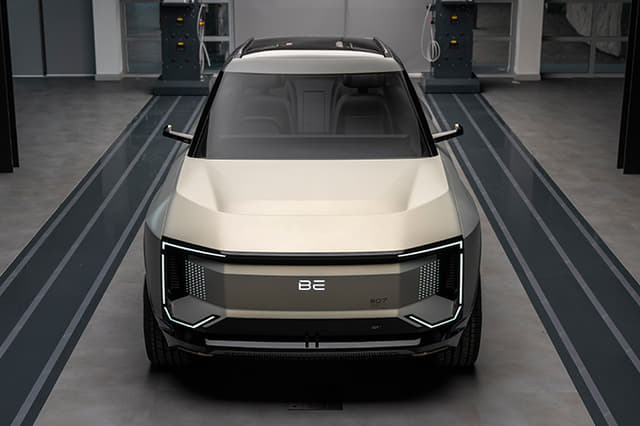
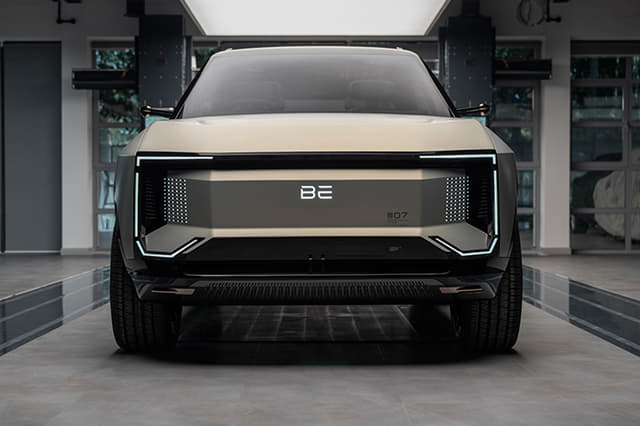
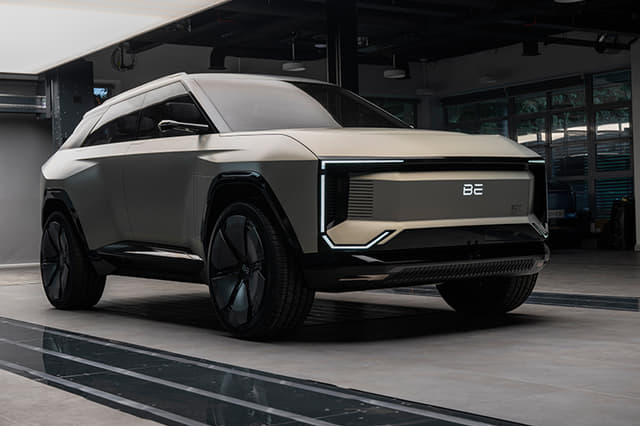
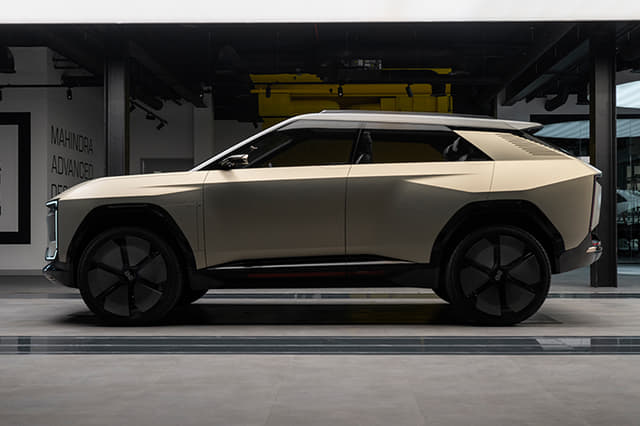
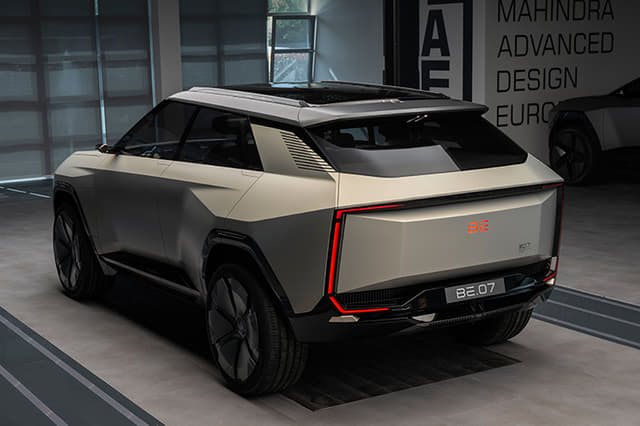
Currently, I own a Kia Sonet Diesel Manual and Scorpio N diesel manual. I want to replace Scorpio N diesel manual with a mid-size SUV EV. So, I’m waiting for the Mahindra BE 07 since the XEV 9e is too big for my daily commute and the Mahindra BE 6 isn’t suitable for a family. I am replacing my Scorpio N because there’s too much traffic in the city, parking constraints, and that car is huge, and I want to drive something smaller for daily commute. My usage is 70% within city and 30% within highway.
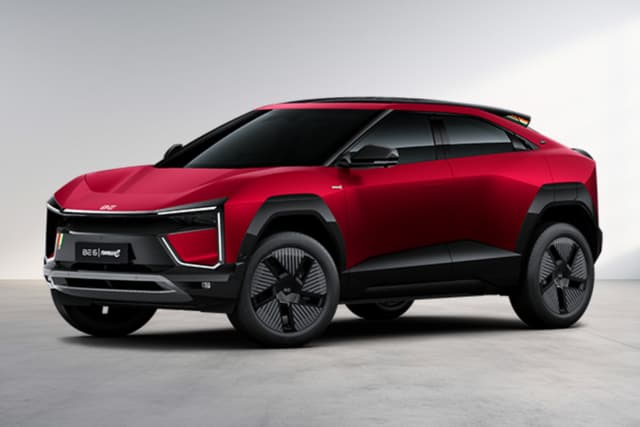
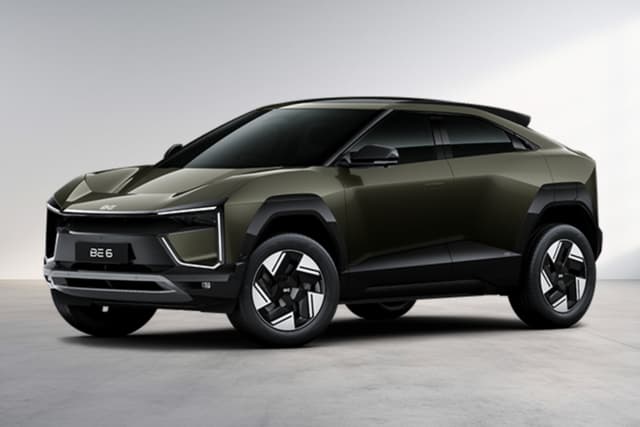
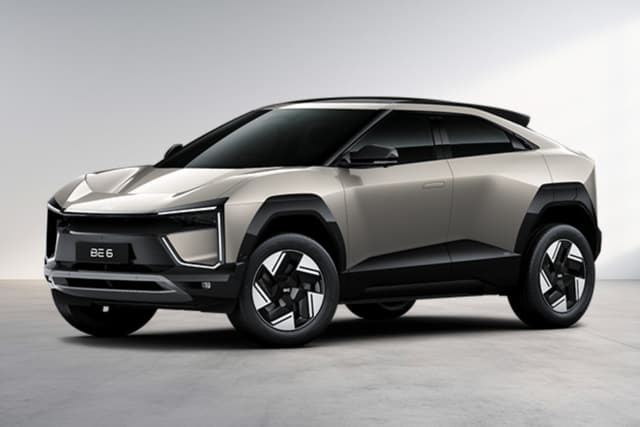
You are making the right call moving away from the Scorpio N. It is ok as a highway SUV, but in dense city traffic and tight parking, its size becomes a daily headache. The XEV 9e would put you in exactly the same situation, so it is not the right replacement. The BE 6 is a good EV, but it is more of a coupe-style SUV with a sloping roofline, which compromises rear headroom and practicality for family use.The BE 07 is the right car to wait for. It is Mahindra’s upcoming flagship EV and is expected to be a proper midsize SUV with a more practical, family-friendly cabin. It should offer the right balance of size, space and EV performance for your 70:30 city-highway usage. The only caveat is timing - if you need a car soon, the BE 07 may not arrive quickly enough.If you want an alternative that is available now, the Hyundai Creta EV is a very good option. It is spacious and practical EV with a comfortable ride and a family-friendly cabin. It is not as rugged as the Scorpio N, but for city commuting and occasional highway runs, it is a very well-rounded package, moreover the electronics and powertrain are very well calibrated making for a fuss free and easy drive experience and with very good reliability. Not something todays current EVs can boast off. Overall, your thinking is correct: the BE 7 is the right size and type of EV to replace a Scorpio N for city-focused family use. If you can wait, it is worth holding out for to see if it shapes up well. If not, electric Hyundai Creta is the best available alternative at the moment.
I am currently using a Hyundai Creta 1.5 CRDi diesel and am looking for an upgrade. I have shortlisted three cars: the Mahindra XUV 7XO, Toyota Innova HyCross and Hyundai Alcazar. I will drive around 400-500 km per week. Which one should I prefer?
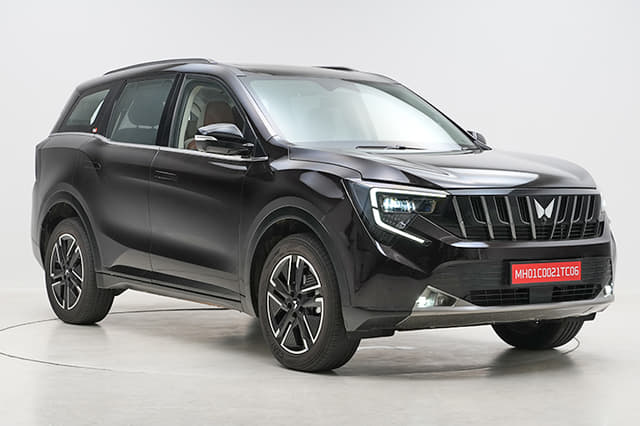
Go for the Toyota Innova Hycross. With 400-500 km a week, you need a car that is comfortable, reliable and effortless over long distances. The Toyota Innova HyCross hybrid is the best fit here. It is extremely comfortable, has a spacious cabin, and the hybrid powertrain is smooth and efficient, especially on highways where it delivers excellent fuel economy for a car of its size. Toyota's reliability and low maintenance costs also make it a strong long-term ownership proposition.The Mahindra XUV 7XO diesel is a good alternative if you specifically want a diesel SUV with strong performance and a more engaging driving experience, but the Hycross is the better all-rounder for your usage. The Hyundai Alcazar is not a true upgrade from your Creta and does not offer the same level of space, comfort or long-distance capability as the other two.The only drawback with the HyCross is that it is not as engaging to drive as the XUV 7XO, but for your usage, comfort and efficiency matter more. Overall, the HyCross is the car you will be happiest with after five years of ownership.
My daily running is around 70km, mainly on rural roads and highways. My budget is Rs 10-15 lakh. Fuel efficiency and safety are my top priorities, followed by reliability and good performance on highways and rural roads. For my usage, should I buy a CNG car or an EV? Please suggest the best options available in India within my budget, with good safety, and compare their purchase price, running cost, range/mileage, maintenance and suitability for rural and highway driving.
With a daily running of 70 km on rural roads and highways, fuel efficiency and safety as top priorities, and a budget of Rs 10-15 lakh, a diesel car is the most sensible choice. Diesel engines are inherently more fuel-efficient than petrol or CNG, and they deliver strong torque at low revs, which is exactly what you need for overtaking on highways and tackling rural roads. Modern diesel cars are also far more refined and reliable than they used to be, and with your kind of running, the cost savings over time are significant.CNG is not the right fit here. While it is cheap to run, it comes with compromises that do not suit your usage. Refuelling infrastructure is still patchy in many rural areas, the boot space is compromised, and performance on highways is noticeably weaker, especially when overtaking or climbing gradients. CNG works best for city commuters with predictable routes and easy access to filling stations.Electric cars are also not ideal for your use case. While they are cheap to run and great in the city, your daily running is already quite high, and rural charging infrastructure is still developing. Range anxiety on longer highway runs and the lack of fast chargers in remote areas can become a real issue. EVs make the most sense when you have home charging and predominantly city usage.Within your budget, the Mahindra XUV 3XO diesel and Tata Nexon diesels are good options. They are safe and well-built, with strong diesel engines, good ground clearance for rural roads, and a comfortable highway ride. They also come with a 5-star safety rating, which aligns with your priorities.
I currently own a Mahindra XUV 3XO TGDi (Revv variant) and have clocked 6,300km over the past eight months. However, I am averaging only 8–9kpl. Since around 80 percent of my driving is within the city and I prefer high-performance engines, should I consider switching to the Kia Seltos Diesel or the XUV 3XO Diesel?
At 80% city usage, switching to a diesel purely for better mileage doesn’t make much sense. Your 8–9kpl is on the lower side, but the T-GDi is the performance-oriented engine, and frequent stop-start traffic will naturally bring down its efficiency.The Mahindra XUV 3XO diesel will deliver considerably better fuel economy and strong low-end torque, but it also brings the added complexity of a DPF. Since most of your driving is in the city, short and slow trips can make DPF regeneration more difficult. You would need to give the car occasional sustained runs to allow the system to regenerate properly.The Kia Seltos diesel is the better of the two if you want to move to a larger and more premium SUV. It is refined, has strong torque, and the automatic is well suited to relaxed driving. However, you would still have the same DPF consideration, and neither diesel will give you the performance character of your T-GDi.
Last Updated on: 14 Sept 2026