Fairdeal Hyundai - Mandar
AT- Plot No. 89, Khata No. 52, Opposite Mandar Hospital, Mandar Mission, Infront Mandar Hospital Mandar, Ranchi, Jharkhand 835214
gmsalesrnc@fairdealauto.co.in , gmsalesrnc@fairdealauto.co.in
Last Updated on: 04 Jul 2026

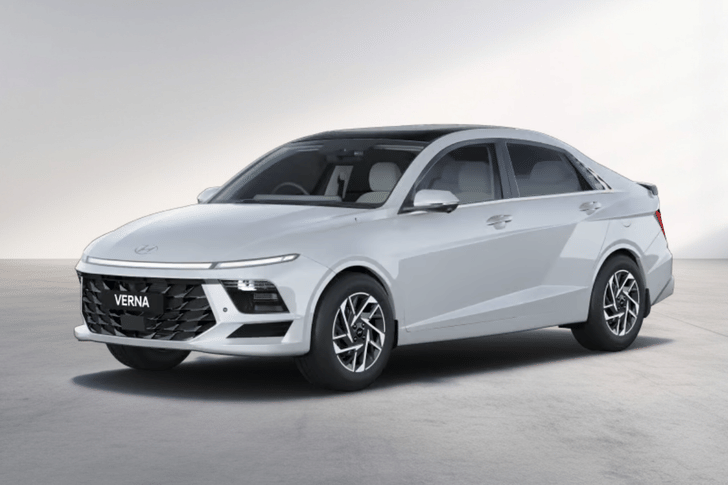
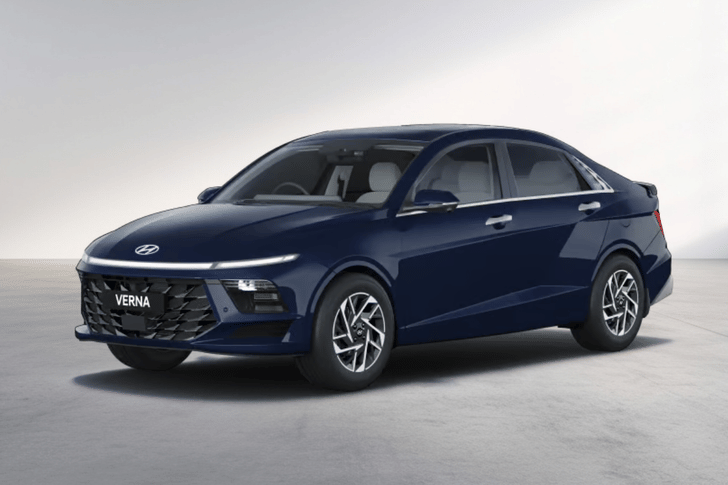
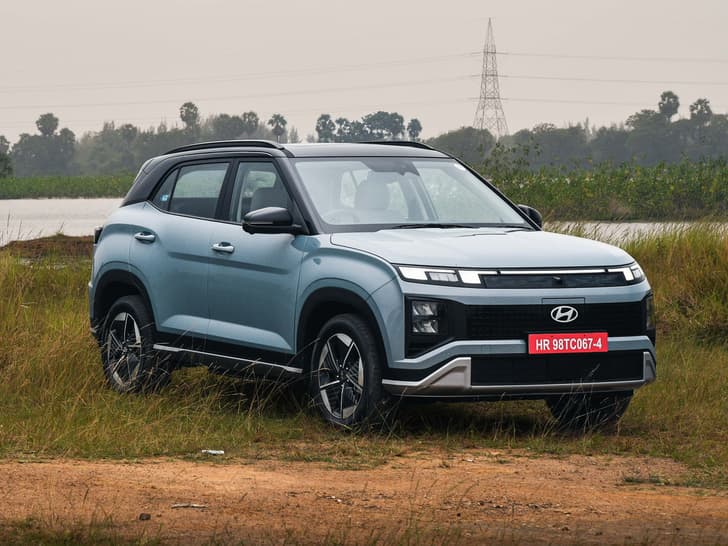
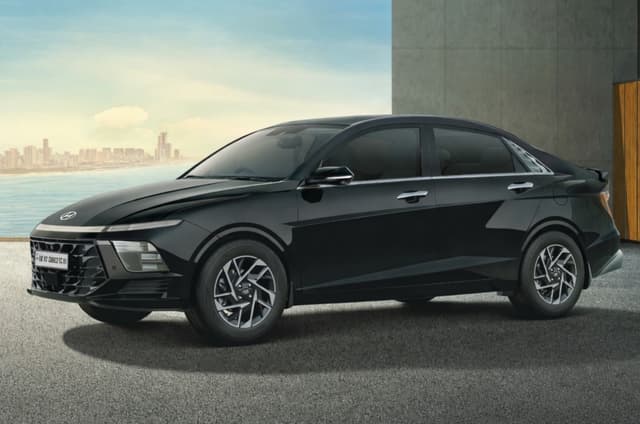
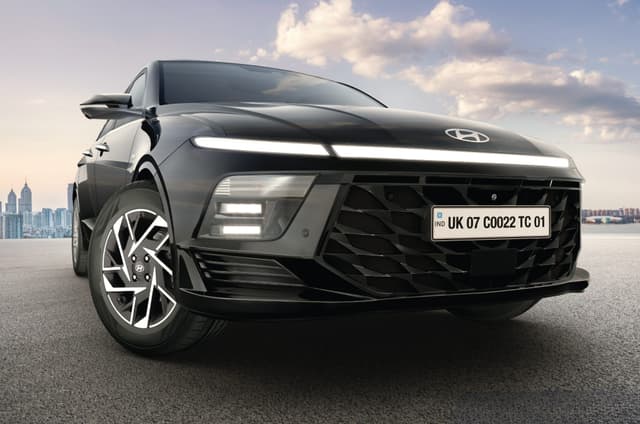
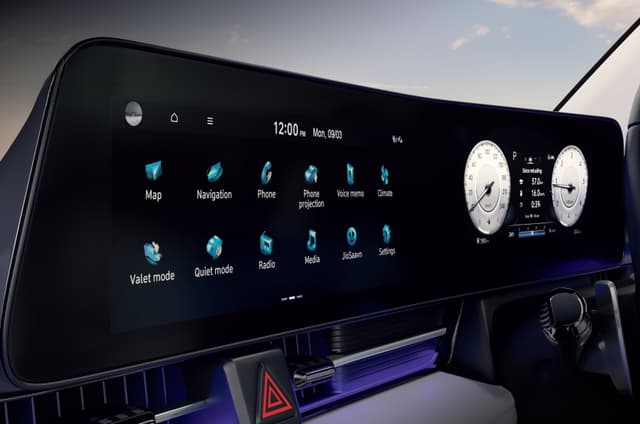
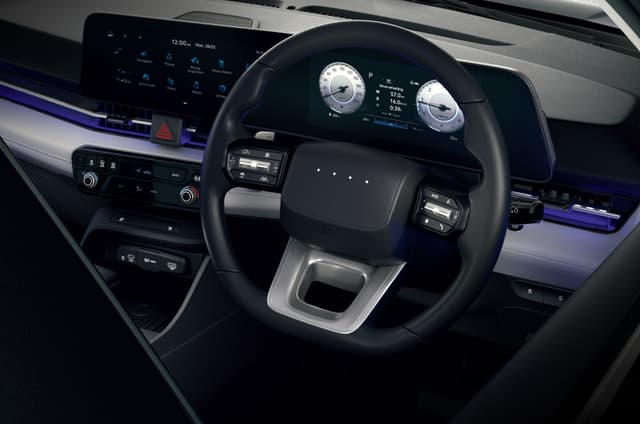
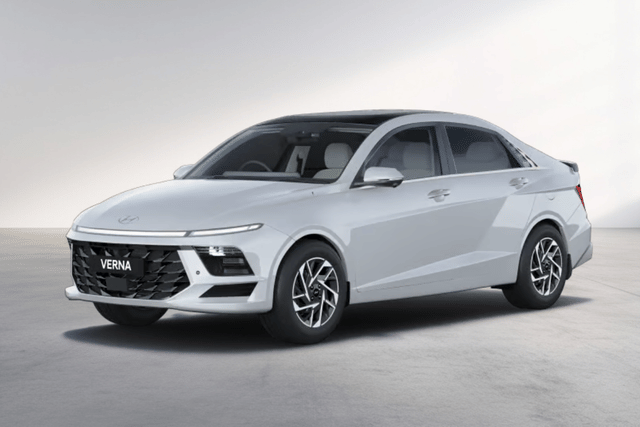
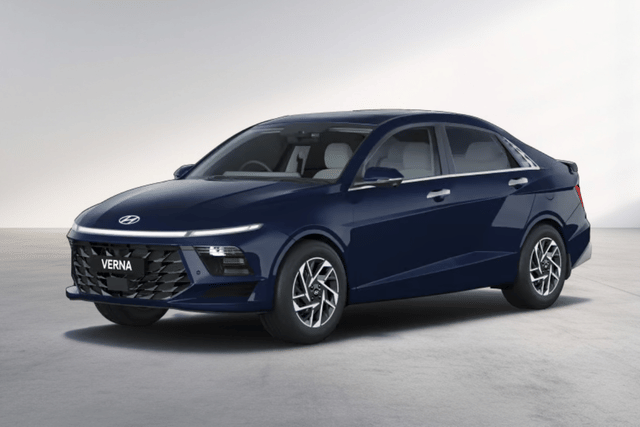
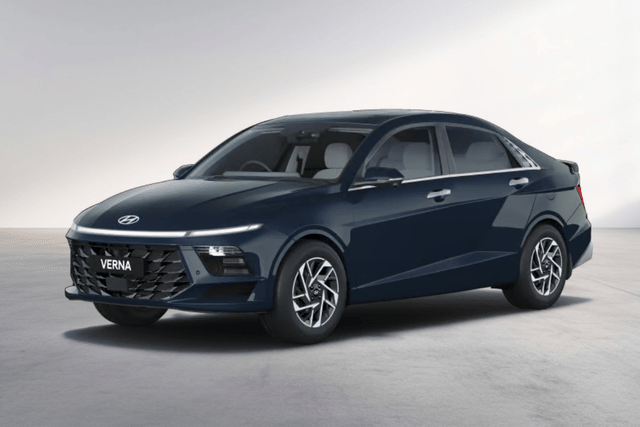
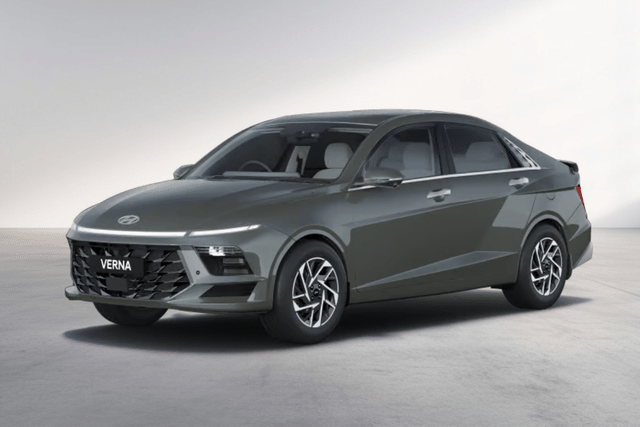
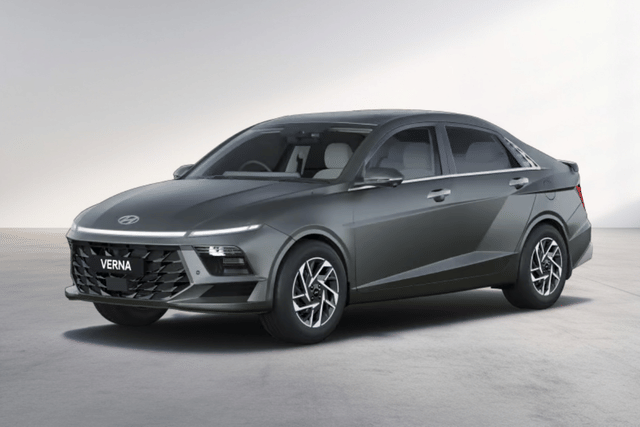
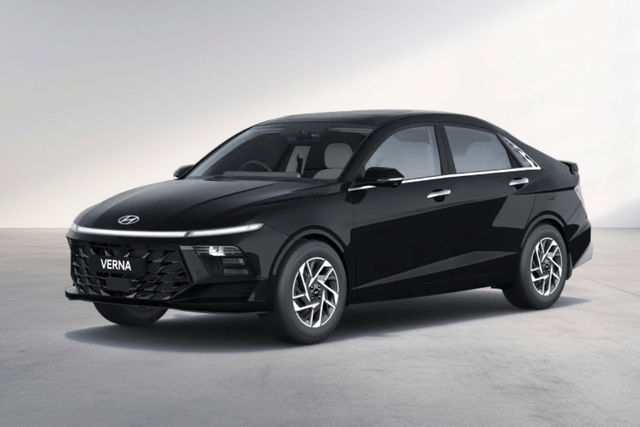
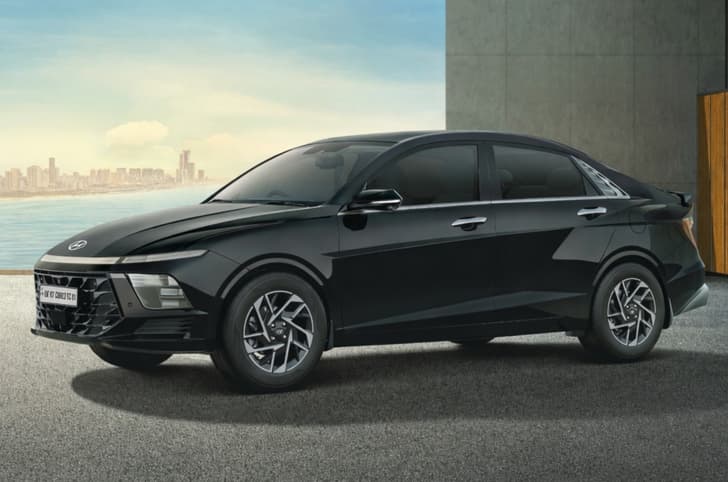
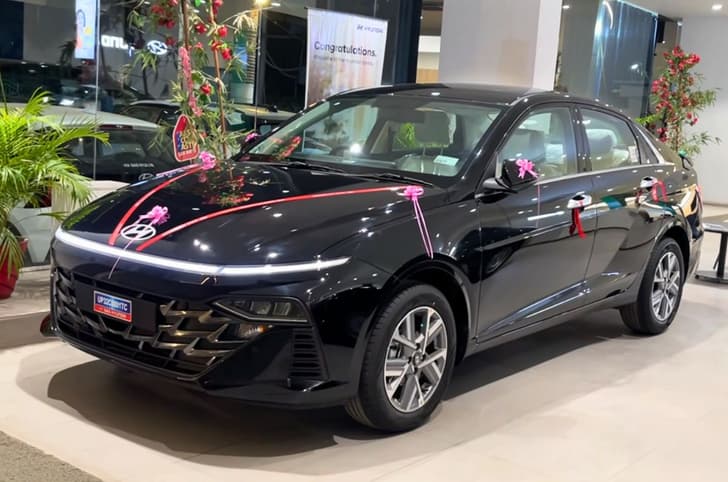
Hyundai Verna price in Ranchi
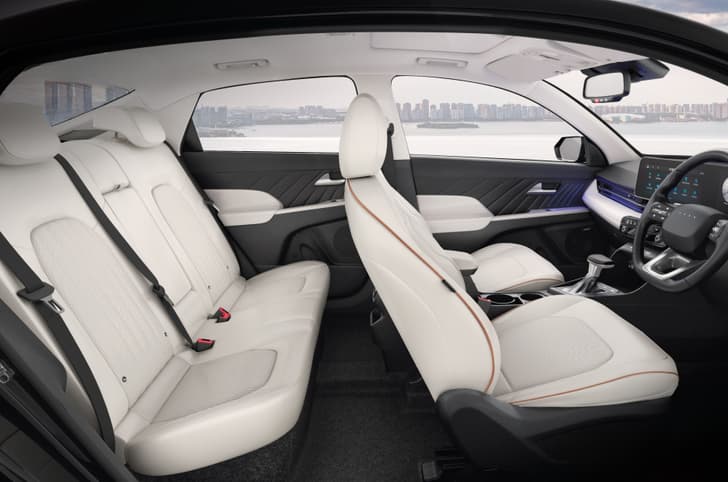
The Hyundai Verna on road price in Ranchi ranges from ₹12.32 lakh for the base model to ₹22.10 lakh for the top variant (including all taxes, RTO fees, and insurance). In comparison, the Verna price range in Ranchi is between ₹10.99 lakh and ₹18.26 lakh.
Check out the Hyundai Verna on road price for all variants in Ranchi below.
The Hyundai Verna on road price in Ranchi ranges from ₹12.32 lakh for the base model to ₹22.10 lakh for the top variant (including all taxes, RTO fees, and insurance). In comparison, the Verna price range in Ranchi is between ₹10.99 lakh and ₹18.26 lakh.
Check out the Hyundai Verna on road price for all variants in Ranchi below.
* Estimated on-road price. Final amount may vary.
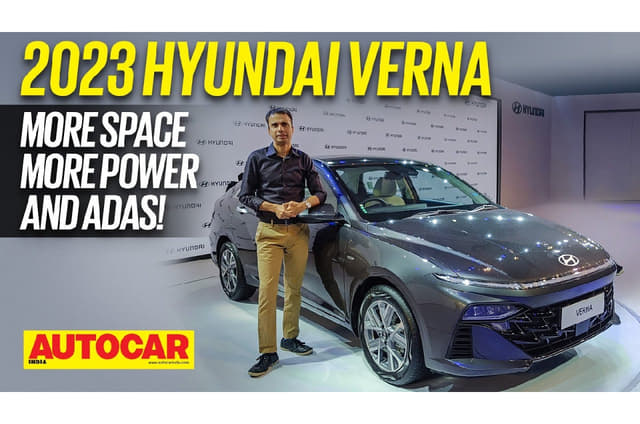
The Hyundai Verna is a value for money and a great car to drive.
The Verna's engine feels lackluster on the highway, and its suspension is on the softer side. It's primarily suitable for city driving with some highway use.
Tell us about your experience
Download the complete brochure with specs, features, and variants.

Planning to buy Verna? Here are a few dealers in Ranchi
AT- Plot No. 89, Khata No. 52, Opposite Mandar Hospital, Mandar Mission, Infront Mandar Hospital Mandar, Ranchi, Jharkhand 835214
gmsalesrnc@fairdealauto.co.in , gmsalesrnc@fairdealauto.co.in
Plot no. 769, H B Road, opp. Surendranath School, Dipatoli, Ground Floor, Heritage Tower, Ranchi, Jharkhand 834001
Shop No. 001A, Ground floor, 'Panchwati Residency', Beside 'Big Bazaar', Kanke Road, Ranchi, Jharkhand 834001
Skyline Tower, Opp Dr.Lal's Clinic, Kadru, Ranchi, Jharkhand 834001
74A & 74B, Piska More, Ratu road, Ranchi, Jharkhand 834005
.jpg?w=640&q=75)


The top-spec Hyundai Verna is Rs 1.22 lakh more expensive than the Honda City.
The base-spec Verna carries a slight premium of Rs 28,000 over the Virtus equivalent.
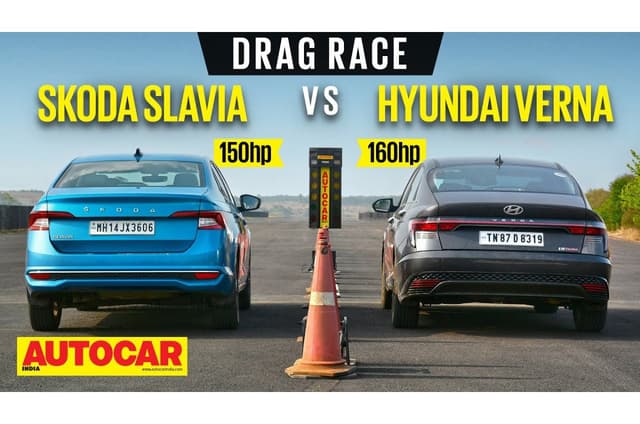
No, the top-spec Slavia is priced Rs 22,000 less than the Verna equivalent.
Considering a 10 percent down payment and 7-year loan tenure, the Verna EMI starts at Rs 18,502 in Delhi.
The HX8 DCT carries a premium of Rs 1.34 lakh over the manual equivalent version.
girish.03
I want a petrol car with good highway mileage of over 15kpl while cruising at around 120kph. We currently own a Hyundai Aura and want to upgrade to something with a more powerful engine. Please suggest some good cars under Rs. 15 lakh on-road in Mumbai (Petrol only).

autocar.india
The Hyundai Verna 1.5 petrol manual is the one to buy. It will sit at 120kph calmly and still return a good mileage figure, and the lower trims fit under Rs 15 lakh on-road. Its 1.5-litre naturally aspirated petrol engine is a clear step up from your Aura’s 1.2. More power for safe overtakes, and a more settled, quiet highway feel.You will also find ownership easy since you already live with a Hyundai, and the Verna’s cabin feels a class up for long trips. The only catch is that fully loaded variants push past your budget, so you'll have to prepare to give up a few creature comforts.If you want a punchier engine and don’t mind settling for a base-model car, the Skoda Slavia 1.0 TSI manual is worth a look. It feels steady at 120kph and stronger getting up to that speed, but the on-road can nudge past your budget once you add accessories and insurance.Between the two, pick the Verna for the best mix of highway economy, ease of ownership, and a clear upgrade in power over your Aura without blowing the budget.
jdoptimus9
I PREFER SEDANS TO THE PSEUDO SUV AVAILABLE IN THE MARKET. DOES THIS MAKE SENSE IN 2026? IN SEDANS, MY PREFERENCE IS VERNA. SHOULD I EITHER GO FOR HX10 DCT OR HX10 IVT? I DRIVE THE CAR MYSELF, AND MY RUNNING IS INTER CITY AND MOSTLY 80% ON THE HIGHWAY. I DRIVE ROUGHLY 2500-3000 KM A MONTH. SAFETY/MILEAGE/PERFORMANCE/EASY POCKET FRIENDLY MAINTENANCE ARE MY CONCERNS. AT PRESENT I OWN DCT i20 ASTA (O)

autocar.india
Go for the Verna HX10 DCT for your use. With 2,500-3,000km a month and 80% of it on the highway, you'll prefer the added punch from the turbo-petrol engine. The DCT is the quicker, more exciting choice. If you live for sharp overtakes and already enjoy your i20 DCT, you will like it. The 1.5 petrol IVT will be smoother in the city and slightly better on city mileage, but given your usage, the difference won't be so much.Either way, the safety kit is the same, and the Verna stays stable and quiet at speed. The Verna has also scored a 5-star Global NCAP crash test rating. And yes, choosing a sedan still makes sense in 2026 - the lower centre of gravity means better highway stability and braking, and you will usually get better mileage than a similar SUV at this price.
jaiv
I own a Maruti Suzuki Ritz and want to replace it with a sedan. Should I choose the Hyundai Verna or the Honda City? I am looking for a car that is smooth and easy to drive.

autocar.india
Pick the Honda City, ideally the petrol automatic, because it is the smoothest and easiest to drive in traffic. Its engine is very calm at low speeds and the automatic glides along without fuss, the steering is light, and the big glass area makes it simple to place in tight streets. Coming from a Ritz, the driving position and light controls will feel natural, and the cabin is roomier, so family runs are easier too.The Verna is a strong second option if you want a sharper look and extra features. The 1.5 petrol with the automatic is smooth enough, but the turbo with the automatic can feel a bit snappy in stop-go, which takes away from that easy driving you want.If your priority is a relaxed, fuss-free sedan for city use with occasional highway trips, go City. It just feels effortless.
Kunal
My running is around 2,500 km per month, currently between Faridabad and Dwarka. My route is likely to change next year, but the monthly distance should remain similar, with more highway driving than at present. Budget is max Rs. 21 lakh on-road. Looking for a safe, reliable, long-term car that is comfortable for the driver. I generally prefer sedans. For context, I drove an 8th-gen Civic AT for 2.5 lakh km and am currently driving a Ciaz AT. I've shortlisted a few options, but each seems to have a drawback: Punch EV 40 - Seats felt too hard, cabin didn't feel very premium. Sonet Diesel AT GTX - Safety concerns. Venue Diesel AT SX(O) - City fuel efficiency doesn't seem great. Curvv Diesel AT - Concerned about long-term prospects as it doesn't seem to be selling well. Verna 1.5 Turbo DCT - Worried about city fuel efficiency. City Hybrid - Stretching beyond my budget. Creta Petrol AT - Safety rating not very reassuring. Am I missing any good options? Would appreciate suggestions, especially from people with high annual running and long-term ownership experience.

autocar.india
Given your 2,500km monthly running, we'd actually recommend looking at a strong hybrid rather than a diesel. Our pick would be the Maruti Suzuki Victoris Hybrid. It fits within your budget, has a 5-star Bharat NCAP safety rating, offers excellent fuel efficiency in both city and highway driving and is backed by Maruti Suzuki's extensive service network. It also provides the kind of smooth, refined driving experience that should feel like a natural progression from your Civic and Ciaz. While it isn't a sedan, it offers generous interior space and excellent long-distance comfort.Another advantage is that, being a petrol hybrid, it is a more future-proof choice for Delhi NCR. With increasing scrutiny on diesel vehicles and evolving regulations in the region, a petrol hybrid offers greater long-term peace of mind while still delivering running costs that are comparable to many diesel SUVs.The City Hybrid would have been another obvious recommendation given your preference for sedans, but as you've mentioned, it stretches your budget.Among your shortlisted cars, we'd still lean towards the Verna Turbo DCT if you want to stay with a sedan. However, with your annual running, fuel costs will be significantly higher than with a strong hybrid.We would also be cautious about choosing the Seltos, Sonet or Venue diesel purely for efficiency. While all three use the same proven 1.5-litre diesel engine paired with a torque-converter automatic, it isn't the most fuel-efficient diesel automatic in real-world conditions.
bharatbhai
My daily running is around 50 km, and I am looking for a 1.5-litre petrol manual sedan. Which would be the better choice among the Honda City SV, Volkswagen Virtus, and Hyundai Verna? Considering my usage pattern, which of these offers the best balance of performance, comfort, fuel efficiency, and long-term ownership experience?

autocar.india
Honda City SV manual suits your 50 km daily run best. Its 1.5 petrol is the smoothest here and the clutch and steering are light, so long city commutes will feel easier. In real traffic you will usually see better economy than the other two, and the rear seat space and ride comfort are still the class benchmark for family use.Volkswagen Virtus 1.5 TSI is no longer available with a manual so your choices are either the 1.5 TSI DSG or the 1.0 TSI manual. They are the fun pick if you love strong mid‑range and highway performance. For daily stop‑go, though, the turbo’s appetite will make it a bit costlier to run.Hyundai Verna 1.5 manual is very smooth and well equipped, but the Honda City still remains the better car to drive and be driven in.
gurkomal
Hello autocar team, I am looking to buy a new car and currently drive a Ford EcoSport Automatic. I am planning to purchase the Hyundai Verna. Would it be a wise decision to buy a sedan in 2026, considering current market trends and ownership requirements?

autocar.india
Coming from a Ford EcoSport Automatic, the Verna will feel like a significant upgrade in terms of refinement, comfort, space and overall quality. One of its biggest strengths is that it shares its 1.5-litre naturally aspirated petrol and 1.5-litre turbo-petrol engines with the Creta, so you're not missing out on performance by choosing the sedan. In fact, the Verna is every bit as spacious as the Creta, offers a more comfortable ride and is generally more enjoyable to drive on highways.The Verna also feels more premium inside, with a higher-quality cabin, better fit and finish and a feature-rich interior. Despite offering all of this, it is often more affordable than an equivalent Creta, which makes it excellent value for money.The only caveat is that you will have to be a little more mindful of rough roads and steep ramps compared to an SUV. However, if your driving is predominantly on good roads, this is a small compromise.
uchchal
I have recently shifted to Halol, Gujarat, from Bangalore. I have a Grand Vitara Delta AT Smart Hybrid petrol. I have to give back my car to my family staying in Bangalore by October, and hence I am looking to buy a new car here. I have predominantly liked sedans, and I have a budget of Rs. 20-21 lakh on-road. I have narrowed down my choices to the Hyundai Verna 2026 Facelift HX10 Turbo DCT and the Skoda Slavia 1.5L DSG. The area where I stay generally does not have XP95, although the Oil app shows it is available. I have physically checked a number of times and was lucky only once. My driving would be around 80km a day for 6 days a week, with a yearly round trip to Bangalore. This will add up to around 20,000km annually. I like the Skoda Slavia, but I am concerned about the issues the car generally faces with standard 91 RON petrol, which seems less of an issue in the Hyundai Verna. I would like your suggestion on what to choose. I like German cars, but I also value peace of mind after I buy one. What do you suggest? Thank you for taking the time to help me out.

autocar.india
Pick the Hyundai Verna Turbo DCT. Not only is the powertrain smooth and quick, but it is likely to be a bit more efficient than the Skoda's despite the latter getting an active cylinder deactivation function. Additionally, Hyundai’s service reach brings peace of mind.Yes, the Verna lacks the Slavia's solidity and sure-footedness; however, the Hyundai makes up for it to a great extent by packing ADAS, which will make your drive more stress-free and safer. Overall, in terms of features and value-for-money, the Verna is the better option.
Nishant Priyadarshi
I want to buy a car, and my budget is 22 lakhs on road. I personally prefer a sedan, but I am open to buying an SUV as well. I need something which is powerful, fun to drive and is feature-loaded (ADAS, 360 camera, ventilated seats etc). I have shortlisted the following: Verna, Seltos, Slavia and Virtus. Which one should I go for? I am planning to buy it in the next 3-4 months.

autocar.india
Considering the features you've listed, namely ADAS, a 360-degree camera and ventilated seats, the shortlist effectively narrows down to the Hyundai Verna and Kia Seltos.In fact, the car that would normally be recommended to an enthusiast is the Volkswagen Virtus 1.5 TSI DSG. It remains one of the most rewarding cars to drive in this segment, and there are attractive discounts available at the moment as a facelift is expected in the near future. However, it misses out on some of the features that are clearly important to you.Between the Verna and Seltos, the nod goes to the Seltos. It is the newer product, feels more premium inside, offers greater practicality and has a more spacious cabin. It also benefits from the same excellent 1.5-litre turbo-petrol and dual-clutch automatic combination as the Verna, so you are not sacrificing performance. Over the long term, it is also likely to hold its value better.
Jesu Alfred K J
Hey Autocar, We're looking into sedans. Shortlisted Verna and City. Spoke with a guy, and he gave advice not to choose the City due to its rusting issue. I did a test drive, and the city was my primary choice. But, thinking about this statement he made. Also, enquired with the dealer. But, they denied it, stating their new cars are galvanised properly. I don't know what to do. Please advise.

autocar.india
Modern cars from both Honda and Hyundai have significantly improved corrosion protection, and under normal ownership conditions, rust should not be a major concern.If the Honda City was your preferred choice after the test drive, there is little reason to change that decision based on a single comment. The City remains one of the most well-rounded sedans in the segment, offering excellent ride comfort, rear-seat space, visibility and a proven naturally aspirated petrol engine that is smooth, refined and reliable.The Hyundai Verna offers a more modern interior, a stronger feature list and a wider powertrain choice. While the turbo-petrol version grabs most of the attention, the 1.5-litre naturally aspirated petrol paired with the CVT is also a very smooth and relaxed combination. It is easy to drive in traffic and suits buyers looking for comfort and refinement rather than outright performance.
krishna singhal
Hey everyone, I would like your advice on restructuring my three-car garage in anticipation of a significant increase in my monthly running. I am based in Bangalore, and my current line-up is as follows: Audi A6 (2020) | 35,000 km driven that is used primarily for highways and family outings. It’s a brilliant machine but honestly feels highly underutilized. Innova Crysta GX (2019) | 1.5L km driven: The ultimate workhorse. Runs 1,500 km monthly. Split between office commutes, airport runs, and big family trips. Hyundai Verna (2023) | 25k km driven: Primarily used as the daily home or city runabout. My confusion is that from next month, my personal running will jump significantly to 2,500 km per month. Doing this in Bangalore traffic (plus routine family weekend trips) means fuel costs and driving fatigue are going to skyrocket. I want to bring an EV or a solid Plug-in Hybrid (PHEV) , but I’m considering following: Option 1: Replace the Audi A6 with a Premium Luxury EV. Since the A6 is not being used much, I am planning to sell it and get a high-end luxury EV (like a BMW iX1, iX3, or BYD Seal/Sealion 7) to absorb the entire 2,500 km monthly grind and family outings. Option 2: Retire the workhorse Innova. It has done 1.5 lakh km and I could replace it and the Audi to go for a two-EV garage, or grab a premium electric 7-seater to take over its duties. Option 3: Hold onto the current garage and just add one. Keep all three and buy a new mid-to-premium electric SUV like Tata Harrier EV, Mahindra XEV 9e / XEV 9S, or wait for the upcoming BYD DM-i Plug-in Hybrids. With 2,500 km of monthly driving entirely in Bangalore and surrounding highways, what is the smartest financial and experiential move here? Sell the underutilized luxury sedan, upgrade the high-mileage workhorse, or just expand the garage? Would love to hear your thoughts, especially on real-world reliability, battery degradation at high mileage, and how the current crop of premium EVs handle Bangalore's notorious infrastructure
autocar.india
Since the Audi A6 is the most under utilised, it makes sense to sell it and get an EV instead. Among your choices, the BYD Sealion 7 2WD gets you the biggest battery, which should deliver a real-world range of around 450km. Your fuel spend and fatigue will drop sharply thanks to smooth one-pedal driving and strong regeneration in stop-go traffic. The Sealion 7’s SUV stance and ride, cope better with Bengaluru’s roads than a low-slung sedan, and fast chargers in the city are now easy to find, while a home wallbox will be your primary charger.Keep the Innova Crysta. At 1.5 lakh km, it is still the most stress-free way to haul six people and luggage. With the EV becoming your new primary, it wont rack up the kms as quickly, but its worth keeping around as an alternative for trips where you don't want to plan ahead for charging. The Verna can stay as the spare city tool.On reliability and batteries, BYD’s Blade LFP battery pack has a good record. BYD also offers a pretty long warranty and the option to extend to 8 years/250k kms. The only real trade-off with the BYD is its smaller dealer network and slightly higher road and wind noise at highway speeds. A BMW iX1 is nicer inside and carries the badge, but it's cabin is tighter, has a smaller boot, and you will pay more for less usable range. Alternatively, you can also consider the Hyundai Ioniq 5 - its 84kWh is the largest in the segment, its cabin is premium and it is very nice to drive. Hyundai's network is also larger than BYD's which helps.