
Last Updated on: 18 Jun 2026
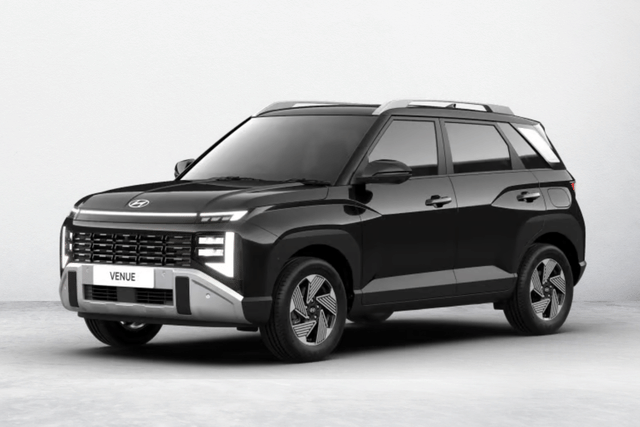
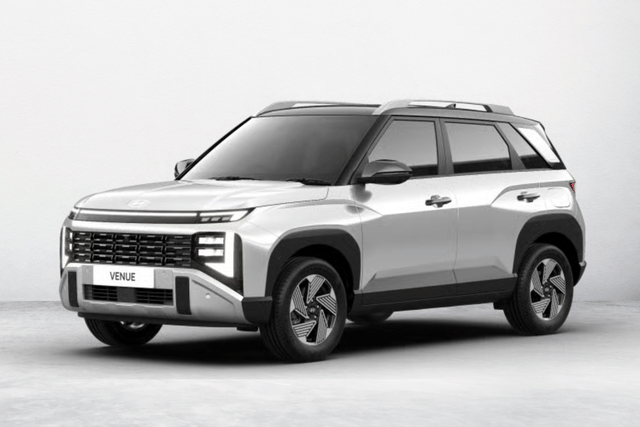
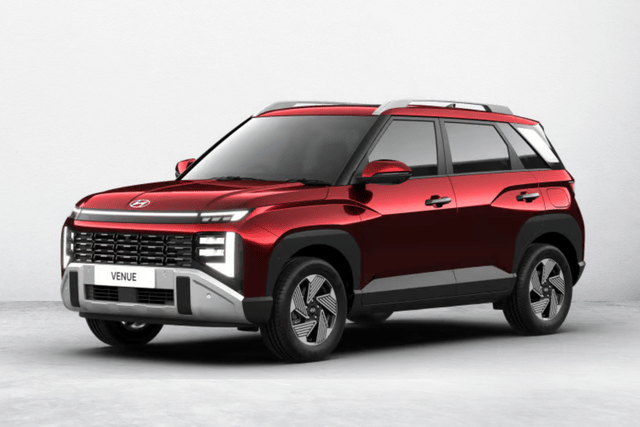
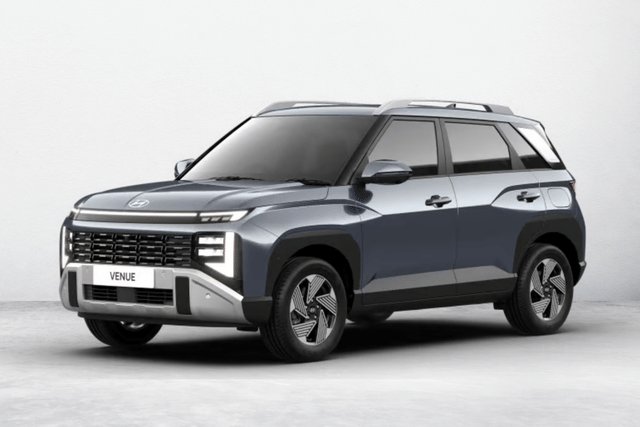
Hyundai Venue price in West Champaran
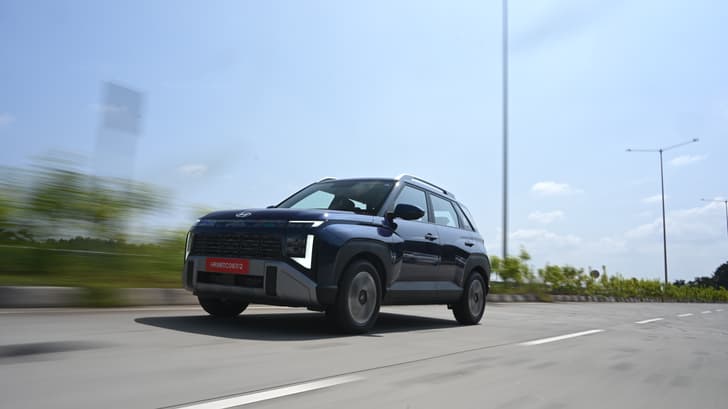
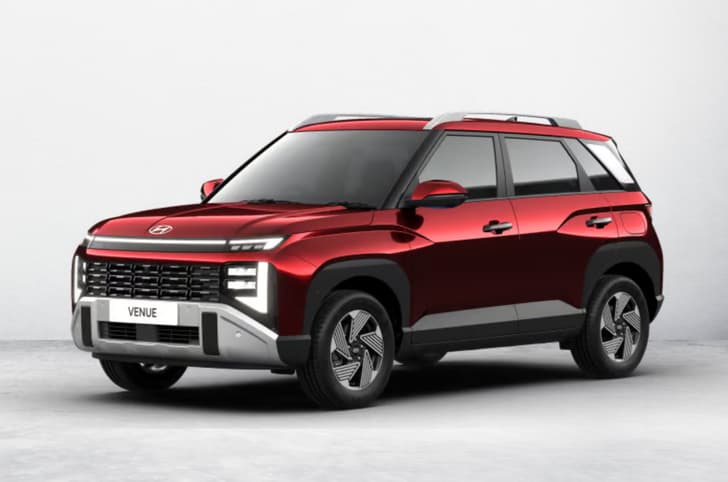
The Hyundai Venue on road price in West Champaran ranges from Rs 9.08 lakh for the base model to Rs 18.47 lakh for the top variant (including all taxes, RTO fees, and insurance). In comparison, the ex-showroom prices of the Venue in West Champaran are between Rs 8.00 lakh and Rs 15.65 lakh.
Hyundai Venue price in West Champaran
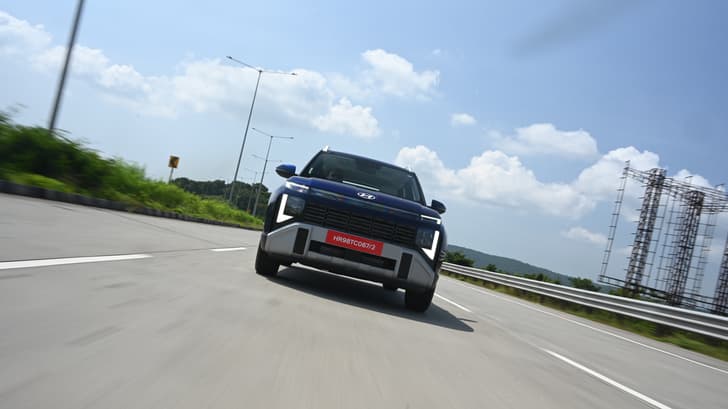
The Hyundai Venue on road price in West Champaran ranges from Rs 9.08 lakh for the base model to Rs 18.47 lakh for the top variant (including all taxes, RTO fees, and insurance). In comparison, the ex-showroom prices of the Venue in West Champaran are between Rs 8.00 lakh and Rs 15.65 lakh.
Hyundai Venue Pricing by Variants
* Estimated on-road price. Final amount may vary.
Hyundai Venue Official Brochure
Download the complete brochure with specs, features, and variants.

Calculate your fuel cost for Hyundai Venue
On Road Price of Hyundai Venue Alternatives in West Champaran
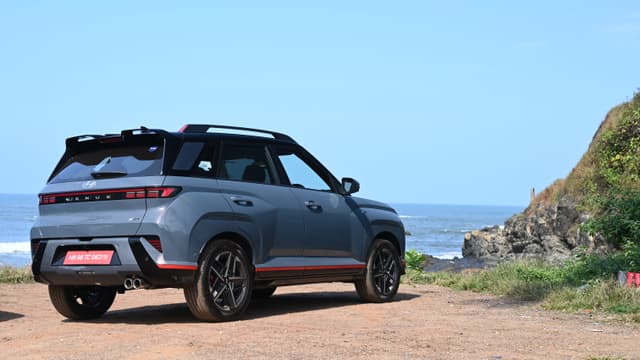
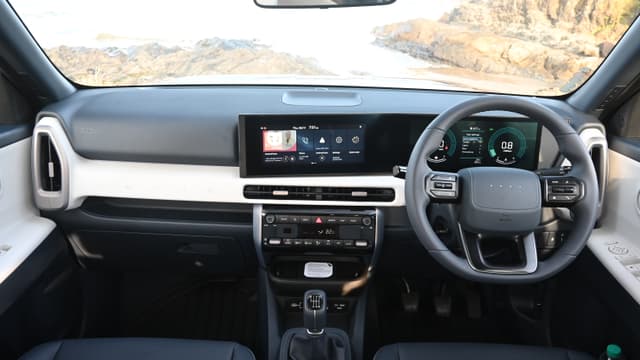
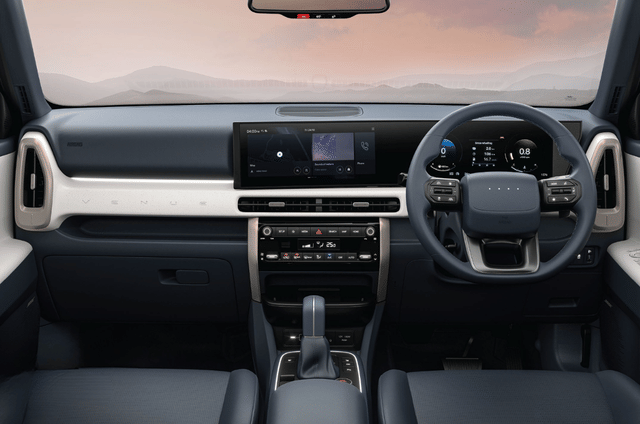
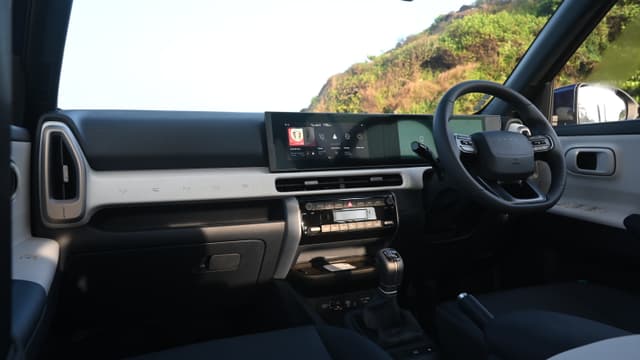
Hyundai Venue Images
Hyundai Venue news
Hyundai Venue videos


.jpg?w=640&q=75)


Hyundai Venue FAQs
The Hyundai Venue price in India starts at ₹8.00 lakh and goes up to ₹15.65 lakh, ex-showroom.
The base-spec HX2 1.2 Petrol MT Hyundai Venue on road price in West Champaran is ₹9.08 lakh.
The HX5 Knight Edition 1.5 Diesel MT Hyundai Venue on road price in West Champaran is ₹12.91 lakh.
The top-spec HX10 1.5 Diesel AT Hyundai Venue on road price in West Champaran is ₹18.47 lakh.
Questions you may find useful
I’m looking to buy a car for my father, who does not have extensive experience driving in city traffic. My priority is a smooth and easy-to-drive automatic car with good visibility, light steering, and comfortable driving dynamics. My budget is around Rs. 10-15 lakh on-road. So far, I have shortlisted the Hyundai Venue HX5/HX8 DCT and the Skoda Kylaq Automatic. Are these good options, or are there any other cars in this price range that I should consider?
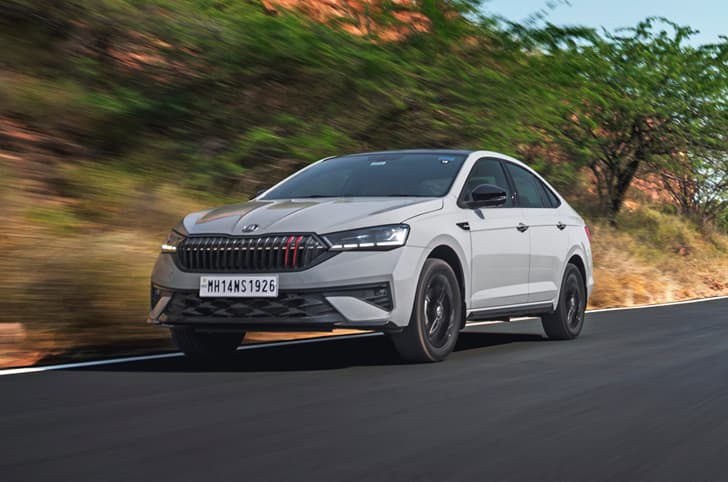
The Skoda Kylaq Automatic would be the recommendation here. For an older driver who is relatively inexperienced in city traffic, the Kylaq's torque-converter automatic is a major advantage. It is smoother and more predictable than a dual-clutch transmission in stop-start conditions, while the light steering, good visibility and compact dimensions make it easy to manoeuvre. The higher seating position also inspires confidence and makes getting in and out easier.The Hyundai Venue DCT is a good SUV, but if ease of use is the priority, the Kylaq's torque-converter automatic is the better fit. DCTs work best when driven smoothly and can occasionally feel less natural in heavy traffic than a conventional automatic.
I want to purchase an SUV, and my budget is 15 lakhs maximum. My daily drive is around 10-15 kms in the city, and occasionally I go out of the city, like once in a quarter, and that too, maximum up to 300 kms. The vehicle should give decent mileage. It should be safe as well. Kindly suggest a few options.
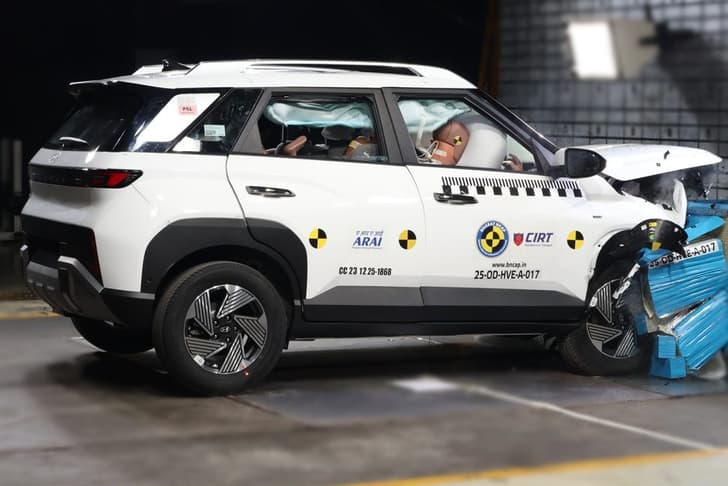
Go for the Hyundai Venue. Given your limited usage, there's no need to spend extra for the diesel engine, and either of the petrol engines should be sufficient. The 1.2-litre engine is perfect for your largely city use, with sufficient power and a light clutch and gear shift. However, for your highway trips, it might feel underpowered, and in that case, the 1.0-litre turbo-petrol is a better bet, and even comes with a DCT automatic option. However, this engine isn't as fuel-efficient as the 1.2.Being one of the newest SUVs in the compact segment, the Venue comes with the latest tech, high-quality interiors, good space and good comfort too. With your budget of Rs 15 lakh, you can go up to the HX8 variant, which has a lot of features and tech. This includes safety features, and you'll be reassured by the fact that it has scored 5 stars in Bharat NCAP's crash tests. The only downside is that it's not particularly exciting to drive compared to some rivals.Speaking of which, alternatives include the Tata Nexon and Mahindra XUV 3XO, which have also scored 5-star NCAP ratings, but aren't as fuel-efficient as the Venue. Or conversely, the Maruti Suzuki Brezza and Fronx, which are more fuel efficient, but haven't yet been tested by Bharat NCAP or Global NCAP. Overall, we think the Venue is the best bet for you.
I am planning to buy a new car with a budget of around Rs. 12 lakh. I am confused between the Tata Punch EV (40 kWh), Kia Sonet, Maruti Suzuki Brezza, Skoda Kylaq, and Mahindra XUV 3XO. Could you please suggest the best option for my daily usage? At present, I own a Maruti Suzuki Ertiga, and my monthly running is approximately 3,100 km. My primary concern is reducing my monthly running costs. Considering my usage pattern and priorities, which car would you recommend?
For your relatively high running and goal of reducing running costs, a diesel is probably your best pick. At 3,100 km a month, diesel will cut your per-km cost far more than petrol, and you can get a well equipped manual within Rs. 12 lakh within your shortlist. The Mahindra XUV 3XO diesel and Kia Sonet diesel are booth good options. Bear in mind, however, that you will have to take a few extra steps for diesel engine maintenance, such as occasional Adblue top-ups and high-speed runs to regenerate the DPF.The XUV 3XO has the stronger engine, more spacious cabin and comfier suspension, whereas the Kia Sonet offers better mileage, interior quality and refinement. Another good option is the Hyundai Venue diesel, which is the best all rounder, and offers a fair mix between the XUV 3XO and Sonet. However, it is more expensive, and you will have to stretch your budget slightly to get some features.The Brezza is a good option too, but there is no diesel, and while you can opt for CNG, you will experience a power deficit in the process. Downsides of CNG include long waits at the pump, and a CNG tank that compromises boot space. If you are fine with this, it's a good alternative, but bear in mind, there is a facelift of the Brezza coming out soon, so it might be worthwhile waiting for that.The Punch EV 40kWh would be the absolute cheapest to run, but will push the limits of your budget and only makes sense if you have home charging. All considered, the XUV 3XO or Sonet diesel are your best options.
I am planning to buy an automatic SUV for my daily commute. However, I am confused about which variant would be the better choice, especially in terms of long-term service and maintenance costs. I have test-driven the Hyundai Venue DCT and the Nissan Magnite CVT. Could you please guide me on which would be the better option for my usage and whether a CVT or a DCT would be more suitable in the long run? Thank you.
Pick the Magnite CVT if your life is mostly in city traffic and you want the easier, cheaper long-term option. A CVT suits stop-go better than a DCT, so you get smoother crawling, fewer jerks, and no clutch heat or wear to worry about. Over years, that usually means fewer big bills. Nissan’s 1.0 turbo with the CVT is calm in traffic and, driven gently, can sip less fuel than a DCT in the city. Routine service costs on the Magnite are also quite reasonable, and parts aren’t pricey.The Venue DCT is the quicker, nicer-feeling one when you push it, and Hyundai’s network is wider, but a DCT in heavy traffic can feel a bit snatchy, can run hot, and is simply more complex. Out-of-warranty clutch or mechatronics work will hurt your wallet more than anything you’re likely to face on the CVT.One honest catch with the Magnite CVT: when you floor it, the engine drones and it isn’t as quick for sudden highway overtakes as the Venue DCT. Also check how close your nearest Nissan workshop is. If your use is 90 percent city and you’re watching long-term costs, the Magnite CVT is the safer bet.
I am planning to buy the Hyundai Venue 1.0L DCT. I have received mixed feedback regarding the DCT transmission. Some people say that DCT gearboxes are prone to overheating in heavy traffic. Is this issue a deal-breaker, or can I continue with my purchase assuming Hyundai has made it sufficiently robust over time?
Not a deal-breaker for most buyers, so you can go ahead with the Venue 1.0 DCT if your driving is a mix of city runs and some highway. Hyundai’s current DCT in the Venue has been updated over the years with better software and cooling, and in normal Indian traffic, it works smoothly and shifts quickly, which makes the 1.0 turbo feel lively and easy to drive.The worry is only in very slow, stop-start crawls for long stretches, especially in hot weather or on steep ramps. This dry-clutch automatic does generate heat if it’s slipping the clutch for ages, and you may see a temperature warning asking you to pause. It’s rare, but possible. If your daily grind is 60-90 minutes of bumper-to-bumper crawling every day, this could be problematic. However, if it involves flowing traffic with only minor jams, the DCT will cope just fine.If you are looking for alternatives, both the Skoda Kylaq and the Maruti Suzuki Fronx turbo come with torque converter autos that cope better while crawling in traffic.
Hello, I am looking to buy a sub-4-metre car and will be a first-time car buyer. My daily running is around 40-50 km, with a 60:40 highway-to-city usage ratio. My priorities are good fuel efficiency, low running costs, low maintenance costs, and a comfortable driving experience. I would also like to know whether it is better to buy a diesel or petrol car at the moment. I am concerned about E20 fuel compatibility issues with petrol cars and DPF-related issues with diesel cars. I am quite confused and would appreciate your advice.
Consider the Maruti Suzuki Baleno petrol. With 40-50km a day and mostly highway driving, it delivers very good real-world fuel efficiency, keeps service bills low, and rides comfortably over bad patches. If you prefer a slightly higher seating position, then the Fronx is a good choice too. Both are E20-ready, and Maruti has done a good job calibrating its engines to run on E20 fuel, so efficiency remains competitive. When higher ethanol blends eventually roll out, you can still expect some drop in fuel economy, though most modern cars are already material-compatible with ethanol blends beyond E20.For your usage, petrol makes more sense. However, if you expect your running to increase significantly, particularly on the highway, then the Kia Sonet diesel or Hyundai Venue diesel would be worth considering.
Hi, I own a Hyundai Venue SX Diesel, and for the past three months, I have been facing recurring DPF issues. Whenever I drive around 20-30 km within the city, the DPF warning light comes on. Due to this issue, I had to cancel two to three planned trips, and am becoming frustrated with the frequent DPF-related problems. I am now considering selling my 3.5-year-old Venue SX Diesel and purchasing a naturally aspirated petrol vehicle, such as the Venue 1.2, Creta 1.5, or Seltos 1.5. My driving pattern is approximately 70% highway and 30% city driving. Would it be a good decision to sell the diesel vehicle and switch to a naturally aspirated petrol model?
With around 70 percent highway driving, a diesel SUV is still very well suited to your requirements. In fact, your usage should normally be sufficient to keep the DPF healthy, provided the vehicle is regularly driven at sustained speeds. The fact that the DPF warning light is appearing after relatively short city runs suggests there could be an underlying issue that needs investigation rather than this being purely a usage-related problem.Before taking the significant financial hit of selling a 3.5-year-old vehicle, it would be worth getting the car thoroughly inspected by Hyundai and escalating the matter if necessary. A healthy diesel vehicle should not be causing repeated DPF concerns with your mix of highway and city driving.As for the alternatives, the naturally aspirated 1.5-litre petrol engines in the Creta and Seltos are smooth, refined and hassle-free, but they will feel less effortless on the highway and will not match the diesel's fuel efficiency. The Venue 1.2 petrol would be an even bigger step down in performance.
Hello, I am planning to buy my first car and am seeking a petrol automatic with a good engine, strong reliability, good fuel efficiency, and a 5-star safety rating. I would also like modern features such as a sunroof. I am not considering Maruti Suzuki models. My budget is around Rs. 13-14 lakh, and most of my driving will be on highways. Could you please suggest the best options for my requirements?
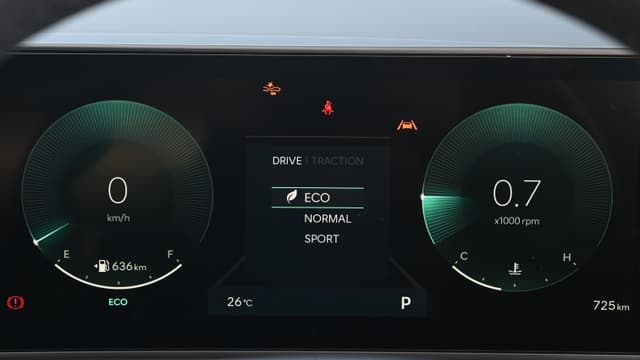
Go for the new Hyundai Venue 1.0 Turbo-petrol DCT HX5 or HX6. It is powered by a good and proven powertrain. Fuel efficiency is at par with what rivals offer in this segment, and there's also an Eco mode, to maximize efficiency. Furthermore, it has scored A BNCAP 5-star safety rating, and it gets features like sunroof, twin-screens, etc. Hyundai's service network is widespread, and overall, your ownership experience is likely to be fuss-free.You could also consider a Skoda Kylaq Signature Plus AT, which will feel more confident to drive on the highway, and it also packs all the goodies that the Hyundai offers.
I am looking forward to buying a car, for which my budget is 12 lakhs. I do not drive, and my daily commute is around 90 kms, of which 70% within the city. I can stretch my budget till 14 lakhs if I get the value for my money in terms of rear seat comfort and mileage. I want to buy a petrol car with a manual transmission. What would be my choice of car if I want to avoid entry-level models?
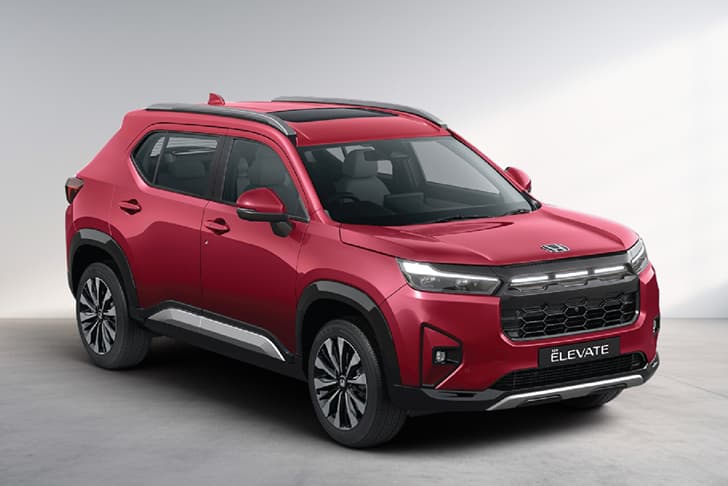
Consider the Hyundai Venue HX5+ with the 1.2 petrol manual. It fits comfortably in your budget, has a spacious and comfortable back seat and gets features like rear AC vents and a rear window sunshade. If you'd like, and even a roomier rear seat, the Kia Syros is a great choice, but it only comes with the turbo petrol, which will be slightly less fuel efficient.Stretching your budget to Rs 14 lakh gets you options from the midsize SUV segment. Among these, the Kia Seltos and the Honda Elevate 1.5 petrol manuals are strong choices. The will be roomier than the Venue, with more comfortable rear seats, and will be relatively fuel efficient in the city. However, your budget will get you the lower-end trims, which may lack some features. Alternatively, you could consider the Honda City.Overall, for your budget, the Venue is a great fit.
I am planning to buy a new car within a budget of Rs. 12 lakh. My final choices are the Kia Sonet and the Hyundai Venue. I am a little confused about which one to choose, as I plan to make the purchase within the next 30 days. The car will be used primarily for highway driving, and good fuel efficiency is one of my key requirements. Safety and build quality are also important factors for me. Which one would you recommend?
Go for the Hyundai Venue. It sits on the newer platform and has a 5-star Bharat NCAP rating. It also has the better back seat among the two, which helps on long trips with family, and the cabin feels a touch more airy. For highway-heavy use you could consider the 1.5 diesel which is refined and gives good real world mileage. The Sonet has the firmer suspension between the two; it isn't as absorbent as the Venue over rough roads, but feels a bit more planted on the highway. If you’re fixed on petrol within Rs. 12 lakh, the Venue is solid pick.
Hyundai Venue price in India
Hyundai Cars


Latest Cars