
Autocar India
3d

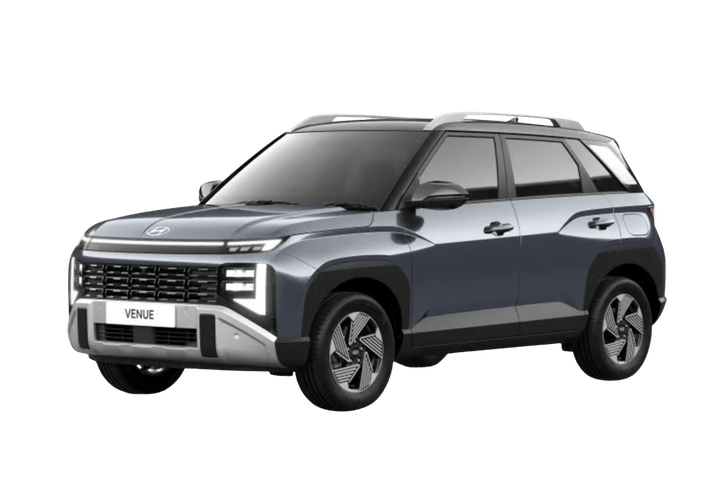
I am planning to buy the Hyundai Venue 1.0L DCT. I have received mixed feedback regarding the DCT transmission. Some people say that DCT gearboxes are prone to overheating in heavy traffic. Is this issue a deal-breaker, or can I continue with my purchase assuming Hyundai has made it sufficiently robust over time?

Verified
17m
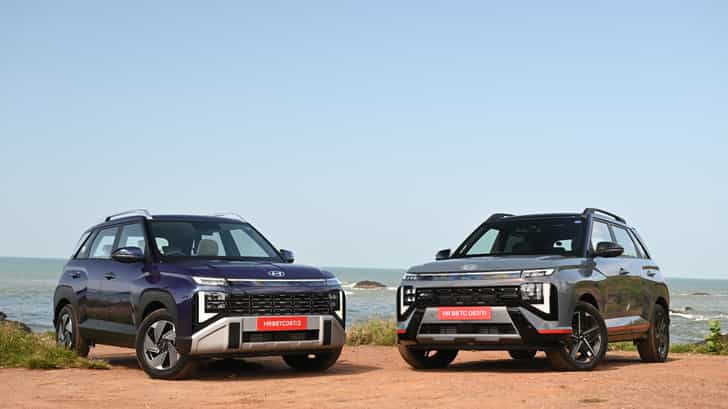
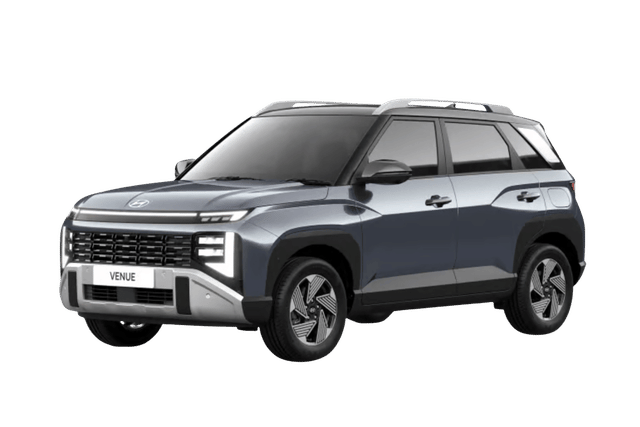
Not a deal-breaker for most buyers, so you can go ahead with the Venue 1.0 DCT if your driving is a mix of city runs and some highway. Hyundai’s current DCT in the Venue has been updated over the years with better software and cooling, and in normal Indian traffic, it works smoothly and shifts quickly, which makes the 1.0 turbo feel lively and easy to drive.
The worry is only in very slow, stop-start crawls for long stretches, especially in hot weather or on steep ramps. This dry-clutch automatic does generate heat if it’s slipping the clutch for ages, and you may see a temperature warning asking you to pause. It’s rare, but possible. If your daily grind is 60-90 minutes of bumper-to-bumper crawling every day, this could be problematic. However, if it involves flowing traffic with only minor jams, the DCT will cope just fine.
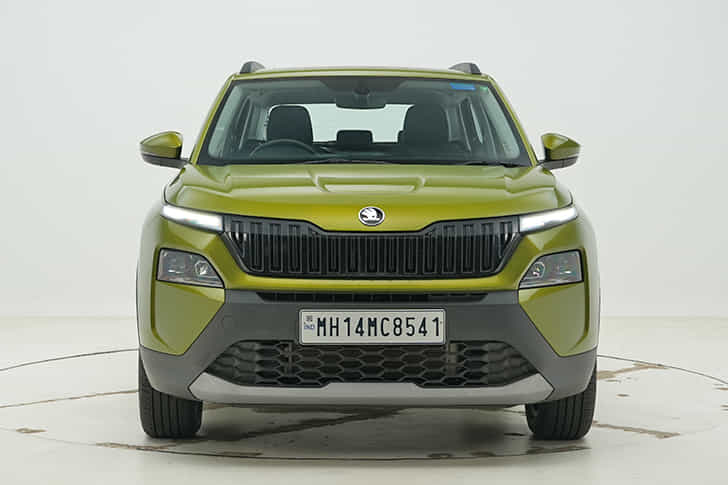
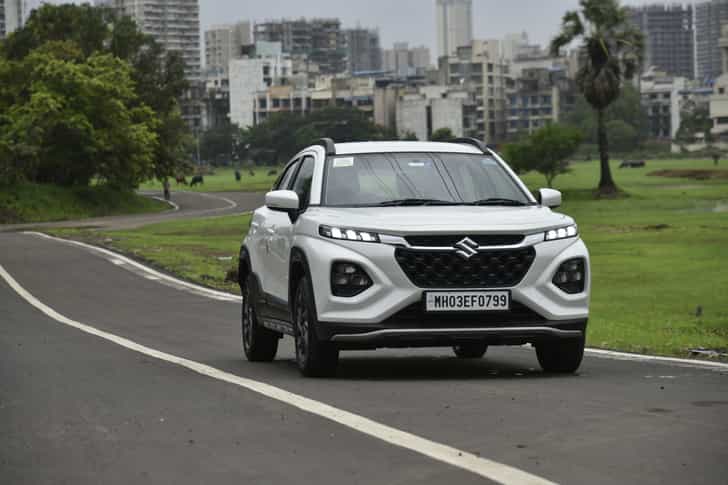
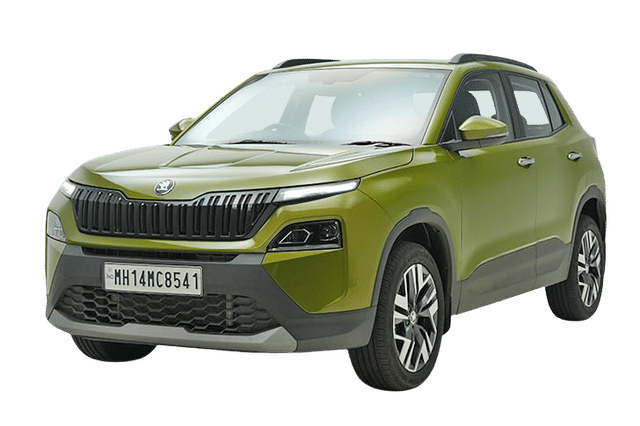
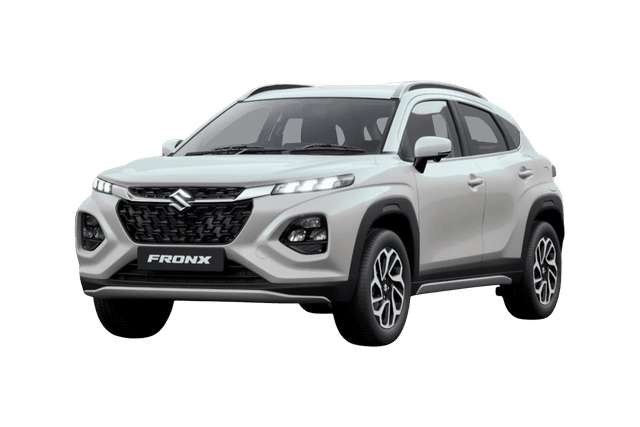
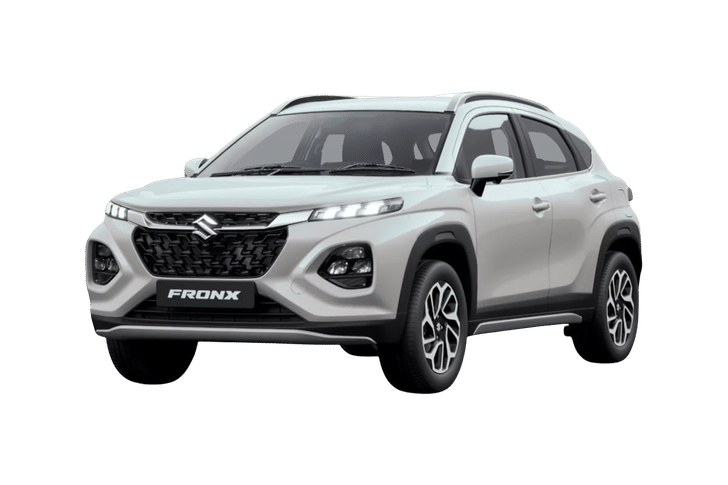
If you are looking for alternatives, both the Skoda Kylaq and the Maruti Suzuki Fronx turbo come with torque converter autos that cope better while crawling in traffic.
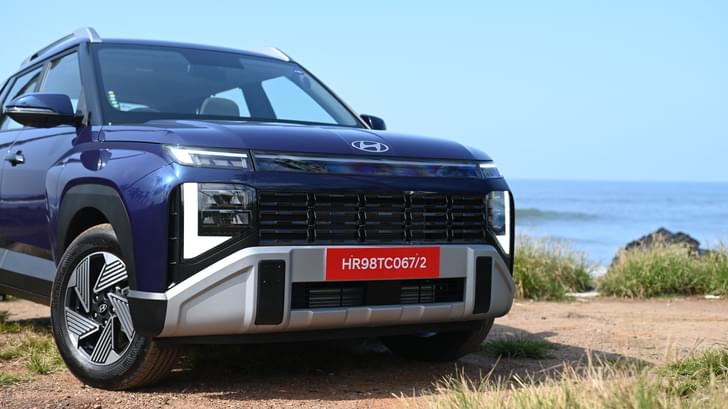
Hyundai Venue

Hyundai Venue

More questions on similar cars

2d

I am planning to buy an automatic SUV for my daily commute. However, I am confused about which variant would be the better choice, especially in terms of long-term service and maintenance costs. I have test-driven the Hyundai Venue DCT and the Nissan Magnite CVT. Could you please guide me on which would be the better option for my usage and whether a CVT or a DCT would be more suitable in the long run? Thank you.

Verified
1d

Pick the Magnite CVT if your life is mostly in city traffic and you want the easier, cheaper long-term option. A CVT suits stop-go better than a DCT, so you get smoother crawling, fewer jerks, and no clutch heat or wear to worry about. Over years, that usually means fewer big bills. Nissan’s 1.0 turbo with the CVT is calm in traffic and, driven gently, can sip less fuel than a DCT in the city. Routine service costs on the Magnite are also quite reasonable, and parts aren’t pricey.The Venue DCT is the quicker, nicer-feeling one when you push it, and Hyundai’s network is wider, but a DCT in heavy traffic can feel a bit snatchy, can run hot, and is simply more complex. Out-of-warranty clutch or mechatronics work will hurt your wallet more than anything you’re likely to face on the CVT.One honest catch with the Magnite CVT: when you floor it, the engine drones and it isn’t as quick for sudden highway overtakes as the Venue DCT. Also check how close your nearest Nissan workshop is. If your use is 90 percent city and you’re watching long-term costs, the Magnite CVT is the safer bet.

VehicleNissan Magnite
VehicleHyundai Venue

Popular discussions right now

3d

I am planning to purchase a new automatic car for my daughter. She recently obtained her driving license and is currently driving an automatic Tata Nano. Now that she is comfortable and confident with it, I am considering upgrading her to a larger vehicle. I am evaluating options such as the Kylaq and the Kia Sonet. However, my wife is insisting on an electric car. I am a bit sceptical about EVs, as they are not yet fully proven to be trouble‑free, and her weekly commute is around 150 km. I am also waiting for the launch of the updated Brezza, and my preference is for a torque‑converter automatic rather than a DCT. I would appreciate your opinion on electric cars, the Kia Sonet diesel, the Brezza, and which one I should go for. This car will be mostly used for city drives since I have an Ertiga manual for long trips.

Verified
2d

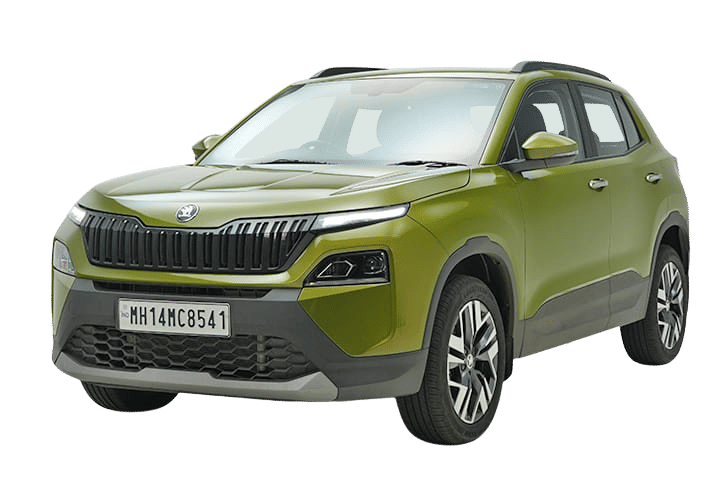
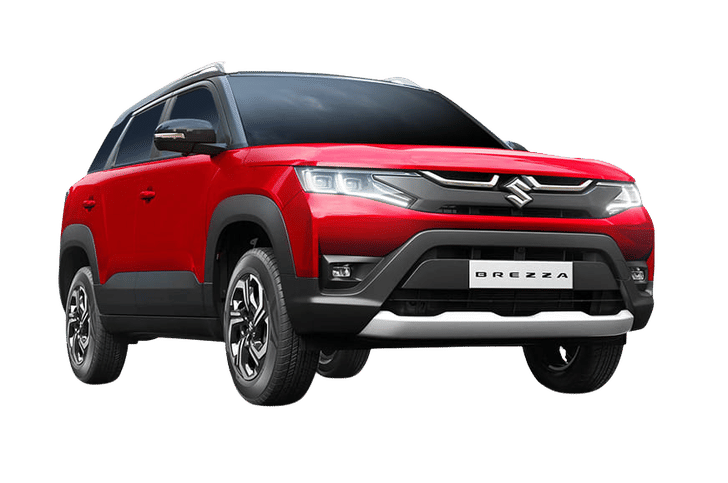
Of your shortlisted cars, go for the Skoda Kylaq automatic. For mostly city use and just 150km a week, its punchy turbo petrol engine with a smooth torque converter is a great mix of fun and ease of use. Its light yet sharp steering, upright seating and compact size feel like a natural step up from a Nano, and the interior feels fresh and upmarket too.The Kia Sonet diesel automatic is quick and efficient, but a diesel engine is overkill for your daughter's limited usage. Not only is it pound-for-pound more expensive than an equivalent petrol to buy, but it also requires extra care, such as regenerating the DPF (diesel particulate filter) every so often via a high-speed run, as well as top-ups of the ad-blue tank. The Brezza is a good option thanks to its simple, naturally aspirated engine, which should deliver better fuel economy than the Kylaq. But in its current form, it's just a bit uninteresting and unenthusiastic an offering, and it's best to wait for the facelift, which is right around the corner, before making that decision.For 150 km a week, an electric car is actually ideal if you have a private parking spot with a 15A socket or a home charger. The powertrains these days are much smoother, batteries carry long warranties, and city running is silent and cheap. Upfront cost, charging access and resale value are the only real hurdles, so if you are interested, a compact EV like the Tata Punch EV is a great option.

VehicleSkoda Kylaq
VehicleKia Sonet
VehicleMaruti Suzuki Brezza
VehicleTata Punch EV

Posted on: 18 Jun 2026