
Autocar India
3d

Hello, I am looking to buy a sub-4-metre car and will be a first-time car buyer. My daily running is around 40-50 km, with a 60:40 highway-to-city usage ratio. My priorities are good fuel efficiency, low running costs, low maintenance costs, and a comfortable driving experience. I would also like to know whether it is better to buy a diesel or petrol car at the moment. I am concerned about E20 fuel compatibility issues with petrol cars and DPF-related issues with diesel cars. I am quite confused and would appreciate your advice.

Verified
12m

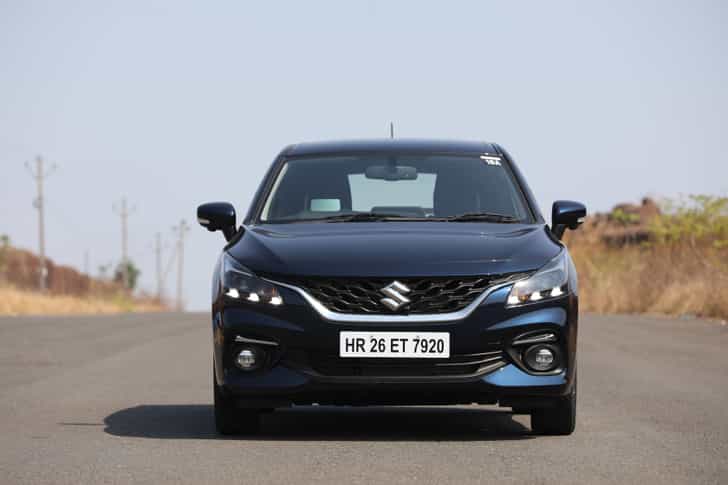
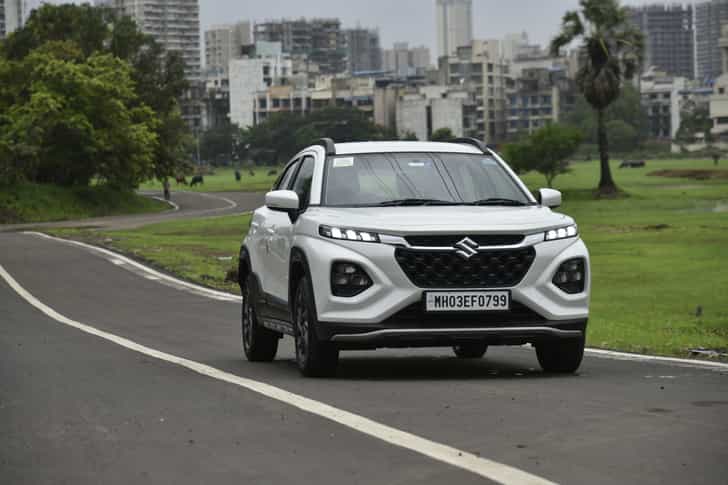
Consider the Maruti Suzuki Baleno petrol. With 40-50km a day and mostly highway driving, it delivers very good real-world fuel efficiency, keeps service bills low, and rides comfortably over bad patches. If you prefer a slightly higher seating position, then the Fronx is a good choice too. Both are E20-ready, and Maruti has done a good job calibrating its engines to run on E20 fuel, so efficiency remains competitive. When higher ethanol blends eventually roll out, you can still expect some drop in fuel economy, though most modern cars are already material-compatible with ethanol blends beyond E20.

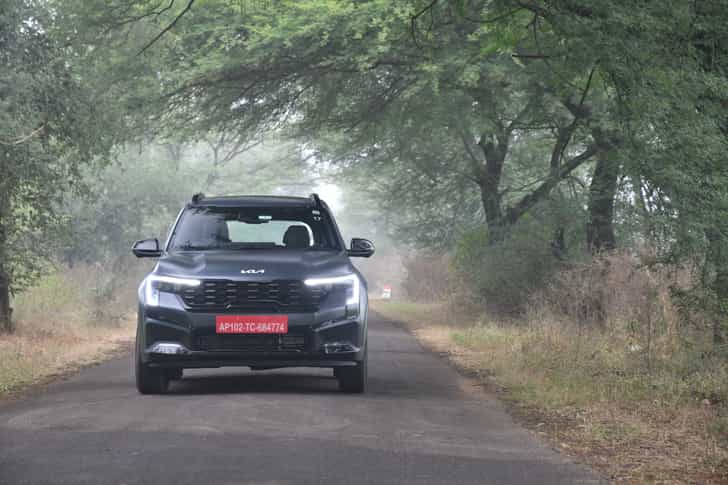
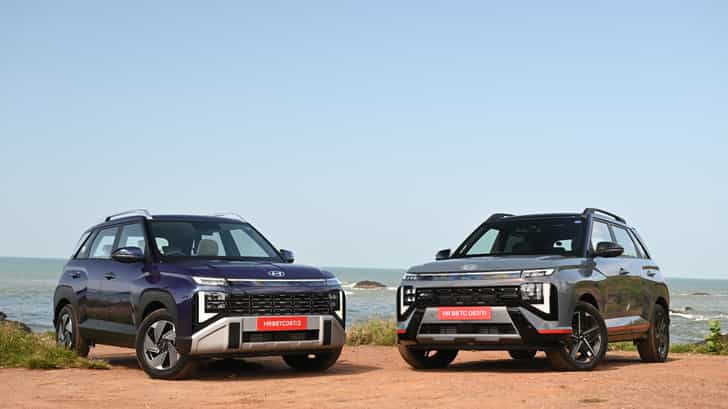
For your usage, petrol makes more sense. However, if you expect your running to increase significantly, particularly on the highway, then the Kia Sonet diesel or Hyundai Venue diesel would be worth considering.
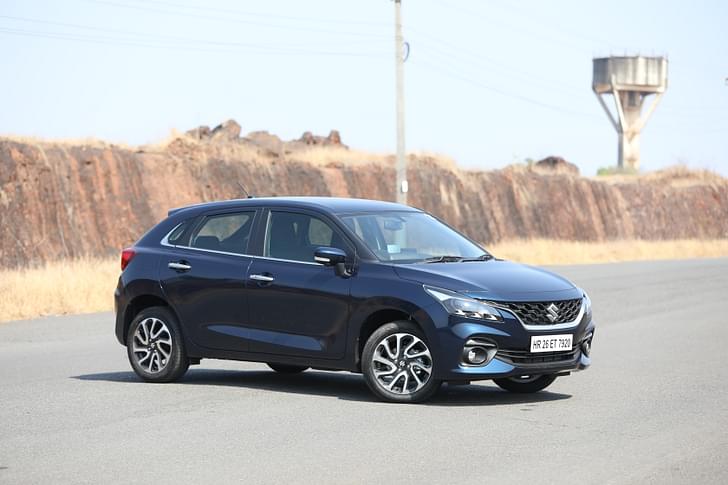
Maruti Suzuki Baleno

Maruti Suzuki Baleno

More questions on similar cars

7h

I currently own a Hyundai Verna (2019, manual transmission). My wife would prefer an automatic vehicle, and it will be her first car. I am also planning to upgrade to a luxury vehicle in the future. However, instead of purchasing two vehicles immediately, I am considering buying one car for my wife first, allowing her to get comfortable with it for about a year, and then purchasing another vehicle later. My plan is to sell the Verna, buy a new car for her, and share the same vehicle for some time. I am considering Volkswagen Taigun, Toyota Urban Cruiser Hyryder, Renault Duster, Kia Seltos and Kia Sonet. Among these, I am looking at the automatic variants. My budget is up to Rs. 20 lakh, although I can stretch it to Rs. 25 lakh if the car is particularly compelling. The primary use case will be daily office commutes of around 8-15 km, including dropping off my son on the way, so ISOFIX child-seat mounts are essential. We also take occasional highway trips, typically once every three months. Considering these requirements, which option would you recommend?

Verified
4h

The Kia Seltos 1.5 Petrol IVT would be the recommendation here. Since this will be your wife's first automatic car and you'll both be sharing it for some time, ease of driving should be a key consideration. The Seltos' naturally aspirated petrol engine and IVT automatic combination is exceptionally smooth in city traffic, making it very beginner-friendly. It is also spacious, comfortable on long drives, comes with ISOFIX mounts and feels premium enough that you won't feel the need to upgrade immediately.The Toyota Urban Cruiser Hyryder Mild Hybrid Automatic is another strong option. Its naturally aspirated petrol engine and torque-converter automatic are smooth and dependable, while Toyota's ownership experience is among the best in the business. However, it doesn't feel quite as premium or feature-rich as the Seltos.The Renault Duster Turbo DCT is appealing if you enjoy driving. It offers strong performance, a solid feel and excellent road manners. However, the DCT transmission is not as smooth in stop-start city traffic as the Seltos' IVT, which is an important consideration for a first-time automatic driver. It is also likely to be less fuel efficient than the Seltos in everyday use.The Volkswagen Taigun remains a great driver's car, but for your specific use case, the Seltos is the more rounded family package. The Sonet is a good SUV, but it feels a size smaller than the others on your shortlist.

VehicleKia Seltos
VehicleRenault Duster
VehicleVolkswagen Taigun
VehicleKia Sonet
VehicleToyota Urban Cruiser Hyryder

Popular discussions right now

2d

I am planning to purchase a new automatic car for my daughter. She recently obtained her driving license and is currently driving an automatic Tata Nano. Now that she is comfortable and confident with it, I am considering upgrading her to a larger vehicle. I am evaluating options such as the Kylaq and the Kia Sonet. However, my wife is insisting on an electric car. I am a bit sceptical about EVs, as they are not yet fully proven to be trouble‑free, and her weekly commute is around 150 km. I am also waiting for the launch of the updated Brezza, and my preference is for a torque‑converter automatic rather than a DCT. I would appreciate your opinion on electric cars, the Kia Sonet diesel, the Brezza, and which one I should go for. This car will be mostly used for city drives since I have an Ertiga manual for long trips.

Verified
1d

Of your shortlisted cars, go for the Skoda Kylaq automatic. For mostly city use and just 150km a week, its punchy turbo petrol engine with a smooth torque converter is a great mix of fun and ease of use. Its light yet sharp steering, upright seating and compact size feel like a natural step up from a Nano, and the interior feels fresh and upmarket too.The Kia Sonet diesel automatic is quick and efficient, but a diesel engine is overkill for your daughter's limited usage. Not only is it pound-for-pound more expensive than an equivalent petrol to buy, but it also requires extra care, such as regenerating the DPF (diesel particulate filter) every so often via a high-speed run, as well as top-ups of the ad-blue tank. The Brezza is a good option thanks to its simple, naturally aspirated engine, which should deliver better fuel economy than the Kylaq. But in its current form, it's just a bit uninteresting and unenthusiastic an offering, and it's best to wait for the facelift, which is right around the corner, before making that decision.For 150 km a week, an electric car is actually ideal if you have a private parking spot with a 15A socket or a home charger. The powertrains these days are much smoother, batteries carry long warranties, and city running is silent and cheap. Upfront cost, charging access and resale value are the only real hurdles, so if you are interested, a compact EV like the Tata Punch EV is a great option.

VehicleSkoda Kylaq
VehicleKia Sonet
VehicleMaruti Suzuki Brezza
VehicleTata Punch EV

Posted on: 17 Jun 2026