
Last Updated on: 17 Sep 2026
Volkswagen Virtus
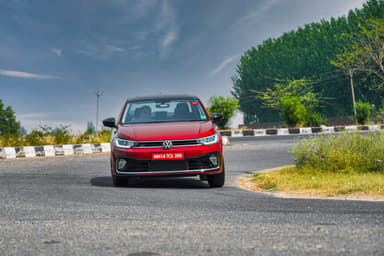
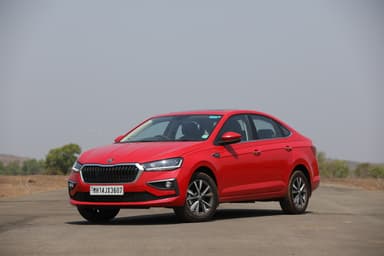
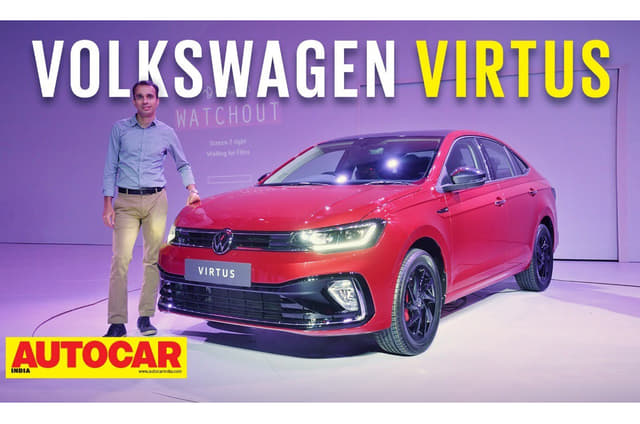
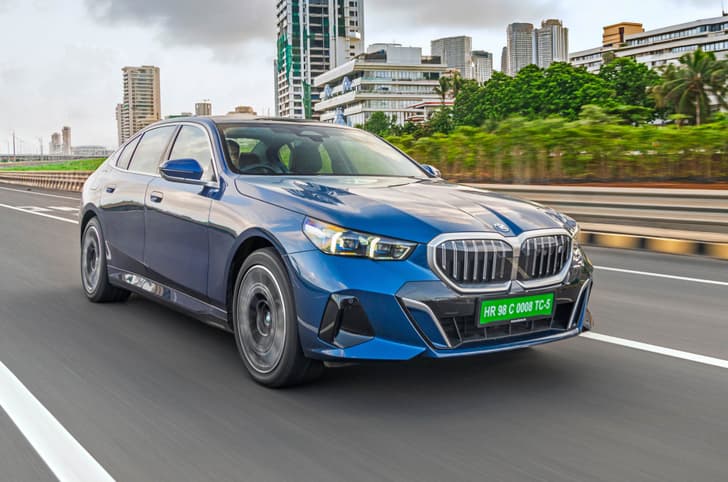
The Volkswagen Virtus is a midsize sedan which is a rebadged version of the Skoda Slavia, known for offering an enthusiastic driving experience at a reasonable price. The VW Virtus is priced from ₹10.71 lakh to ₹19.20 lakh (ex-showroom).
The 2026 Volkswagen Virtus is offered in 11 variants, divided into six trims: Comfortline, Highline, Highline Plus, Topline, GT Line, and GT Plus.
The VW Virtus is offered with two turbo-petrol engine options:
- 1.0-litre 3-cylinder turbo-petrol: 115hp, 172Nm; available with a 6-speed manual and 6-speed automatic (torque converter) transmission
- 1.5-litre 4-cylinder turbo-petrol: 150hp, 250Nm; available with a 7-speed DCT
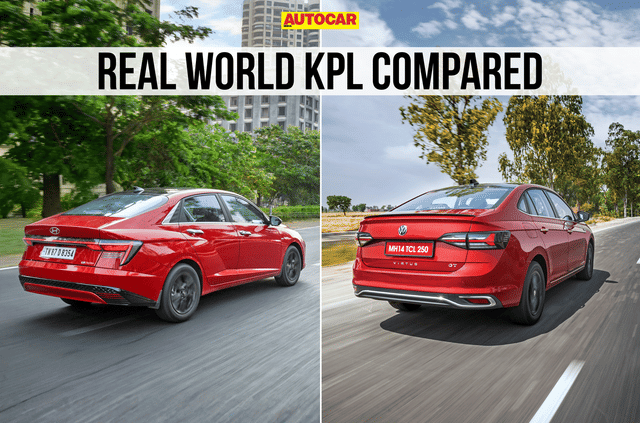
The Volkswagen Virtus mileage is decent in its class, with the 1.0L 3-cylinder engine offering up to 20.19kpl mileage and the 1.5L 4-cylinder engine offering a claimed fuel efficiency of 19.62kpl.
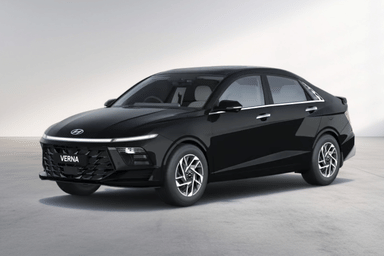
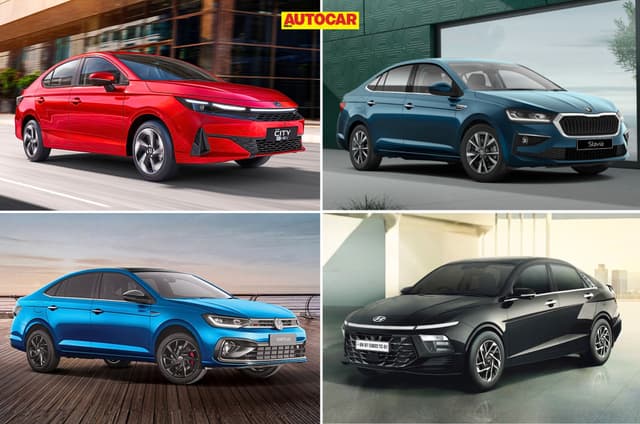
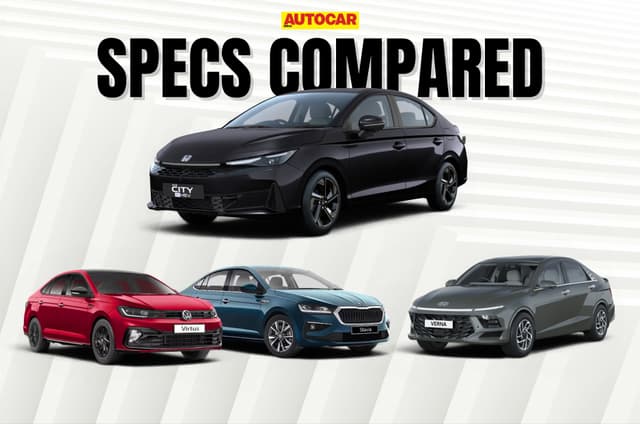
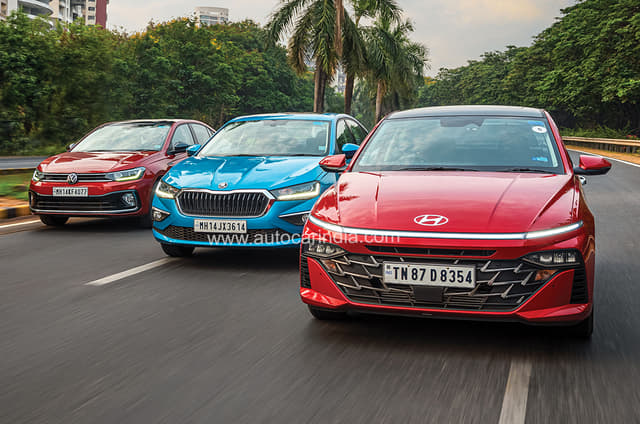
The Volkswagen Virtus rivals the Honda City, Hyundai Verna and Skoda Slavia.
Key Highlights of the Volkswagen Virtus:
- The Volkswagen Virtus is a midsize SUV rivalling the Honda City, Hyundai Verna and Skoda Slavia.
- It measures 4561mm in length, 1752mm in width, 1501mm in height and has a 2651mm wheelbase.
- It gets a high 179mm of ground clearance, which is well-suited for Indian road conditions.
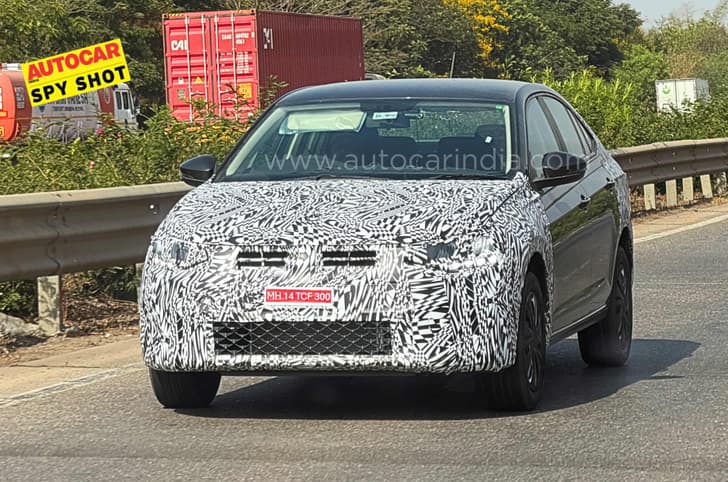
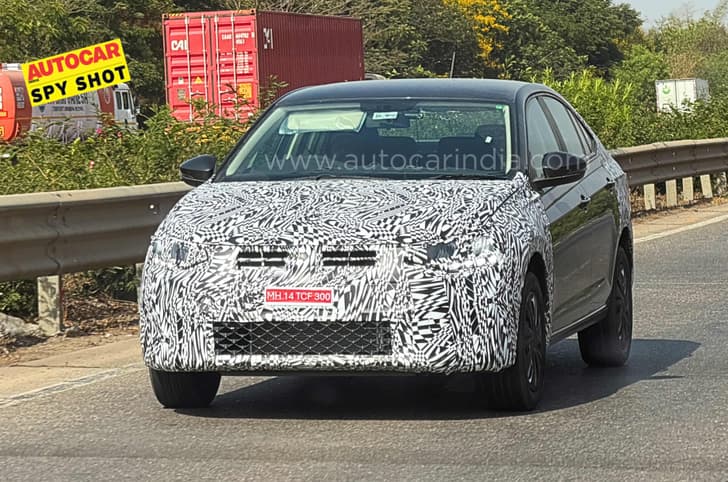
- It was launched in 2022, and is expected to get a facelift in 2026.
- The Virtus facelift could come with slight exterior and interior design revisions and a couple of new features, including ADAS.
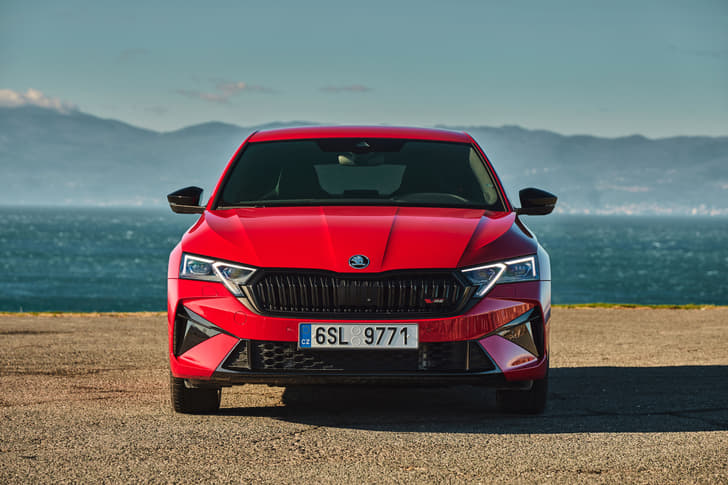
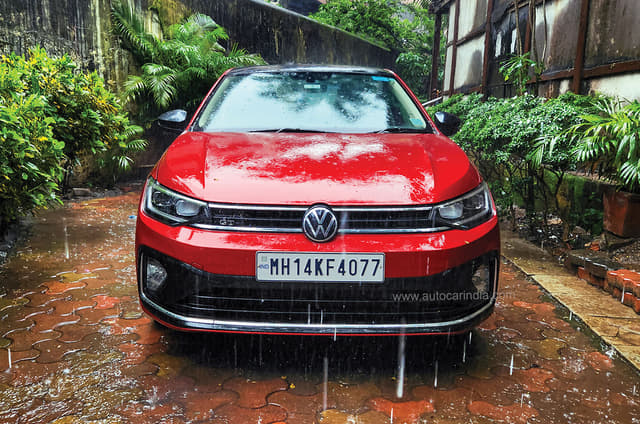
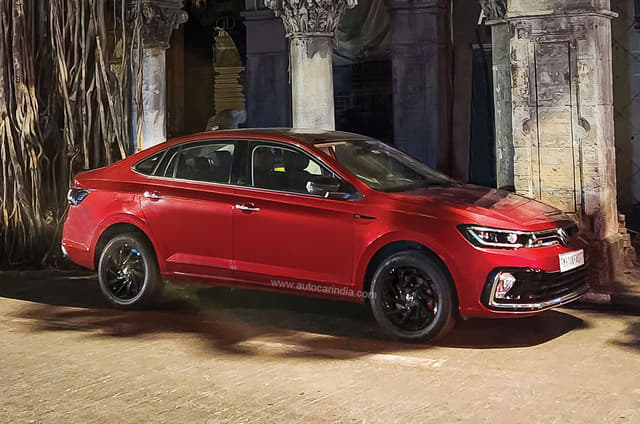
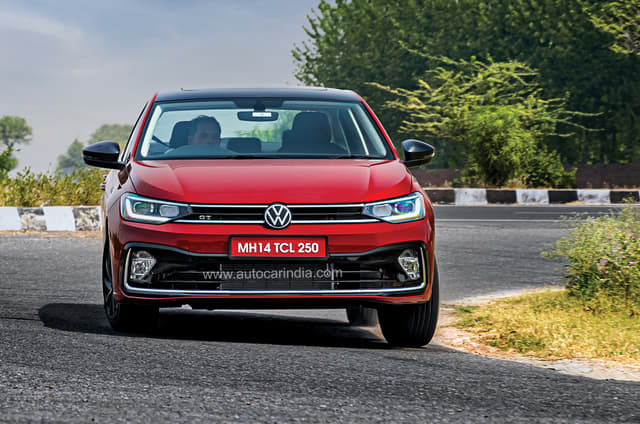
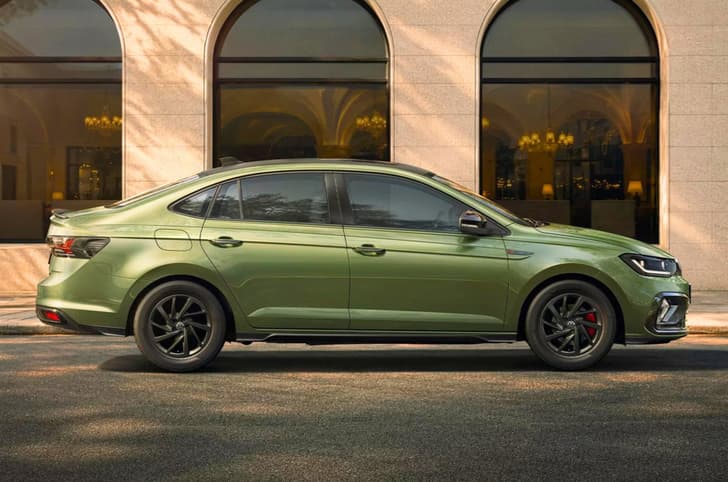
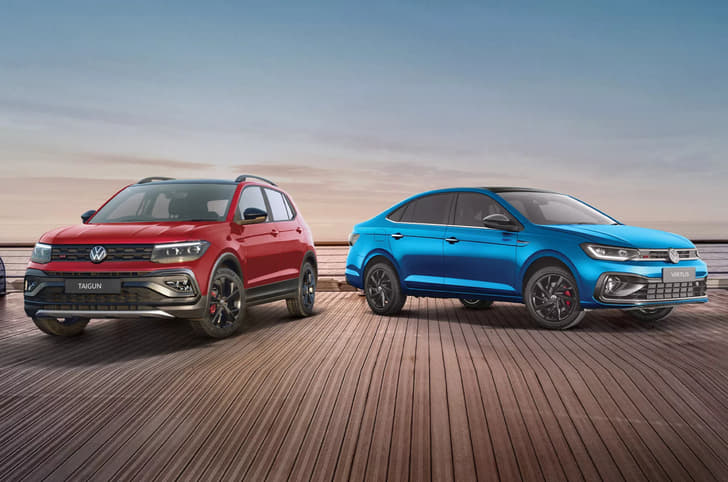
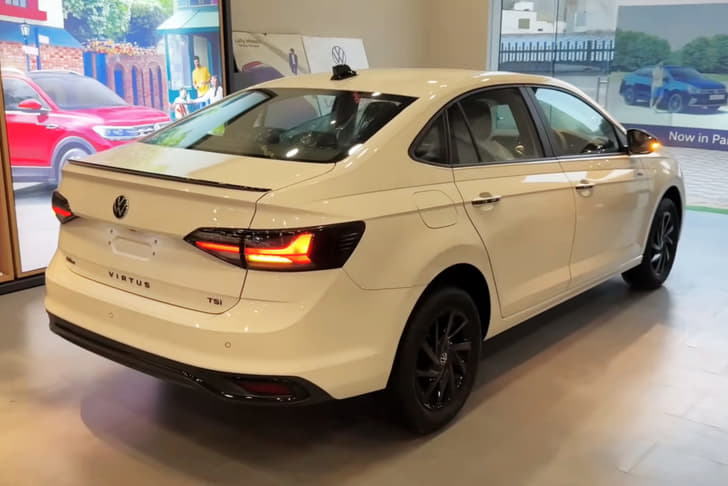
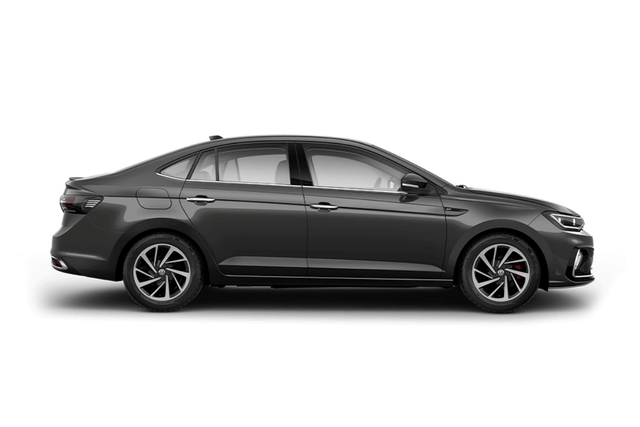
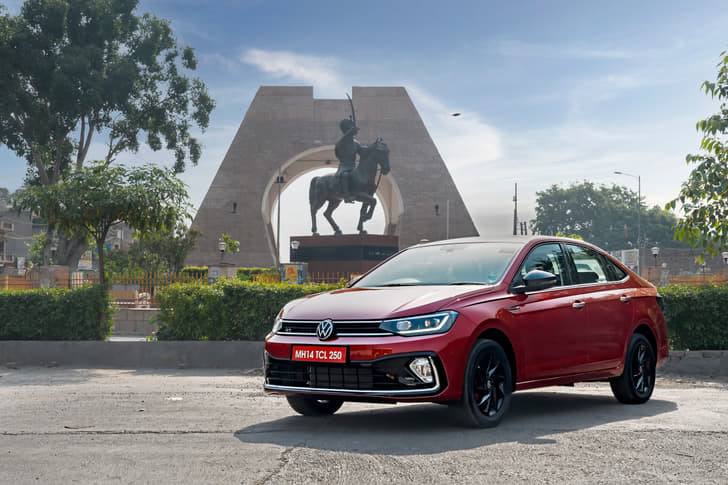
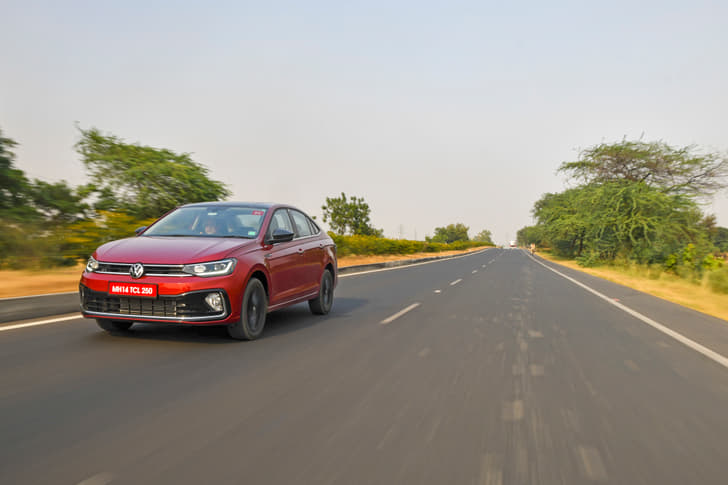
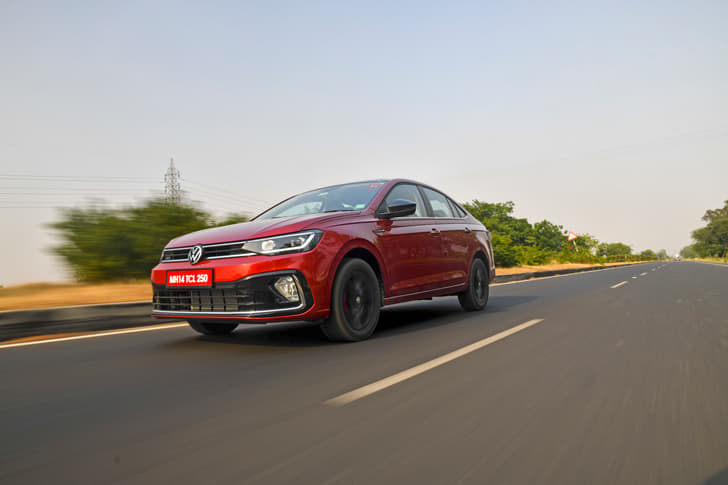
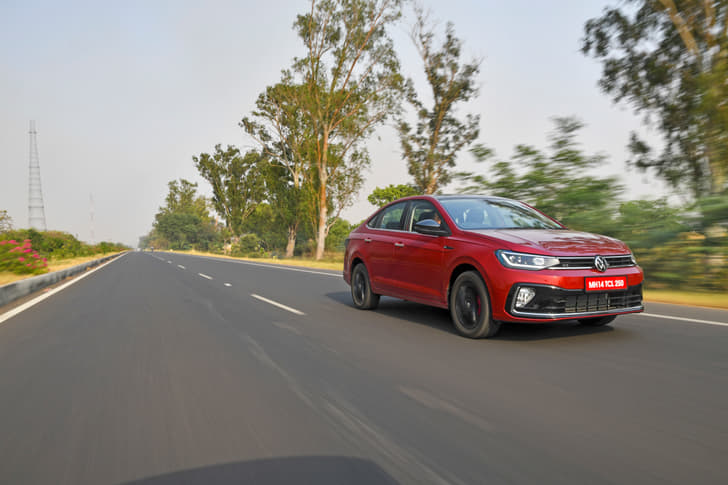
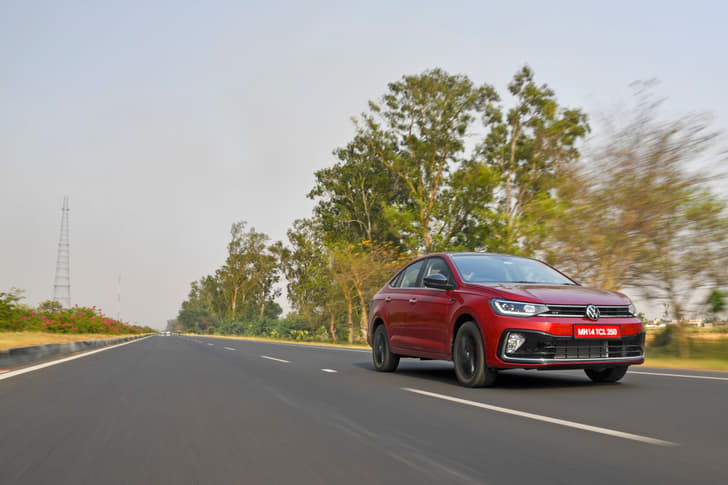
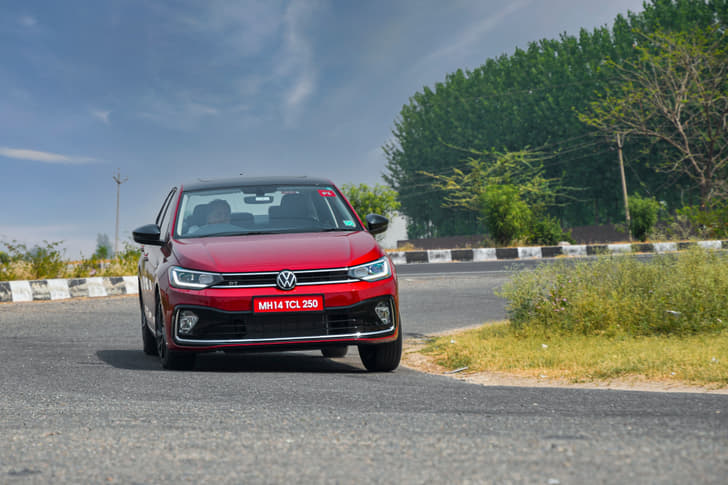
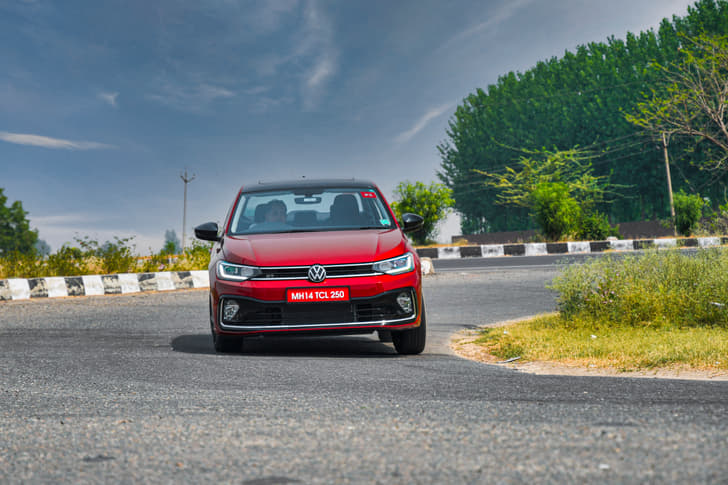
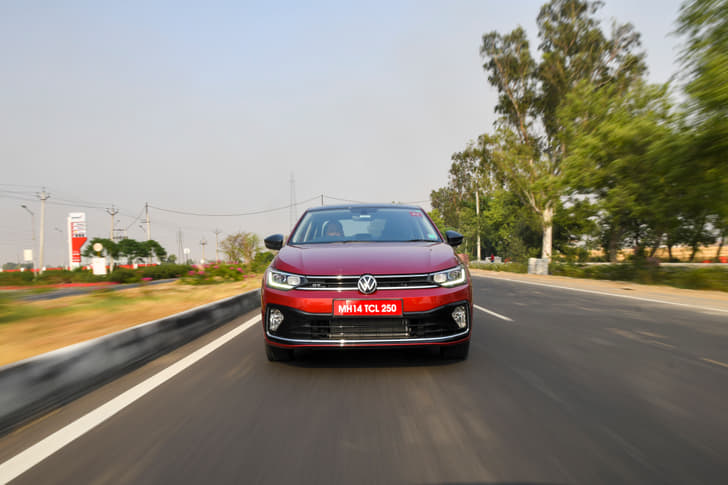
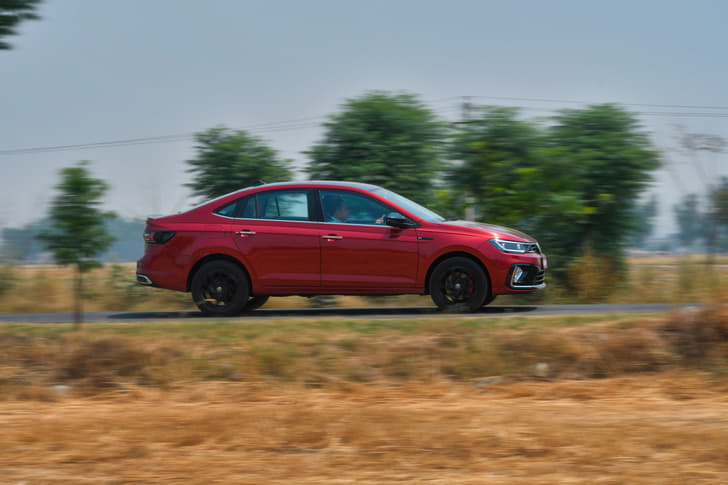
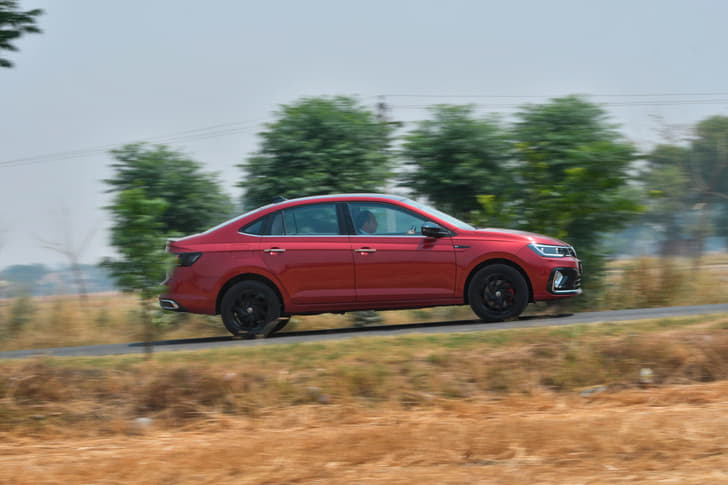
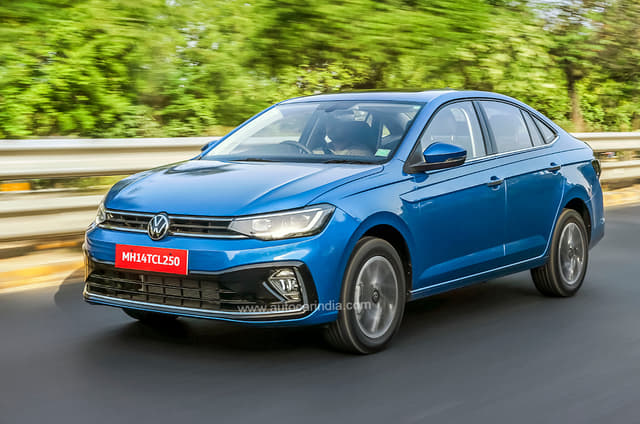
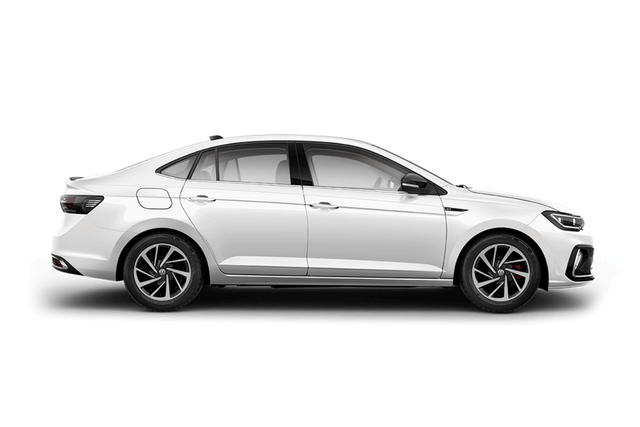
- The Virtus gets a sleek and sharp design with an aggressive-looking front decked with LED headlamps, and a chrome finish on the grille, along with strong lines on the sides and sporty tail lamps with a smoke effect.
- The interiors come in a dual-tone theme and 5 seats with a leatherette upholstery.
- Currently, the Virtus gets a 10.1-inch infotainment, an 8-inch digital driver’s display, 8 speakers, powered and ventilated front seats, a single-pane sunroof, a wireless phone charger, auto AC with rear vents and a cooled glovebox.
- In terms of safety, it gets 6 airbags as standard, auto-dimming IRVM, front and rear fog lamps, automatic headlights and wipers, and a rear defogger.
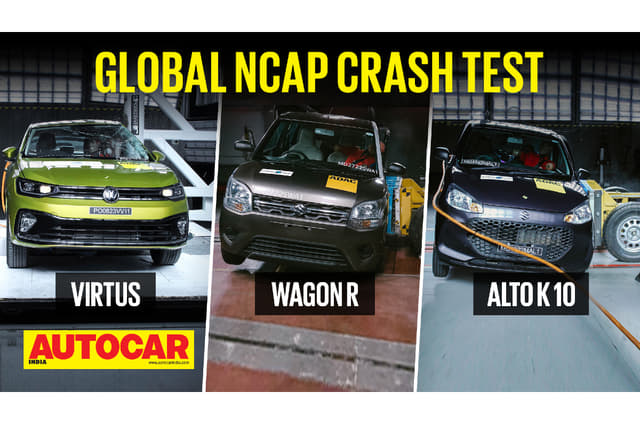
- The Virtus has scored a 5-star Global NCAP crash safety rating for both adult and child occupant protection tests.
Volkswagen Virtus Latest Updates
- 07 Apr 2026: 2026 Volkswagen Virtus facelift spotted testing for the first time.
Volkswagen Virtus Features and specifications
Our Rating | 8 |
Mileage | 18.7 kmpl - 20.19 kmpl |
Engine | 999 cc - 1498 cc |
Fuel Type | Petrol |
Transmission | Manual, Torque Converter, DCT |
Seats | 5 |
Body Style | Sedan |
Doors | 4 |
Max Power | 150hp at 5000-6000 rpm |
Max Torque | 250Nm at 1600-3500 rpm |
Warranty Distance | 100000 km |
Warranty Duration | 4 Years |
| Engine Type | Turbocharged |
| Engine Displacement | 1498 cc |
| Number of Cylinders | 4 |
| Engine Installation | Front |
| Fuel Supply System | Direct Injection |
| E20 Compatibility | Yes |
| Emission Standard | Bharat Stage VI |
| Auto Start/Stop | Yes |
| Front Suspension Type | Independent, MacPherson Strut |
| Front Springs | Coil Springs |
| Rear Suspension Type | Non-independent, Torsion Beam |
| Rear Springs | Coil Springs |
| Length | 4561 mm |
| Width | 1752 mm |
| Height | 1507 mm |
| Wheelbase | 2651 mm |
| Power Windows | Front and Rear |
| 12 Volt Port | |
| Bluetooth Connectivity | |
| Bottle Holder in Doors |
| Crash Test Rating | 5 |
| Airbags | 6 |
| Curtain Airbag | |
| Dashcam |
| Body Coloured Bumpers | |
| Antenna | Shark Fin |
| Cornering Headlights | |
| Follow Me Home Headlamps |
| Speedometer | Digital |
| Tachometer | Digital |
| Trip Meter | |
| Average Fuel Consumption |
| Audio System | |
| Branded Music System | |
| CD Player | |
| Speakers | 8 |
| Alexa Compatibility | |
| Car Light Flashing & Honking via App | |
| Check Vehicle Status via App | |
| Emergency Call Button |
Volkswagen Virtus price & variants
The Volkswagen Virtus variants include 11 choices, priced from ₹10.71 lakh to ₹19.20 lakh (ex-showroom).
The Volkswagen Virtus on road price in Dhar starts from ₹12.21 lakh for the base-spec Comfortline MT variant, and go up to ₹21.89 lakh for the top-spec GT Plus Sport AT.
Volkswagen Virtus Expert Review
We like
Tough build
Ride and handling
We don't like
Some poor interior bits
No diesel or hybrid option
8
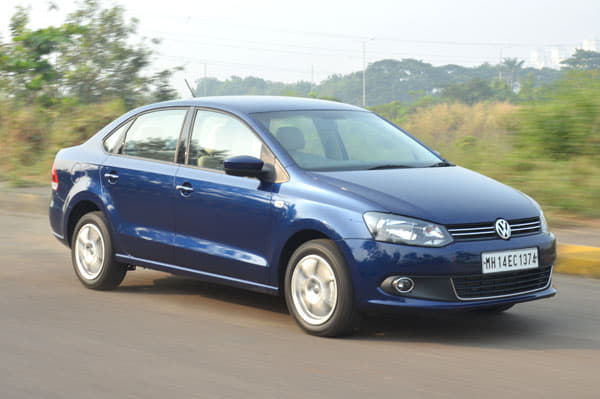
The Volkswagen Virtus replaces the long-serving Vento and immediately feels like a much more substantial sedan. Built on the MQB A0 IN platform, the Virtus is larger in every measurable way and has proportions that make it look almost like a downsized Jetta.
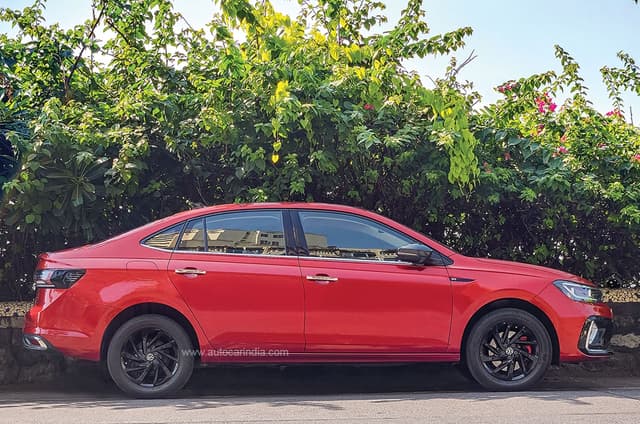
Volkswagen has gone for a mature and elegant design rather than a flashy one. The squared nose, clean body surfaces and restrained use of chrome give it a premium feel. Details such as the L-shaped LED DRLs and blacked-out tail-lamps add sophistication, while GT variants get black alloy wheels and subtle sporty touches.
8
Inside, the Virtus feels distinctly premium for the segment. The dashboard design is clean and well integrated, with a touchscreen and digital instrument cluster giving it a modern appearance. Material quality is generally impressive, especially on the upper dashboard and steering wheel, though some lower plastics feel basic.
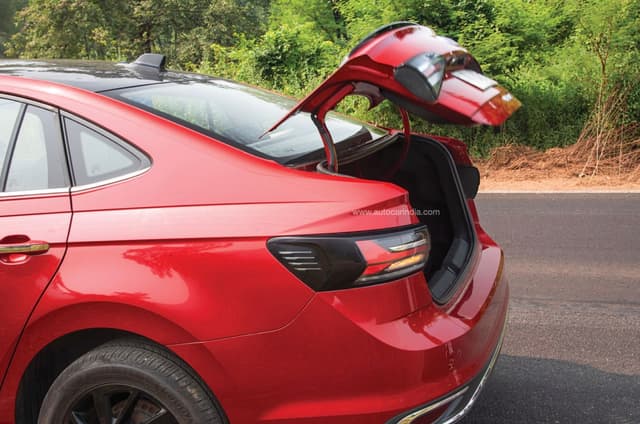
Front seats are large, supportive and comfortable, while visibility is excellent despite the sedan body style. The wide sunroof helps make the cabin feel airy. Rear-seat comfort is another highlight, with generous legroom and good under-thigh support. While three adults abreast can feel tight, the cabin still feels spacious overall. Practicality is strong too, thanks to a massive 521-litre boot.
8
The Virtus offers two turbo-petrol engines. The 1.0-litre TSI produces 115hp and 178Nm, while the more powerful 1.5-litre TSI delivers 150hp and 250Nm.
The 1.0 TSI impresses with its eagerness and responsiveness. Paired with the torque-converter automatic, it feels lively in city driving and performs better than expected for its size. There is some three-cylinder grumble at low speeds, but overall refinement remains good.
The 1.5 TSI DSG is the enthusiast’s choice. Power builds strongly and linearly, and performance feels genuinely quick. The gearbox occasionally pauses to protect the clutches, but once moving, acceleration is searing. Cylinder deactivation technology also helps improve efficiency without affecting refinement.
7
Volkswagen claims efficiency figures between 18.7kmpl and 20.1kmpl, depending on the engine and gearbox combination. The 1.5 TSI benefits from cylinder deactivation technology, helping improve fuel economy during relaxed cruising.
8
Ride and handling are where the Virtus truly shines. The suspension absorbs poor roads confidently while maintaining excellent body control. Even over sharp-edged potholes, the car remains composed.
The 1.0 TSI feels lighter and slightly keener into corners, while the 1.5 TSI trades some agility for outright pace. Despite its 179mm ground clearance, the Virtus feels stable and confidence inspiring at high speeds.
8
The Virtus comes equipped with features such as a touchscreen infotainment system, wireless Android Auto and Apple CarPlay, ventilated front seats, wireless charging and a digital instrument cluster.
Safety equipment includes ESC, multiple airbags, TPMS and a strong structural package. The solid build quality further enhances the sense of safety and robustness.
7
Priced between Rs 10.49 lakh and Rs 19 lakh (ex-showroom), the Virtus competes with the Honda City, Hyundai Verna and Skoda Slavia.
The lack of diesel or hybrid options may limit its appeal for some buyers, but the Virtus compensates with strong performance, excellent ride and handling, solid build quality and a genuinely premium feel.
Reviewed by: Shapur Kotwal
Volkswagen Virtus Official Brochure
Download the complete brochure with specs, features, and variants.
Volkswagen Virtus User Reviews
Tell us about your experience
Volkswagen Virtus reviews

Volkswagen Virtus comparison

Volkswagen Virtus Mileage
The Volkswagen Virtus mileage is decent in its class, with the 1.0L 3-cylinder engine offering 20.19kpl with the manual transmission and 18.70kpl with the automatic gearbox.
The 1.5L 4-cylinder engine is offered with a cylinder deactivation technology which allows two cylinders to be turned on and off for higher fuel efficiency at low speeds. This engine with a DCT in the Virtus has a claimed fuel efficiency of 19.62kpl.
| PowertrainThe combination of engine type, fuel, and transmission that powers your vehicle and determines how it drives and what it runs on. | ARAI MileageMileage certified by the government, tested under controlled lab conditions. Real-world mileage will vary. | User Reported MileageMileage figures are reported by vehicle owners and represent the approximate real-world efficiency you may experience. Actual mileage will vary based on driving conditions, habits, and vehicle condition. |
|---|---|---|
Petrol-Manual 999 cc | 20.19 kmpl | 17.04 kmpl |
Petrol-Automatic (Torque Converter) 999 cc | 18.7 kmpl | 17.94 kmpl |
Petrol-Automatic (DCT) 1498 cc | 19.62 kmpl | 17.56 kmpl |

Volkswagen Virtus news
Volkswagen Virtus Images
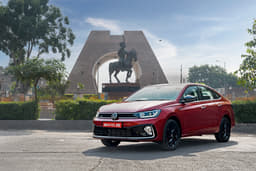
Check out 119 Volkswagen Virtus images in our comprehensive gallery, which showcase its sharp exteriors, sporty interiors and multiple colour choices.

Volkswagen Virtus videos
The Virtus video highlights its fun-to-drive character in a mass market sedan form, and ride characteristics, along with its features


Volkswagen Virtus Colours
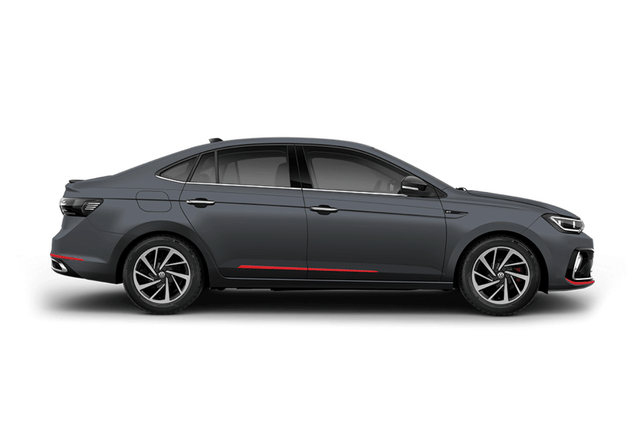
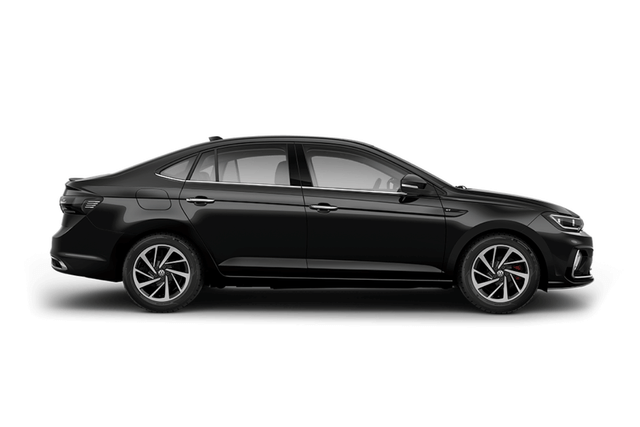
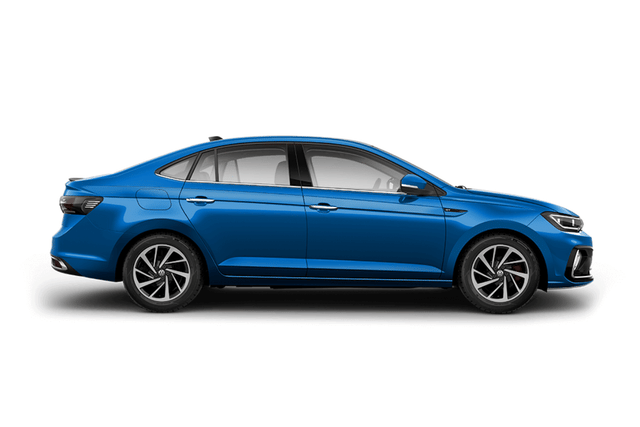
The Volkswagen Virtus colour options include 8 shades, including Candy White, Carbon Steel Grey, Carbon Steel Grey Matte, Deep Black Pearl, Lava Blue, Reflex Silver, Rising Blue Metallic, Wild Cherry Red. These are available across all Virtus variants without restriction.
The Virtus GT Line and GT Plus Sport variants come with black alloy wheels as standard, while all other variants get dual-tone alloy wheels.
Volkswagen Virtus Similar Cars to Explore
Volkswagen Virtus FAQs
The Volkswagen Virtus is mid size sedan that is high on safety and comes with a lot of features and powerful TSI engines.
The Virtus' USPs include elegant looks, sporty engines, and premium interiors.
The Virtus caters to those who want a sporty and elegant sedan with great driving characteristics. Thanks to its substantial 179mm ground clearance, the Virtus also handles Indian roads with little fuss.
The Virtus' suspension is tuned on the firmer side, so it does well to cushion occupants from bumps at city speeds. On the highway, meanwhile, the Virtus feels rock-solid and composed.
Yes, the Virtus is fun-to-drive thanks to its engaging handling characteristics, responsive steering, smooth gearboxes, and enthusiastic turbo-petrol engine options. In this regard, the Virtus 1.5 TSI DSG is our pick of the range.
Space is a highlight in the Virtus' cabin. Front occupants get a wide area and supportive seats, while rear occupants get good legroom and headroom.
Yes, the Virtus has a 179mm ground clearance, which should be able to tackle speedbreakers of any size.
Yes, Volkswagen is working on a Virtus facelift. It's expected to debut in Q4 2026.
Questions you may find useful
Hi, I’m confused between the Skoda Slavia 1.5 TSI DSG and Volkswagen Virtus 1.5 TSI DSG. My usage is mainly highway driving, including around 350 km non-stop from Chennai to Salem, with very little city driving. The car will primarily be used by my family, and I want an automatic only. For this kind of long-distance highway usage, which one would you suggest between the Slavia and Virtus? My main priorities are highway stability, comfortable long-distance driving, engine and gearbox reliability, ride comfort and overall suitability for my usage. Please advise which one would be better suited to my requirements.
Both the Skoda Slavia and Volkswagen Virtus are mechanically identical, so you get the same strong 1.5 TSI engine, the same DSG gearbox and the same excellent highway stability. The differences are purely cosmetic. The 2026 Slavia will be launched soon, and we'd recommend you to consider it simply because it comes with an upgraded air-con unit which is more powerful and more effective than the outgoing unit - something you will appreciate in the summer. The Virtus with the same updates will follow a few months later.
I am looking to buy a new car and am confused between two options: the Renault Duster Techno+ 1.3 DSG and the Volkswagen Virtus 1.0 GT Line. I will be driving the car daily for an office commute of about 20 km. I plan to keep the vehicle for 3 to 4 years and would like to know which one is the better choice in terms of features, resale value, premium feel, driving performance, and overall peace of mind.
Go for the Virtus 1.0 GT Line. With a 20 km daily office commute and a 3-4 year ownership horizon, the Volkswagen Virtus is the more sensible and enjoyable choice. The 1.0 TSI engine paired with the torque converter automatic is smooth, efficient and well-suited to daily driving, while the GT Line trim gives you a genuinely premium feel inside the cabin. The Volkswagen car also offers a more refined ride and a lower centre of gravity, making it more confidence-inspiring on highways and in city traffic.The Duster Techno+ 1.3 DSG is a genuinely appealing driver's car with strong performance and a robust, planted feel, but the 1.3 turbo petrol has 'turbo lag' at low revs, is not as efficient in daily stop-start conditions, and the DSG gearbox is not as smooth as Volkswagen's torque converter automatic. The Duster also doesn't feel as premium inside, and Renault's resale value is unlikely to match Volkswagen's over a 3-4 year ownership period.The Virtus strikes the best balance between premium feel, driving performance, efficiency and overall peace of mind. It is the car you will be happier living with every day.
Upgraded from my old WagonR to a Virtus last month, and the difference in highway stability alone has made every long drive feel like a completely different experience.
Hey team, I wanted to ask about the difference between a 1.5 TSI and a 1-litre TSI for a Volkswagen Virtus in terms of driving pleasure. I have already watched too many videos about it and am pretty confused about which way to go when the facelift eventually arrives. My commute would be a 50/50 split within the city and on the highway. Would be grateful for an enthusiast's take on this. Regards Sabyasachi Mahapatra.
It's simple; if you have the budget for the 1.5 TSI, go for the 1.5 TSI, as it is the superior engine in every way. The 1.0 TSI is a good engine – punchy, smooth and perfectly adequate for everyday driving. If you're keen on a manual gearbox, it will likely be your only option, as VW is unlikely to offer the 1.5 TSI with a manual with the facelift, due to low demand. The 8-speed AT that will come with the 1.0 TSI is a huge improvement on the 6-speed AT that comes with today's model, being smoother and smarter with its shifts. However, it is nowhere near as good as the 1.5 TSI's 7-speed DSG, which is both smarter and quicker with its shifts, and doesn't suffer from the clunkiness that other DCT gearboxes in this price range do. The obvious advantage of the 1.5 TSI is its added power of 150hp (versus 115hp), which makes the Virtus GT an enthusiast's delight, but what many don't realise is that its larger displacement also means it works better off boost. Essentially, you don't feel the turbo lag as much as you do with the 1.0 TSI, which can get bogged down at low speeds and low RPMs. Moreover, the 1.5 TSI has clever cylinder deactivation tech that the 1.0 doesn't have, which shuts down two cylinders under light engine loads to save fuel, so in the real world, it will be potentially more fuel-efficient than the 1.0 TSI AT. The only disadvantage of the 1.5 TSI is that it isn't offered in lower, more affordable trims of the Virtus, and that's likely to be the case with the facelift too. So yes, if you have the budget for it, definitely choose the Virtus 1.5 TSI.
Hi everyone, I have a budget around 13 lakh and my annual running is around 8,000 km. I'm confused between buying a sedan or compact SUV like Kia Seltos etc. as I have sold my Tata Punch last month that I owned almost for 4.5 years but now I want to purchase good and elegant looking car that can last for 7 to 9 year without any hassle. Me and my wife have shortlisted cars like New Honda City SV variant, New Skoda Slavia Base one, or Upcoming Virtus in sedan segment. In suv segment, I have shortlisted cars like Seltos, Grand Vitara, etc. My wife wants to shortlist sedan. Please suggest me which one should I go for as it's the matter of investing my hard earned money. Also, which car will have good resale value in future.
Go for the Honda City SV petrol manual. With your annual running of 8,000km, petrol is the right choice, and the City is one of the most reliable and hassle-free cars you can buy. It is also a car that is known to last well beyond 7-9 years with proper maintenance, which fits your ownership plan. The SV variant gives you the essentials within your budget, and the City’s strong resale value and Honda's wide service network make it a sensible long-term investment.The Skoda Slavia and Volkswagen Virtus are both excellent to drive, but the City is the safer long-term bet. Skoda and Volkswagen have improved their ownership experience, but Honda still has the edge when it comes to reliability and peace of mind over a long ownership period. On the SUV side, the Seltos and Grand Vitara are both good cars, but at your budget you will be looking at base variants, and neither will have as much resale as the City.Since your wife prefers a sedan and you are looking for a car that will last without hassle, the Honda City SV is the best option.
Upcoming Cars


Volkswagen Cars


Trending Cars


Latest Cars