
video|05 Sep 2026
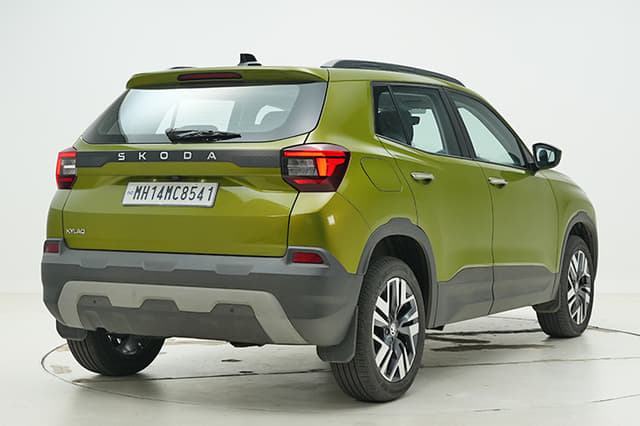
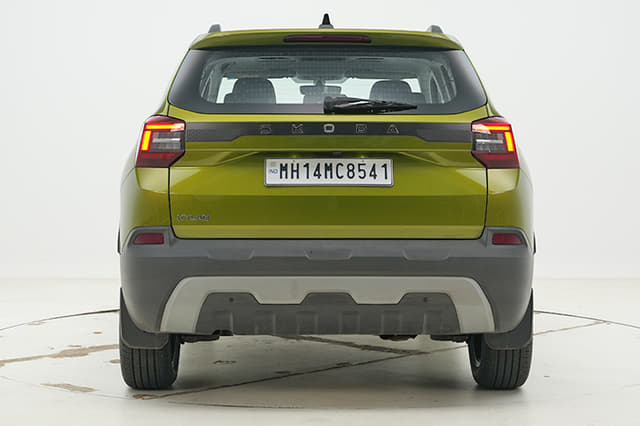
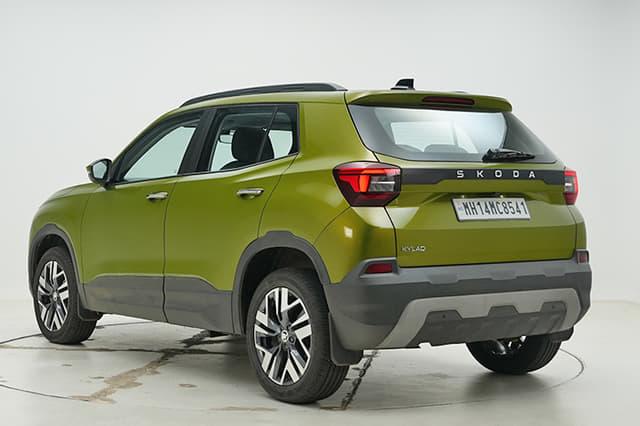
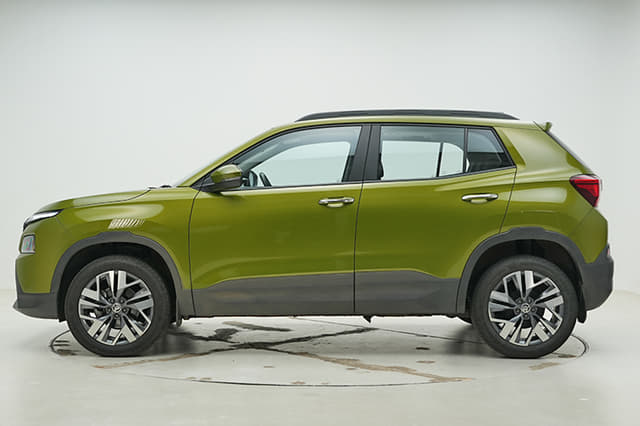
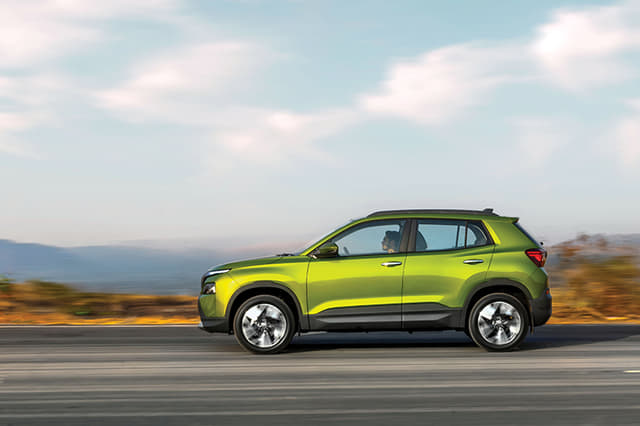
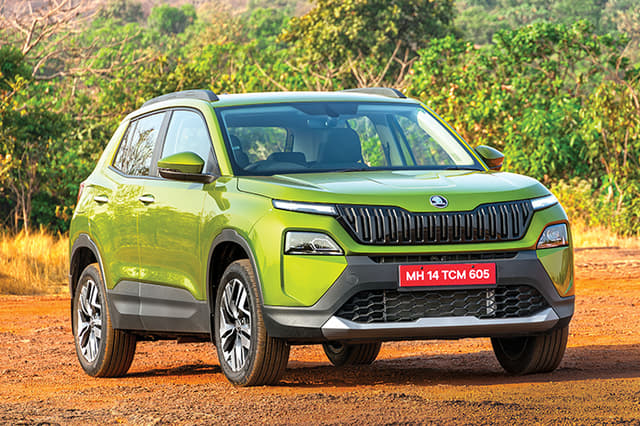
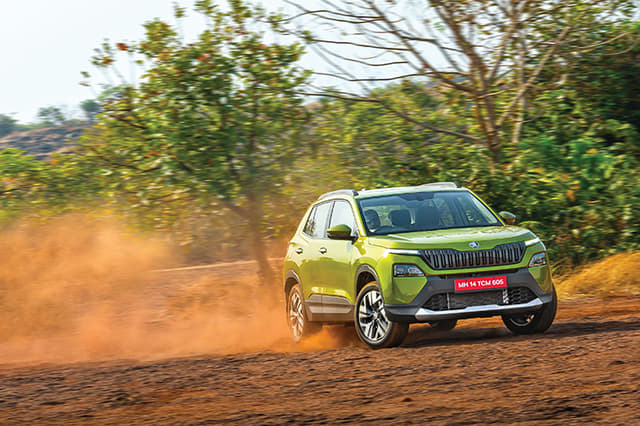
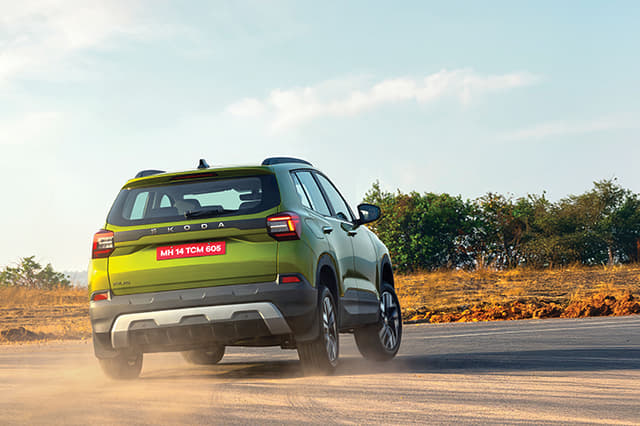
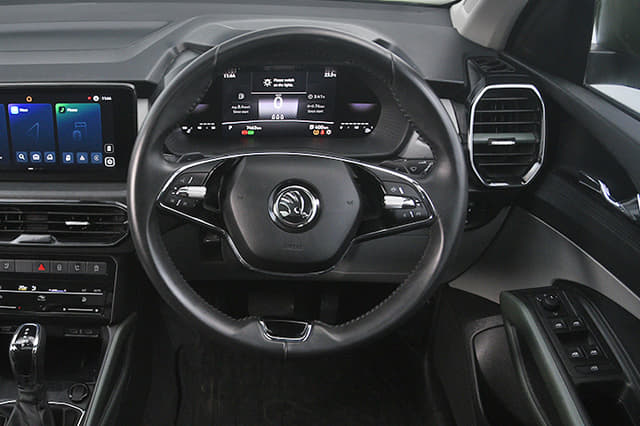
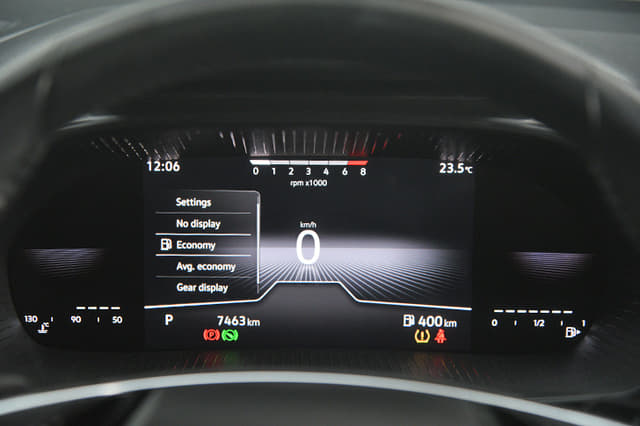
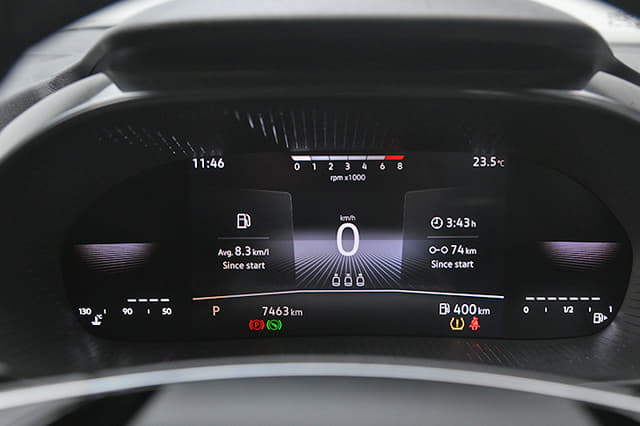
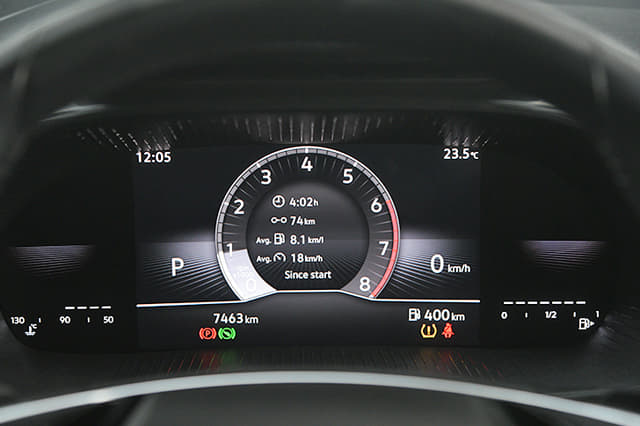
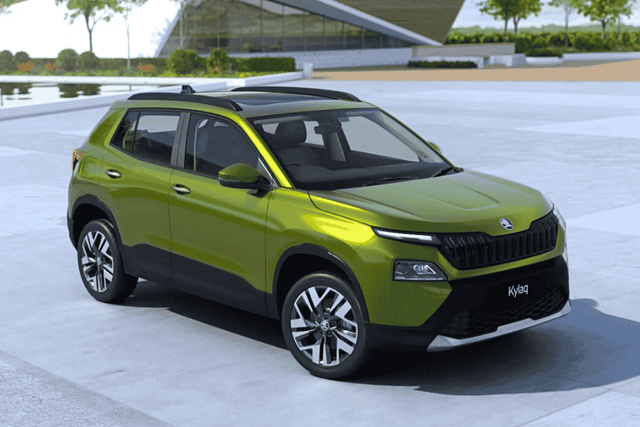
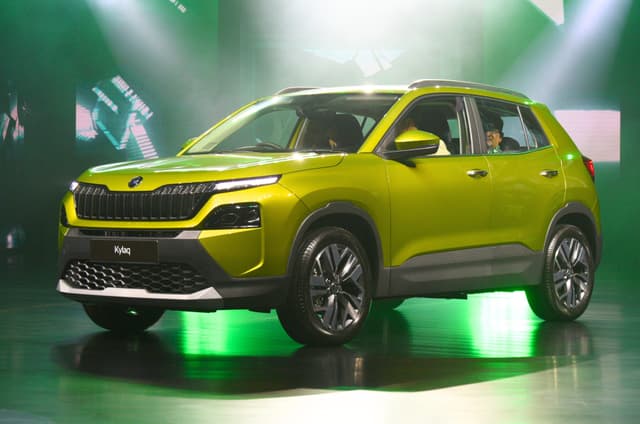
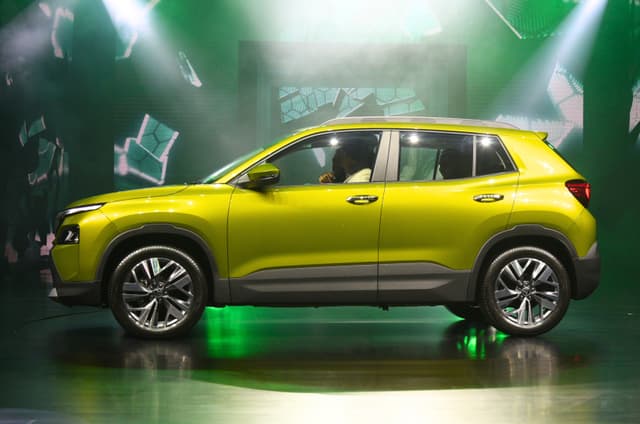
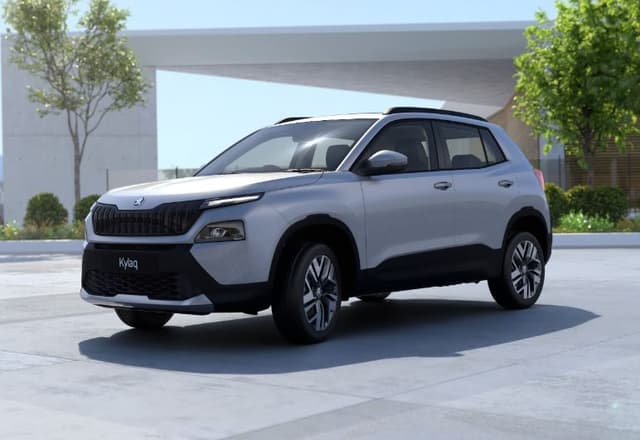
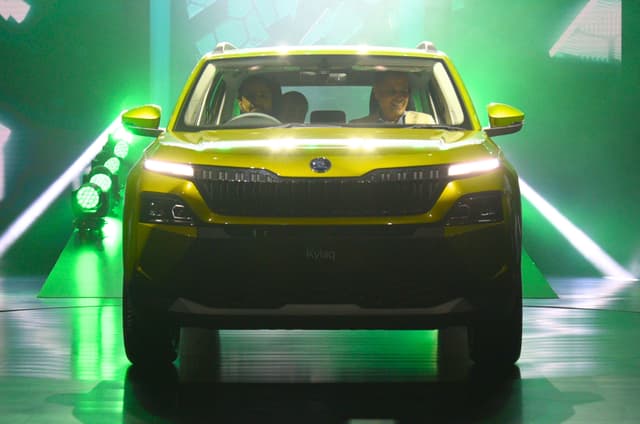
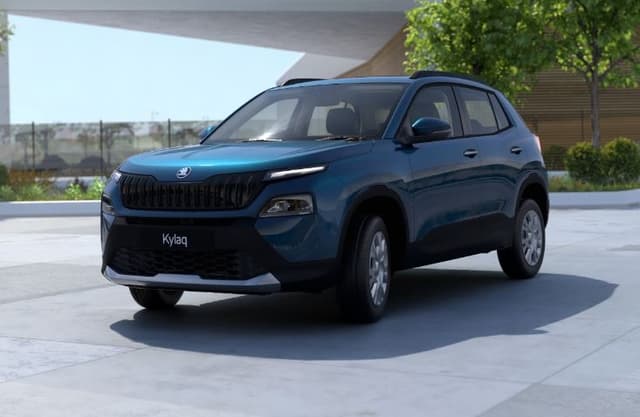
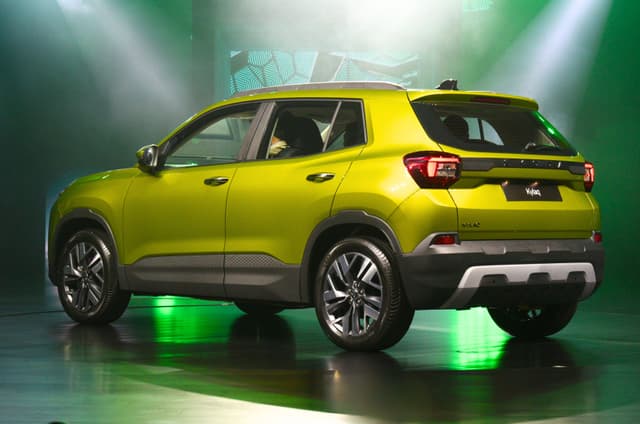
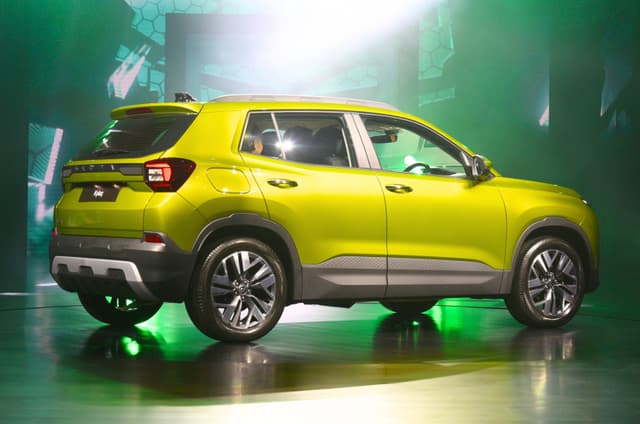
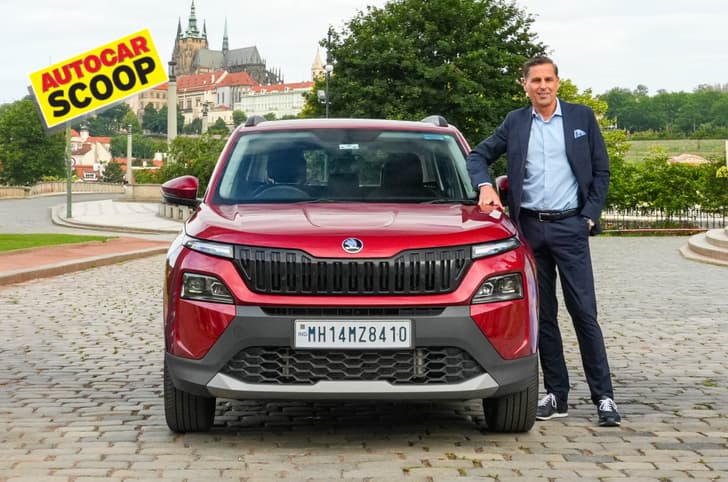
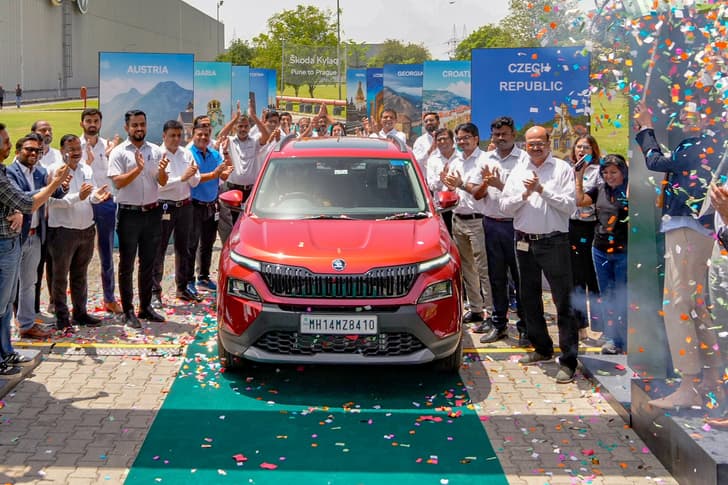
Pune to Prague in a Skoda Kylaq – Episode 5: Central Asia leg



Last Updated on: 02 Sep 2026
Skoda Kylaq price in Rewa
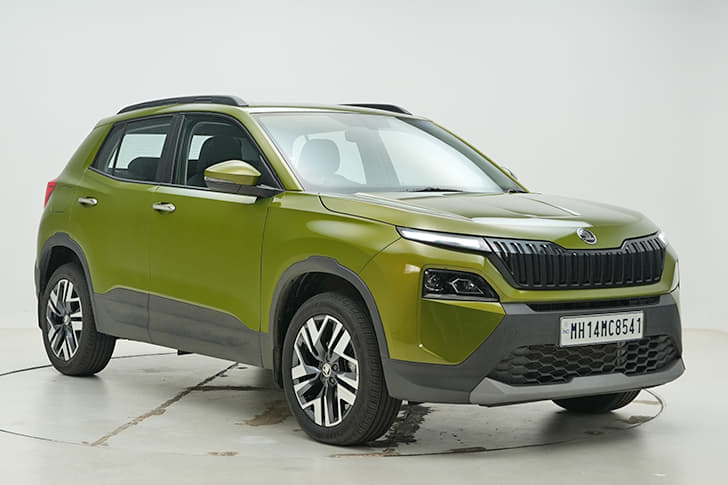
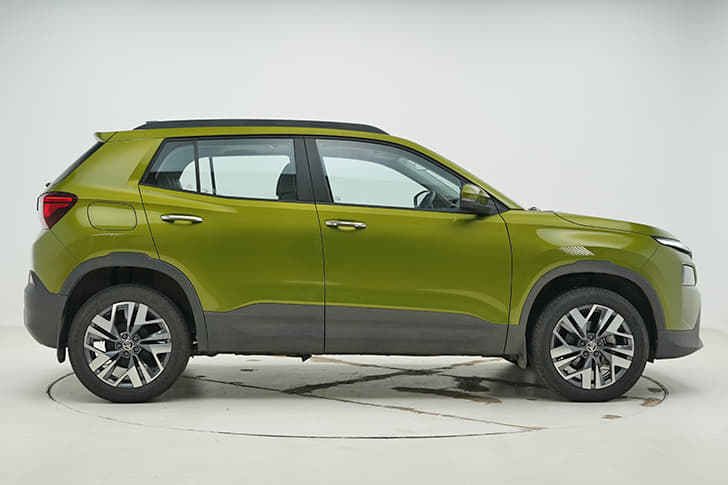


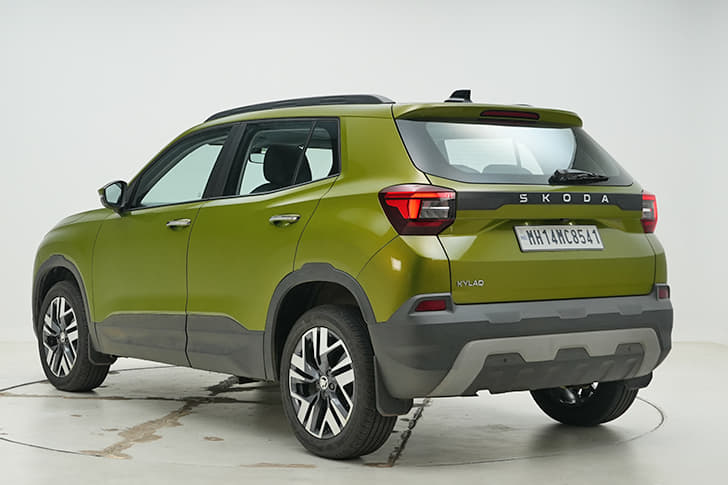
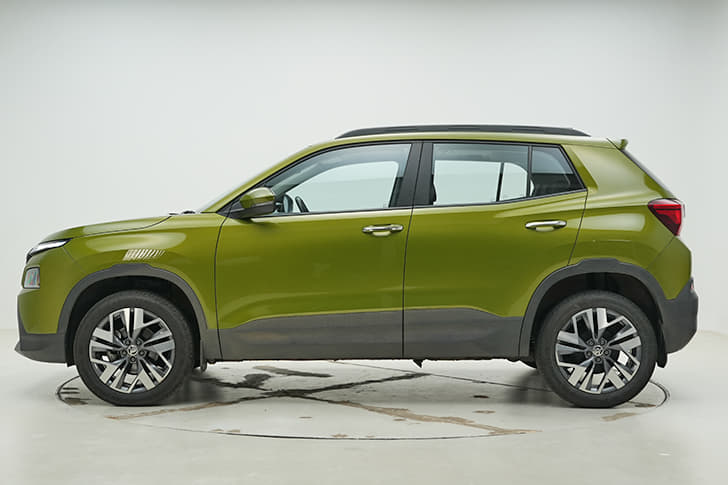
* Estimated on-road price. Final amount may vary.
Tell us about your experience
Skoda Kylaq Official Brochure
Download the complete brochure with specs, features, and variants.




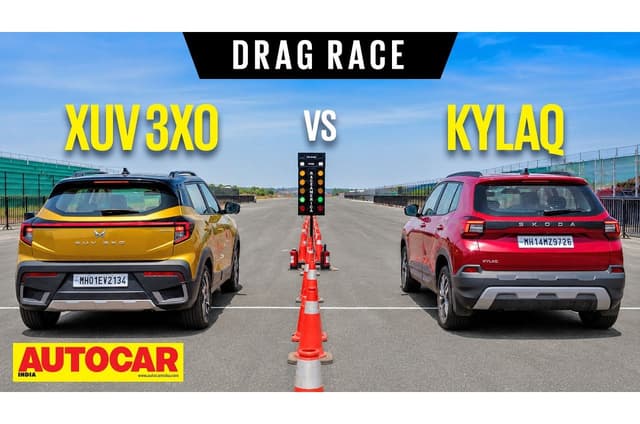




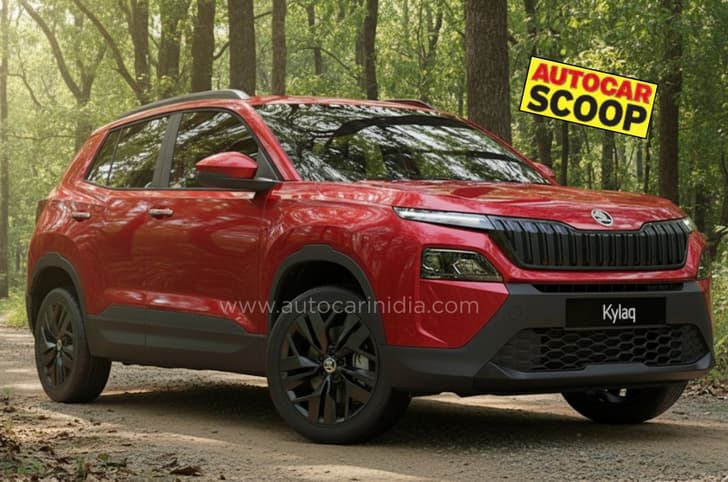
The Kylaq’s starting price is similar to the Tata Nexon and Mahindra XUV 3XO, which are also offered with a similarly powered turbo-petrol engine. Turbo-petrol engines offered with other rivals like Venue, Sonet, Magnite and Fronx have a higher starting price. The Kylaq also has one of the most affordable top-spec trims with a turbo-petrol engine in the segment at ₹12.99 lakh.
In terms of real-world performance, as well as the overall drive experience, the Kylaq is one of the best compact SUVs currently. However, it falls short in terms of equipment like a 360-degree camera and ADAS, which rivals offer. It is value-for-money if for you the driving experience precedes the requirement of premium features.
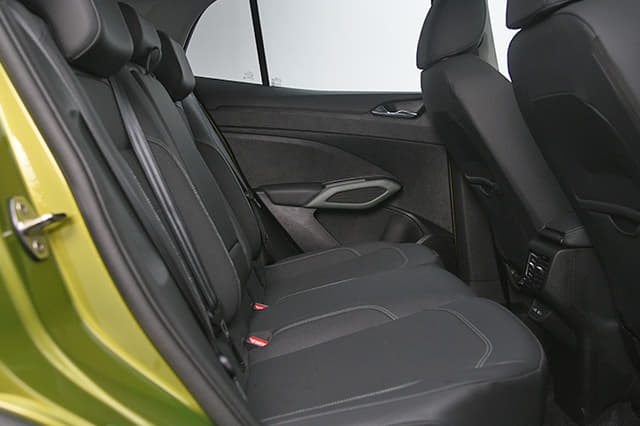
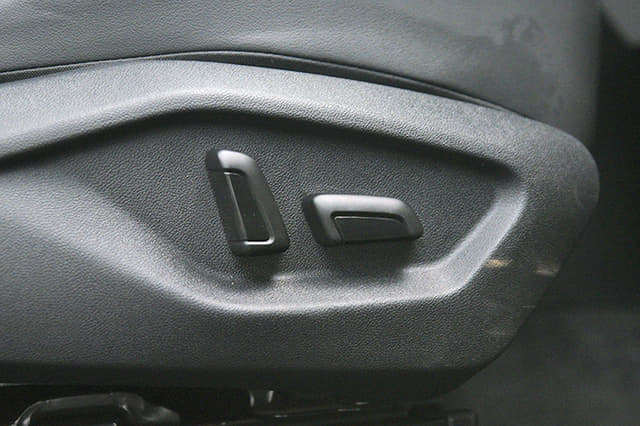
I am new to driving and am looking for a sub-4-metre petrol SUV with a torque converter automatic gearbox. My budget is under Rs 10 lakh ex-showroom. I have shortlisted two options: Skoda Kylaq Classic+ automatic at Rs 9.25 lakh and Mahindra XUV 3XO MX2 Pro automatic at Rs 9.99 lakh. We are a family of five. My current usage is mostly in the city, but in the future it could become a 50:50 mix of city and highway driving. The Kylaq does not get an infotainment system, although the dealer is offering one for around Rs 30,000. Its rear seat is also narrower than the XUV 3XO's. The XUV 3XO does not get cruise control, LED lights or driver-seat adjustment. Both cars offer similar fuel efficiency. Which one would be the better choice for me?

 Mahindra XUV 3XOSkoda Kylaq
Cross-shopped the Kylaq and the Basalt this month. Resale value expectations in this segment are honestly still a guessing game for both.
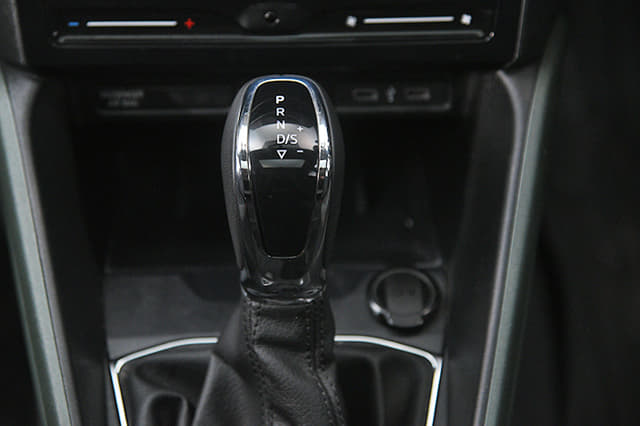
Hi. I am looking to buy a car for myself and am confused between Kylaq 1.0 prestige plus vs Kushaq 2026 prestige. I need to travel from Hoskote to Whitefield in the morning, then return to my office at Varthur Kodi, and after work, travel back home to ITPL, Whitefield. This is my schedule from Monday to Saturday. I also have to take intermittent night duties as I am a doctor. I have a Honda Elevate in family and am concerned regarding turbo lag with Kylaq 6-speed. Is it advisable to upgrade to Kushaq 1.0 AT by spending additional 5.5 lakh. I also came across a social media post claiming that the Kylaq’s 6-speed automatic can be difficult to manoeuvre in bumper-to-bumper traffic. Please guide me on which would be the better choice for my usage.
Skoda KylaqSkoda KushaqHonda ElevateHi Experts! I am a first-time car buyer and a new driver. I want to buy a sub-4-meter SUV. My daily usage will be between 25- 30 km. It is mostly for city driving in Delhi NCR. I intend to buy an automatic and like the Kylaq as an option. But my understanding is that it is expensive to maintain. Among other options that I am considering are the Venue and the 3XO. However, Venue has DCT, which I understand is not great for city driving. Could you give me some more guidance on maintenance of the Kylaq and, generally, if I have to choose among these 3, what should be the best option? To clarify, my budget is 12-15 lakhs. I have already looked at the Brezza as an option but did not like the feel of it. Sonet has been disregarded because there is a new Sonet coming next year. Thank you for your input!
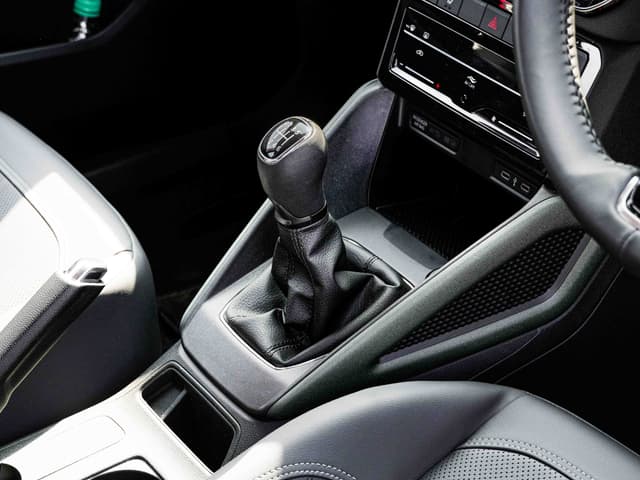
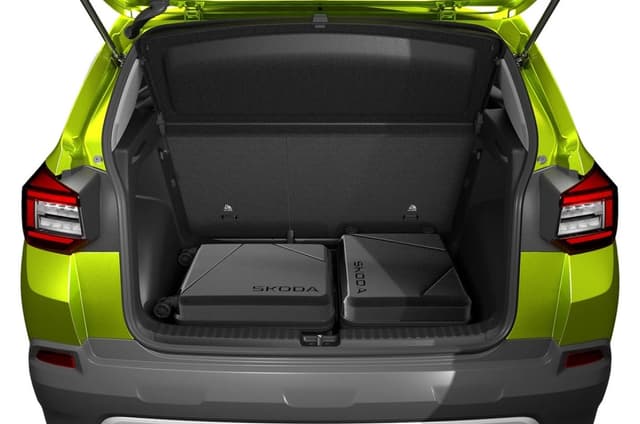
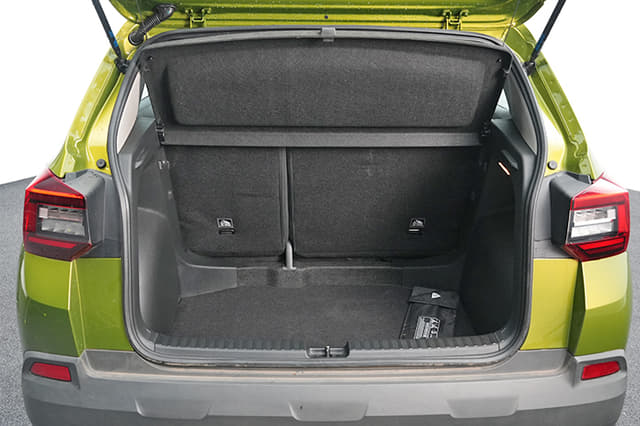
Skoda KylaqHyundai VenueMahindra XUV 3XOMaruti Suzuki BrezzaKia SonetI am a bit confused about choosing between a manual and an automatic. My usage will be 60% city and 40% highway, including long road trips. I am considering the Mahindra XUV 3XO and Skoda Kylaq. My only concern with the Mahindra is its small boot space. Which one would you recommend?
Skoda KylaqMahindra XUV 3XO| Cities | On road price |
|---|---|
Chhindwara | ₹8.54 - ₹14.81 Lakh |
Satna | ₹8.54 - ₹14.81 Lakh |