My Electric Car Love Story: Smooth, Silent, Powerful… and Then Reality Hit the AC Button
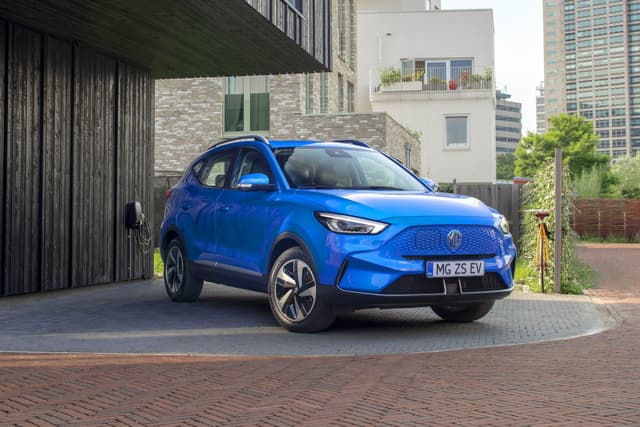
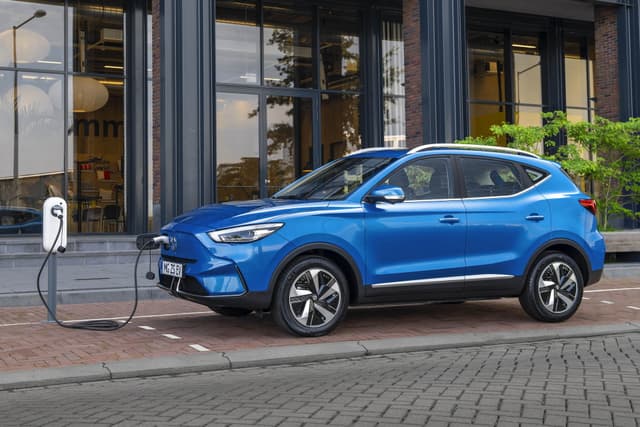
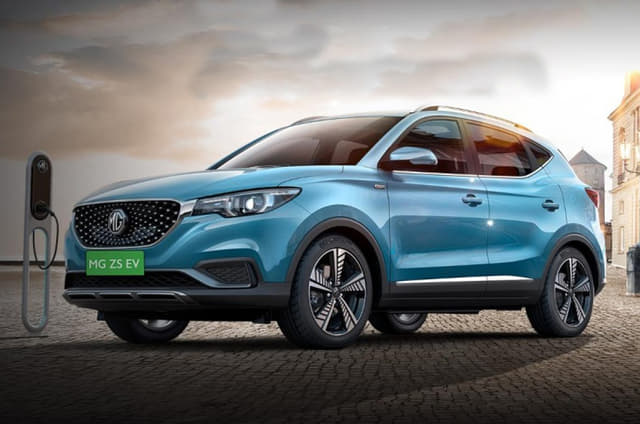
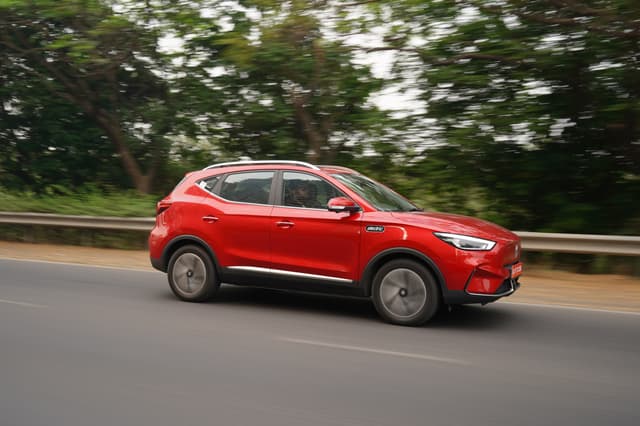
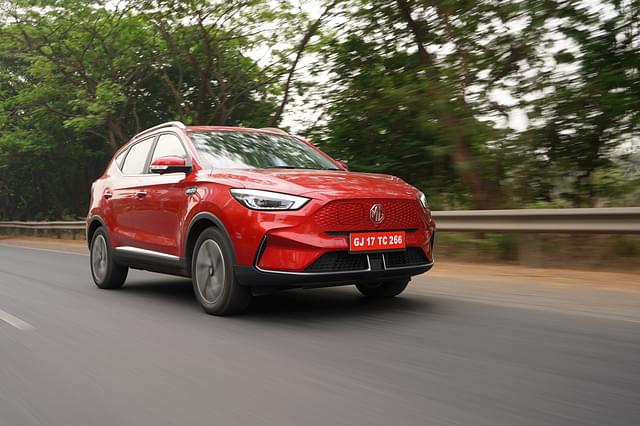
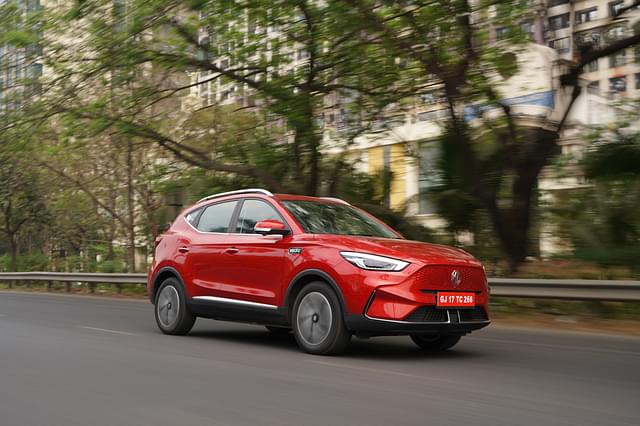
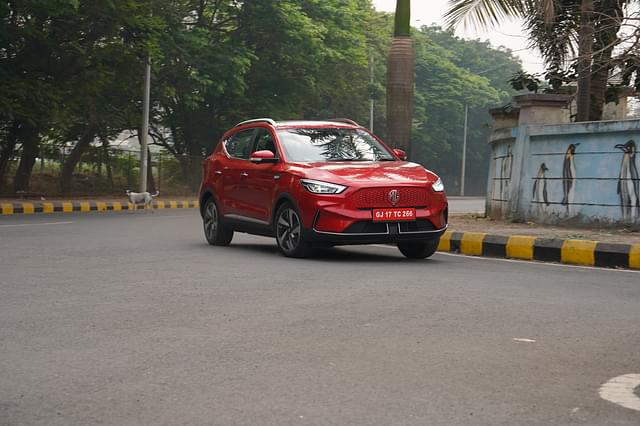
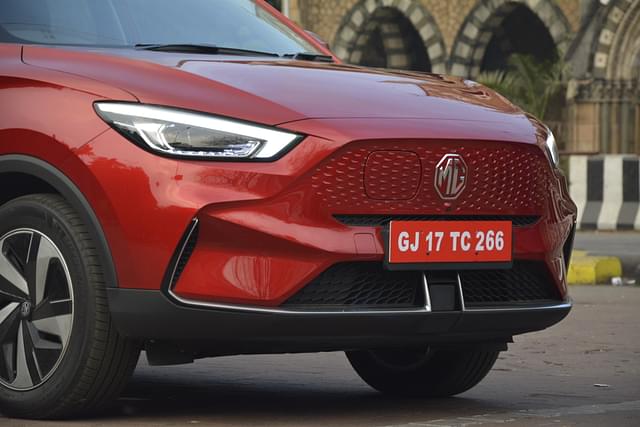
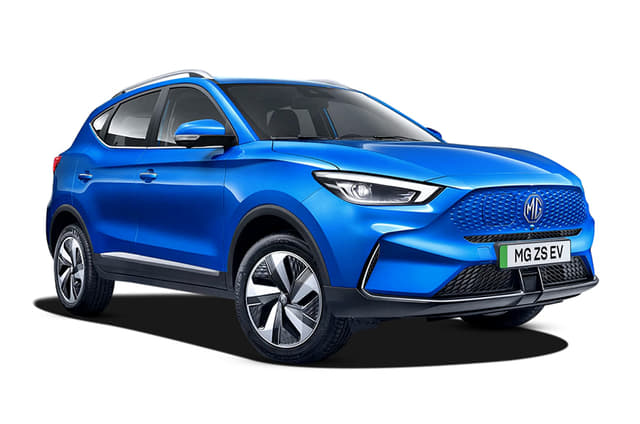
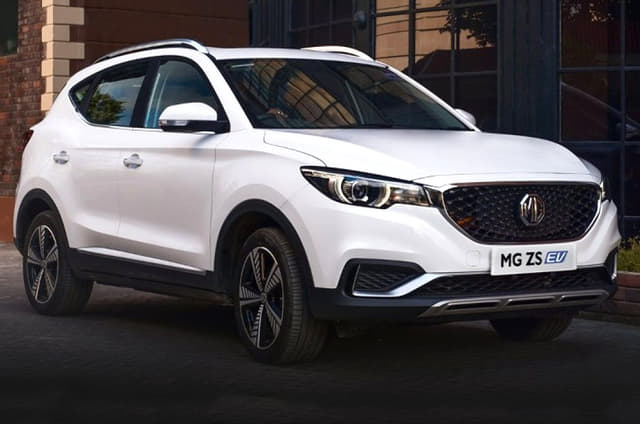
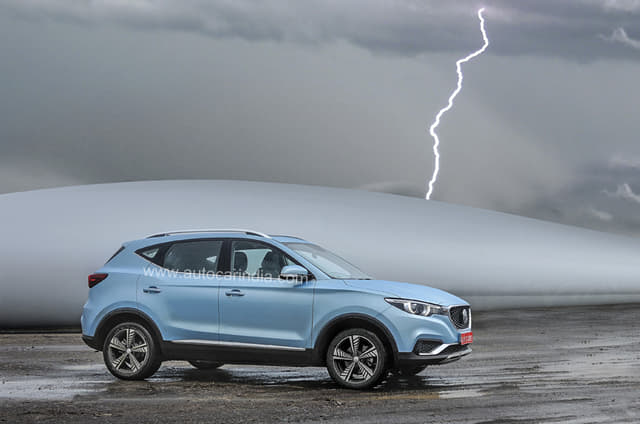
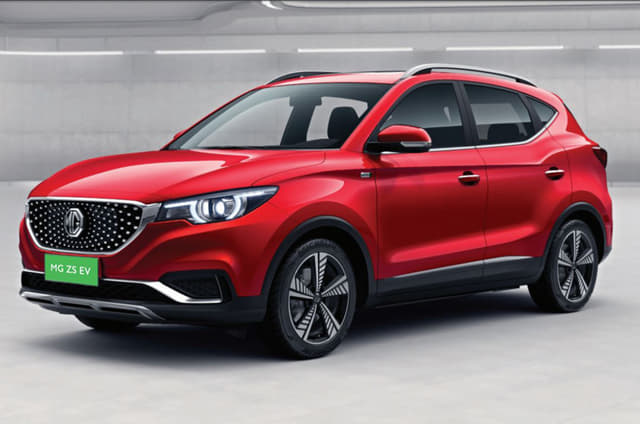
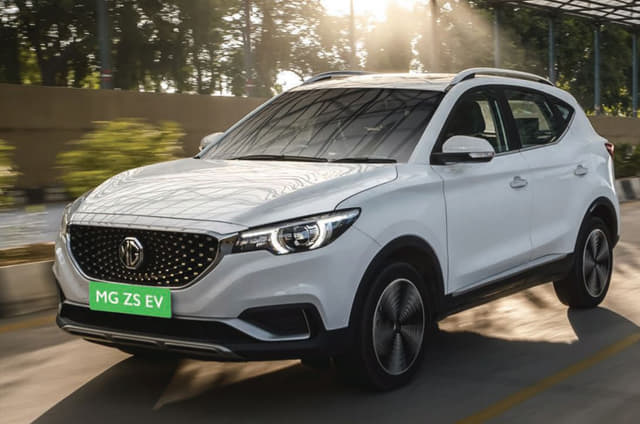
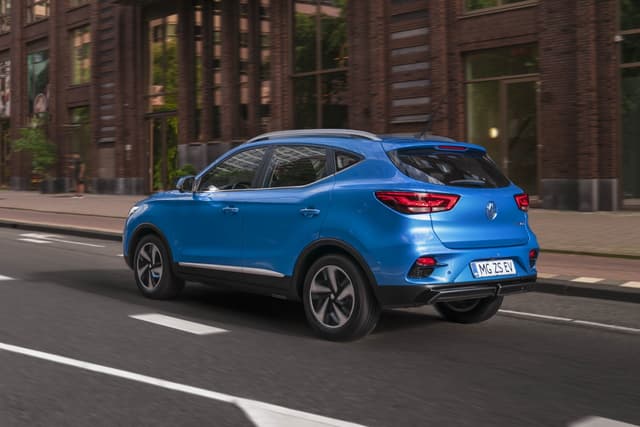
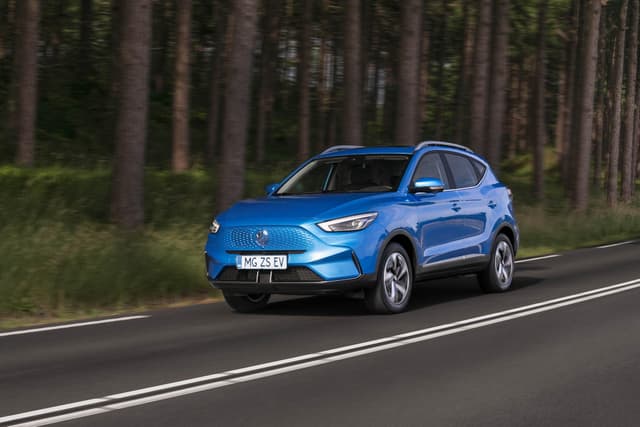
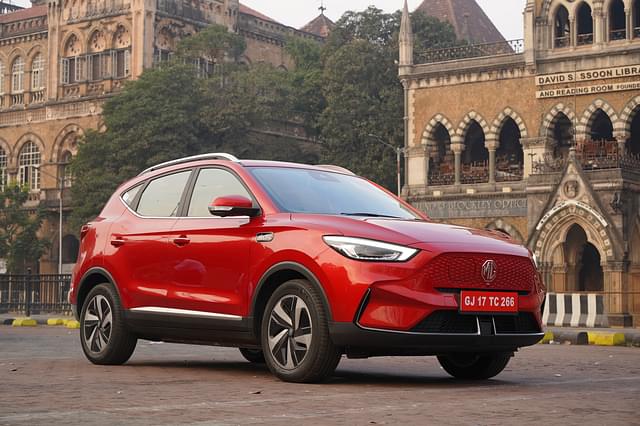
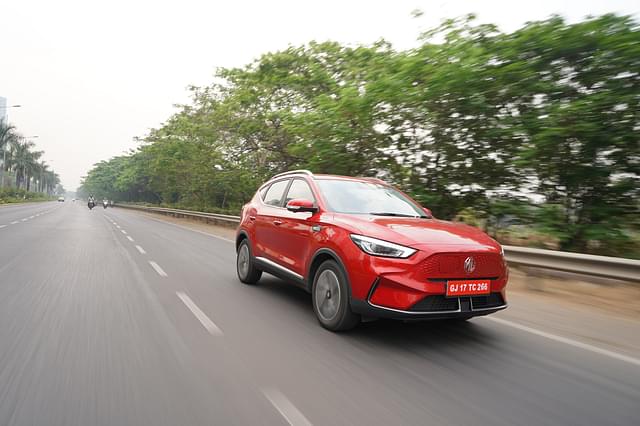
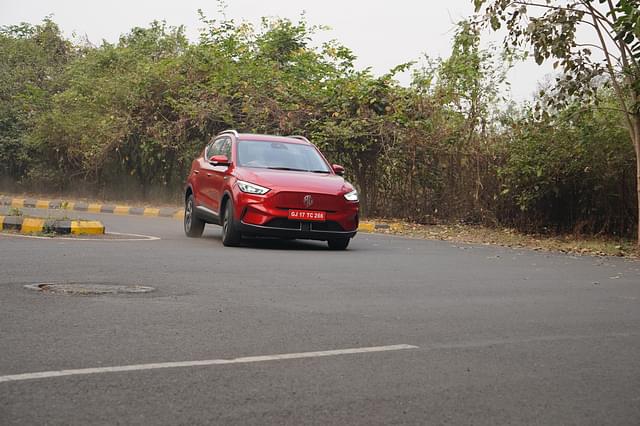
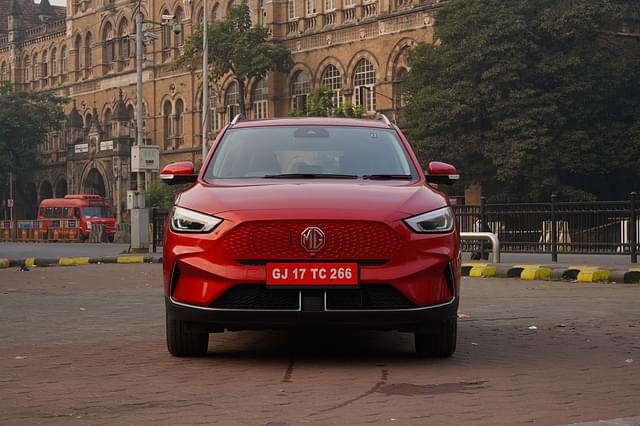
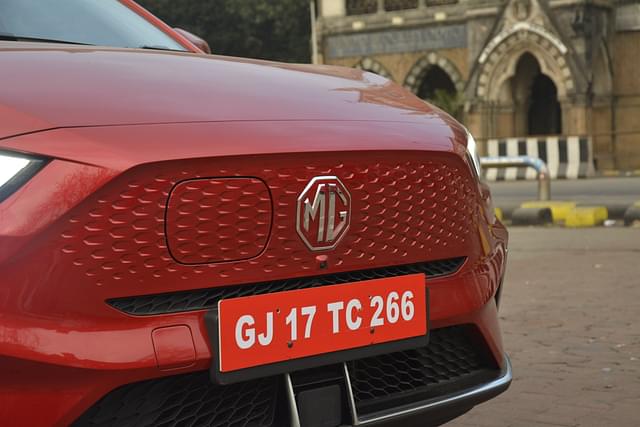
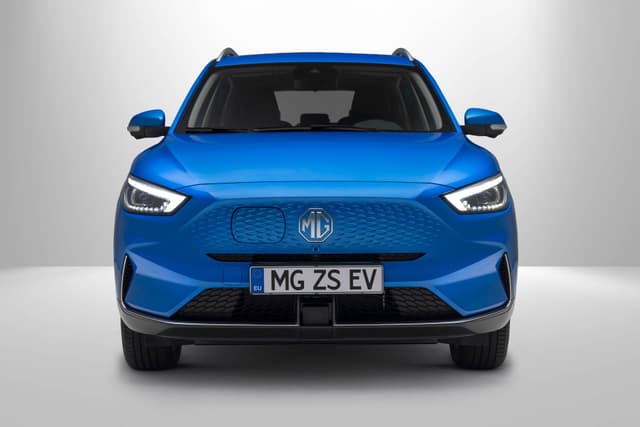
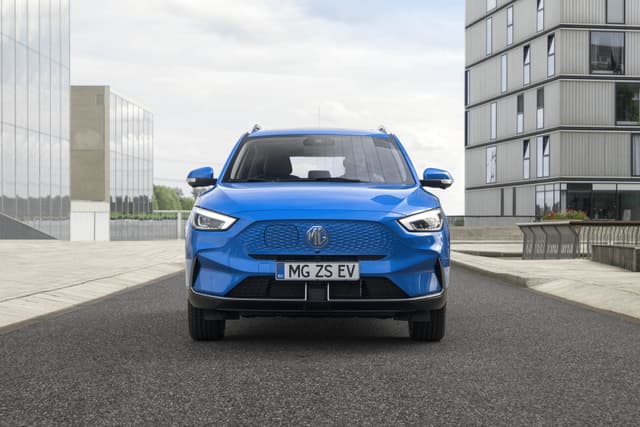
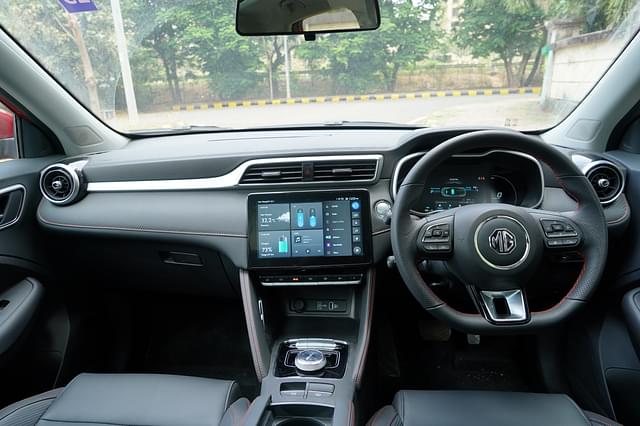
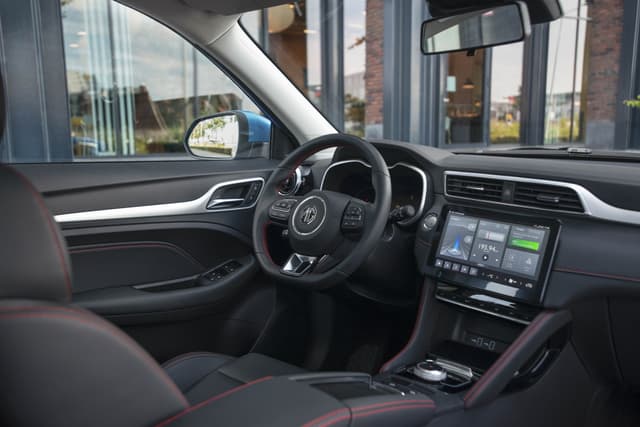
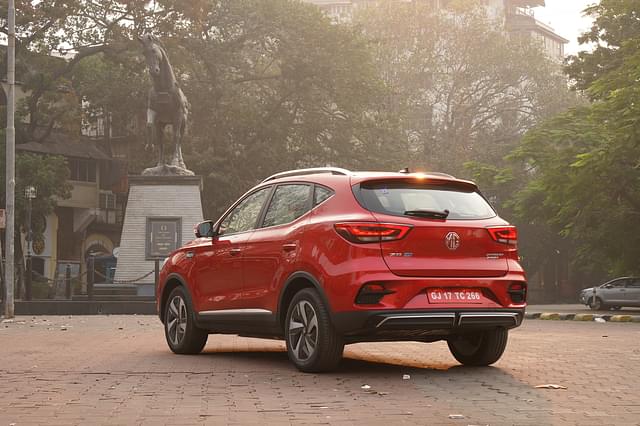
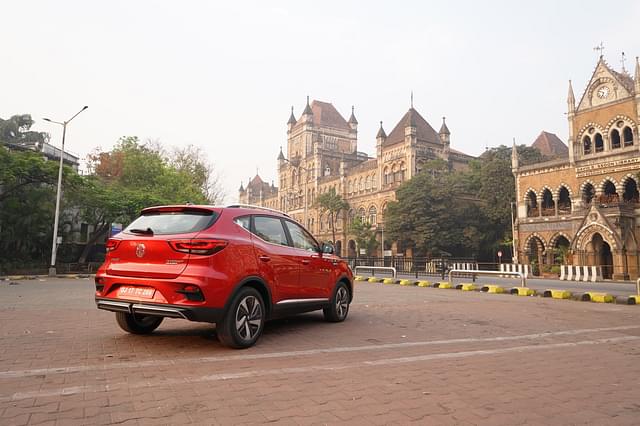
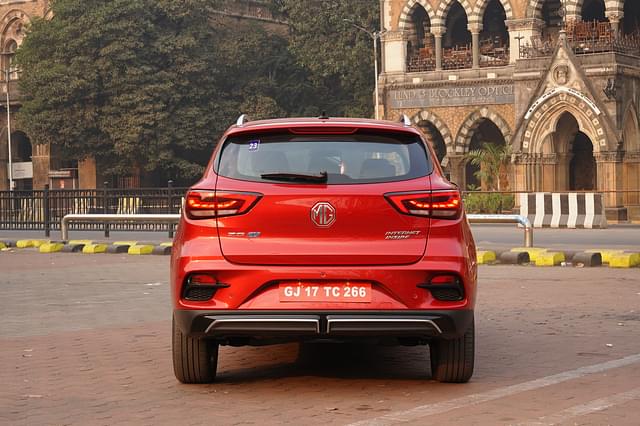
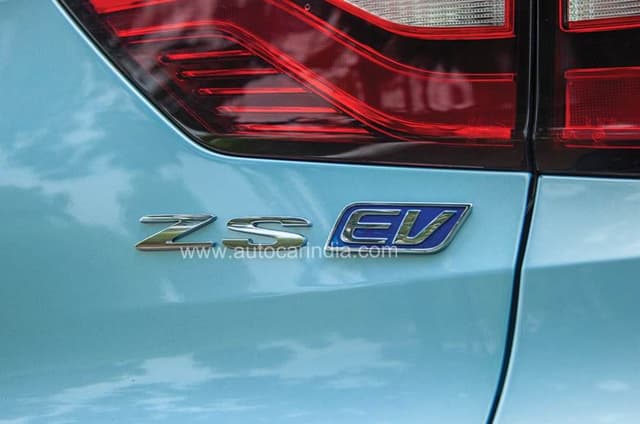
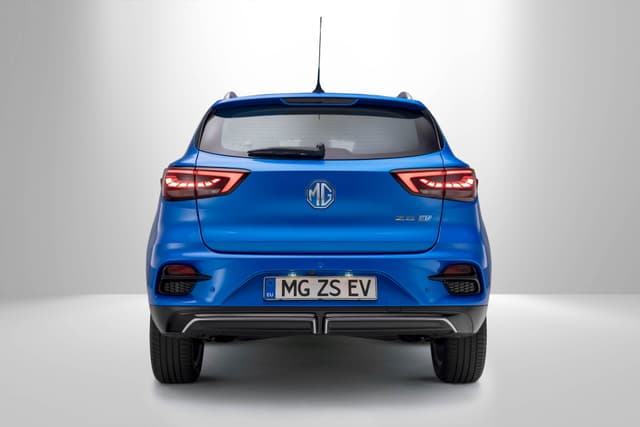
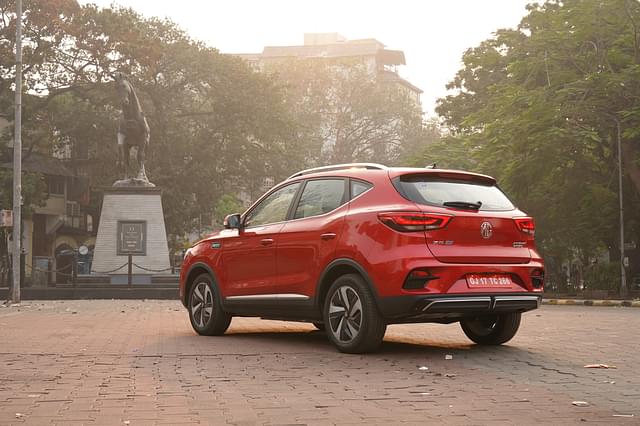
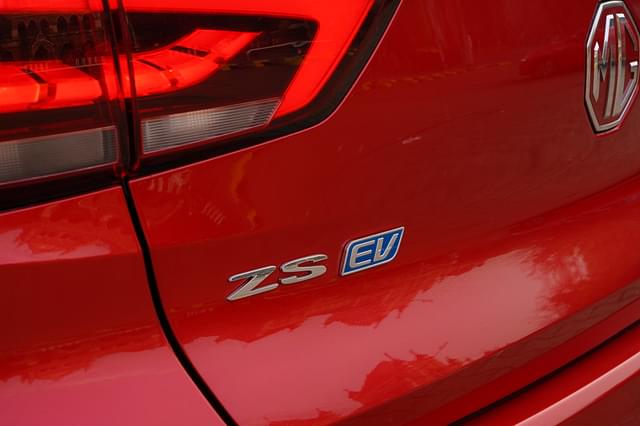
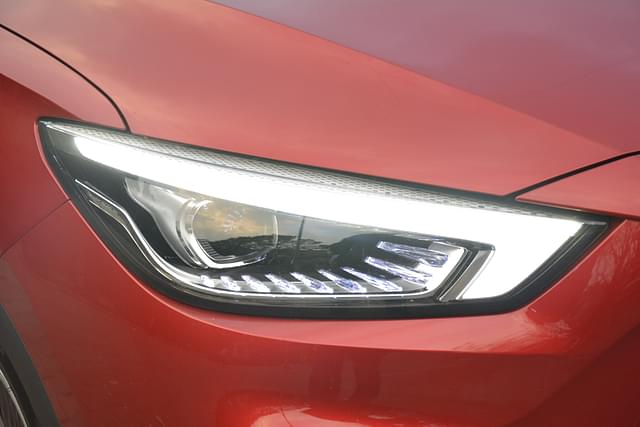
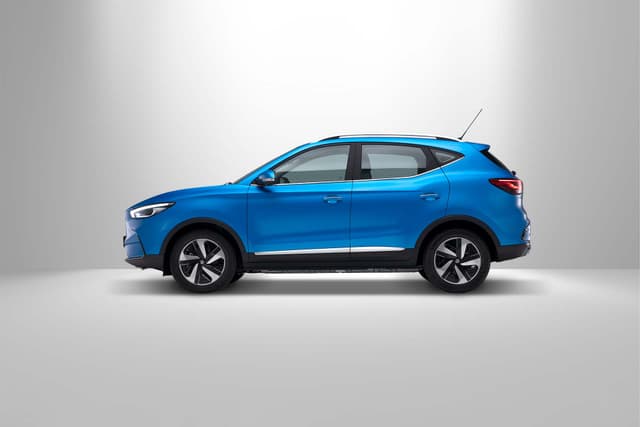
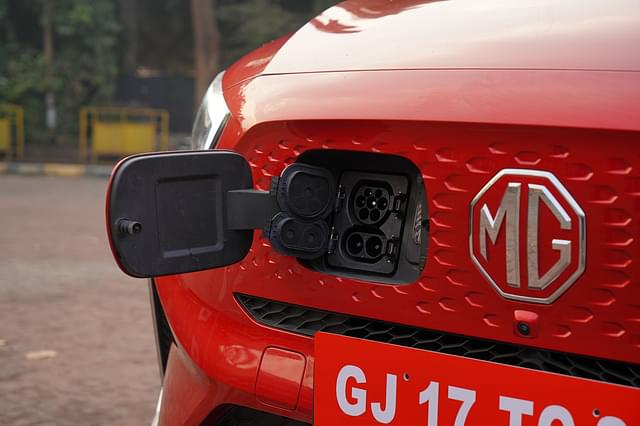
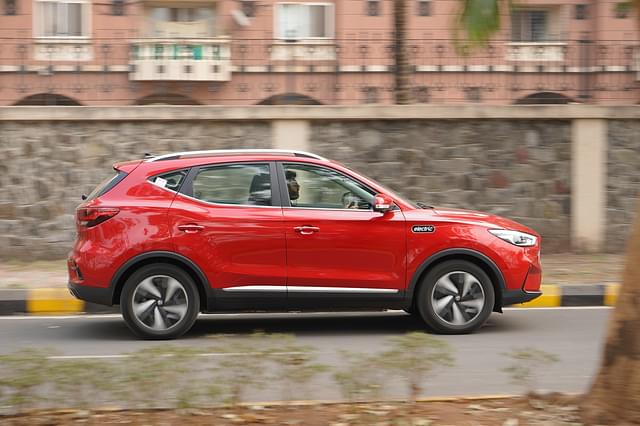
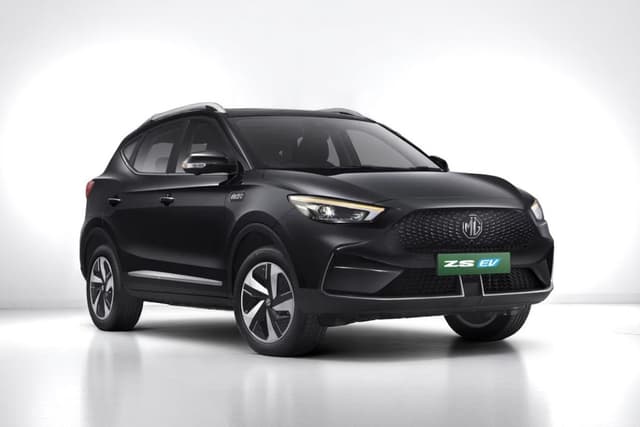
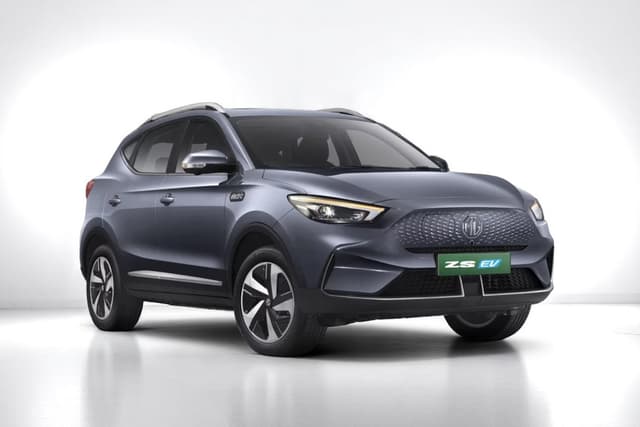
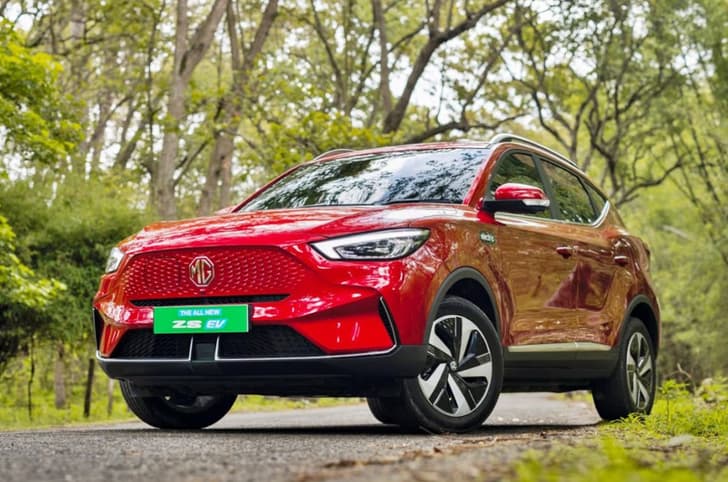
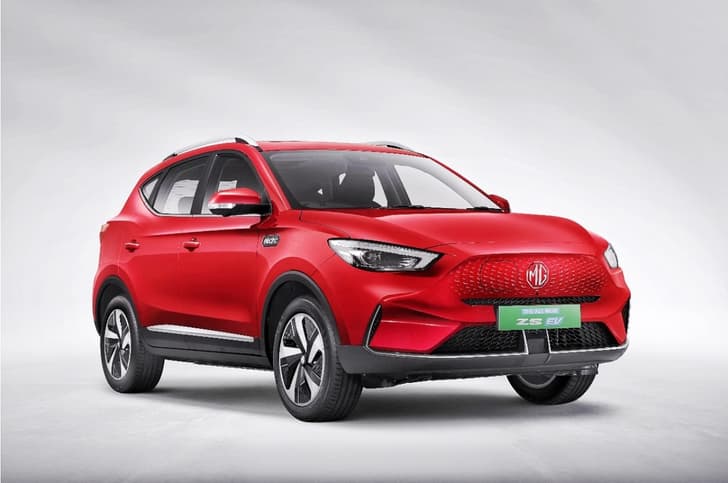
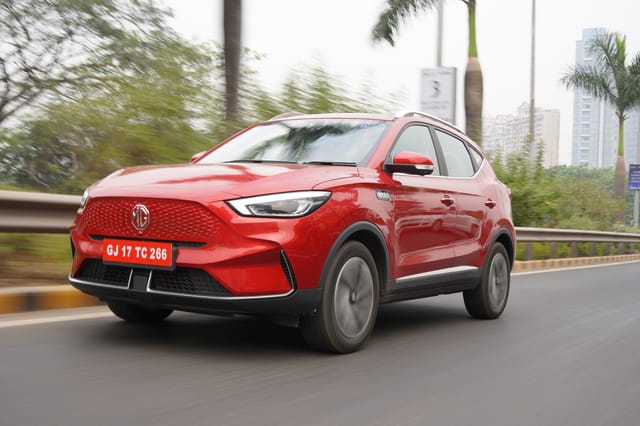
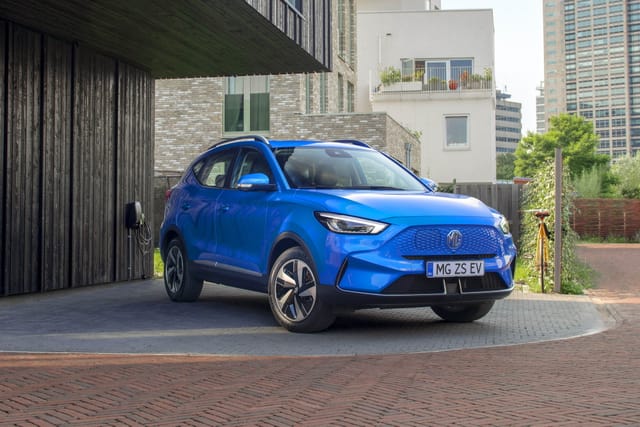
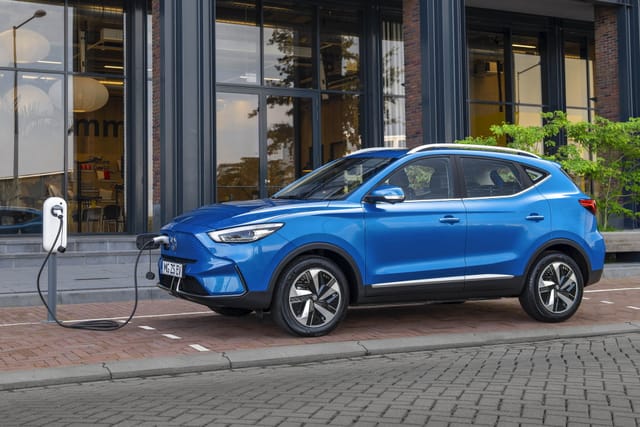
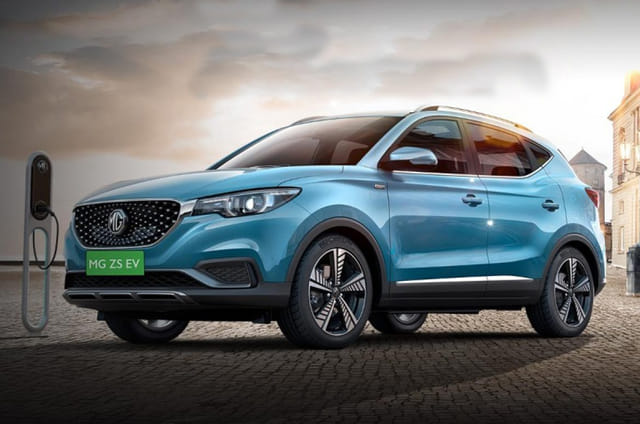
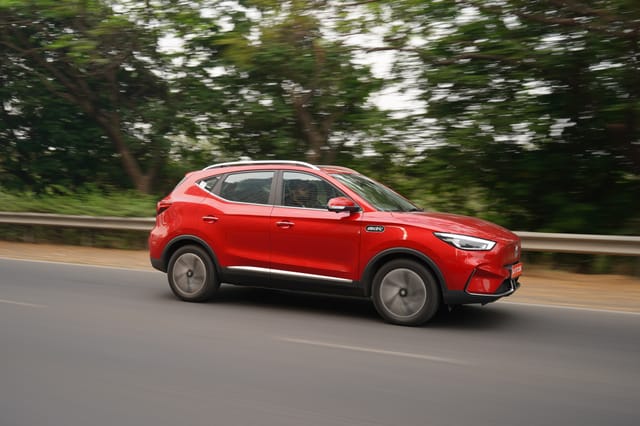
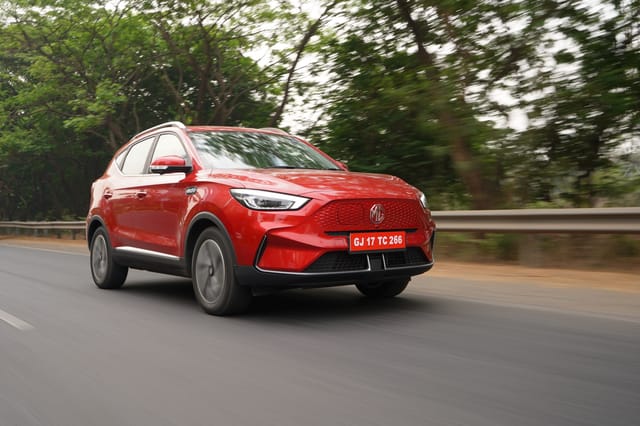
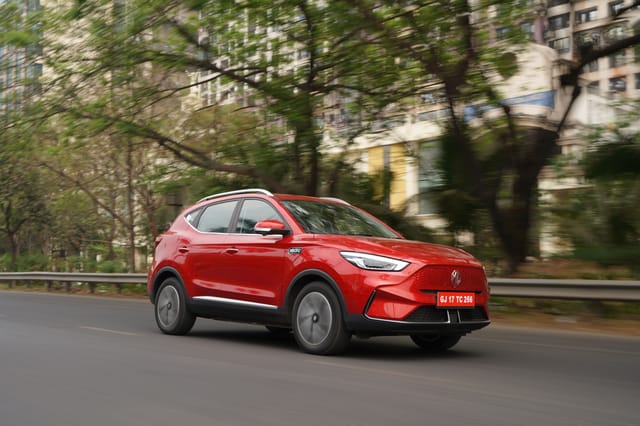
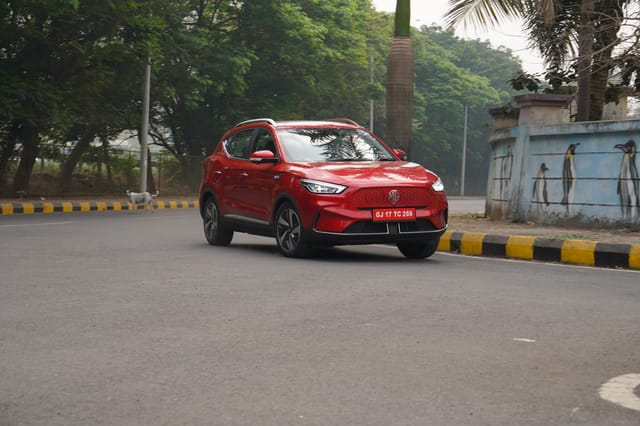
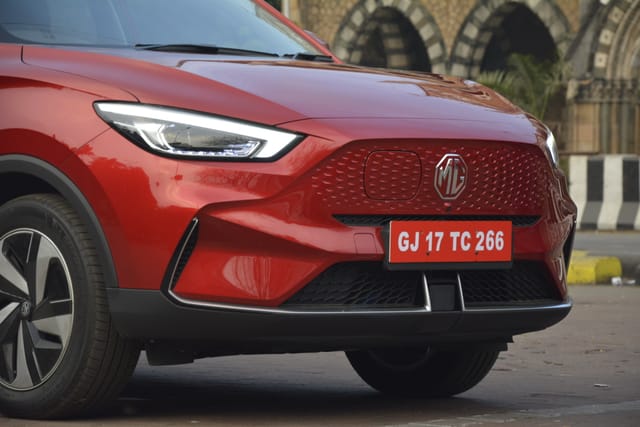
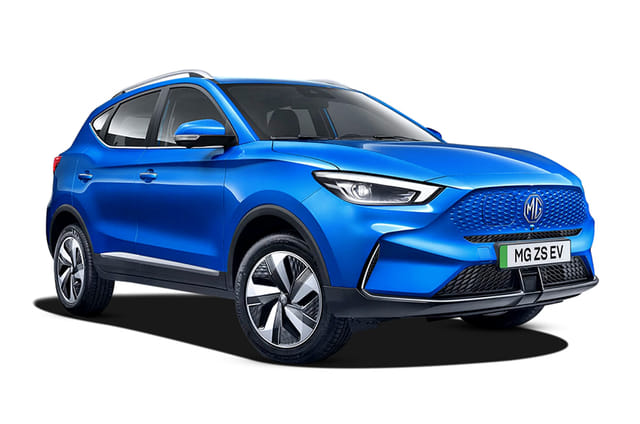
I have been using an MG ZS EV 2022 model, powered by a 50.3 kWh battery, for the last four years. Like most electric car owners, I entered the EV world with a lot of excitement, hope, and maybe a little bit of overconfidence.
After all, the promise was beautiful: silent driving, instant power, low running cost, fewer moving parts, futuristic technology, and a certified range of 465 km.
In real life, my experience has been a mix of all that — plus a few surprises that no brochure, YouTube review, or showroom executive prepared me for.
The Good Part: The MG ZS EV Is Truly a Lovely Car to Drive
Let me start with the positives, because there are many.
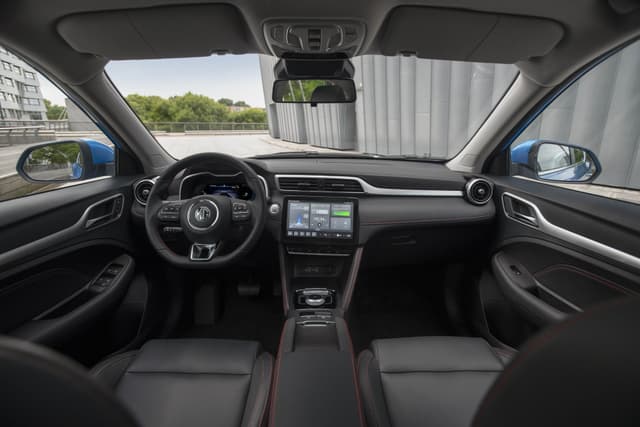
The MG ZS EV is a very smooth, powerful, and silent car. The moment you press the accelerator, the car responds instantly. There is no engine noise, no gear shifts, no vibration, and no drama. It just moves.
For city driving, highway cruising, and daily use, it feels premium and effortless. Once you get used to an electric car, going back to a regular petrol or diesel vehicle feels like going from a smartphone to a landline phone.
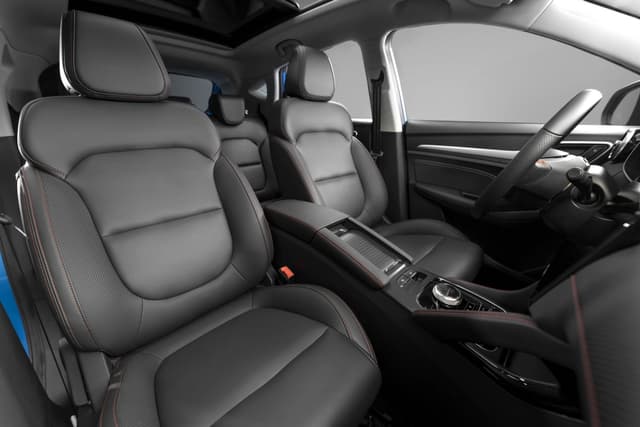
The car is comfortable, refined, and easy to drive. In four years, my vehicle has run only around 52,000 km, which is not very high. I have used it carefully and responsibly. Until recently, there were no serious problems with the car.
So far, so good.
The Range: 465 km on Paper, Around 300 km in Real Life
Now let us talk about the first reality check: range.
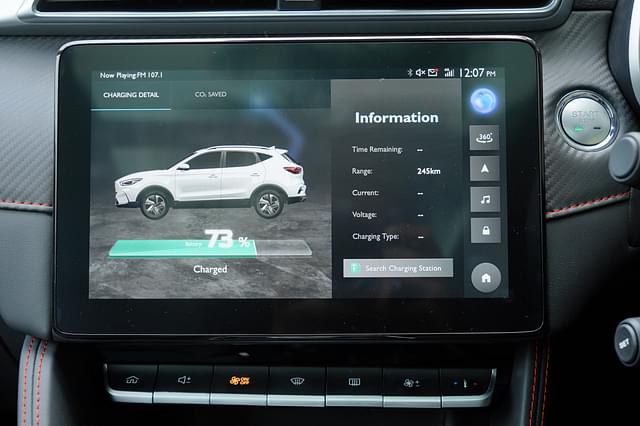
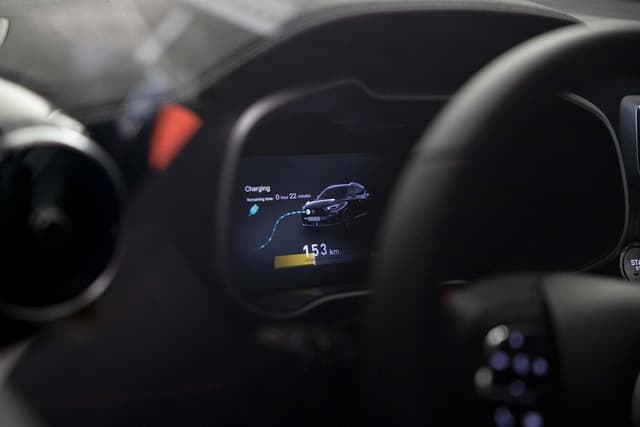
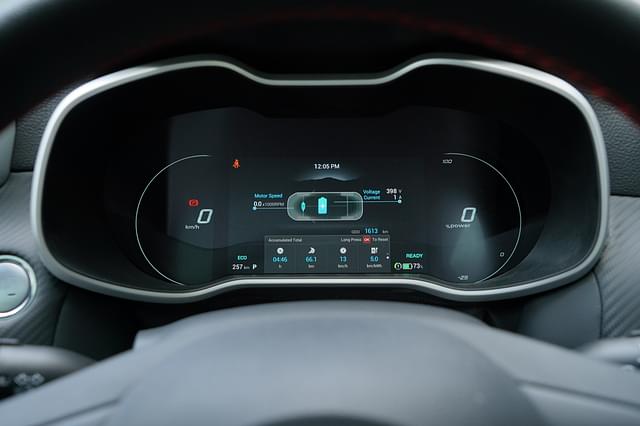
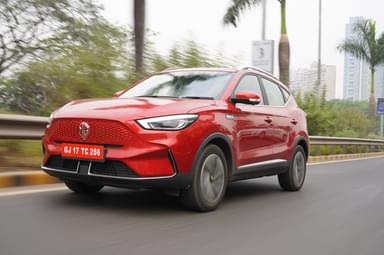
The claimed or certified range of the MG ZS EV is around 465 km. But in my practical usage, I usually get around 300 km.
Is 300 km bad? Not really.
For most daily driving, 300 km is more than enough. But the problem is not the 300 km range. The problem is the gap between the advertised figure and what a normal user actually experiences.
EV range depends on many things: driving speed, AC usage, terrain, tyre pressure, traffic, battery condition, driving style, and even weather. So yes, I understand that certified range and real-world range will never be exactly the same.
But when a customer sees 465 km, pays premium money, and then gets around 300 km, the expectation gap is quite large.
This is where EV buyers need to be careful. Don’t buy based only on the certified range. Ask real owners. Watch long-term reviews. Check what range people are actually getting after two, three, and four years.
The Price: ₹28.5 Lakhs for a Premium Electric SUV
I paid around ₹28.5 lakhs for this vehicle.
That is not a small amount. At this price point, customers expect not just a good car, but also strong after-sales support, good resale value, and quick service resolution.
A premium electric SUV is not just a car. It is also a technology product. And when technology fails, the service network becomes extremely important.
That is where my recent problem started.
The AC Failure: When Silence Became Heat
Until last month, the car was mostly trouble-free. Then suddenly, the AC stopped working.
In Kerala weather, an AC failure is not a small inconvenience. It is not like saying, “Okay, I will open the window and manage.” In an EV, especially in our climate, AC is not a luxury. It is survival equipment.
I took the vehicle to the local MG dealer service centre. They inspected it and told me that the 2022 model AC system uses a specific type of cooling gas and setup. From the label on the car, the AC system mentions:
Refrigerant: R1234yf
Quantity: 540 ± 20 g
Oil specification: SP-A2
Coolant marking: O.A.T + H₂O
In simple terms, this is not the old-style AC gas that every roadside AC workshop can refill casually. It needs proper equipment, the correct refrigerant, trained technicians, and the right parts.
The service centre informed me that the vehicle had to be taken to the Kochi service centre for rectification. I was also told that the cooling coil needed replacement, and that the part would take around a week to arrive.
One week sounded manageable.
But now it has been almost 20 days since I left the vehicle at the service centre. The issue is still not rectified, and I am still waiting for delivery.
That is when the ownership experience started feeling less like “future mobility” and more like “future delivery date unknown.”
The Bigger Problem: EV Service Is Still Not Fully Mature
This experience made me realise something important.
Electric cars may be mechanically simpler than petrol or diesel cars, but when something does go wrong, the solution is not always simple. Not every service centre may be equipped to handle every issue. Not every part may be readily available. Not every technician may be trained for every EV-specific system.
In a petrol or diesel car, if the AC fails, most workshops can at least diagnose or repair it quickly. But in an EV, especially a premium EV, even an AC problem can become a specialised service issue.
This is not just about MG. This is a larger EV ecosystem issue in India.
We are buying advanced electric vehicles, but the support network is still catching up.
The Exchange Thought: Enter the Mahindra XEV 9S
Because of this delay, I started thinking seriously about replacing the MG ZS EV. I decided to check out the Mahindra XEV 9S.
I test drove it, and honestly, it was impressive.
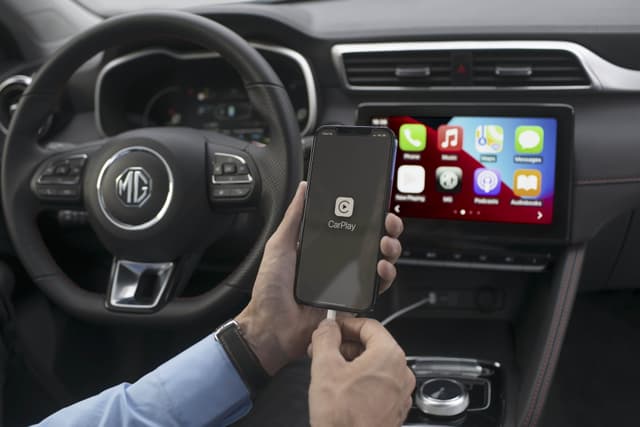
It felt like a proper modern electric SUV, loaded with almost all necessary and unnecessary features. These new EVs are becoming like smartphones on wheels. Big screens, connected features, premium interiors, advanced driving aids, futuristic design — everything is there.
The test drive was excellent. The car felt exciting. For a moment, I thought maybe it was time to move on.
Then came the shocking part.
The Resale Shock: ₹28.5 Lakhs to ₹8 Lakhs
The Mahindra team evaluated my four-year-old MG ZS EV, which has run around 52,000 km, at only ₹8 lakhs.
That was a real shock.
A vehicle bought for around ₹28.5 lakhs being valued at around ₹8 lakhs in four years means a massive drop in value.
That is approximately a loss of ₹20.5 lakhs in four years.
In simple terms, the car has lost most of its value even though it is not very old and has not run very high kilometres.
This means the value is reducing by roughly 20% or more every year. At this rate, after five or six years, the resale value of a premium EV may become painfully low.
And that raises a very serious question:
Are premium EV buyers calculating depreciation correctly?
Most people talk about saving money on petrol or diesel. But if you save a few lakhs on fuel and lose twenty lakhs in depreciation, what exactly did you save?
That is the question every premium EV buyer must ask.
The EV Cost Equation Is Not Just Electricity vs Petrol
When people talk about EV savings, they usually say:
“No petrol cost.”
“Low running cost.”
“Less maintenance.”
“Charge at home.”
“Environment friendly.”
All of this may be true.
But the full cost equation should include:
Purchase price
Real-world range
Insurance cost
Battery warranty
Service network quality
Parts availability
Downtime during repairs
Resale value
Technology obsolescence
Battery health perception in used-car market
The last point is very important. Even if the battery is working fine, used-car buyers are often scared of EV batteries. They worry about replacement cost, range degradation, software issues, and long-term reliability. Because of this fear, resale value suffers.
So while EVs are wonderful to drive, they may not yet be wonderful to resell.
My Verdict: Don’t Fall Blindly for Premium EV Hype
After four years with the MG ZS EV, my verdict is mixed.
As a car, I like it. It is powerful, smooth, silent, and enjoyable.
As an ownership experience, it has taught me some expensive lessons.
The range is much lower than the certified figure.
The service system for specialised EV issues still needs improvement.
Parts availability can create long delays.
Resale value can be brutally disappointing.
Premium EV depreciation is a real risk.
So here is my honest advice:
Do not buy a premium electric SUV purely because of features, claimed range, and showroom excitement.
Buy it only after understanding the full picture.
Ask yourself:
Can I live with the real-world range?
Is the service centre nearby fully capable of handling EV issues?
Are important parts readily available?
What is the expected resale value after four or five years?
Am I buying for long-term use or planning to upgrade soon?
Will the fuel savings compensate for depreciation?
Because in the EV world, the most expensive shock may not come from the battery.
It may come from the resale value.
Final Thoughts
I still believe electric cars are the future. They are clean, smooth, silent, and technologically advanced. But the premium EV market in India still has some growing up to do.
Manufacturers must be more transparent about real-world range. Service centres must be better equipped. Parts availability must improve. And most importantly, customers must be educated about depreciation and resale value before making a purchase decision.
My MG ZS EV gave me four years of smooth and silent driving. But now, with the AC failure, long service delay, and shocking resale valuation, I have become more cautious.
The lesson is simple:
An electric car may be silent on the road, but its depreciation can be very loud.
So before buying a premium EV, don’t just test drive the car.
Test drive the ownership cost.
Read more





















 MG ZS EV