
Last Updated on: 22 Jun 2026

Maruti Suzuki Victoris price in Bapatla
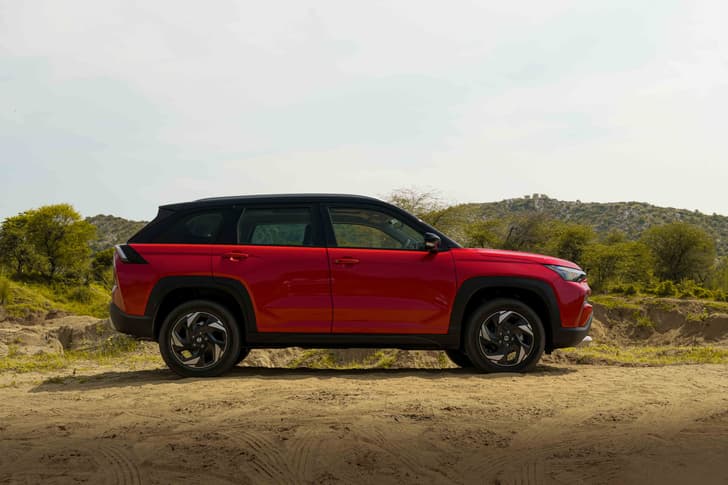
The Maruti Suzuki Victoris price in Bapatla starts at ₹10.50 lakh (ex-showroom). The Victoris on road price in Bapatla for the base LXI MT begins at ₹12.60 lakh, while the Victoris top model price for the ZXI+(O) strong hybrid variant is ₹23.99 lakh.
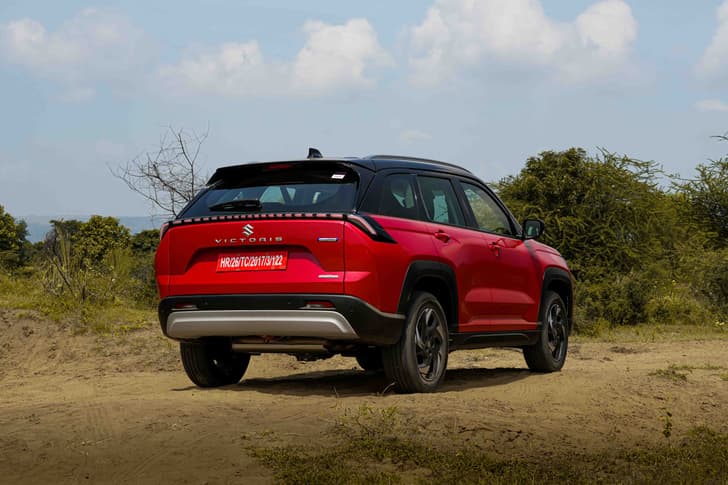
Check the Maruti Victoris on-road price in your city for all 21 variants and find the one that best fits your budget and preferences.
Maruti Suzuki Victoris price in Bapatla
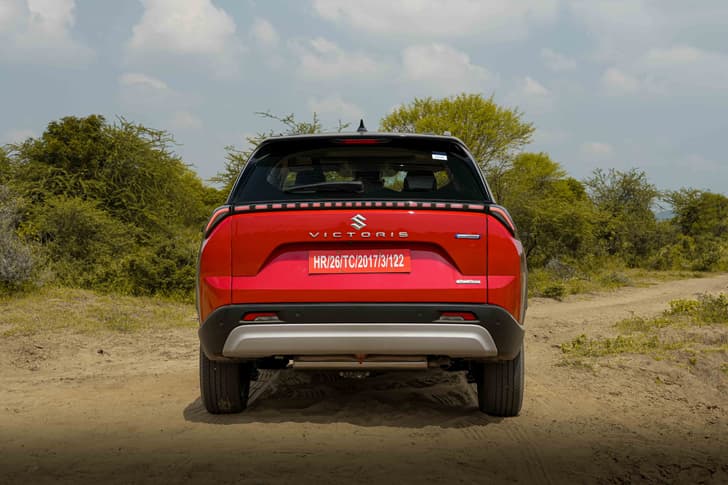
The Maruti Suzuki Victoris price in Bapatla starts at ₹10.50 lakh (ex-showroom). The Victoris on road price in Bapatla for the base LXI MT begins at ₹12.60 lakh, while the Victoris top model price for the ZXI+(O) strong hybrid variant is ₹23.99 lakh.
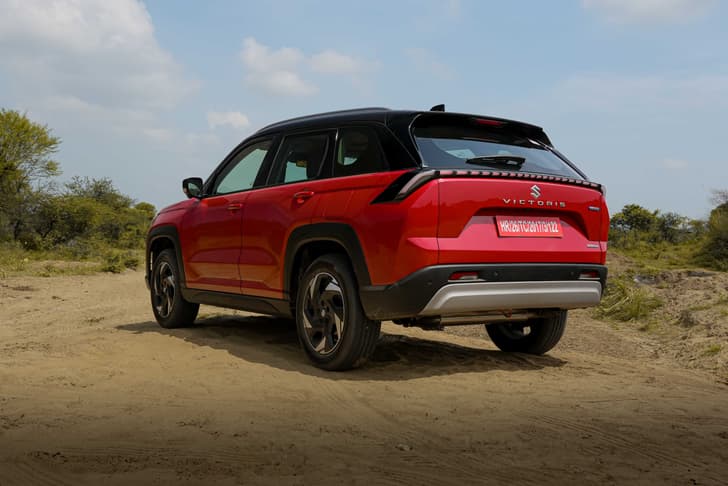
Check the Maruti Victoris on-road price in your city for all 21 variants and find the one that best fits your budget and preferences.
Maruti Suzuki Victoris Pricing by Variants
* Estimated on-road price. Final amount may vary.
Maruti Suzuki Victoris Booking & Test Drive - User Reviews
Tell us about your experience
Maruti Suzuki Victoris Official Brochure
Download the complete brochure with specs, features, and variants.
Calculate your fuel cost for Maruti Suzuki Victoris
On Road Price of Maruti Suzuki Victoris Alternatives in Bapatla
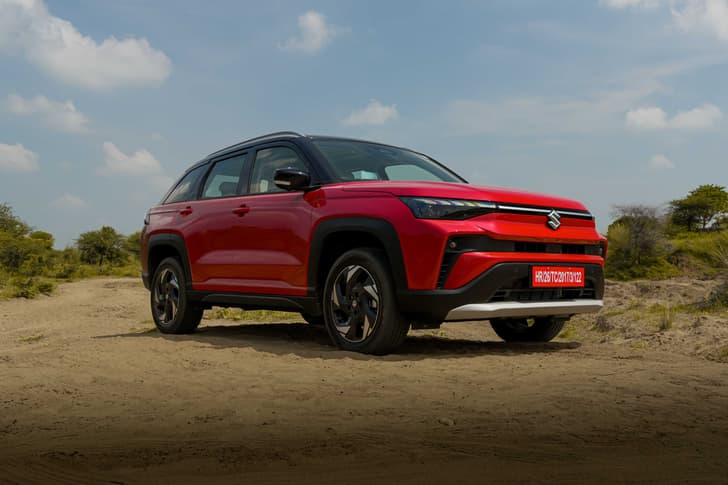
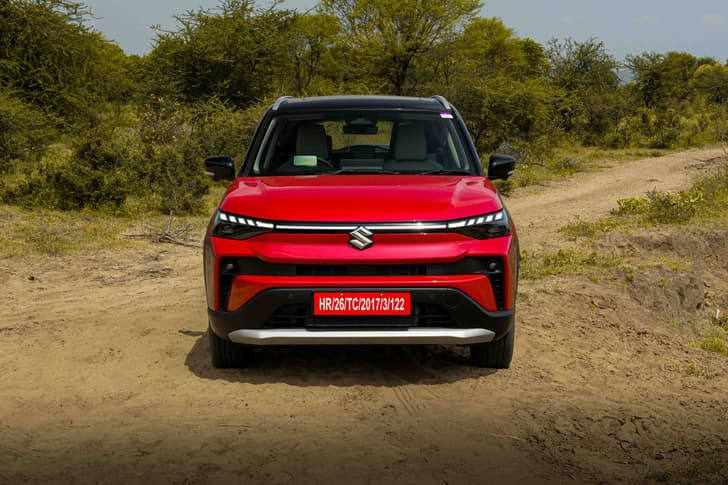
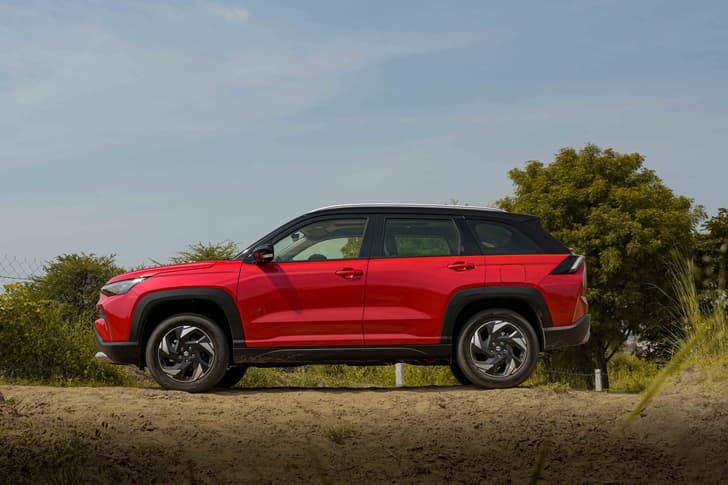
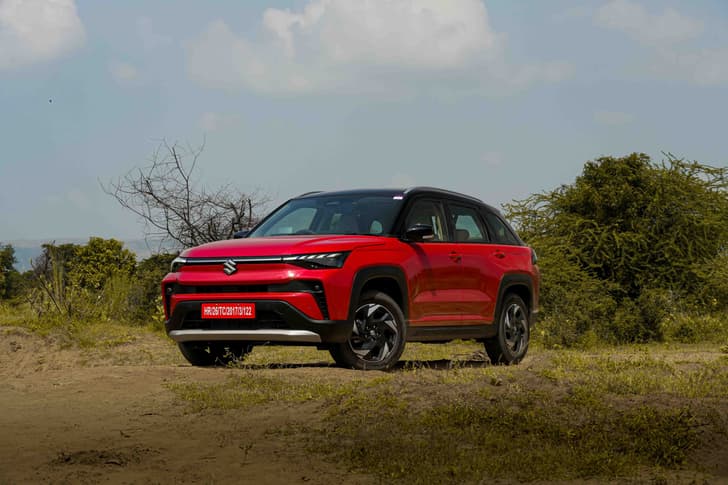
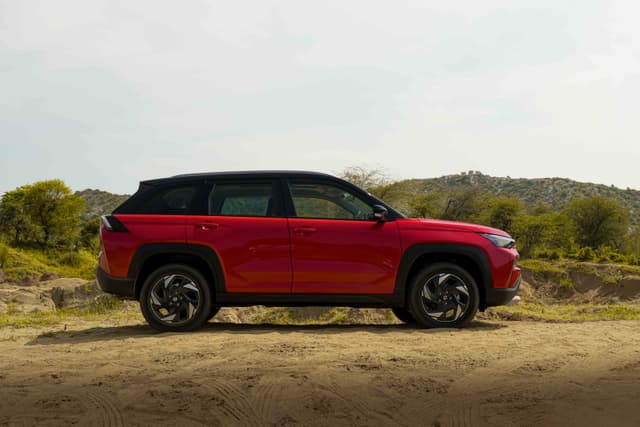
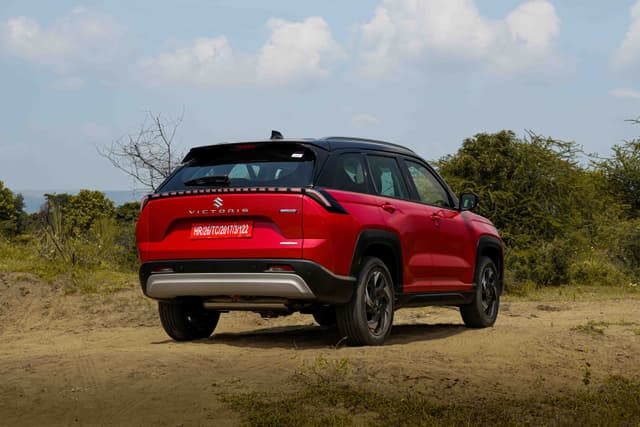
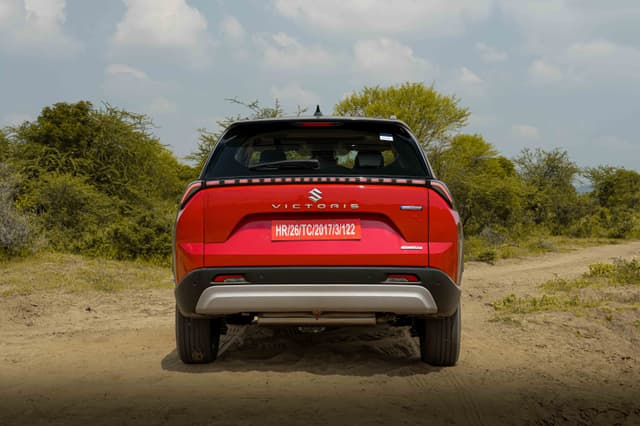
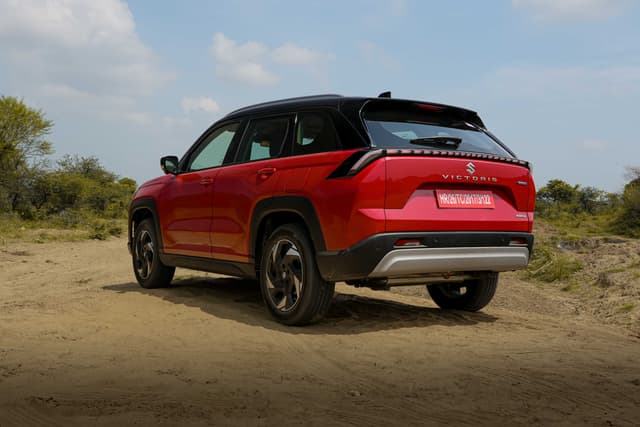
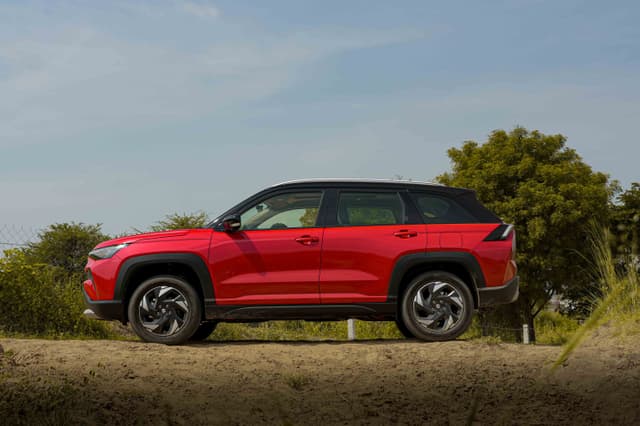
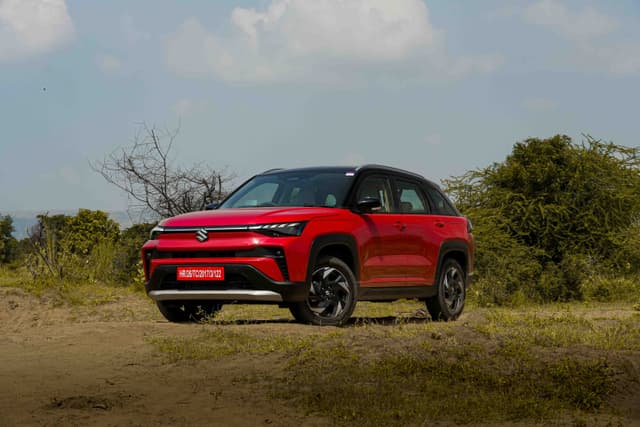
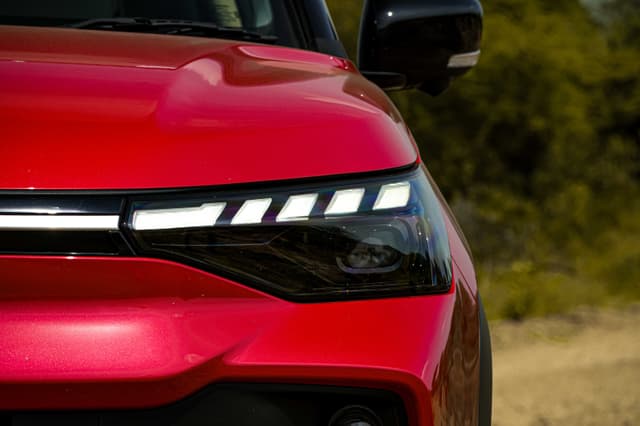
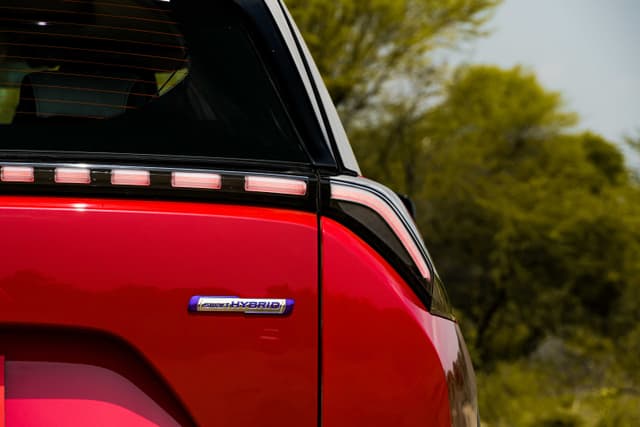
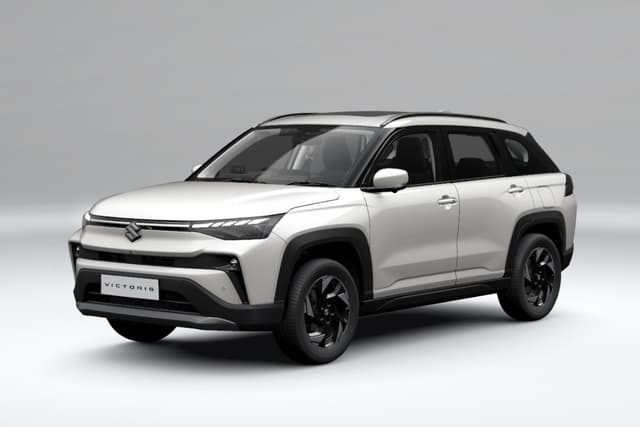
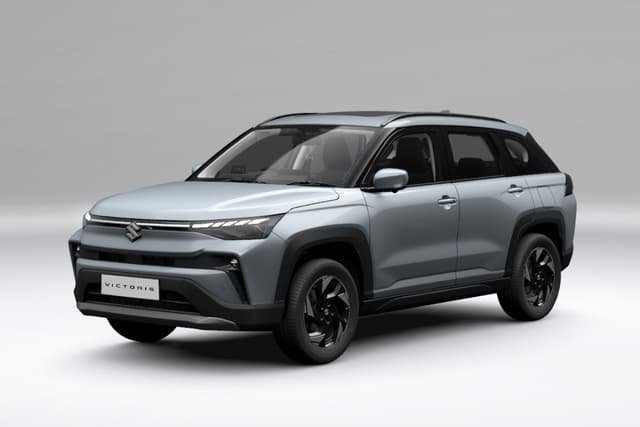
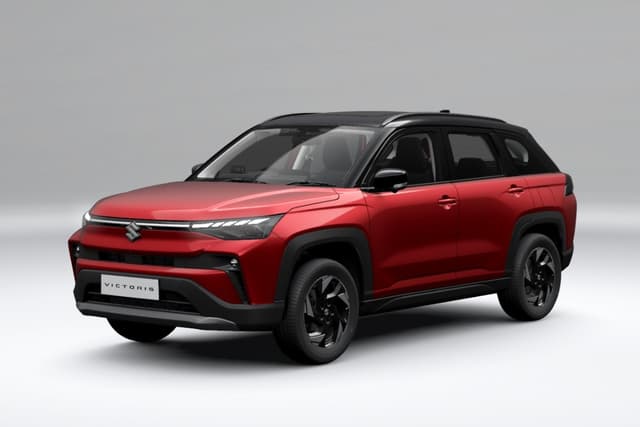
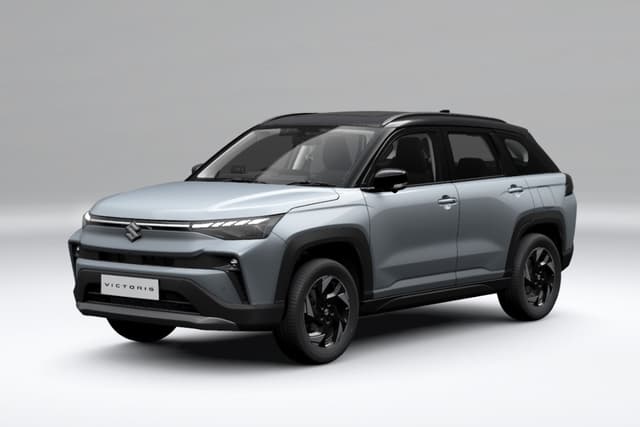
Maruti Suzuki Victoris Images
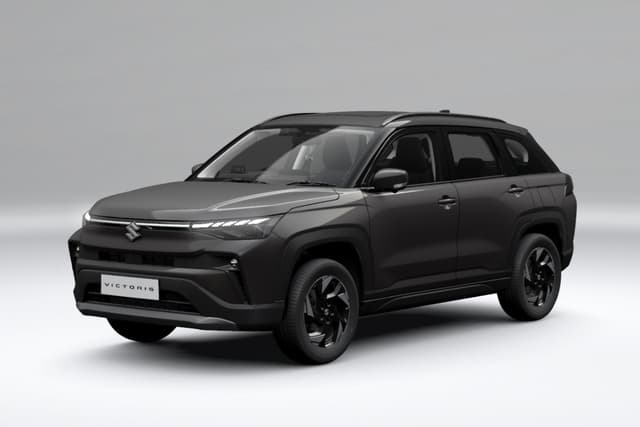
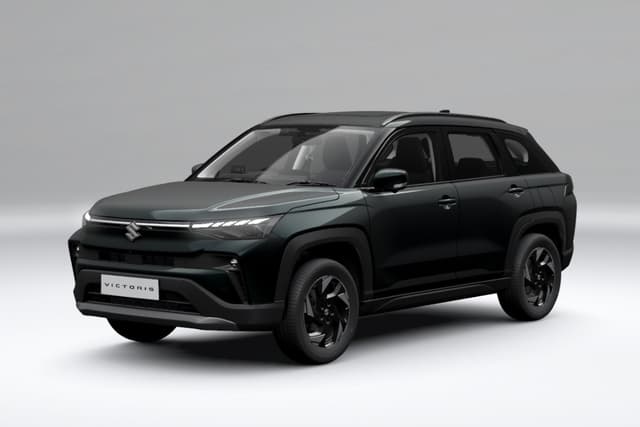
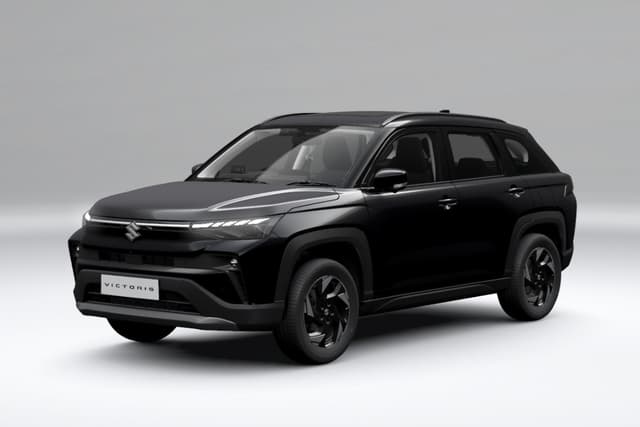
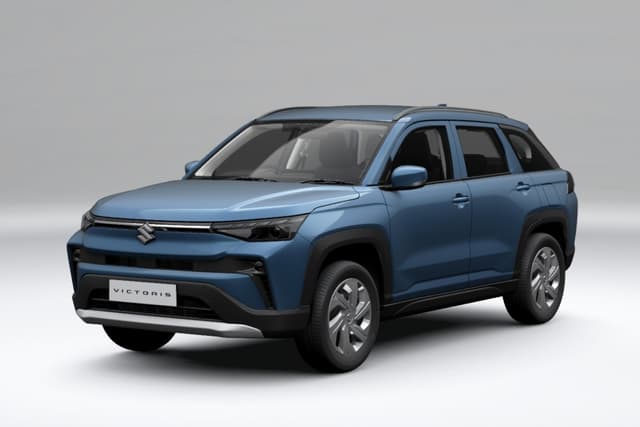
Maruti Suzuki Victoris Colours
Maruti Suzuki Victoris news
Maruti Suzuki Victoris videos


Maruti Suzuki Victoris FAQs
The Maruti Victoris price ranges between Rs 10.49 lakh and Rs 23.24 lakh (ex-showroom), depending on the variant.
The Victoris base model price in Bapatla for the LXI MT starts from Rs 12.60 lakh. On-road prices vary with registration, insurance, and local taxes.
The Victoris CNG variant price in Bapatla starts at Rs.13.44 lakh (ex-showroom).
Victoris top model ZXI+(O), is the most premium, priced at Rs 19.99 lakh (ex-showroom) in Bapatla.
The Victoris on road price in Bapatla begins at Rs.12.60 lakh and goes up to Rs.23.99 lakh.
Questions you may find useful
Hi, I am 66 years old and quasi-retired. Fortunately, I am still engaged as a consultant with a US-based company. My average monthly running varies between 100 km and 300 km. Given this usage pattern, does it make sense for me to buy an EV while living in a gated apartment complex in Noida? Or would a hybrid be a better value proposition, considering this may be the last car I purchase? I no longer drive frequently on highways.
It makes sense to choose EV for your use. With 100-300 km a month and mostly city runs in Noida, you’ll top up once every 3-4 weeks at home, enjoy a quiet, effort-free drive, and spend very little on upkeep as there’s no engine, clutch or oil changes to worry about. For a “last car”, the easy driving and fewer visits to workshops matter more than squeezing every rupee of fuel saving.One honest watch-out: if your RWA won’t allow a dedicated socket, skip an EV. Public chargers are improving but still patchy, and you’ll hate planning around them. In that case, a strong hybrid like the Toyota Urban Cruiser Hyryder, Maruti Suzuki Victoris or Maruti Suzuki Grand Vitara gives you smooth automatic convenience and low fuel use without any charging fuss.
My daily ride is 120 to 150km, mostly on Highway 90%, suggest a good car within 20 lakh. Should I buy a diesel or a hybrid petrol?
While hybrids are a great option and do deliver maximum mileage, in your budget of Rs 20 lakh, you will only get a base model variant of the three hybrids in this price range, namely the Maruti Suzuki Victoris and Grand Vitara, and the Toyota Urban Cruiser Hyryder. Hence, we would recommend going with a diesel, of which there are many options within your budget.If you want a larger vehicle, we would recommend the Kia Seltos diesel, which you will get in the mid-spec HTK (O) and HTX variants within your budget. It's a modern SUV with great space and comfort, and a lot of the latest features and tech. Its diesel engine is not the strongest, but it is very smooth and efficient, and can be had with a stutter-free torque converter automatic gearbox.If you don't mind a smaller car, go for the Mahindra XUV 3XO, whose diesel engine is even more powerful than the one in the Seltos. It will feel stronger out on the highway, helped by its smaller size and lighter weight. It's got a spacious cabin and a comfortable and stable ride that feels like an SUV from a segment above. Do note, however, that its boot is not that large, in case you travel with luggage frequently, and it uses an AMT-type automatic, which isn't very smooth. Best of all, however, you can get a fully loaded version within your budget.
Hi everyone, I'm a 37-year-old male and am planning to immediately replace my Renault Triber Petrol Manual and would appreciate your suggestions. My budget is between Rs. 15 and 20 lakh (on-road) for tier-2 city with monthly running of around 500 km and annual running of around 8,000 km. I take long trips of 400 to 600 km once every 2 months. I have a family of 4 including my wife and two kids. Occasionally, my parents or in-laws travel with us, so a 7-seater is preferred. I have shortlisted Kia Carens Clavis HTK+ Diesel Manual, Maruti Ertiga ZXi Petrol Automatic and Maruti Victoris VXi Petrol Automatic . I am confused about diesel car due to my relatively low annual running (~8,000 km). Will DPF issues become a major concern and whether I should go for automatic or manual, considering my age and occasional knee discomfort due to which I am interested in an automatic car. Will choosing an automatic over a diesel manual worth my money? I have another confusion between Ertiga and Invicto in terms of better long-term choice for my usage. Another concern is regarding the safety of Ertiga. Has Maruti made any improvements to its body structure or safety over the years? Its 1-star Global NCAP rating is a concern. Also, what real-world Ertiga automatic mileage can I expect in city and highway driving? Many owners have mentioned that Carens petrol has poor mileage. Is it really that bad in real-world conditions? Also, should I be worried about E20/E30 fuel compatibility and long-term ownership? I am not interested in buying an EV at the moment.
The Kia Carens Clavis Petrol Automatic would be our recommendation. While your family consists of four members, you've specifically mentioned that your parents or in-laws do join you on trips from time to time, which means a genuinely usable third row is important. The Carens Clavis offers the best balance of space, comfort and practicality for seven occupants, while also being easy to drive and comfortable on the 400-600km trips you undertake every couple of months. With an annual running of around 8,000km, we would also avoid the diesel. Although your highway trips should help keep DPF-related issues at bay, the fuel savings are unlikely to justify the higher purchase price and complexity of a modern diesel. Given your knee discomfort, an automatic is definitely worth choosing over a manual and will make day-to-day driving far more relaxing.As for the Carens petrol's fuel efficiency, it is true that some owners report lower-than-expected figures, particularly in heavy city traffic. However, with your relatively modest annual running, we wouldn't let mileage become the deciding factor. The difference in fuel costs between the Carens petrol automatic and a more efficient alternative is unlikely to be substantial enough to outweigh the benefits of the Kia's superior space, comfort and practicality.The Ertiga Automatic remains a sensible option if value, fuel efficiency and ease of ownership are your priorities, but its safety credentials continue to be a concern. The Victoris feels more premium and offers greater comfort on long journeys, but if you genuinely expect to travel with six or seven people, the Carens Clavis is simply the more practical vehicle.
I'm trying to decide between the Victoris strong hybrid and the Kia Seltos 1.5 turbo petrol DCT 7 AT. Please help.
Without knowing your exact requirements, it'll be hard to suggest the best one for you. Go for the Maruti Victoris strong hybrid if your driving is mostly in city traffic. It will cost far less to run than the Kia Seltos turbo petrol, and it feels calmer and smoother in stop-and-go traffic. You also get that quiet, refined drive in pure EV mode at low speeds that takes the stress out of jams.The Seltos 1.5 turbo is the better driver’s car. It feels quicker, has a stronger mid-range shove for fast overtakes, and its cabin is more high-tech and polished. But in heavy traffic, its dual-clutch automatic can feel a bit jerky, and real-world mileage won't be nearly as much as the strong hybrid.If your daily run is short-to-medium and mostly urban, pick the Victoris hybrid and don’t look back. If you do long highway trips often and enjoy a spirited drive, only then is the Seltos turbo worth choosing.
I am planning to buy a new touring car and want a naturally aspirated petrol manual. The cars I have shortlisted are: Suzuki Jimny, Honda Elevate, Tata Sierra (maybe diesel?), Hyundai Creta/Kia Seltos, and Suzuki/Toyota Grand Vitara. I need advice on the best price-to-value, and general service-related problems are not an issue (I usually service my car myself). If possible, please explain the compromises, both mechanically and feature-wise.
Of your shortlist, it comes down to the Honda Elevate, Maruti Suzuki Victoris/Grand Vitara, or Toyota Hyryder, and finally the Kia Seltos.The Maruti Suzuki Jimny is simply not practical enough for the money, and its ride isn't suitable for touring. The Sierra's 1.5 NA petrol is its weakest engine, and the diesel is expensive, and between the Creta and Seltos, we'd pick the newer Seltos as it is more modern, larger and more spacious. And though we would recommend using the official service outlets, if you are interested in servicing the vehicle yourself, the naturally aspirated petrol manual is the best bet. The good news is that all these cars will fall comfortably within your budget, too.The Maruti and Toyota SUVs are superbly reliable and incredibly efficient, though rear-seat space is not as good as the others. The power figure is not great either, and though sufficient in the city, for your highway touring use, you might feel it wanting slightly.The Kia Seltos' 1.5-litre petrol engine produces slightly more power, but the vehicle is also heavier, so it does not feel dramatically quicker on the highway. It is larger than the others, though, offering noticeably more cabin space, better interior quality and a stronger feature list. While it costs roughly Rs 1.5 lakh more in higher trims, you do get more for your money.In terms of outright value, though, the Honda Elevate strikes the best balance. It is more spacious than the Maruti/Toyota, cheaper than the Seltos, and has the most powerful engine, which is also fuel-efficient and legendarily reliable. The 1.5-litre i-VTEC remains tractable at low speeds as well as strong enough on the highway. It is also backed by solid ride and handling dynamics. Downsides are that refinement isn't as good as the others, and even in top-spec guise, the feature set is not as good, though you do get the essentials. We would recommend the Honda over the others for your needs.
I’m looking for a compact SUV for India. My main consideration is great driving dynamics and power. I’m looking for a petrol variant and an automatic transmission. I’ll be using it mainly on long road trips and broken road explorations. Our dream is to do all India / global trips. In about 2 years, there’s a chance we’ll travel with four people (including me) more regularly, so I don’t want the car to struggle then. I don’t need features like ADAS, and I’ll want to upgrade the sound system and camera after purchase. While I’m leaning towards Renault, Skoda, and Volkswagen, could you give me 4-5 options and the best variant? My budget on road is 23-24 lakhs max.
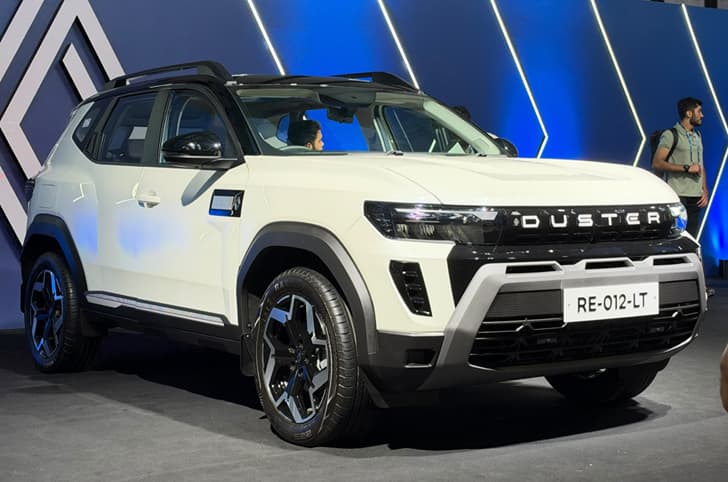
Pick the Skoda Kushaq 1.5 TSI DSG, in either Prestige or Monte Carlo. It’s the most fun-to-drive in your budget, with strong mid‑range power for four-up highway climbs, and a suspension that rides well on broken roads without feeling floaty. It stays stable at speed, and the steering feels natural on long drives. One honest caveat: the 7‑speed dual‑clutch can feel a bit jerky in stop‑go traffic, but your use is mostly highways, so it suits you fine.Close second is the Volkswagen Taigun 1.5 TSI DSG. Same punchy engine and gearbox, and equally enjoyable on twisty hill roads. Between the two, buy the one that gets you the better deal or closer service centres in your city.From Renault, the new Duster turbo‑petrol DCT is a solid choice too. It’s also great on rough roads and enjoyable in the twisties with enough performance for quick highways. Its DCT uses a wet clutch compared to the dry clutch from VW/Skoda, which means shifts are smoother in the city. Wet clutch transmissions are also generally more robust than dry clutch units.Alternatively, consider the Kia Seltos 1.5 turbo-petrol DCT. It has a roomier cabin, which will be important when you are travelling four up. It isn't quite as sharp as the above competitors, but it is enjoyable with plenty of performance.If you are going to be travelling to remote locations, service availability can be scarce. If that is a concern, then include the Maruti Victoris or the Grand Vitara 1.5 petrol. They can also be had with AWD, which can be very useful on rough roads and in icy conditions.
I am confused between the Maruti Suzuki Brezza ZXi and the Grand Vitara VXi. I have a 3-month-old baby and am planning to buy a car to make travelling easier with the child. Initially, I considered the Renault Duster and Skoda Slavia, but both were stretching my budget to around Rs 16 lakh. I have now narrowed it down to the Brezza ZXi and Grand Vitara VXi, but I am unable to decide. Should I consider something else instead?
Go with the Maruti Suzuki Victoris VXi. It is the easier, roomier family car for life with a newborn. The upright cabin, wide rear doors and higher seats make lifting the baby in and out and strapping a rear‑facing seat far simpler. The boot is larger too, so a pram and diaper bag fit easier. It also rides well over broken roads and tall speed breakers.Brezza ZXi is a bit smaller and easier to drive in the city, but it won't be as spacious on the inside.One honest catch with the Victoris is that the petrol is tuned for smoothness, not thrills, so highway performance will be adequate but not punchy.
Hey Autocar. I know the Grand Vitara and Victoris are essentially the same. However, considering the naturally aspirated engine, torque-converter automatic gearbox and front-wheel-drive layout, along with their relatively high kerb weight, will there be any adverse effect on pulling power?
You won’t face issues in the NA + torque-converter Grand Vitara/Victoris in normal use, but the extra weight and the auto do blunt response, so with five on board or on steep hills it will feel lazy. The 1.5 petrol makes its torque higher up the revs, and the torque converter slips a bit at low speed, so the car needs a downshift and revs to move smartly. That is why city crawl and gentle cruising are smooth, but sudden gaps or uphill overtakes need a heavier right foot and some patience.Front-wheel drive is not a problem on tarmac. It will climb most ghats fine, but expect frequent downshifts and more engine noise when loaded or at altitude. Use the manual mode or S/L on climbs to hold a lower gear, and it feels stronger.The engine is built to take the load and will not show any abnormal signs of wear, in case that's a concern for you.
Hello Sir, previously I was using a Mahindra Bolero Storm VLX CRDe. Due to changing government rules, I sold my vehicle and am planning to buy the new Mahindra Scorpio Classic 2026 base S variant. My monthly usage is around 700km. Should I buy this SUV? My other options are the Maruti Victoris or the Hyundai Creta 1.5 NA petrol due to my limited monthly running. I selected the Scorpio because of its drivability in the city, on highways and in hilly areas. Please give me your opinion.
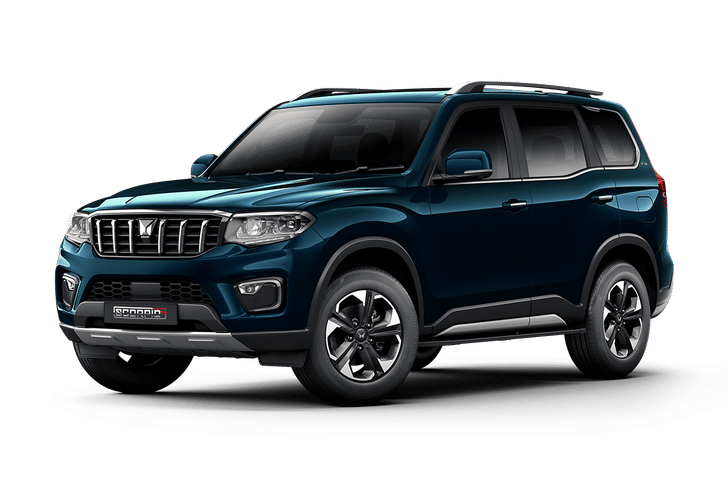
The Mahindra Scorpio Classic still makes the most sense for your requirements. Coming from a Bolero Storm, the Scorpio Classic will feel familiar in terms of its rugged nature, commanding driving position and ability to tackle rough roads, highways and hilly terrain with ease. Even though your monthly running is only around 700km, the Scorpio's diesel engine should not pose any issues as long as the vehicle is driven regularly and occasionally taken on longer runs.The Maruti Suzuki Victoris and Hyundai Creta 1.5 petrol are more modern and refined vehicles. They are quieter, easier to drive in traffic and better suited to urban commuting. Given your limited running, a petrol SUV is certainly the more logical choice from a purely financial perspective.However, your reasons for preferring the Scorpio are valid. If you value durability, high ground clearance, strong low-end performance and the ability to comfortably handle city roads, highways and hilly areas, the Scorpio Classic remains difficult to beat at its price point. It also offers a very different character from the Maruti and Hyundai.
I am planning to downsize from my four-year-old Mahindra XUV 700 AX7 L Petrol. I love all the features and technology it offers, but I am now considering a midsize SUV or even the Honda City Hybrid. My wife and I are retirees, and we regularly drive to the hills. While I do enjoy the extra performance and effortless cruising on highways, I would also appreciate better fuel efficiency. What would you suggest? Additionally, after four years of driving on Indian highways, I am wondering whether ADAS is truly necessary. That said, I do value features such as emergency braking, auto hold, and hill descent control. Over to you, Autocar experts.
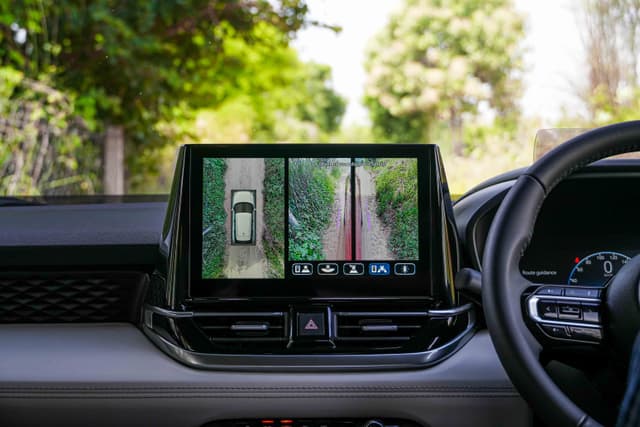
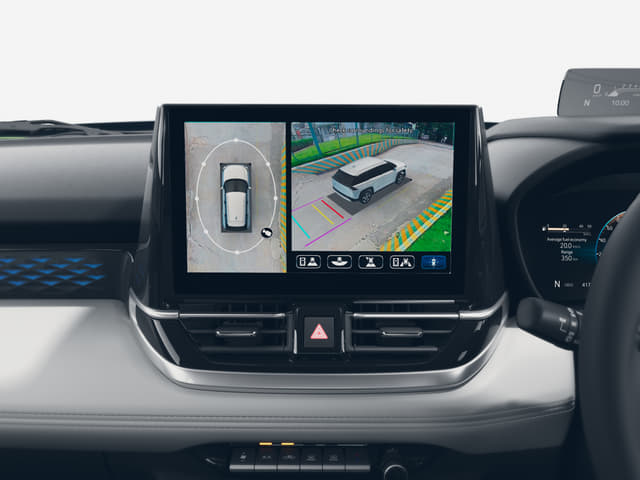
Go for the Maruti Suzuki Victoris strong hybrid. It keeps the SUV ground clearance that's beneficial on hill trips, yet gives real 20-plus-kpl economy and an smooth, refined automatic driving experience. As retirees you will like the relaxed drive, light controls and the long features list - ventilated seats, 360 camera, EPB with auto hold, wireless Android Auto and Apple CarPlay - so you still get your bells and whistles without the size and thirst of your XUV700. And though the Victoris gets ADAS features, they aren't offered on the strong hybrid, but you do get cruise control, which should be helpful on long drives.While the Honda City Hybrid is an excellent option, and possibly more fuel efficient than even the Maruti Suzuki car, but its sedan shape works against it. Ground clearance is nowhere near as good, and ingress and egress could be an issue. Plus, as its hybrid system isn't localised like Maruti and Toyota's, the City Hybrid is very expensive. While the electric assist helps, as you've noted, hybrids in general are not as quick as a powerful turbocharged car like your XUV700, and the engine can sound strained when wrung out, such as on steep climbs. Also, the hybrid variant does not get AWD or hill descent. If you truly need extra grip in slush, the AWD mild-hybrid manual exists, but you will lose the auto hold feature.
Maruti Suzuki Victoris price in India
Maruti Suzuki Cars