
Autocar India
1d

Hi everyone, I'm a 37-year-old male and am planning to immediately replace my Renault Triber Petrol Manual and would appreciate your suggestions. My budget is between Rs. 15 and 20 lakh (on-road) for tier-2 city with monthly running of around 500 km and annual running of around 8,000 km. I take long trips of 400 to 600 km once every 2 months. I have a family of 4 including my wife and two kids. Occasionally, my parents or in-laws travel with us, so a 7-seater is preferred. I have shortlisted Kia Carens Clavis HTK+ Diesel Manual, Maruti Ertiga ZXi Petrol Automatic and Maruti Victoris VXi Petrol Automatic . I am confused about diesel car due to my relatively low annual running (~8,000 km). Will DPF issues become a major concern and whether I should go for automatic or manual, considering my age and occasional knee discomfort due to which I am interested in an automatic car. Will choosing an automatic over a diesel manual worth my money? I have another confusion between Ertiga and Invicto in terms of better long-term choice for my usage. Another concern is regarding the safety of Ertiga. Has Maruti made any improvements to its body structure or safety over the years? Its 1-star Global NCAP rating is a concern. Also, what real-world Ertiga automatic mileage can I expect in city and highway driving? Many owners have mentioned that Carens petrol has poor mileage. Is it really that bad in real-world conditions? Also, should I be worried about E20/E30 fuel compatibility and long-term ownership? I am not interested in buying an EV at the moment.

Verified
20m

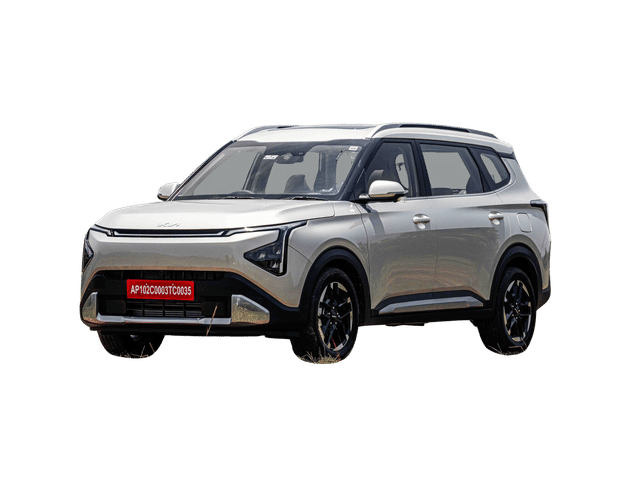
The Kia Carens Clavis Petrol Automatic would be our recommendation. While your family consists of four members, you've specifically mentioned that your parents or in-laws do join you on trips from time to time, which means a genuinely usable third row is important. The Carens Clavis offers the best balance of space, comfort and practicality for seven occupants, while also being easy to drive and comfortable on the 400-600km trips you undertake every couple of months. With an annual running of around 8,000km, we would also avoid the diesel. Although your highway trips should help keep DPF-related issues at bay, the fuel savings are unlikely to justify the higher purchase price and complexity of a modern diesel. Given your knee discomfort, an automatic is definitely worth choosing over a manual and will make day-to-day driving far more relaxing.

As for the Carens petrol's fuel efficiency, it is true that some owners report lower-than-expected figures, particularly in heavy city traffic. However, with your relatively modest annual running, we wouldn't let mileage become the deciding factor. The difference in fuel costs between the Carens petrol automatic and a more efficient alternative is unlikely to be substantial enough to outweigh the benefits of the Kia's superior space, comfort and practicality.

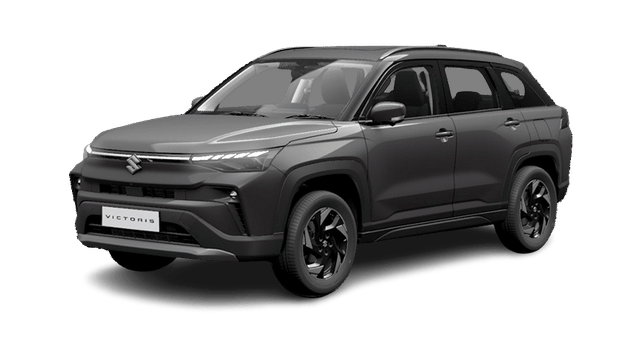
The Ertiga Automatic remains a sensible option if value, fuel efficiency and ease of ownership are your priorities, but its safety credentials continue to be a concern. The Victoris feels more premium and offers greater comfort on long journeys, but if you genuinely expect to travel with six or seven people, the Carens Clavis is simply the more practical vehicle.
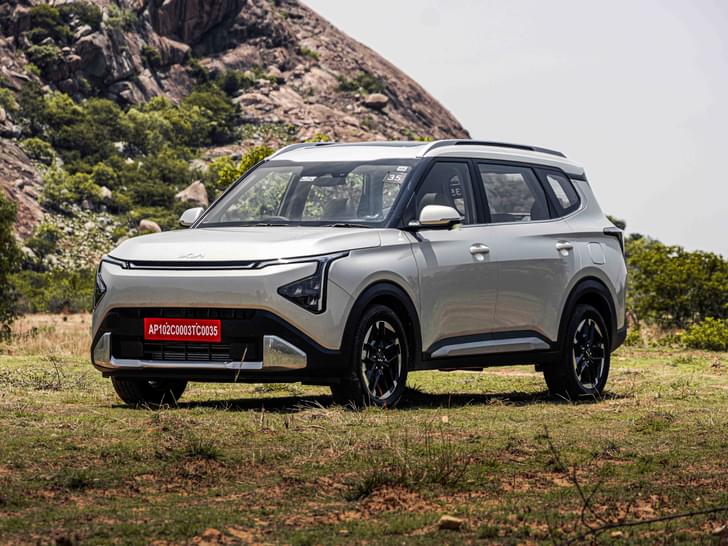
Kia Carens Clavis

Kia Carens Clavis

More questions on similar cars

1d

I am a 43-year-old man with a family that includes my wife, my two 11-year-old sons, and my parents. I am planning to buy a car for my family by November 2026. My priorities are good fuel efficiency and strong safety. My usage will mainly consist of short weekend trips, along with longer journeys of 600 km or more once every 2-3 months. Considering my family size and usage pattern, which car would you recommend? Also, are there any upcoming car launches expected by November 2026 that may suit my requirements better?

Verified
22h

Without knowing your budget, it's hard to know what to recommend, but strictly speaking, for your family of six, the best car around is the Toyota Innova Hycross Hybrid. It's the most spacious car this side of Rs. 50 lakh and comes with one of the most efficient hybrid powertrains. The interior is flexible, so you can reconfigure it to suit your specific needs, and being an MPV, getting in and out will not be too difficult for your parents further down the line. It's a Toyota, so reliability is a given, and maintenance costs are reasonable too. In the city, the hybrid powertrain will run mostly on electric power, giving you a refined and relaxing experience, and on the highway, there's enough punch, even with a full load of passengers. If this is outside your budget, however, consider the Kia Carens Clavis, which offers a great mix of features, space and flexibility for the money. Plus, with a wide choice of engines and gearboxes, you should find something that suits you.

VehicleToyota Innova HyCross
VehicleKia Carens Clavis
2d

I am planning to buy a new touring car and want a naturally aspirated petrol manual. The cars I have shortlisted are: Suzuki Jimny, Honda Elevate, Tata Sierra (maybe diesel?), Hyundai Creta/Kia Seltos, and Suzuki/Toyota Grand Vitara. I need advice on the best price-to-value, and general service-related problems are not an issue (I usually service my car myself). If possible, please explain the compromises, both mechanically and feature-wise.

Verified
5h

Of your shortlist, it comes down to the Honda Elevate, Maruti Suzuki Victoris/Grand Vitara, or Toyota Hyryder, and finally the Kia Seltos.The Maruti Suzuki Jimny is simply not practical enough for the money, and its ride isn't suitable for touring. The Sierra's 1.5 NA petrol is its weakest engine, and the diesel is expensive, and between the Creta and Seltos, we'd pick the newer Seltos as it is more modern, larger and more spacious. And though we would recommend using the official service outlets, if you are interested in servicing the vehicle yourself, the naturally aspirated petrol manual is the best bet. The good news is that all these cars will fall comfortably within your budget, too.The Maruti and Toyota SUVs are superbly reliable and incredibly efficient, though rear-seat space is not as good as the others. The power figure is not great either, and though sufficient in the city, for your highway touring use, you might feel it wanting slightly.The Kia Seltos' 1.5-litre petrol engine produces slightly more power, but the vehicle is also heavier, so it does not feel dramatically quicker on the highway. It is larger than the others, though, offering noticeably more cabin space, better interior quality and a stronger feature list. While it costs roughly Rs 1.5 lakh more in higher trims, you do get more for your money.In terms of outright value, though, the Honda Elevate strikes the best balance. It is more spacious than the Maruti/Toyota, cheaper than the Seltos, and has the most powerful engine, which is also fuel-efficient and legendarily reliable. The 1.5-litre i-VTEC remains tractable at low speeds as well as strong enough on the highway. It is also backed by solid ride and handling dynamics. Downsides are that refinement isn't as good as the others, and even in top-spec guise, the feature set is not as good, though you do get the essentials. We would recommend the Honda over the others for your needs.

VehicleHonda Elevate
VehicleMaruti Suzuki Jimny
VehicleMaruti Suzuki Victoris
VehicleMaruti Suzuki Grand Vitara
VehicleToyota Urban Cruiser Hyryder
VehicleKia Seltos

Popular discussions right now

1w

Which would be the better choice among the BYD Sealion 7, Mahindra XEV 9e, and Vinfast VF7? I currently own a Skoda Superb, which is 6 years old, and my ownership experience has been good so far. However, I am considering switching to an EV as a replacement, mainly because I am concerned about potential mechatronics-related repairs and higher maintenance costs as the car ages, even though I have not faced any issues yet. My heart says the BYD Sealion 7 would be the ideal replacement or upgrade for the Superb because of its build quality, premium cabin, and overall feel. However, my mind wonders whether it truly offers good value for money considering its premium price tag, although budget is not a major constraint for me. My daily driving is around 20-30 km, mostly within the city, with only occasional outstation trips. Considering my usage pattern and expectations, which of these EVs would you recommend?

Verified
1d

Pick the BYD Sealion 7. It comes closest to your Superb in the way it feels inside and the calm, premium way it goes down the road, and BYD’s EV tech is well proven here. For 20-30km city usage it is smooth, very efficient, and the cabin quality, quietness and ride will feel like a real upgrade that's on par with luxury cars in the same price range.The Mahindra XEV 9e and Vinfast VF7 do sound like good value with the amount of performance and features they offer, but they both belong a size and segment down on the BYD, and that's reflected in the price too. Plus, though feature laden, their cabins will not give you the same plushness you enjoyed in your Skoda Superb. One catch with the Sealion 7 is BYD’s smaller network as compared to Mahindra. But with budget not being a big worry and your usage being mostly in the city, the peace-of-mind of mature EV hardware and genuine upmarket feel makes the BYD the right call for you. Charge at home and you will need to top up just once every few days.

VehicleBYD Sealion 7
VehicleSkoda Superb
VehicleMahindra XEV 9e
VehicleVinfast VF7

Posted on: 20 Jun 2026