autocar-logo
Delhi
Mahindra

Mahindra cars in India (18)

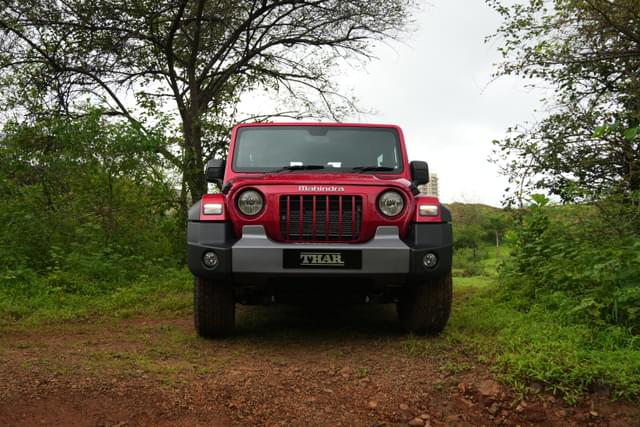
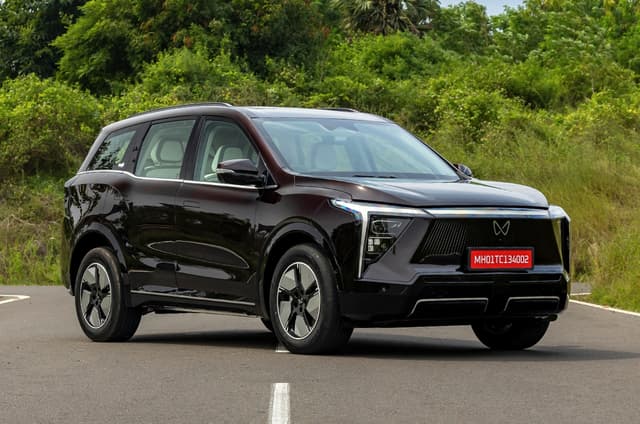
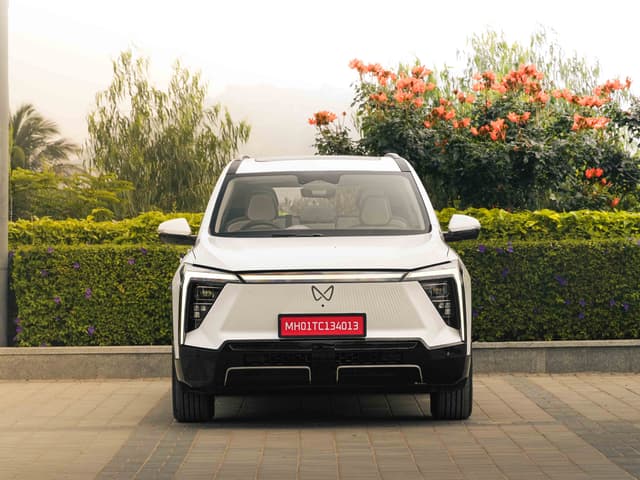
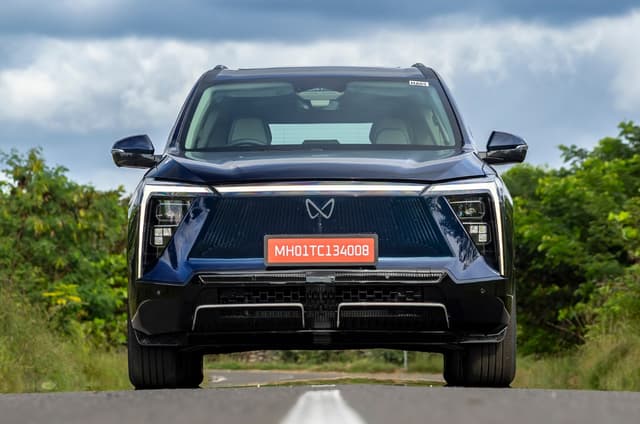
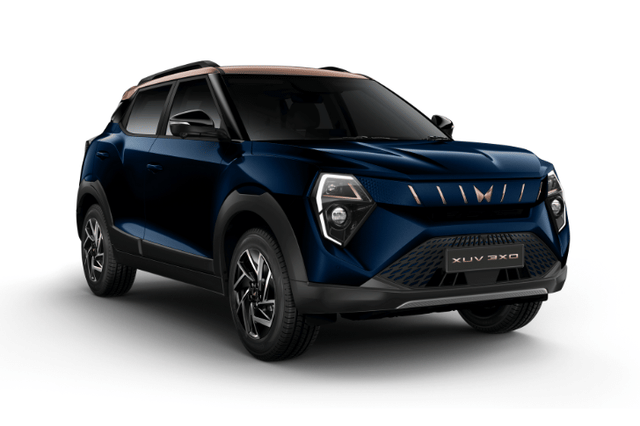
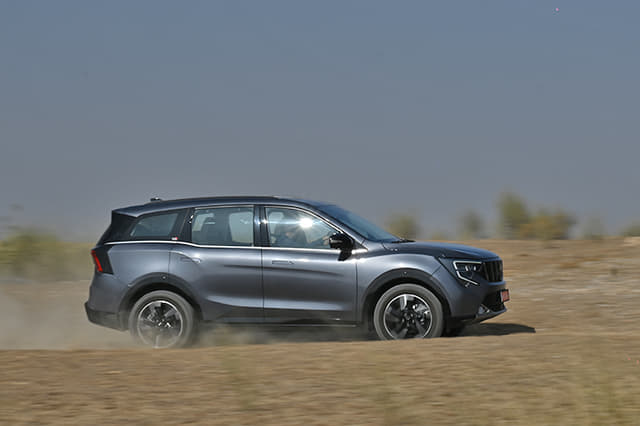
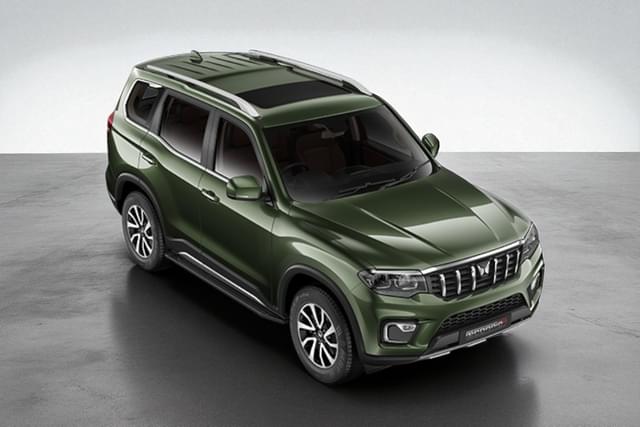
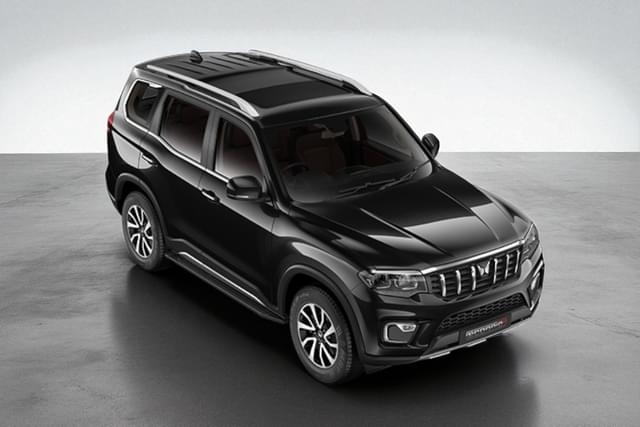
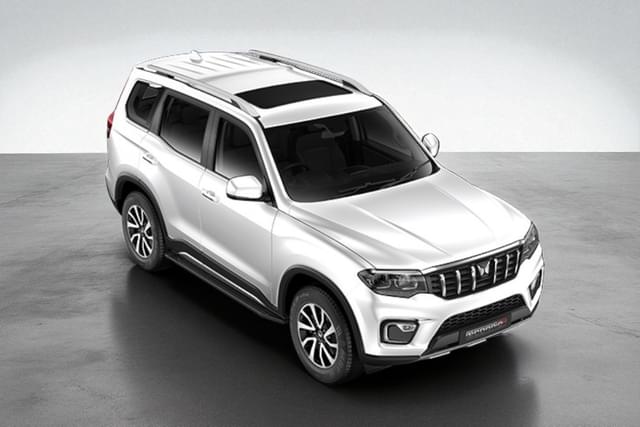
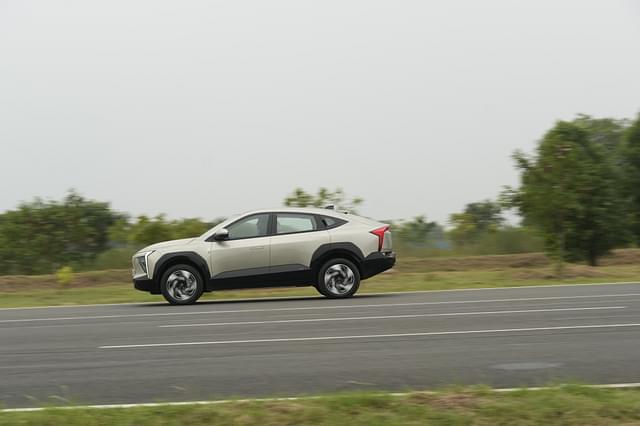
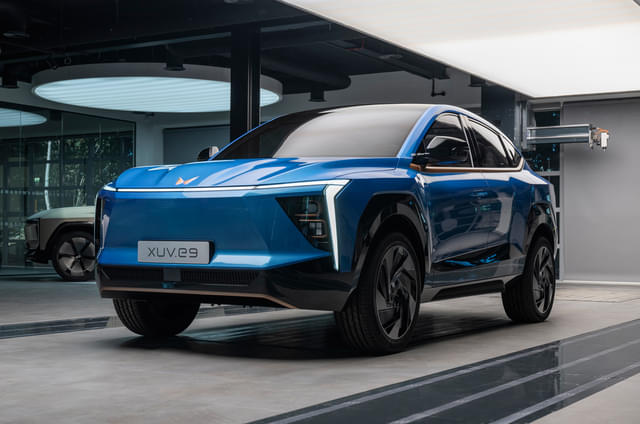
Currently, there are 17 Mahindra cars in India, with 15 on sale and 2 upcoming models. The Mahindra lineup includes 16 SUVs, with no sedans, hatchbacks, MPVs, or convertibles.  The Mahindra car price starts at ₹7.28 lakh and goes up to ₹30.50 lakh (ex-showroom). The Mahindra cheapest car is the XUV 3XO, while the most expensive is the XEV 9e.


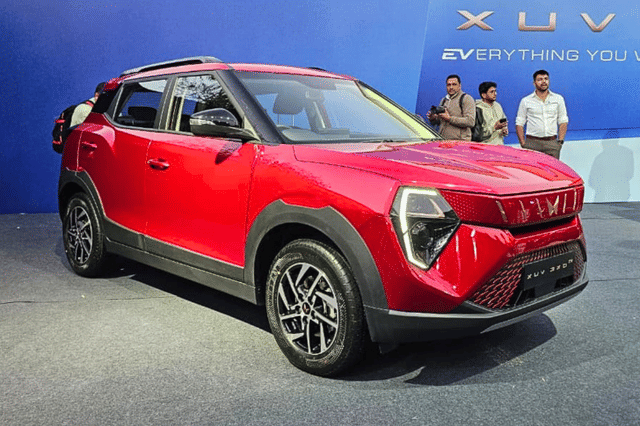
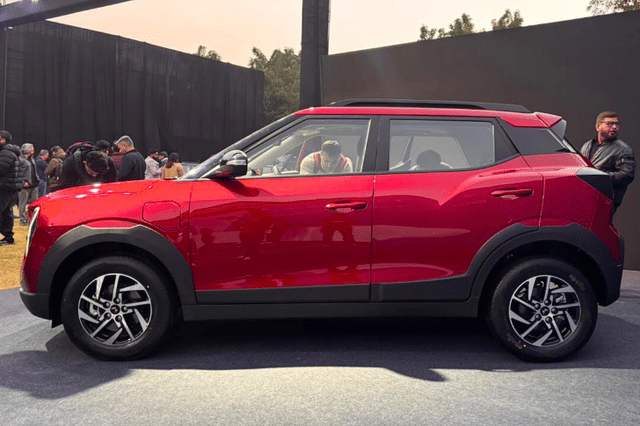
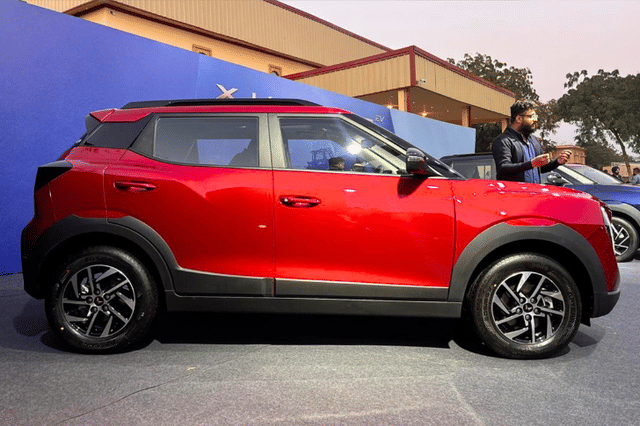
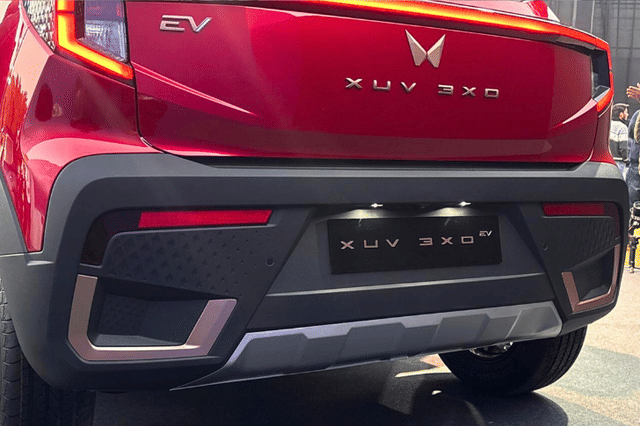
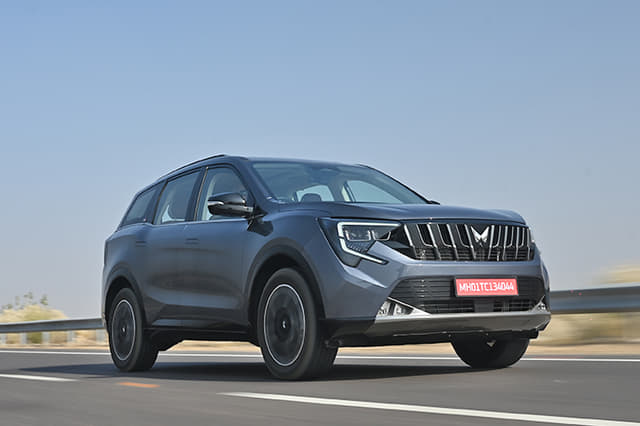
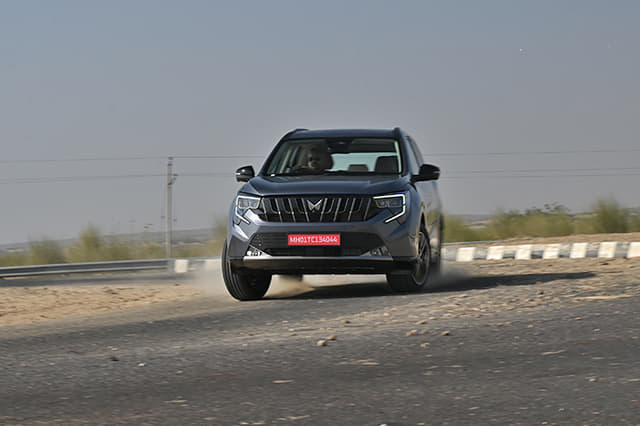
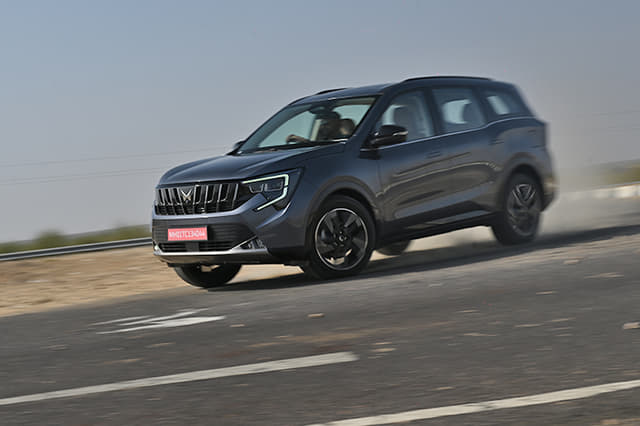
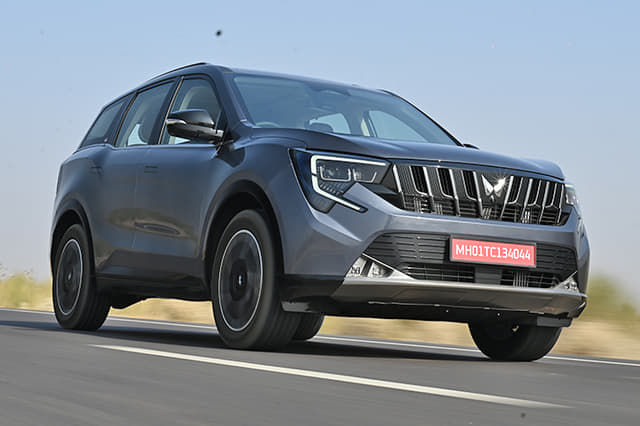
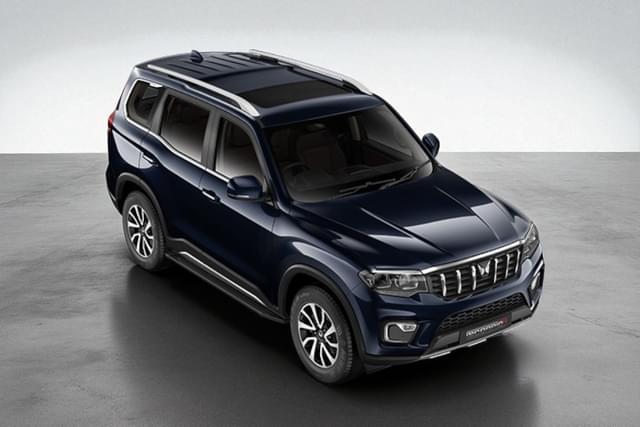
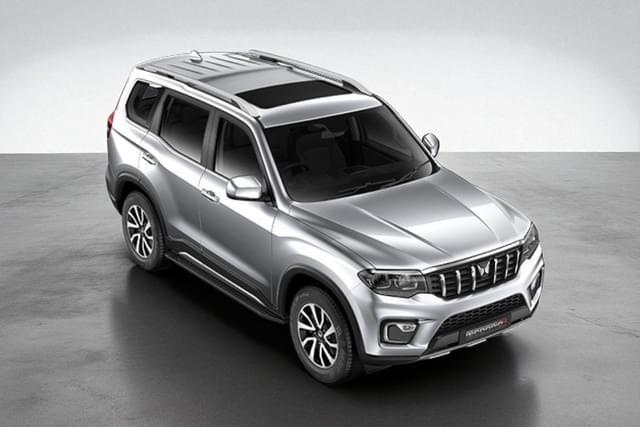
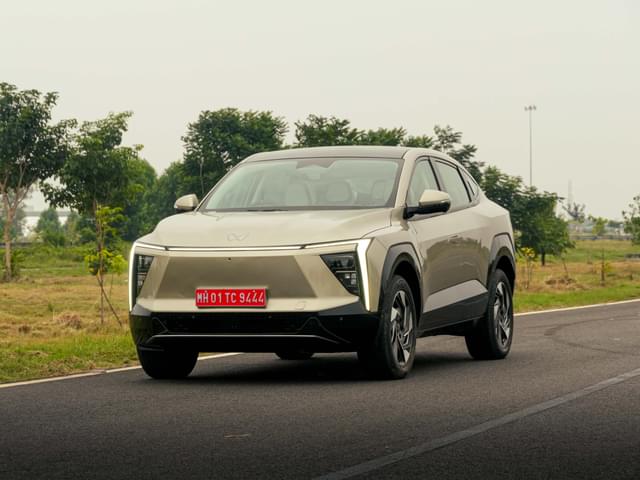
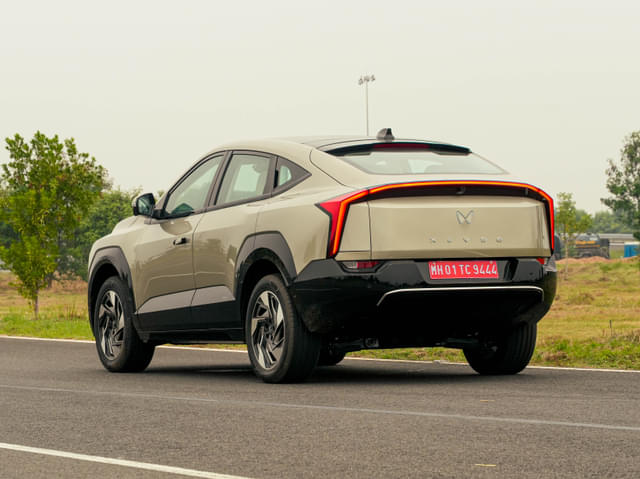
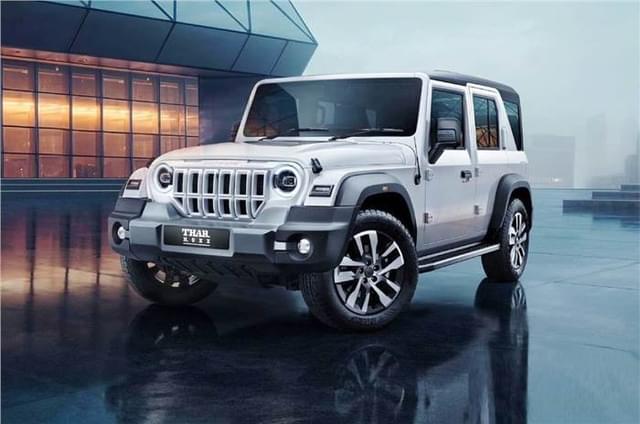
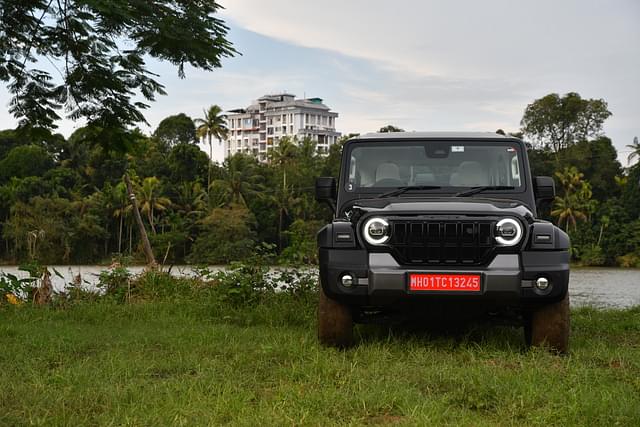
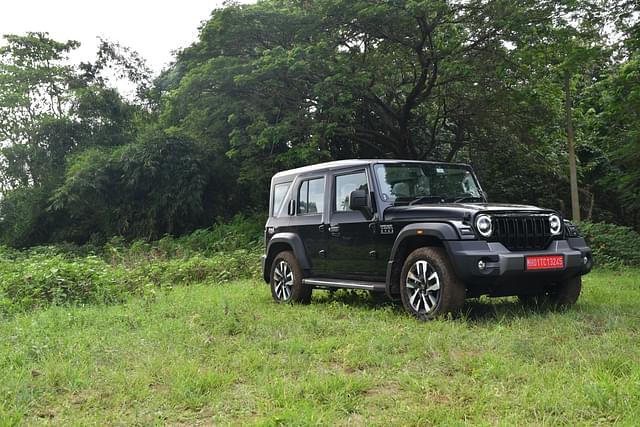
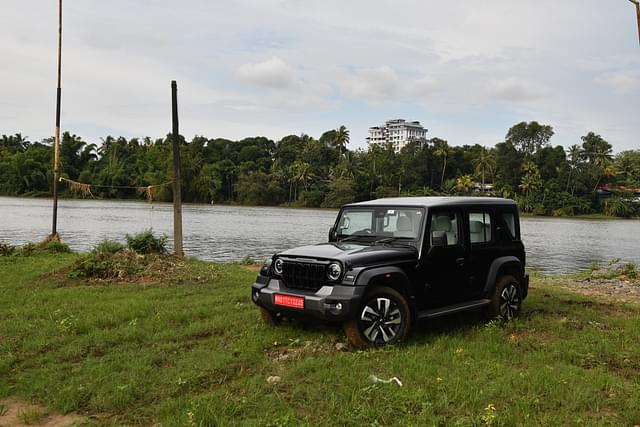
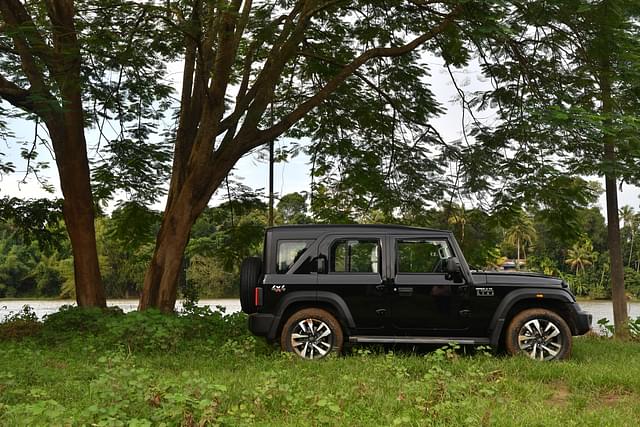
The most popular Mahindra car models in India are the Thar, Thar Roxx, Scorpio Classic, Scorpio N (the highest-selling car for Mahindra), XUV 7XO (recently updated from XUV700), and XUV 3XO. Mahindra cars are available with petrol, diesel, and electric options. The newest Mahindra car is the XUV 3XO EV. It was launched on 6 January 2026 and is priced between ₹13.89 lakh and ₹14.96 lakh (ex-showroom).


Mahindra Cars Price List (January 2026)
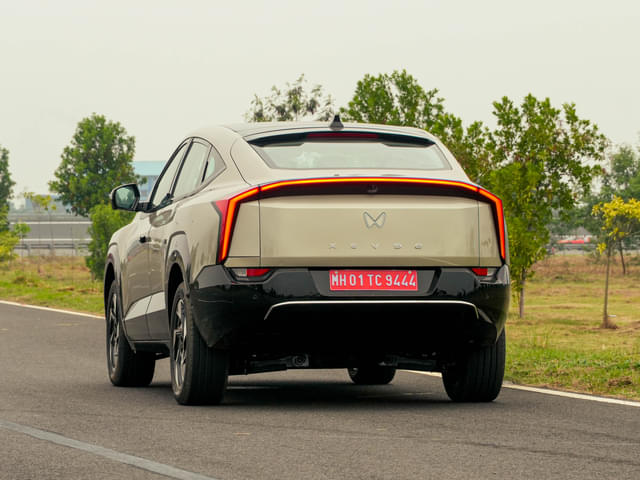
 

The Mahindra car price in India ranges from ₹7.28 lakh for the XUV 3XO to ₹30.50 lakh for the XEV 9e. The top 5 popular Mahindra cars and their prices are: Thar Roxx (₹12.25 - ₹22.06 lakh), Scorpio Classic (₹12.98 - ₹16.70 lakh), Scorpio N (₹13.20 - ₹24.17 lakh), XUV 7XO (₹13.66 - ₹24.92 lakh), and XUV 3XO (₹7.28 - ₹14.40 lakh). View the latest Mahindra car prices of all models in the table below:


Mahindra Car

Price (ex-showroom)

Mahindra XUV 3XO

₹7.28 lakh - ₹14.40 lakh

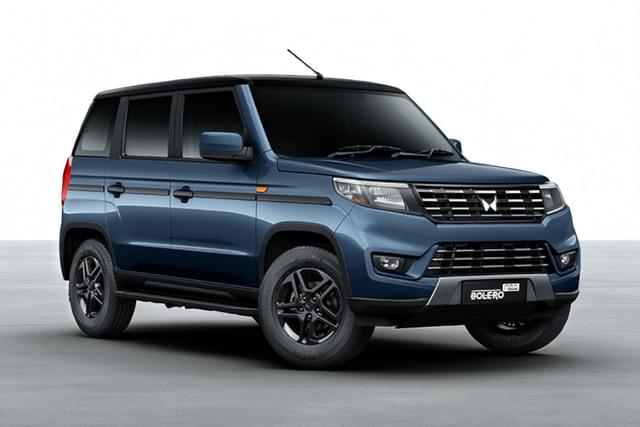
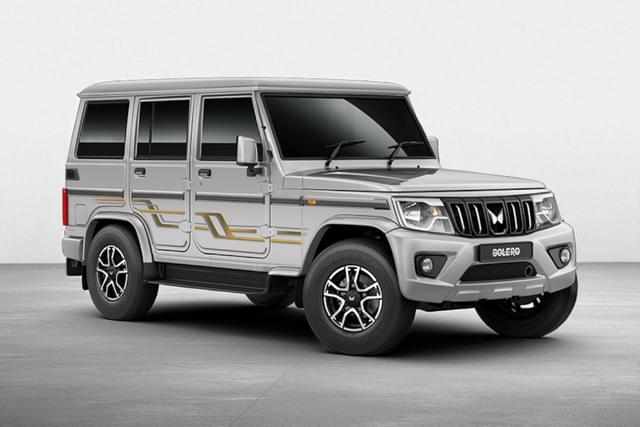
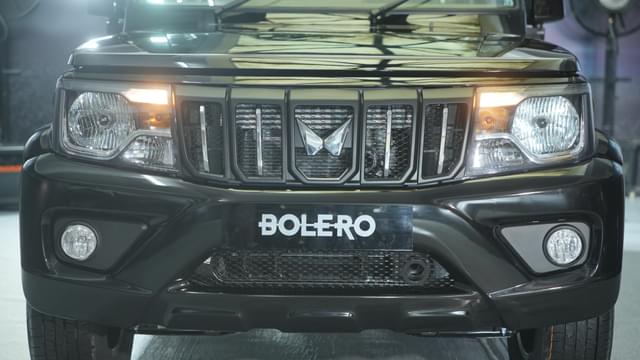
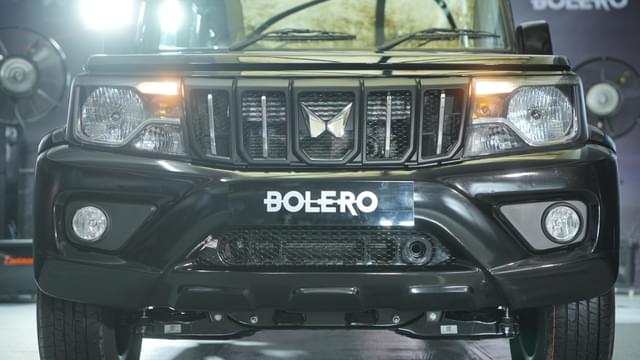
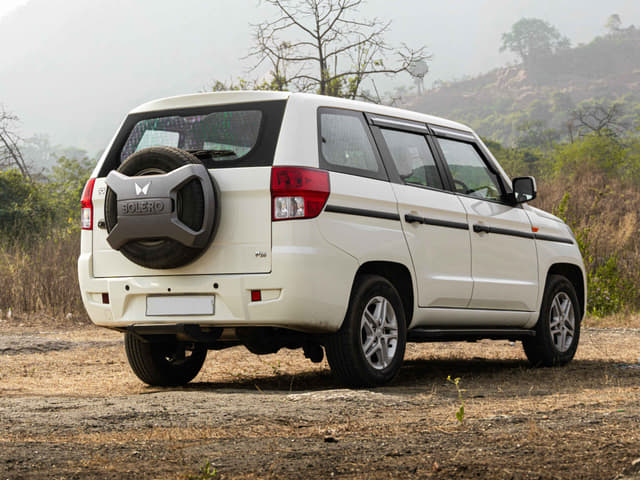
Mahindra Bolero

₹7.99 lakh - ₹9.69 lakh

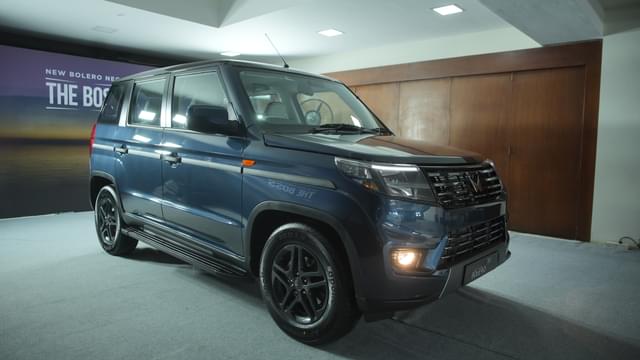
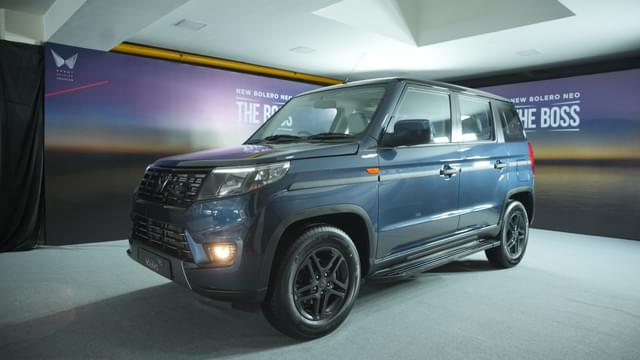
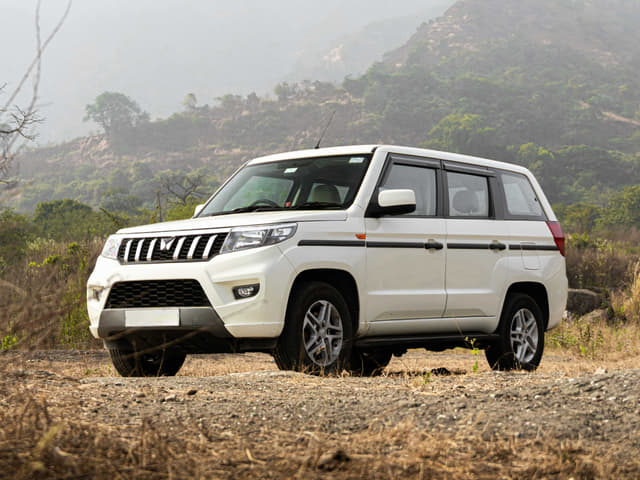
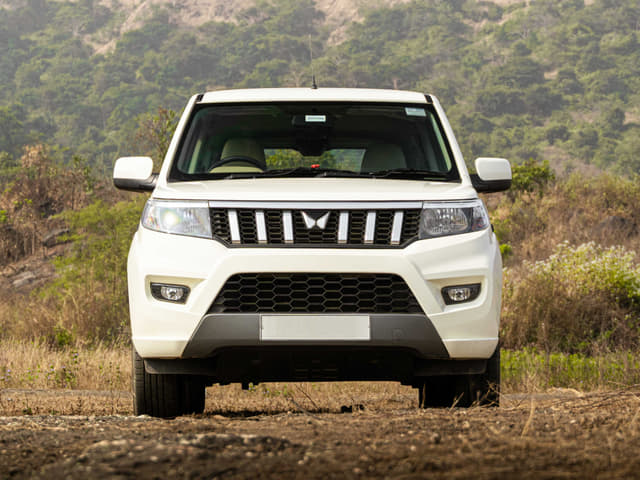
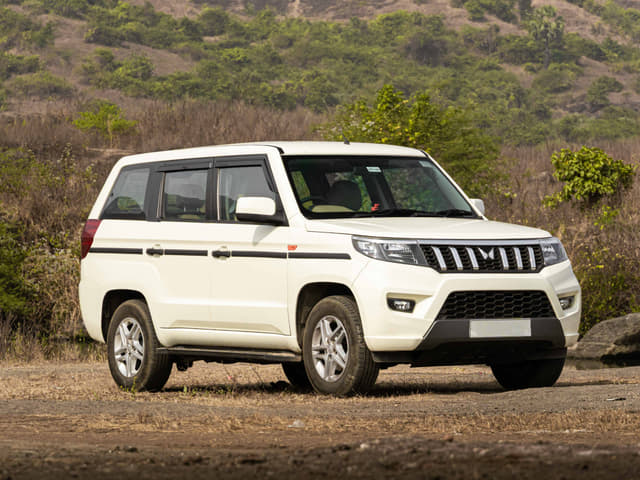
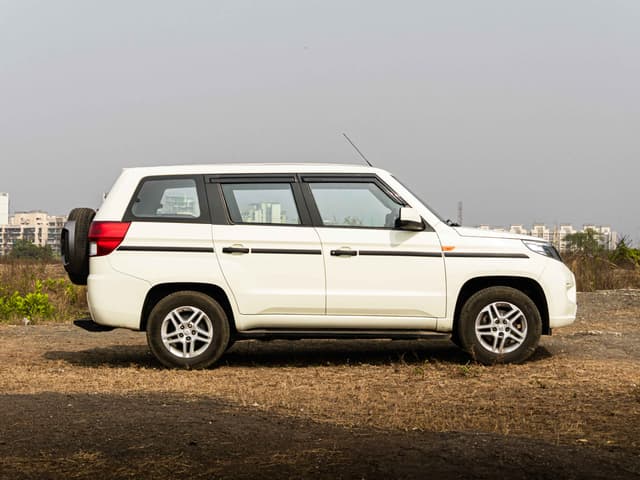
Mahindra Bolero Neo

₹8.49 lakh - ₹10.49 lakh

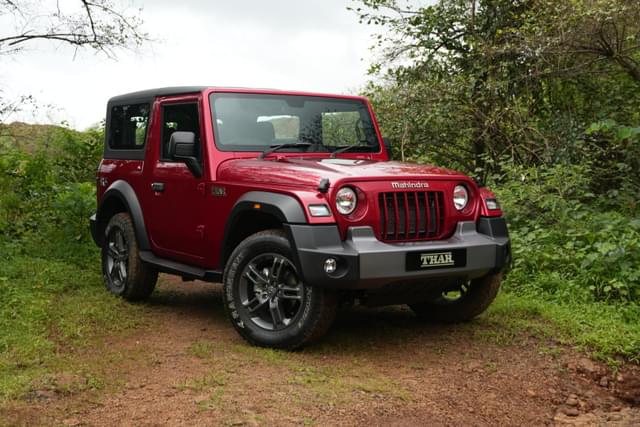
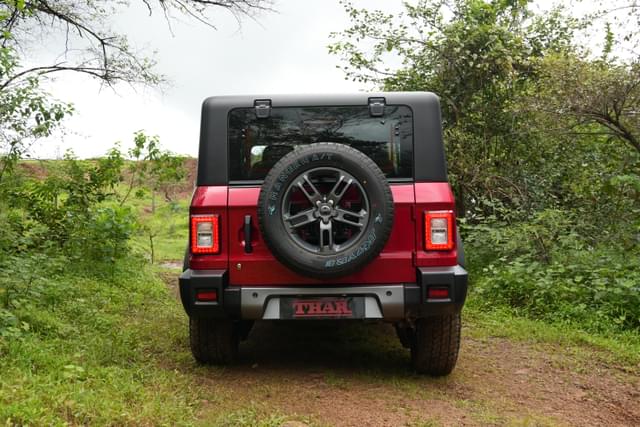
Mahindra Thar

₹9.99 lakh - ₹16.99 lakh

Mahindra Bolero Neo+

₹10.77 lakh - ₹11.80 lakh

Mahindra Thar Roxx

₹12.25 lakh - ₹22.06 lakh

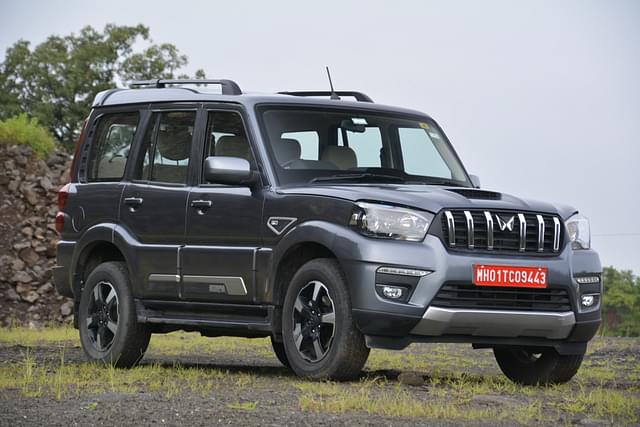
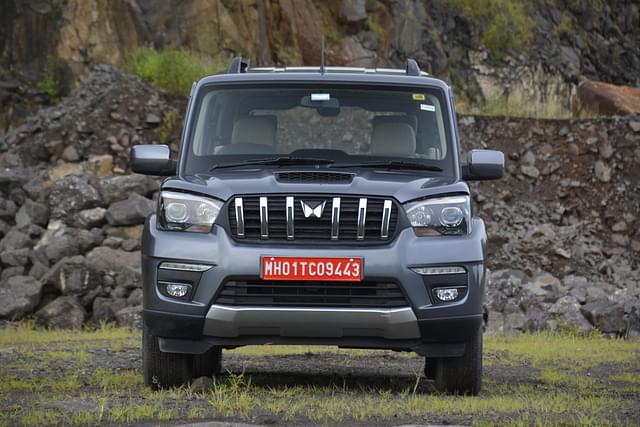
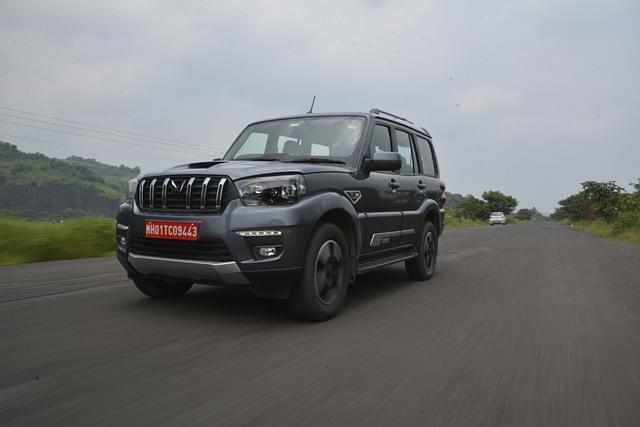
Mahindra Scorpio Classic

₹12.98 lakh - ₹16.70 lakh

Mahindra Scorpio N

₹13.20 lakh - ₹24.17 lakh

Mahindra XUV700

₹13.66 lakh - ₹23.57 lakh

Mahindra XUV 7XO

₹13.66 lakh - ₹24.92 lakh

Mahindra XUV 3XO EV

₹13.89 lakh - 14.96 lakh

Mahindra XUV400

₹15.49 lakh - ₹17.48 lakh

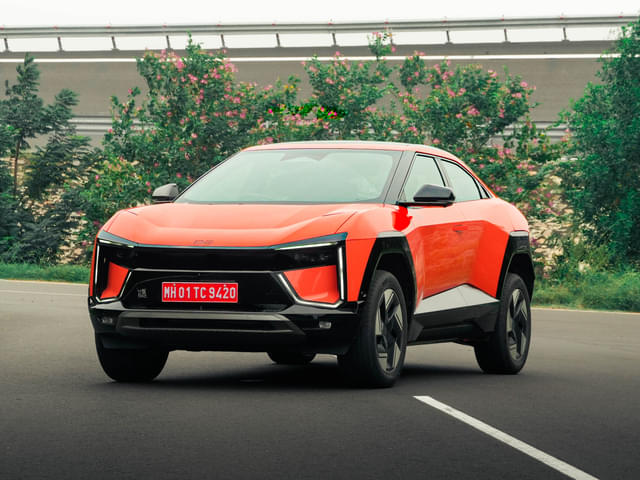
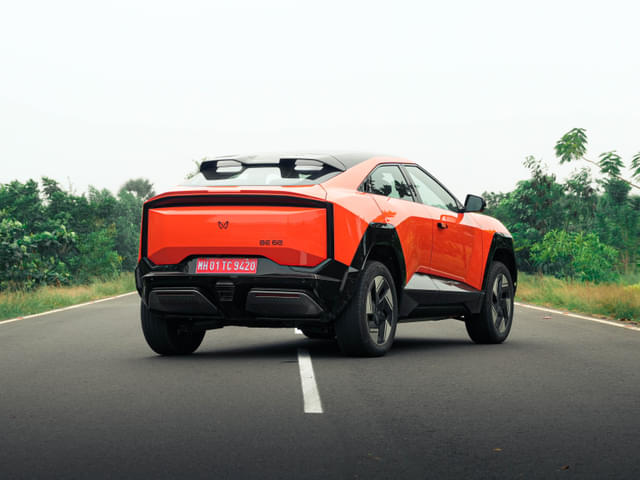
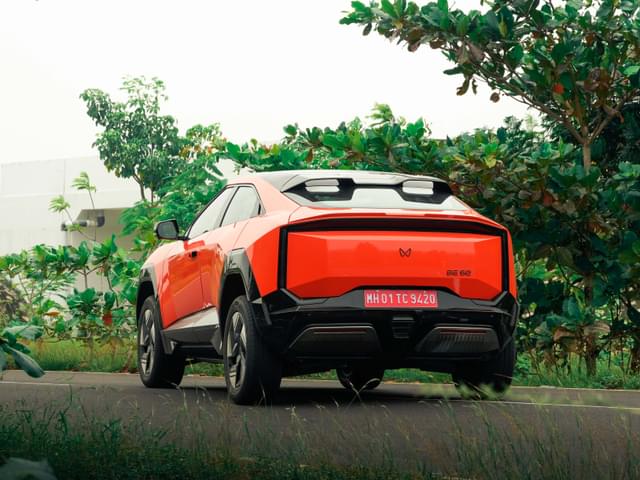
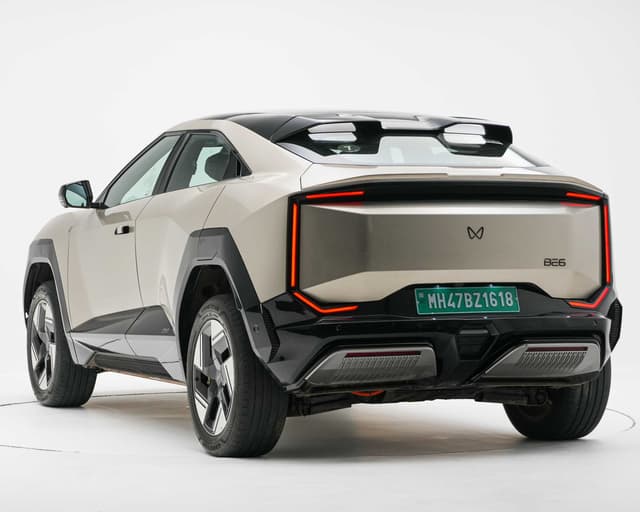
Mahindra BE 6

₹18.90 lakh - ₹26.90 lakh

Mahindra XEV 9S

₹19.90 lakh - ₹29.45 lakh

Mahindra XEV 9e

₹21.90 lakh - ₹30.50 lakh

Mahindra New Car 


There are 2 new Mahindra cars set to launch in India:


  • Mahindra Vision S
    • Expected price: ₹7.50 lakh - ₹13.00 lakh
    • Expected launch: 2027
    • Engine: To be revealed
    • Fuel Type: Petrol
    • Transmission: Automatic


  • Mahindra Vision X
    • Expected price: ₹25.00 lakh - ₹30.00 lakh
    • Expected launch: 2027
    • Engine: To be revealed
    • Fuel Type: Petrol
    • Transmission: Automatic


Mahindra Electric Car


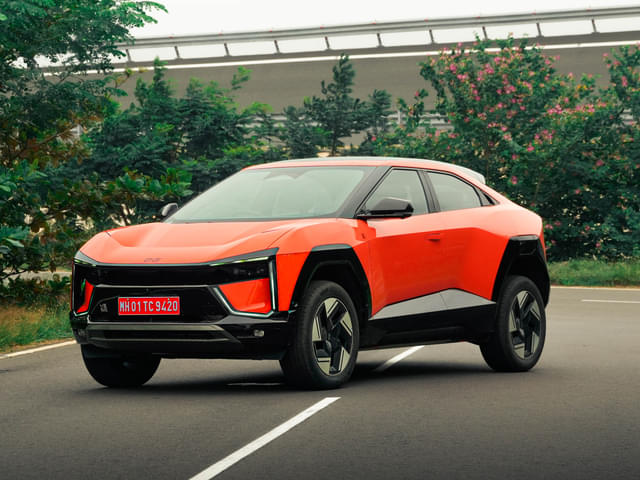
The Mahindra electric car price ranges between ₹13.89 lakh and ₹30.50 lakh. Presently, there are 5 Mahindra EV cars for sale in India: XUV400, BE 6, XEV 9S, XEV 9e, and recently launched XUV 3XO EV. The cheapest Mahindra electric car is the XUV 3XO EV, while the most expensive is the XEV 9e.


Mahindra Cars - Latest Updates

  • 6 January 2026: Mahindra launched XUV 3XO EV at ₹13.89 lakh.
  • 6 January 2026: The new Mahindra XUV 7XO, a facelifted XUV700, starts at ₹13.66 lakh (ex-showroom). Pre-bookings have closed, with fresh bookings reopening on 14 January 2026.
  • 8 December, 2025: Mahindra XUV700 facelift, a.k.a., XUV7XO, will debut on Jan 5, 2026.
  • 2 December, 2025: November 2025 car sales sees Mahindra reclaim second spot as Tata slips to third.
  • 27 November, 2025: Mahindra has introduced the XEV 9S at a starting price of ₹19.95 lakh.
  • 26 November, 2025: Mahindra has launched the BE 6 Formula E Edition at ₹23.69 lakh.
Show more
Can't decide which car to buy?
Ask our experts and get answers to all your cars related queries.

FAQs

Need an expert opinion on your car related queries?

Trending Questions on Mahindra Cars - Answered by Autocar Experts

A
Asked by: Arunon Jan 21, 2026

Hi team! I have owned a Ford Figo diesel for the past 10 years and would like to upgrade to a compact SUV. I’ve shortlisted the Kia Sonet and the Mahindra 3XO (both diesel). My annual running will be approximately 10,000-15,000 km in both city and highway conditions. I would like to hear your opinion on which car to buy and which transmission to choose for performance similar to my Figo. Also, please suggest the most value-for-money variant.

The Mahindra XUV 3XO is a solid upgrade from the Ford Figo, especially if space and comfort matter to you. Its punchy diesel engine, wide cabin and absorbent ride make it comfortable for five, while the 5-star crash test rating adds peace of mind.

The Kia Sonet, on the other hand, feels more premium inside and is easier to drive in the city thanks to its lighter controls. It also offers a larger boot and a smoother 6-speed torque converter automatic compared to the 3XO’s basic AMT, making it the better choice if you prefer an automatic.

Kia’s service experience and resale value are also likely to be stronger.

A
Asked by: Avinash Ron Jan 21, 2026

I am planning to buy a petrol SUV automatic and am confused between the 7XO and the Sierra. Considering mileage, features, maintenance, and reliability, which one is better?

If you are buying a petrol automatic, the Tata Sierra makes more sense if mileage, features and lower running costs are your priority. Its smaller 1.5 litre turbo petrol engine and overall size should make it more efficient. You also get a more feature-rich cabin at a lower price, as the two sit in different segments.

The Mahindra XUV 7XO suits buyers who want a more traditional SUV feel with stronger road presence and a proven mechanical package. Its powerful 2.0-litre turbo petrol engine delivers more effortless performance. But the petrol automatic will be less efficient and costlier to run. If long term reliability and established credentials matter more, the XUV 7XO is the safer bet.

S
Asked by: Shivamon Jan 20, 2026

I want to buy a 7-seater SUV. My budget is Rs 25-28 lakh. I want something that is comfortable, powerful and offers a strong punch while driving. Looks are also important to me.

The Mahindra XUV 7XO is a good option to consider. It is available with a 2.0-litre turbo-petrol engine that makes 203hp and 380Nm, and a 2.2-litre turbo-diesel engine that makes 185hp and 420Nm (450Nm with the auto). Both engines are available with a 6-speed manual and a 6-speed automatic gearbox. The turbo-petrol engine of this Mahindra car is punchy and fun to drive, while the diesel engine is more relaxed and excels at highway cruising.
The XUV 7XO is also spacious, has a comfortable cabin and ride quality, and has a long list of features. It is also a fairly large SUV that has good road presence. The XUV 7XO on-road price in Kota starts at Rs 15.87 lakh and goes up to Rs 29.44 lakh (ex-showroom, India).  
S
Asked by: Sanjeeva B Son Jan 20, 2026

My on-road budget is around Rs 15 lakh. I am unable to decide between the Urban Cruiser Taisor, XUV 3XO, Nexon and Fronx. I am looking for good mileage, safety, AMT and a sunroof. Please guide me.

If you are looking for a sunroof, you will have to remove the Maruti Fronx and Toyota Urban Cruiser Taisor from your consideration set, as neither of them gets one. Between the Tata Nexon and the Mahindra XUV 3XO, the Nexon is a better bet because of mileage and overall cabin space.
So go ahead with the Tata Nexon. In your budget, you can even look at Nexon Petrol DCT, which is a more responsive transmission than AMT.
S
Asked by: Shivangon Jan 19, 2026

I am looking for a petrol automatic SUV, as mostly my running is in the city with 3-4 short trips a year. I already drive a Hyundai Verna, so I want to avoid Hyundai and Kia. My main requirements are comfort, reliability and ride quality. Currently, I have been planning to buy the MG Hector Savy Pro 1.5 Turbo. Is it a good buy, and what else should I consider?

MG has recently updated the Hector with minor changes, but the pricing now looks quite attractive. Hector gives you a lot of space and features at an attractive price point. The ride quality is great too, and while MG has improved its service network over the years, it still does not score very high on reliability. The 1.5-litre turbo-petrol isn’t the most fuel-efficient in stop-go traffic. If space, comfort and features are your top priorities, the Hector is a strong value-for-money choice.
If you’re open to alternatives, the Tata Sierra is worth keeping an eye on. It is an all-new product that promises a comfortable ride and a roomy cabin. However, being a new model, it may be wise to wait for real-world ownership feedback before deciding.
The other option is the recently launched Mahindra XUV 7XO. It offers strong engines, a new impressive suspension setup and a long feature list, but to get all the creature comforts it offers, you may need to stretch your budget for higher variants.
A
Asked by: Anirudha Aiyeron Jan 18, 2026

So, I have two options shortlisted in my list. One is a well-maintained 2022 Jeep Meridian Limited (O) for ₹22 lakh. It has a clean service and insurance history. The other is considering a new car. I’m someone who values driving pleasure more than outright practicality. What would you suggest for someone who’s going to driving 60% city & 40% highway?

The Jeep Meridian's build, quality and ride-handling balance are excellent, and the price at which you're getting a well-maintained used example seems fair. Do keep in mind that the Meridian's diesel engine isn't very refined, and it can feel a bit sluggish within urban confines.
Alternatively, you could consider the 2.0 TSI versions of the Volkswagen Tiguan and Skoda Kodiaq, which are great driving cars. Their petrol version delivers strong and smooth performance, something that you are likely to appreciate. Both of these cars are available with a very competent 2.0 diesel engine, although these will be 5-year-old or older examples.
If you want a new SUV, the Mahindra XUV 7XO is a great option. And, in case you're open to electric cars, the Mahindra XEV 9e is one you will enjoy driving.
S
Asked by: Soumyajit Dason Jan 18, 2026

I am planning to buy an EV car. I have shortlisted the Creta Electric LR (Executive (O)), Nexon EV 45 (Empowered), and Mahindra BE 6. I live in Kolkata and my driving is mainly in the city with occasional highway trips, totaling around 400 km per week. Please suggest which car I should go for, as I plan to keep this car for around 10 years. Also, will it be a wise decision to buy an EV car in 2026 from a resale value perspective?

The Hyundai Creta Electric is the most practical, sensible, and most sorted EV out of the options listed. It is practical, spacious, and it drives well too. Moreover, it is very efficient, hence you can expect over 400km of range without trying too hard. Since you are looking at a long-term buy, it is the Hyundai's ownership experience that's likely to be fuss-free.

The Tata Nexon EV 45's real-world range isn't likely to be as good as the Creta Electric's. The Mahindra BE 6 is the most radical option with excellent performance, battery and range. However, its user-experience is simply too complicated, its ergonomics are flawed, and backseat space isn't as good as the others.

Short-term resale values of EVs are not as good as those of ICE cars. However, since you are likely to hold on to your car for 10 years, resale should be the least of your concerns. 

A
Asked by: Alok Dalvion Jan 18, 2026

I have been owning a Honda Jazz petrol manual for almost 10 years and am now planning to upgrade to a bigger SUV with a budget of around Rs 28 lakh. I have test-driven the Mahindra XUV 7XO and liked it. My only concern is whether choosing the diesel manual variant could lead to DPF regeneration issues in the future. I prefer a manual gearbox, but the petrol manual does not get the AX7L variant, while the AX7 misses out on many features. My Jazz has covered around 90,000km in 10 years with a mix of city and highway driving. Please advise.

The Mahindra XUV 7XO diesel is a great choice. It’s a marked improvement over the XUV700, especially the new DaVinci suspension, which has transformed the ride and handling. The diesel is powerful and refined and will be far more efficient than a petrol.
Since BS6 emission norms were introduced over 5 years ago, almost all diesel cars have had to use a DPF to meet the emission standards, and now there is enough data on how DPFs perform. The DPF in the Mahindra 2.2 diesel engine is quite efficient and requires a ‘regeneration’ cycle (driving at a steady speed of 50-60kph) once a month or so to clear the DPF. So if you liked the XUV 7XO, go ahead and buy it.
T
Asked by: Tarunon Jan 16, 2026

I want to buy an SUV now with an on-road budget of ₹25-27 lakh. My monthly run is 1,200-1,500 km, mostly in the city (70%) and 30% highway. I would like an SUV that is sometimes a 6-7 seater, but 5 seats are okay, and high ground clearance is a must. What would you recommend?

The Mahindra XUV7XO is a good option to consider. Since your running is high, we would recommend the diesel version, which also delivers well on performance and refinement. Within your budget, you would get a well-specced version like the AX7 or even the AX7 Tech. 

The XUV7XO also rides very well thanks to new tech dampers (DCx) and it's comfortable inside too. The third row is not as spacious as the Tata Safari, but since your usage is mostly 5 and occasionally 6 to 7 people, this should be ok for you.  


S
Asked by: Shreyason Jan 16, 2026

I am looking to buy a new car with a maximum budget of ₹10-15 lakh. I want a car with a 4- or 5-star safety rating that delivers a decent fuel average. My usage will be mostly on weekends, with a maximum of 500-700 km per month. I want an automatic car, but not an AMT. My shortlist includes: Skoda Kyalq Signature Plus/Prestige TC 3XO AX5L Tata Nexon Creative Plus PS Dark 7 DCA Please suggest the best option.

Unfortunately, none of the turbo petrol options you listed will be very efficient. Given your limited running, this should not be a concern.

We would recommend choosing between the Skoda Kylaq and the Mahindra XUV 3XO. Both are engaging to drive, offer strong turbo petrol engines, smooth 6-speed torque converter automatics, and a comfortable ride.

The key difference is space. The Mahindra is the better five-seater thanks to its wider body, while the Skoda offers a larger and more practical boot.

The Tata Nexon remains one of the highest-selling cars in the segment, but it is also among the oldest and is due for an update.

Last Updated on: 7 Jan 2026