
MG cars in India (10)
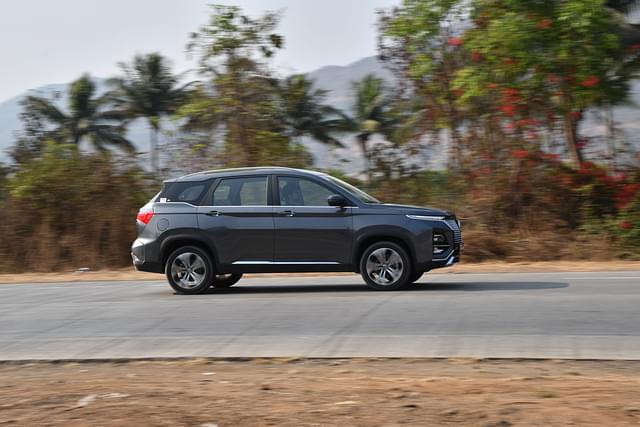
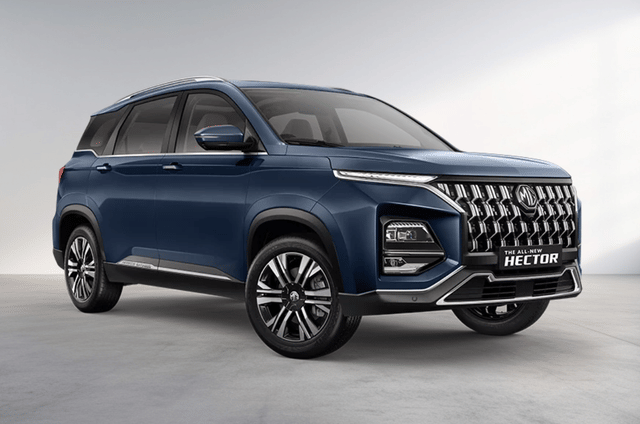
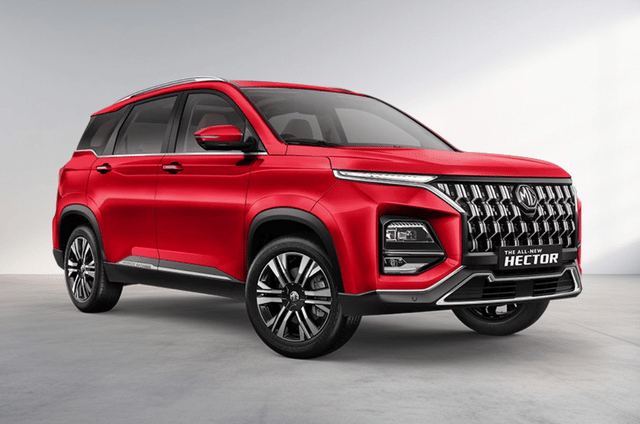
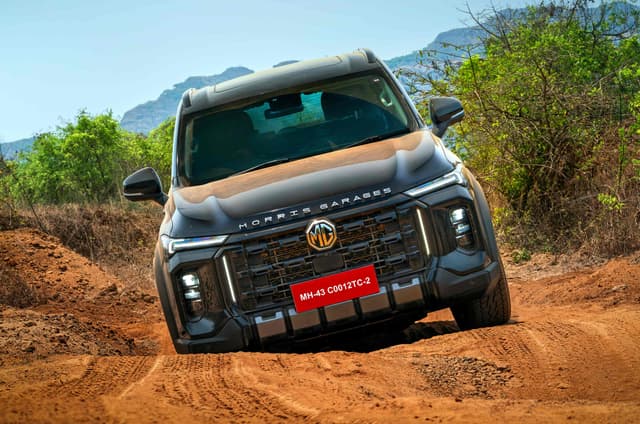
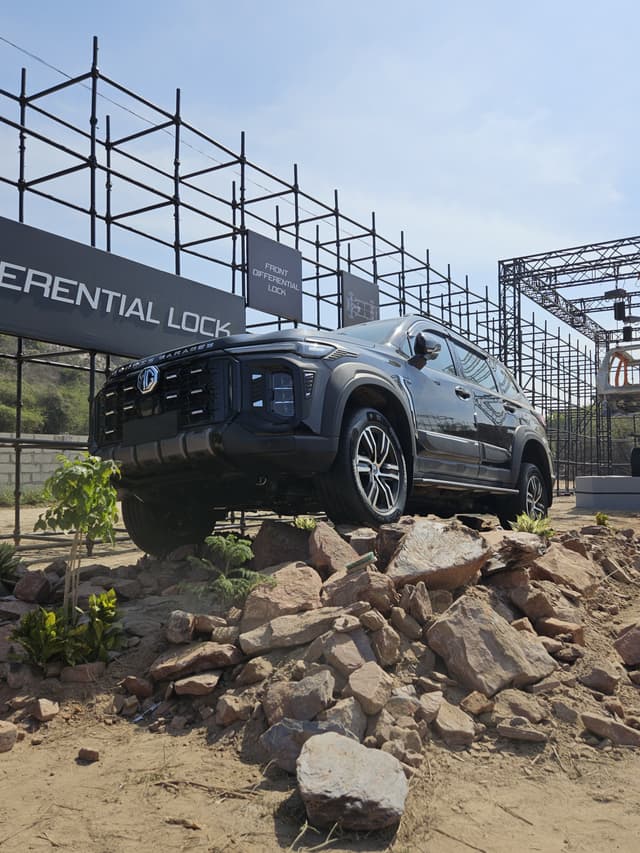
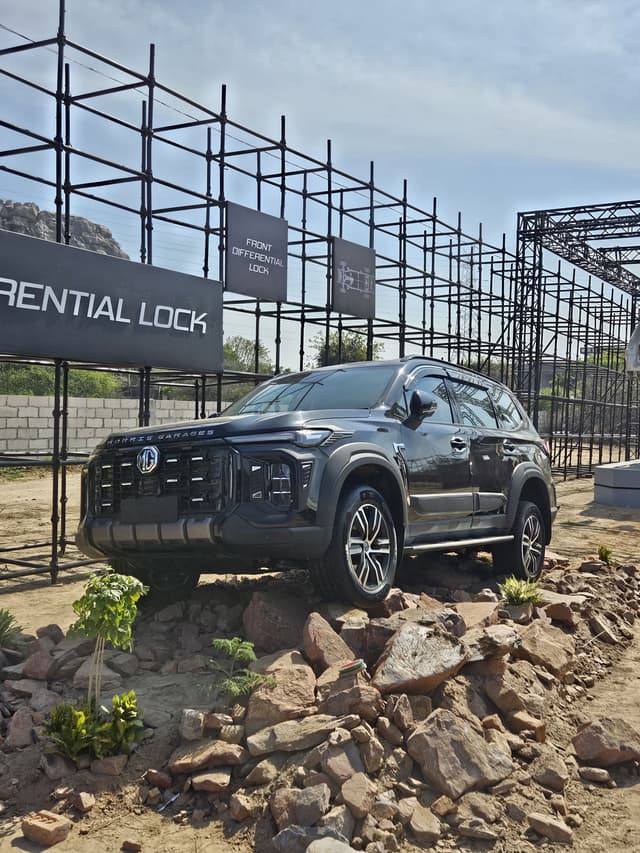
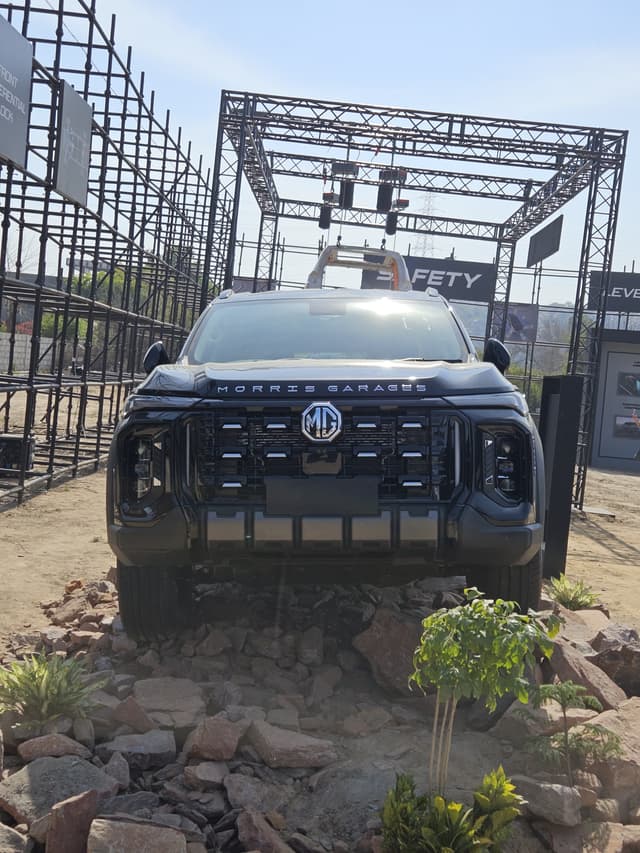
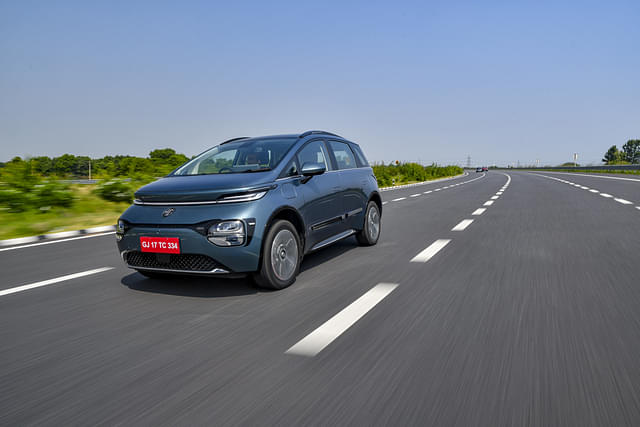
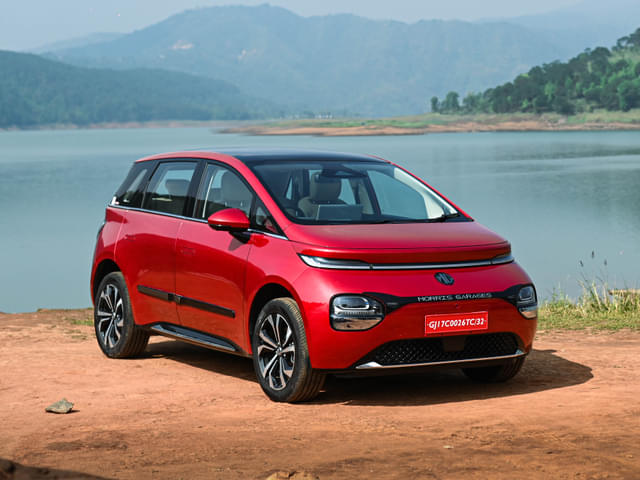
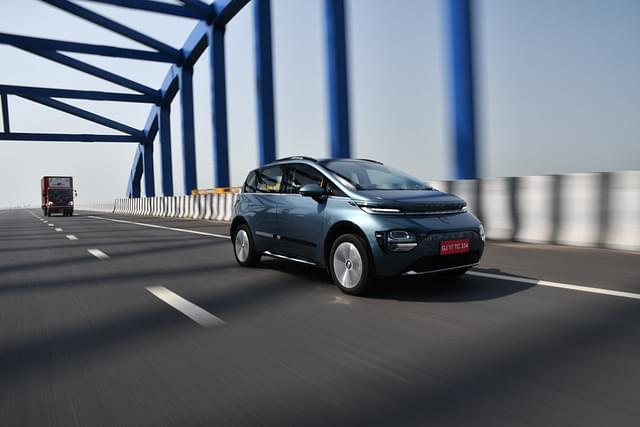
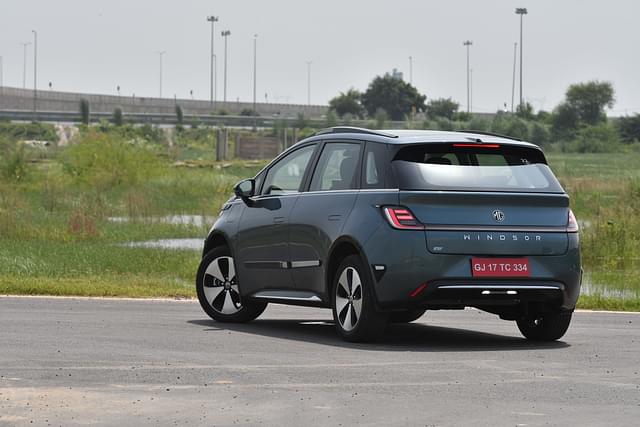
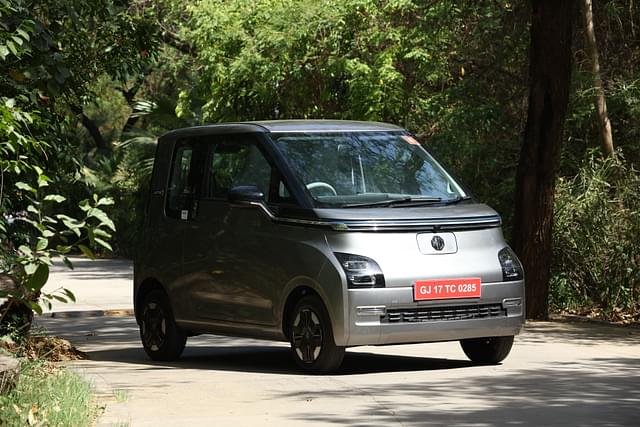
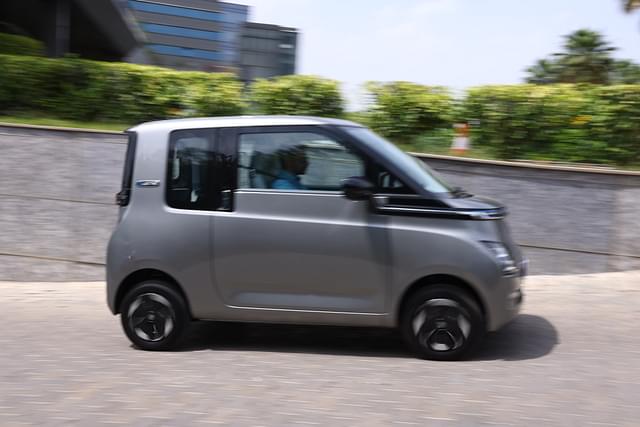
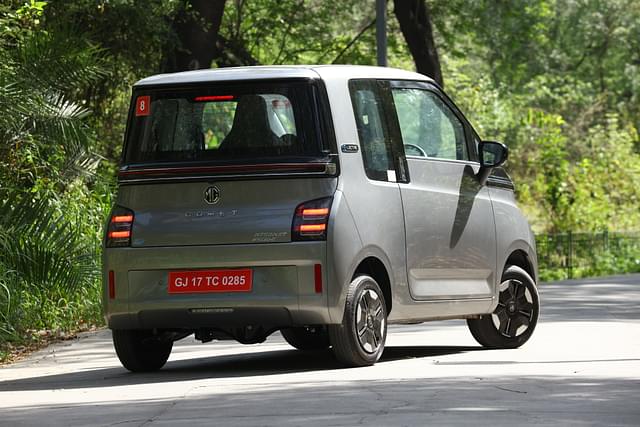
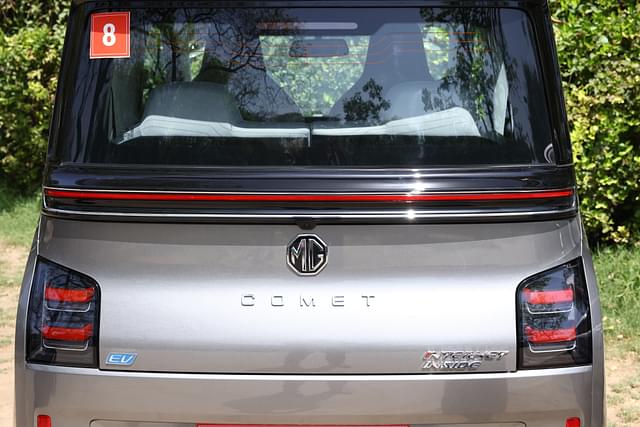
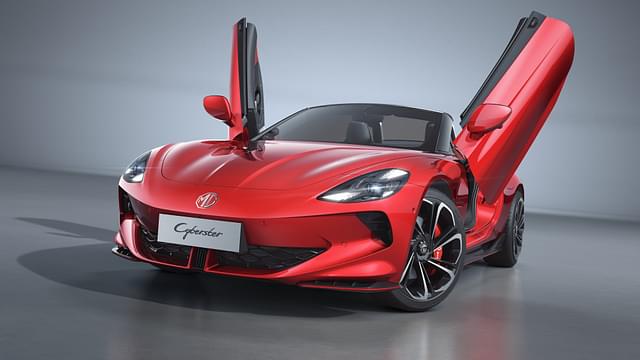
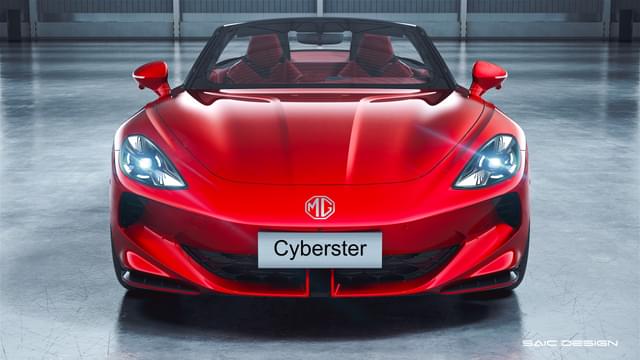
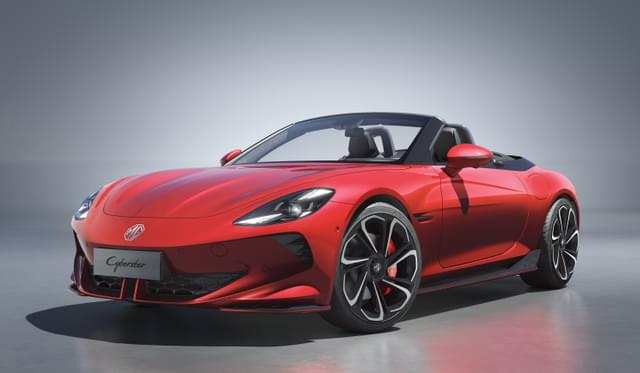
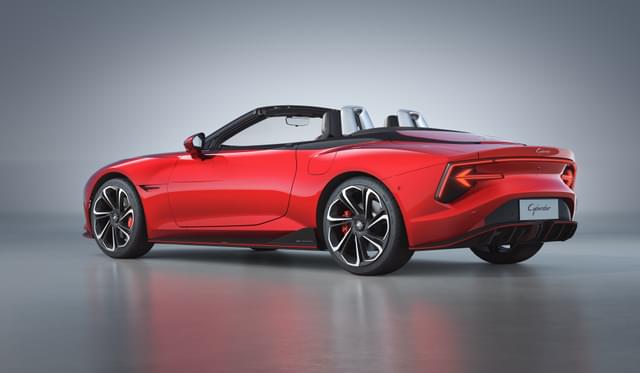
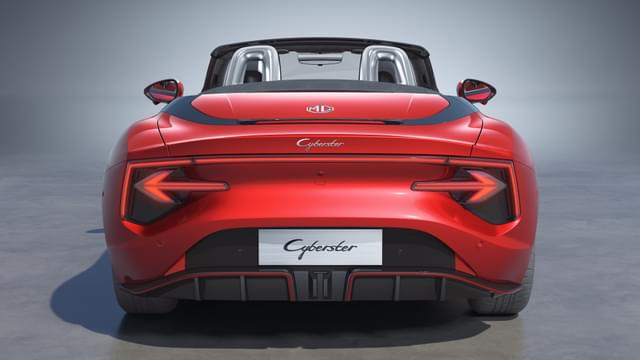
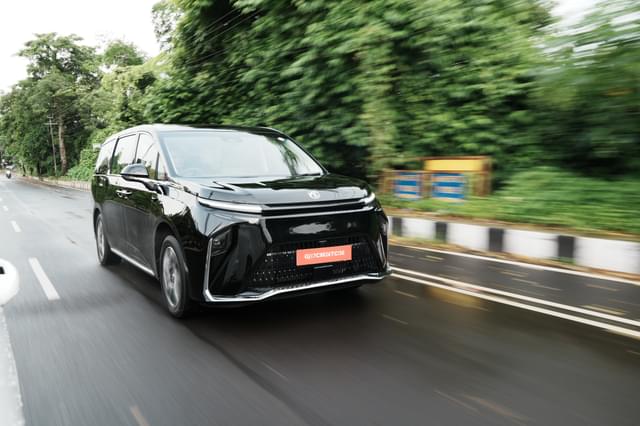
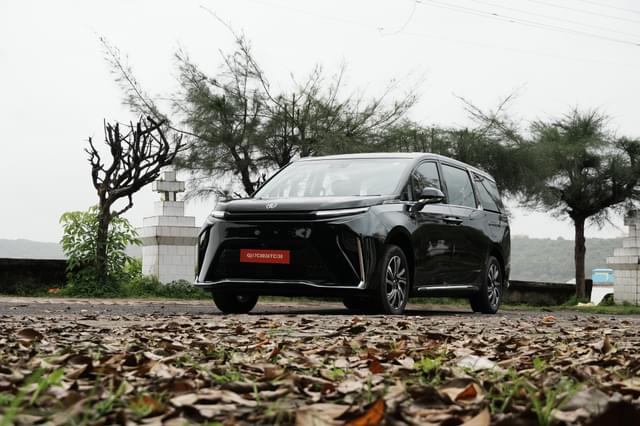
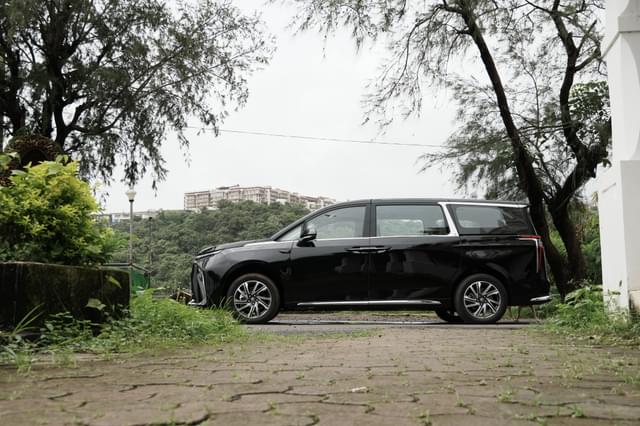
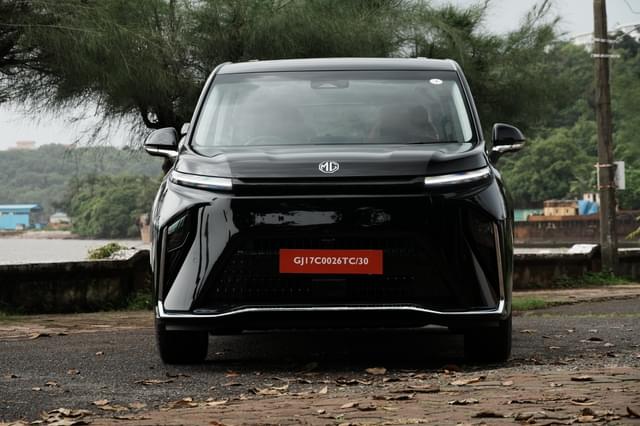
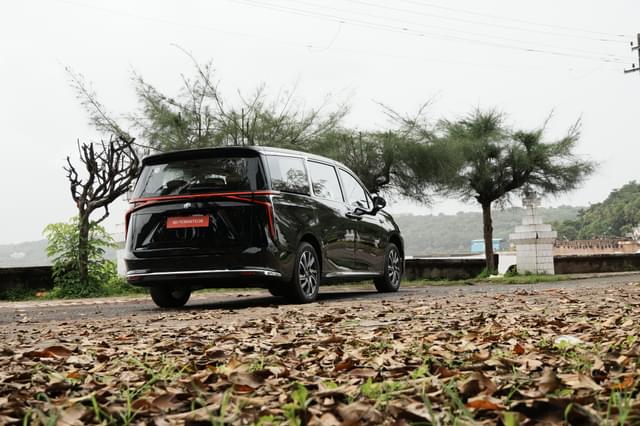
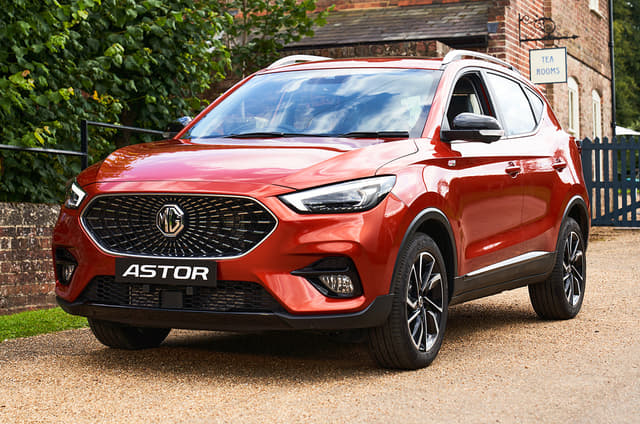
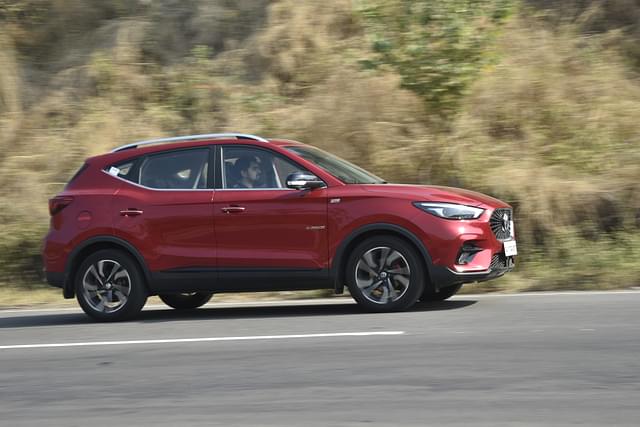
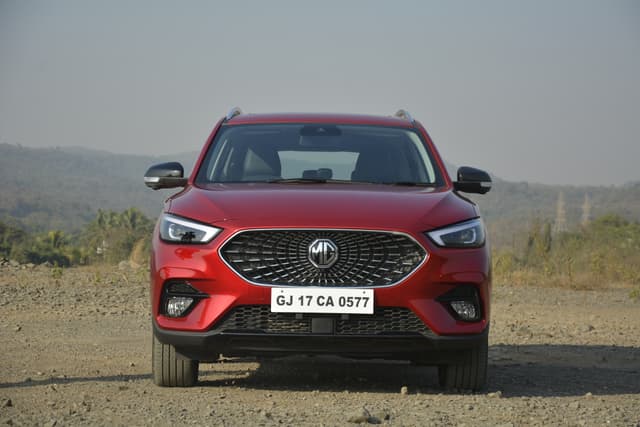
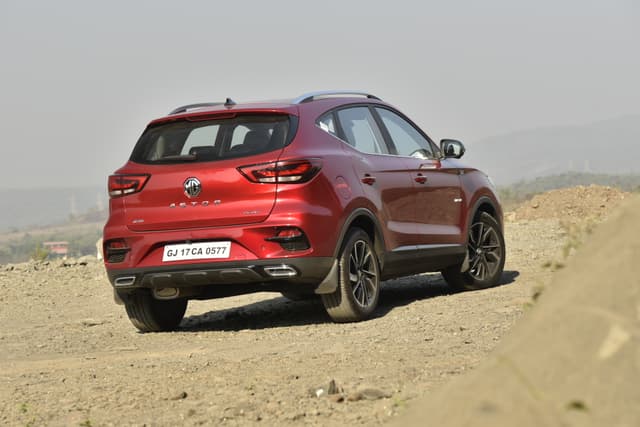
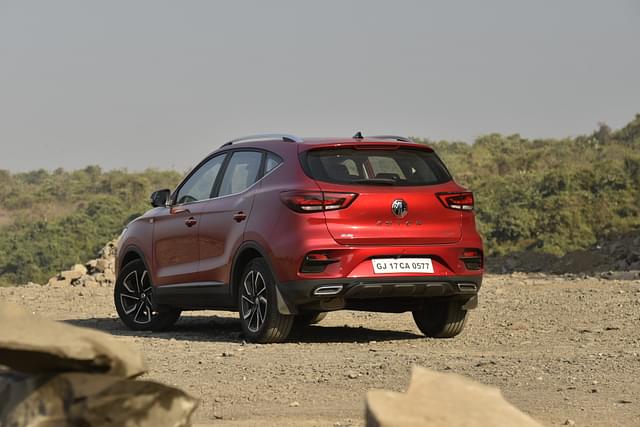
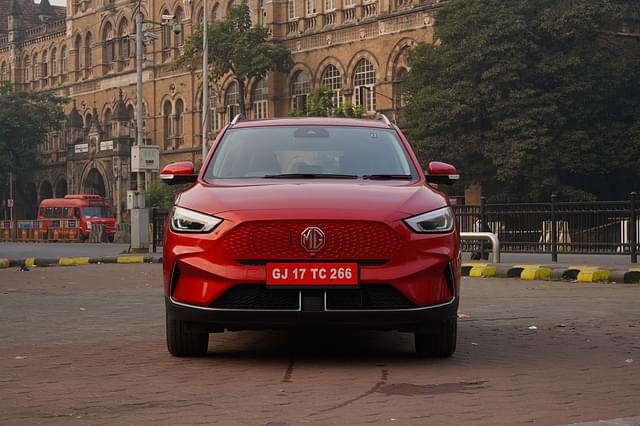
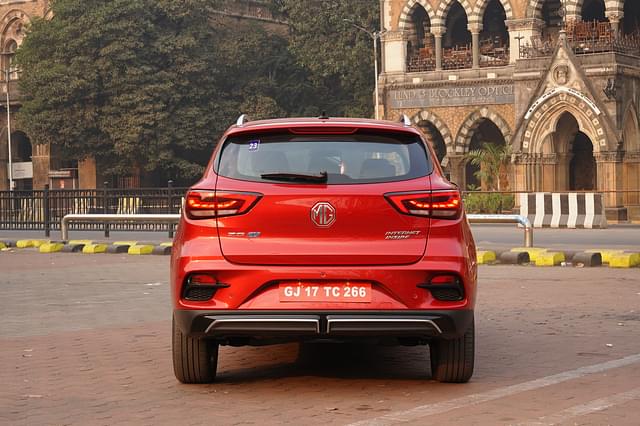
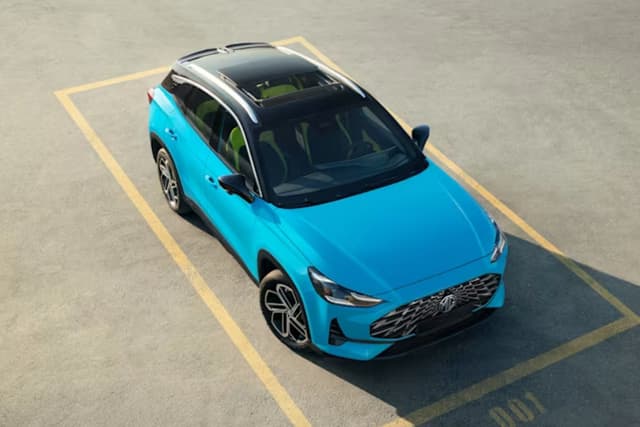
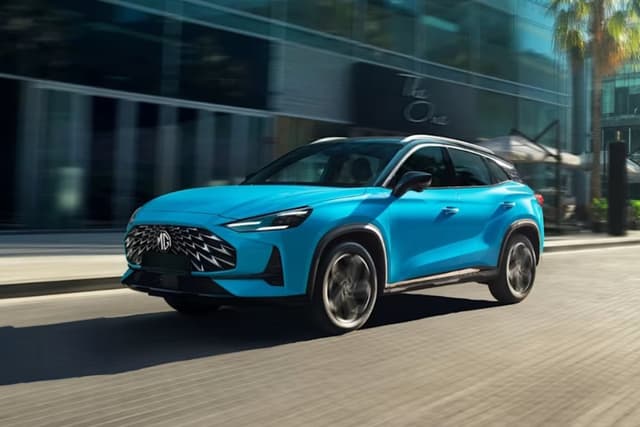
As of now, there are 11 MG cars in India, out of which 8 are on sale, and 3 are upcoming. The MG car price starts at ₹7.50 lakh and goes up to ₹77.50 lakh (ex-showroom). The cheapest MG car is the Comet, whereas the most expensive is the Cyberster. The MG cars available for sale in India are: Comet, Astor, Windsor, Hector, ZS EV, Gloster, M9, and Cyberster.
The Morris Garages India lineup includes 7 SUVs, 2 MPVs, 1 hatchback, and 1 convertible. The most popular MG cars in India are the Windsor, Hector, Astor, Gloster, and Comet. MG cars are available with petrol, diesel, and electric fuel type options.
Morris Garage, or MG Motor India, has been around in the country since 2019. This British car brand is currently owned by Chinese automotive giant SAIC Motor Corporation. MG Motor entered India with its first facility in Halol, Gujarat, and set up its corporate office in Gurugram, Haryana. The Hector was the first MG car launched for the Indian market.
MG Car Price List in India (June 2026)
View the latest MG car price of all the models available for sale in India:
Model Name | Price (ex-showroom) |
MG Comet | ₹7.50 lakh - ₹9.97 lakh |
MG Astor | ₹9.79 lakh - ₹15.30 lakh |
MG Windsor | ₹14.00 lakh - ₹18.60 lakh |
MG Hector | ₹11.99 lakh - ₹19.49 lakh |
MG ZS EV | ₹17.99 lakh - ₹20.50 lakh |
MG Gloster | ₹38.33 lakh - ₹46.24 lakh |
MG M9 | ₹75.90 lakh |
MG Cyberster | ₹77.50 lakh |
MG New Car List
The MG new car list includes three cars:
- MG Majestor
- Estimated price: ₹40.00 - ₹45.00 lakh (ex-showroom).
- Expected launch: May, 2026
- Fuel type: Diesel
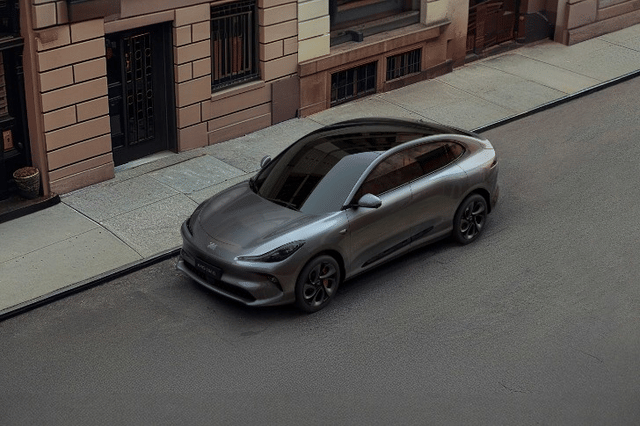
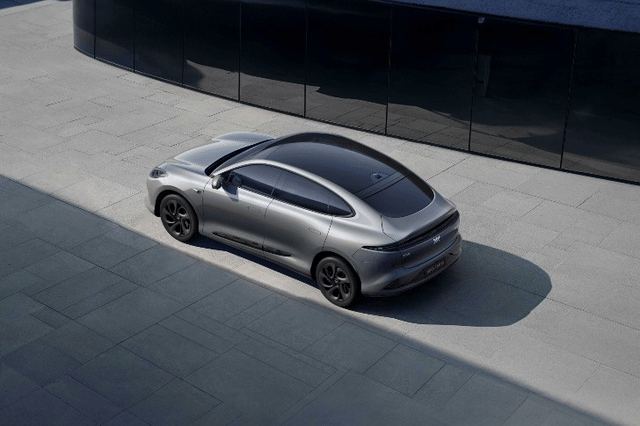
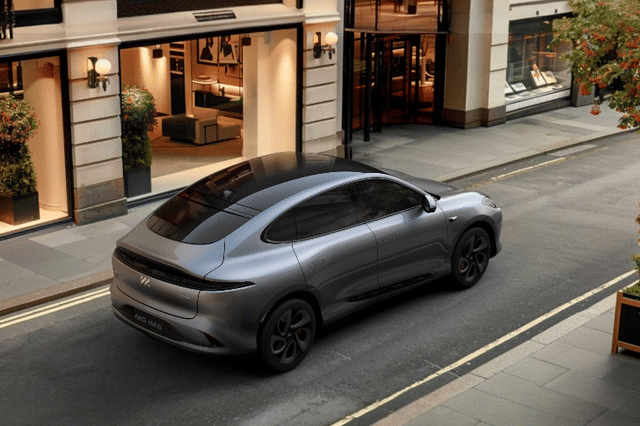
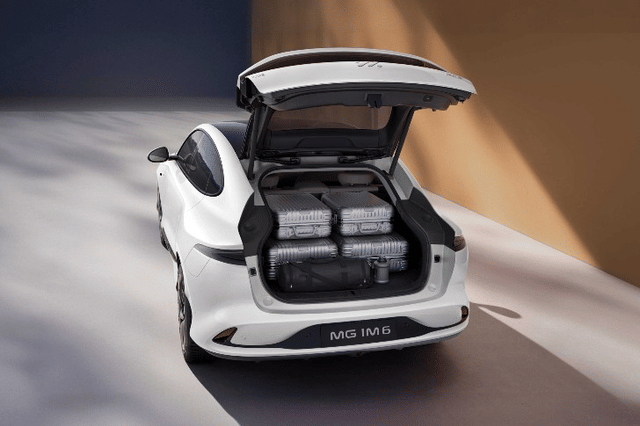
- MG IM6
- Estimated price: ₹55.00 - ₹60.00 lakh (ex-showroom).
- Expected launch: October, 2026
- Fuel type: Electric
- MG New Astor
- Estimated price: ₹12.00 - ₹17.00 lakh (ex-showroom).
- Expected launch: 2027
- Fuel type: Petrol
MG Electric Cars
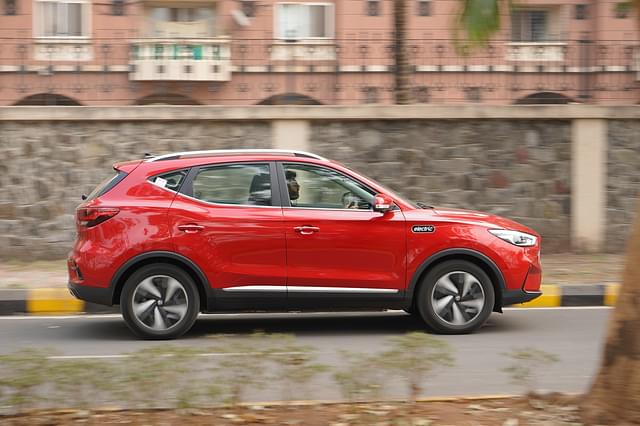
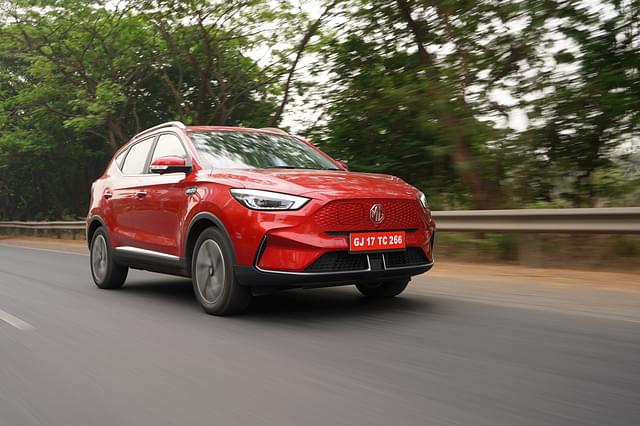
The MG EV car prices range between ₹7.50 lakh and ₹77.50 lakh. Presently, there are 5 MG electric cars for sale in India: Comet, Windsor, ZS EV, M9, and Cyberster. The cheapest MG electric car is the Comet, while the most expensive is the Cyberster.
MG Car - Latest Updates (June 2026)
- 11 March 2026: MG announced benefits of up to ₹70,000 on Windsor EV.
- 7 March 2026: JSW MG Motor developing new Astor and ZS EV replacements on a modular platform, launch expected in 2027.
- 5 January 2026: MG Windsor became India’s top-selling EV in 2025, with 46,735 units sold.
Find cars by body type
Filter your search
FAQs
MG stands for Morris Garages. It is a British-origin automotive brand that now operates in India as MG Motor India.
MG Motor India has been operating since 2019, with its first facility in Halol, Gujarat, and a corporate office in Gurugram.
MG electric car prices range between ₹7.50 lakh and ₹77.50 lakh, depending on the model.
Yes. MG cars are available in petrol, diesel, and electric variants.
Yes. There are three 7-seater cars in the MG India lineup: Gloster, M9, and Hector.
There are two upcoming MG cars expected to launch in 2026: the Majestor and the IM6.
Currently, there are 11 MG cars in India, out of which 8 are on sale and 3 are upcoming.
The top models are the Windsor, Hector, Astor, Gloster, and Comet.
Yes. The MG EV lineup includes Comet, Windsor, ZS EV, M9, and Cyberster.
Popular SUV models that are currently available for sale in India include the Astor, Gloster, Hector, and ZS EV.
The MG Comet is the lowest price car in the brand’s lineup, starting at around ₹7.50 lakh (ex-showroom).
Yes. The MG Cyberster is an electric sports car currently available in the Indian market.
The MG Comet is categorized as a small car, designed for city use with compact dimensions.
No. MG does not currently sell any sedans in India. The lineup includes hatchbacks, 7 SUVs, 2 MPVs, and 1 hatchback, and 1 convertible.
The Morris Garages car price in India starts at ₹7.50 lakh for the Comet.
The MG car price in India starts at ₹7.50 lakh and goes up to ₹74.99 lakh.
The Cyberster is the top model in the Morris Garages India lineup.
Trending Questions on MG Cars - Answered by Autocar Experts
Adarsh Dodiya
•2dI already own the MG Astor manual, but now it is giving too low mileage. I want to buy a new car, please suggest to me a car which is automatic and provides good mileage.

Autocar India
Go for the Toyota Urban Cruiser Hyryder strong-hybrid automatic - it will cut your fuel use sharply, often doing 20-plus kpl in city traffic where the Astor struggles. The automatic is smooth and stress-free, and because the hybrid runs on electric power a lot in stop-and-go, you get far better mileage without changing your driving style. Size, space and comfort are close to your Astor, so the switch is easy.Two things to keep in mind: the hybrid costs more upfront than a regular petrol automatic, and the boot is smaller. Also, when you press hard, the engine sounds a bit loud, but in daily driving, it stays quiet and efficient. Toyota backs the hybrid battery well, which helps long-term peace of mind.If most of your running is highway, look at the Kia Seltos diesel automatic instead - it returns strong highway mileage and feels relaxed at speed.
Neel
•2dI want to replace my 10-year-old Maruti Ignis with a small EV suitable for the small lanes of Mumbai. I would prefer the top-end variants, and the budget would be around 10-12 lakhs. Usage will largely be 20-30 kms within the city.

Autocar India
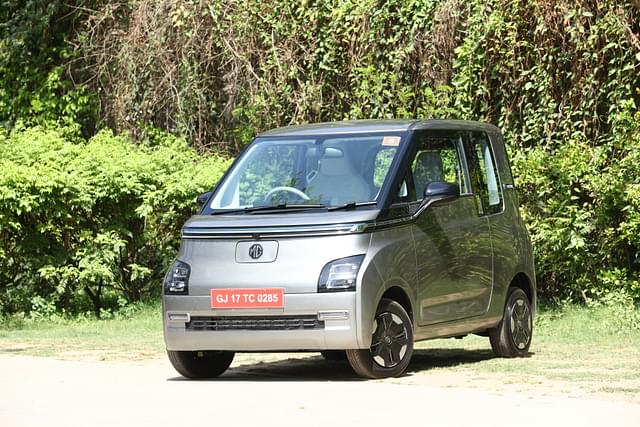
Pick the Tata Punch Smart+ 30. It is small enough to slip through Mumbai’s lanes and park in tight spots, yet it feels like a proper spacious car for daily life. Your 20-30 km city run will deplete the 30 kWh battery, so you can charge just once a week for your daily commutes. The Smart+ is not the top trim, but you still get all the features you'd need like auto climate control, an 8-inch touchscreen with Android Auto and Apple CarPlay, LED headlamps, 6 airbags and more. It also rides and absorbs bad patches really well, and the cabin is also spacious enough for five people, so it'll feel like a proper upgrade from your Ignis.If your lanes are really scooter-narrow and you mostly drive alone, the MG Comet top variant is even easier to squeeze and park, and will fit your budget comfortably. Just know it has two doors and a very small boot, so getting people in the back is a hassle and airport bags are a squeeze.
Rallapalli sree harsha
•2dHi, please suggest an EV car under 10 lakh. My daily city driving is of around 50 km and I require a Battery-as-a-Service (BaaS) option. Which EV would be the best choice for my needs?

Autocar India
The answer depends on whether this will be your only car or a second car in the family. If this will be your only car, the Tata Tiago EV is the better choice. It is a proper hatchback with enough space for a small family, a usable boot and the ability to handle occasional highway trips comfortably. Your daily 50km commute is well within its capabilities, and it offers greater flexibility if your usage changes in the future. The Tiago EV is also available with Battery as a Service (BaaS).If you already have another car at home for longer journeys, then the MG Comet EV is worth considering. Its compact size makes it ideal for city driving, it is extremely easy to park and manoeuvre, and it is also available with BaaS schemes that lower the initial purchase price.
Amigonabeel
•3dI would like to buy an EV under Rs 20 lakh with a minimum real-world range of 300km, comfortable rear seats for my parents and ease of ownership for the next 6-8 years. I am a huge fan of VAG and Honda cars. Do they have any EV plans for India anytime soon? Among the existing EVs on sale in India, which one should I buy? Thank you, Team Autocar, in advance.

Autocar India
Of the models on sale today, Rs 20 lakh and 300km are an intersection that very few electric cars meet. Your two strongest options are the MG Windsor Pro and the Tata Curvv EV LR, both of which have their pros and cons.The MG Windsor offers a more spacious and airy interior, with soft and plush rear seats and easy ingress and egress, which should be beneficial for your parents. It's also got a very smooth and refined powertrain, although downsides include a slightly firm suspension and the fact that MG's network isn't quite as wide as other brands.The Tata Curvv's swooping roof and high ground clearance mean getting in and out is not as easy, but once you're in the car, space is ample. Quality is not as good as in the MG, and though silent and strong, the powertrain is not as smooth. It has better ride quality and a longer list of features than the MG, though, while it has a wider service network, it doesn't have the best reputation for its after-sales quality. Test drive both, ideally with your parents, and see which one they prefer to sit in the back of.If you can stretch your budget by 2-3 lakh, two even better options are the Hyundai Creta Electric and Kia Carens Clavis EV. Their range is comfortably more than the Windsor Pro or Curvv EV, and they offer far better ride quality and rear seat comfort. The Kia, being an MPV, also offers easier entry and exit for the elderly.While VW-Skoda will eventually bring out EVs for India, likely in 2027, they will be far above this budget, positioned in the Rs 50 lakh plus range. Honda's EV is due to go on sale later this year and will be a rival to the EVs we have highlighted above. If you don't mind waiting, it could be an interesting proposition, though little is known about its specifications or price at this time.
Haris
•5dHi Autocar Team, I currently own a 2016 Maruti Suzuki Ciaz diesel, which I plan to keep for highway trips, long-distance travel and as a backup vehicle. I am looking to buy a second car purely as a city EV for Chennai, with a budget of around Rs 15 lakh on-road, though I can stretch slightly if justified. My typical usage includes daily city driving, client meetings, airport runs and occasional family outings. I drive around 10,000km per year and usually keep my cars for 7-9 years or until they reach around 1 lakh kilometres. My priorities are: ride comfort and suspension, reliability over 7-9 years, battery warranty and long-term ownership confidence, service network and availability of parts, ease of driving and parking in city traffic, resale value after 7-9 years, and real-world range of at least 300km. I have already test-driven several EVs, including the Mahindra BE 6, Hyundai Creta EV, Kia Carens EV, MG ZS EV, Maruti e Vitara and VinFast VF 6. While I liked the Mahindra and VinFast products, I am now wondering whether a smaller and more affordable EV makes more sense since I already have the Ciaz for highway duties. Which EV would you recommend as the best secondary city car for long-term ownership in India today? Would you choose the Tata Punch EV, Nexon EV, Tiago EV, MG Windsor EV or another option altogether? Looking forward to your advice.

Autocar India
Pick the Tata Nexon EV 45kWh. For a Chennai city car, it rides over broken roads better than most, slips into tight parking spaces, and still delivers over 300km on a single charge. You already have the Ciaz for highway duties, so the Nexon EV’s size, light steering and good visibility make daily client visits and airport runs stress-free.For long-term ownership, Tata’s EV footprint is the widest in India today, with parts and service support across most cities, and the 8-year/1.6 lakh km battery warranty aligns well with your 7-9 year ownership plan. The battery chemistry also handles heat well, which matters in Chennai. Running costs remain low, and strong demand should help resale values compared to many other EVs.The Punch EV and Tiago EV are good options too, but they will fall well short of your requirement of 300km-plus on a single charge. The MG Windsor EV is worth considering if you want a more spacious cabin, though its real-world range is not as strong as the Nexon EV’s.One honest niggle: Tata’s service quality can be inconsistent, so make sure you choose a good dealer with a strong reputation.
Jayvir Deol
•5dI want to buy an SUV, and my budget is around 20 lakh. I have seen the MG Hector, the Mahindra XUV and the Tharr Rox. Which car should I buy, and given the current scenarios on the govt policies, should I go for petrol or diesel?

Autocar India
Pick the Mahindra XUV 7XO. At around Rs. 20 lakh, it gives you the best mix of space, strong performance and safety, and it is far easier to live with every day than the Thar Roxx while being a better value than a low or mid Hector variant. You also get both petrol and diesel choices, so you can match it to your running.Fuel choice is simple. Go petrol if most of your use is in the city or your running is under about 1,200 km a month. It is quieter, has fewer policy worries, and resale stays safe even if some cities tighten diesel rules. Pick diesel only if you drive long highway distances often, want a longer tank range, or haul a full family with luggage regularly.The only real downside with the XUV 7XO is that the fanciest features push you beyond Rs. 20 lakh, and there may be a wait period. If you mainly want a rugged toy, the Thar Roxx is great, but for family life, the XUV 7XO fits better.
rishi sudhakar
•6dI purchased a VinFast VF6 just 10 days ago. The company and dealer committed a range of 468km on a full charge, but it doesn't even deliver 280km. The dealer is not sharing any phone numbers or email IDs of VinFast representatives. Please advise how I can get this issue addressed. I would also request your channel to raise this issue, as EV companies should not be allowed to make such claims and sell their products to Indian customers.

Autocar India
The first thing to understand is that the 468km figure is the ARAI-certified range, and that number is achieved under standardised test conditions. In the real world, every electric car sold in India delivers significantly less than its claimed ARAI range, depending on speed, driving style, traffic, terrain, air-conditioning use and weather conditions.This is not unique to the VinFast VF6. Models such as the Nexon EV, Curvv EV, Windsor EV and Creta Electric also deliver real-world ranges that are noticeably lower than their official ARAI figures. That said, a real-world range of around 280km does appear lower than expected and is worth investigating.Before concluding that there is a fault, check factors such as average speed, drive mode, AC usage and whether the battery has completed a few charge-discharge cycles. Many EVs show more consistent efficiency after the initial running-in period.As for escalating the issue, insist on a written response from the dealer and ask them to arrange a battery health and diagnostic check. Keep records of all communication. If the dealer is unable or unwilling to provide contact details for the manufacturer, ask for the regional service manager's details and raise the matter through VinFast's official customer support channels.
Satyajit Mukherjee
•1wHello Autocar team, This question is in two parts. I am tearfully moving on from my beautiful Ford Endeavour 3.2 Titanium AT and am in the market for a new vehicle. Priorities are good ground clearance (laden), a powerful and responsive engine, and preferably a 4-by-4 or AWD. The second part is the tough one. Situated in Delhi NCR, do you think it makes sense to go for diesel again? Because my boxes are mostly ticked only by diesel powertrains, and the petrol ones are either too expensive (Kodiaq), or too small (e.g., the Jimny). Can you please help?

Autocar India
4WD SUVs are getting rarer by the day, but given what you're looking for, the best fit is the Mahindra Thar Roxx. For the price, it feels the closest to your Endeavour in the stuff that matters - proper 4x4 with low range, generous ground clearance even when loaded, and a strong 2.2-litre diesel that responds eagerly. The Roxx's new-gen chassis is Mahindra's best ladder frame yet, soaking up rough roads without breaking a sweat and handling highway duties reasonably well too. It's also gotten a lot more liveable than previous Thars, with genuine space, premium feel and creature comforts.There's the Jeep Compass and Meridian too, but their interiors won't feel spacious enough after your Endeavour, and on the other end are the MG Majestor and Toyota Fortuner, though those are likely to be out of budget. Of the petrols, the Kodiaq is probably the best AWD bet, but as you said, it is too expensive. A few-year-old example of any of these, however, might be a good option.On diesel in NCR, it might still make sense, if you can make your peace with the 10-year cap - and the associated resale value hit. You may see the odd winter restriction put into place, but new BS6 diesels have generally been clear of those. It's not an easy decision, but if it's for a car you'll enjoy, and you can work out a shorter ownership cycle that suits your needs, it can still work.
Amit gandhi
•1wI want to buy either an electric car or a hybrid car, depending on which one would be more economical to maintain. My weekly running is around 1,250 km, with approximately 85% of that being on highways or expressways. I have not shortlisted any specific models yet, as I often end up confused after reading user reviews, watching videos, and comparing the various pros and cons of different cars. Considering my usage pattern and focus on lower maintenance costs, which type of vehicle and which models would you recommend?

Autocar India
Buy the Toyota Urban Cruiser Hyryder Hybrid or its sister car the Maruti Suzuki Grand Vitara. With 85% highway and 1,250 km a week, you need range and minimal downtime; this hybrid will do around 20 kpl at steady speeds, refuels in minutes, and Toyota’s hybrid system is proven and low on upkeep. Over big mileages, the petrol you save, versus normal petrol and the time you save versus hunting for public chargers, make a bigger difference than the savings with an EV.Here’s the catch you should know: the hybrid’s boot is smaller than the pure petrol’s and maintenance costs would be more than an EV, but not prohibitively so. If you have dedicated parking and can plug in every night, an EV would be cheaper to run and maintain. In that case, skip small batteries. Pick the MG ZS EV for its highway range, or the Tata Nexon EV Long Range if you want a lower price. On home power you’ll spend roughly Rs. 1.5-2 per km. Relying on highway fast chargers pushes costs close to petrol per km and eats time, which is why the Hyryder Hybrid fits your weekly grind best unless home charging is easy.
Ab
•1wI am looking for an SUV under Rs. 30 lakh for a monthly running of around 2,500 km, mostly in city conditions. The vehicle will be chauffeur-driven most of the time, with a few long self-driven trips each year. I intend to keep the vehicle for around 5-7 years.

Autocar India
Pick the Toyota Urban Cruiser Hyryder strong-hybrid or its sister model the Maruti Suzuki Grand Vitara; with 2,500 km a month in city and a chauffeur, it will slash fuel costs and stay smooth and quiet in traffic. In real city use, you can see around 20kpl, the automatic is seamless, and the hybrid system is proven for long, low-hassle ownership over 5-7 years. The back seat is comfy enough for daily commutes, ride quality is calm, and for your few self-driven highway trips it cruises easily and has the range of a petrol without the diesel DPF worries.One point to note: the hybrid’s boot is smaller than some rivals, so two big suitcases plus soft bags is about it. Also, it isn’t the quickest for fast hill overtakes, though it’s perfectly fine at normal speeds. If you need a bigger rear seat and huge boot above all else, MG Hector is roomier, but its city fuel costs will sting. For your use, the Maruti or Toyota Hybrid is the sweet spot under Rs. 30 lakh.
Last Updated on: 12 Jun 2026