O. S. Motors Pvt.Ltd. - Barmer
Chohtan Bye Pass Road, Opp. Kailash International Hotel, Barmer Bypass, Jaisalmer, Rajasthan 345001
10:00 AM - 7:00 PM
9001280500Last Updated on: 13 May 2026
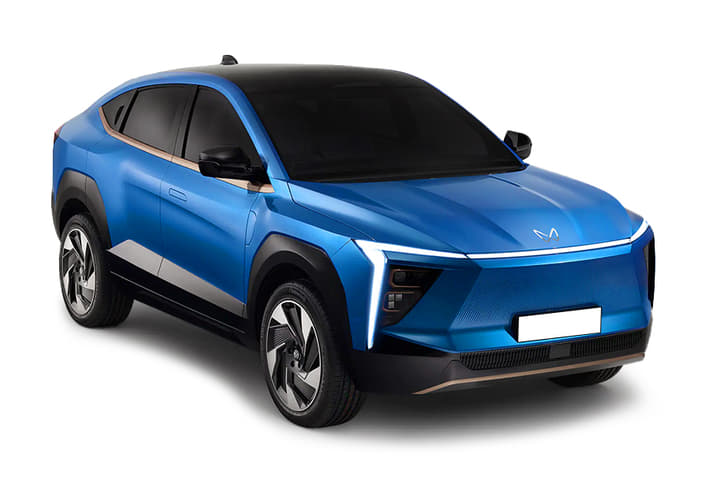
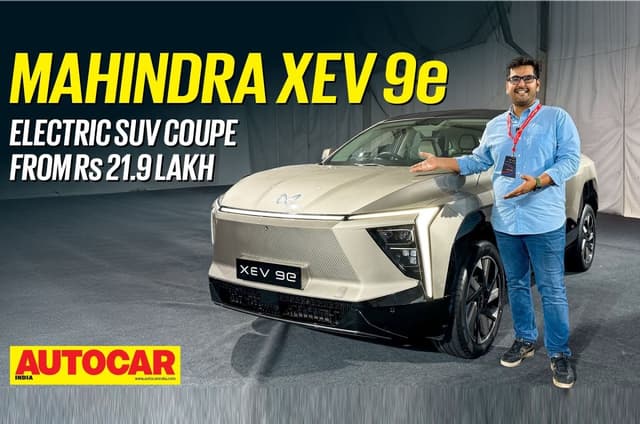
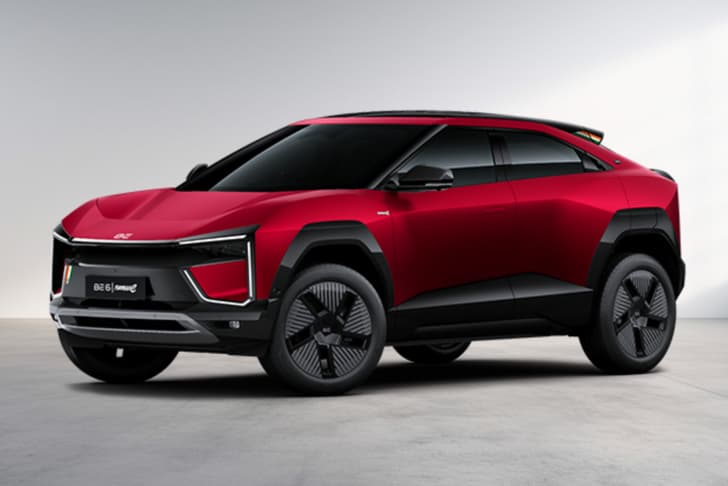
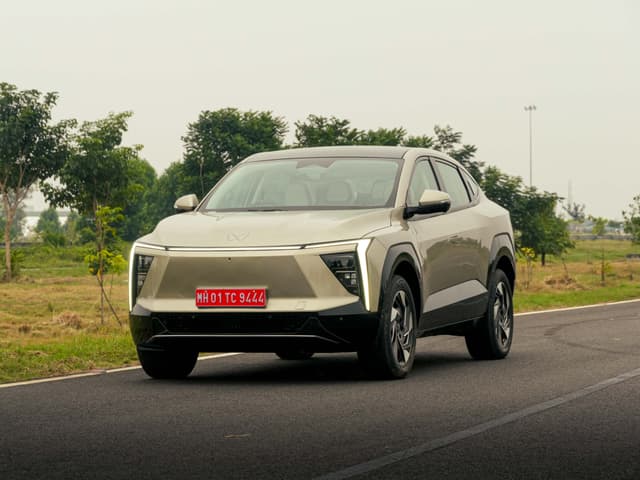
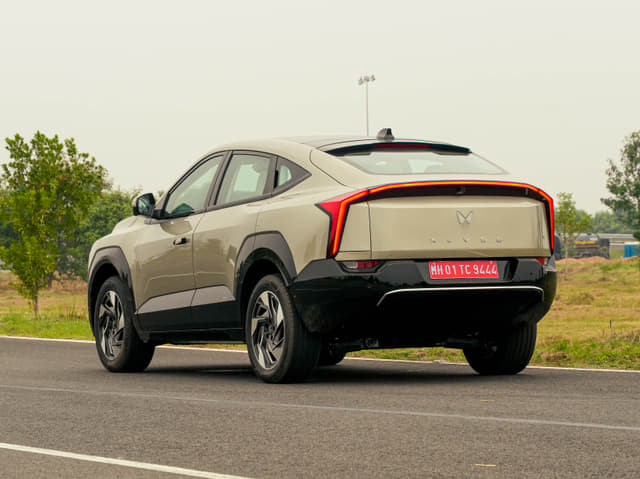
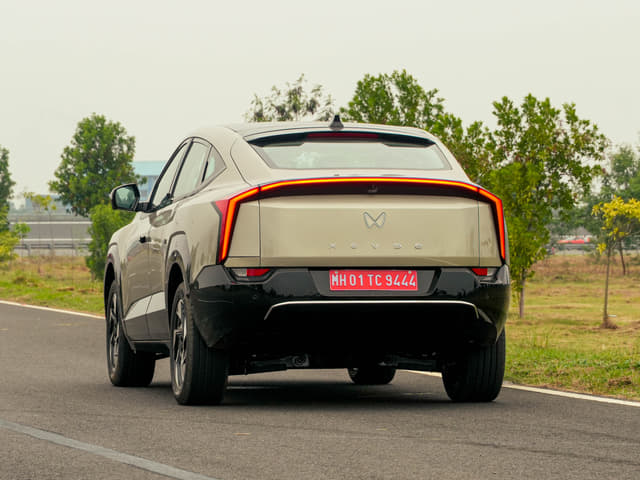
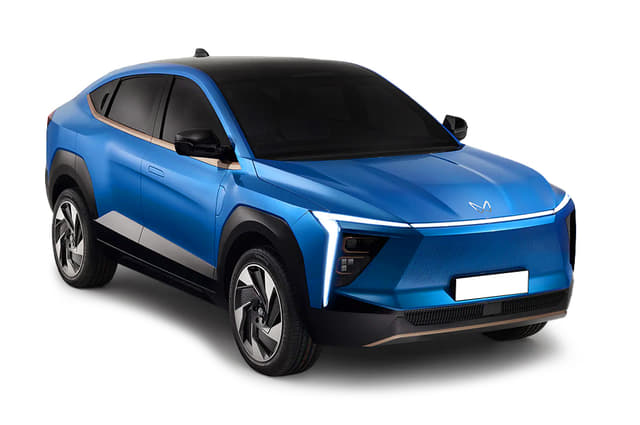
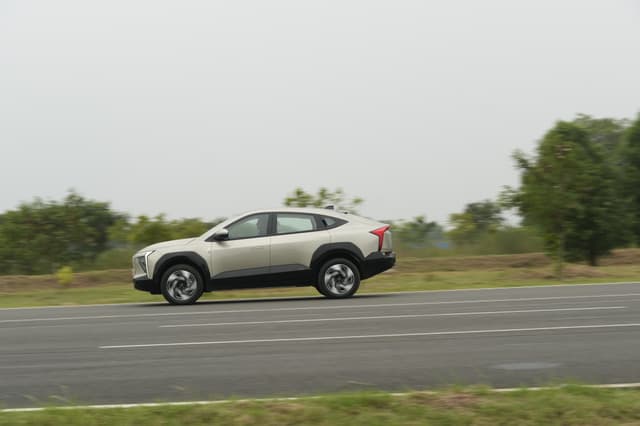
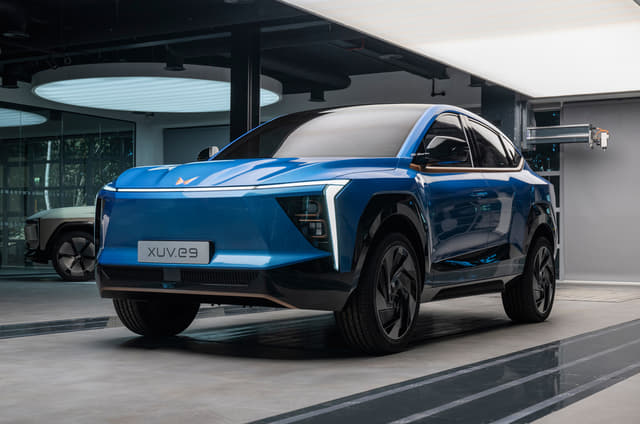
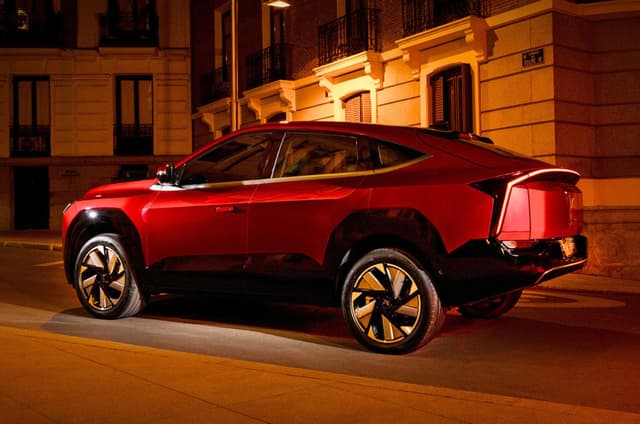
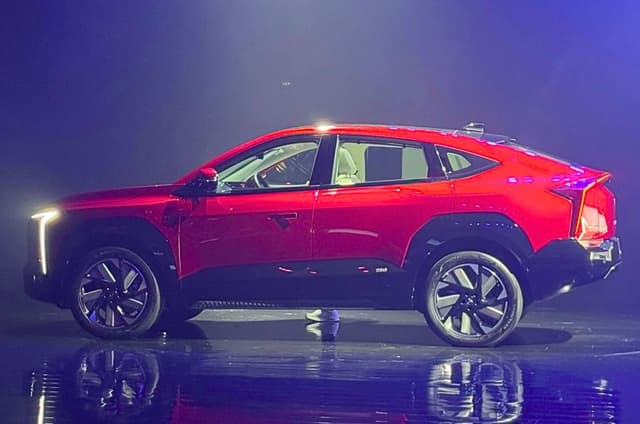
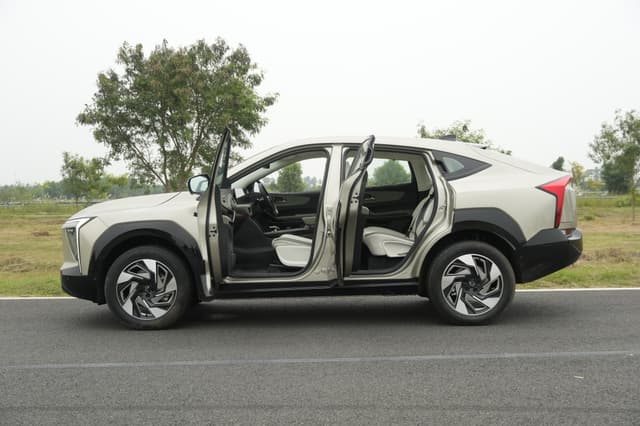
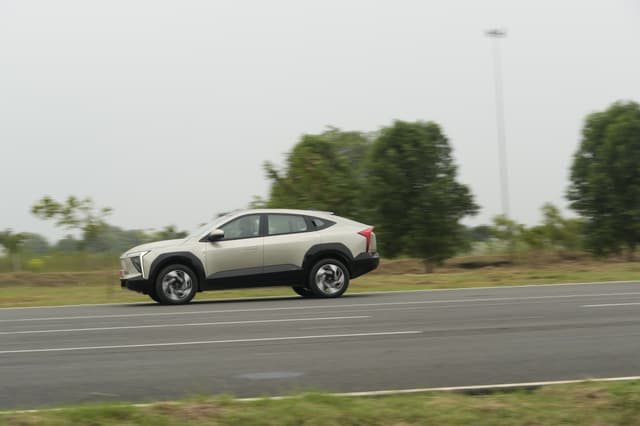
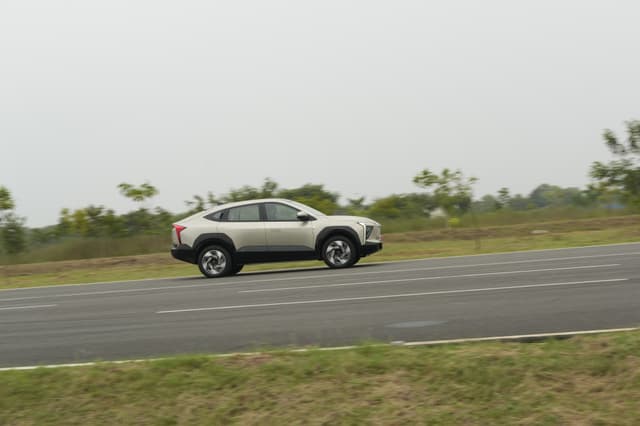
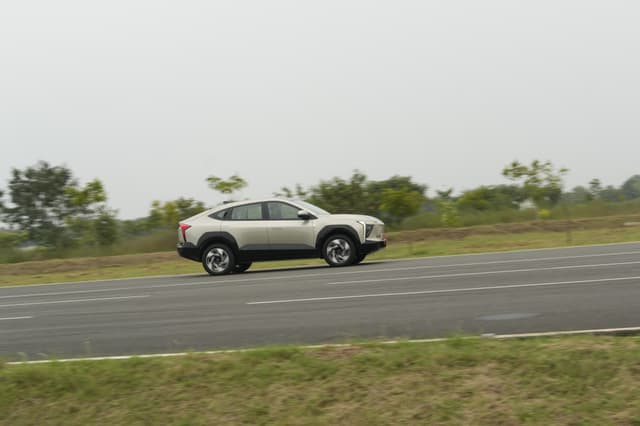
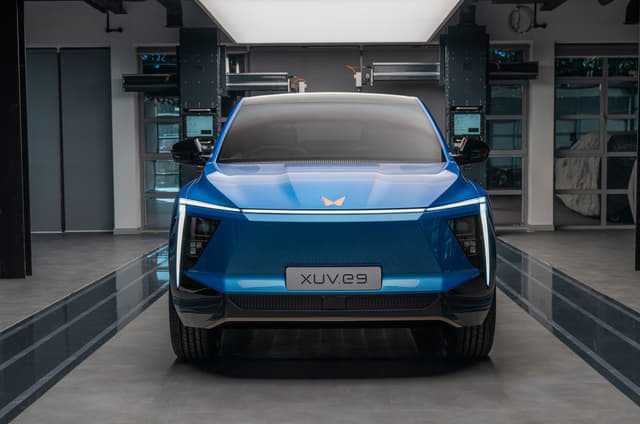
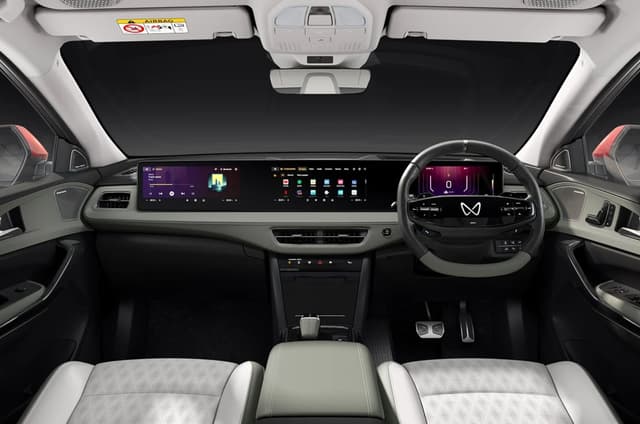
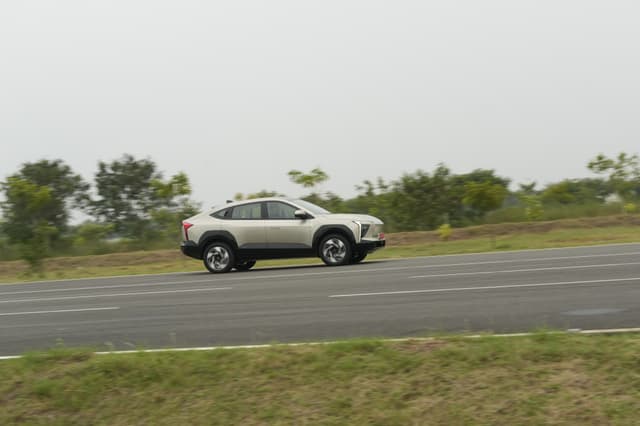
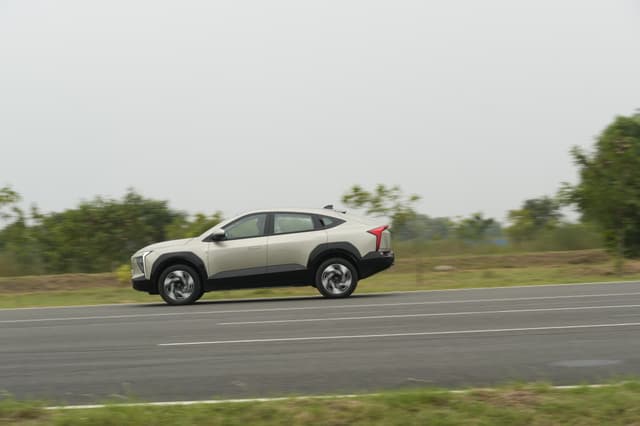
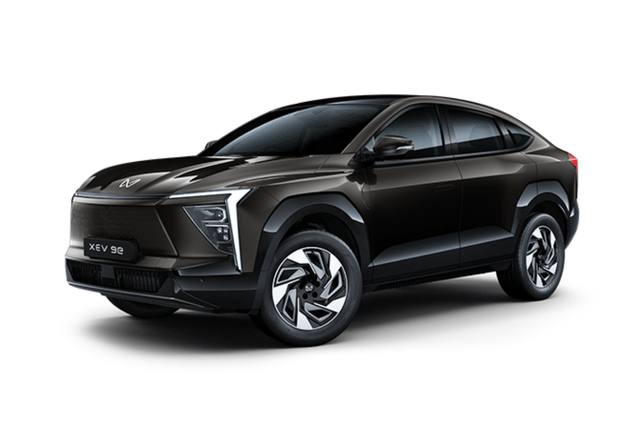
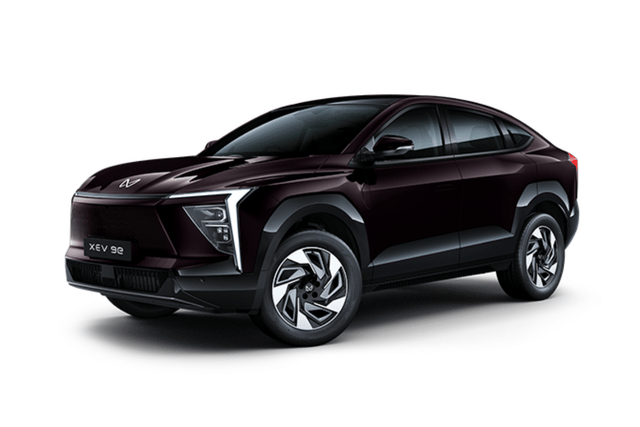
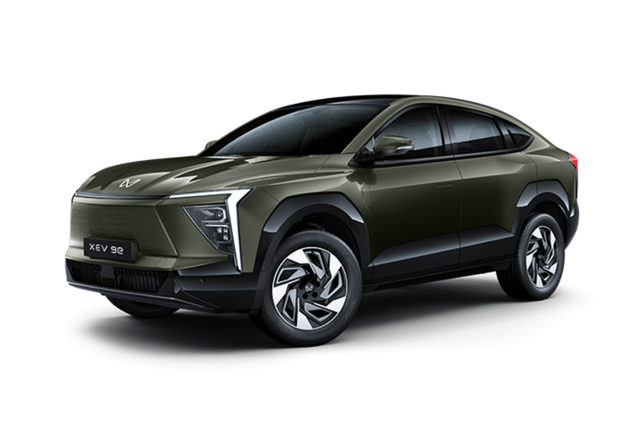
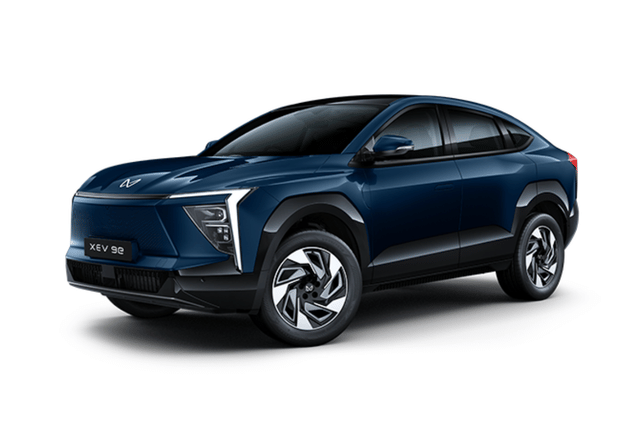
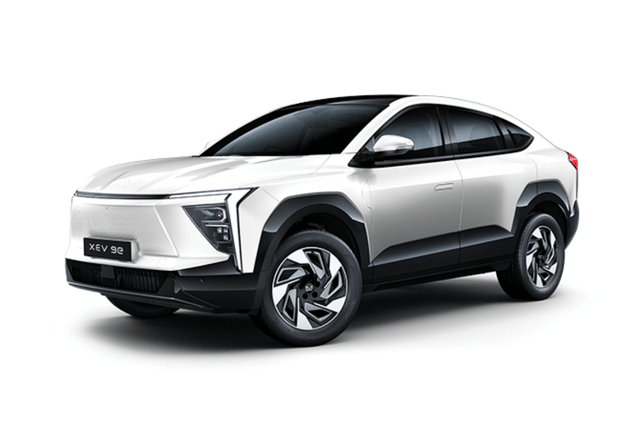
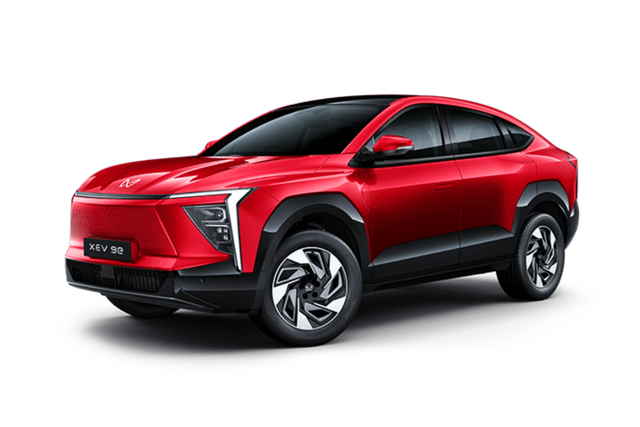
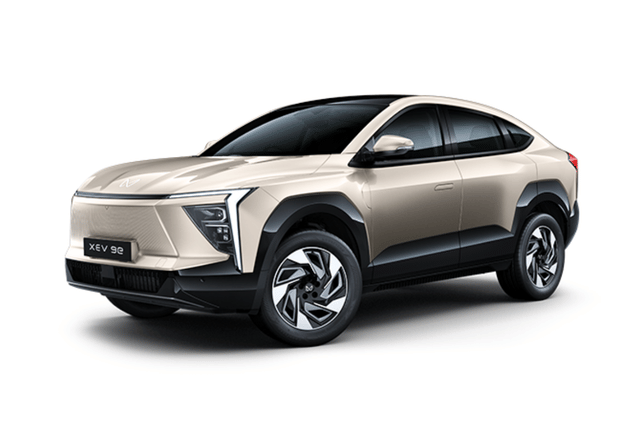
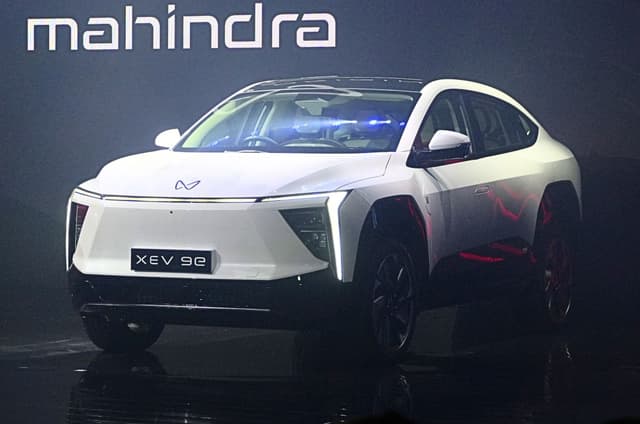
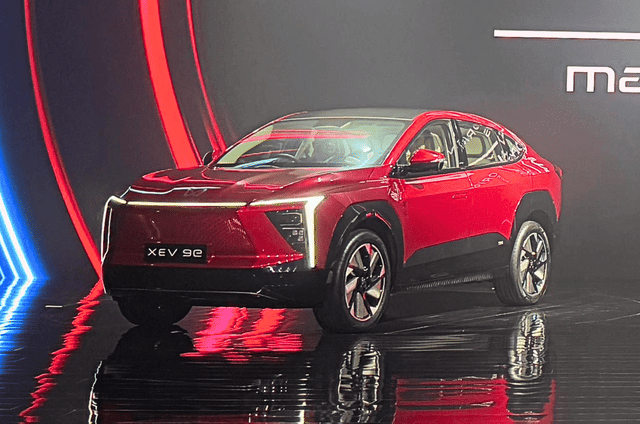
The Mahindra XEV 9e price in India starts at Rs 21.90 lakh (ex-showroom). New Mahindra XEV 9e top model price is Rs 30.50 lakh (ex-showroom). 2025 Mahindra XEV 9e on road price in Jaisalmer for the base Pack One 59kWh variant begins at Rs 23.26 lakh. Check the Mahindra XEV 9e on road price in Jaisalmer for the 5 variants to see what fits your budget and preferences.
Planning to buy XEV 9e? Here are a few dealers in Jaisalmer
Chohtan Bye Pass Road, Opp. Kailash International Hotel, Barmer Bypass, Jaisalmer, Rajasthan 345001
10:00 AM - 7:00 PM
9001280500


The Mahindra XEV 9e price in Jaisalmer ranges from Rs 23.26 lakh to Rs 32.33 lakh.
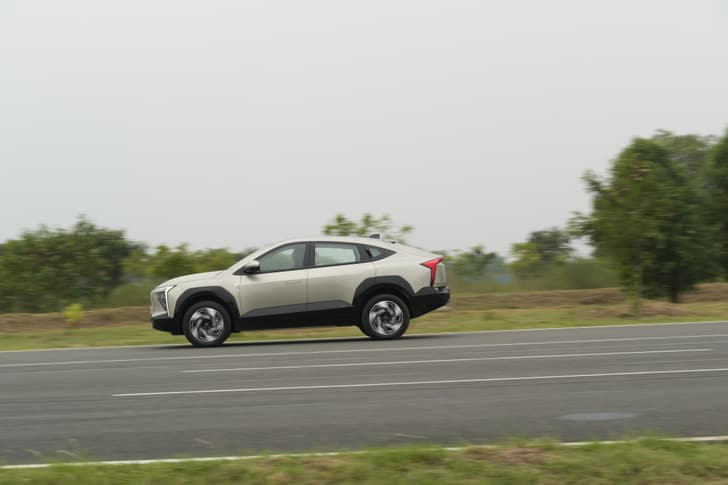
The Mahindra XEV 9e top model price in Jaisalmer is Rs 32.33 lakh.
The Mahindra XEV 9e base model price in Jaisalmer is Rs 23.26 lakh.
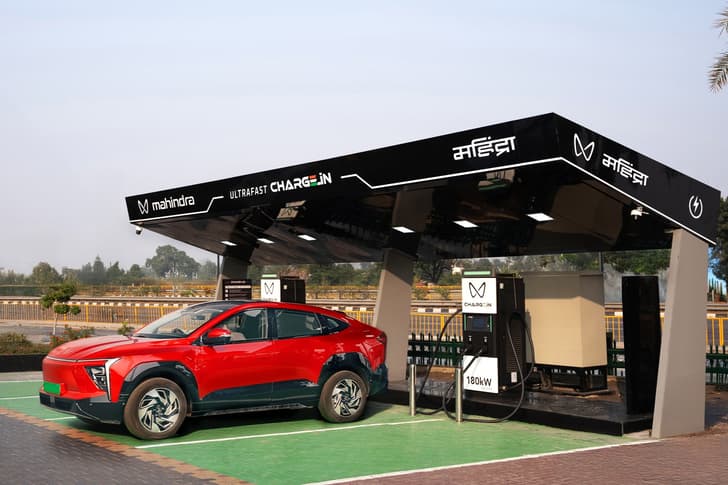
The Mahindra XEV 9e 7.2kW fast charger costs Rs 50,000 extra, whereas the 11.2kW fast charger costs Rs 75,000 extra.
The Mahindra XEV 9e 79kWh price in Jaisalmer starts at Rs 26.50 lakh (ex-showroom).
Sandeep Subbaiah
•2dHi, I am currently driving a Tiguan 2.0 diesel and a Ford EcoSport Automatic. The Tiguan is almost 10 years old now, so I am looking to buy a new car in the ₹45 lakh range. My monthly running is around 500 km, along with two highway trips every year. I have shortlisted the Skoda Kodiaq and the Mahindra XEV 9e. We are a family of three. Should I stick with a petrol car or move to an electric vehicle? Kindly advise.

Autocar India
Considering your requirements and budget, the Skoda Kodiaq fits your brief better. Coming from a Tiguan, it will feel familiar and a clear step up: smooth petrol engine, strong highway stability, and a more premium, feature-rich cabin. Your running of 500 km a month is low, so a petrol car makes sense: it is simple to live with, refuels in minutes on road trips, and you do not need to plan charging. For a family of three, you get loads of space, plus a large boot for your highway trips.Pick the Mahindra XEV 9e only if you have a private parking spot where you can install a charger and most of your driving is in town. It will feel very smooth and quiet and will cost less to run, but highway trips will need planning in order to charge the EV.
Ashwanth
•3dHello, I booked the xuv 7XO AXL DIESEL AT on January 8 and am still waiting for the delivery. What concerns me is the current geopolitical tensions in the Gulf, along with rising crude oil prices and possible fuel shortages. In this situation, is it really sensible to buy a diesel car (or even a petrol car)? Or would it be better to shift to an electric car like the XEV 9e or XEV 9S? I am genuinely very confused. What will happen to all the diesel and petrol cars that are currently being sold and are already on the road? Also, the 10 and 15-year scrappage policies are making me worried that a ₹30 lakh investment could end up as scrap in the near future. Could you please advise?

Autocar India
If your primary worry is whether buying a Rs. 30 lakh diesel today is a bad decision because of fuel prices, geopolitics or scrappage rules, the short answer is no, do not panic. Petrol and diesel cars are not going to suddenly become unusable or worthless because of short term crude price spikes or geopolitical tensions. Fuel prices may fluctuate, yes, but that affects both petrol and diesel ownership economics rather than making the vehicles obsolete overnight. India’s scrappage framework is also not a blanket “scrap your 10 or 15 year old private car no matter what” rule nationally. Private vehicles are tied to fitness and registration rules, while Delhi NCR has its own stricter age based restrictions.Now to your actual car choice. Since you have already booked the Mahindra XUV 7XO diesel automatic, the bigger question is whether your usage genuinely suits diesel. If you do regular highway runs or meaningful monthly mileage, the diesel still makes complete sense because the 7XO’s diesel is effortless, efficient and a great fit for a large SUV. If your use is mostly city and low running, then yes, an EV like the XEV 9e becomes more compelling, especially if you can charge at home.But do not switch to an EV purely out of fear. Buy an EV because your usage suits it. The XEV 9e is a fundamentally different ownership proposition, not just a “future proof” version of the 7XO. If you need frequent long distance flexibility without charging planning, the diesel remains easier to live with. If your use is mostly urban and predictable, the EV makes stronger sense.
Kks
•3dWe have owned a Tata Zest for 10 years and are looking for a family car for 4 adults and 1kid 9year old. Our running for the year is 12k to 13k kms with 60% city and the rest highway for occasional trips. We intend to keep it for 10 years and zeroed in on Seltos, but worried about ethanol blending and pricey petrol. So, for our requirement, we are thinking of moving to EV and are confused whether we should wait for Sierra EV, go with Harrier EV or XEV 9s. Although we aren’t keen on a 7 seater, and 9E seems to be gimmicky. Please help.

Autocar India
For your usage, we would not switch to an EV purely because of ethanol blending worries. With 12,000 to 13,000 km a year, 60 per cent city use and a 10-year ownership plan, a petrol SUV like the Kia Seltos is still a perfectly practical choice. E20-compliant petrol cars will continue to be supported, and a move to higher ethanol blends like E85 would require dedicated flex fuel engines, so there is no realistic scenario where today’s compliant petrol cars suddenly become unusable.If you genuinely want to move to an EV, then the decision should be based on your usage pattern, charging convenience and ownership comfort, not fuel policy anxiety. Between your options, the Tata Harrier EV looks like the most complete fit today. It gives you the space you need for four adults and a child, feels like a proper family SUV and removes the uncertainty of waiting for an unlaunched product. The Mahindra XEV 9e is also a strong EV, but since you already find it a bit too gimmicky and are not looking for that kind of experience, it does not sound like the natural fit.As for the Tata Sierra EV, we would absolutely suggest waiting if you are not in a rush, because it is expected soon and could land in the sweet spot between the Harrier EV and the smaller EV SUVs in terms of practicality and positioning. The only caveat is that buying an EV without a reliable home charging setup would make far less sense than simply buying the Seltos petrol and moving on.
Tushar
•4dSir, how is the rear suspension and ride quality of the Mahindra XEV 9e Pack One and Two? I tested the Pack Three and found the rear seat very boat-like with too much movement both vertically and sideways, which can get nauseating for rear-seat passengers. Is the suspension setup in Pack One and Two any better? Should I instead go for the Harrier EV 75 RWD if I want better ride quality, or should I wait for the Sierra EV? I want an EV bigger than the Nexon, but I do not like the Curvv EV and was thinking of avoiding Mahindra because of the suspension. I tried the Nexon EV and new Punch EV and found their rear suspension much better than the XEV 9e and even the eVitara. Please guide.

Autocar India
What you felt in the Mahindra XEV 9e Pack Three is a fair observation. The XEV 9e does have a softer suspension tune, and for some rear seat passengers, that can translate into a floaty, slightly boat-like vertical movement over undulations, which can feel uncomfortable or even nauseating if you are sensitive to that kind of motion. As far as we know, there is no major suspension hardware difference between Pack One, Two and Three that fundamentally changes this character, so we would not expect the lower variants to feel significantly different in this regard.If rear seat ride quality and body control are a major priority, the Tata Harrier EV is the better option right now. It feels more tied down, composed and generally better controlled from the rear, without that excessive floatiness. If you still want to stay with Mahindra, the XEV 9e actually feels more balanced in this respect and does not have the same exaggerated bouncy character as the XEV 9S.That said, since you are clearly particular about ride quality and already like how Tata’s EVs are tuned, we would absolutely suggest waiting for the Tata Sierra EV as well, especially since its launch is right around the corner. It should sit in that sweet spot above the Nexon EV in size while potentially offering the kind of more settled suspension setup you seem to prefer.
SHREYAS KP
•1wHi Autocar, I live in Bengaluru, and my daily travel is around 35 km in moderate to very heavy traffic. I am looking for a premium EV for both city and highway use, and it will be my primary car. I am really confused between the Mahindra XEV 9e and XEV 9S (also considering the VinFast VF7). My priorities are driving feel, comfort, and a good ownership experience. Your advice would be very helpful. Thank you.
Autocar India
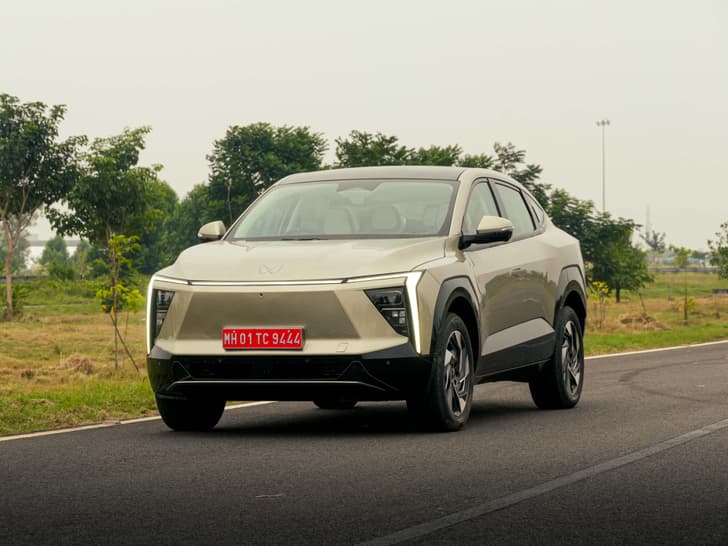
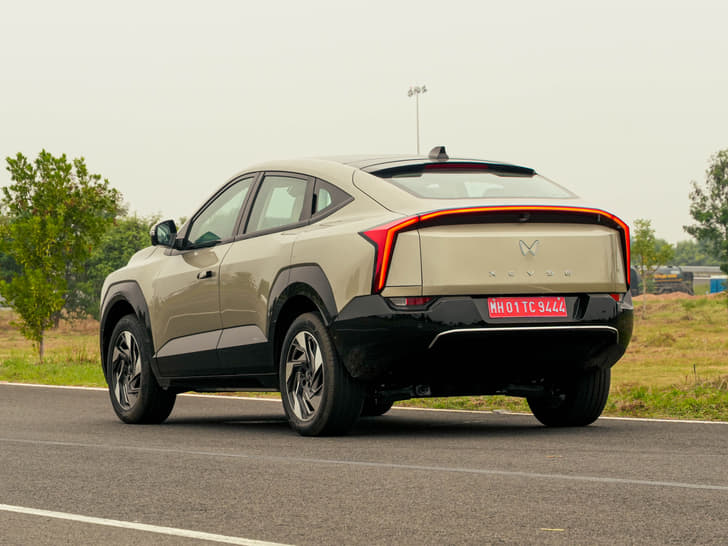
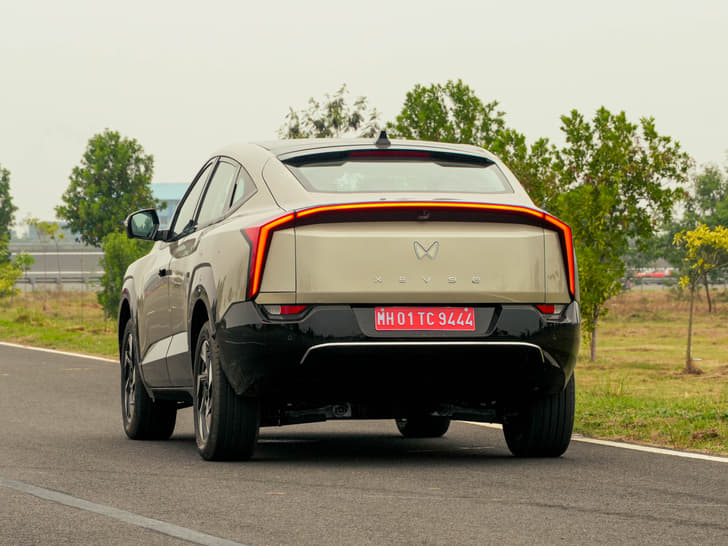
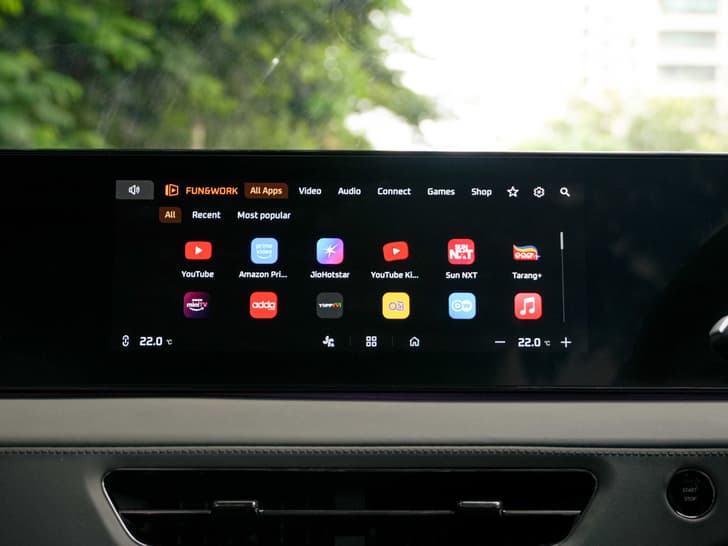
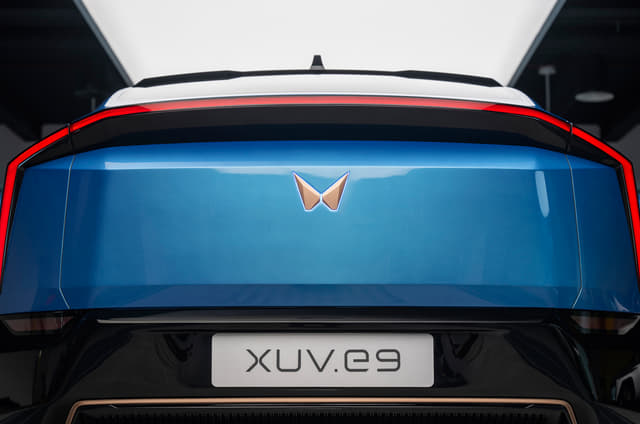
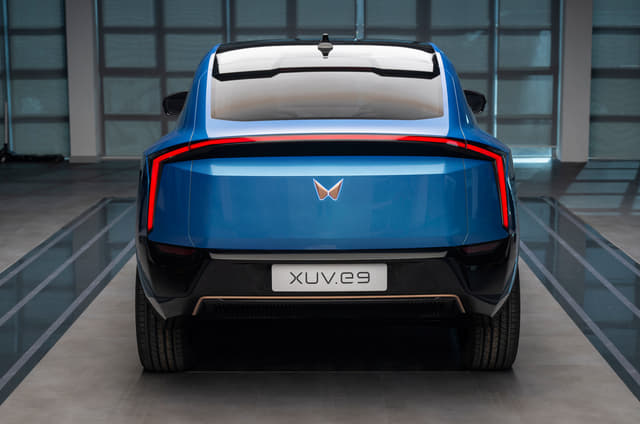
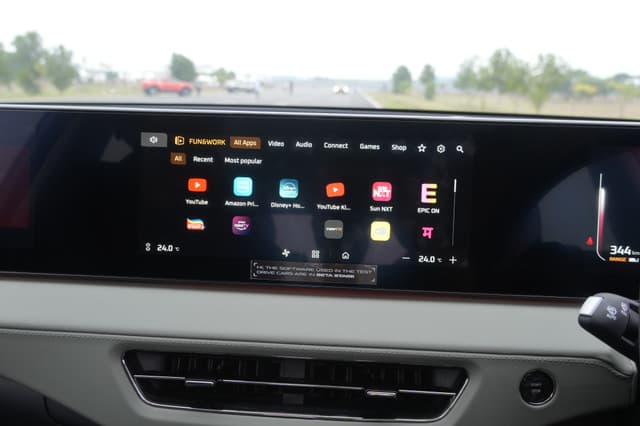
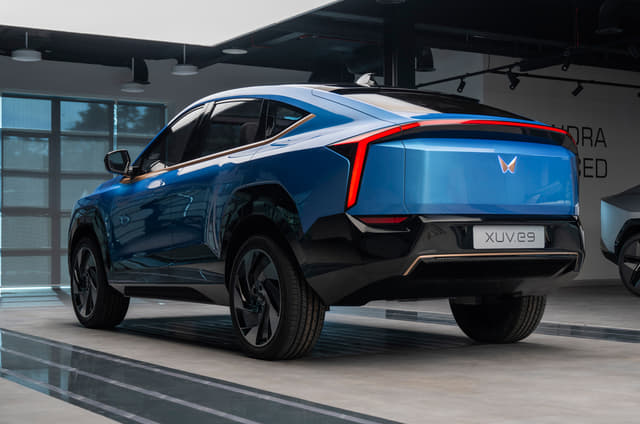
While they all make compelling cases for your usage pattern, we’d lean toward the Mahindra XEV 9e from your list. The XEV 9S is the most spacious, which is always good if you need an extra pair of seats in a pinch, and if not, they can be easily folded away. It's well equipped too and the seats are very comfortable, and with the widest price range and most variants, there's more to choose from. However, its size makes it cumbersome around town, and its overly soft suspension can feel too bouncy at higher speeds.The Vinfast VF7 feels more compact, making it easier around town, its suspension feels more tied down, giving it a mature, European ride quality, and if you choose the dual-motor version, performance is exceptionally strong. However, its efficiency and range aren't particularly good, and though early impressions have been good, it's still a new brand with a relatively smaller and as-of-now-unproven network. The XEV 9e strikes a good middle ground between the two. It doesn't suffer from the soft suspension of the 9S, yet it has all the same equipment and two out of the three battery options. You don't get the third row of course, but you get a sleek coupe SUV form factor instead with little sacrifice to boot space and rear headroom. Do bear in mind though, there have been reports of electronic glitches in Mahindra's EVs, mostly pertaining to the screens, but these are things that can be fixed with software. Overall, we feel the XEV 9e is the best fit of these three for you.
Dr Ashish lashkari
•1wHello sir, my name is Dr. Ashish Lashkari, and despite being in the healthcare industry, my passion for automobiles is no less than my profession. I currently drive a Jeep Compass Petrol Automatic, which I purchased in 2018 and have driven around 85,000 km since then. Now, I want to upgrade to something better, and my options are a used Mercedes, a BMW, or the new Mahindra XEV 9e. My usage is around 25% city driving and 75% highway driving with family. Petrol is no longer my preferred choice, as the poor fuel efficiency of the Jeep has been quite frustrating. Please suggest what would be the best option for me. Thank you so much in advance.

Autocar India
If you are looking for a good used luxury car, check out the Mercedes GLA or the BMW X1. Stick with the current generation models and look for the one that is around 4 to 5 years old. You can consider buying from organized pre owned car sellers like Spinny. You may pay a bit more than the open market but you will get cars that are thoroughly checked and with warranty too. If you are looking at the Mahindra XEV 9E, make sure you have a provision to charge it at home or your place of work as relying solely on the public network isn't really feasible. Also, if your highway runs are more than 350 odd kms and involve mountain roads, you might have to stop for a charge too. So make sure your route has plenty of charging options.
Aniruddha
•1wHi Autocar India Team, I am planning to buy an EV in the ₹25 lakh range. It will mostly be used for a daily commute of around 40 km. My key considerations are: The car should comfortably seat five people. It should handle potholes and bad roads well. It should be reliable. Given that there are quite a few options that meet these criteria, I would appreciate your inputs to help narrow down the best choices.

Autocar India
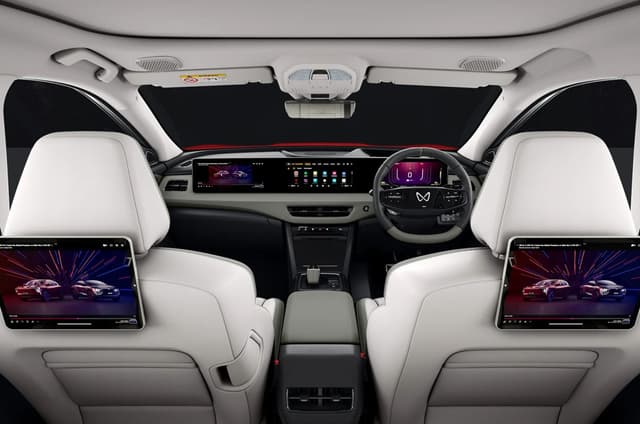
For a daily 40 km commute with regular city use, the Kia Carens Clavis EV fits perfectly. It is a well-sorted, no-nonsense EV with a focus on comfort, space and ease of use. It seats five people comfortably, offers a compliant ride over bad roads and potholes, and feels simple and predictable to drive, which is exactly what you want from a daily-use electric car. It also has a more mature and practical approach compared to some newer EVs, which adds to long-term reliability and peace of mind.If you want something more futuristic and feature-rich, the Mahindra XEV 9e is worth considering. It delivers stronger performance, more technology and a more premium feel, along with a higher range. However, it is a larger and more expensive car, and not as easy to use in tight city conditions as the Clavis. The ride is also a bit bouncy, especially at the rear, and overall, it does not feel as polished as the Clavis EV.
Zorro
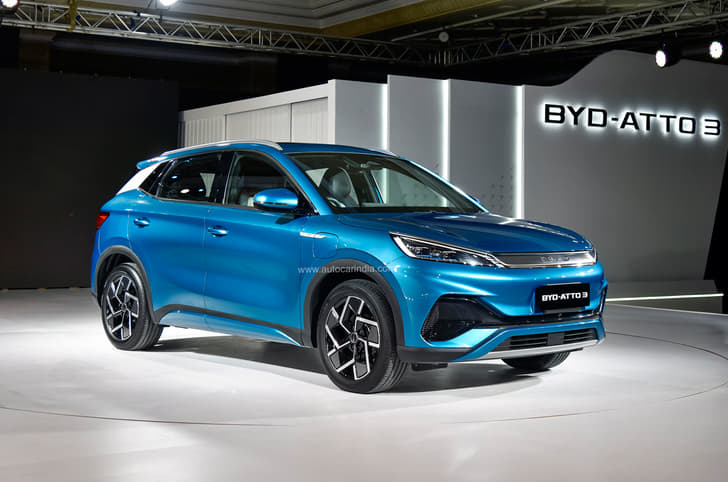
•2wAs a diesel enthusiast, I am now considering switching to an electric vehicle. My budget is around ₹30 lakh. I am currently confused between the BYD Atto 3 and Mahindra Electric offerings. I have also looked at Tata Motors EVs, but I have come across feedback suggesting a noticeable difference between claimed and real-world range.

Autocar India
You are coming from diesel, so your expectations are clear. Strong performance, long-range confidence and a solid feel. The Mahindra XEV 9e matches that better. It is a larger, more powerful car that offers significantly more space and boot capacity, and delivers stronger performance. It also has a bigger battery and higher claimed range, which makes it better suited for long-distance use.The BYD Atto 3, on the other hand, is a more mature and sorted EV. It feels very well put together, easy to drive and comfortable. It is slightly smaller, easier in the city and has a more proven track record as a product. If your usage is mostly urban and you value refinement over size and performance, it is a strong option.
Muhammed Hijas A M
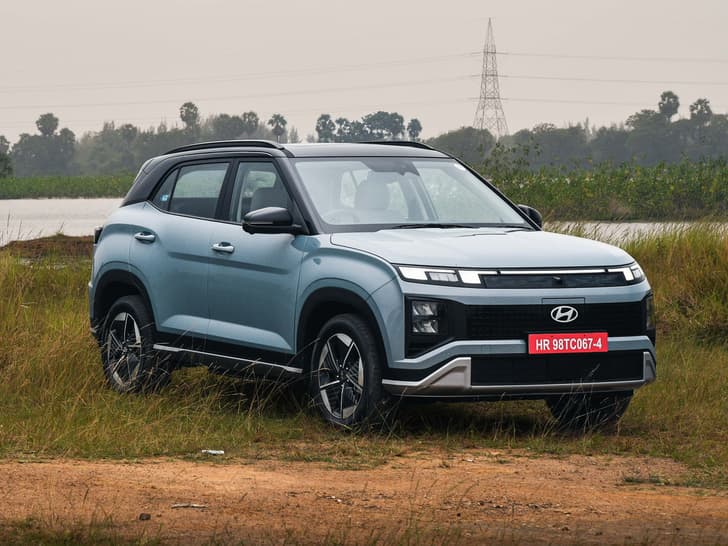
•2wI am confused between the Hyundai Creta Electric and the Mahindra XEV 9e. Which one is the better car overall?

Autocar India
The difference is in character. The Hyundai Creta Electric is very well calibrated and easy to drive. It feels like a normal petrol car that happens to be electric. That makes it comfortable and predictable, especially in daily use. But that also works against it. It does not feel special or exciting, just very clinical.The Mahindra XEV 9e is the opposite. It is faster, more powerful and noticeably larger. You get more space, a bigger boot and significantly better range thanks to a larger battery. It also feels more futuristic inside and out, which adds to the overall experience.
Naman
•3wI am confused between the Tata Harrier Fearless 75, Mahindra BE 6 Pack 2, and Mahindra XEV 9e. My driving is mainly on highways. Which is the better option in terms of range and comfort?

Autocar India
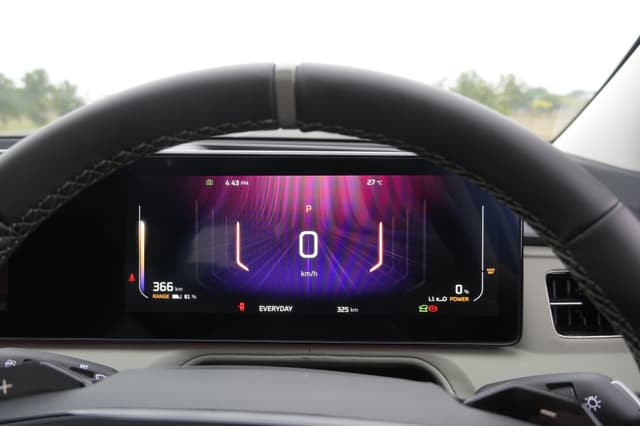
The Mahindra XEV 9e is the better pick, both in terms of range and comfort. On the highway, you can easily expect around 480km of real-world range with the 79kWh battery version. Performance is plenty, its steering is light, suspension setup is good, and seats are comfortable, which makes it ideal for long-distance travel. Also, it is worth noting that the XEV 9e's fast charging speeds are much higher than the Harrier EV's, translating to shorter charging times when connected to a 120kW or faster DC charger.