

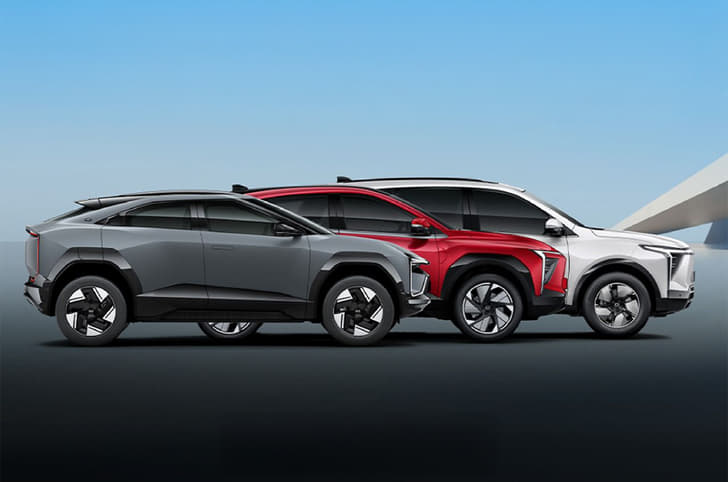
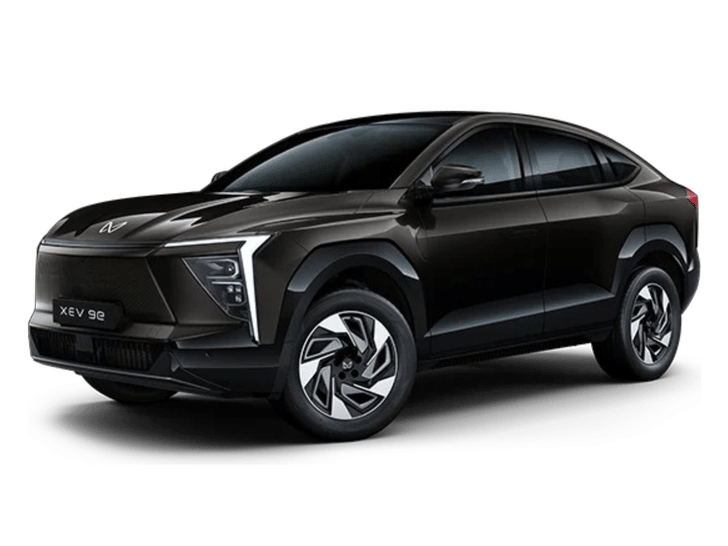
Mahindra has extended its Battery-as-a-Service (BaaS) ownership programme to the XEV 9S and the XEV 9e. Under BaaS, prices start at Rs 12.65 lakh for the XEV 9S and at Rs 13.90 lakh for the XEV 9e (all ex-showroom), and battery financing involves an additional effective usage cost of Rs 3.75 per km. All of Mahindra’s born EVs are now available under the BaaS programme.
- XEV 9S and XEV 9e starting price reduced by Rs 8 lakh with BaaS
- Rs 3.75 per km is the effective usage cost under battery financing, as per Mahindra
The BaaS programme essentially lowers the entry price of both the XEV 9e and the XEV 9S by Rs 8 lakh, which is a significant saving on the upfront cost of the vehicle. For reference, prices for the XEV 9S start at Rs 20.65 lakh, while the XEV 9e is priced from Rs 21.90 lakh (ex-showroom, without charger).
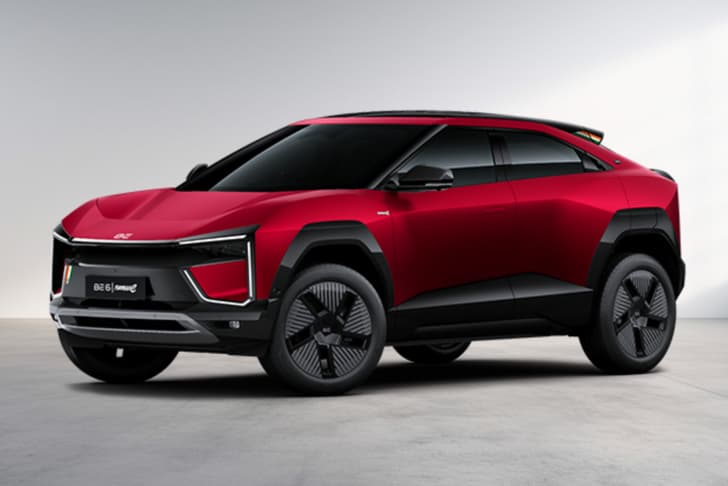
Additionally, Mahindra has extended the BaaS programme to all variants of the BE 6 Sporteq – until now, it was available only on the Pack One and Pack Two trims with the smaller 59kWh battery. Mahindra, however, hasn’t revealed the exact variant-wise break up of BaaS prices for each of the three EVs.
According to Mahindra, the effective usage cost of Rs 3.75 per km under BaaS is based on a starting battery EMI of Rs 6,975 and a daily running average of 60km.
What is BaaS?
BaaS is a pricing structure that excludes the cost of an EV’s battery pack from its ex-showroom price, affording the buyer a substantially lower upfront cost. The battery cost is then financed per kilometre of usage for a certain tenure and interest rate, depending on the financier. It’s worth noting, though, that charging expenditures are not included in the battery usage costs.
JSW-MG Motor India was the first carmaker to offer BaaS with the Windsor. Since then, several other carmakers, including Tata Motors, Maruti, Toyota, Hyundai and Citroen, have adopted this pricing strategy to advance electric vehicle adoption. Mahindra is now the latest carmaker to adopt the BaaS model, although acceptance of BaaS among EV buyers is still very limited.

 Dipan Sur
 Dhruv Dhaka

 Viraaj Bhatnagar