Mahindra cars in India (18)
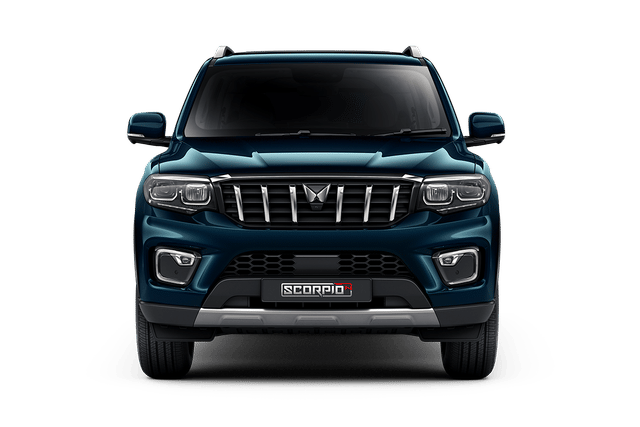
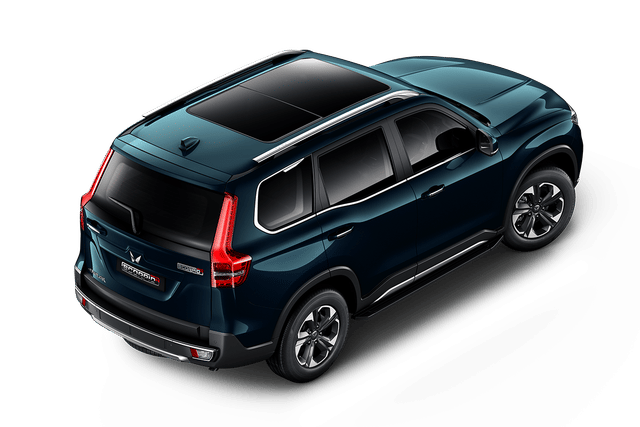
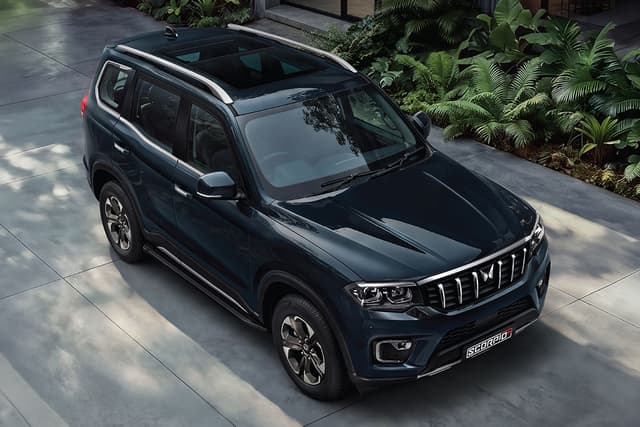
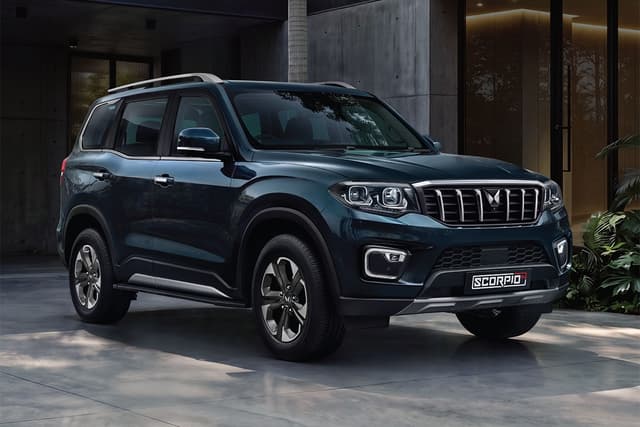
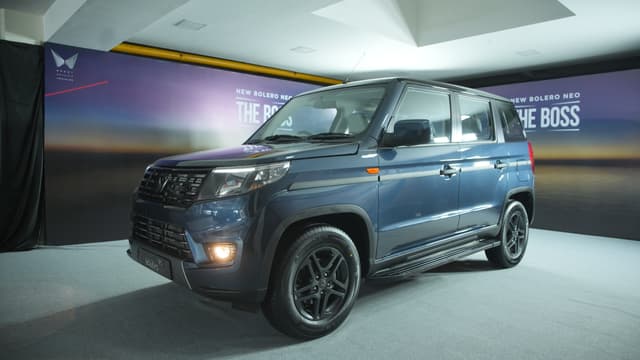
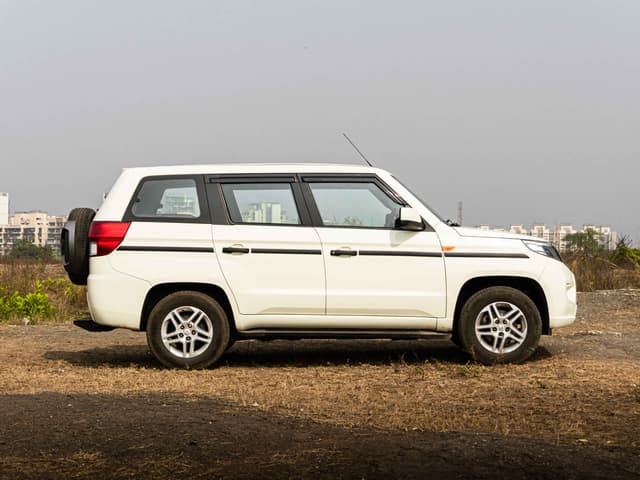
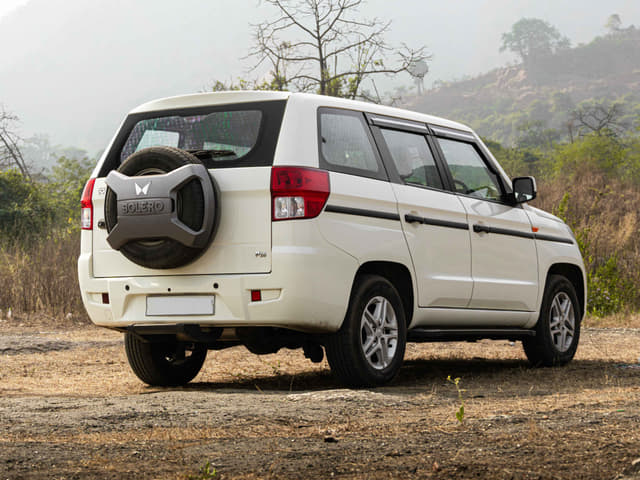
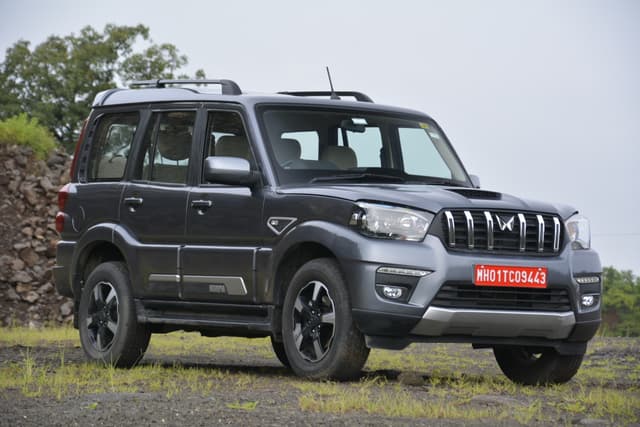
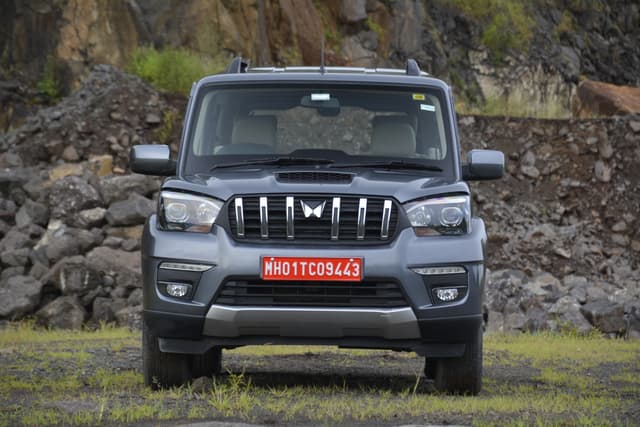
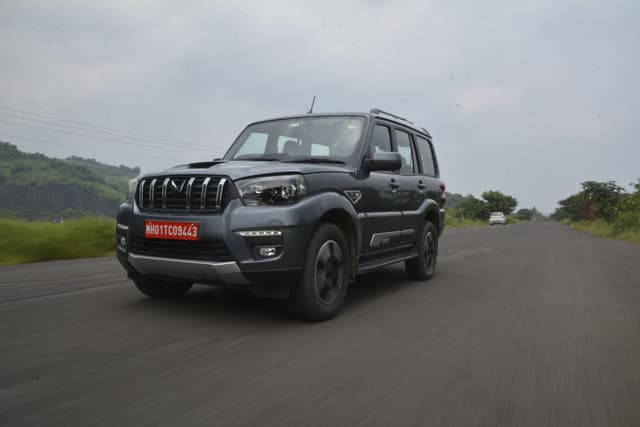
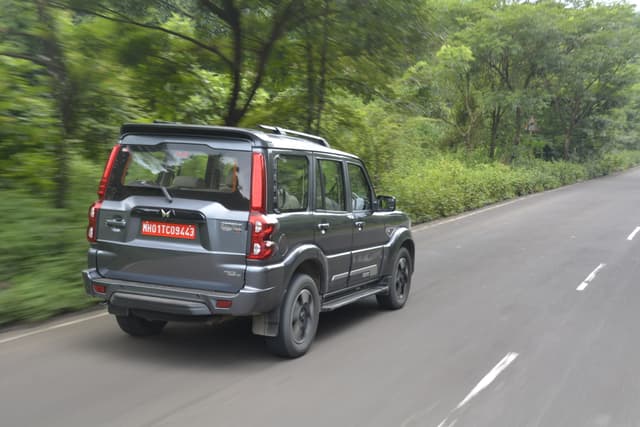
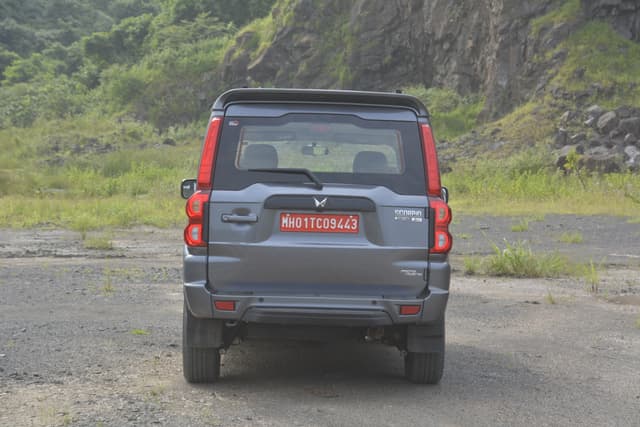
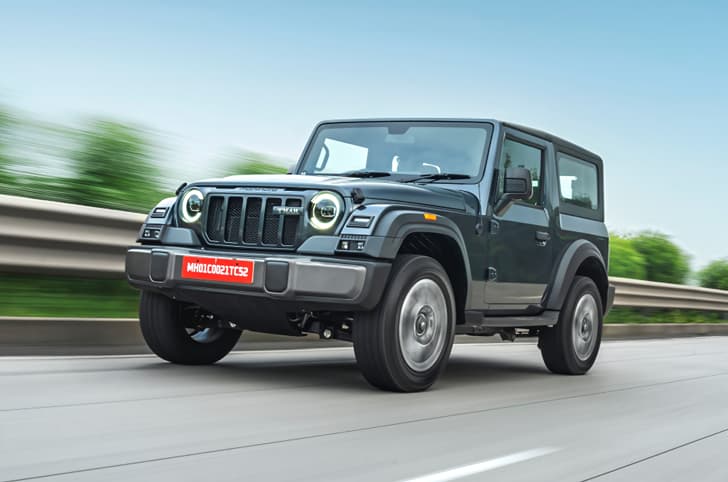
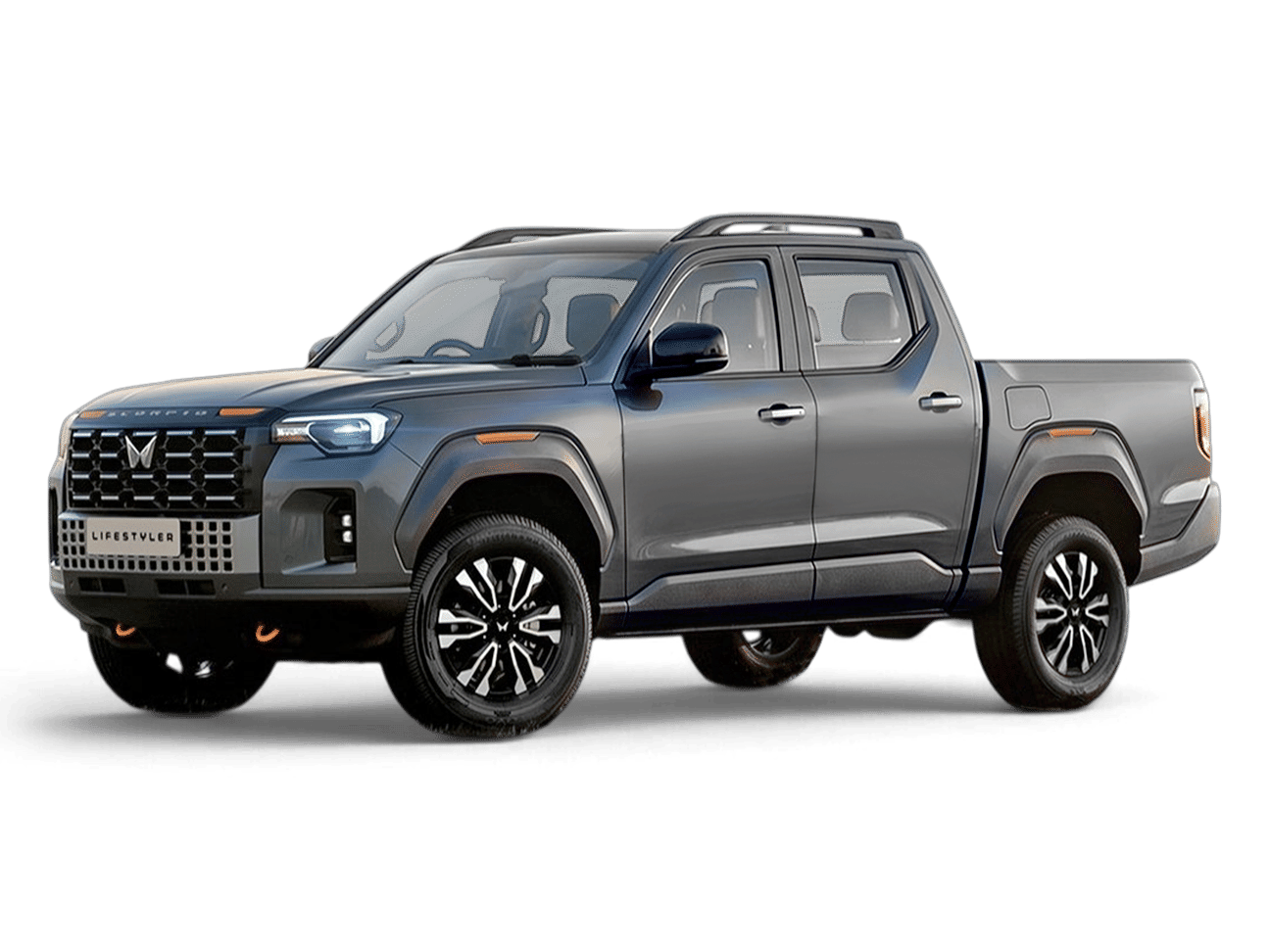
Before expanding into automotive manufacturing in 1947, Mahindra operated as a steel trading business. The company started importing and assembling completely knocked-down (CKD) kits of the legendary Willys CJ3A Jeep. With time, it built its reputation as India's most recognized SUV brand. Currently, Mahindra has 14 SUVs on sale in India in petrol, diesel, and electric options. Among its lineup, the Scorpio range is officially recognized as the highest-selling and most popular Mahindra car in India.
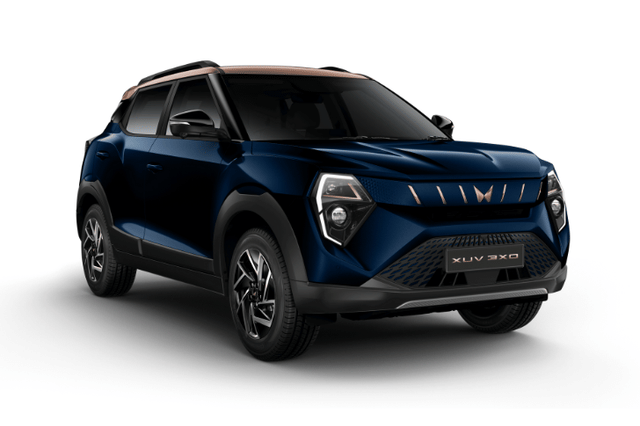
Currently, there are 18 Mahindra cars in India, with 14 on sale and 4 upcoming models. The Mahindra lineup includes 17 SUVs, with no sedans, hatchbacks, MPVs, or convertibles. The Mahindra car price starts at Rs 7.54 lakh and goes up to Rs 30.50 lakh (ex-showroom).
Mahindra Cars in India - Latest Updates (July 2026)
- 5 May 2026: Mahindra has confirmed 16 launches by 2031, which will have 10 ICE-powered models and six EVs.
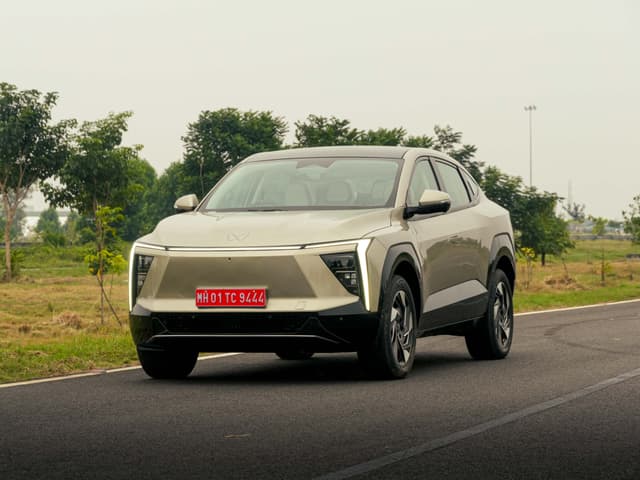
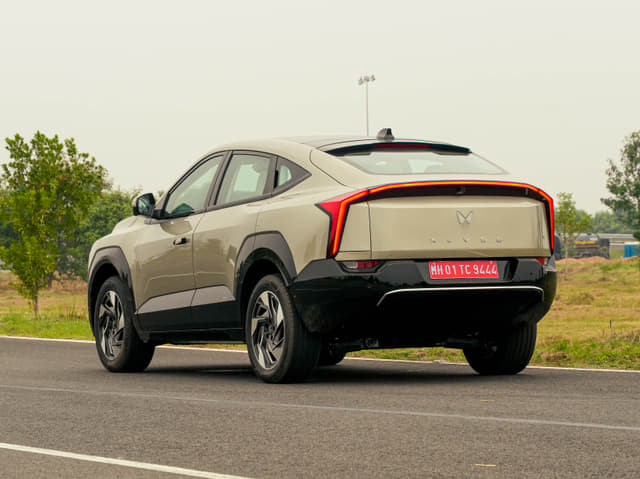
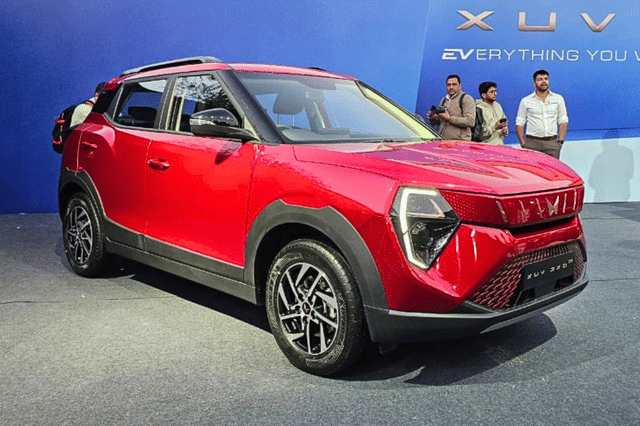
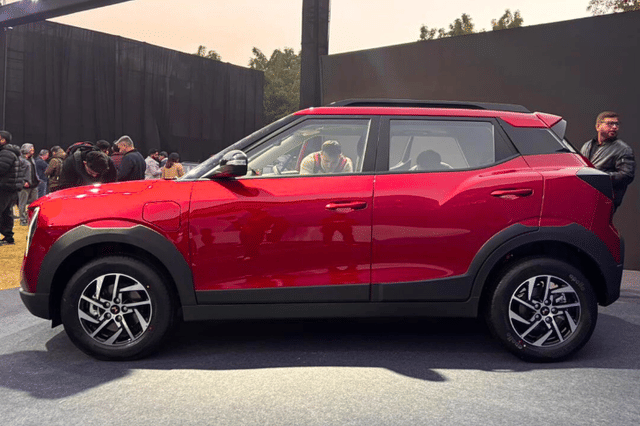
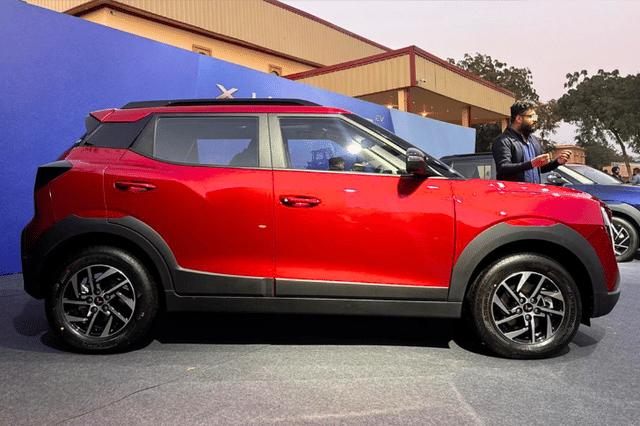
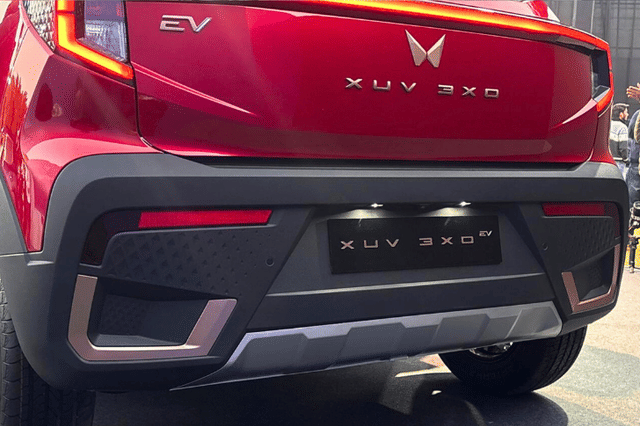
- 6 January 2026: Mahindra launched XUV 3XO EV at Rs 13.89 lakh.
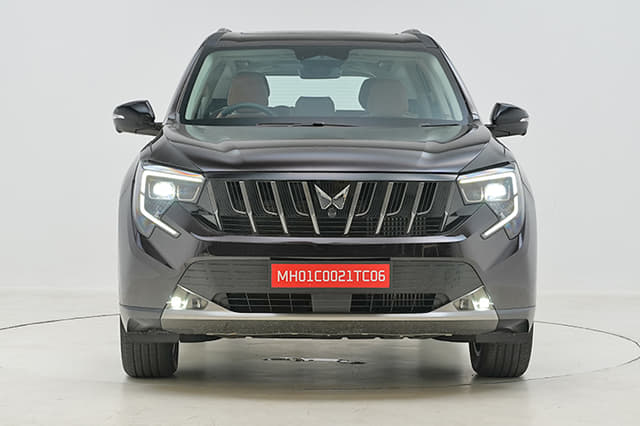
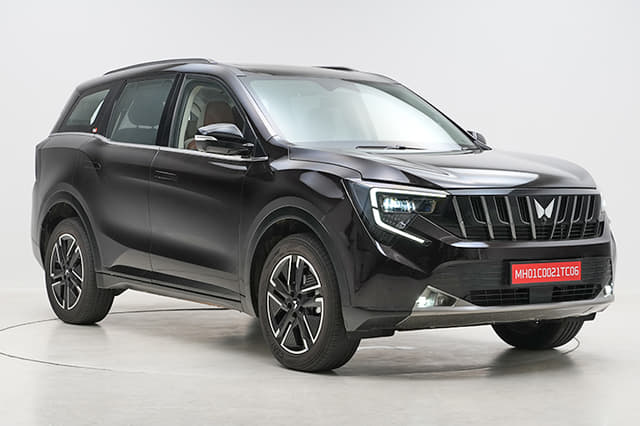
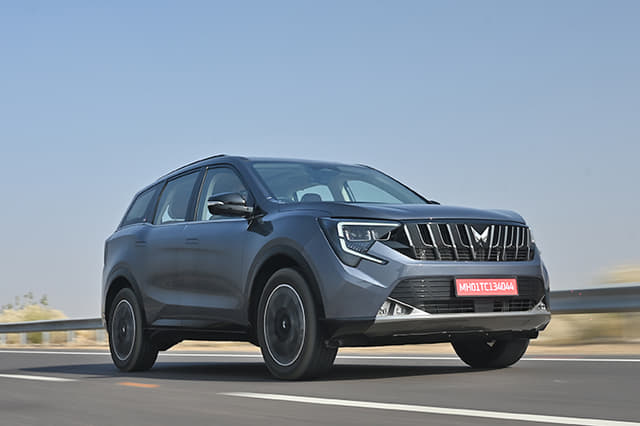
- 6 January 2026: The new Mahindra XUV 7XO, a facelifted XUV700, starts at Rs 13.66 lakh (ex-showroom, Delhi).


Filter your search


Filter your search


Find cars by fuel type
FAQs
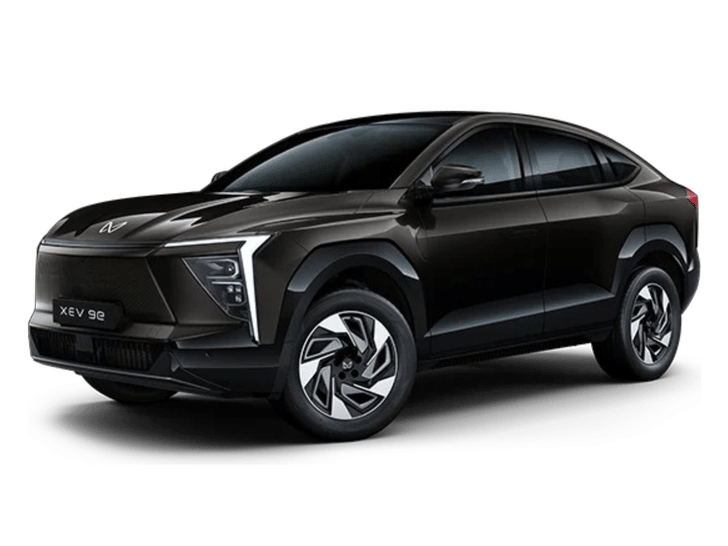
The Mahindra car price starts at ₹7.37 lakh for the XUV 3XO and goes up to ₹30.50 lakh for the XEV 9e (ex-showroom).
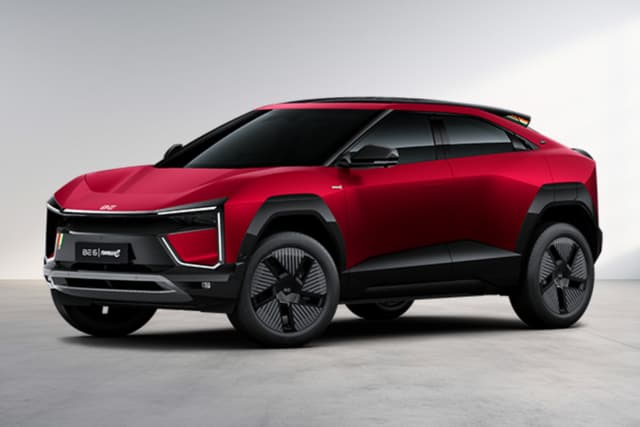
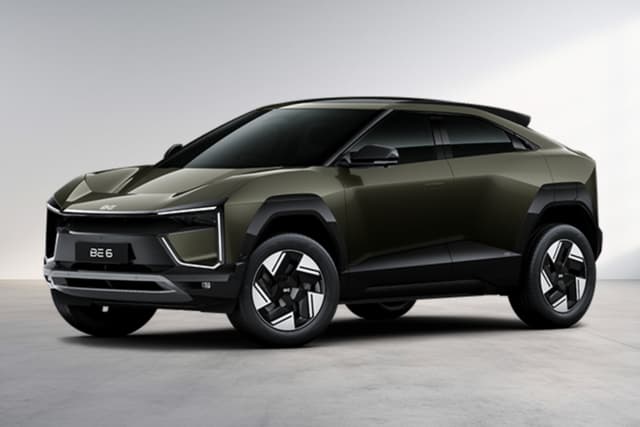
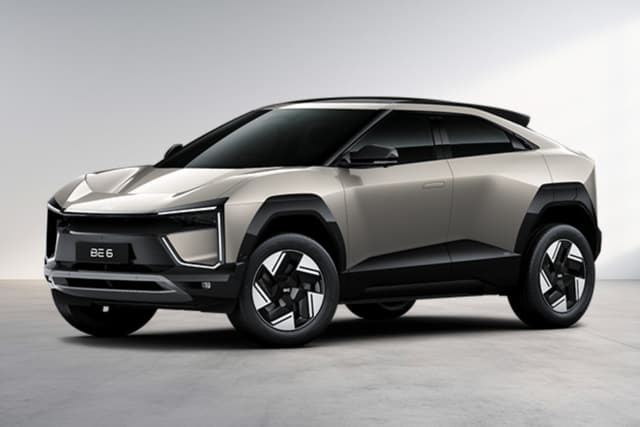
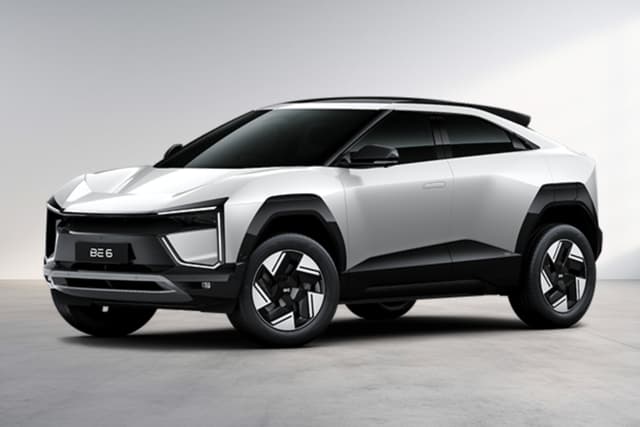
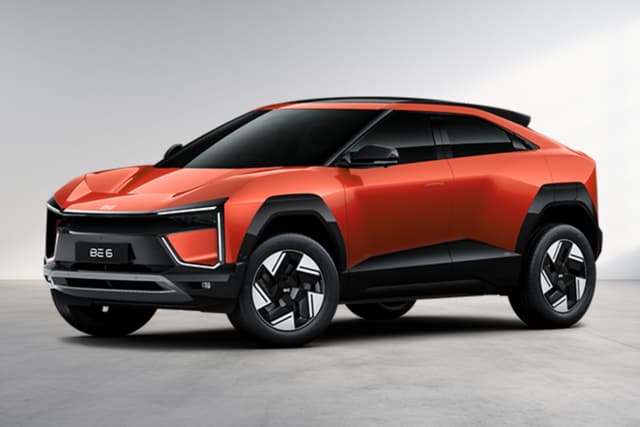
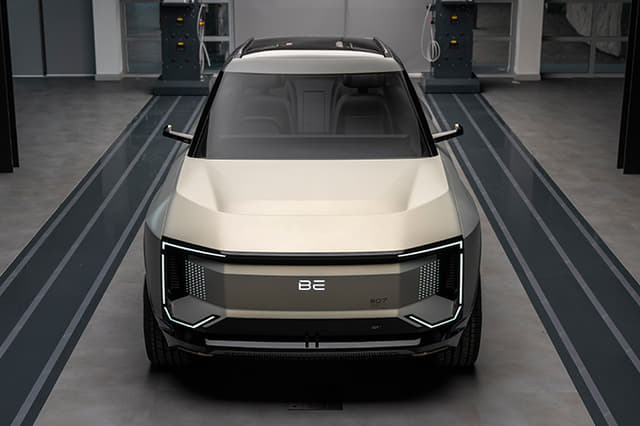
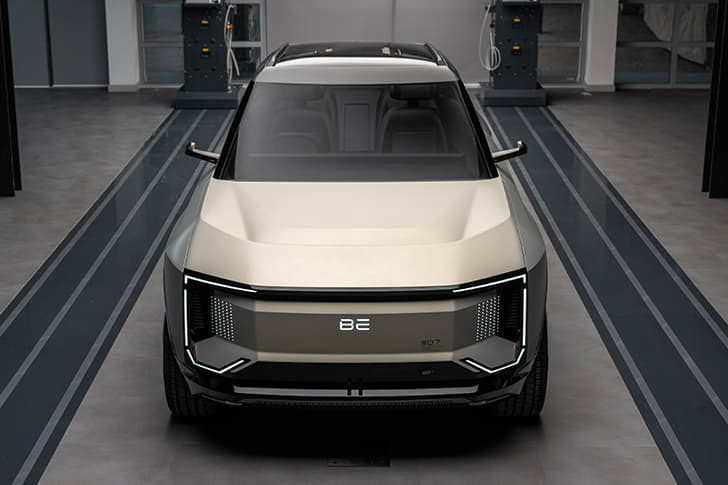
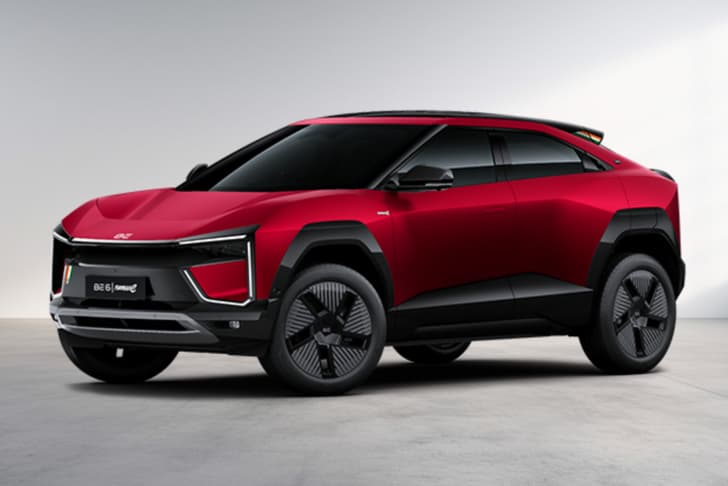
The Mahindra electric car range includes 5 models: XUV400, BE 6, XEV 9S, XEV 9e, and XUV 3XO EV.
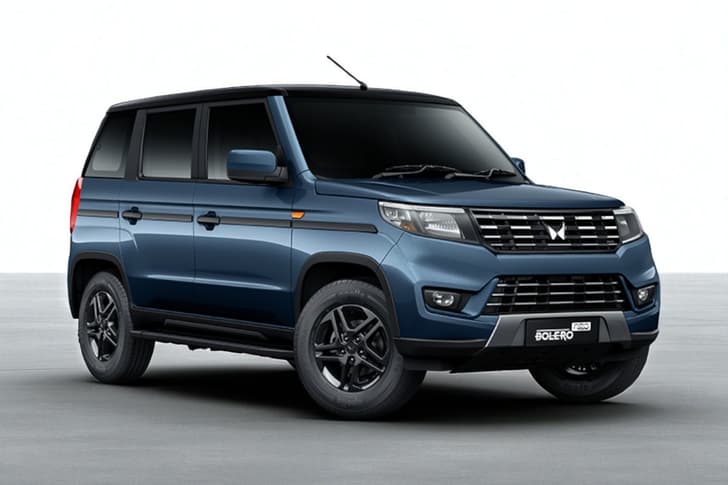
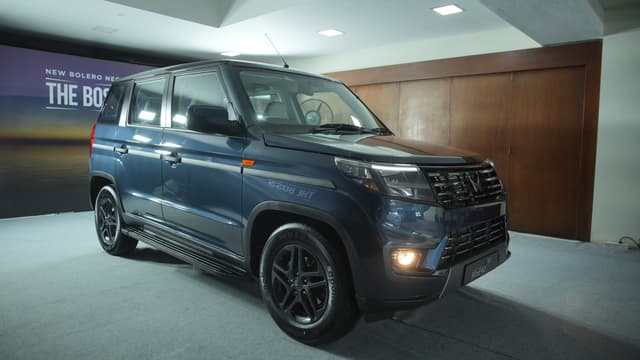
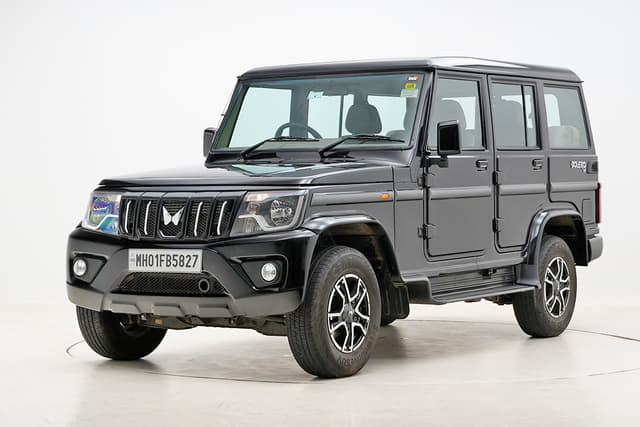
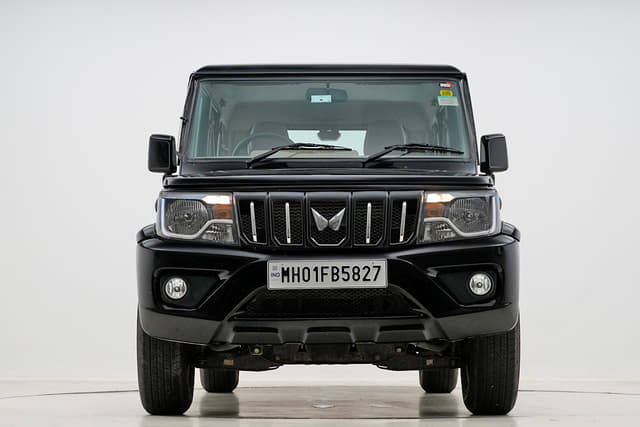
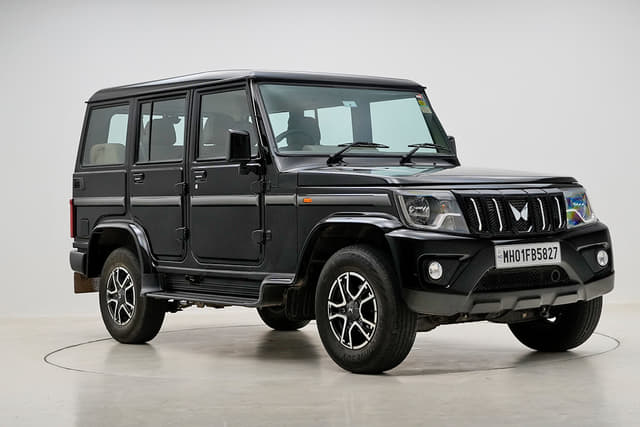
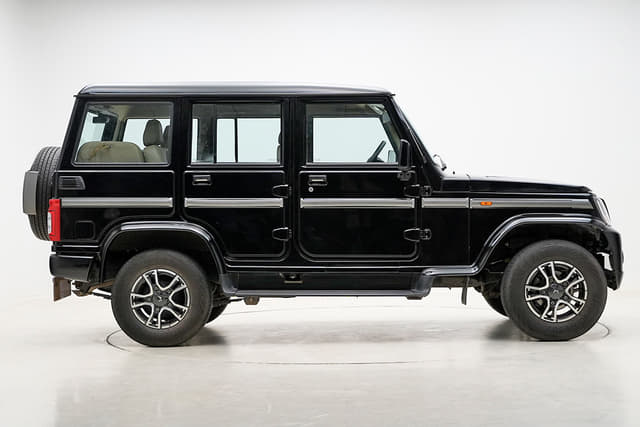
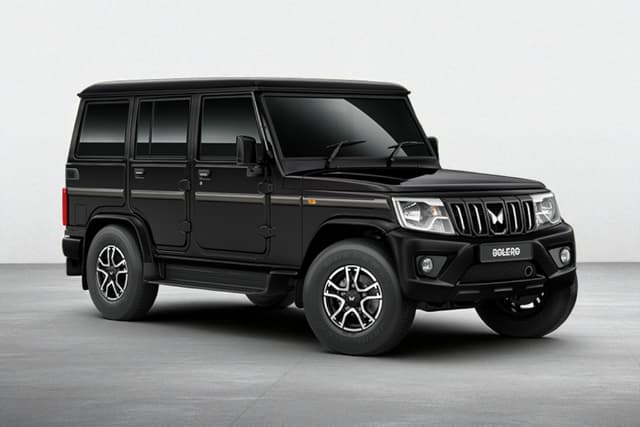
There are seven Mahindra 7 seater cars available for sale in India: Scorpio N, XEV 9S, XUV 7XO, Scorpio Classic, Bolero Neo, Bolero, and XUV700.
The Mahindra SUV car price in India starts at ₹7.28 lakh for the XUV 3XO and goes up to ₹30.50 lakh for the XEV 9e (ex-showroom).
Currently, there is no Mahindra CNG car on sale in India.
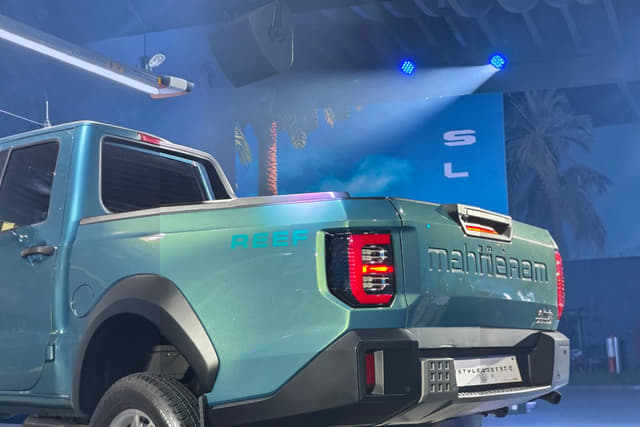
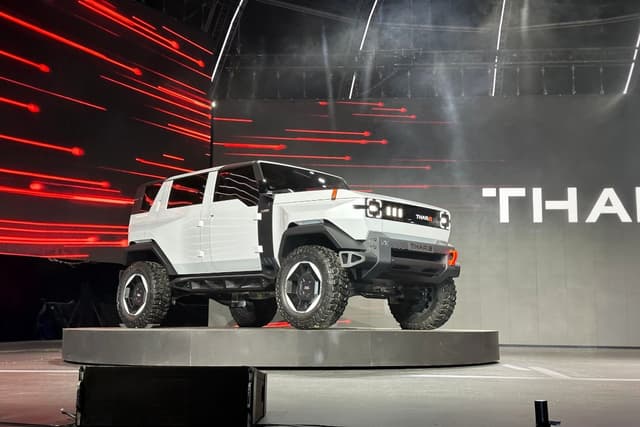
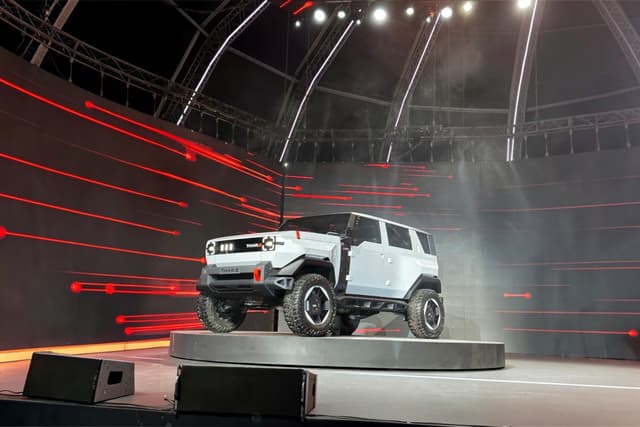
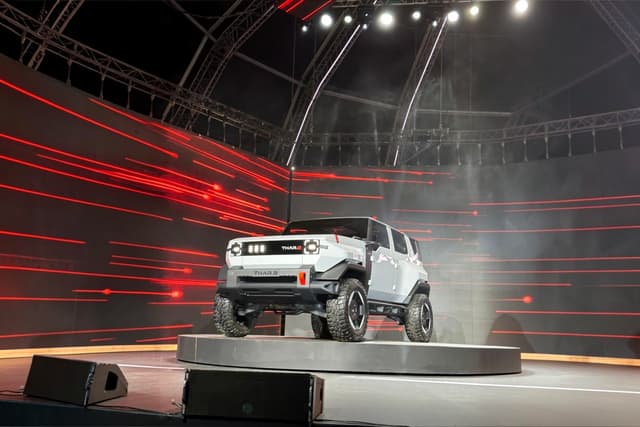
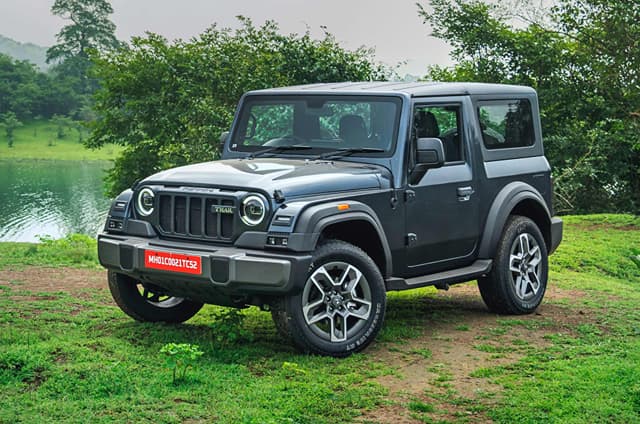
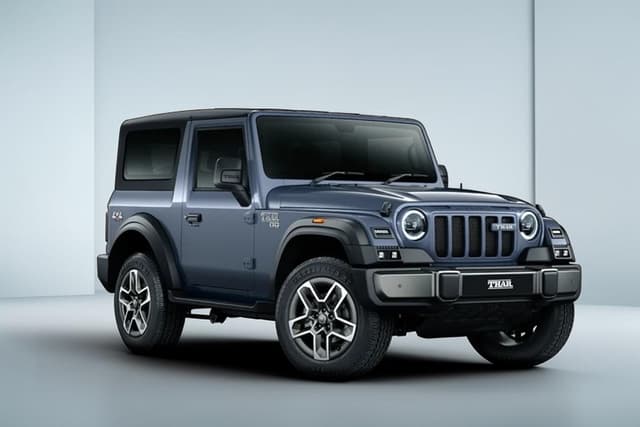
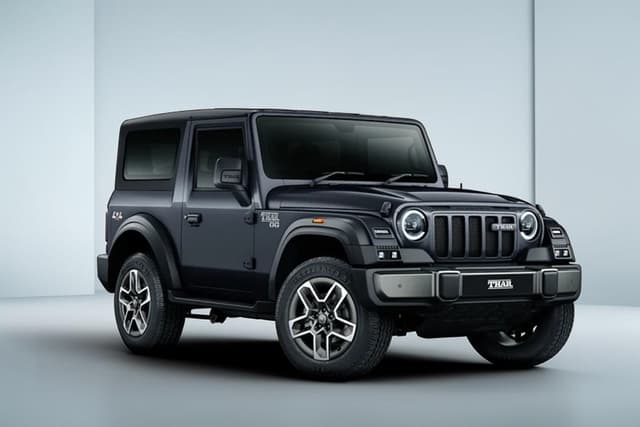
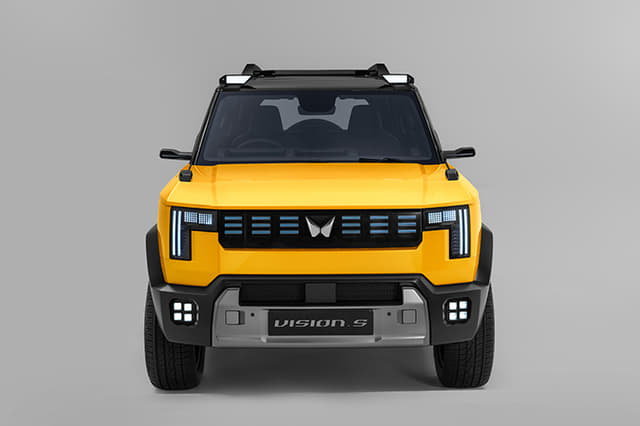
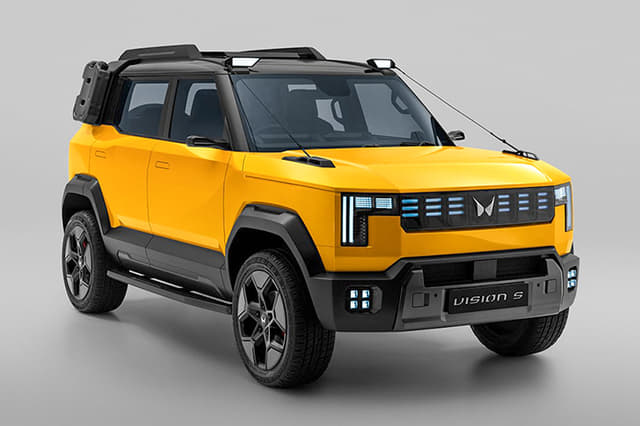
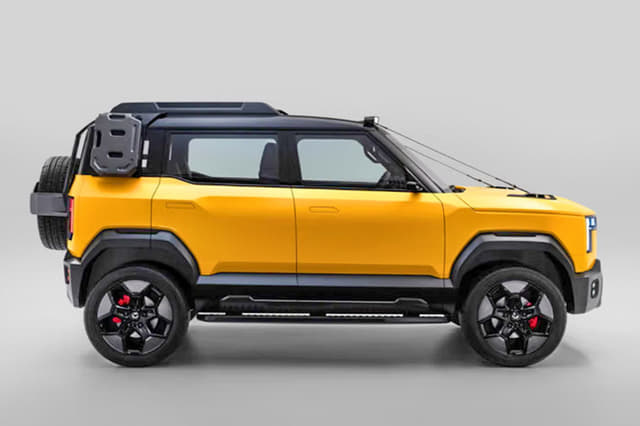
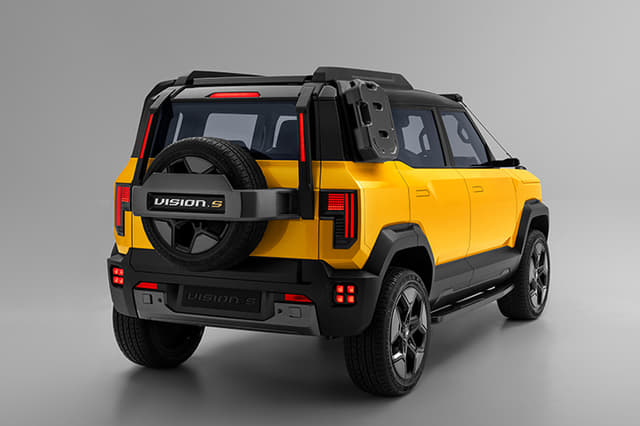
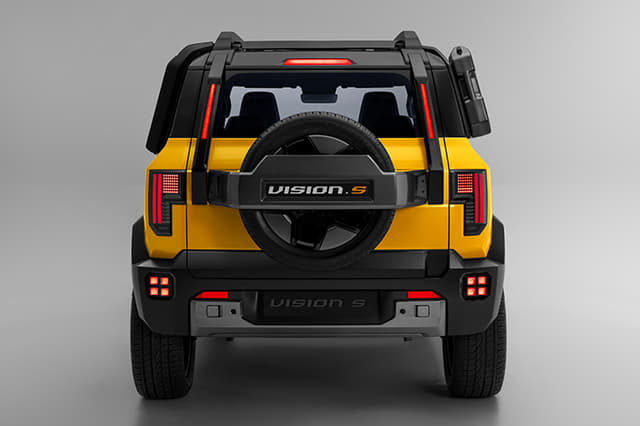
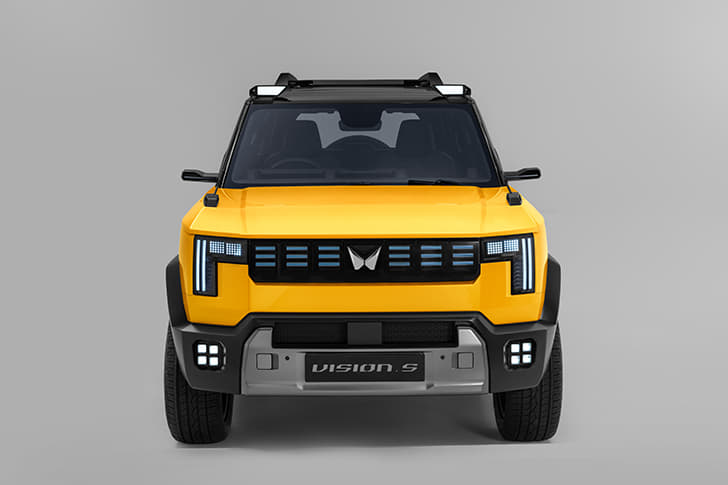
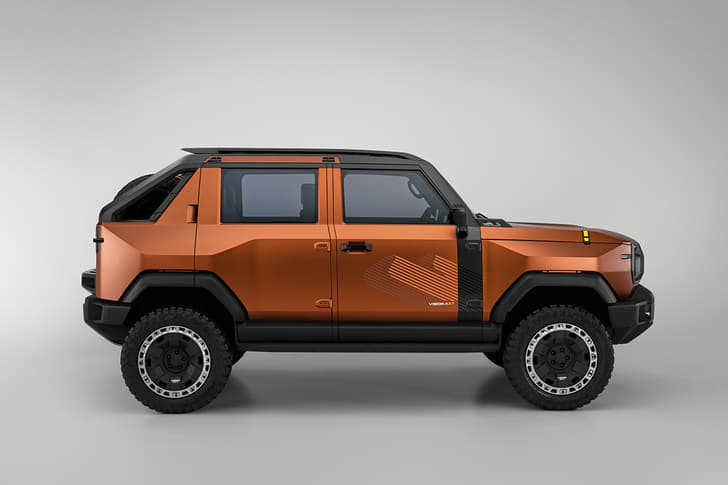
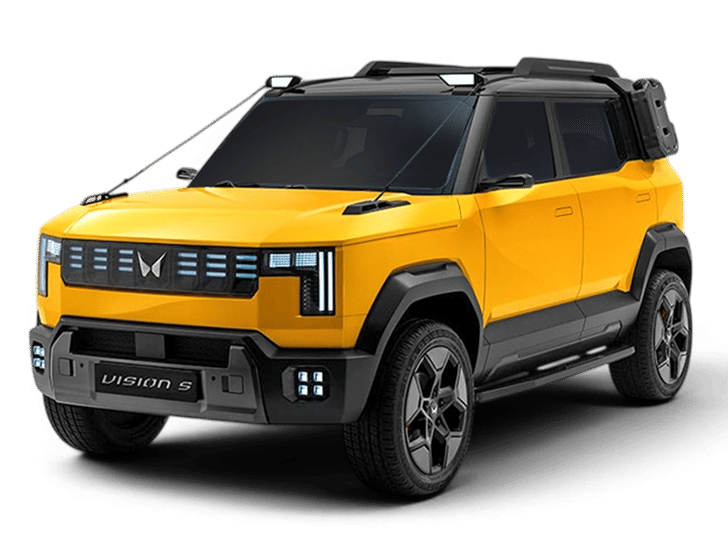
Yes. Mahindra offers 5 models with variants priced under ₹10 lakh: Thar, Bolero Neo+, Bolero, XUV 3XO, and the upcoming Mahindra Vision S. Vision S is expected to start at ₹7.50 lakh (ex-showroom).
The Mahindra top model car in terms of pricing is the XEV 9e, with prices going up to ₹30.50 lakh (ex-showroom).
Mahindra 5 seater car choices include the XEV 9e, BE 6, Thar Roxx, XUV 3XO, XUV400, and XUV 3XO EV.
Yes, 9 out of 16 Mahindra cars that are available for sale come with an automatic transmission option. These cars are - XEV 9e, BE 6, XEV 9S, Scorpio N, Thar, Thar Roxx, XUV700, XUV 3XO, and XUV400.
The Mahindra car on road price varies by city, starting at around ₹8.28 lakh in Delhi for the XUV 3XO and going up to about ₹32.33 lakh for the XEV 9e in major metros.
No. Currently, there is no Mahindra car under 5 lakh in India.
No, Mahindra does not sell a car under 8 lakh. The entry point starts at ₹7.28 lakh for the XUV 3XO, but the on-road cost is higher.
The Mahindra diesel car lineup includes the Scorpio N, Thar, Bolero Neo+, Thar Roxx, Bolero Neo, Bolero, Scorpio Classic, XUV 7XO, XUV700, and XUV 3XO.
Buyers looking for Mahindra cars with a sunroof can consider models such as the XEV 9e, BE 6, Scorpio N, Thar Roxx, XUV700, XUV 3XO, and XUV400. Availability of the sunroof depends on the variant chosen.
Trending Questions on Mahindra Cars - Answered by Autocar Experts
I need your suggestion on car. We live in Thane, and my commute every alternate day is around 12 km. Our budget is Rs. 20-25 lakhs, and we’re looking for an automatic car (petrol or EV). We also take 5-6-hour road trips once every 2-3 months. Currently, we drive a 2011 Hyundai i20 and are planning to upgrade. Which car would you recommend and why, considering comfort, reliability, running costs, safety, and after-sales service? Thanks!
Consider the Kia Seltos DCT. For a 12km commute and occasional 5-6-hour road trips, you will find it comfortable in the city, quick on the highway and easy to own long term. The latest-generation Seltos is larger than before, so feels spacious inside. The cabin is tech-laden and upmarket, and the ride quality has improved too. The turbo-petrol DCT has good performance for quick overtakes on the highway, and the DCT is responsive. The downside is that it can occasionally hesitate in the city, but with your short commute this shouldn't be a deal-breaker. Kia's service is also amongst the best in the business.If you want something larger, the Mahindra XUV 7XO petrol automatic is also a solid choice in your budget. It is a genuinely comfortable car with a spacious cabin, excellent ride quality and strong highway manners. The petrol engine is smooth and refined, and the automatic gearbox makes city driving effortless. Mahindra's service network is strong in Thane and Mumbai. The drawback is that the big petrol engine will be thirsty in the city.An electric car makes sense if you can charge at home and if there are fast chargers on your usual highway route. In that case, the Hyundai Creta Electric is a safe bet. It is well suited to your short daily commute and offers very low running costs. In our real-world testing, it managed an impressive 486km on a single charge in the city and 378km on the highway.Overall, the Seltos is the best balance of comfort, reliability, running costs and ownership experience for your needs.
Hi team, I am considering buying the Maruti Suzuki Jimny because of its compact dimensions, good looks, and SUV feel, mainly for city driving and short road trips. However, I am concerned about its low sales and resale value. The Mahindra Thar Roxx seems too large for city use, while the Mahindra Thar feels cramped in the second row. Please suggest whether I should consider buying the Jimny. Is a facelift expected soon? Should I wait for the 4x2 variant if it is going to be launched?
The Jimny is a genuinely likeable car with its compact dimensions, rugged looks and proper SUV feel, and it is well suited to city use and small road trips. However, your concerns about low sales and resale value are valid. The Jimny has not found a large audience, and that does have an impact on long-term ownership confidence. The Thar Roxx is indeed much larger and less city-friendly, while the standard Thar remains cramped in the second row, so neither is an ideal alternative for your usage.As for a facelift, there is no confirmed timeline for a major update, and waiting for a 4x2 variant is not advisable unless you are specifically looking for a more affordable, less capable version. The Jimny’s appeal lies in its 4x4 capability, and a 4x2 version would dilute much of what makes it special.If you love the Jimny for what it is, you can still go ahead and buy it, but do so with the understanding that resale value may not be its strongest suit. If that is a major concern, you may want to consider more mainstream alternatives like the Brezza or the Kylaq, which offer better ownership confidence without the same level of off-road character.
I'm looking for a car for my family of three, and my child is 5 months old. My budget is Rs. 10-20 lakh, and I am eligible for Bharat Series (BH) registration. I live in a metro city and will use the car for weekend drives with family and friends, occasional long drives to my native place, and longer road trips in the future.
For a family of three with a five-month-old child, your priorities should be comfort, safety, space for a child seat and luggage, and a relaxed driving experience for both city and highway use. Your budget of Rs. 10-20 lakh gives you a wide range of options, but the key is to choose a car that will remain comfortable and practical as your child grows and your travel increases.The Mahindra XUV 3XO is a strong recommendation. It offers a spacious cabin, a wide rear seat that easily accommodates a child seat and an adult, and a comfortable ride that makes long drives less tiring. The Mahindra car is also well equipped and feels like a genuinely premium product for the price. The only drawback is the relatively small boot, which can be a limitation on longer trips with a lot of luggage.If boot space is a concern, the Tata Sierra is worth considering. It offers a larger boot and a more premium cabin, making it better suited to long trips with family and friends. The Mahindra XUV 7XO is also a good option if you want more space and a more powerful engine for highway cruising, but it is a larger car and may not be as easy to manoeuvre in the city.Overall, the XUV 3XO strikes the best balance between city usability, comfort and value, while the Sierra and XUV 7XO are better choices if space is your top priority.
My budget is around Rs. 14-15 lakh, and I need advice on buying a turbo-petrol car due to the E20 fuel-related concerns in the market.
Do not let E20 concerns drive your decision. Modern turbo petrol engines are engineered to run on E20 fuel, and there is no official roadmap beyond E20 at this stage. The main impact of higher ethanol blends is a slight reduction in fuel economy, not engine damage. Premium petrol is not required, and long-term wear is generally limited to some rubber fuel-system components, which manufacturers account for in their designs.If you want to buy a car under 15 lakhs, the best approach is to focus on the car that best suits your needs rather than worrying about E20. If you want a turbo petrol, the Skoda Kylaq is a strong recommendation. It offers a genuinely enjoyable driving experience, a proven 1.0 TSI engine and a well-balanced package. If you want a more spacious car, the Mahindra XUV 3XO is also worth considering. It is one of the most spacious compact SUVs, has a wide cabin and is a great 5-seater. The only drawback is the boot, which is one of the smallest in the segment.The key point is that E20 should not be the deciding factor. Both Kylaq and 3XO are engineered for E20 and will serve you well for years to come. Choose the one that best fits your usage and ownership priorities.
Currently, I am using a Hyundai i20 and looking for an upgrade. I need a little more power and decent mileage. My preference is a diesel or an EV, and my last preference as hybrid. My budget is 23 to 25 lakhs.
Since you're open to electric cars, get the Hyundai Creta Electric. It is a fantastic, well-rounded EV that'll easily fall into your budget. Performance is very smooth and effortless, and there's ample power on tap. Coming from an i20, the Creta Electric will feel like a natural upgrade within the Hyundai family.In case you're keen on diesels, you could opt for the new Kia Seltos, which feels thoroughly modern, spacious, and its engine delivers impressive fuel efficiency. For outright performance, the Mahindra XUV 7XO diesel remains unmatched - power delivery feels strong, and even though it won't be as efficient as the Kia, it will still return decent fuel efficiency given its size and power.
I have shortlisted the Sierra EV RWD and the XEV 9e, both in their top variants. My usage is mostly city driving, around 50 km a day on weekdays. Most of the time, I have a driver and sit in the rear seat, while on weekends, I drive the car myself around the city. My family consists of me, my wife, and two children aged 16 and 11. Which one would you recommend?
Go for the Tata Sierra EV RWD top variant. Your usage is predominantly city with a driver, and you spend most of your time in the rear seat. The Sierra EV is the better fit here because it is a genuinely comfortable, spacious and premium-feeling EV with a strong focus on rear-seat comfort. The ride quality is excellent, and the cabin feels airy. The Mahindra XEV 9S is a very good EV, but this Mahindra car is a larger, more premium SUV, and the price difference is significant. For your usage, that extra spend does not translate into a meaningful ownership benefit. The Sierra EV gives you everything you need: a comfortable rear seat for daily commutes, a premium cabin and strong EV performance. It is the more sensible and value-driven choice for your usage pattern.
Hi sir, how does the ride quality of the Mahindra XEV 9e Pack Three change depending on the drive mode? Is there a drive mode or custom suspension setting in which it feels the best without that slight floaty feeling at the rear?
The XEV 9E Pack 3 uses semi-adaptive dampers, so the suspension response does change with drive mode. In 'Everyday' or 'Range' mode, the car is tuned for a softer, more relaxed ride, which is where you will notice that slight floaty sensation at the rear over undulating roads. Switching to 'Race' mode firms up the dampers and reduces that float, giving the car a more tied-down feel, especially at the rear. With a recent update, there is an individual suspension setting too in this electric car, which allows you to configure a Custom drive mode. In Custom, you can select the firmer suspension setting while keeping the steering and powertrain in their more relaxed settings. This is the best way to get rid of the floaty feel without making the entire car feel overly aggressive.Overall, this Mahindra car is comfortable, but if you are sensitive to that floaty sensation, use the Custom mode with the firmer suspension setting.
I currently own a Honda Elevate (CVT). I have driven around 72k km so far, with a mix of daily commuting and frequent highway trips for work. I am now looking to upgrade. There is nothing wrong with the Elevate - it has been a solid car - but the CVT feels a bit too tame for me now. I am looking for a logical upgrade with significantly better performance than the Elevate. My requirements are an automatic transmission, and I am open to both petrol and electric options. What would you recommend?
Given your usage pattern of high daily running and frequent highway trips, the Honda Elevate has clearly done its job as a dependable and comfortable workhorse. That said, your need for a meaningful performance upgrade is understandable. The 1.5-litre naturally aspirated engine paired with the CVT is smooth and efficient, but it does start to feel underwhelming once you begin to prioritise performance and responsiveness.A logical step up on the ICE side would be the Mahindra XUV 7X0 petrol. Its 2.0-litre turbo-petrol engine with 200hp delivers a strong jump in performance, and the 6-speed automatic is far more engaging than a CVT. Overtakes are effortless, and it brings a sense of urgency that the Elevate simply cannot match. The trade-offs, however, are worth noting. It is a larger car, so it won’t feel as nimble or easy to manoeuvre in tight urban conditions, and fuel efficiency can drop into the mid-single digits, especially with enthusiastic driving.If you are open to going electric, the upgrade in performance becomes even more pronounced. The Tata Sierra EV stands out as a compelling option. Like the Elevate, it sits in the mid-size SUV space but offers significantly more performance and space. With a 0 - 100kph time of under 6 seconds, it delivers instant torque and strong, seamless acceleration, which will feel like a dramatic leap, particularly in city driving and quick overtakes. It is also shaping up to be a well-rounded EV with a usable real-world range and a ride quality suited to long highway runs.In both cases, you are looking at a clear step up in performance, but the choice really comes down to whether you want the familiarity and refuelling ease of petrol, or the instant performance and lower running costs of an electric car.
I have a budget of Rs. 12-13 lakh and am looking for a sub-4-metre SUV for family use. My daily running is around 80-100 km, so I specifically need a diesel vehicle. Which option would you recommend?
With 80-100 km daily running, diesel is the right choice, and the Mahindra XUV 3XO diesel is the best fit for your needs. It is one of the few sub-4-metre SUVs still available with a diesel engine, and the 1.5-litre diesel is a strong, efficient unit that will handle your daily mileage comfortably. The 3XO also offers a spacious cabin, good rear-seat comfort and a strong feature set, making it well-suited to family use. It is also a genuinely enjoyable car to drive, with good performance and a solid, planted feel on the highway.The Tata Nexon diesel is the other option worth considering, but the 3XO has the edge in terms of engine refinement, performance and overall ownership experience. The Nexon diesel is a solid car, but the engine is not as refined as the Mahindra unit, and the 3XO feels like the more complete package.The only caveat with the 3XO is that the boot is one of the smallest in the segment, so if you carry a lot of luggage, that is worth noting.
I need an SUV for my weekend drives. I travel around 240km one way, about five times a month. The route is almost entirely on highways, with very little traffic and only occasional city driving. My total budget is 22 lakh. Which SUV would you recommend?
For your usage, the Mahindra XUV 7XO AX5 diesel manual is the best fit. Your running is high, the route is highway-heavy, and you are doing this regularly. The 7XO diesel is built for exactly this kind of use. The 2.2-litre diesel engine is strong, efficient and relaxed at highway speeds, and the car feels stable and planted on long runs. This Mahindra car is also spacious and comfortable, which matters when you are doing this distance five times a month. The petrol version is also good, but at this kind of running, diesel makes more sense financially and in terms of driving experience. The only thing to keep in mind is that the 7XO is a big car, so if your city driving is genuinely very limited, that is not a problem. If you want something smaller, the Kia Seltos 1.5 diesel is the alternative. It is more compact and still very good on the highway, but when you're running, the diesel 7XO is the more sensible choice.
Last Updated on: 16 Jul 2026