

Last Updated on: 05 Oct 2026
Kia Seltos
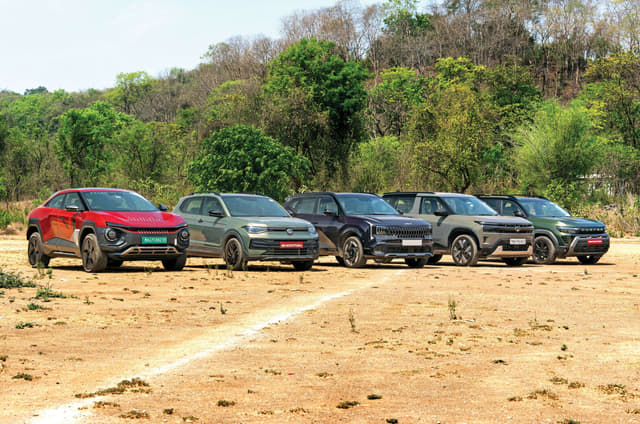
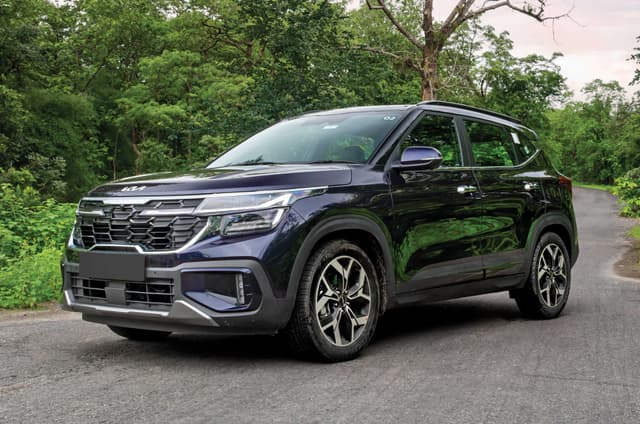
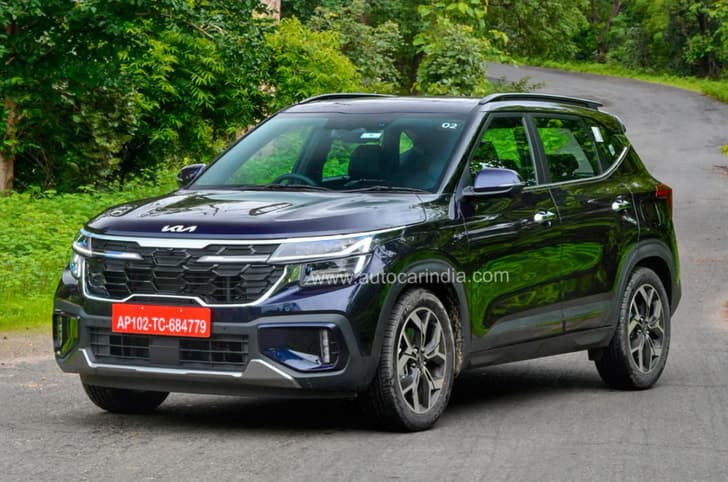
The Kia Seltos price starts from Rs 11.00 lakh and goes upto Rs 21.82 lakh (ex-showroom). The Seltos was Kia’s first-ever offering for India in 2019, and received a second-generation update for MY26.
Kia India offers three engine options for the Seltos: a 115hp, 1.5-litre naturally aspirated petrol, a 116hp, 1.5-litre turbo-diesel, and a 160hp, 1.5-litre turbo-petrol. All Seltos engines are available with manual and automatic gearboxes.
The Kia Seltos interior features premium leatherette upholstery, a 12.3-inch infotainment touchscreen and digital driver’s display, ambient lighting, ventilated front seats, panoramic sunroof, and dual-zone climate control.
Seltos Key Highlights:
- The Kia Seltos has secured a 5-star safety rating in BNCAP crash tests.
- Seltos gets six airbags as standard, ESC, rear parking sensors, front and rear disc brakes, TPMS, traction control, ABS with EBD, ISOFIX child seat anchor points, a 360-degree camera and Level 2 ADAS in higher variants, etc.
- At 190 mm, the Seltos ground clearance is adequate to deal with Indian road conditions.
- The Kia Seltos boot space is 433 litres, ample for luggage and daily use.
- In terms of dimensions, the Seltos measures 4,315 mm in length, 1,800 mm in width, 1,620 mm in height, and 2,610 mm in wheelbase.
- Kia Seltos features include a 12.3-inch infotainment touchscreen, 12.3-inch driver’s display, ventilated front seats, Level 2 ADAS, dual-zone climate control, wireless Android Auto and Apple CarPlay, ambient lighting, 8-speaker Bose sound system, and more.
Kia Seltos Latest Updates
- 30 March 2026: Seltos secures 5-star BNCAP rating.
- 18 Feb 2026: Seltos crosses 6 lakh sales milestone.
Kia Seltos Features and specifications
Our Rating | 8 |
Mileage | 15.6 kmpl - 19.4 kmpl |
Engine | 1482 cc - 1497 cc |
Fuel Type | Diesel, Petrol |
Transmission | Torque Converter, CVT, DCT, Manual, IMT |
Seats | 5 |
Body Style | SUV |
Doors | 5 |
Max Power | 116 hp at 4000 rpm |
Max Torque | 250 Nm at 1500 - 2750 rpm |
| Engine Type | Turbocharged |
| Engine Displacement | 1493 cc |
| Number of Cylinders | 4 |
| Engine Installation | Front |
| Fuel Supply System | Common Rail |
| Emission Standard | Bharat Stage VI |
| Terrain Modes | Yes |
| Official Fuel Economy | 17.8 kmpl |
| Front Suspension Type | Independent, MacPherson Strut |
| Front Springs | Coil Springs |
| Rear Suspension Type | Non-independent, Torsion Beam |
| Rear Springs | Coil Springs |
| Length | 4460 mm |
| Width | 1830 mm |
| Height | 1635 mm |
| Wheelbase | 2690 mm |
| warranty Distance | Unlimited |
| warranty Duration | 3 |
| Ambient Lighting | |
| Auto Parking | |
| Bottle Holder in Doors | |
| Climate Control | 2-zone |
| Adaptive Cruise Control | |
| Airbags | 6 |
| Anti-Lock Brakes (ABS) | |
| Anti-Pinch Power Windows | Driver's Window Only |
| Antenna | Shark Fin |
| Body Coloured Bumpers | |
| Connected LED | |
| Daytime Running Lights | LED |
| Average Fuel Consumption | |
| Average Speed | |
| Distance to Empty | |
| Gear Indicator |
| AUX Input | |
| Android Auto | Wireless |
| Apple CarPlay | Wireless |
| Audio System |
| Anti Theft Immobilisation | |
| Auto Crash Alert | |
| Check Vehicle Status via App | |
| Digital Key |
Become an
Autocar Shopper
Unlock benefits up to ₹50,000 on Seltos
Unbiased buying guidance
Guaranteed lowest price
Priority car delivery
Offer valid till 15th October 2026
Kia Seltos price & variants
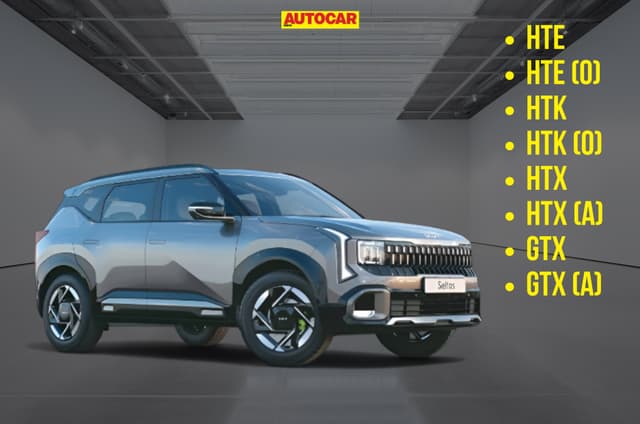
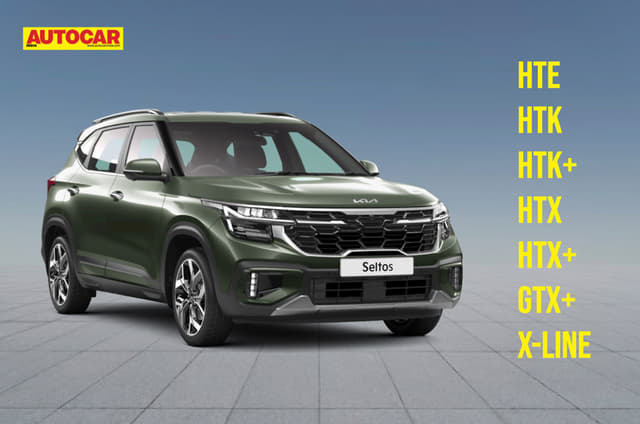
The 2026 Kia Seltos is offered in nine trims: HTE, HTE (O), HTK, HTK (O), HTX, HTX (A), GTX, GTX (A) and GTX (O). An X-Line styling pack is also offered on the GTX, GTX (A) and GTX (O) trims.
HTE: The Seltos offers one of the most loaded base variants in the mid-size SUV space. These include a 10.25-inch infotainment, a 12-inch driver’s display, manual AC with rear vents, cruise control and all-LED lighting.
HTE (O): The HTE (O) does not add much, but introduces connected LED taillights, stylised steel wheels, and an adjustable headrest for the middle passenger rear seat. The automatic variants, however, get drive modes, traction modes, and paddle shifters.
HTK: The HTK variant offers more convenience features, including a push-button start/stop, a rear wiper, auto-folding ORVMs, and flush door handles. The petrol-manual variant gets 16-inch steel wheels, but other variants are offered with 17-inch wheels.
HTK (O): This variant adds the customer-favourite panoramic sunroof and wireless charger, while also offering front parking sensors. The automatic variants also get a powered driver’s seat and ventilated front seats.
HTX: It offers a 12.3-inch infotainment system, a 5-inch touchscreen for AC controls, a Bose sound system, ambient lights, and LED fog lamps.
HTX (A): In addition to a 12.3-inch driver’s display, this variant also adds a robust safety suite, including a 360-degree camera and Level-2 ADAS.
GTX: This variant gets a power driver’s seat with memory function, 18-inch alloy wheels, LED projector headlights and LED reverse lamps.
GTX (A): The GTX (A) variant gets some additional ADAS features, including parking collision avoidance assist, adaptive cruise control, and reverse parking collision avoidance assist.
GTX (O): The new GTX (O) variant, launched in August 2026, adds a head-up display (HUD), front and rear dashcams, and VR-based navigation.
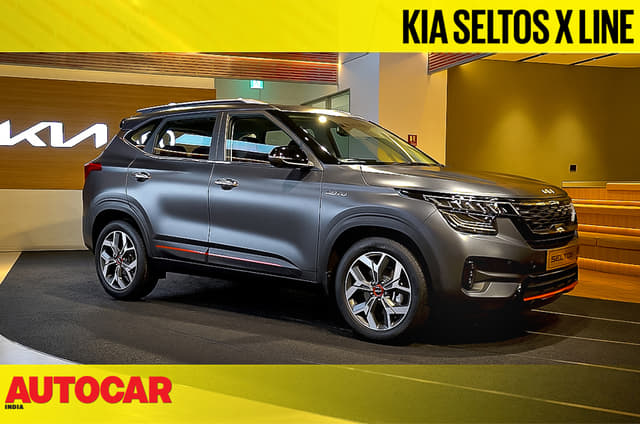
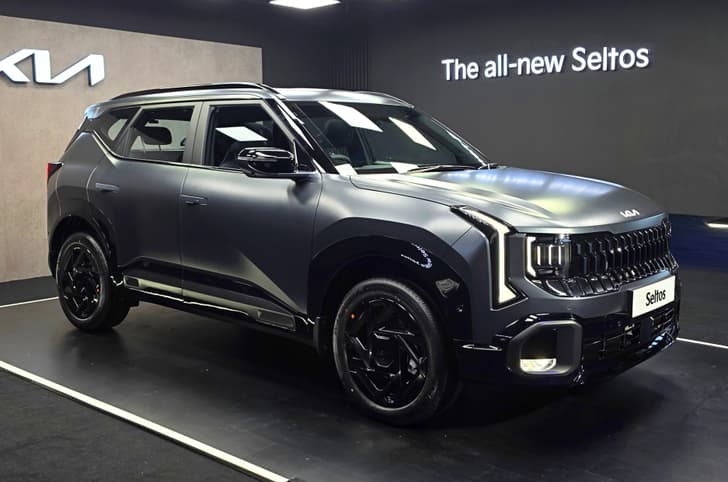
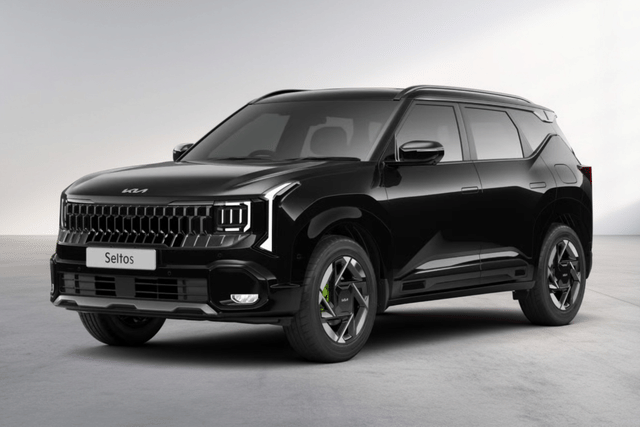
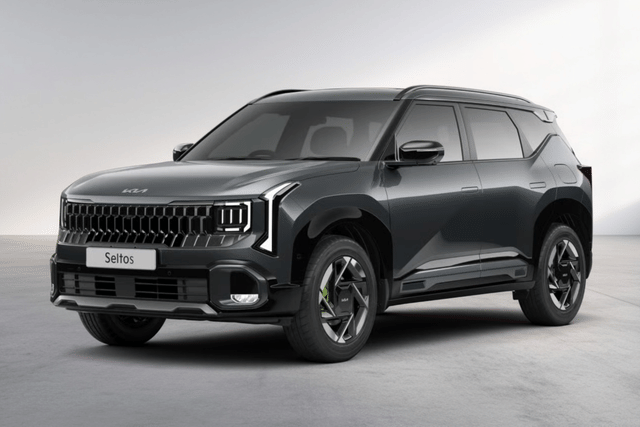
X-Line: Based on the GTX, GTX (A) and GTX (O), the X-Line gets black alloy wheels, gloss black faux skid plates on the bumpers, and is available in either Aurora Black Pearl or Xclusive Matte Graphite exterior hues.
Kia Seltos Expert Review
We like
Ride that’s comfort oriented without sacrificing handling balance
Smooth and strong turbo-petrol engine performance
We don't like
Misses some expected features in this segment
The diesel engine lacks punch
7.0
The second-generation Seltos moves from the K2 platform to Kia’s new K3 platform, bringing in new tech and allowing the SUV to grow substantially. Powertrains, however, carry forward from the previous car. Length has increased by 95mm to 4,460mm, making it the longest in its class, while the wheelbase is up by 80mm to 2,690mm, second only to the Tata Sierra in the segment.
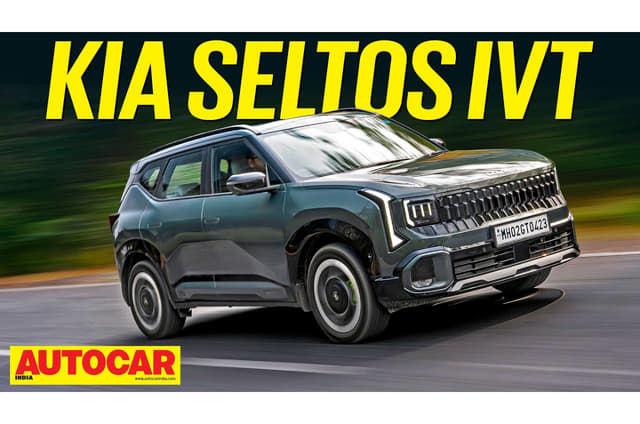
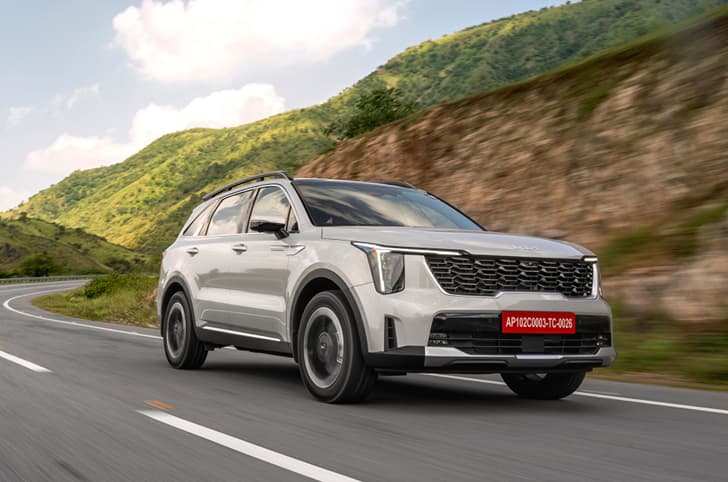
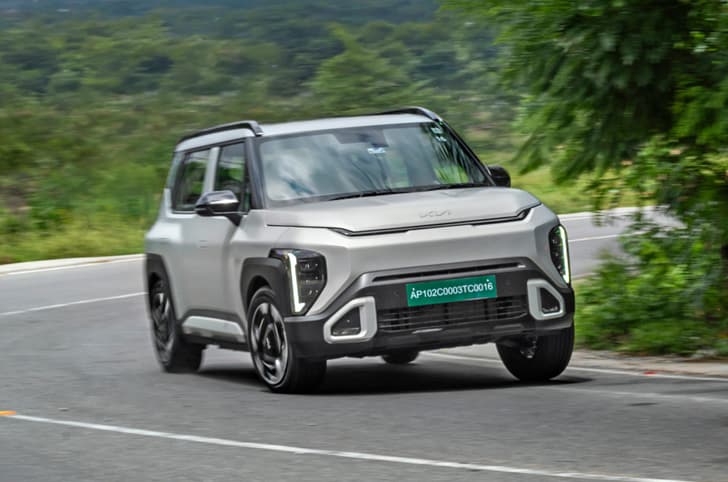
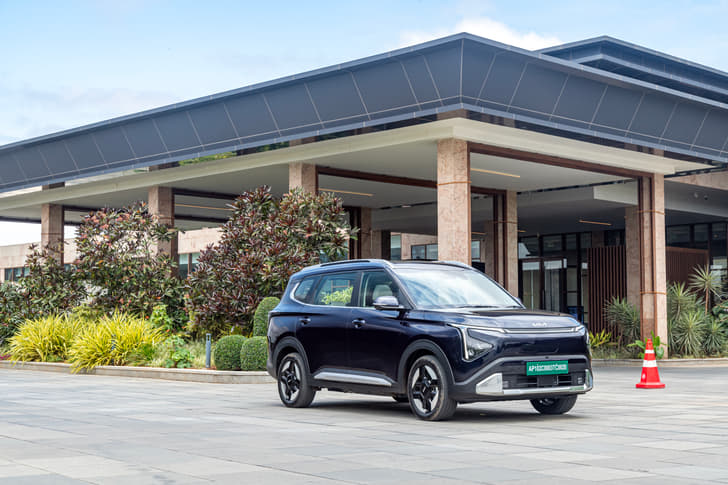
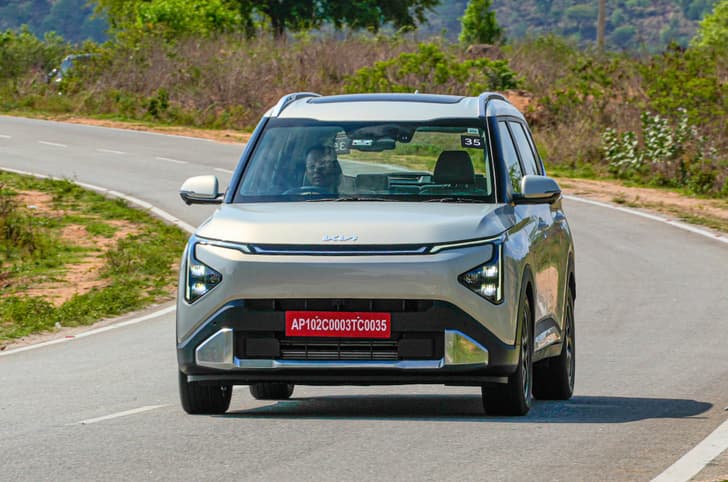
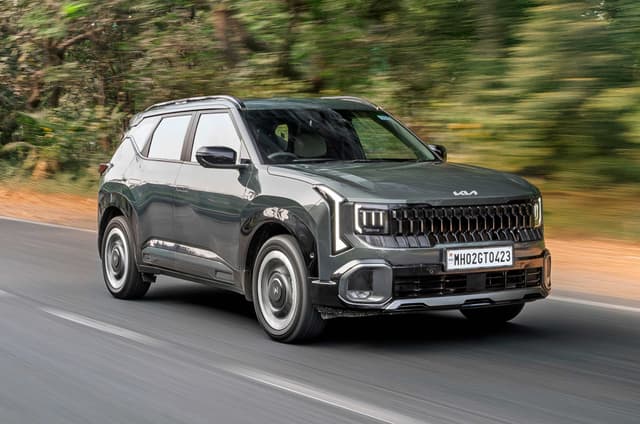
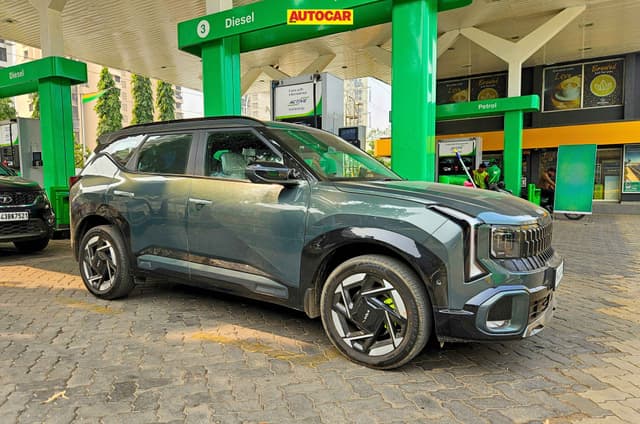
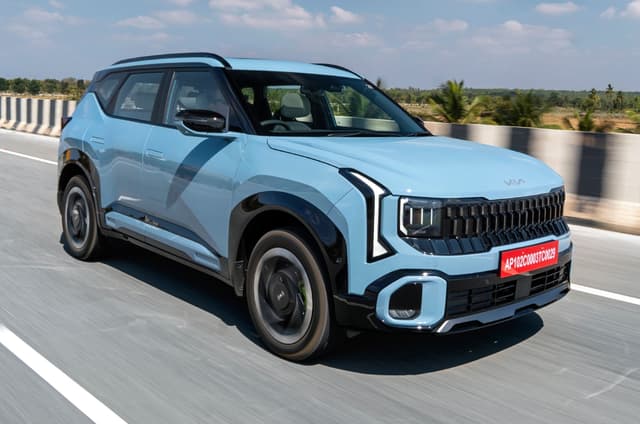
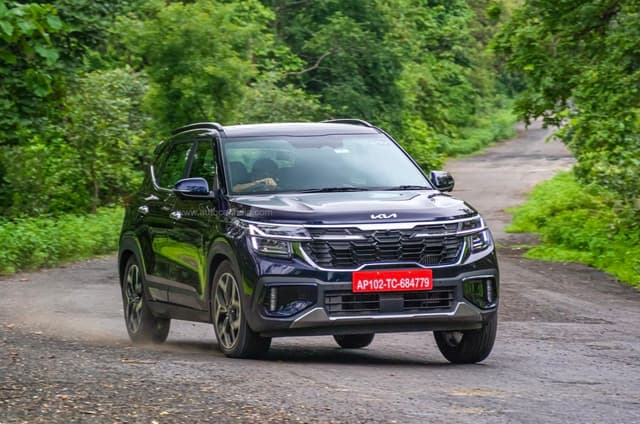
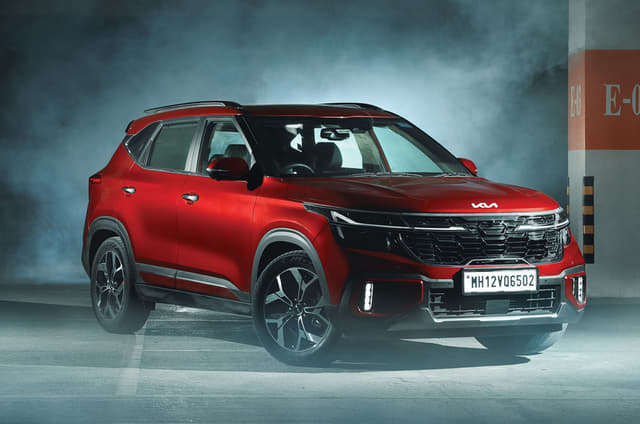
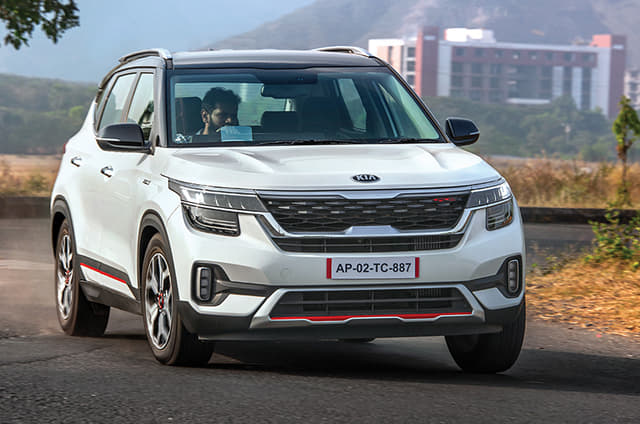
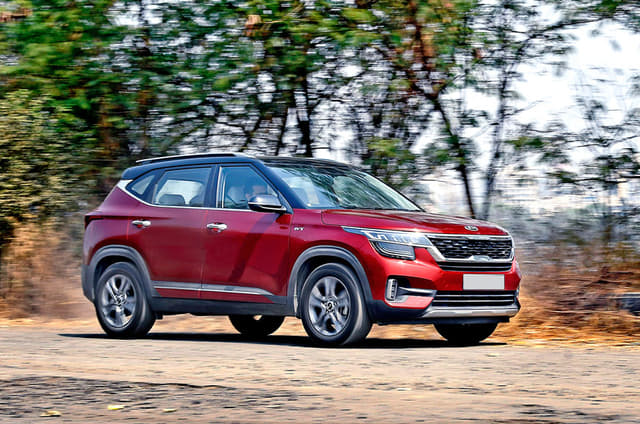
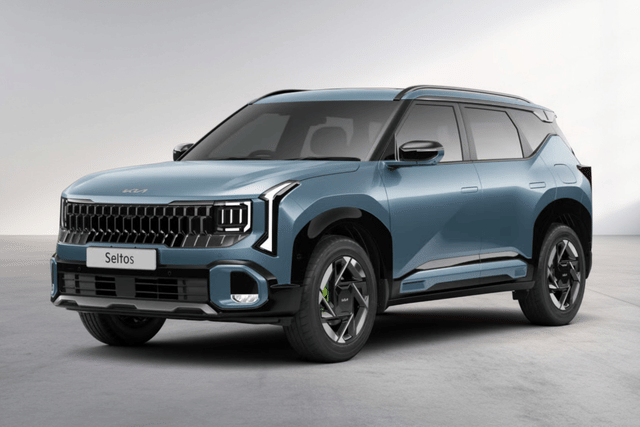
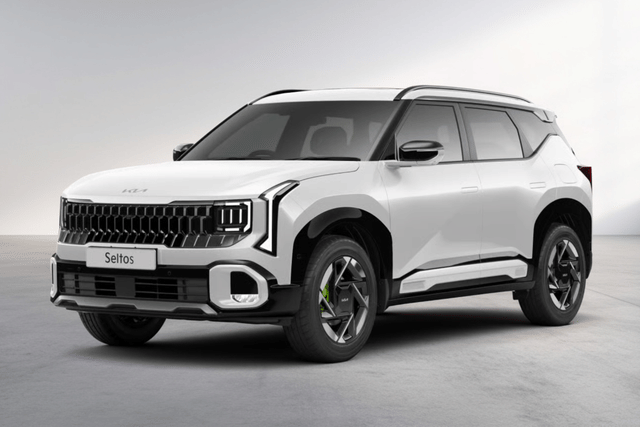
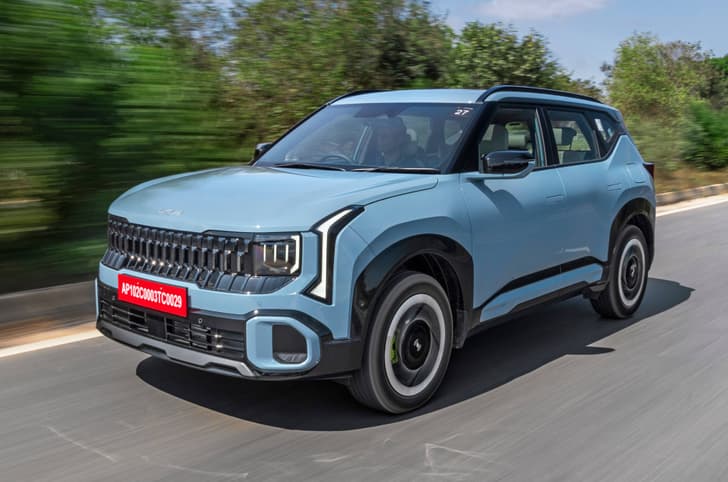
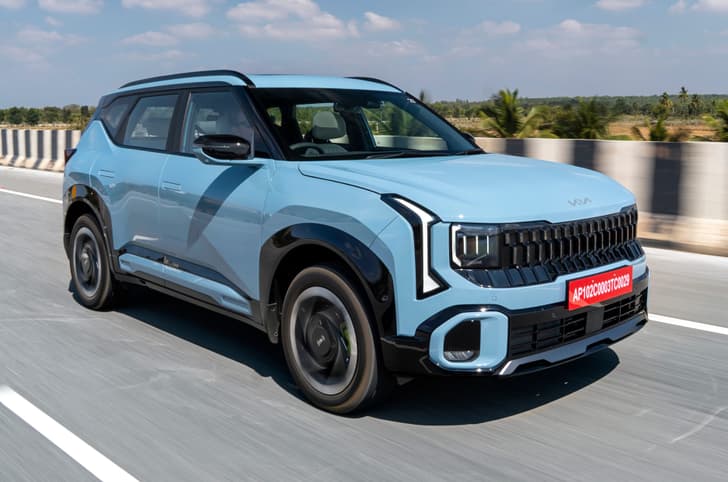
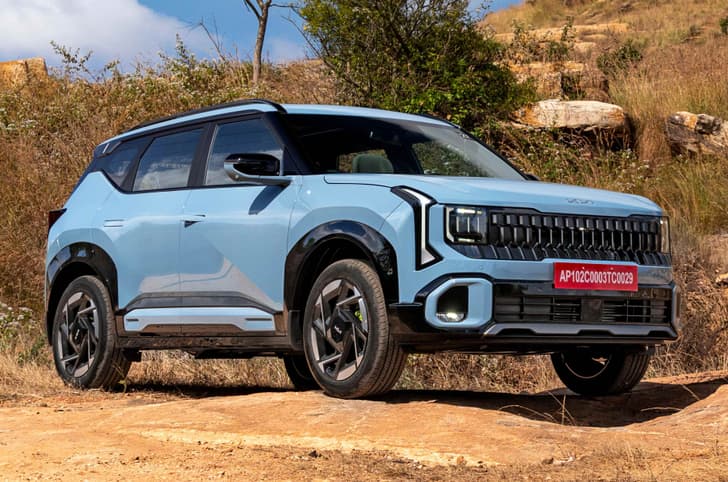
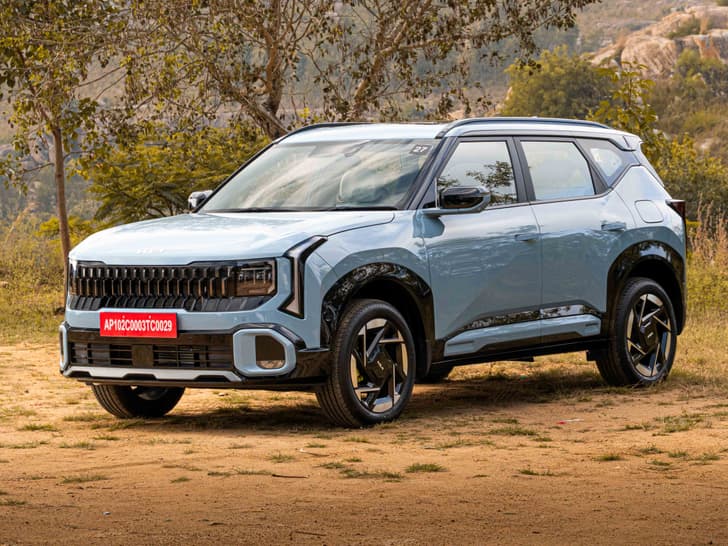
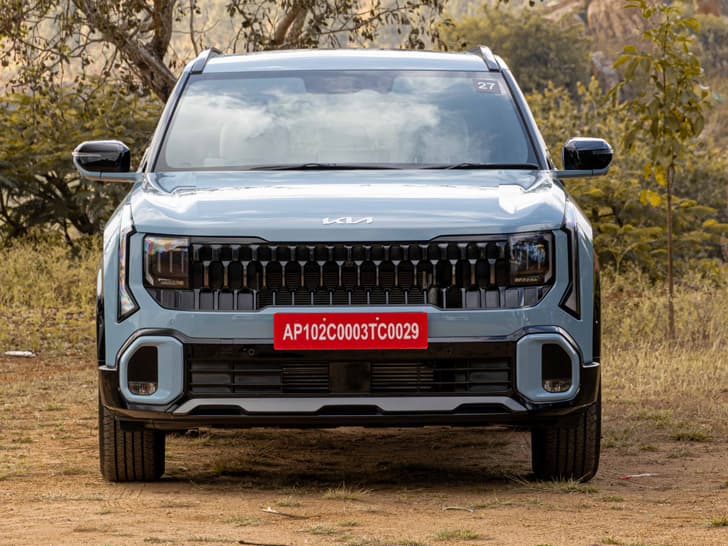
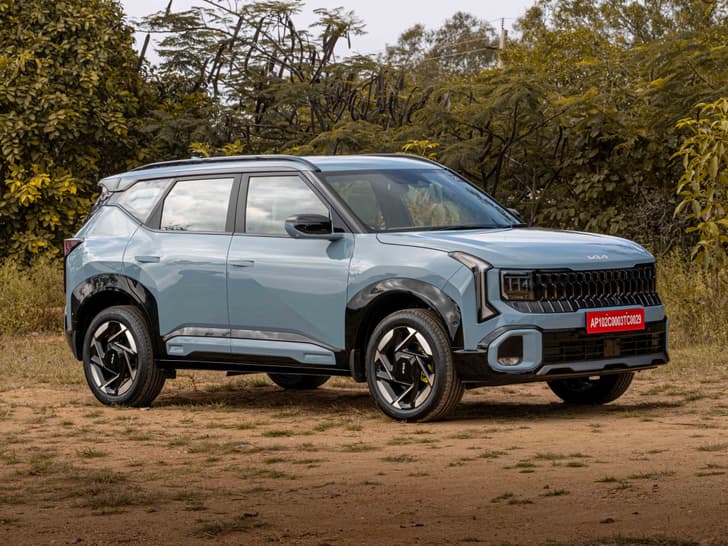
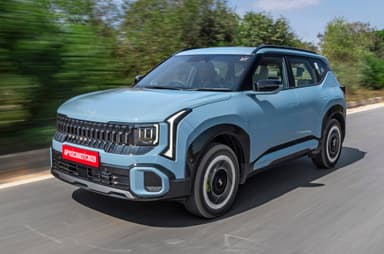
The new design is bold and introduces fresh Kia design traits, though it may not appeal to everyone. The increased size helps balance strong elements like the vertical DRLs that wrap onto the bonnet and fenders. The square-set headlights sit within a large gloss-black grille, which still features the Kia tiger-nose pinch but feels visually lost amid the loud styling.
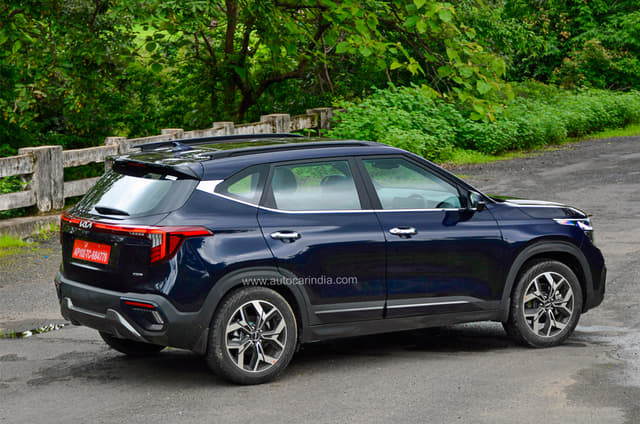
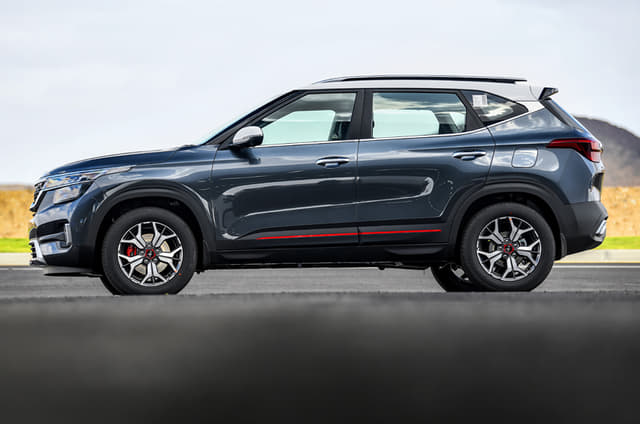
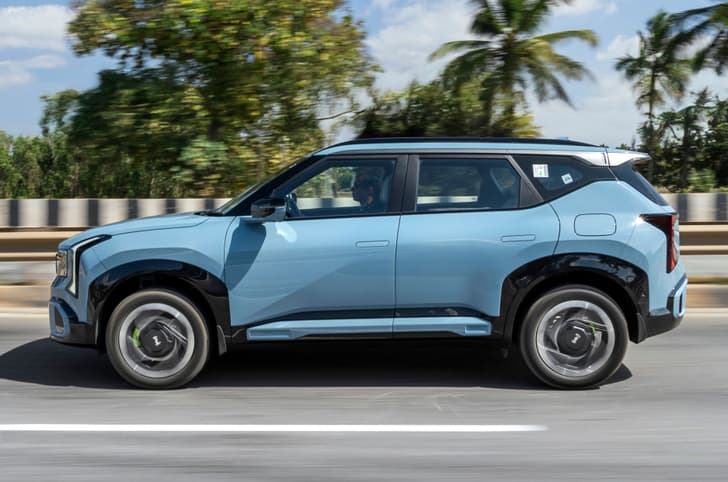
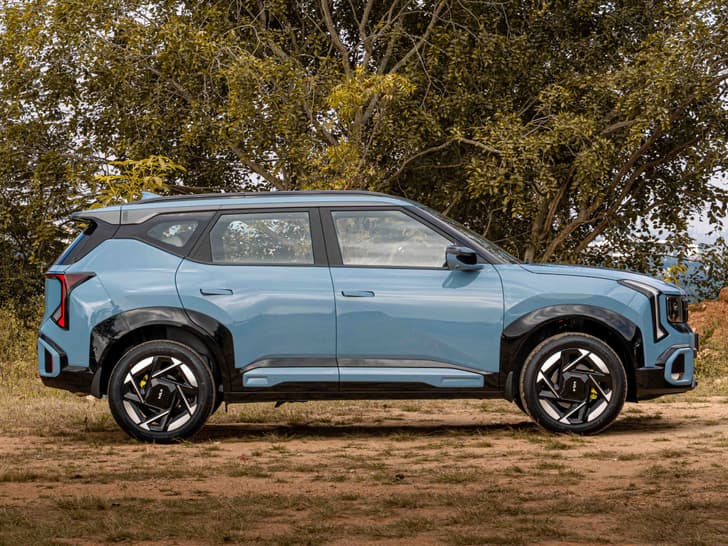
The side profile gets chunky gloss-black cladding with body-coloured inserts, flush door handles, and 18-inch alloy wheels on GT Line variants with a geometric design and neon-painted brake calipers. The pinched glasshouse flows into the tailgate, creating a floating roof effect, while roof rails are purely decorative.
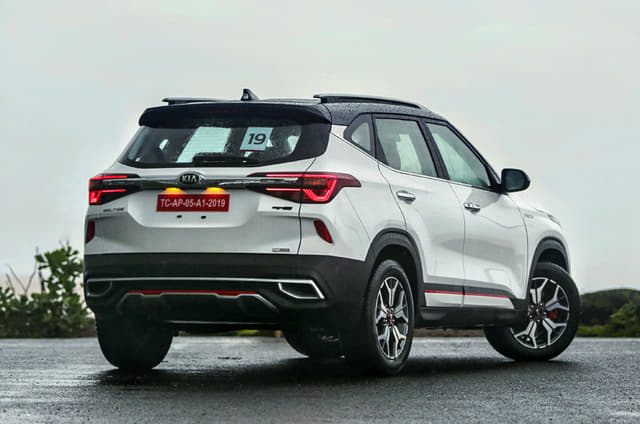
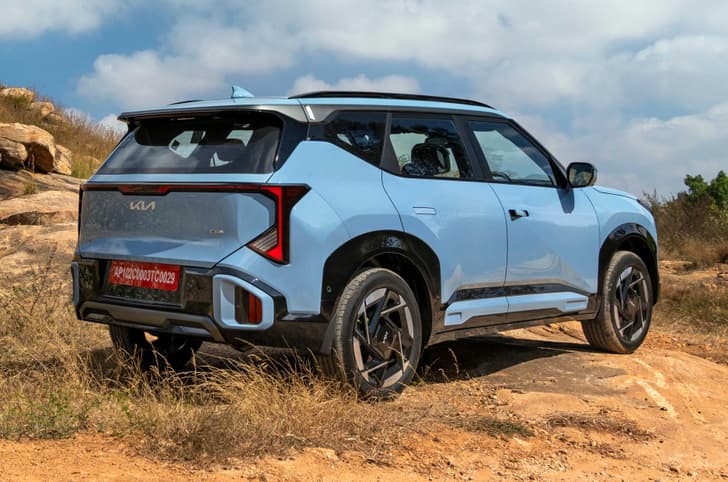
At the rear, the design is cleaner, with large vertical LED tail-lamps connected by a light strip. The tailgate has a wraparound look, and the spoiler neatly integrates the stop lamp and hides the rear wiper.
8.0
The cabin is new but retains familiar Kia elements, which is good. Fit and finish are very good, and while more soft-touch materials would have been welcome, high-quality plastics and texturing prevent the interior from feeling plasticky.
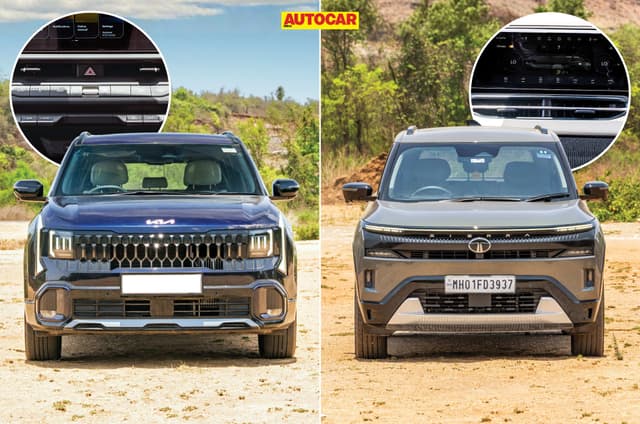
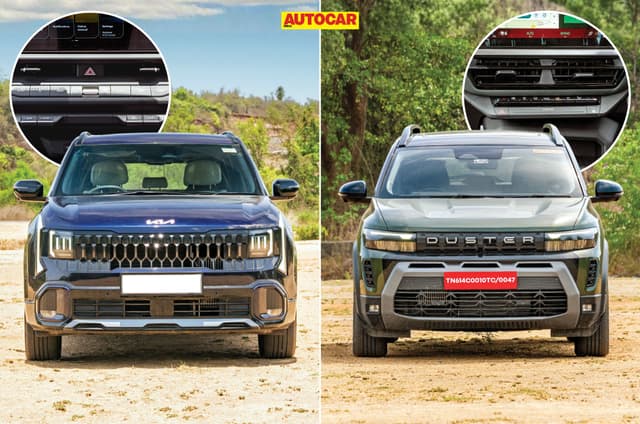
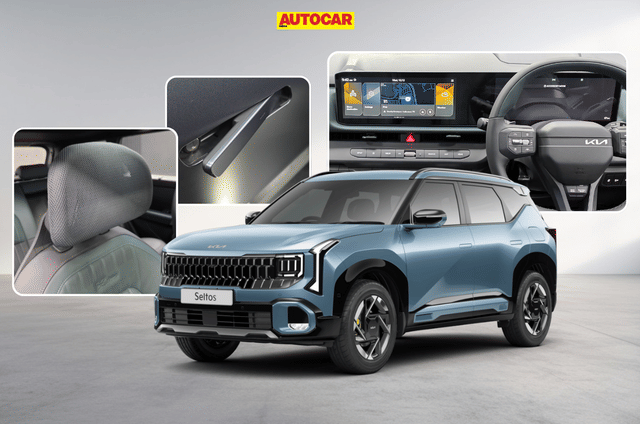
A single glass panel houses a 12.3-inch touchscreen, a 12.3-inch digital instrument cluster, and a 5.0-inch HVAC touchscreen, though the latter is partly obscured by the steering wheel. Thankfully, there are physical buttons and toggles for key functions. The touchscreen is slick, the 360-degree camera feed is sharp, and the instrument display is clear.
The new chunky steering wheel has well-placed controls, including buttons for drive and traction modes. Features include a Bose sound system, panoramic sunroof, wireless charging, ambient lighting, front cooled seats, and a powered driver’s seat with memory for seat and ORVM positions, including an adjustable entry-exit function. Missing features include an air purifier and rear cooled seats.
Safety equipment includes six airbags, ESC, downhill brake control, and a full ADAS suite. Lane-departure correction feels natural, though lane centring can feel intrusive on poorly marked roads. Crash-test ratings are yet to be announced.
7.0
Front seats are comfortable, but larger occupants may find them snug. The headrests are well designed for safety but lack side padding for those resting their heads.
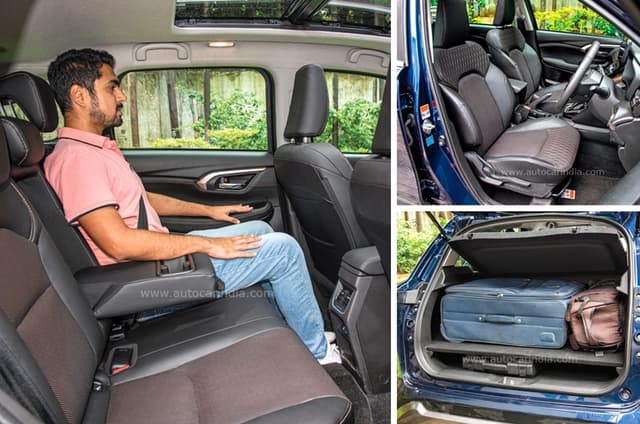
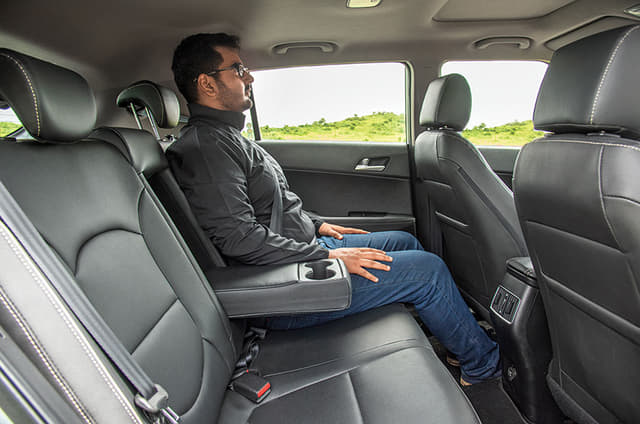
Rear-seat legroom has improved significantly and will suit six-footers, while headroom is adequate. Three average-sized adults can sit abreast, and the seatback angle is adjustable. The seat base is comfortable but short for taller passengers, and lumbar support feels excessive. Rear AC vents and well-designed sun blinds help cooling.
Storage is good overall, though the glovebox is small. Boot space is a generous 447 litres with a flat floor and a full-sized spare underneath.
8.0
Engine options remain unchanged: a 115hp 1.5 NA petrol, a 160hp 1.5 TGDi petrol, and a 115hp 1.5 diesel, with the same gearbox choices as before. We sampled the automatic versions of the TGDi petrol and diesel.
The diesel remains refined, with muted noise and linear power delivery, making it a relaxed cruiser. However, it feels short on punch, even in Sport mode, and the torque-converter gearbox is slow to respond.
The TGDi petrol delivers strong, linear performance from 2,000rpm to the 6,200rpm redline. Refinement is good, and the dual-clutch gearbox is quick, though it can hesitate at low speeds.
8.0
Official figures are pending, but efficiency should be similar to before. Expect high single digits in city driving and 13–14kpl on highways for the TGDi, while the diesel should deliver 16–17kpl on highways and low double digits in the city.
8.0
While the suspension hardware is unchanged, the tuning is now comfort-focused. Bumps are absorbed well without harshness, yet body control remains tidy. High-speed stability is strong, and the car feels composed on uneven surfaces.
Steering weight varies with drive modes but lacks natural feel, especially in Sport mode. Brakes are progressive and confidence-inspiring.
8.0
The new Seltos isn’t a revolution and has some negatives like it lacks some features and the diesel feels underpowered. However, while not a revolution, it feels like a nice evolution of what was an already good car. It offers bold styling, more space, improved ride comfort, and a wide choice of powertrains. With sensible pricing, it should continue to attract strong interest.
Reviewed by: Sergius Barretto
Kia Seltos Official Brochure
Download the complete brochure with specs, features, and variants.
Kia Seltos reviews

Kia Seltos comparison


Kia Seltos Mileage
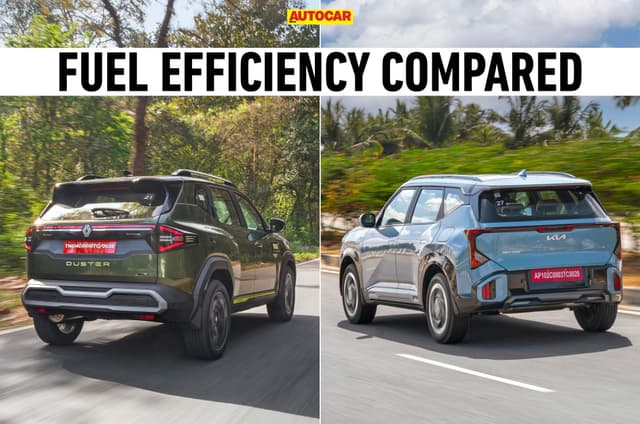
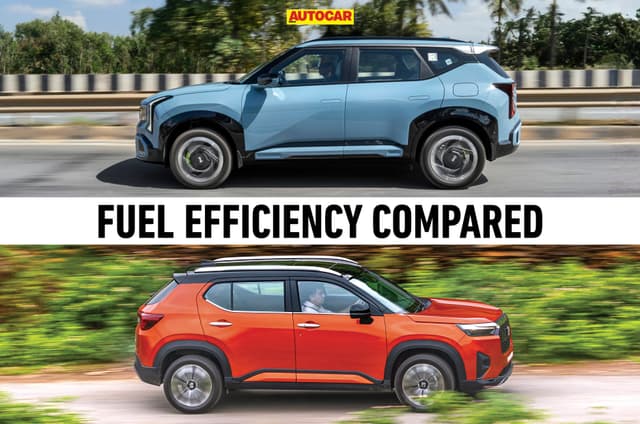
Kia Seltos mileage is yet to be officially confirmed. However, we've tested the petrol CVT version where it averaged 12.26kpl.
| PowertrainThe combination of engine type, fuel, and transmission that powers your vehicle and determines how it drives and what it runs on. | ARAI MileageMileage certified by the government, tested under controlled lab conditions. Real-world mileage will vary. | Autocar Tested MileageAutocar's experts test each vehicle on fixed city and highway routes under standardised conditions - single occupant, AC running, manufacturer-recommended tyre pressures. Tanks are filled to the brim before and after each run to calculate efficiency. Results reflect realistic real-world usage. |
|---|---|---|
Petrol-Manual 1497 cc | 16.5 kmpl | NA |
Diesel-Manual 1493 cc | 19.4 kmpl | 17.2 kmpl |
Petrol-Automatic (IMT) 1482 cc | 15.6 kmpl | NA |
Petrol-Automatic (CVT) 1497 cc | 16.5 kmpl | NA |
Diesel-Automatic (Torque Converter) 1493 cc | 17.8 kmpl | 15.35 kmpl |
Petrol-Automatic (DCT) 1482 cc | 17.5 kmpl | NA |

Hear from the
Autocar Community
Kia Seltos news
Kia Seltos Images
96 Images of the Kia Seltos highlight the SUV’s butch stance, ‘tiger nose’ grille, LED headlamps and tail-lamps, rear LED light bar, dual-tone alloy wheels, etc. Seltos interior shots show off its upmarket dashboard layout, premium materials, and comfort enhancing features.

Kia Seltos videos
Videos of Kia Seltos cover the midsize SUV’s ride comfort, handling, performance of petrol and diesel engines, smoothness of the automatic gearboxes, boot space, and safety features.


Kia Seltos Colours
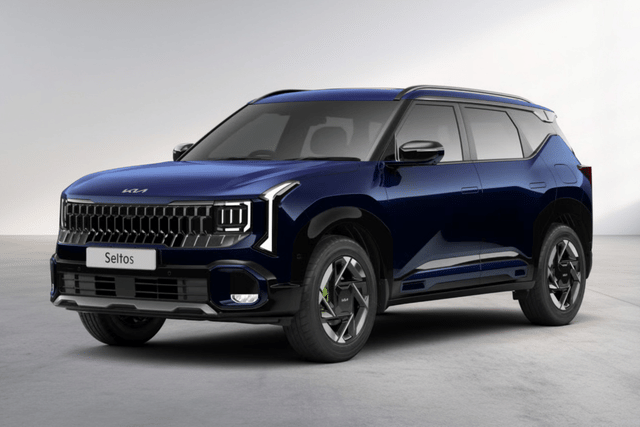
The Kia Seltos colour options span 10 exterior shades. Dual-tone finishes are available for certain Seltos colours too. The Seltos interior gets multiple colour schemes to choose from namely black and grey, brown and grey, black and white and black and green.
Kia Seltos Similar Cars to Explore
Kia Seltos FAQs
The Seltos continues to be among the strongest all-rounders in the midsize SUV segment. It offers a wide choice of petrol and diesel engines, a comfortable ride, a feature-rich cabin and good practicality. While it misses a few features offered by some rivals and the diesel isn't particularly quick, it remains a well-rounded family SUV.
For most buyers whose driving is mostly within the city, the 1.5-litre naturally aspirated petrol engine, especially with the CVT, is a good choice. For those looking to do occasional highway runs, along with a spirited driving experience, the 1.5-litre turbo-petrol engine with the DCT is the one to go for. The 1.5-litre diesel, with the automatic gearbox, is for customers who have high monthly usage.
The Seltos’ ride quality is comfortable as its suspension is tuned towards comfort, so it handles rough roads really well. Body control is well maintained, even at high speeds. Stability at high speeds is also good, and it maintains composure even on less-than-perfect surfaces.
Seltos' new K3 platform has enabled a longer wheelbase, leading to a spacious back seat experience. The cabin is also decent, and three average-sized adults can sit with their shoulders touching but not overlapping. You can adjust the seatback angle, and the seatbase padding is comfortable, but taller folks will find the seatbase short. Lower back lumbar support also feels a bit excessive.
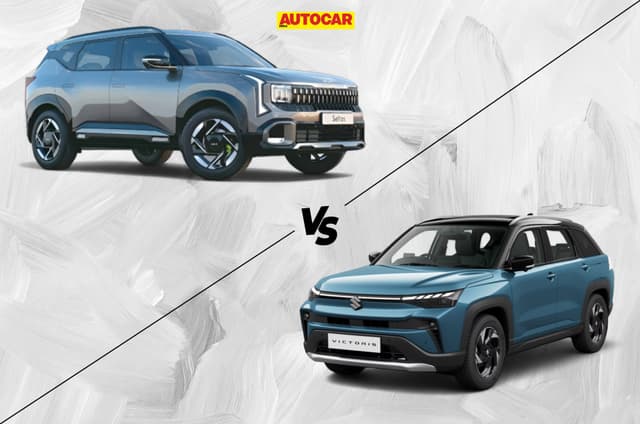
The Seltos is well equipped with features, but it missed out on a powered tailgate, which the Maruti Victoris, Renault Duster, Tata Sierra and Curvv offer. It also skips on a passenger display, which is offered on the Tata Sierra
Yes. The Seltos has a comfort-oriented suspension setup that absorbs broken roads well without feeling unsettled at highway speeds. Supportive seats, improved rear-seat space and a refined cabin also make it a comfortable SUV for long journeys.
In Autocar India's tests, the Seltos diesel manual returned 17.2kpl, while the diesel automatic delivered 15.35kpl.
For most buyers, the HTX variant offers the best balance of features and price. It includes premium equipment such as a large touchscreen, connected car technology, Bose audio system, ventilated front seats and automatic climate control, while avoiding the higher price of the GT Line variants.
Questions you may find useful
Hi, I am currently using a 2021 Ford EcoSport diesel and am now planning to buy a new car by exchanging my EcoSport. I have shortlisted two options: the Kia Seltos HTX diesel automatic and the Mahindra XUV 7XO AX5 diesel automatic. I am confused between the two and would like to know which one I should choose. The on-road prices of both cars are similar. My usage is mostly solo driving, with both city and highway use. On weekends and holidays, I usually travel with my family. Kindly suggest which car would be a better choice for my usage.
Go for the Mahindra XUV 7XO AX5 diesel automatic. Since you are coming from an EcoSport diesel and your usage is a mix of city driving and family highway trips, the XUV 7XO is the better fit. It offers a more powerful diesel engine, a more spacious cabin and a more comfortable ride, especially on highways. The Seltos diesel HTX automatic is a very good car, but the XUV 7XO feels like a more substantial upgrade from the EcoSport, both in terms of performance and overall ownership experience. The only thing to keep in mind is that the XUV 7XO is a larger car, so if you have tight parking spaces or regularly drive in very congested areas, the Seltos is easier to live with. But overall, the XUV 7XO AX5 diesel automatic is the better choice for your usage.
I owned a Verna Diesel AT for 6yrs, which had a 4 Speed Torque Converter AT and now own Seltos Diesel AT for 7yrs, which is a 6 speed TC. I enjoyed both of them and never missed the driving pleasure given the output from these cars and their pairing and the fact that they always come with a manual mode if you want, I'm sure that is the case with 7XO Diesel AT also, which is again a TC unit. Never had any problem with any of these cars in the last 13yrs. Pls go for an AT without worry (atleast with TCs or CVTs). They are time tested. Also, What's the fun in pressing the clutch if beyond a certain age, legs are more important for atleast 18hrs of usage everyday than the small driving pleasure that we get for few hrs here and there ;-)
I am planning to buy the Kia Seltos but am confused between the 1.5-litre naturally aspirated petrol and the turbo-petrol DCT. Around 80% of my driving will be in the city, with the remaining 20% being highway and hill-station trips. I will normally be travelling with five passengers. Which engine and gearbox would be better for my usage?
Go for the Kia Seltos 1.5 naturally aspirated petrol IVT. With 80% city driving, the IVT automatic is the better choice. It is smooth, reliable and well suited to stop-start traffic, and the 1.5 NA engine is refined and easy to live with. The turbo petrol DCT is the enthusiast's choice, but the DCT gearbox can feel jerky at low speeds and is not as well suited to heavy city traffic. The 1.5 NA is also more reliable and easier to maintain in the long run.For your 20% highway and hill station runs with five passengers, the 1.5 NA will do the job. It is not the most powerful engine, but it is adequate for steady cruising and occasional climbs. If you regularly drive fully loaded in the hills and want stronger performance, the turbo petrol is the better performer, but for your usage pattern, the 1.5 NA IVT is the more sensible choice.
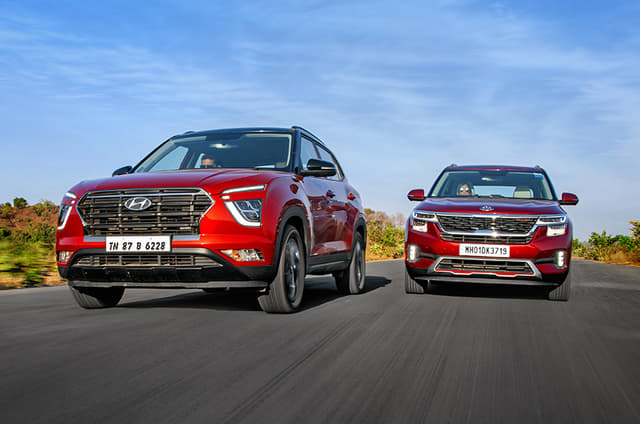
I test-drove both the Kia Seltos GTX(A) IVT and the Hyundai Creta N10 Turbo DCT. For some reason, the Creta felt more balanced over rough roads and was also quieter. I initially wanted to purchase the HTX(A) Turbo DCT, but it wasn't available for a test drive. Now, I'm confused about two things: Seltos vs Creta and manual vs DCT. Around 60-70% of my driving will be in the city, but I still want a punchy engine. Having driven manual cars for years, I've always enjoyed them and am comfortable with them. However, considering the advancements in automatic transmissions in 2026 and the fact that I plan to keep the car for 7-8 years, a DCT seems like a convenient option. I'm now unsure which combination would be the right choice for my needs. What would you recommend?


Go for the Kia Seltos HTX(A) Turbo DCT as it strikes the best balance for your needs. The turbo petrol engine is punchy and enjoyable, while the DCT makes city driving far less tiring than a manual. You enjoy manuals, but with 60-70% city usage and a 7-8 year ownership horizon, the convenience of an automatic becomes hard to ignore. The Seltos also feels slightly more premium inside than the Hyundai Creta, and the HTX(A) is a well-equipped variant without pushing the budget too far. The Creta is also the older model, and the next-gen version is right around the corner. The difference in terms of stability and ride comfort between both is marginal, and the Seltos counters that with a more premium cabin and a slightly wider rear seat. The IVT is smooth but lacks the punch you are looking for, while the DCT delivers the performance you want without the fatigue of a manual. Overall, the Seltos HTX(A) Turbo DCT is the most complete package for your usage pattern and long-term ownership plans.


Upcoming Cars


Kia Cars


Trending Cars


Latest Cars