Diesel Above 20 Kmpl Cars in India (12)
Discover the best Diesel Above 20 Kmpl Cars. Our comprehensive guide covers detailed specifications, expert reviews, pricing information, and buying advice for Diesel Above 20 Kmpl Cars. Find the perfect cars that matches your requirements and budget.


Trending Questions on Cars - Answered by Autocar Experts
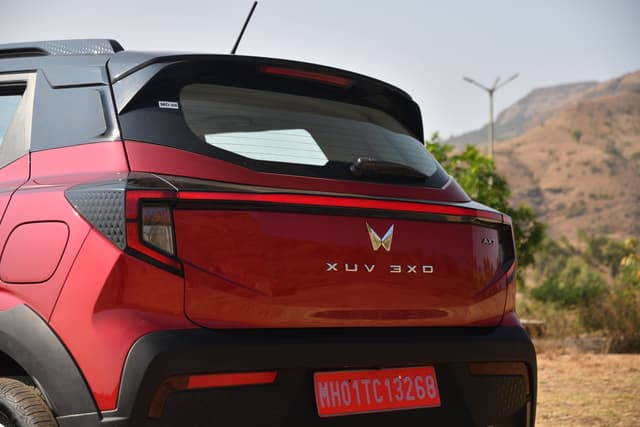
Hi Team, I have a budget of around Rs 14 lakh and am looking to buy a compact SUV with a diesel engine. I am considering the Tata Nexon and Mahindra XUV 3XO, but my usage will be occasional. Would you recommend either of these, and should I opt for a manual or automatic transmission? Are there any other alternatives worth considering, preferably at a lower budget? Kindly share your suggestions. Thanks in advance!
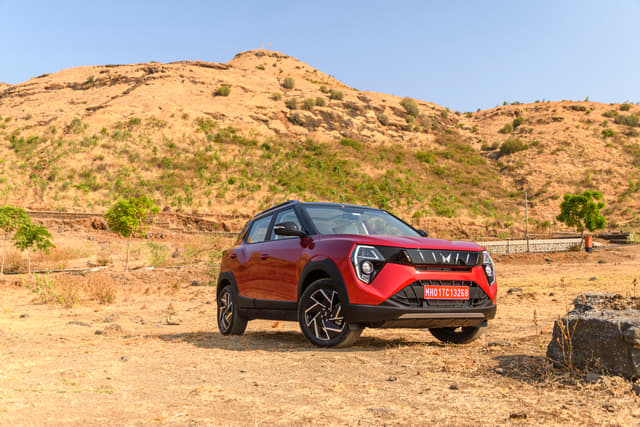
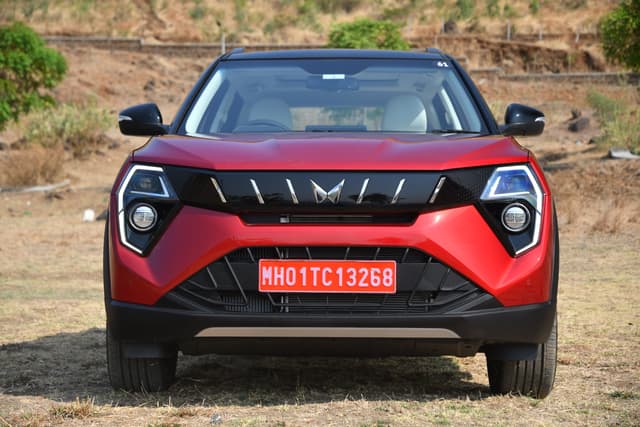
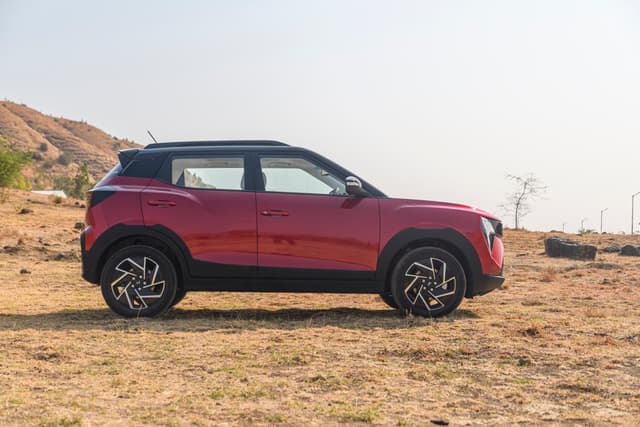
The decision for an automatic or manual really comes down to your driving conditions. It its a lot of traffic that you have in and around your area then go with an automatic and save yourself the hassle. If however this isn't the case opt for a manual as this will enable you to get a higher variant and thus more convenience features at your budget. The Tata Nexon would suit you just fine and the Pure Plus variant of the diesel automatic would fit nicely within your budget. If you do want more in terms of power and space then opt for the Mahindra XUV 3XO instead, as it has a wider rear seat and a slighly more powerful and refined engine too.
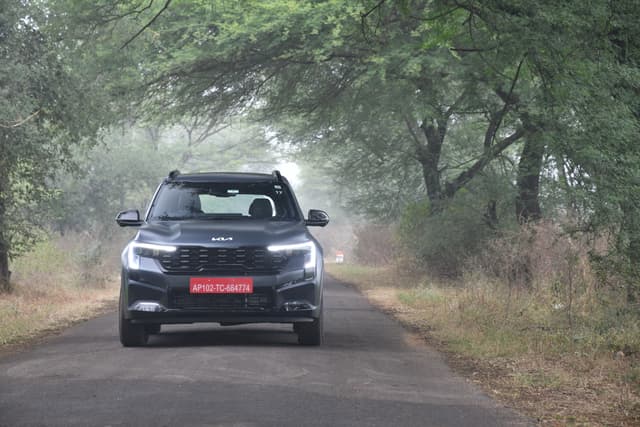
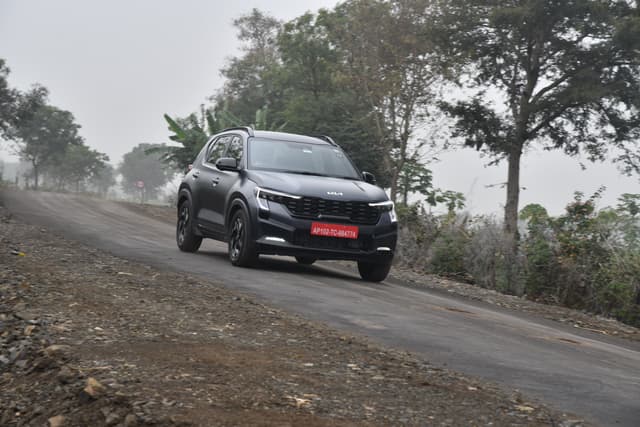
I’m planning to buy a new car, and my annual running is around 40,000km, primarily involving highway drives and ghat sections. I have shortlisted the Kia Seltos Diesel HTX and the upcoming facelifted Toyota Innova Hycross ZX. I’m considering two approaches: either buy the Innova Hycross and keep it for the next 10 years, given its reputation for longevity and the expectation that its engine can last at least 4 lakh kilometres, or buy the Seltos, drive it for around 2 lakh kilometres over 4–5 years, sell it and upgrade to a brand-new Seltos or another car of a similar price and size. On paper, the Innova Hycross Hybrid seems like the better choice, considering its long-term reliability and features such as the Ottoman reclining seats. However, I’m concerned that I might get bored of it after four years or that it may start feeling outdated as newer technologies and features enter the market. This makes the second option appealing, as it would allow me to upgrade to a brand-new car every 4–5 years. Which approach would make more sense in the long run, considering my high annual running and ownership costs?
It seems like you're leaning towards the Kia Seltos Diesel HTX, and we think it is a good choice. The diesel engine feels adequately powered for highway usage and ghat driving, and it is likely to return respectable efficiency too. Moreover, despite being modern with all the latest tech and features, the Seltos will be substantially more affordable than the Toyota Innova Hycross hybrid. So unless you need the Innova's extra space, or you frequently travel with six or seven passengers, the Kia Seltos diesel is your best bet.
Will Citroen bring diesel cars in the future and do you think that it will succeed in the Indian market?
Citroen has no announced plans to introduce any new diesel model in India. Its locally developed C-Cubed range, including the C3, Aircross and Basalt, were not engineered to accommodate a diesel engine. Tighter emission requirements also make developing and selling diesel cars harder to justify, particularly for the affordable end of the market. Citroen has already mentioned that it does not intend to invest heavily in diesel, so a change of direction looks unlikely. Instead, expect more attention on alternative powertrains. Citroen entered the mass-market EV space relatively early with the eC3, ahead of several established manufacturers. More recently, it has expanded into CNG, while its parent company Stellantis has outlined a broader Indian strategy that includes hybrids and EVs. That does not confirm a particular future Citroen model, but it gives you a sense of the direction.
I'm planning to buy a new car for daily use (we already have a Ciaz diesel at home), and I've been going back and forth for a while, so I'd really appreciate some expert opinions. I started with the Brezza, then widened it to the Nexon, XUV 3XO and a few others. My running is high, about 20,000 km (In total, 2 cars) a year (well over 15,000 km at the least), so I figured a diesel makes more sense than petrol. I liked the 3XO MX2 diesel the most. If I go ICE, it will be a manual only. Now the Kia Syros EV is on my shortlist too. On-road prices as I see them: 3XO MX2 about Rs 11 lakh, Syros EV about Rs 15 lakh, so a Rs 4 lakh gap. My rough numbers: - 3XO diesel at around 18 km/l and about Rs 98/litre works out to roughly Rs 1.09 lakh a year in fuel. - Syros EV charged at home (42 kWh pack, 320 km claimed, maybe 250 km in real life) works out to roughly Rs 30,000 a year in electricity. - Including lower servicing for the EV, I'm getting a payback of about 4.5 to 5 years. I'm also considering a home solar plant (about Rs 2.25 lakh). Other points: I can charge at home every day, and I rarely do trips above 300 km (and the Ciaz is there for any long trips). I also hear the Hyundai HE1i is coming around the end of this year or early next year, so I'm wondering whether to wait for it. So, what would you do? Is the Syros EV worth the extra Rs 4 lakh at this running, or should I stick to the 3XO diesel? Anything I'm missing, like battery warranty, resale value, or real-world range and service experience? Thanks in advance!

Of the cars on your shortlist, the Kia Syros EV would be the one we'd recommend. It feels superior to the Mahindra XUV 3XO in many ways. For starters, it feels significantly airier inside, offers more luggage space and just feels newer with better-executed tech. The ability to charge at home significantly moves the scale in favour of the Syros EV. Your electricity and charging costs would be negligible, particularly with a home solar plant. While the 42 kWh battery pack version will not be ideal for 300km road trips, a charging stop will give you the range you need. Where the Syros EV excels is as a city car with an ease of use and refinement that the Mahindra can't match.Kia has also gone the distance with assured buybacks and a warranty on the battery pack, so you can go ahead with your purchase with an added degree of comfort. Hyundai will bring out a new electric car next year, and it could be worth the wait if you're not in a pressing hurry for a new car. As things stand, however, the Kia Syros EV is a sensible pick for your requirements.
I am considering to upgrade from my 2020 Hyundai Creta SX to a seven-seater vehicle. At present, I am evaluating two options: Scorpio N and Tata Safari, both in diesel base models. Help me decide between these two vehicles.
Between the Scorpio N and the Safari, we would recommend the Scorpio N as it has a more sophisticated suspension, better ride quality, and a much better diesel engine that is good in performance and refinement.However if third-row space is absolutely crucial, then we would actually recommend that you try out the Mahindra XUV 7XO as well. It gets the same engine as the Scorpio but you also get a slightly better third row and better comfort as well. The suspension and ride quality on the 7XO are a lot better compared to the Safari.The Safari would only be a recommendation if a lot of your driving is over really bad and broken roads because that is where the Tata really comes through. For everything else the Mahindra 7XO is a better bet. If you're looking for a base entry-level model, it might be slightly pricier but it will be worth spending that extra money on the 7XO rather than the Scorpio N.
Last Updated on: 3 Nov 2026