
Last Updated on: 11 Jun 2026
Tata Punch EV
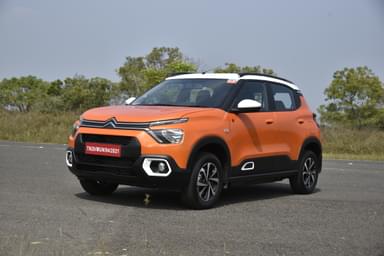
The Tata Punch EV price in India starts at ₹9.69 lakh and goes up to ₹12.59 lakh, ex-showroom. A battery rental or battery as a service (BaaS) scheme option is also available with the electric SUV, reducing the upfront cost. There are 6 Punch EV variants available in India, including the Smart 30 variant at entry level and the fully loaded Empowered + S 40 variant at the top. The Punch EV rivals the Citroen eC3.
Tata Motors offers a 40kWh battery pack option with the Punch EV, offering an ARAI-certified range of 468km. The brand claims that the electric SUV can charge from 20-80 percent in just 26 minutes with a 65kW DC fast charger. A 135km range top-up can be made in just 15 minutes. The Punch EV makes a peak output of 129hp, and it can accelerate from 0-100kph in under 9 seconds, as claimed by the carmaker. A smaller 30kWh battery pack choice is also on offer, which offers an ARAI range of 365km. Three drive modes - City, Eco and Sport - are offered with the electric vehicle. Tata is also offering a lifetime warranty with the battery pack, though terms and conditions apply.
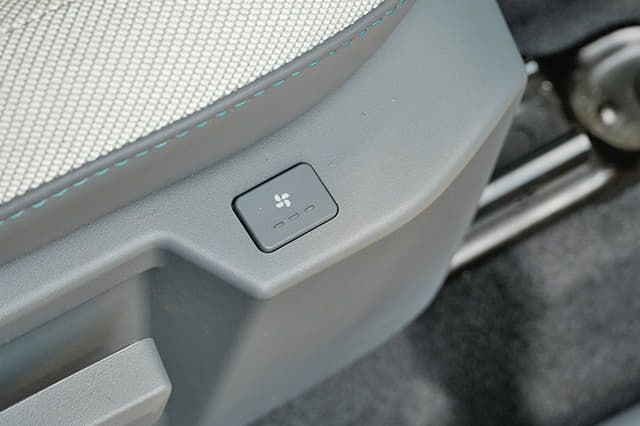
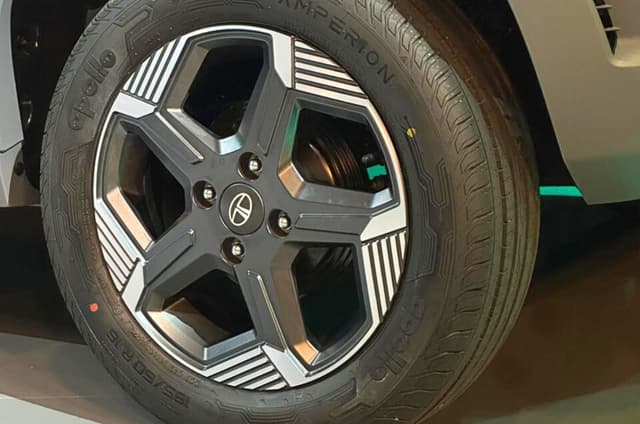
The Punch EV offers features such as LED headlights, 16-inch alloy wheels, 10.25-inch touchscreen and 10.25-inch digital driver's display, front ventilated seats, sunroof, wireless charger, 360-degree camera setup, blind view monitor and auto-dimming IRVM. Availability of some features may vary by the Punch EV variant.
Tata Punch EV Highlights
- ARAI-rated Tata Punch EV range figures are 468km (40kWh) and 365km (30kWh); a lifetime battery warranty is also being offered, though terms and conditions apply.
- Depending on the Tata Punch EV variant, features like a sunroof, ventilated seats and wireless charging are on offer.
- Supports DC fast charging up to 65kW, enabling a 10-80 percent battery top-up in just 26 minutes; 3.3kW and 7.2kW units are available as well.
- Punch EV ground clearance is 195mm, and it has a water wading depth of 450mm.
- Punch EV kerb weight is 1,360kg.
- Depending on the Punch EV variant, features like 16-inch alloy wheels, 10.25-inch touchscreen and front ventilated seats are on offer.
- Standard safety features include 6 airbags, hill-hold assist, ESP, TPMS and ISOFIX child seat mounts.
Tata Punch EV Latest Updates
- 11 May 2026: Discounts on pre-facelift Tata Punch EV go up to Rs 2.15 lakh in May.
- 12 April 2026: Up to Rs 1.4 lakh in benefits for pre-facelift Tata Punch EV in April.
- 5 March 2026: MY24 Tata Punch EV models get benefits of up to Rs 1.2 lakh.
Tata Punch EV Features and specifications
Our Rating | 9 |
Battery Range | 468 km |
Fuel Type | Electric |
Transmission | Auto |
Seats | 5 |
Body Style | SUV |
Doors | 5 |
Claimed Electric Motor Range | 468 km |
| Number of Motors | 1 |
| Motor Type | Permanent Magnet Synchronous Motor |
| Fuel Type/ Propulsion | Electric |
| Pure Electric Driving Mode | Yes |
| Charging Time | 5.3hrs 10%-100%(7.2kW AC), 30min 10%-80%(65kW DC) |
| Claimed Range | 468 km |
| Drive Mode Types | Multiple |
| Terrain Modes | No |
| Rear Brakes | Drum |
| Front Brakes | Disc |
| Steering Adjust type | Manual |
| Steering Adjust | Tilt |
| Kerb Weight | None kg |
| Length | 3880 mm |
| Width | 1742 mm |
| Wheelbase | 2445 mm |
| warranty Distance | 125000 |
| warranty Duration | 3 |
| Auto Parking | |
| Accessory Power Outlet | |
| Ambient Lighting | |
| Foldable Seatback Table |
| Parking Sensors | Rear |
| Parking Camera | 360 degree |
| Oncoming Lane Mitigation | |
| Adaptive Cruise Control |
| Antenna | Shark Fin |
| Integrated Washer Jets with Wiper | |
| Welcome and Goodbye Animation | |
| Sequential Turn Indicators |
| Head-up Display | |
| Gear Indicator | |
| Low Fuel Level Warning | |
| Average Fuel Consumption |
| Satellite Navigation | Phone-based |
| Steering Phone Controls | |
| Touchpad | |
| Steering Audio Controls |
Tata Punch EV price & variants
The Tata Punch EV price ranges between ₹9.69 lakh to ₹12.59 lakh, ex-showroom. The Tata Punch EV on road prices vary by city, and they are expected to be between ₹10.28 lakh and ₹13.38 lakh. 6 Punch EV variants are available right now, ranging from Smart 30 to Empowered + S 40.
Tata Punch EV Official Brochure
Download the complete brochure with specs, features, and variants.
Tata Punch EV expert review
We like
Strong and linear acceleration
Very comfy ride
Feature packed
We don't like
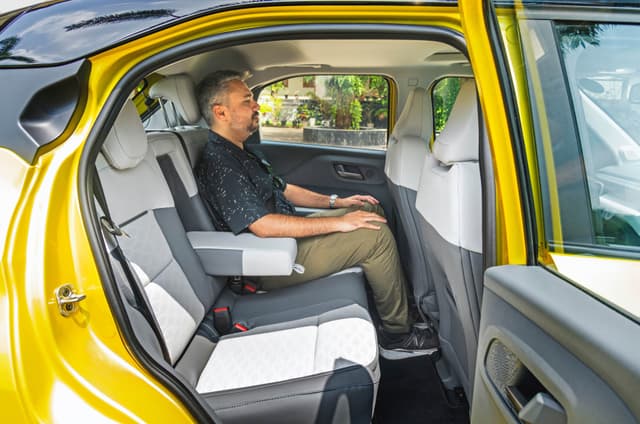
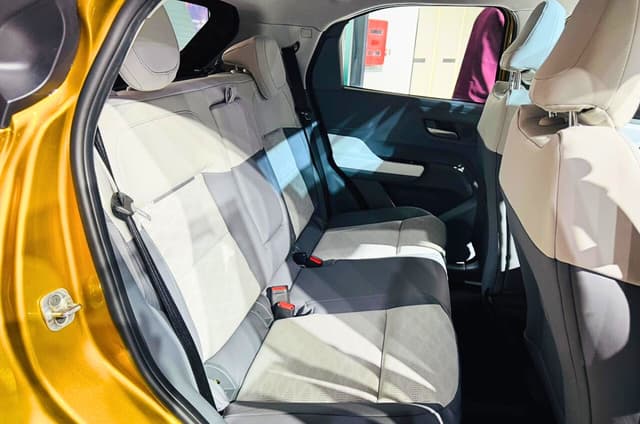
Narrow rear seat
No spare tyre
8.0
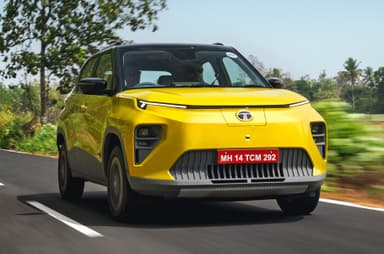
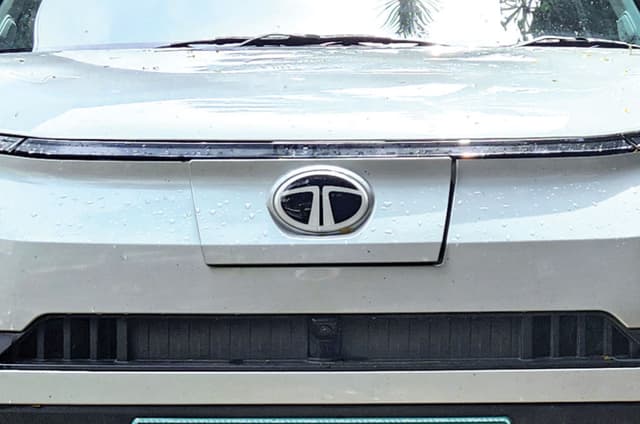
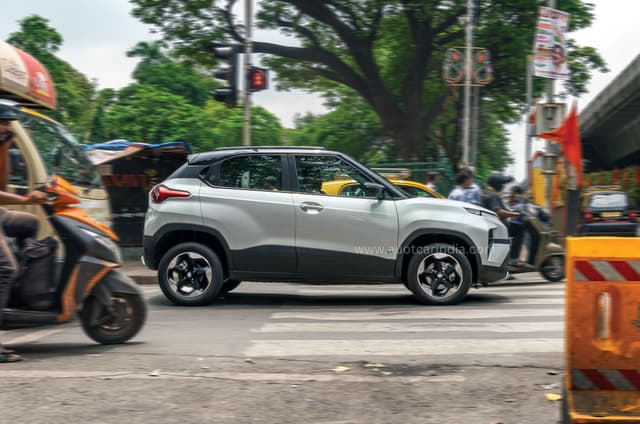
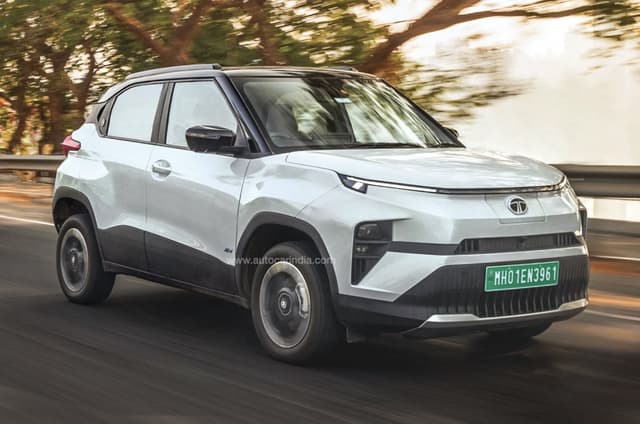
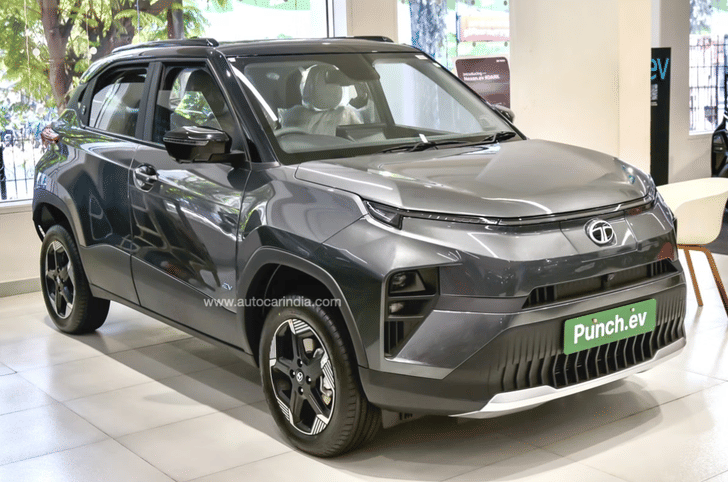
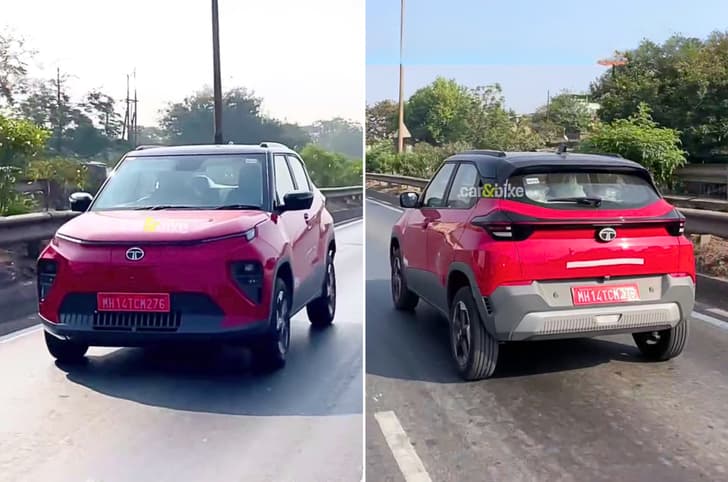
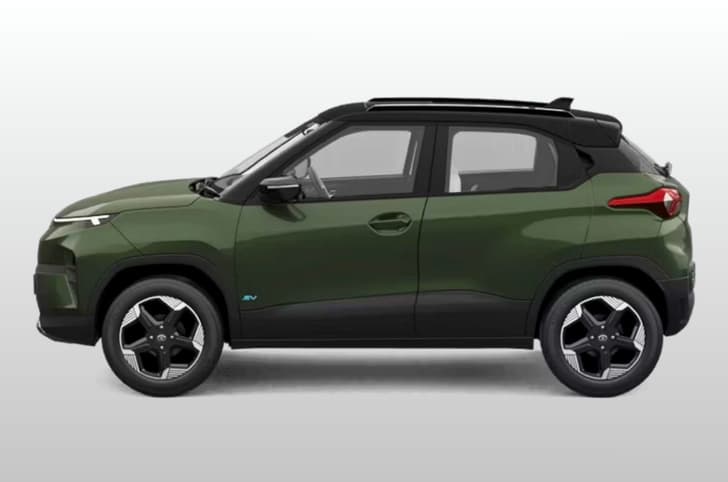
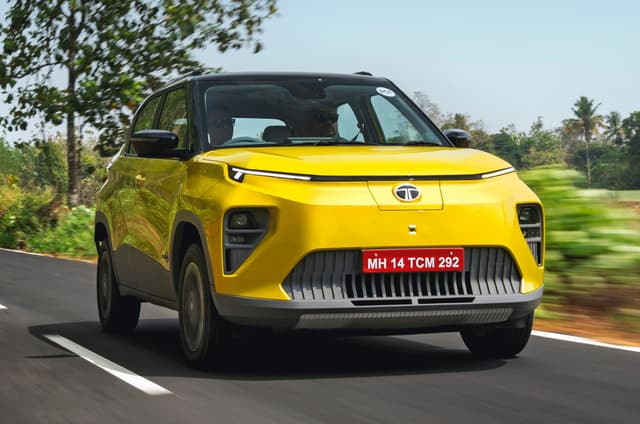
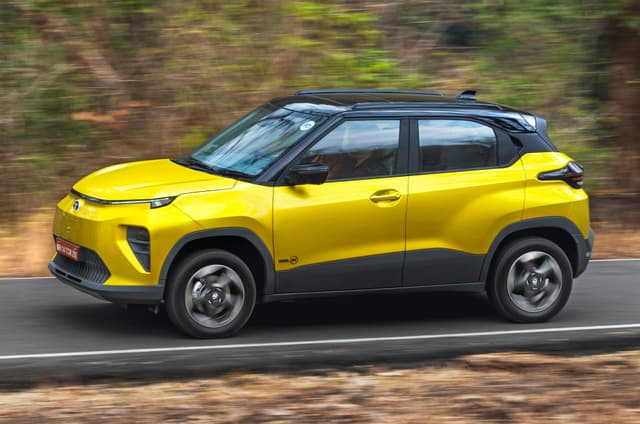
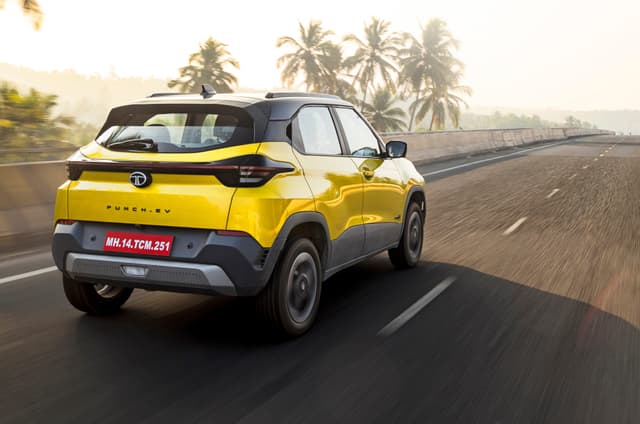
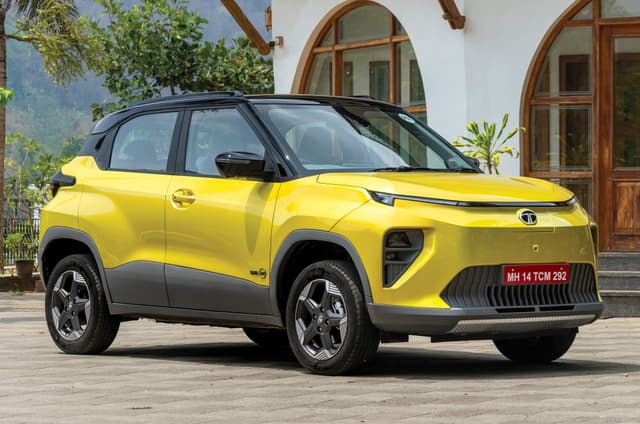
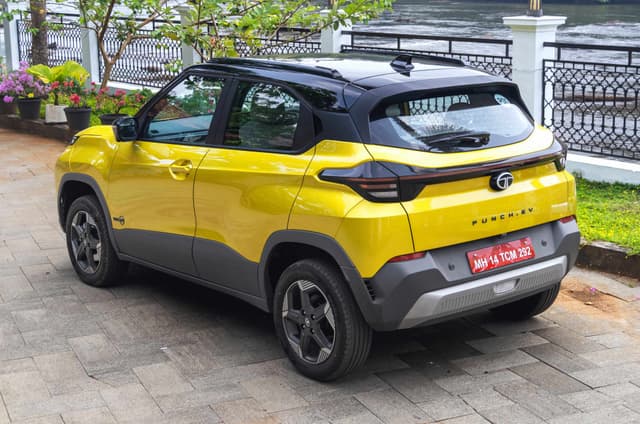
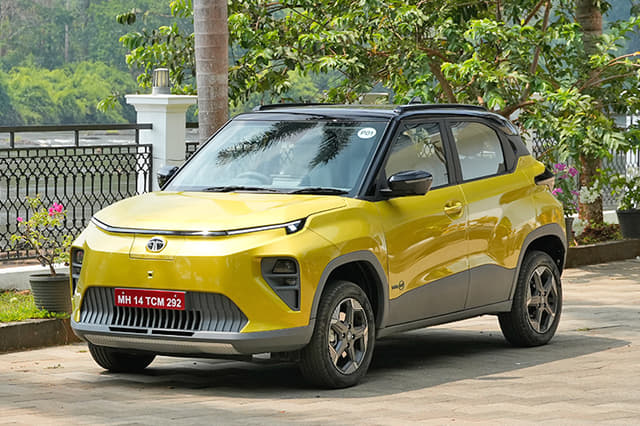
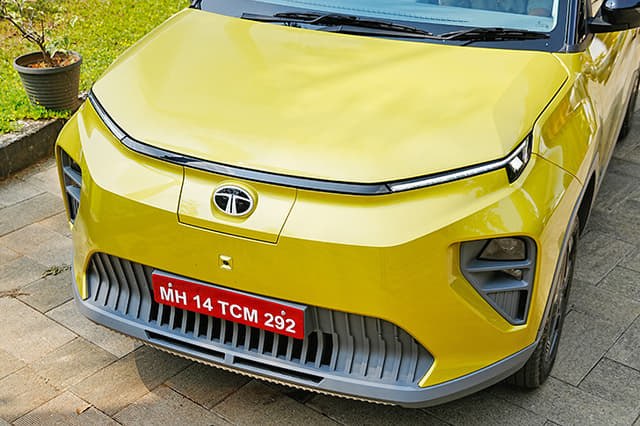
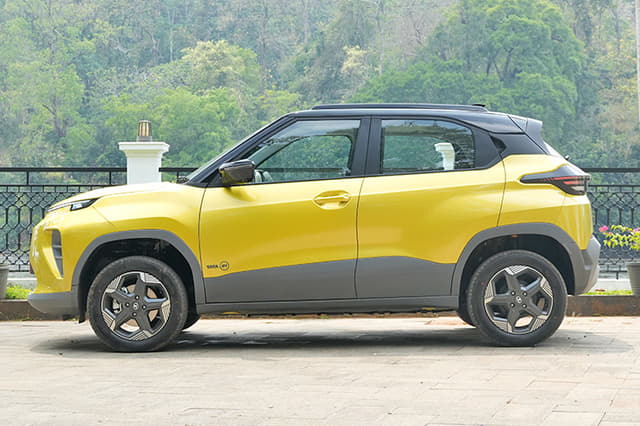
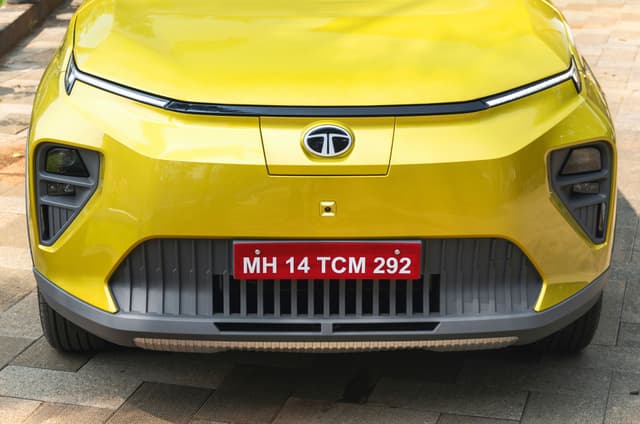
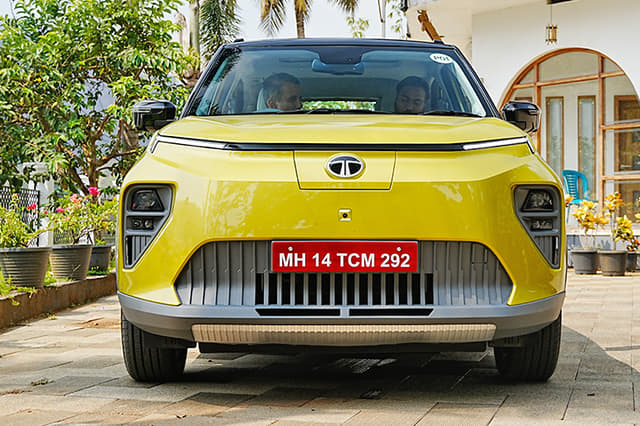
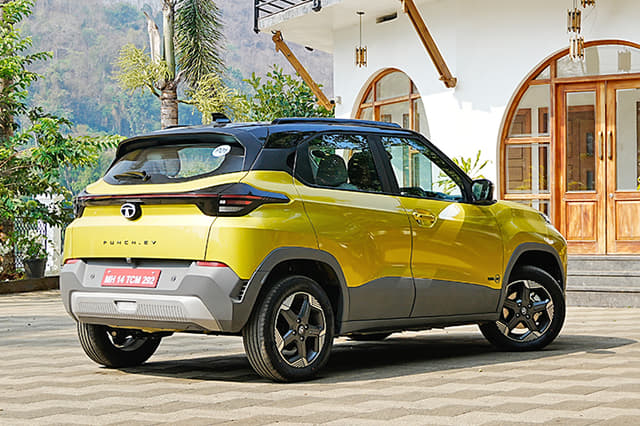
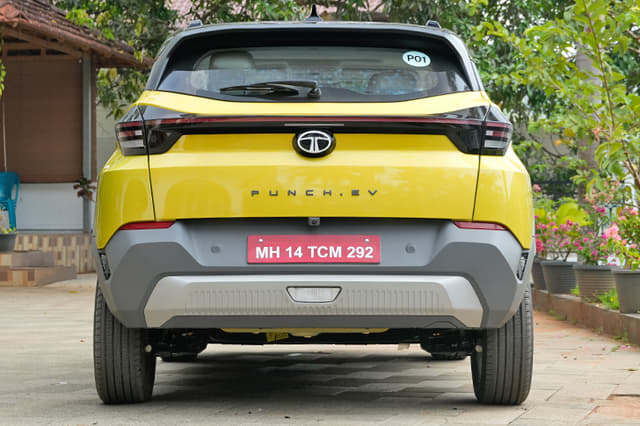
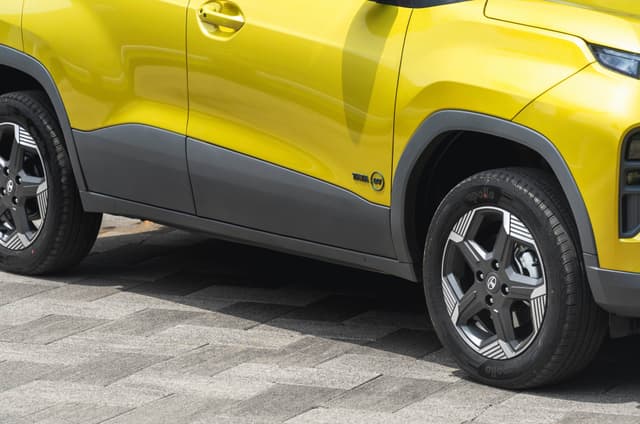
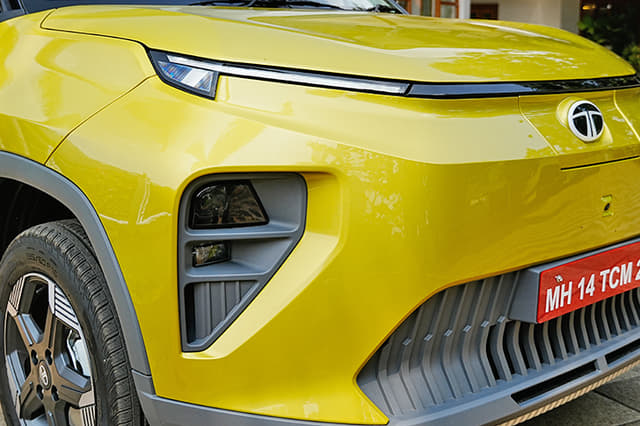
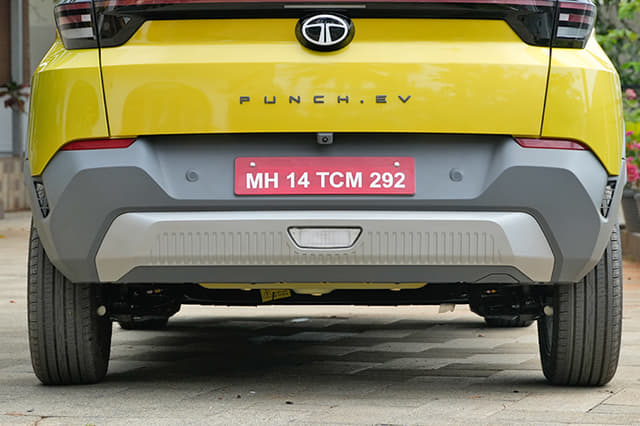
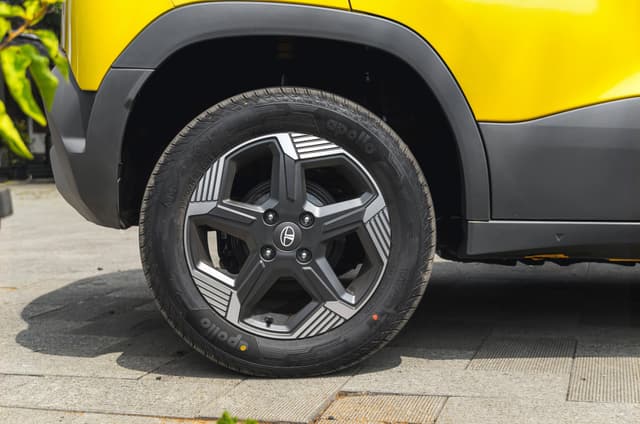
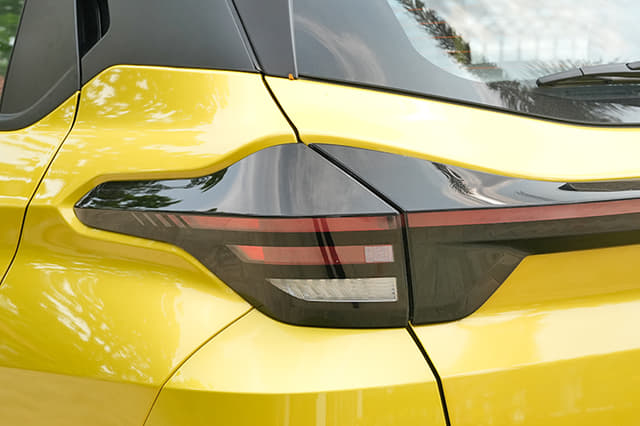
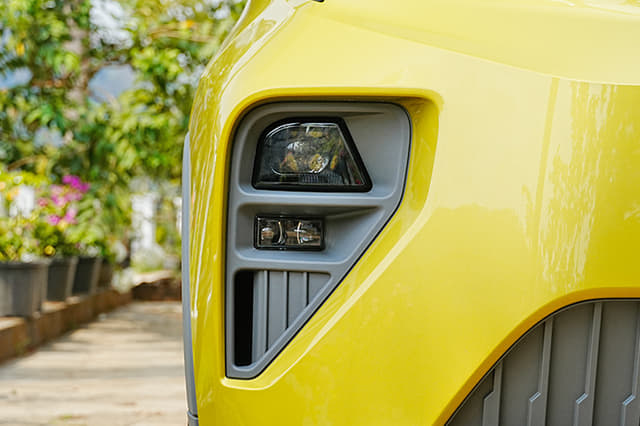
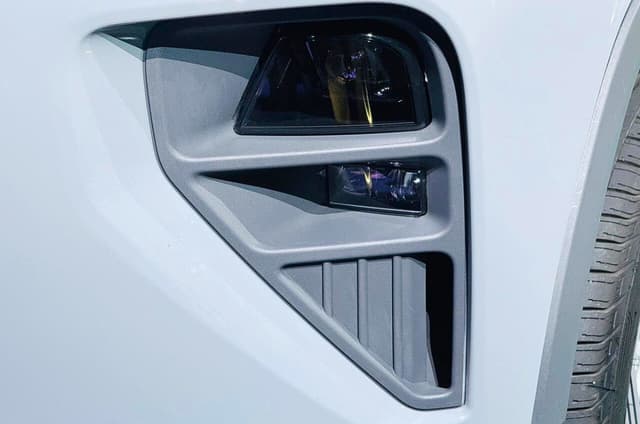
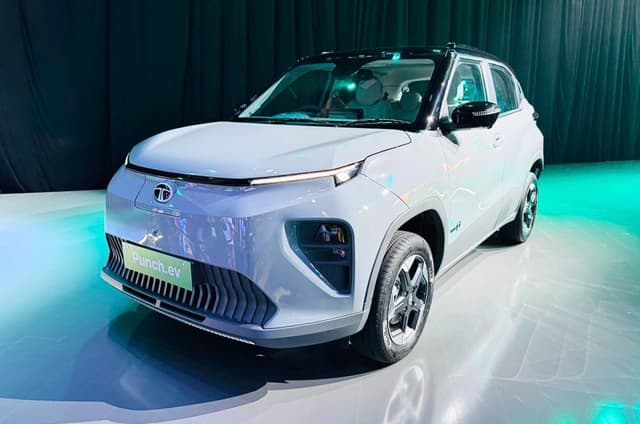
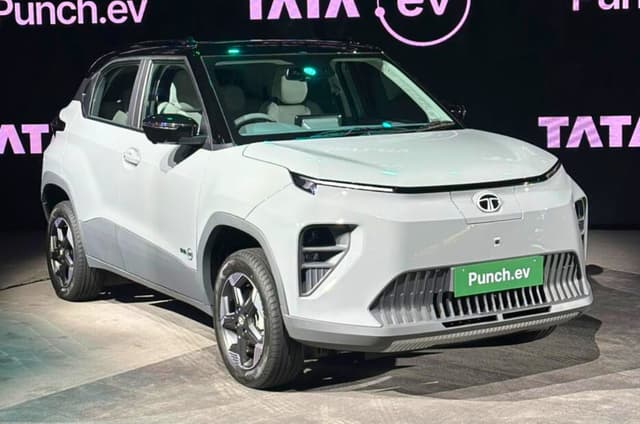
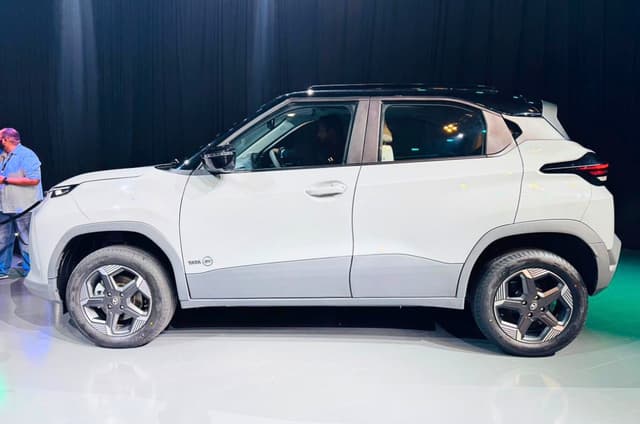
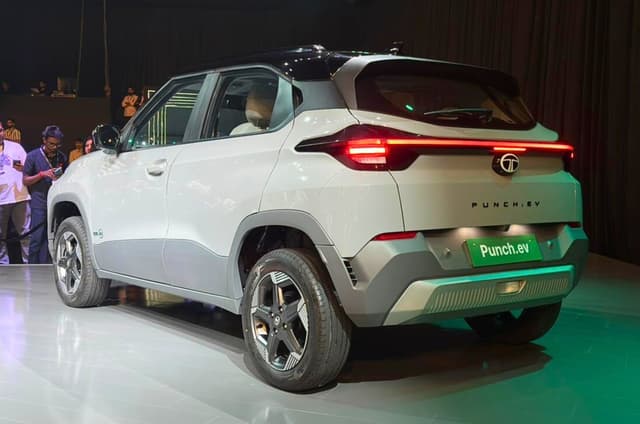
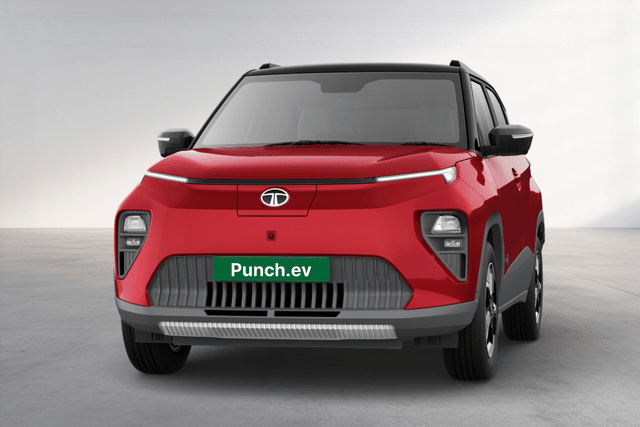
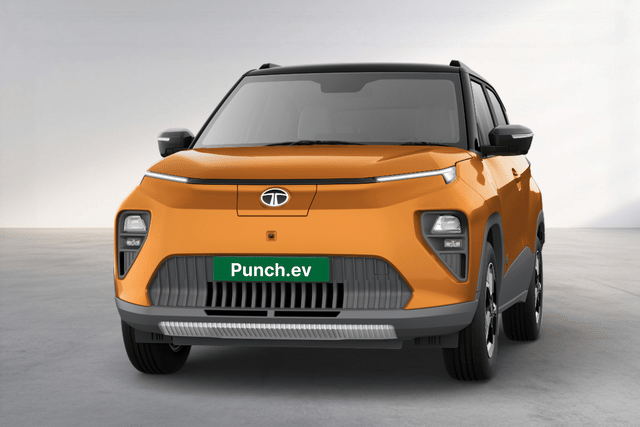
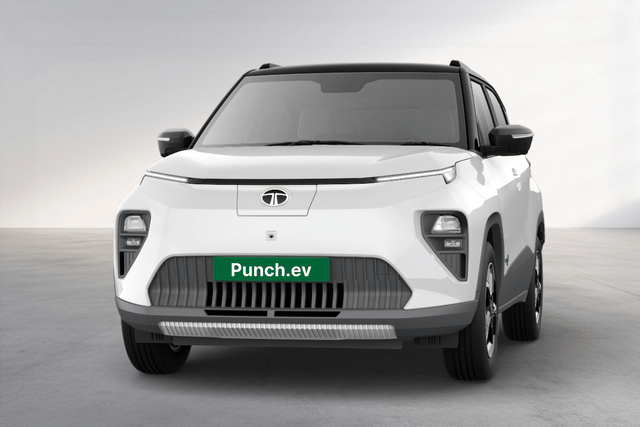
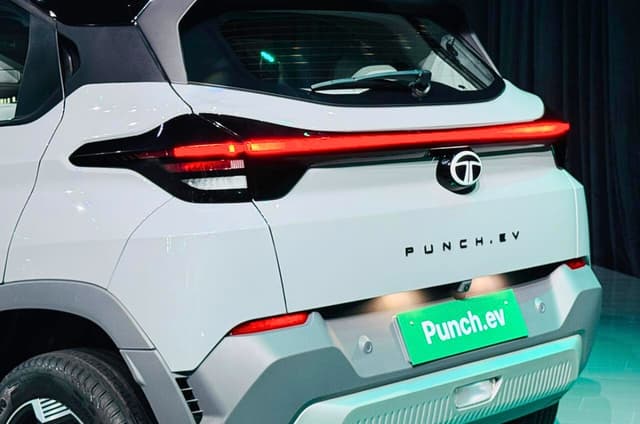
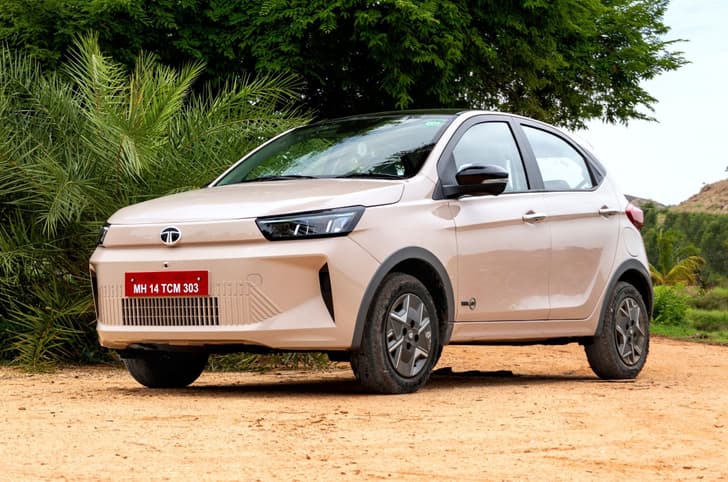
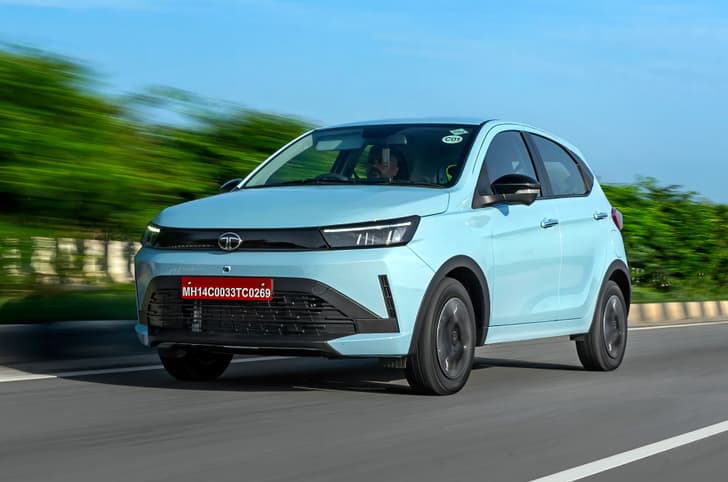
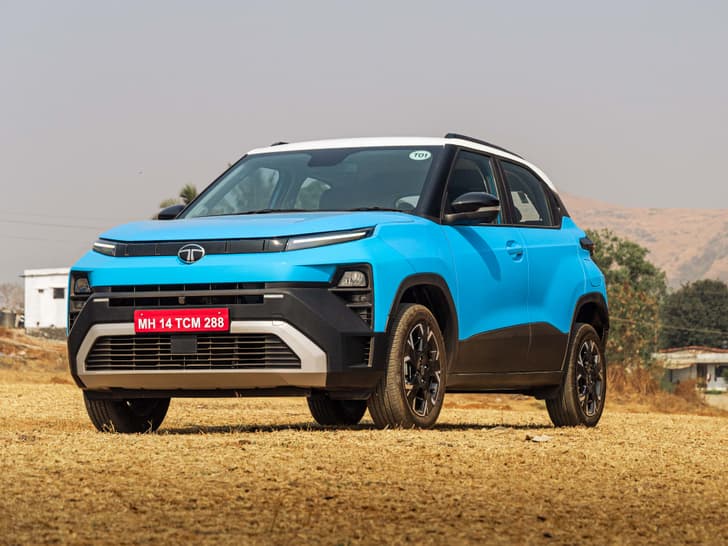
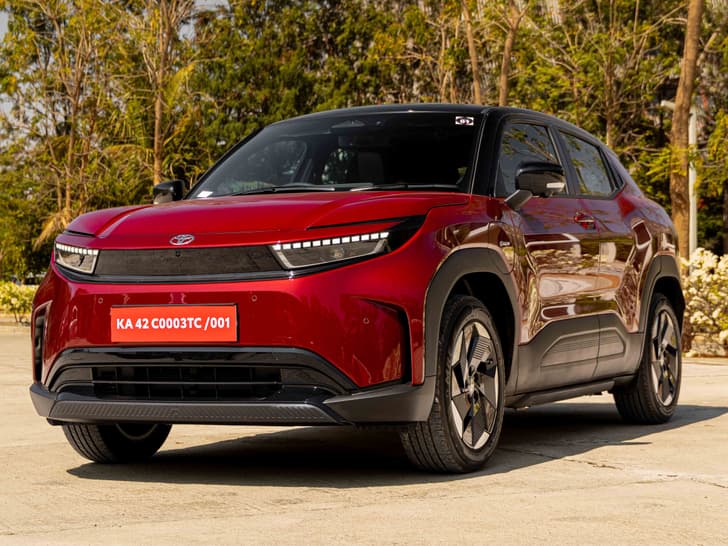
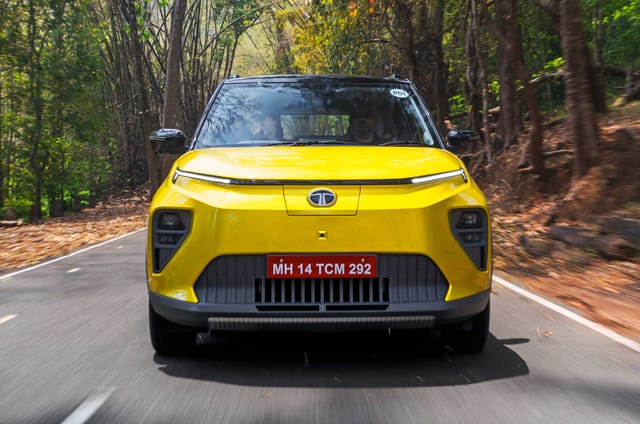
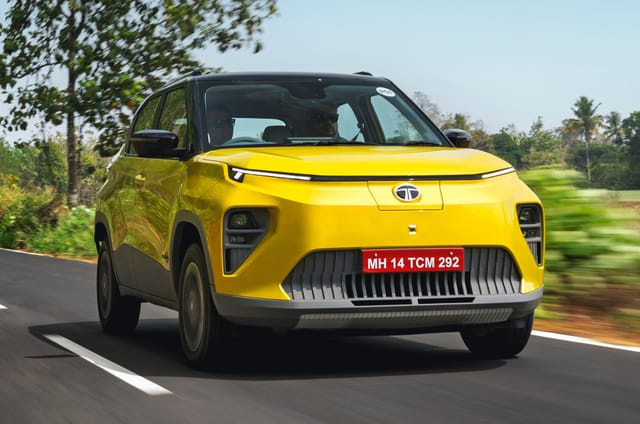
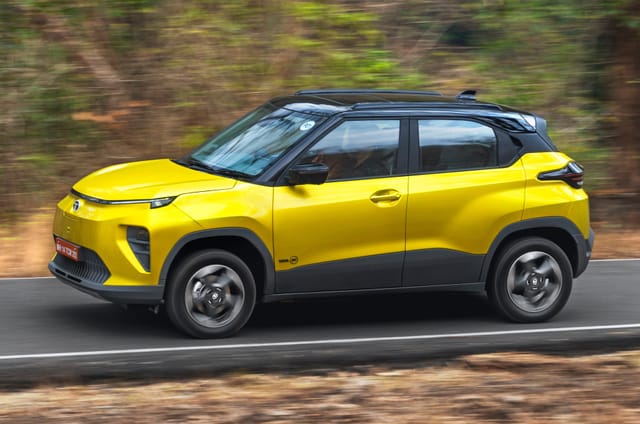
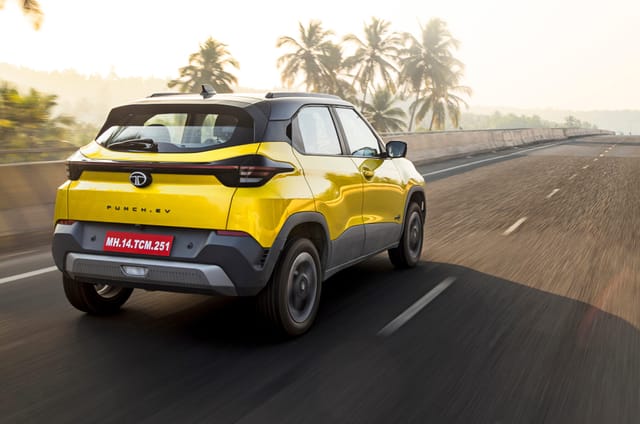
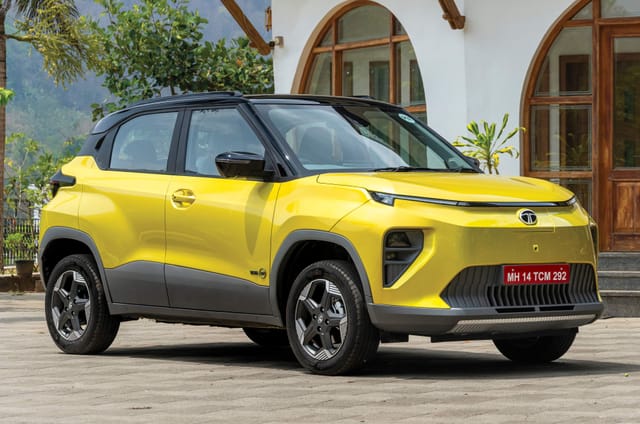
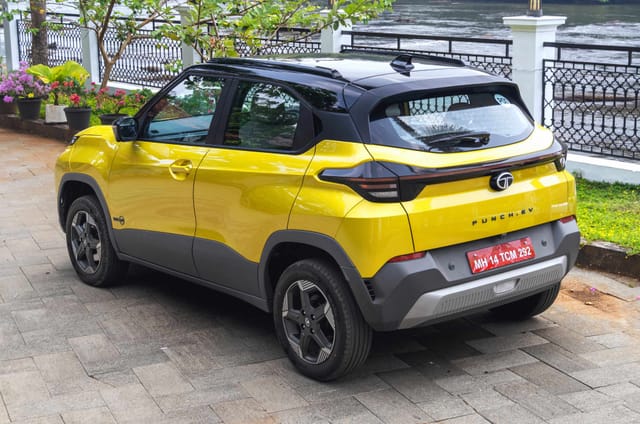
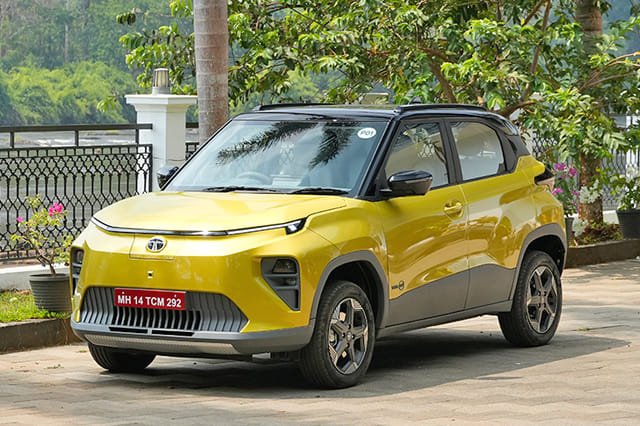
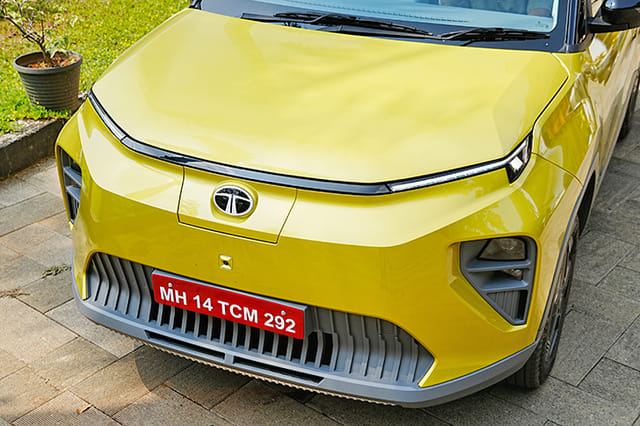
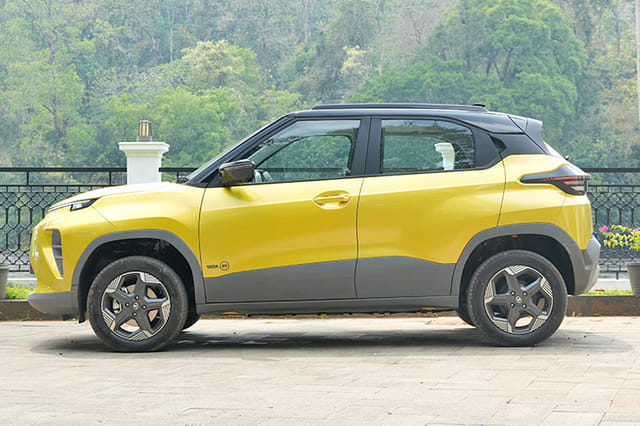
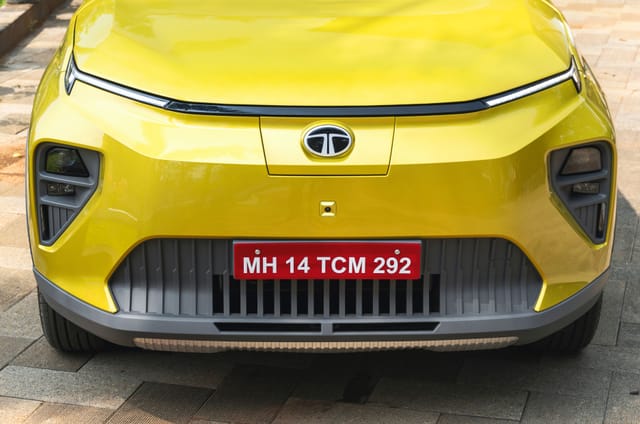
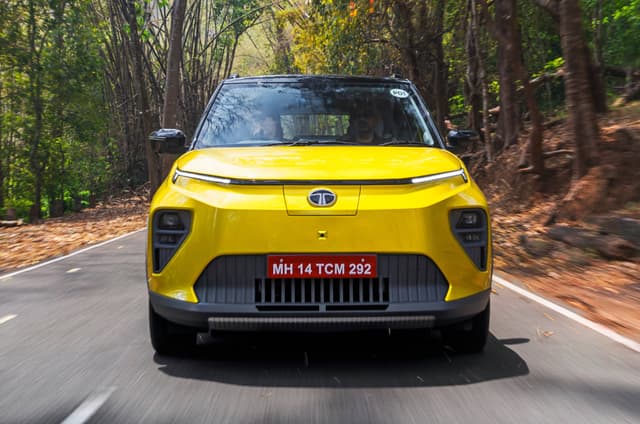
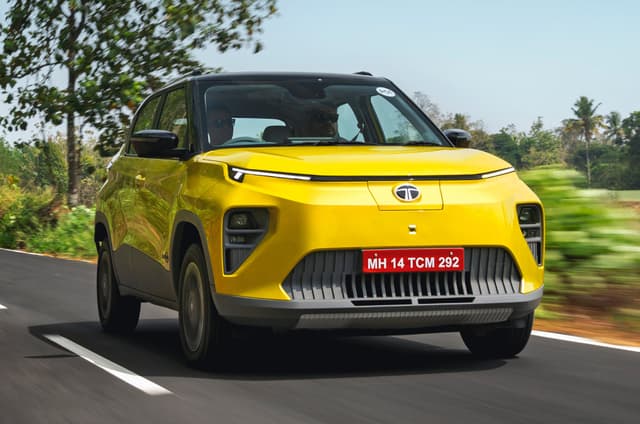
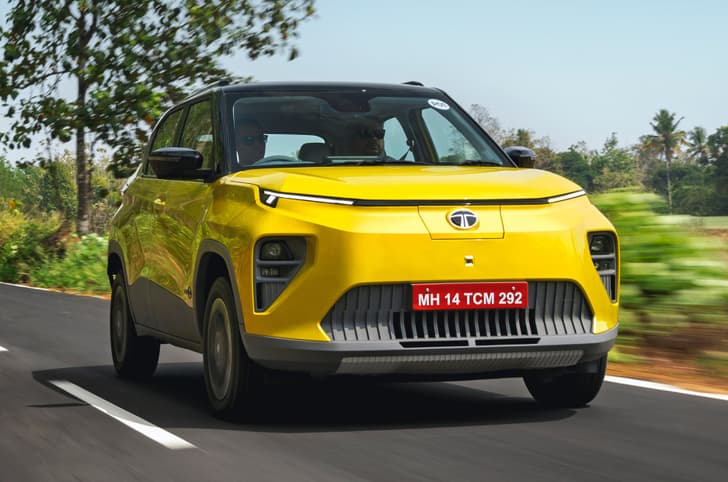
The updated Punch EV drops the earlier black plastic strip linking the headlights for a cleaner, more aero-focused look, and the LED light bar connecting the Y-shaped DRLs is gone as well. The charging flap remains centrally placed, while the only air intake sits low in the bumper. Lower down, the plastics are now finished in a lighter grey, with the 16-inch alloys matching in matte grey. At the rear, it adopts the ICE Punch’s connected LED tail-lamps and chunky bumper with a low-mounted reverse light.
The bigger changes lie under the skin. Based on the Acti.ev platform, the Punch EV now gets 30kWh and 40kWh battery packs, switching from cylindrical to prismatic cells while retaining LFP chemistry. These rectangular cells pack more efficiently, allowing more to fit into the same space. Charging speeds have increased to 65kW, up from 50kW, enabling a claimed 10-80 percent top-up in 30 minutes.
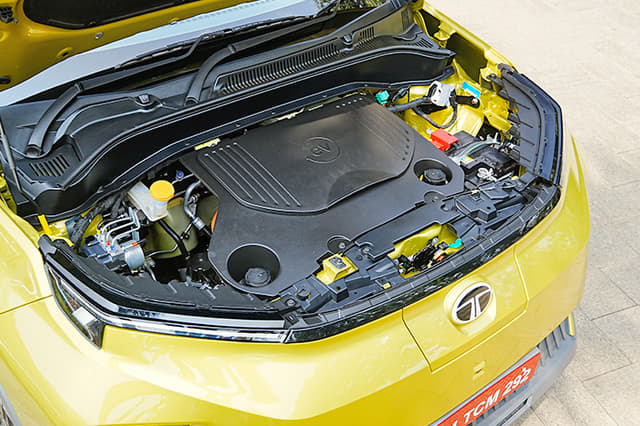
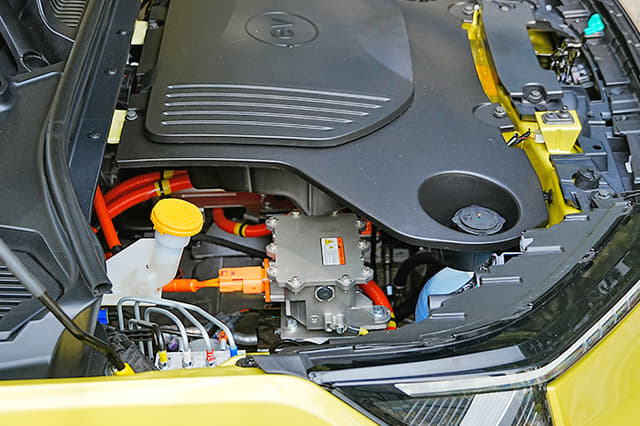
The powertrain is now integrated into a compact 6-in-1 unit combining the motor, inverter, reduction gear, DC-DC converter, PDU and onboard charger. Tata says it is 28 percent lighter, 50 percent smaller and 6 percent more efficient, while reducing electrical connections, semiconductors and high-voltage cables by 30 to 40 percent, lowering complexity and production costs.
7.0
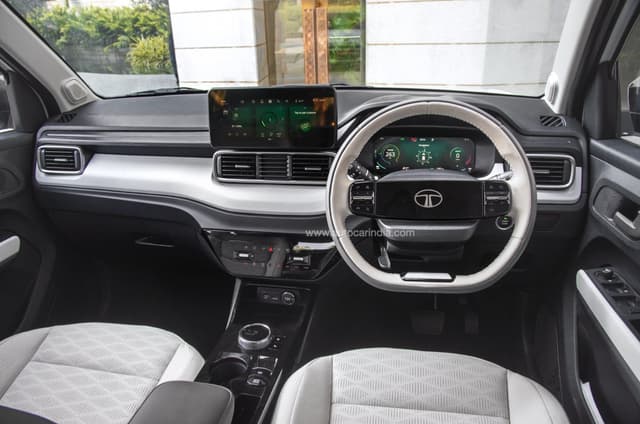
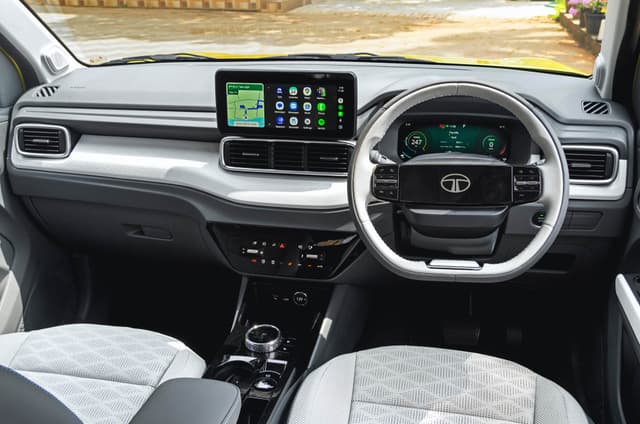
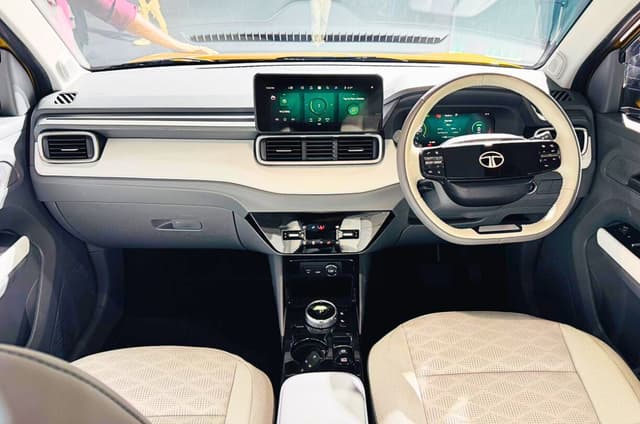
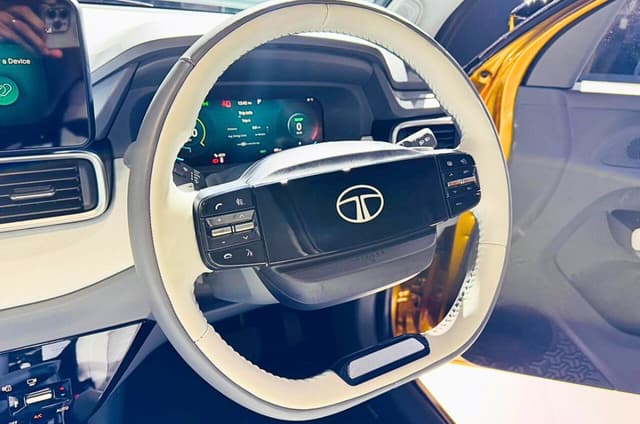
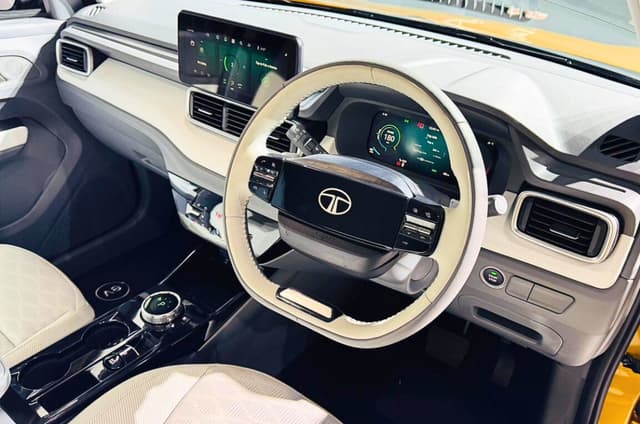
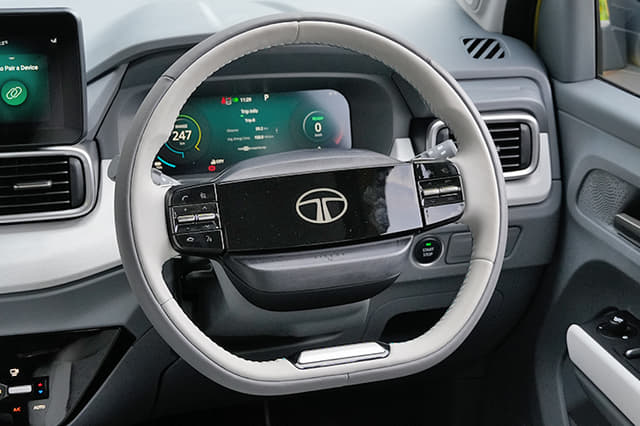
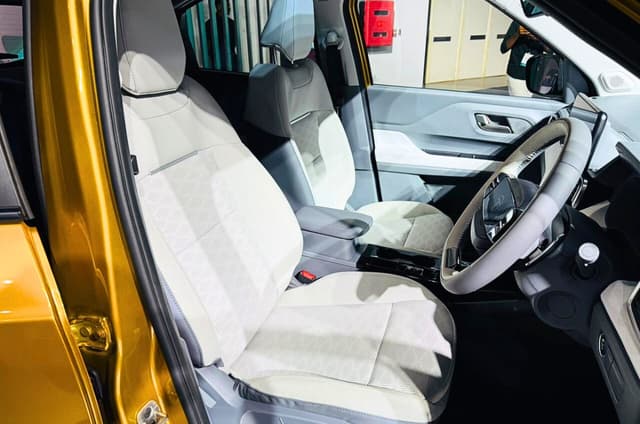
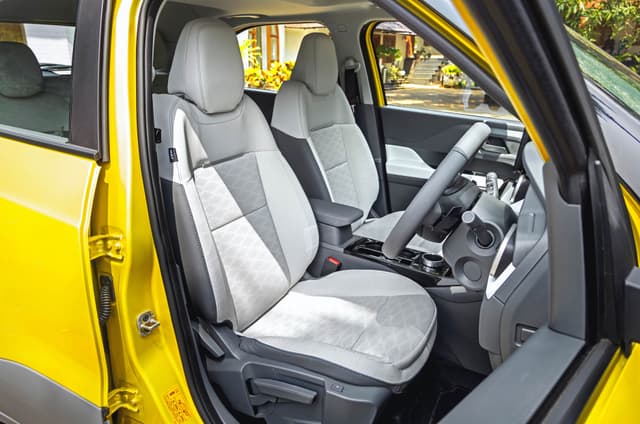
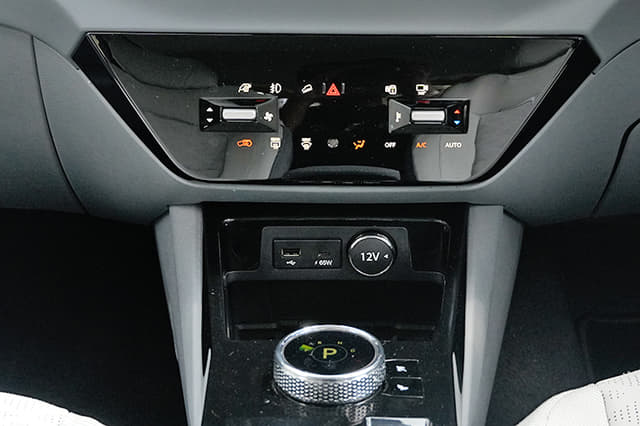
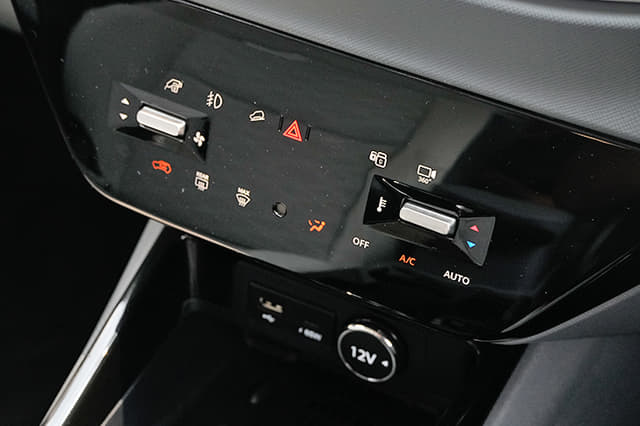
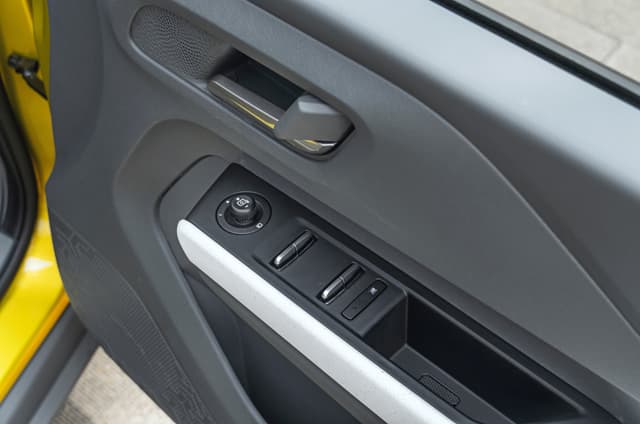
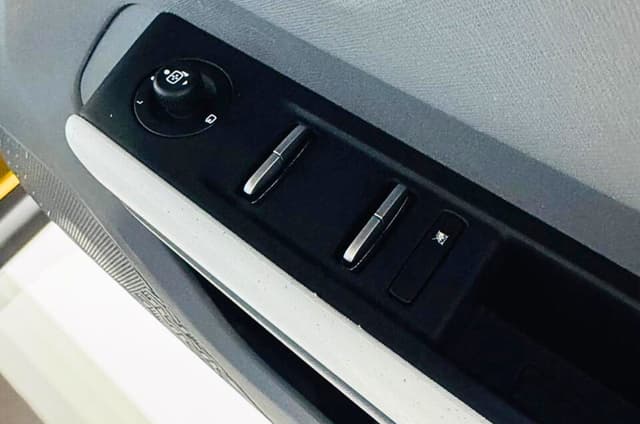
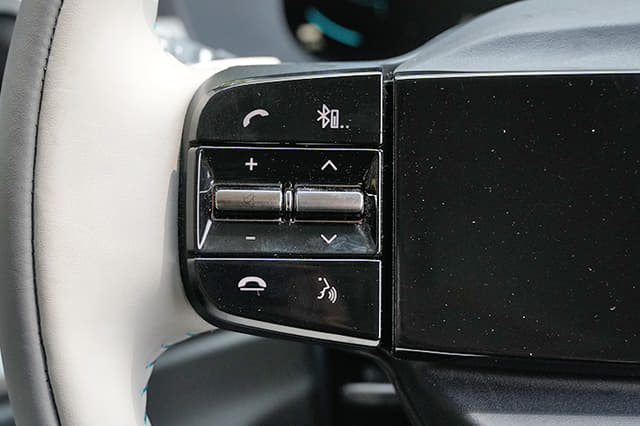
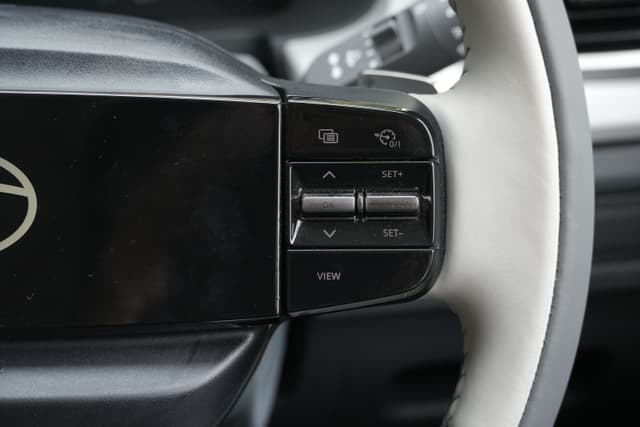
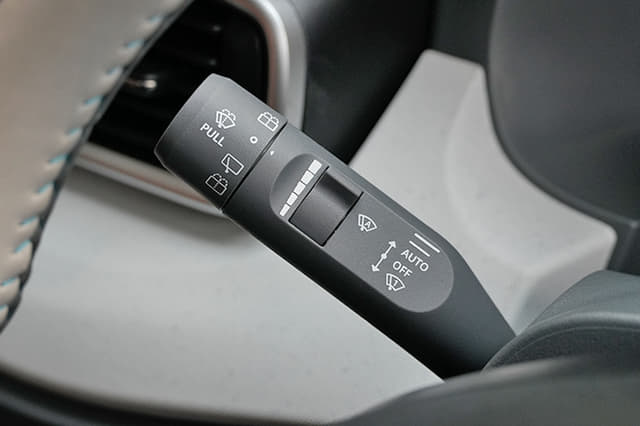
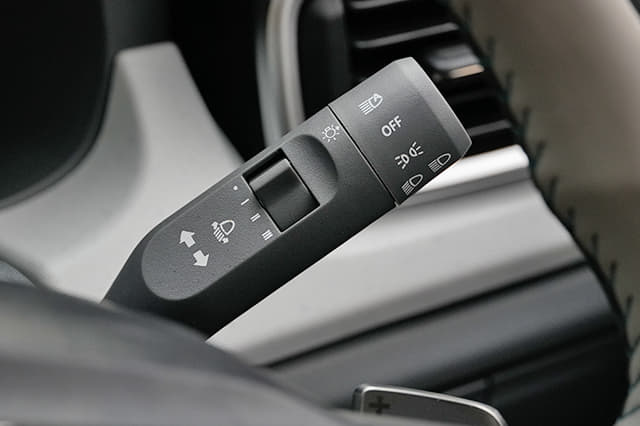
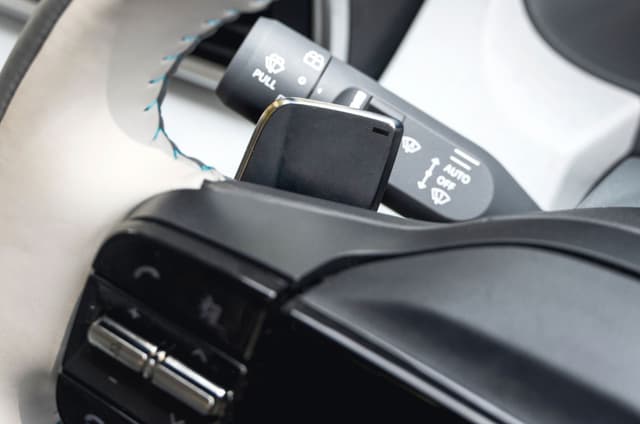
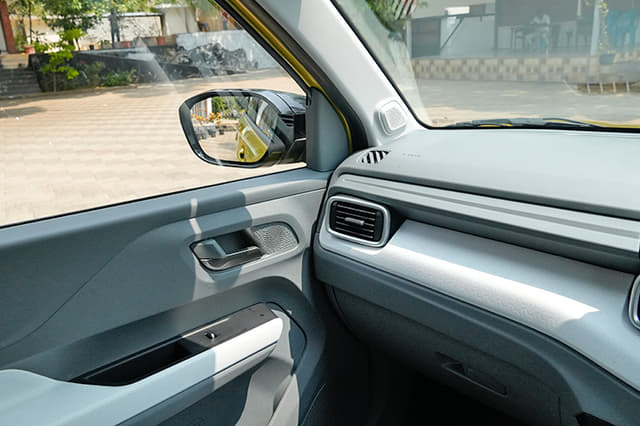
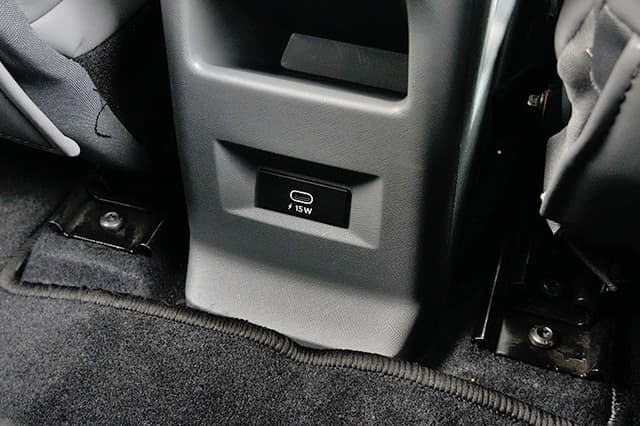
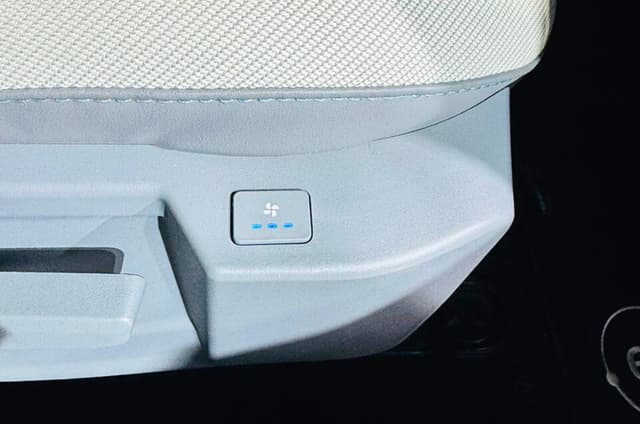
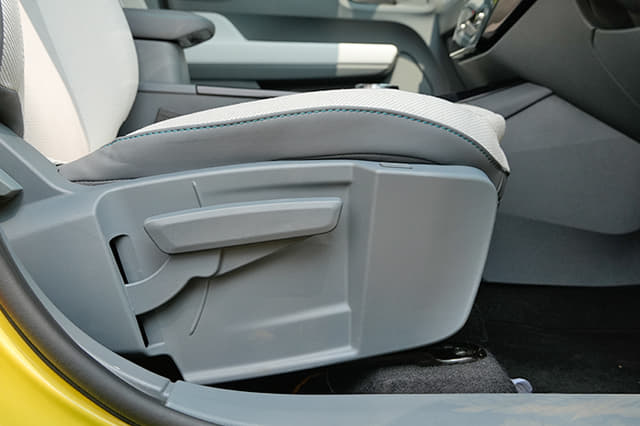
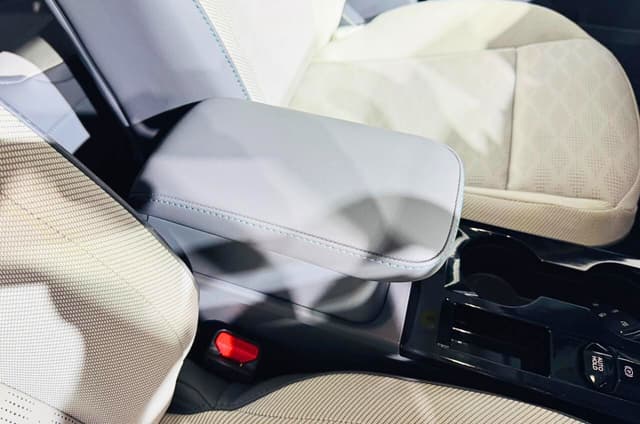
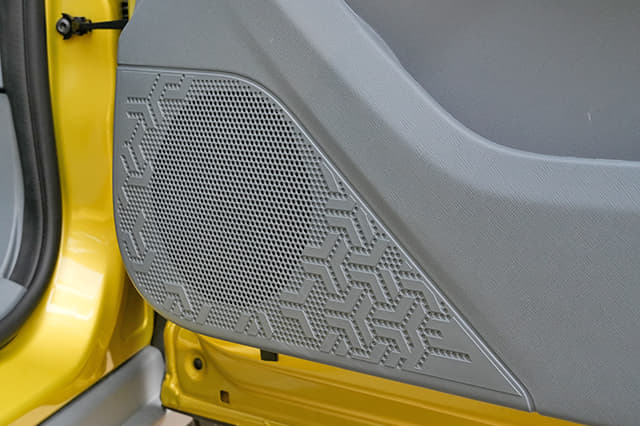
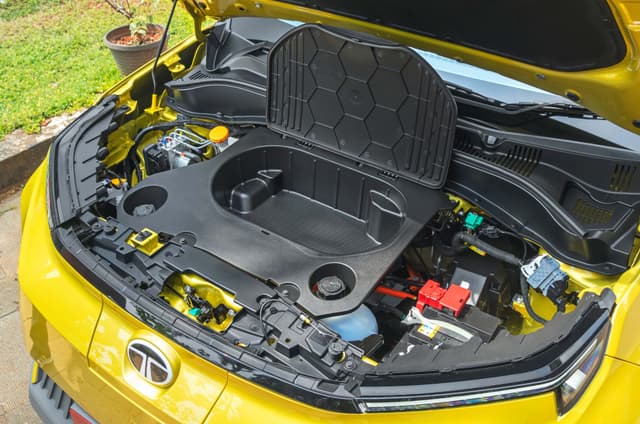
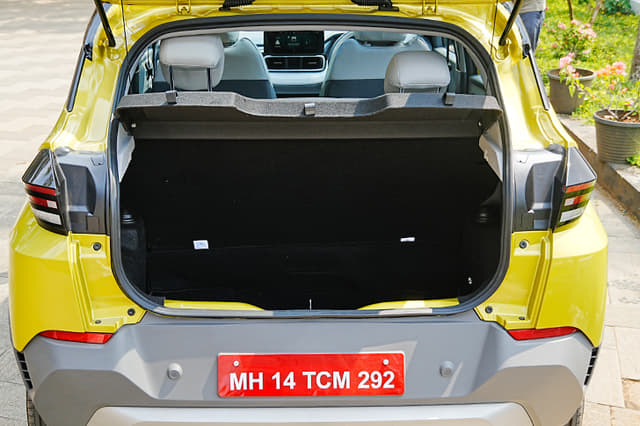
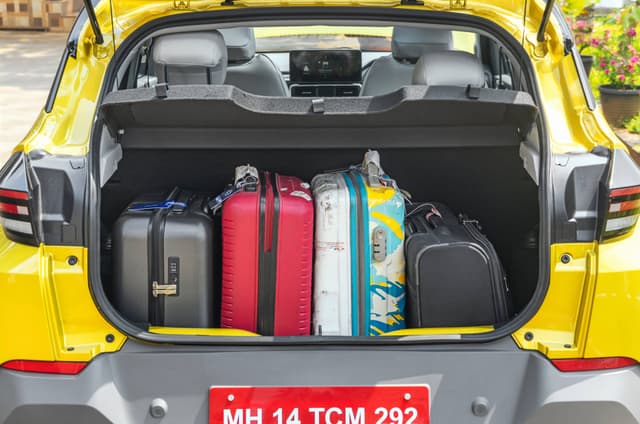
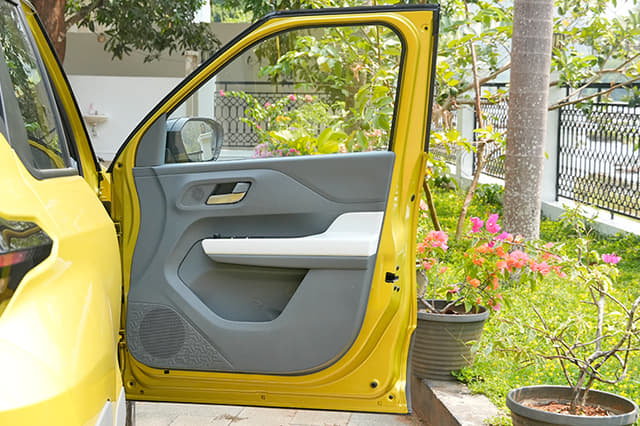
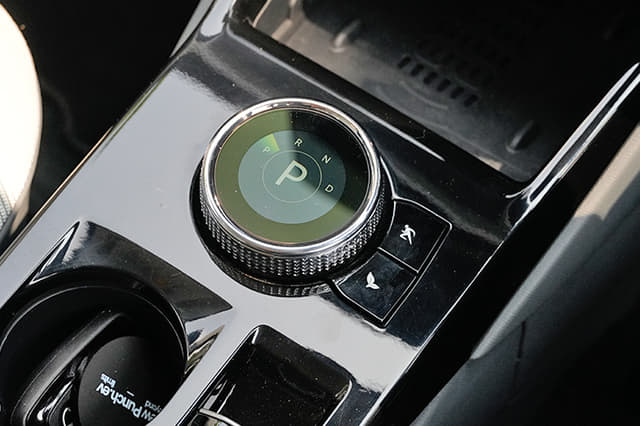
Getting in and out remains easy thanks to the wide 90-degree opening doors. Inside, the cabin feels airier with the new lighter grey plastics while a textured white trim breaks the monotony. The seats follow a white and grey theme, with leatherette upholstery and fabric inserts on the front bolsters. Control stalks from the Sierra are carried over, while the vertically oriented toggle-style window switches can feel counterintuitive initially. Front-seat comfort is strong, with good support and ventilation on the top trim. The high seating position offers good visibility, though reach adjustment for the steering is still missing. The centre console houses an armrest, cupholders and a wireless charging pad, but the rotary gear selector can be slow to respond. Storage is decent, with door pockets for bottles and an umbrella, plus a cooled glovebox. Rear seat space is adequate, with good cushioning and thigh support, though three passengers will be a squeeze. Rear AC vents are still missing, and the seatbelt warning chime can be intrusive. Boot space stands at 366 litres, and there’s a small frunk too.
9.0
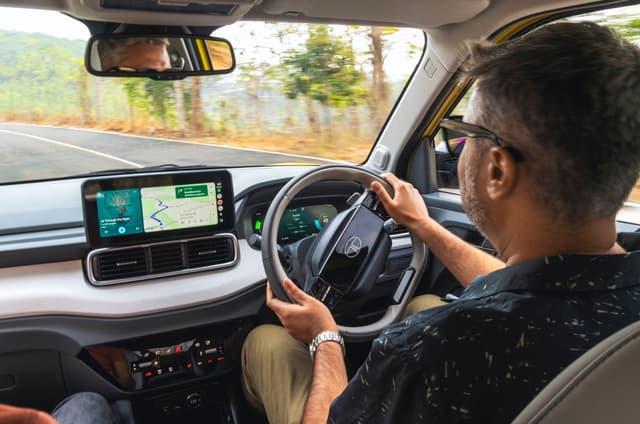
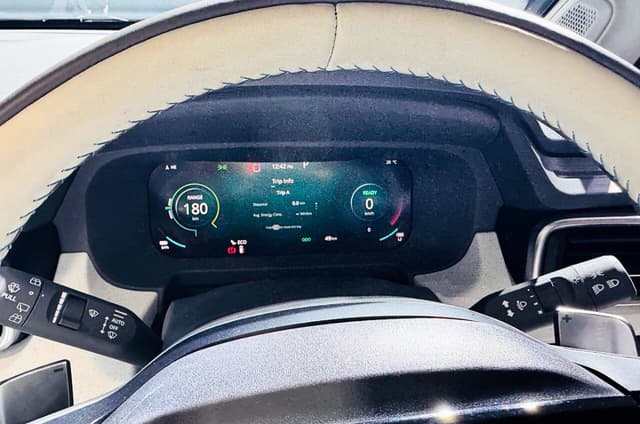
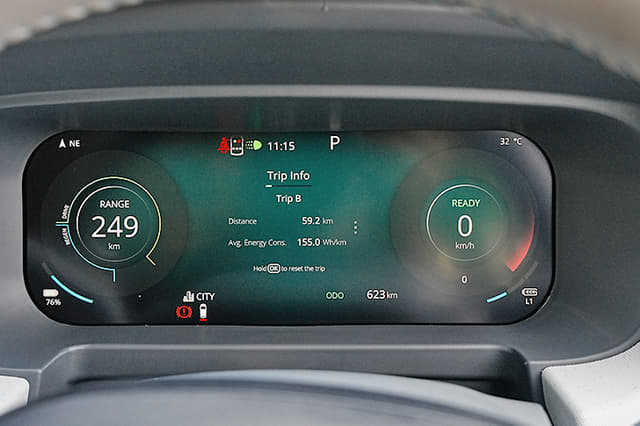
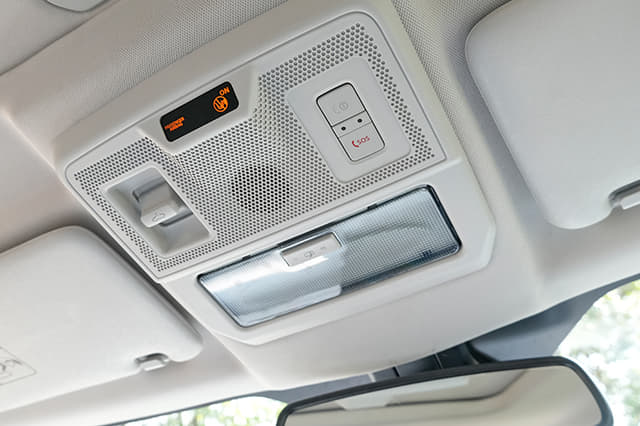
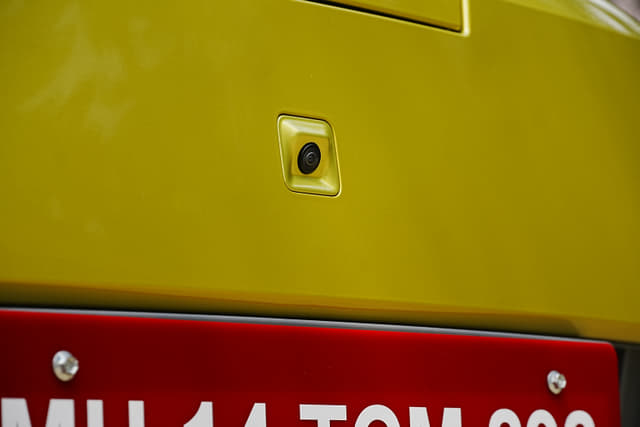
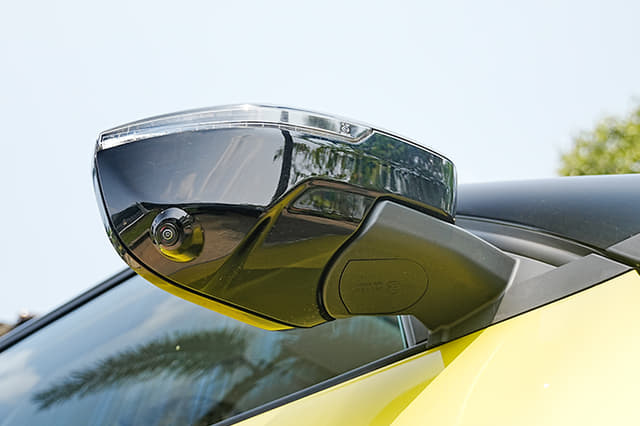
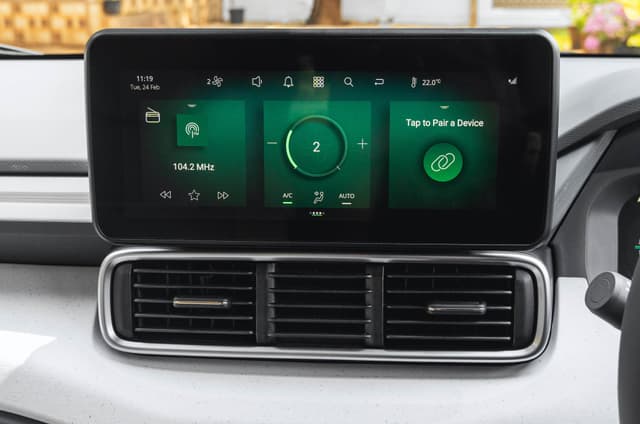
With the update, the Punch EV hasn’t gained notable new features, but it remains well equipped. Highlights include a 10.25-inch Harman infotainment system with wireless connectivity, a sharp 360-degree camera, built-in apps and multiple voice assistants. There’s also a 10.25-inch driver’s display with map projection, though some fonts are a bit small to read on the move. Other features include an air purifier, auto-dimming IRVM, cruise control and a small sunroof, while ambient lighting has been dropped.
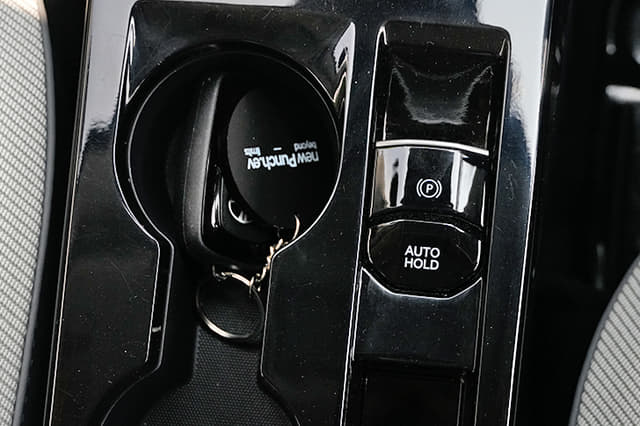
Safety is comprehensive, with six airbags, ESP, ABS with EBD, Hill Hold Assist and ISOFIX mounts offered from the base Smart trim. A new addition is a High Beam Alert that warns the driver if high beams are used below 40kph for over a minute. The Smart+ adds an electronic parking brake with auto hold and a reverse camera. As before, there’s no spare wheel, only a puncture repair kit with an inflator.
9.0
Power is up slightly, now at 88hp for the smaller battery and 129hp for the larger one, with torque at 154Nm for both. Performance remains strong; it pulls cleanly from a standstill and builds speed smoothly, with linear delivery that makes it easy to drive in traffic. There are three drive modes – Eco, City and Sport. Eco remains usable in everyday driving, City is well suited to most situations, while Sport is the most engaging. It isn’t aggressively quick, as power delivery is tuned for range and usability, but the instant torque is still enough for a 0-100kph time of 9.1 seconds. Refinement is a highlight, with minimal motor noise. The cabin stays quiet, with only a slight increase in road noise at higher speeds.
8.0
Range has improved thanks to the larger batteries and a more efficient motor. Tata Motors now claims 375km for the 30kWh version and 468km for the 40kWh, both under the MIDC cycle, up from 315km and 421km earlier. It also states real-world range of around 260–275km for the smaller battery and 335–355km for the larger one under its C75 metric, representing what 75 percent of customers could expect based on past usage data. For reference, the earlier 35kWh long-range model returned a combined range of 229km in our test, and this updated version is expected to improve on that.
9.0
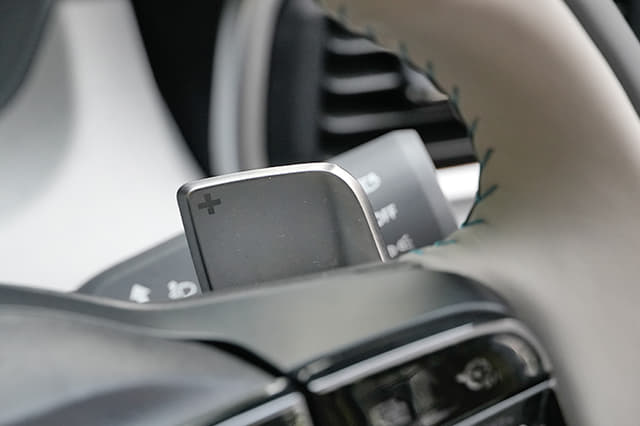
No changes have been made to the suspension, and none were needed. The Punch EV continues to ride with the maturity of a car from a segment or two above. To manage the battery weight, it uses stiffer springs than the ICE version, but increased torsional rigidity allows for softer dampers. The result is a pliant, absorbent ride where even sharp potholes are well cushioned. As speeds rise, the body remains well controlled, and high-speed stability is impressive. Through corners, there is body roll, but the low-mounted battery keeps it feeling planted and secure. The steering isn’t particularly light at low speeds, building to a nicely weighted feel as you go faster. It isn’t the most communicative, but it is direct enough to place the car accurately, making it easy to settle into a smooth rhythm on flowing roads. Regenerative braking adds to this ease, with four selectable levels via paddles. Level 0 allows free coasting, while level 3 offers strong deceleration without bringing the car to a stop. The switch to rear drum brakes also has a technical advantage, as they are less prone to binding or noise in EVs. Braking performance remains confident, though we’ll confirm stopping distances in a full test.
9.0
The updates to the Punch EV focus on improving efficiency while lowering manufacturing costs, and this is reflected in the pricing. It now starts at Rs 9.69 lakh and goes up to Rs 12.59 lakh – Rs 30,000 cheaper at the base and up to Rs 1.85 lakh less at the top end. The Battery-as-a-Service programme lowers the entry price further to Rs 6.49 lakh, with the battery available on a rental basis at Rs 2.6 per kilometre. While there are some cost-cutting measures, none significantly detract from the overall experience, making it strong value for money.
Reviewed by: Lenny D'sa
Tata Punch EV reviews

Tata Punch EV comparison
Tata Punch EV Range
The Tata Punch EV range goes up to 468km on the ARAI testing cycle. For more details, see the table below.
| PowertrainThe combination of engine type, fuel, and transmission that powers your vehicle and determines how it drives and what it runs on. | ARAI RangeMileage certified by the government, tested under controlled lab conditions. Real-world mileage will vary. |
|---|---|
Electric-Automatic (Auto) 40 | 468 km |
Electric-Automatic (Auto) 30 | 365-375 km |

Tata Punch EV news
Tata Punch EV Images
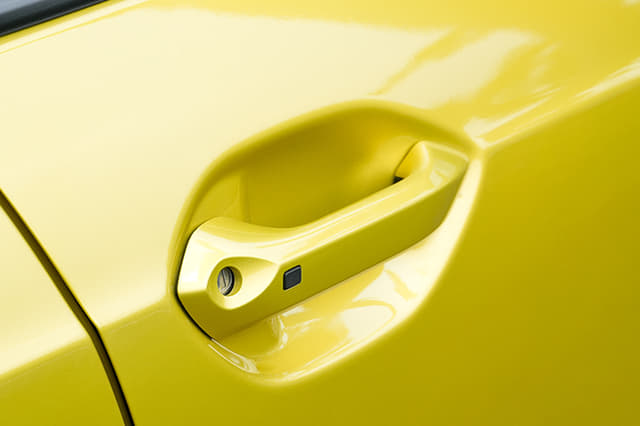
Our Punch EV image gallery showcases its design and features, including LED headlights, aero-optimised alloy wheels, connected LED tail-lamps, digital driver's display and touchscreen. Check it out below.
Tata Punch EV videos
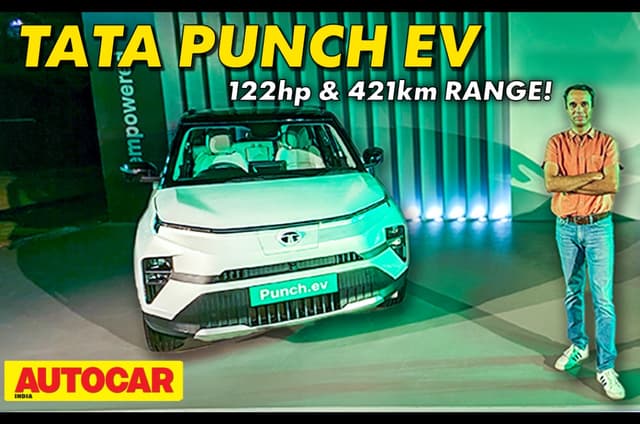
Our Tata Punch EV videos section gives deeper insights on its performance, ride and handling, exterior design and interior features. Check our curated video gallery below.


Tata Punch EV Colours
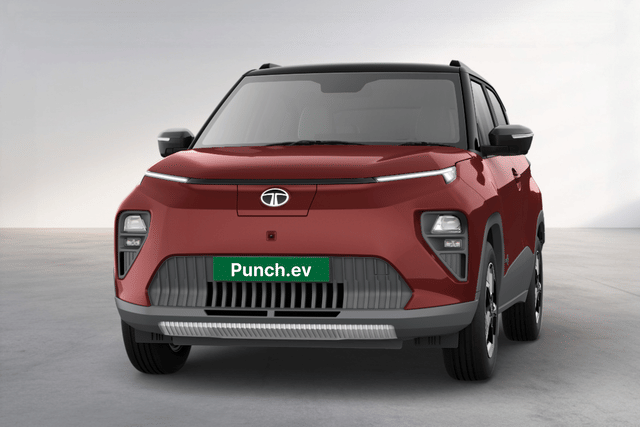
7 Tata Punch EV colours are currently on offer. To see electric SUV in different colours, check out our gallery below.
Tata Punch EV FAQs
The Tata Punch EV is suited to buyers primarily looking for a feature-loaded urban commuter that's easy to manoeuvre and has a peppy, refined electric powertrain.
Yes, the Punch EV is compact, easy to manoeuvre, and feels peppy to drive in urban conditions.
While the Punch EV is billed as a 5-seater, the somewhat narrow rear bench makes fitting three adults a bit tough.
For highway trips, the Punch EV's larger 40kWh battery option is ideal, as it can deliver an estimated real-world range of around 350km.
Tata offers the Punch EV with 30kWh and 40kWh batteries. The 30kWh option is ideal for buyers who just want to commute within city limits, while the 40kWh is good for those who have to make occasional highway trips.
The Punch EV delivers a very comfortable and stable ride at both low and high speeds. Bad potholes may filter through at times, but other than that, the Punch EV rides pliantly.
Questions you may find useful
Neha Gupta
•1dI want to buy a car for my office commute and occasional short road trips around Bangalore. I am considering an EV and am confused between waiting for the Kia Syros EV or going ahead with the Tata Punch EV Facelift. Which option would you recommend?

Autocar India
If you're referring to the Kia Syros EV, it may be worth waiting if you're not in a hurry. Given what we've already seen with the Syros ICE, the Syros EV is expected to offer significantly more cabin space and practicality than the Punch EV. In fact, the Syros is closer to the Nexon in terms of overall size and interior room, so the EV version is likely to appeal to buyers looking for a more spacious family car.The trade-off is that the Syros EV will almost certainly be more expensive than the Punch EV and is expected to be positioned closer to the Nexon EV in terms of battery size, range and pricing.For your usage of office commutes and occasional road trips around Bangalore, the Punch EV facelift is already a very well-rounded product. It is well priced, easy to drive in the city and offers enough range for most use cases.
Chandra
•2dWhat would be the best automatic car to buy in Telangana with an on-road budget of around Rs. 11- 12 lakhs? We had earlier shortlisted the Hyundai Venue HX 8 DCT, but decided to drop it due to the uncertainty around future fuel norms and the transition to higher ethanol blends like E30 in the coming years. Because of that, we're looking to reduce our budget to around Rs. 10 lakhs so that the financial impact is lower if any fuel-related compatibility issues arise in the future. Given this situation, which automatic car would you recommend?

Autocar India
Opting for an EV seems like a better bet, as that safeguards you from the uncertainties around higher ethanol-blended fuel in the future. With an Rs 11 lakh budget, you can pick the Tata Punch EV. It is an excellent, well-rounded option. However, go for an EV only if you can arrange for home charging. Relying solely on public charging for an EV isn't ideal.If you can't account for home charging, you could consider a Hyundai i20 IVT instead. It is a smooth, refined, and spacious car.
Dipanjankolkata
•3dI have Tiago EV LR 2023 with odo 25k, I bought it at 11.40 Lacs on road. It's been a good experience so far, but for a long drive, it's stressful with a 160 kms range. I want to upgrade to Punch LR 40 empowered. Any idea how much I could get after 3 years? Or when could be the right time to sell the vehicle?

Autocar India
The Tata Punch EV Long Range is a meaningful upgrade from the Tiago EV LR. You get significantly more real-world range, a more spacious cabin, better ground clearance and a much richer feature list. If range anxiety on highway trips is the main reason for upgrading, the Punch EV addresses that far better than the Tiago EV.As for resale, EVs currently depreciate faster than equivalent petrol cars, with the steepest drop occurring in the first three years. A large part of that depreciation has already happened on your Tiago EV.Looking at current used-car listings, 2023 Tiago EV Long Range examples with mileage similar to yours are generally advertised in the Rs 6.5 lakh range, depending on variant, condition and city.Since you bought the car for Rs 11.4 lakh and have already completed 25,000km, this is actually not a bad time to sell if you are certain about upgrading. Waiting another two or three years will give you more value out of the car through usage, but it is unlikely to significantly improve the percentage of value retained. In fact, as newer EVs with better range continue to arrive, older EVs tend to face greater depreciation pressure.
Haris
•5dHi Autocar Team, I currently own a 2016 Maruti Suzuki Ciaz diesel, which I plan to keep for highway trips, long-distance travel and as a backup vehicle. I am looking to buy a second car purely as a city EV for Chennai, with a budget of around Rs 15 lakh on-road, though I can stretch slightly if justified. My typical usage includes daily city driving, client meetings, airport runs and occasional family outings. I drive around 10,000km per year and usually keep my cars for 7-9 years or until they reach around 1 lakh kilometres. My priorities are: ride comfort and suspension, reliability over 7-9 years, battery warranty and long-term ownership confidence, service network and availability of parts, ease of driving and parking in city traffic, resale value after 7-9 years, and real-world range of at least 300km. I have already test-driven several EVs, including the Mahindra BE 6, Hyundai Creta EV, Kia Carens EV, MG ZS EV, Maruti e Vitara and VinFast VF 6. While I liked the Mahindra and VinFast products, I am now wondering whether a smaller and more affordable EV makes more sense since I already have the Ciaz for highway duties. Which EV would you recommend as the best secondary city car for long-term ownership in India today? Would you choose the Tata Punch EV, Nexon EV, Tiago EV, MG Windsor EV or another option altogether? Looking forward to your advice.

Autocar India
Pick the Tata Nexon EV 45kWh. For a Chennai city car, it rides over broken roads better than most, slips into tight parking spaces, and still delivers over 300km on a single charge. You already have the Ciaz for highway duties, so the Nexon EV’s size, light steering and good visibility make daily client visits and airport runs stress-free.For long-term ownership, Tata’s EV footprint is the widest in India today, with parts and service support across most cities, and the 8-year/1.6 lakh km battery warranty aligns well with your 7-9 year ownership plan. The battery chemistry also handles heat well, which matters in Chennai. Running costs remain low, and strong demand should help resale values compared to many other EVs.The Punch EV and Tiago EV are good options too, but they will fall well short of your requirement of 300km-plus on a single charge. The MG Windsor EV is worth considering if you want a more spacious cabin, though its real-world range is not as strong as the Nexon EV’s.One honest niggle: Tata’s service quality can be inconsistent, so make sure you choose a good dealer with a strong reputation.
Shivakumar Chintala
•1wPlanning to buy my first car. Should we wait until flex fuel cars are released into the market, or should I go ahead and buy the Honda E20-compliant or the Mahindra? Or any other suggestions at this point? Given the messy situation of petrol and possibly diesel as well in the near future. What should be done?

Autocar India
Flex fuel vehicles, as well as the fuel itself, will arrive for sure, but it's anybody's guess by when the authorities and manufacturers will make this happen. When it does arrive, there is also the matter of pricing. While the Government has indicated that E85 fuel would be cheaper, the car would return a lower efficiency. Plus, buying it would also come at a premium, so you need to see how this price equation works out. There's also the matter of choice. Thus, be prepared to wait for a while and for the situation to unravel in a phased manner. If you would rather not wait, you can go ahead with an E20 purchase today, as when E85 fuel does arrive, the Government will have to provide a lower ethanol blend fuel too for existing cars. This blend should stay at 20 percent or might go upto 25%, at which level current E20 cars should not face material compliance issues but would see a drop in efficiency.If you would like to side-step the entire fuel mess and have the ability to charge at home or your place of work, consider an EV. The Tata Punch EV would make for a good first car and is ideal in the city.
KD
•1wMy budget is up to Rs. 15 lakh, so which car would be the best option? My daily running is not more than 30-50 km.

Autocar India
Get the Tata Punch EV. For a 30-50 km daily city run, it is the least stressful small SUV to live with, it is compact to park, it's high seating gives you a clear view, and it rides over speed breakers and bad roads without scraping. Running costs stay low with the EV, you get a quiet and refined drive and considering your daily running is not a lot, you'll be able to do multiple commutes on a single full charge. The cabin also feels airy and it is also one of the safer-feeling small cars in this budget.However, if you don't want an EV, look at the Nissan Magnite turbo CVT. It comes with a peppy engine, a smooth gearbox and it comes reasonably well-equipped too.
KT
•1wI am currently driving a Polo 1.5 TDI, which has completed 10 years, and diesel vehicles older than 10 years are no longer allowed in Delhi-NCR. I am looking to buy a new car that is fun to drive and safe, and I am not keen on gimmicky features. Kindly suggest. I am also confused about ICE vehicles because of future fuel blending (ethanol/isobutanol). My on-road budget is capped at Rs 13 lakh.

Autocar India
The logical spiritual successor to the Volkswagen Polo for many owners has been the Skoda Kylaq, and we think it meets your needs as well. It retains that solidly built, fun-to-drive nature and also comes with a punchy 1.0-litre TSI turbo-petrol engine and has received a 5-star Bharat NCAP crash test rating. In your Rs 13 lakh budget, you'll get a mid-spec Signature+ variant, which gets you all the essentials and not too many gimmick features.Another often-overlooked option is the Citroen Basalt X, which offers a similarly punchy engine, fun chassis and European solidity as the Skoda and Volkswagen, but is a size up and much more spacious. However, it also costs more, and in your budget, you'll get a lower variant with fewer features than the Kylaq.If you want to skip fuel-blend questions entirely and your driving is mostly city, look at the Tata Punch EV. It’s quiet, quick off the line, and fits the budget. Just remember, highway trips need a bit of charging planning.
Prashanna Periyannan
•1wI'm looking to buy an EV in the 13-15 lakh budget range. Right now, the Punch EV seems to be the best fit. Can anyone share if a next-generation Nexon EV based on the ACTI EV platform is expected anytime soon? If the launch is not too far away, I can wait and opt for the larger car instead. Thanks in advance for any information.

Autocar India
Go ahead with the Tata Punch EV now, because an all-new Nexon EV is a long way off, and your Rs. 13-15 lakh budget cleanly fits the Punch EV. The current Nexon EV got a big update only recently, so a ground-up platform change is unlikely in the next 12 months. The next-gen Nexon is due likely in 2027, and even so, the ICE model will come first, with the EV likely to follow later, so your wait will be long. When it does come, expect it to be pricier than today’s Nexon EV, so it will likely sit well above your budget anyway.For your money today, the recently updated Punch EV gives you a modern EV package, a useful range for daily commutes, and it is easier to live with in tight city traffic and parking. If you truly need more cabin and boot space for family trips, the current Nexon EV exists, but getting a well-equipped one will push you beyond Rs 15 lakh on-road in most cities.
Jay
•1wI am a first-time car buyer with a budget of Rs. 12 lakh. I would appreciate one suggestion each for an EV and an ICE vehicle, with different cars and not variants. My requirements are that the car should have an automatic transmission, a rear camera with parking guidelines, and should comfortably seat a family of four. It will be used primarily for city commutes, generally under 30 kilometers, and should have good air conditioning. I am absolutely flexible regarding rear AC vents and a blind spot monitor, as these are not necessary features. My EV options include the Tata Tiago EV 2026 facelift and the Tata Punch EV. My ICE options include the Suzuki Baleno, Hyundai i10, and Suzuki Swift. Please prioritize the EV option.

Autocar India
Among the electric options, shortlist the Tata Punch EV. As an automatic, any EV will be far smoother than any comparable ICE vehicle. In the mid variants you get a rear camera with guidelines. And being a high-riding car, getting in and out is easy. The Punch EV is also comfy to seat four. From the ICE options, choose the Maruti Baleno AMT. It has the roomiest back seat, so space for four adults is better (than even the Punch EV), and its ride comfort is also nicer than the Swift or i10. Higher trims add the rear camera with guidelines, so just pick the one that fits your budget. Keep in mind that while the AMT gets you the convenience of an automatic, it will not feel as smooth or seamless as the EV.In summary, if you can arrange for home charging, pick the Punch EV. Else, the Baleno AMT is a good buy.
Solanki paresha Lalsinh
•1wI have a Tata Nexon iCNG and am considering buying an EV for my daily 70 km commute. Should I buy one, and if so, which EV would you recommend?

Autocar India
With a daily running of around 70 km, an electric car definitely makes sense from a running cost perspective, especially since you already have a Nexon iCNG as a backup for longer trips or situations where charging may be inconvenient.Our first recommendation would be the Tata Punch EV Long Range. It is well priced, practical, easy to drive in the city, and the larger battery pack gives you enough flexibility that you are not constantly worrying about range. Even if your requirements change in the future and you start doing occasional longer trips, the bigger battery is nice to have.