MG cars in India (11)
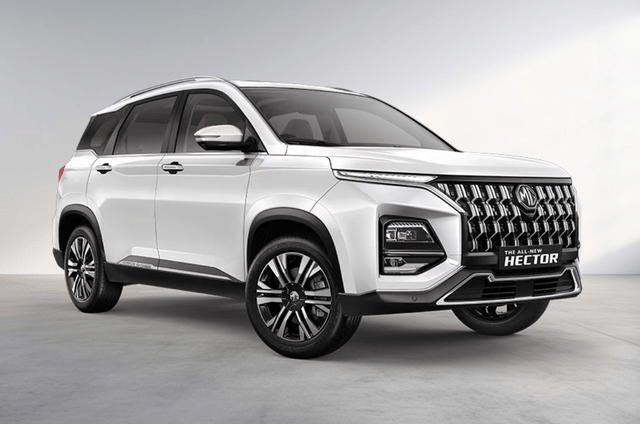
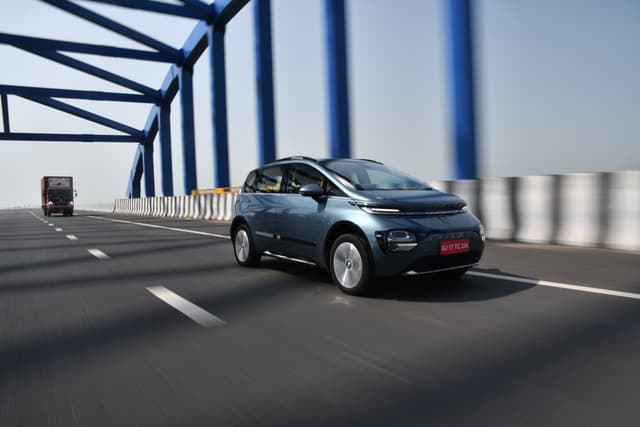
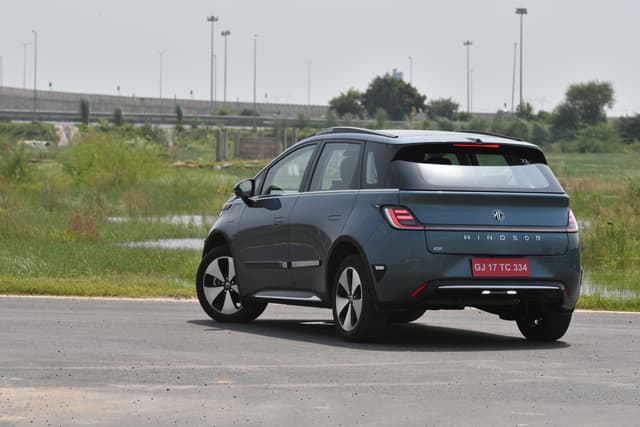
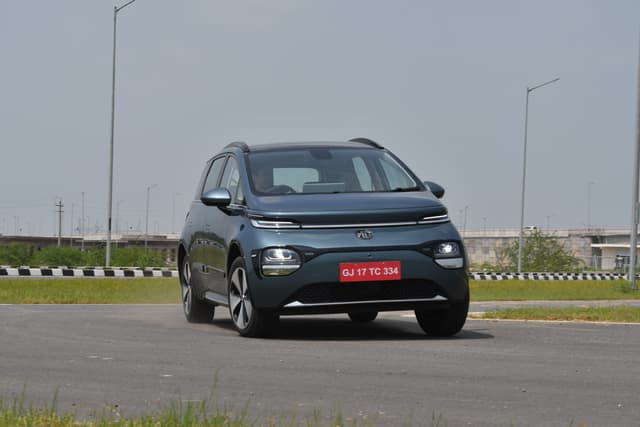
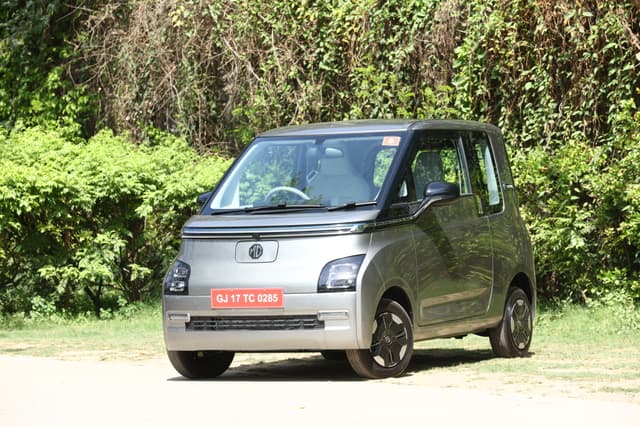
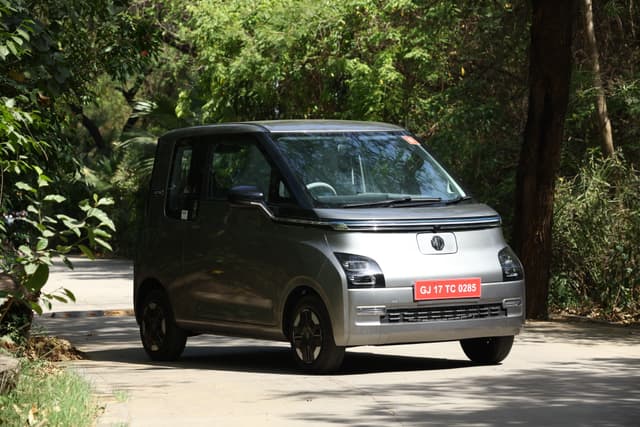
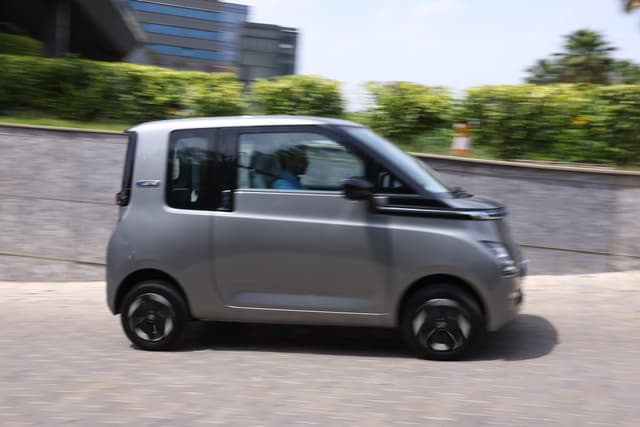
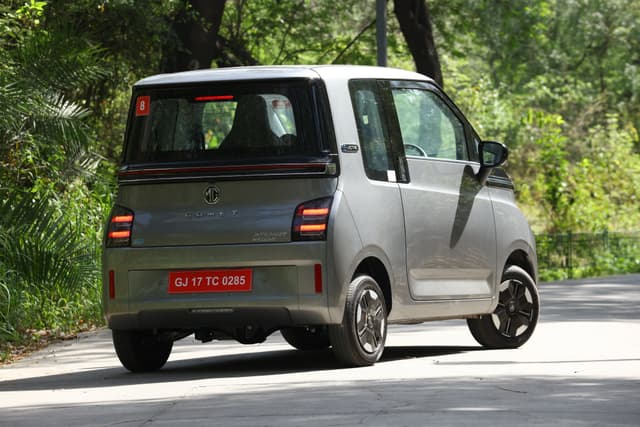
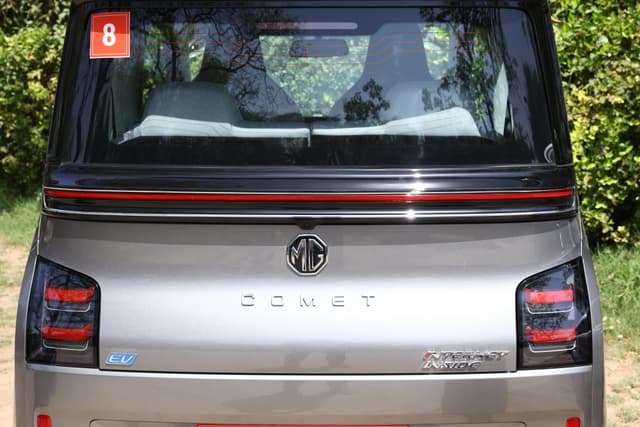
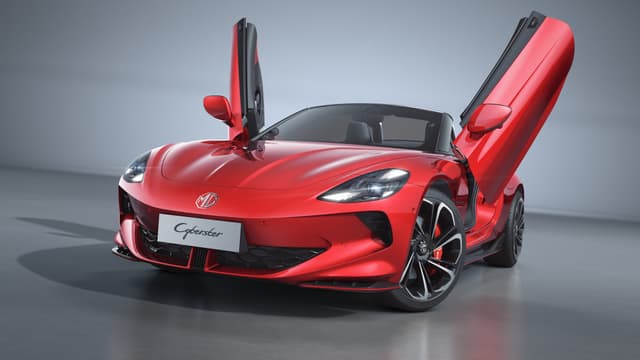
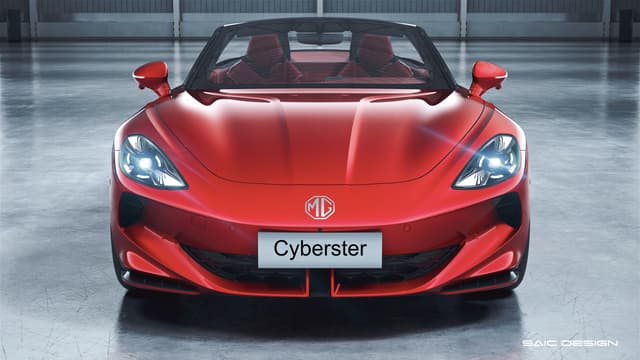
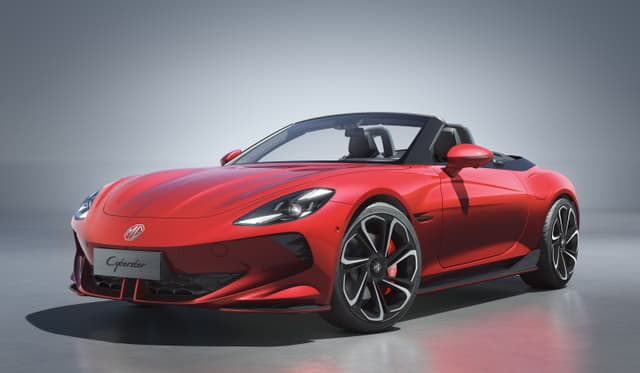
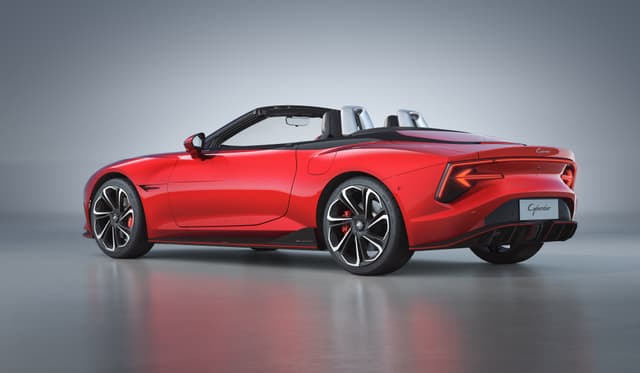
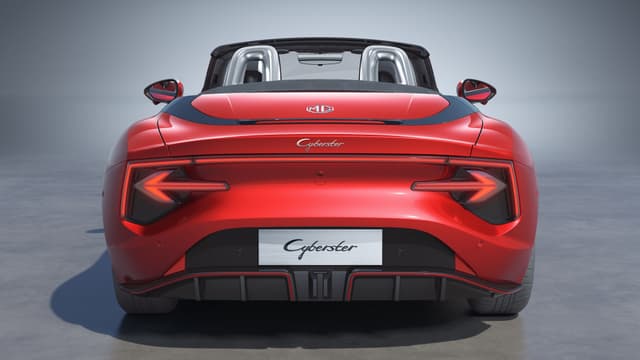
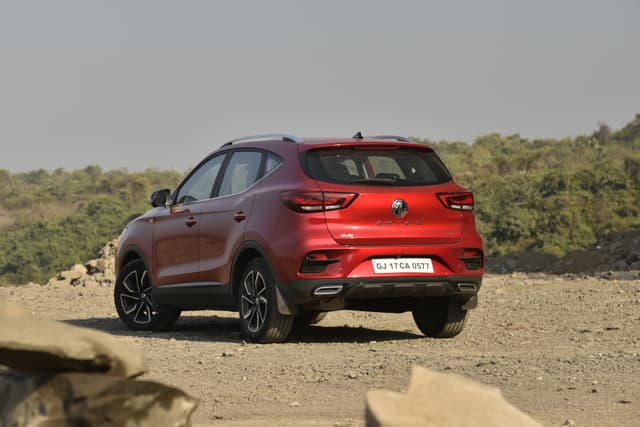
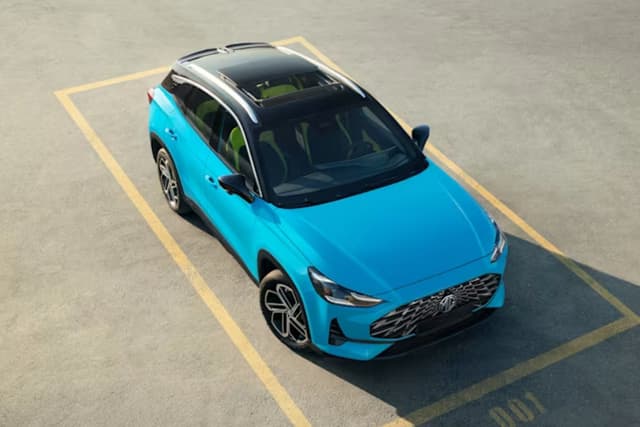
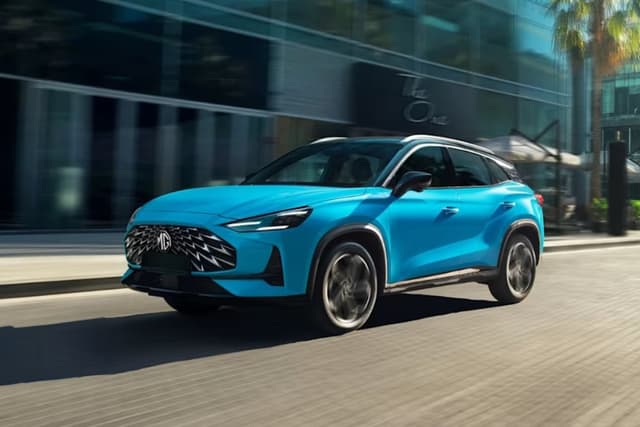
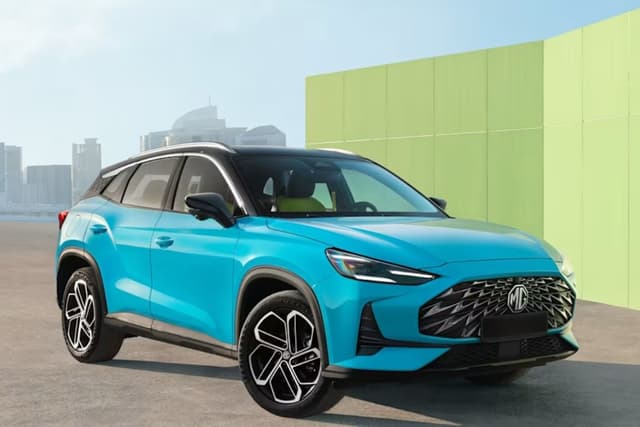
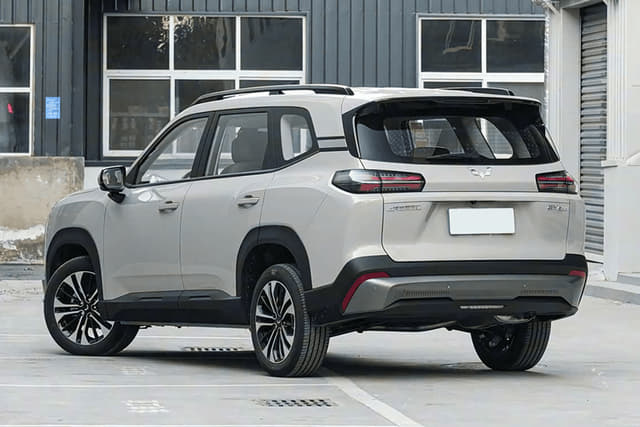
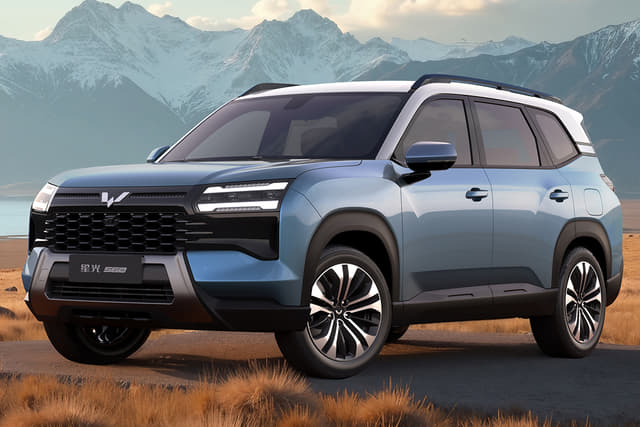
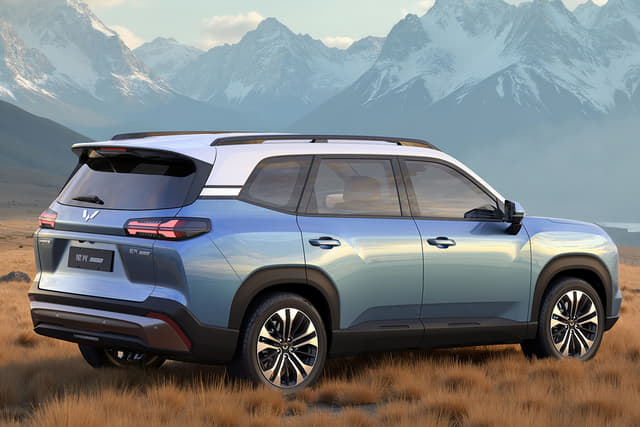
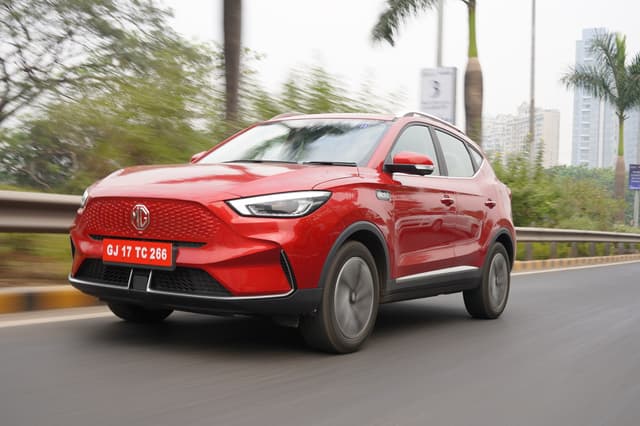
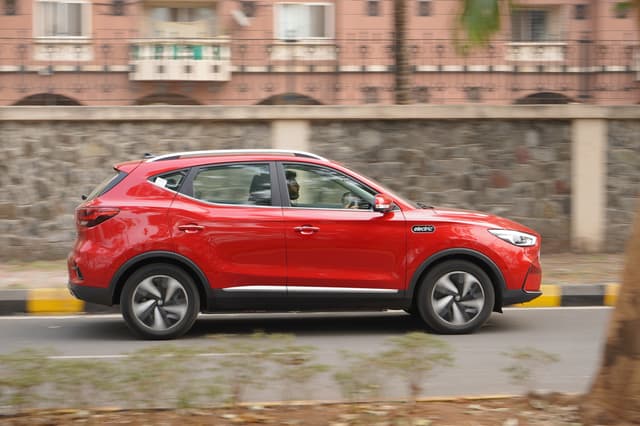
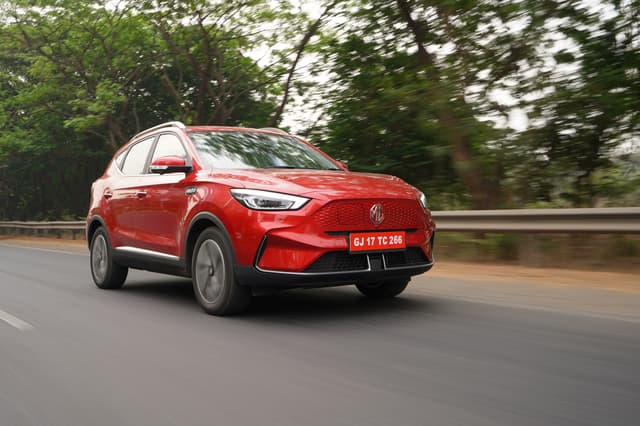
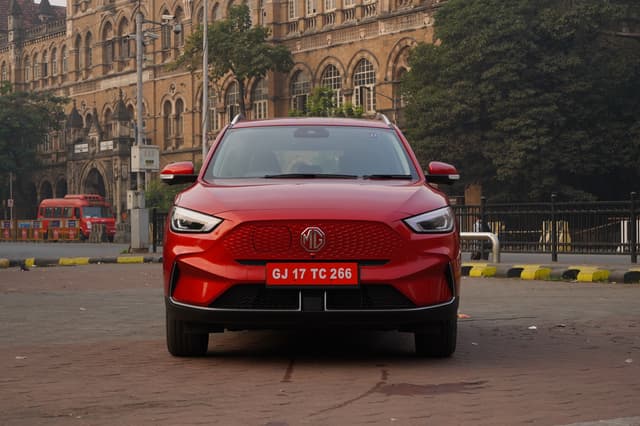
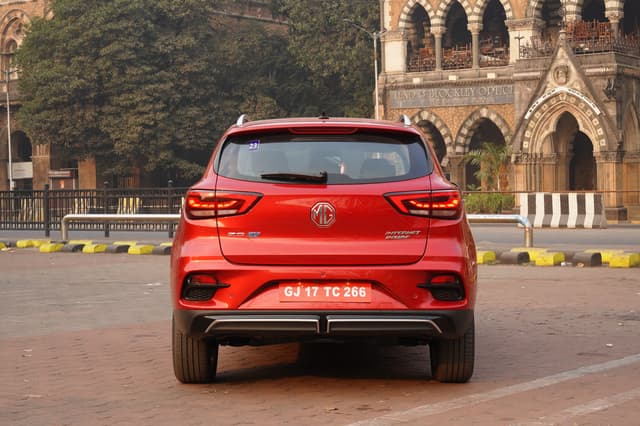
As of now, there are 11 MG cars in India, out of which 8 are on sale, and 3 are upcoming. The MG car price starts at ₹7.50 lakh and goes up to ₹77.50 lakh (ex-showroom). The cheapest MG car is the Comet, whereas the most expensive is the Cyberster. The MG cars available for sale in India are: Comet, Astor, Windsor, Hector, ZS EV, Gloster, M9, and Cyberster.
The Morris Garages India lineup includes 7 SUVs, 2 MPVs, 1 hatchback, and 1 convertible. The most popular MG cars in India are the Windsor, Hector, Astor, Gloster, and Comet. MG cars are available with petrol, diesel, and electric fuel type options.
Morris Garage, or MG Motor India, has been around in the country since 2019. This British car brand is currently owned by Chinese automotive giant SAIC Motor Corporation. MG Motor entered India with its first facility in Halol, Gujarat, and set up its corporate office in Gurugram, Haryana. The Hector was the first MG car launched for the Indian market.
MG Car Price List in India (July 2026)
View the latest MG car price of all the models available for sale in India:
Model Name | Price (ex-showroom) |
MG Comet | ₹7.50 lakh - ₹9.97 lakh |
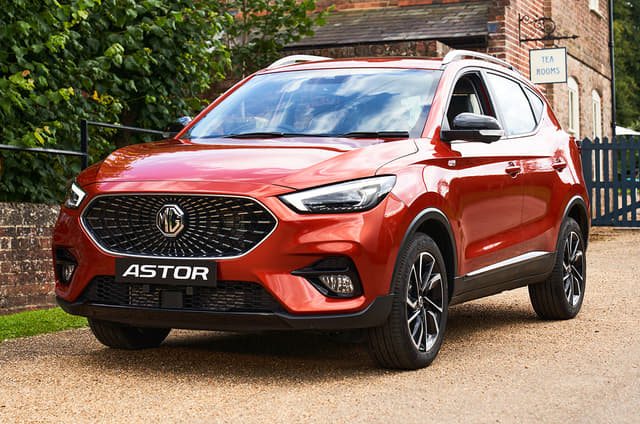
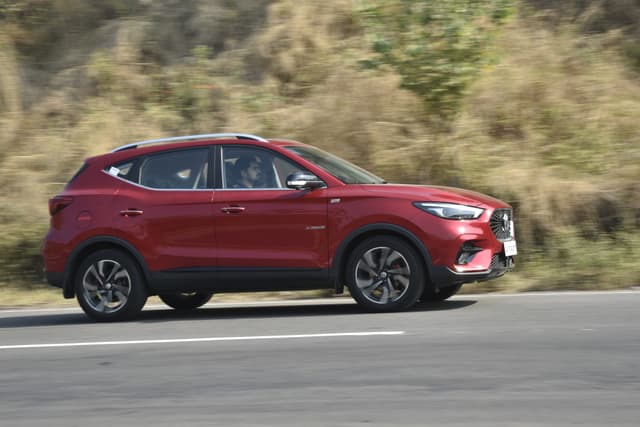
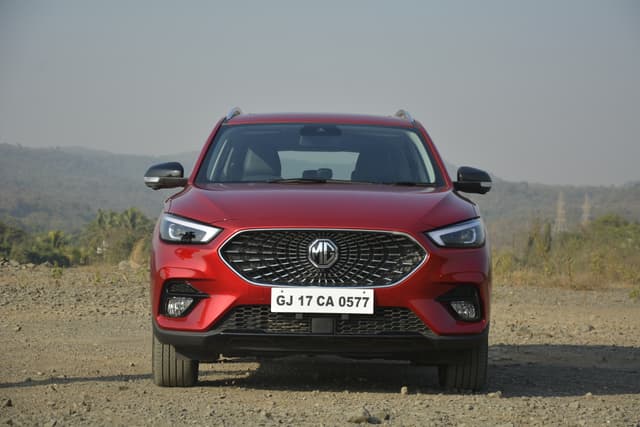
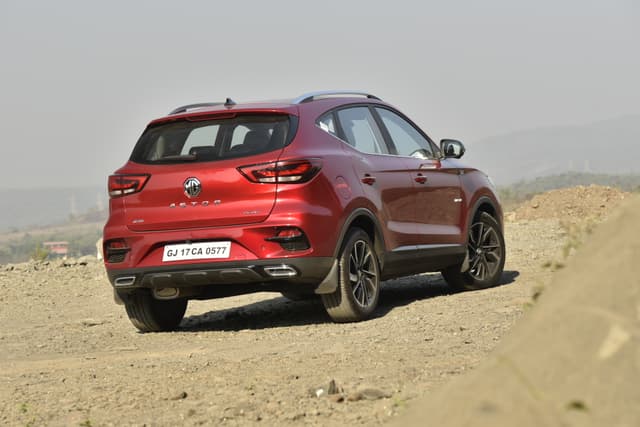
MG Astor | ₹9.79 lakh - ₹15.30 lakh |
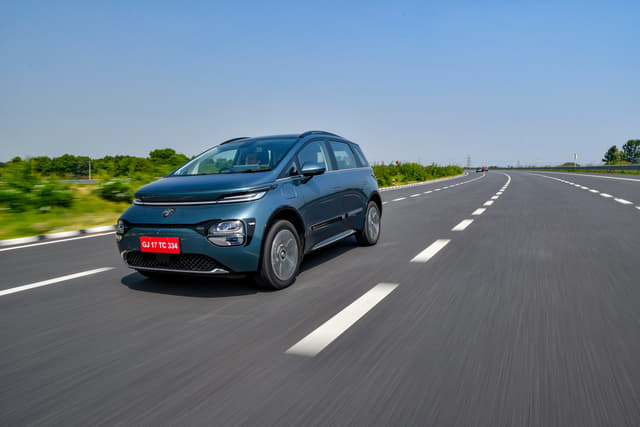
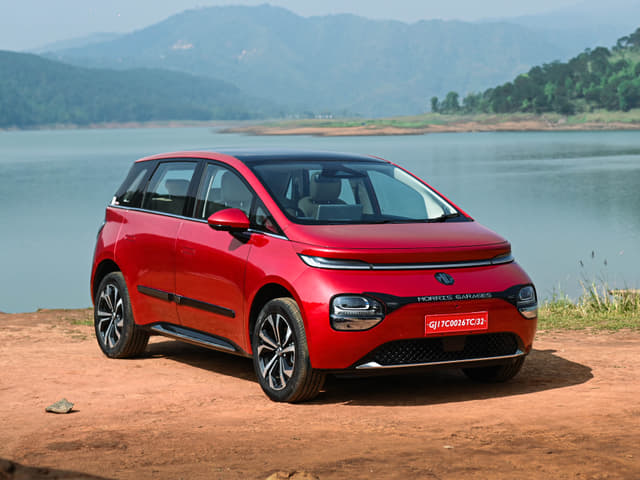
MG Windsor | ₹14.00 lakh - ₹18.60 lakh |
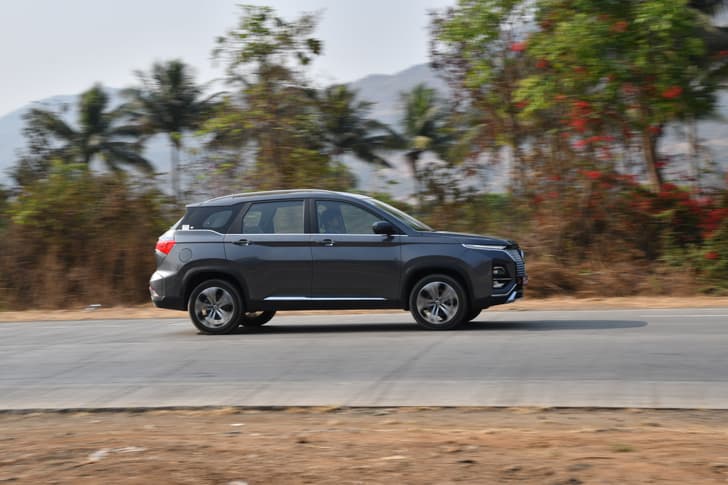
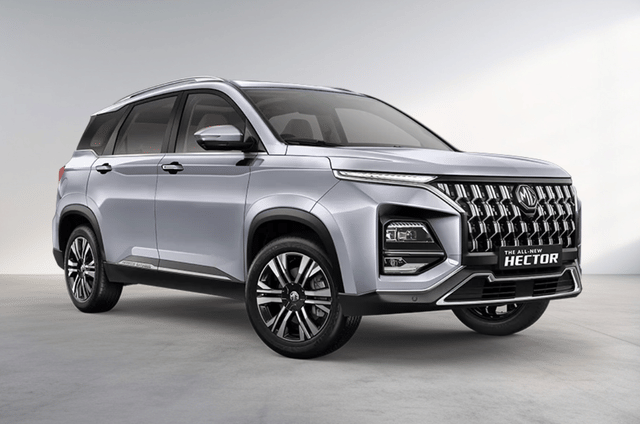
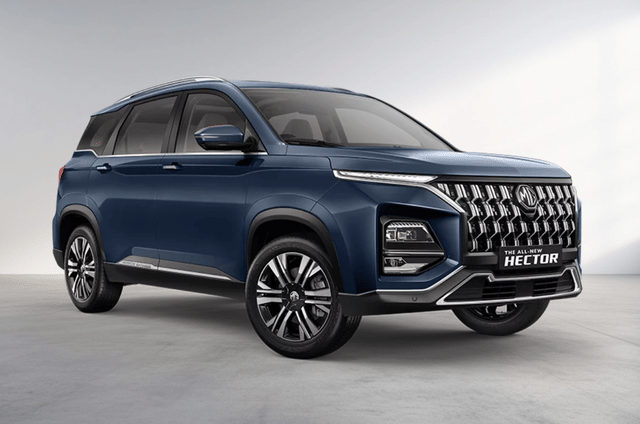
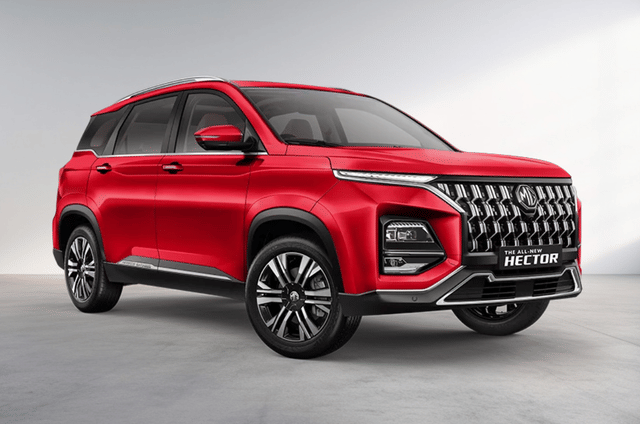
MG Hector | ₹11.99 lakh - ₹19.49 lakh |
MG ZS EV | ₹17.99 lakh - ₹20.50 lakh |
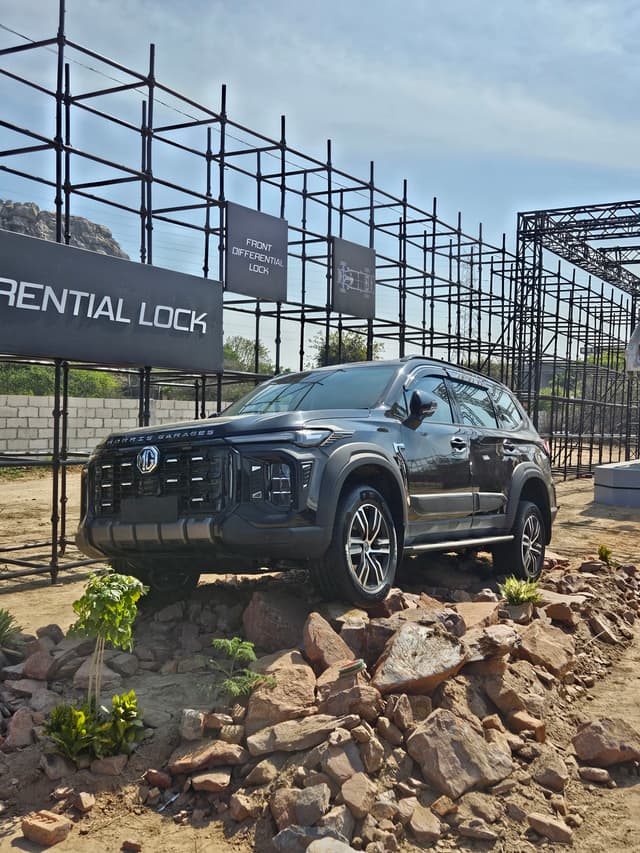
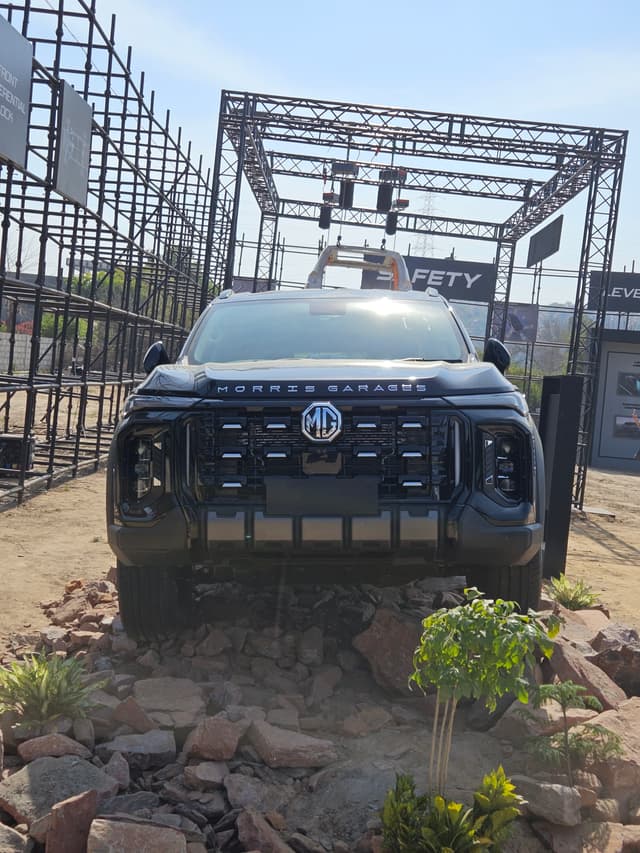
MG Gloster | ₹38.33 lakh - ₹46.24 lakh |
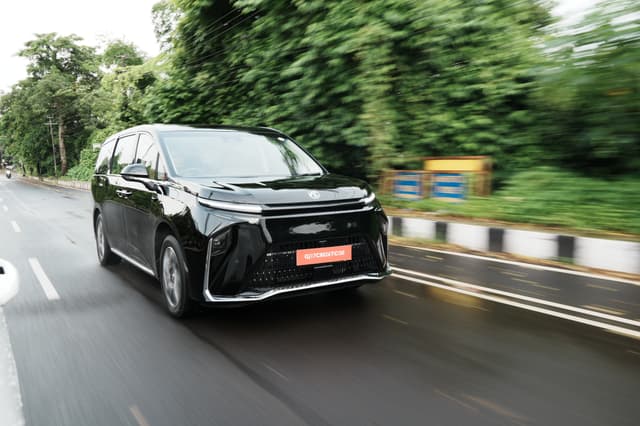
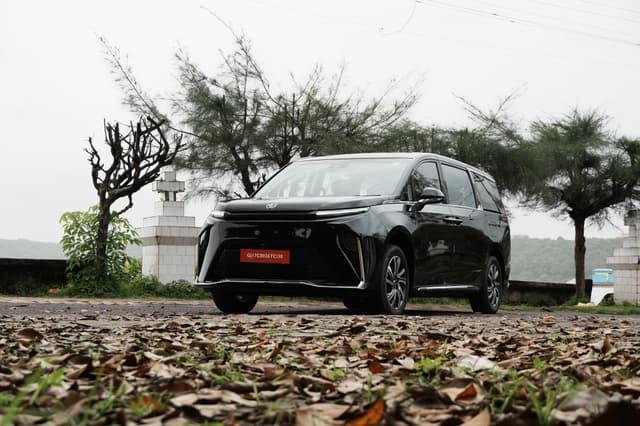
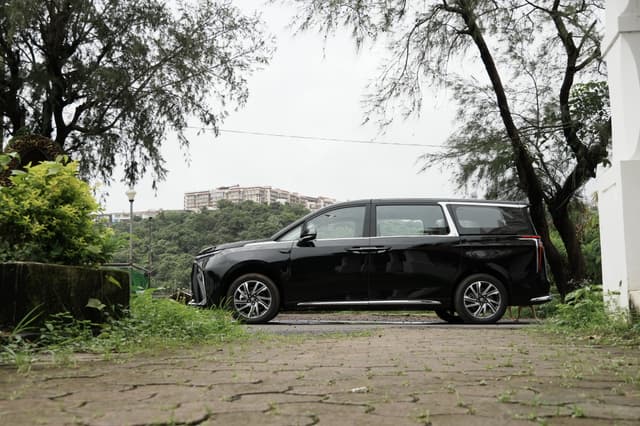
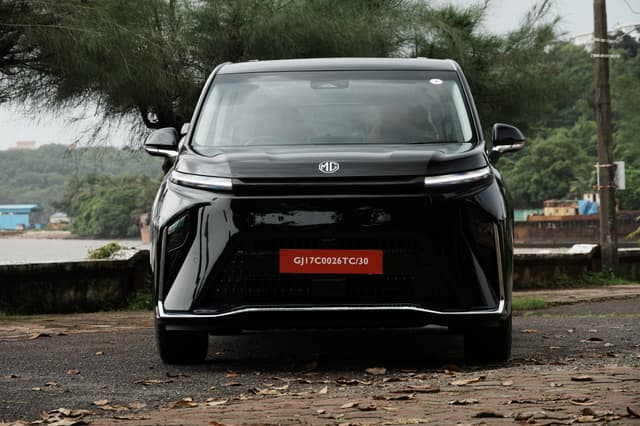
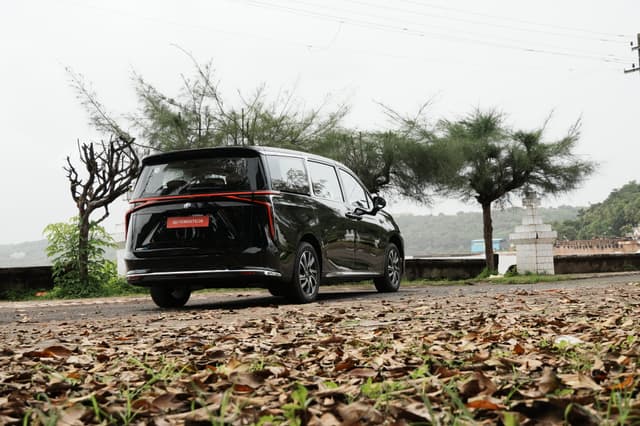
MG M9 | ₹75.90 lakh |
MG Cyberster | ₹77.50 lakh |
MG New Car List
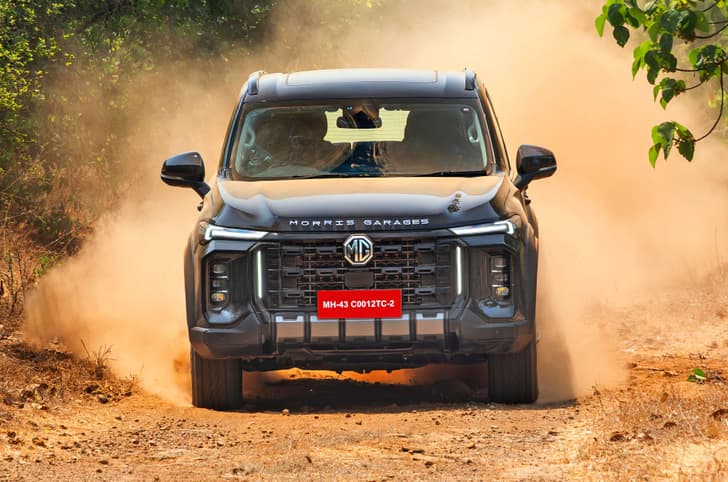
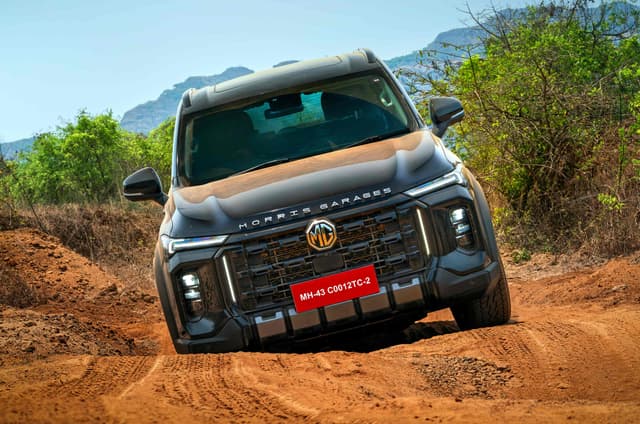
The MG new car list includes three cars:
- MG Majestor
- Estimated price: ₹40.00 - ₹45.00 lakh (ex-showroom).
- Expected launch: May, 2026
- Fuel type: Diesel
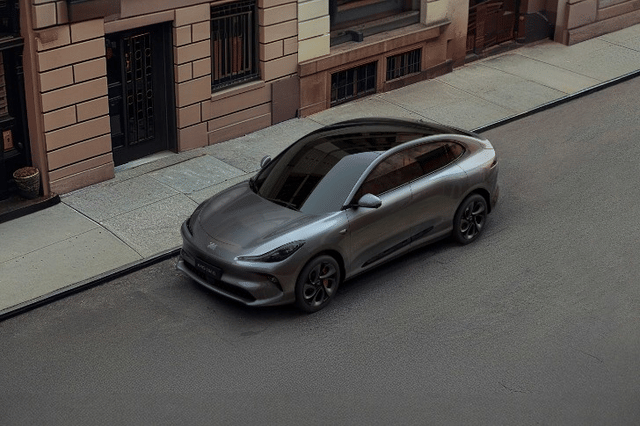
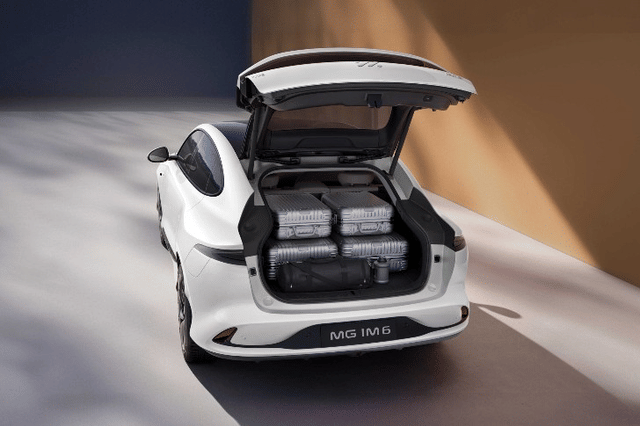
- MG IM6
- Estimated price: ₹55.00 - ₹60.00 lakh (ex-showroom).
- Expected launch: October, 2026
- Fuel type: Electric
- MG New Astor
- Estimated price: ₹12.00 - ₹17.00 lakh (ex-showroom).
- Expected launch: 2027
- Fuel type: Petrol
MG Electric Cars
The MG EV car prices range between ₹7.50 lakh and ₹77.50 lakh. Presently, there are 5 MG electric cars for sale in India: Comet, Windsor, ZS EV, M9, and Cyberster. The cheapest MG electric car is the Comet, while the most expensive is the Cyberster.
MG Car - Latest Updates (July 2026)
- 11 March 2026: MG announced benefits of up to ₹70,000 on Windsor EV.
- 7 March 2026: JSW MG Motor developing new Astor and ZS EV replacements on a modular platform, launch expected in 2027.
- 5 January 2026: MG Windsor became India’s top-selling EV in 2025, with 46,735 units sold.


Filter your search
FAQs
MG stands for Morris Garages. It is a British-origin automotive brand that now operates in India as MG Motor India.
MG Motor India has been operating since 2019, with its first facility in Halol, Gujarat, and a corporate office in Gurugram.
MG electric car prices range between ₹7.50 lakh and ₹77.50 lakh, depending on the model.
Yes. MG cars are available in petrol, diesel, and electric variants.
Yes. There are three 7-seater cars in the MG India lineup: Gloster, M9, and Hector.
There are two upcoming MG cars expected to launch in 2026: the Majestor and the IM6.
Currently, there are 11 MG cars in India, out of which 8 are on sale and 3 are upcoming.
The top models are the Windsor, Hector, Astor, Gloster, and Comet.
Yes. The MG EV lineup includes Comet, Windsor, ZS EV, M9, and Cyberster.
Popular SUV models that are currently available for sale in India include the Astor, Gloster, Hector, and ZS EV.
The MG Comet is the lowest price car in the brand’s lineup, starting at around ₹7.50 lakh (ex-showroom).
Yes. The MG Cyberster is an electric sports car currently available in the Indian market.
The MG Comet is categorized as a small car, designed for city use with compact dimensions.
No. MG does not currently sell any sedans in India. The lineup includes hatchbacks, 7 SUVs, 2 MPVs, and 1 hatchback, and 1 convertible.
The Morris Garages car price in India starts at ₹7.50 lakh for the Comet.
The MG car price in India starts at ₹7.50 lakh and goes up to ₹74.99 lakh.
The Cyberster is the top model in the Morris Garages India lineup.
Trending Questions on MG Cars - Answered by Autocar Experts
I have a Hyundai Grand i10, and my daily travel is around 20 km. However, I use the car twice a day. My garage space is not very big, which is why I sold my Hyundai i20 Sportz. If I want to buy an electric car, which one would be the best fit for me?
With a 20km daily commute (twice a day) and a small garage, the Tata Tiago EV is the best fit. It is compact, easy to park and manoeuvre, and the battery size is well suited to your usage pattern. The Tiago EV is also one of the most affordable electric car on the market, which makes the switch to electric more financially sensible. It is a practical city car with low running costs and a simple ownership experience. The MG Comet is even smaller and easier to park, but it is a two-door car with limited interior and luggage space, so it is not as practical as the Tiago EV. With a smaller battery, its real-world range is far lower, meaning you will have to charge it more frequently as well. Overall, the Tiago EV strikes the best balance between size, practicality and cost for your requirements.
Hi, we live in Thane, and my commute is around 12km on alternate days. Our budget is 20-25 lakh, and we're looking for an automatic car. We are open to both petrol and EV options. Could you suggest the best cars based on reliability, comfort, running costs/fuel efficiency and after-sales service? Thanks!
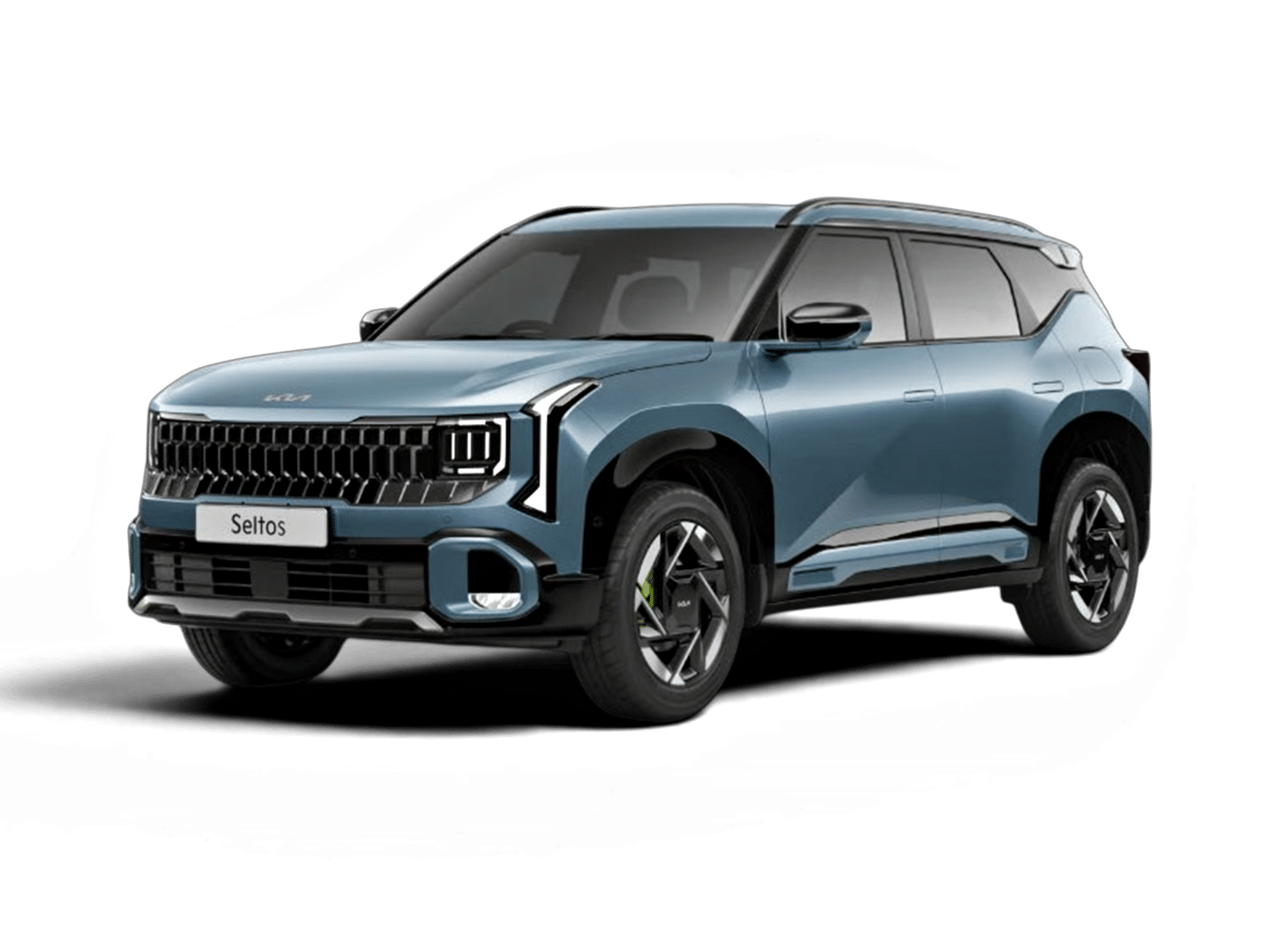
With a 12km alternate-day commute in Thane, your usage is predominantly city-based with relatively low annual running. In this scenario, a petrol automatic makes the most sense from a reliability and ownership-cost perspective, as the fuel savings from an electric car would take a long time to justify the higher upfront cost.In your Rs 20-25lakh budget, the Kia Seltos IVT is the most balanced recommendation. It is a comfortable, well-equipped midsize SUV with a smooth and reliable automatic transmission, good ride quality for city driving and a strong after-sales network in Thane. The IVT gearbox is particularly well-suited to stop-start traffic and is known for its reliability and low maintenance requirements.If you are open to a slightly smaller car, the Skoda Kylaq 1.0 TSI with the 6-speed automatic is also worth considering. It offers a more engaging driving experience, a robust and proven engine and a transmission that is both reliable and relatively efficient. However, the Kia car remains the more premium and spacious option.On the EV front, the MG Windsor is the most sensible recommendation if you are genuinely keen on going electric. It is spacious, comfortable and well-suited to city use. However, given your low running, the financial case for an EV is weak.Overall, the Seltos IVT strikes the best balance between reliability, comfort, running costs and after-sales support for your usage pattern.
I am planning to buy a small car for city driving. I already have a Toyota Innova Crysta for outstation trips. I would preferably like a clutchless car, and I am also considering EVs.
The MG Comet would be our first recommendation. It is genuinely compact, extremely easy to manoeuvre in tight city spaces and has a very low running cost. The only drawback is its limited range, but since your usage is city-focused and you have the Crysta for longer trips, this should not be a major concern.If you want something with a bit more range and a more conventional car feel, the recently updated Tata Tiago EV is a good alternative. The Tata car is still compact and easy to drive, but offers a more traditional hatchback experience and a longer range.Overall, the MG Comet is the better fit for your brief, but the Tiago EV is worth considering if you want a bit more versatility. If your budget is under Rs. 5 lakh, you won't get a brand new EV. However, if you avail of MG's or Tata's BaaS (Battery as a service) subscription system, the upfront cost of both cars' base models does fall under Rs. 5 lakh.
Which is the best EV car to buy under a budget of Rs. 20 lakh in terms of features, safety, and reliability?
The MG Windsor Pro is the best EV to buy under Rs. 20 lakh if you want a genuinely usable family car. It is the only EV in this price range that offers a proper five-seat cabin with good rear-seat space, a large boot and a comfortable ride. That makes it far more practical than smaller EVs like the Tata Nexon EV or Mahindra XUV 3XO EV, which are good cars but do not offer the same level of space or comfort. The Windsor also has a proven track record in India, and MG’s service network is now well established, so reliability and ownership experience are not concerns. The MG car also comes loaded with features like a large touchscreen, leatherette upholstery, panoramic sunroof and much more. As for safety, the Windsor Pro also gets Level 2 ADAS features like autonomous emergency braking, adaptive cruise control and much more. The only real drawback is that the Windsor is not the most exciting car to drive, but as a family EV it is the most complete package in this price bracket. If you are looking for something more compact and city-friendly, the Nexon EV is still a strong alternative, but for overall practicality the Windsor is the clear recommendation.
Hi, I'm planning to buy an EV with a budget of under 20 lakh. How is the used EV market in India? What are the common issues that arise during ownership, especially while the battery is still under warranty? Also, what are the typical service costs?
The used EV market is still evolving, and there is no clear pattern at the moment with regard to value. The biggest factor affecting resale value is battery health, so cars with a healthy battery and a clear service history tend to hold value reasonably well. The key is to buy a car that is still within the manufacturer’s battery warranty period, and make sure that the warranty is transferable to the new owner. In terms of problems, electric cars have far fewer moving parts than ICE cars, so there is less to go wrong mechanically. The most common issues tend to be software glitches, infotainment bugs and occasional charging-related niggles. Battery degradation is the biggest long-term concern, but most modern EVs are holding up well, and manufacturers typically offer 8-year battery warranties. As long as the battery health remains within the warranty threshold, you are covered.Service bills are generally lower than ICE cars because there are no oil changes, fewer fluids and fewer wear items. Most service visits are basic checks, software updates and brake inspections. The main costs come from tyres as these can wear out faster thanks to the extra weight and instant torque they have to handle. The big unknown is out-of-warranty battery replacement, which can be expensive, but this is rare within the first 8-10 years if the car is well cared for.With a budget below Rs 20 lakh, however, you can actually opt for a new EV like the Tata Nexon EV, the MG Windsor or even the upcoming Kia Syros EV, and this may be a better option if you cannot find a good used electric vehicle.
My budget is around 14 lakhs, and I am confused between the MG Windsor exclusive, the Tata Nexon Empowered 45 and the Tata Punch Empowered S40. Please Suggest.
Go for the MG Windsor Exclusive. At Rs 14 lakh, it offers the best ownership experience of the three. The Windsor is a genuinely spacious family car with a comfortable ride, a premium cabin and a strong feature set. It feels like a proper step up from your 2018 Nexon, with a more mature driving experience and a much more spacious rear seat. The Nexon Empowered 45 is a good car, but it is essentially an evolution of what you already own, and the Windsor simply feels like a bigger upgrade for the money. The Punch Empowered S40 is a solid value proposition, but it is a smaller car and does not feel as premium or as spacious as the Windsor. The only real drawback with the Windsor is that MG's service network is not as extensive as Tata's, but it is still a well-supported product in most major cities. Overall, the Windsor Exclusive is the best fit for your budget and your upgrade expectations.
I am planning to buy the MG Hector Smart Pro Manual. However, I am concerned because the MG Hector's monthly sales has been declining. Please advise me on choosing between the Hyundai Creta and the MG Hector.
Go for the MG Hector Smart Pro manual. The Hector remains a strong product with a spacious cabin, comfortable ride and a genuinely premium feel for the money. The recent sales decline is more a reflection of increased competition and the age of the product rather than any fundamental issue with the car itself. MG has also been consistent with updates and feature additions, which helps keep the Hector relevant.The Hyundai Creta is the more modern product with a wider engine line-up and a stronger brand pull, but it is also significantly more expensive for a similarly equipped variant. The Hector offers better value for money, especially in the mid-spec variants, and remains a very comfortable and practical family SUV.The only real drawback with the Hector is that it is a larger car and not as easy to manoeuvre in tight city conditions as the Creta. If your usage is predominantly urban and parking is a concern, the Creta is the better choice. Otherwise, the Hector remains a solid buy and the sales numbers should not be a deterrent.
My daily running is around 10-15km, mostly in the city. I'm considering the Kia Seltos, Hyundai Creta, Maruti Suzuki Victoris, and MG Windsor. I don't want a sunroof, but an automatic transmission, a 360-degree camera and low maintenance are my priorities. Please advise.
Go for the Kia Seltos Petrol IVT if it fits your budget, with the Hyundai Creta Petrol CVT as an equally good alternative if you prefer its styling or have a better local dealer. With a running of just 10 to 15km a day and predominantly city driving, a petrol automatic is the most sensible choice. A strong hybrid like the Victoris will save some fuel in traffic, but at this mileage, it will take a long time to recover its higher purchase price. The MG Windsor also doesn't make financial sense unless you have reliable home charging and specifically want to switch to an EV.The Seltos and Creta offer a very polished ownership experience with smooth, naturally aspirated petrol engines and reliable automatic gearboxes that are well-suited to stop-start traffic. They also have widespread service networks, good resale value and are likely to be easier and cheaper to own over the long term than newer alternatives.Since you don't want a sunroof but do want an automatic and a 360-degree camera, look at the variant lineup carefully, as these features are often bundled together.
Dear Autocar Team, I am looking to replace our household’s trusty Maruti Suzuki Swift AMT model. This vehicle serves strictly as our secondary car, and its duties are entirely urban: daily school runs, grocery trips, and the occasional trek across the city. It will not see any highway use. Given that city traffic is notorious for tanking the fuel efficiency of petrol cars, I am wondering if shifting to an EV makes sense. I have been looking closely at the Tata Punch EV as a potential replacement. Could you please advise on the following: 1. For an exclusively urban, low-to-medium mileage use-case, is an EV truly recommended over traditional ICE automatic models, and will it be economically viable in the long run? 2. How does the Punch EV fare as a pure city commuter in terms of real-world range, ease of driving in traffic, and long-term reliability? Are there specific variants you recommend? 3. Are there any other petrol, automatic or EV alternatives in this segment that I should consider before making my decision?
Yes, switch to an EV if you have a fixed parking spot where you can install a home charger - for a pure city, second car, the Tata Punch EV fits best. Stop-go traffic is where EVs save the most, and with low maintenance and cheap electricity, the math works out over a few years. If you cannot charge at home, skip the EV idea.As a city commuter, the Punch EV is easy. Light steering, smooth creep, strong regen that lets you use the brake less, and ground clearance for bad roads. In real use, the Medium Range handles a typical week of school runs and errands on a single charge; the Long Range provides more buffer if others in the family do longer loops. Tata’s EVs have held up well so far, and support is wide. For variants, pick the Medium Range if your daily running is short and you can top up at home; choose the Long Range only if you want to charge less often. The 7.2 kW home charger is nice to have, not a must-have.Also, look at the Tata Tiago EV for a lower price, and the MG Comet if you want something compact. If you stay petrol, the Hyundai i20 IVT or Amaze CVT automatics are the easiest city alternatives.
I am confused between the Kia Seltos NA Petrol HTK manual and the MG Windsor EV Exclusive Pro. The rising cost of petrol and ethanol blending are my concerns regarding the Seltos, while the year-on-year reduction in battery state of health (SOH) is my concern regarding the Windsor (what if the range drops by 20% in 4-5 years?).
Pick the MG Windsor EV Exclusive Pro, because your main worry is fuel price and ethanol - an EV sidesteps both and makes daily running far cheaper if you can charge at home. In city use, an EV is happier in traffic and with the AC on, and even if the battery loses 15-20% range in 4-5 years, most owners still have more than enough for a normal weekday. MG usually backs the battery for many years, so you are covered if degradation is abnormal.The Seltos 1.5 NA is solid and E20-ready, so ethanol itself is not a deal-breaker. But mileage does dip a bit with higher ethanol, and if your monthly running is high, fuel bills will sting. Also, a manual Seltos in heavy traffic will tire you sooner than the EV’s one-pedal ease.The point to consider with the Windsor is highway convenience and charging access. If you do frequent long trips or cannot install a home charger, the Seltos will be simpler to live with today. But if your life is mostly city with occasional trips and you can plug in at home, the Windsor EV suits your concerns better and will cost less to run over time.
Last Updated on: 17 Jul 2026